Why Lakshadweep?
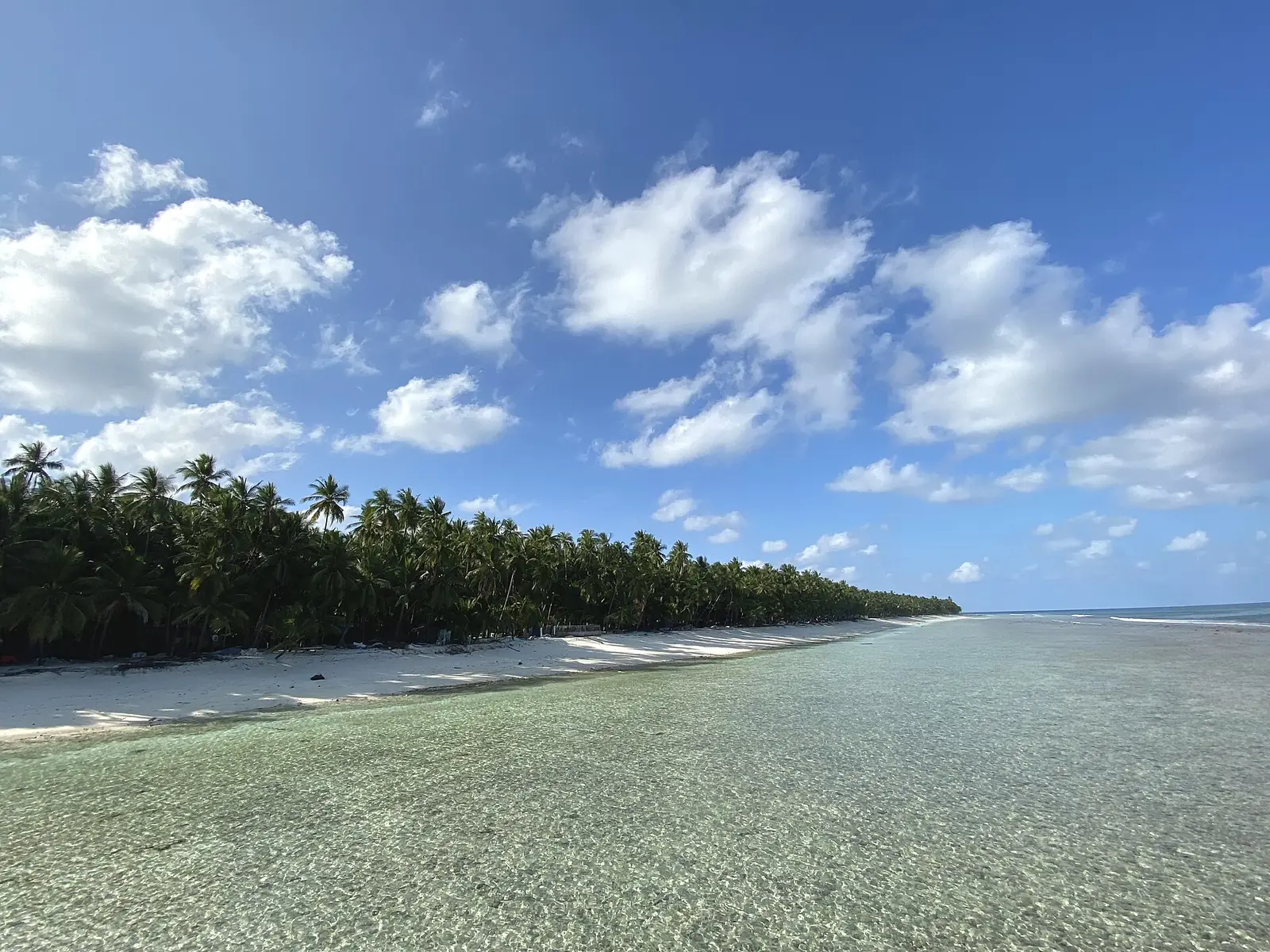
A cluster of coral atolls roughly 250–450 km off the Kerala coast, Lakshadweep is India's smallest Union Territory and, despite lagoons that rival the Maldives, remains genuinely under-visited — largely because access is deliberately restricted to protect the islands' fragile reef ecosystems.
Only a handful of the 36 islands are open to tourists, and every visitor — Indian or foreign — needs an entry permit issued by the Lakshadweep administration. That friction is exactly why the islands have stayed uncrowded: shallow turquoise lagoons enclosed by coral reefs, water clear enough to see the seabed at several metres, and beaches that see a fraction of the footfall of comparable coastlines elsewhere in India.
Lakshadweep isn't a spontaneous trip — permits and ferry or flight bookings need lead time — but for travellers willing to plan ahead, it delivers a coral-island experience that's genuinely rare within India's borders.
🏝️ Lakshadweep at a Glance
Looking for activities and experiences? See our guide to the best things to do in Lakshadweep.
Planning a beach holiday? Explore our guide to the best beaches in Lakshadweep.
Planning something active? Read our guide to scuba diving in India.
Best Time to Visit Lakshadweep
Lakshadweep's tourist season is narrower than most Indian coastal destinations — monsoon seas make several islands genuinely inaccessible for months at a stretch.
Calm seas, clear skies, and the best underwater visibility of the year (25–32°C) — the ideal window for diving, snorkeling, and smooth inter-island ferries.
Temperatures climb and humidity rises ahead of the monsoon, but seas generally remain calm enough for most water activities through April.
The Arabian Sea turns rough, ferry services are frequently suspended, and most resorts close — Lakshadweep is not a realistic monsoon destination.
The single best stretch for scuba diving and snorkeling, with water at its clearest — book resorts and permits well ahead for this window.
Our pick: December to February — the calmest seas, clearest lagoons, and the most reliable ferry and flight schedules of the year.
Entry Permit (Required)
Every visitor to Lakshadweep — including Indian citizens — needs an entry permit issued by the Lakshadweep administration. This is the single biggest piece of planning the islands require, and it cannot be arranged on arrival.
- How to apply: Permits are processed through the official e-Permit portal or via authorised tour operators, who typically bundle the permit with island packages.
- Processing time: Allow at least 15–20 days — permits are not instant and require identity verification.
- Foreign nationals: Face additional restrictions and are currently permitted on fewer islands than Indian citizens — check current eligibility before booking.
- Carry originals: Physical permit and ID copies are checked at the port or airport before boarding, and again on arrival at the island.
How to Reach Lakshadweep
All routes to Lakshadweep originate from Kochi, Kerala — there is no other mainland gateway.
- By Air: Flights run from Kochi to Agatti Airport (~1 hr), the only airstrip in the archipelago — followed by a short boat transfer to most resort islands.
- By Sea: Passenger ships depart from Kochi to various islands (Kavaratti, Agatti, Kadmat, Minicoy, and others), taking roughly 14–20 hours depending on the island and sea conditions.
- Inter-island transfer: Boats and small ferries connect islands to resort properties — most packages include this as part of the booking.
Which Island to Choose
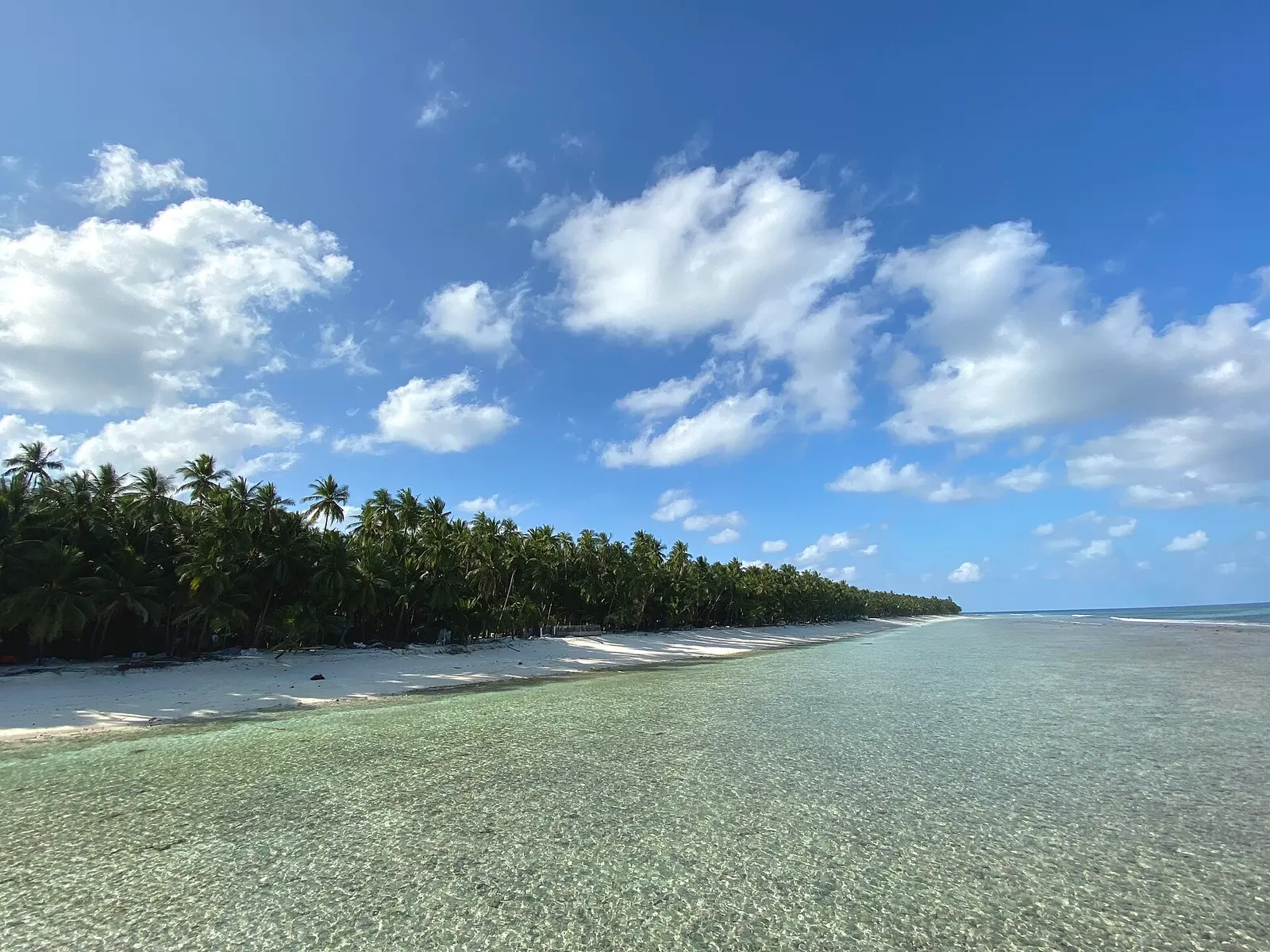
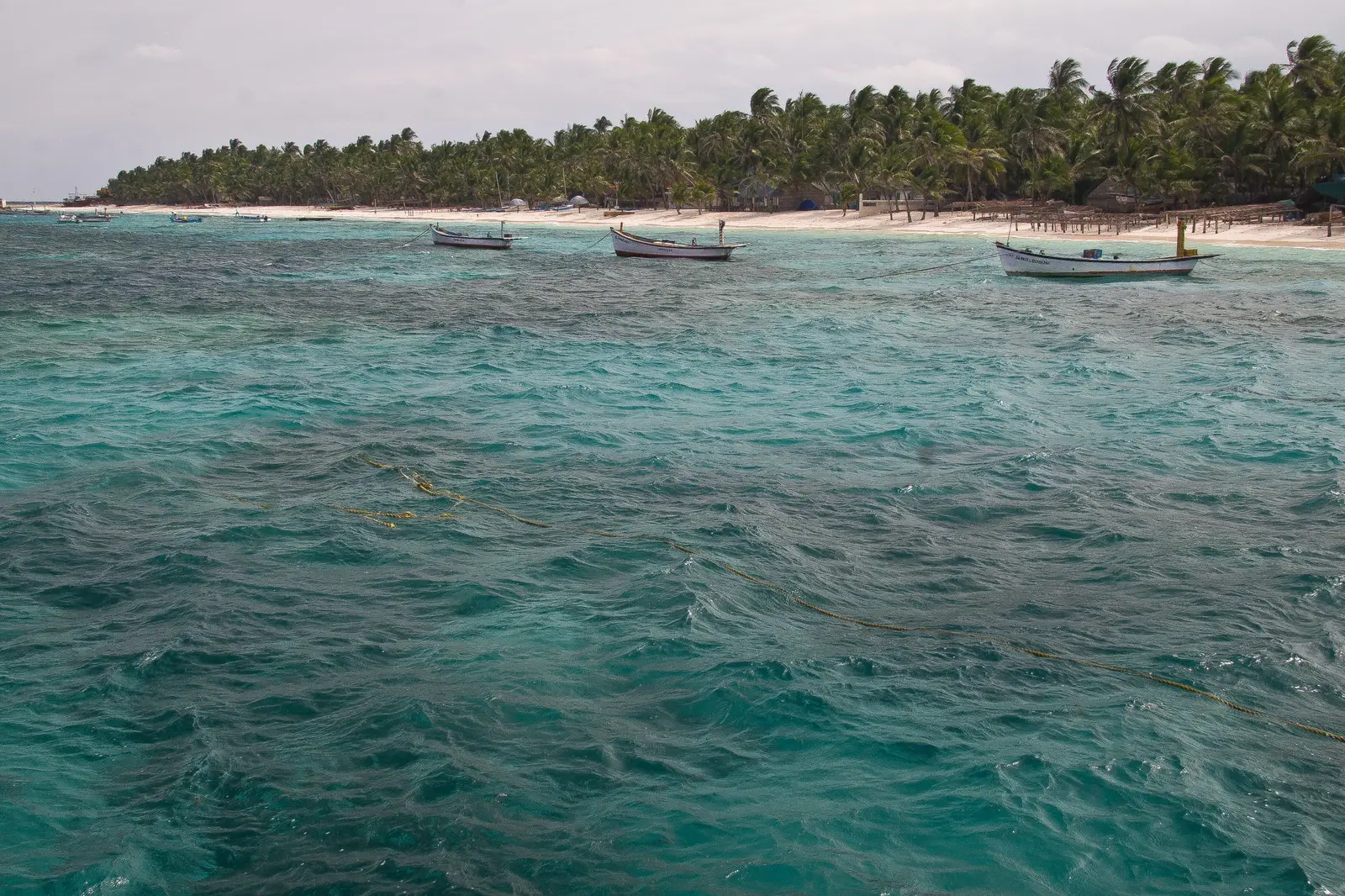
Only a few islands are open to tourists, and each has a distinct character — picking the right one matters more here than at most Indian beach destinations.
- Agatti: The main air gateway, with a stunning airstrip approach over turquoise water — good base for short trips given direct flight access.
- Bangaram: An uninhabited private island resort known for arguably the best lagoon in the archipelago — the closest experience to a Maldives overwater resort within India.
- Kavaratti: The administrative capital, with the most developed infrastructure and several accessible dive sites just offshore.
- Kadmat: A long, narrow island with lagoons on both sides — popular for scuba diving and water sports, with a well-regarded government-run resort.
- Minicoy: The southernmost island, culturally distinct with Maldivian influence, known for its lighthouse and tuna fishing traditions — less visited than the northern islands.
Things to Do in Lakshadweep
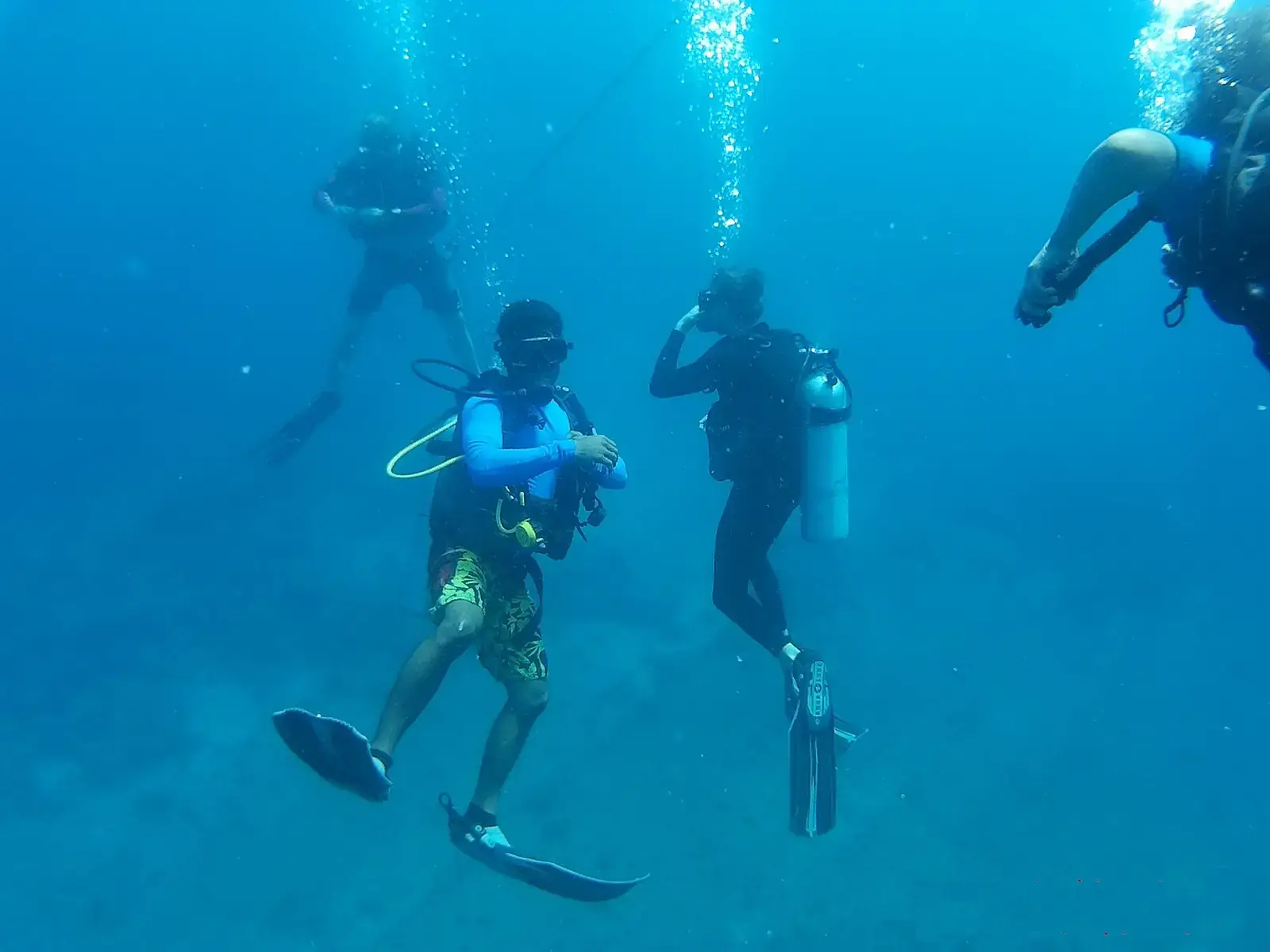
- Scuba diving: Certified dive centres operate on Kadmat, Agatti, and Bangaram, with visibility regularly exceeding 20 metres in peak season — among the best diving conditions in India.
- Snorkeling the lagoons: Shallow, calm, and exceptionally clear — most islands' lagoons are snorkel-friendly straight off the beach, no boat required.
- Glass-bottom boat rides: A good option for non-swimmers to see the coral reef and marine life without getting in the water.
- Kayaking: Calm lagoon water makes for easy, low-effort kayaking, offered at most resort islands.
- Island hopping: Day trips between neighbouring islands by boat, where itinerary and permits allow — check what's included in your package.
- Sunset on the lagoon side: With no light pollution and unobstructed horizons, sunsets here are genuinely spectacular — best watched from the lagoon-facing shore.
Where to Stay in Lakshadweep
Accommodation is limited and almost always bundled with your permit and transport as part of a package — very few standalone bookings exist.
- → SPORTS (Kavaratti) government stays
- → Kadmat Beach Resort (standard rooms)
- → Basic guesthouses, Agatti
- → Agatti Island Beach Resort
- → Kadmat Beach Resort (cottages)
- → Minicoy Island guesthouses
- → Bangaram Island Resort
- → Private overwater-style cottages
- → All-inclusive dive packages
Book well ahead regardless of budget tier — room inventory across the entire archipelago is small, and permits are typically only issued once accommodation is confirmed.
What to Eat in Lakshadweep
Cuisine here leans heavily on seafood and coconut, with strong Kerala and Maldivian influences reflecting the islands' geography and trade history.
- Tuna preparations: Fresh tuna is the island staple, grilled, curried, or dried into "mas" — a Maldivian-style dried tuna product also common here.
- Coconut-based curries: Similar to coastal Kerala cooking, coconut milk and grated coconut feature heavily in fish curries and chutneys.
- Mus Kavab: A local spiced fish preparation worth seeking out at island eateries.
- Resort meals: Most stays are all-inclusive or offer set meal plans — standalone restaurants are rare outside Kavaratti and Agatti town.
- No alcohol: Lakshadweep is largely a dry territory; alcohol is restricted to a few resort properties like Bangaram — don't expect it to be widely available.
4-Day Lakshadweep Itinerary
Given permit lead time and travel logistics, four days on a single island (or two, if your package allows transfers) is a sensible baseline.
Arrival & Settling In
- ✓Fly Kochi → Agatti, boat transfer to resort island
- ✓Afternoon: Check in, orientation walk along the lagoon
- ✓Evening: Sunset on the lagoon-facing beach
Diving & Snorkeling
- ✓Morning: Introductory or certified scuba dive session
- ✓Afternoon: Snorkeling the house reef
- ✓Evening: Glass-bottom boat ride
Island Exploration
- ✓Morning: Kayaking the lagoon
- ✓Afternoon: Island walk, local village visit (where accessible)
- ✓Evening: Beach bonfire or resort dinner
Departure
- ✓Morning: Final lagoon swim
- ✓Late morning: Boat transfer to Agatti
- ✓Afternoon: Flight back to Kochi
Budget Breakdown
| Expense | Budget | Mid-Range | Luxury |
|---|---|---|---|
| Accommodation/night | ₹4,000 | ₹10,000 | ₹35,000 |
| Food (often included) | ₹800 | Included | Included |
| Flight Kochi ↔ Agatti | ₹8,000 | ₹8,000 | ₹8,000 |
| Diving / activities per day | ₹1,500 | ₹3,000 | Included |
| Daily total (excl. flight) | ₹6,300 | ₹13,000 | ₹35,000 |
| 4-Day trip total | ₹33,200 | ₹60,000 | ₹1,48,000 |
* Excludes travel to Kochi. Most mid-range and luxury packages bundle meals, permit fees, and transfers into a single quoted price.
Essential Travel Tips for Lakshadweep
- Apply for your permit at least 3–4 weeks out:This is the one dependency outside your control, and it takes far longer than most Indian domestic permits.
- Book through a recognised operator first time:They bundle permit, stay, and transfers, which removes most first-trip logistics risk.
- Only reef-safe sunscreen: Several resorts actively check for it before letting you into lagoon water.
- Carry cash: ATMs and card acceptance are limited outside Kavaratti and Agatti — most resort packages are pre-paid, but carry cash for extras.
- Don't expect alcohol: Lakshadweep is largely dry; only a few resort properties are exceptions.
- Confirm sea conditions before travel:Especially in shoulder-season months (May, September) — ferries can be delayed or cancelled with short notice.
✅ Do
- →Apply for your permit at least 3–4 weeks before travel
- →Book through a recognised Lakshadweep tour operator
- →Use only reef-safe sunscreen
- →Fly via Agatti for the most reliable schedule
- →Book diving and water activities in advance
- →Carry a printed permit and ID copy
❌ Don't
- →Plan a spontaneous trip — permits take weeks
- →Travel during the June–September monsoon
- →Use regular (non-reef-safe) sunscreen
- →Expect nightlife or alcohol availability outside a few resorts
- →Rely on cards outside Kavaratti and Agatti
- →Skip travel insurance given the remoteness
Places to Explore in Lakshadweep
Every Lakshadweep guide on Kudozz Club, in one place — 2 destinations covered so far, from cities and towns to individual attractions. Use this index to plan beyond the highlights above.
Frequently Asked Questions
How many days do I need for Lakshadweep?
Four days on a single island is a sensible baseline, factoring in permit lead time and travel logistics — enough for diving or snorkelling, kayaking, some island exploration, and a relaxed pace without rushing. Extending to two islands is possible if your package includes an inter-island transfer.
Do I need a permit to visit Lakshadweep, and how long does it take?
Yes — every visitor, including Indian citizens, needs an entry permit issued by the Lakshadweep administration, and it can't be arranged on arrival. Permits are processed through the official e-Permit portal or via authorised tour operators, and you should allow at least 15–20 days for processing since it requires identity verification.
What is the best time to visit Lakshadweep?
October to February is the best window, with calm seas, clear skies, and the best underwater visibility of the year. December and January specifically are the peak diving season, with the clearest water — book resorts and permits well ahead for this stretch. Avoid June to September, when the monsoon makes the Arabian Sea rough and most resorts close.
How do I reach Lakshadweep from Kochi?
All routes to Lakshadweep start from Kochi, Kerala — there's no other mainland gateway. Flights run from Kochi to Agatti Airport in about an hour, followed by a short boat transfer to most resort islands, or you can take a passenger ship from Kochi directly to islands like Kavaratti, Agatti, Kadmat, or Minicoy, a crossing of roughly 14–20 hours. Flying is faster and more reliable, especially in shoulder-season months.
Which Lakshadweep island should I choose?
It depends on what you want: Agatti is the main air gateway and good for short trips; Bangaram is an uninhabited private-island resort with arguably the best lagoon in the archipelago; Kavaratti is the administrative capital with the most developed infrastructure; Kadmat is popular for scuba diving with lagoons on both sides; and Minicoy is the culturally distinct, less-visited southernmost island with Maldivian influence.
What is the budget for a Lakshadweep trip?
Costs vary widely by island and resort tier — a budget 4-day trip runs around ₹33,200, mid-range closer to ₹60,000, and luxury packages (like Bangaram) can exceed ₹1,48,000, excluding travel to Kochi. Most mid-range and luxury packages bundle meals, permit fees, and transfers into a single quoted price.
Is Lakshadweep safe for solo travellers?
Lakshadweep is a heavily permit-controlled destination, which means tourism is deliberately limited and most visitors travel via a recognised tour operator who bundles the permit, stay, and transfers — a structure that removes much of the logistics risk for solo travellers. That said, the islands are remote with minimal medical infrastructure and limited ATM or card access outside Kavaratti and Agatti, so carrying cash and planning ahead matters more here than on a typical beach trip.
Published by the Kudozz Club editorial team · Last updated · How we research our guides
Want us to plan this trip for you?
Tell Kudozz Club where you want to go and what kind of trip you’re looking for. We’ll build a Lakshadweep itinerary around your dates and budget.
Continue Exploring
View all guidesDestination GuideAgatti Island Travel Guide: Lagoon, Reefs & Diving Spots
Lakshadweep's gateway island — Agatti Beach and Lagoon, the Agatti Island Resort, coral reefs and diving spots, snorkelling sites, kayaking, glass-bottom boat rides, lagoon cruises, and sunset views.
Destination GuideKavaratti Island Travel Guide: Lagoon, Diving & Ujra Mosque
Lakshadweep's capital and most developed inhabited island — Kavaratti Beach and Lagoon, the Marine Aquarium, the driftwood-ceilinged Ujra Mosque, scuba diving, snorkelling, and glass-bottom boat rides.
 Adventure Travel
Scuba Diving in India: Best Dive Sites and Seasons
A guide to scuba diving in India: the Andaman Islands, Lakshadweep, Netrani Island off Karnataka, Grande Island in Goa, Tarkarli in Maharashtra and Puducherry, when to dive, how try dives and certification courses work, and dive safety.
 Beaches
Andaman Islands Travel Guide: Beaches, Diving, Permits & Tips
Crystal-clear waters, pristine coral reefs, white sand beaches and the haunting history of Cellular Jail — the complete guide to the Andaman Islands.