Why Visit Spiti Valley?
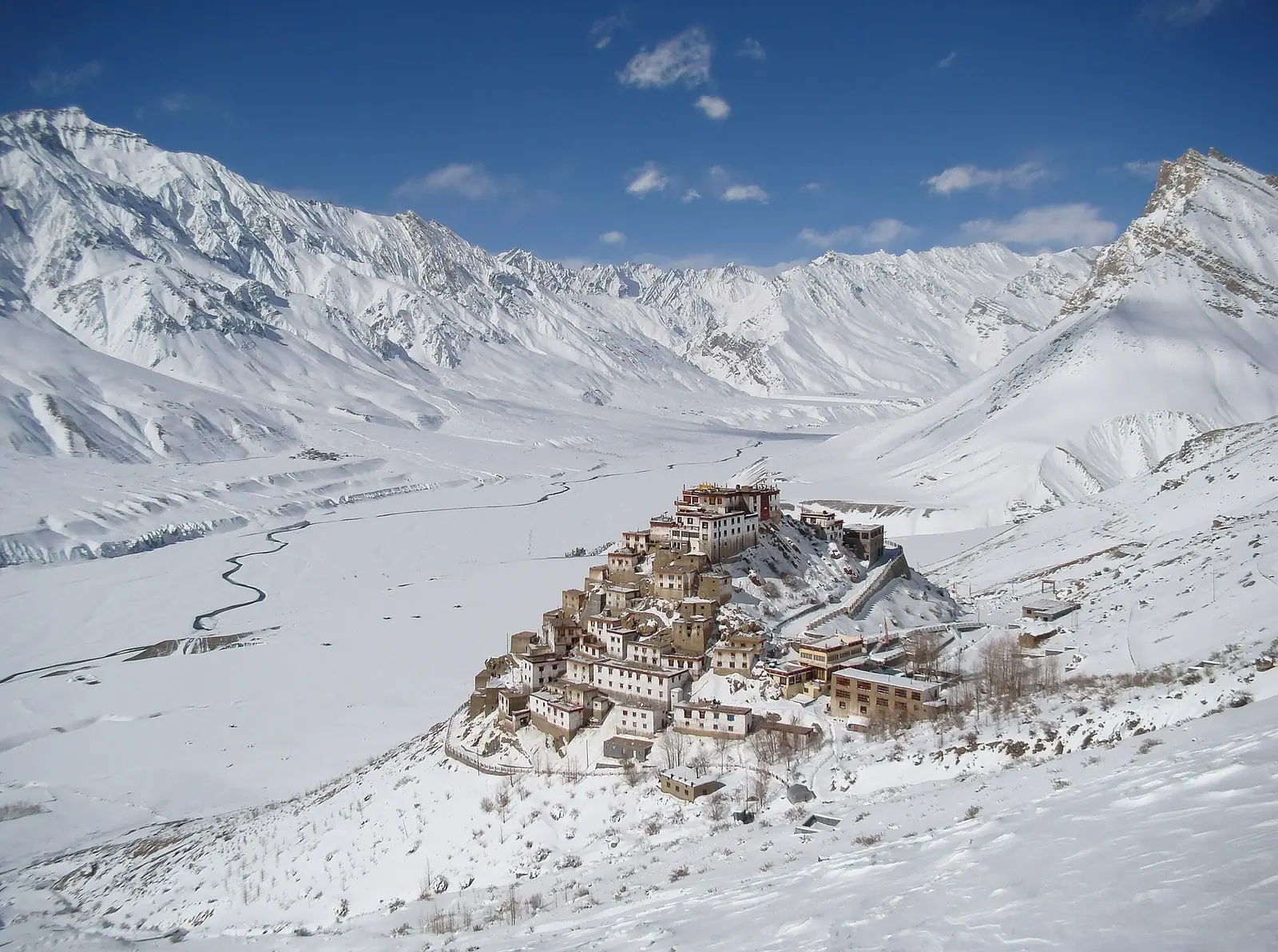
There are beautiful places, and then there is Spiti Valley. Sitting at an average altitude of 3,800 metres in the rain shadow of the outer Himalayas, Spiti is a cold desert — barren, bone-dry, and breathtakingly beautiful. The landscape looks less like India and more like the surface of Mars: ochre cliffs, turquoise rivers, crumbling monasteries perched impossibly on ridgelines, and villages so remote that supply trucks come only a few months a year.
Spiti is not a destination you stumble into. The roads are brutal, altitude sickness is real, and facilities are basic. But for those who make the effort, it offers something increasingly rare in modern travel — a place that hasn't been smoothed out for mass tourism. The sky here is a shade of blue you won't see at sea level. The silence is the loudest thing around. And the welcome from the local Spitian community is genuinely warm.
This guide covers everything: both routes in, the best villages and monasteries to visit, a complete 10-day itinerary, where to sleep, what to eat, permits, and the essential tips that will make the difference between a good trip and a great one.
🏔️ Spiti Valley at a Glance
Looking for activities and experiences? See our guide to the best things to do in Spiti Valley.
Going by road? See our guide to the Spiti Valley road trip.
Love the outdoors? See our guide to Himalayan nature travel.
Comparing hill stations? See our guide to India's mountain destinations.
Planning something active? Read our guide to Spiti Valley bike trip.
Best Time to Visit Spiti Valley
Spiti's extreme altitude and geography mean the window for comfortable travel is shorter than most Indian destinations — roughly June to October. Outside of that, the valley is buried under snow and most roads are impassable.
Snow melts, roads reopen. Lush green patches appear near rivers. Cool temperatures, occasional rain. The Shimla route opens first; Manali route (Rohtang) opens by late June.
The sweet spot. Clear skies, all roads open, Chandratal accessible. Festivals like Ladarcha and Losar. Accommodation fills fast — book ahead.
Our favourite month. Thin crowds, dramatic golden light on the cliffs, first snow on high passes. Roads can close mid-October without warning.
Spiti is almost entirely cut off. Some locals remain in Kaza. Only for experienced winter expedition teams with proper gear and logistics.
Our pick: Mid-August to late September. The roads are all open, Chandratal is accessible, the sky is impossibly clear, and the landscape turns a vivid rust-gold. It's Spiti at its most cinematic.
How to Reach Spiti Valley
There are two roads into Spiti — and both are epic journeys in their own right. Most travellers do the classic circuit: enter from one side, exit from the other.
Via Shimla — The Kinnaur Route
The Shimla–Kinnaur–Spiti route (NH5 / NH505) is the longer but more accessible road, open for a greater part of the year. From Shimla, you drive through the apple orchards and hanging valleys of Kinnaur — past Sarahan, Sangla, Chitkul, Nako — before crossing into Spiti at Sumdo. The journey from Shimla to Kaza takes about 10–12 hours across 2 days at a comfortable pace.
- Shimla → Reckong Peo / Kalpa: Day 1 stop, 170 km (~6 hrs). Stunning Kinnaur Kailash views from Kalpa.
- Reckong Peo → Nako / Tabo: Day 2, 140 km (~5 hrs). Cross into Spiti territory.
- Tabo → Kaza: Day 3, 45 km (~2 hrs). Easy morning drive.
Via Manali — The Rohtang & Kunzum Route
The Manali–Rohtang–Kunzum–Spiti route is the more dramatic approach — crossing two high passes including the legendary Kunzum Pass (4,590 m). This route is shorter in distance but longer in drama. It's only open from late June to mid-October.
- Manali → Rohtang Pass → Gramphoo → Batal: Day 1, ~130 km (~6 hrs). Camp or homestay at Batal.
- Batal → Chandratal Lake → Losar → Kaza: Day 2, ~90 km (~4 hrs). Stop at Chandratal on this day.
Top Places to Visit in Spiti Valley
Kaza — The Heart of Spiti
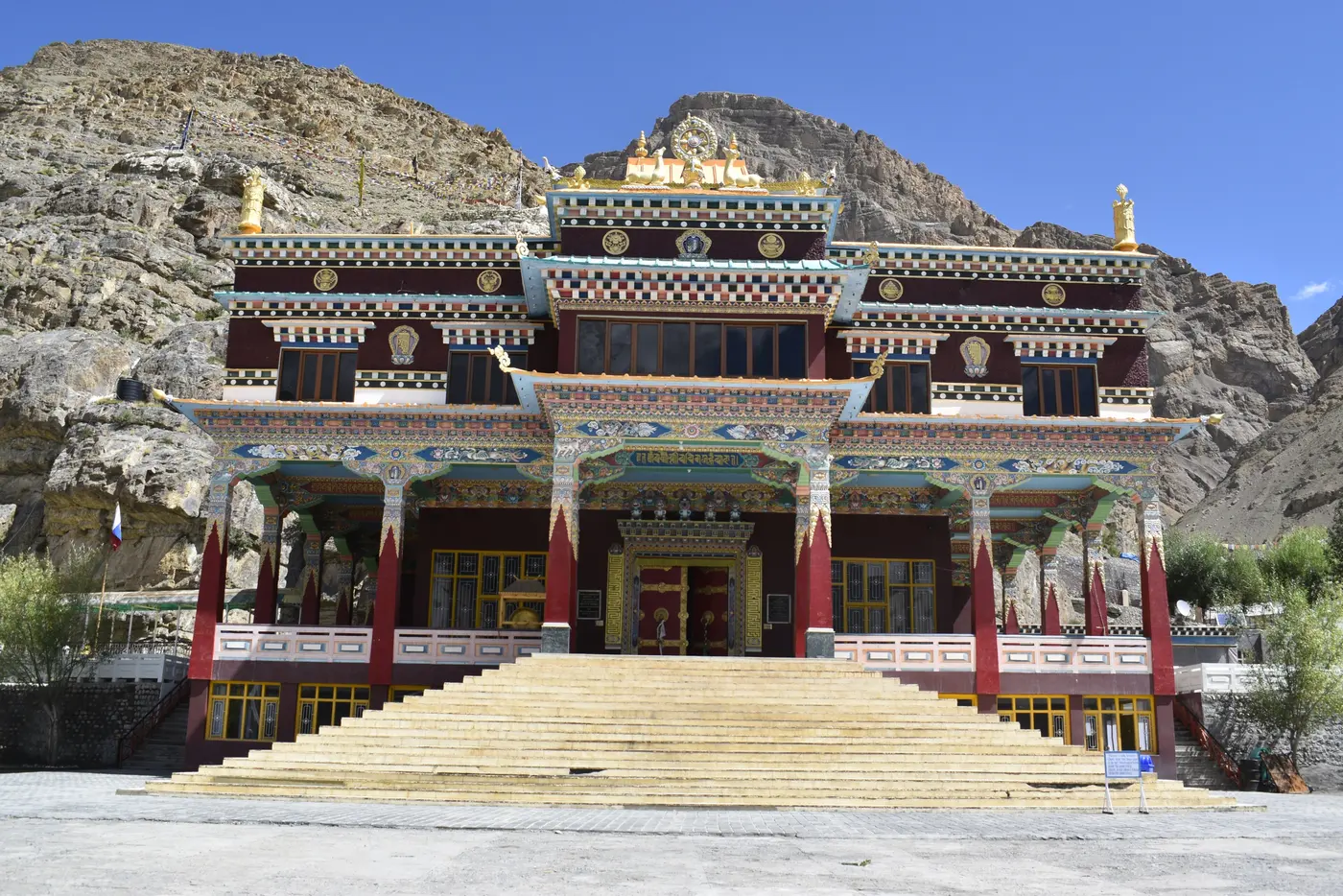
At 3,800 metres, Kaza is the district headquarters of Spiti and the de facto base for exploring the valley. Don't expect much in terms of urban infrastructure — Kaza is a small market town with a handful of streets, a few banks (ATMs are unreliable), basic mobile connectivity (BSNL works best), and a rapidly growing guesthouse scene.
The town is split into Old Kaza (traditional architecture, local life) and New Kaza (market, hotels, restaurants). Start here, acclimatise for a full day, and use it as your operational hub for excursions to Key, Kibber, Langza, and Pin Valley.
Don't miss Sakya Tangyud Monastery in Old Kaza — small, often overlooked, and genuinely atmospheric in the early morning.
Key Monastery — Spiti's Most Iconic Sight
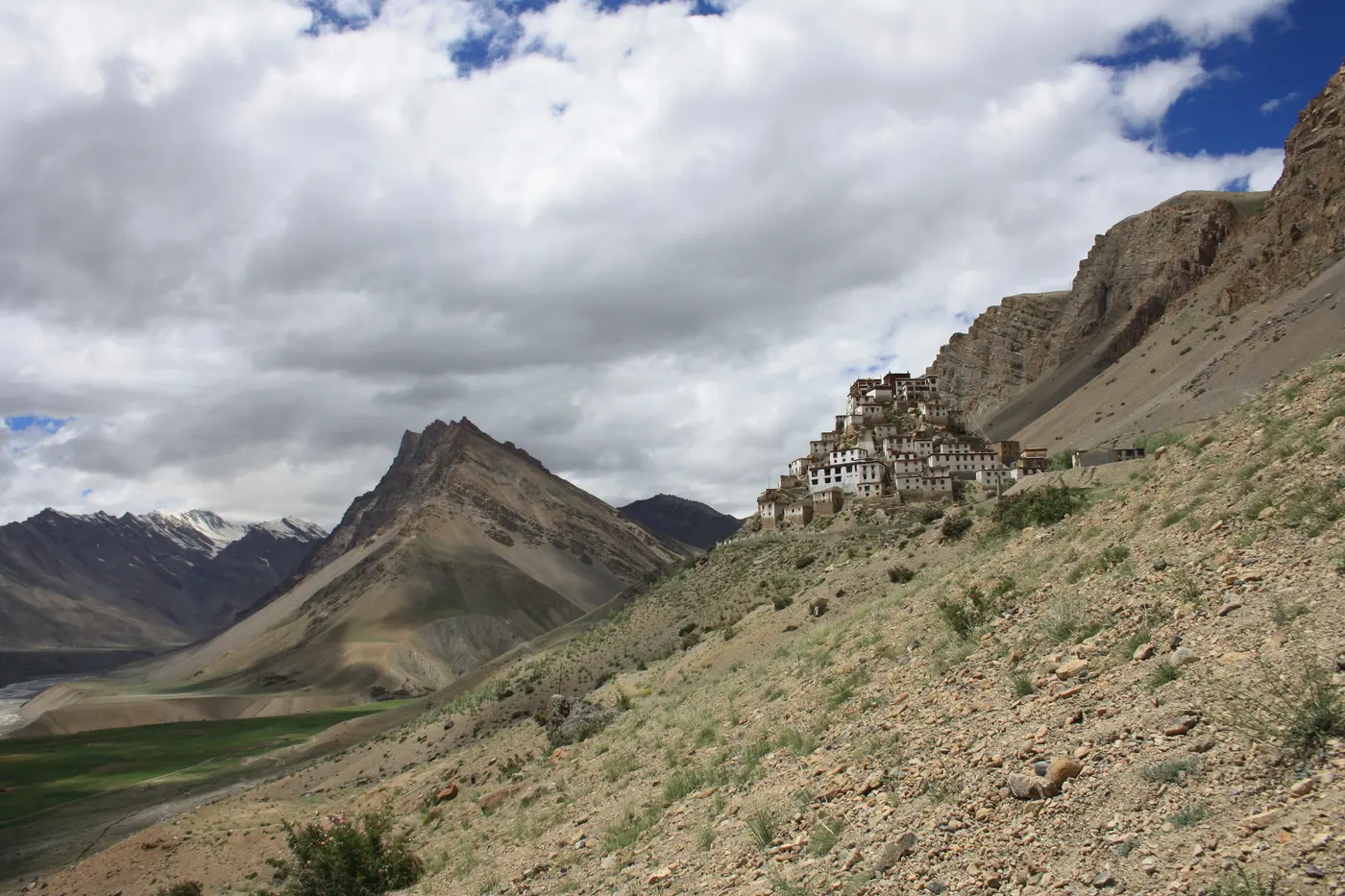
Perched on a hilltop 14 km from Kaza at 4,166 metres, Key Monastery (Ki Gompa) is the largest and most important monastery in Spiti — and one of the most photographed buildings in the Indian Himalayas. Its tiered white-and-ochre structure rising against barren mountains and electric-blue sky is the definitive image of Spiti Valley.
Founded in the 11th century, Key is a working monastery with around 300 monks. The inner prayer halls contain centuries-old thangkas, weapons, and musical instruments. Visit early morning when monks perform their morning prayers — the deep drone of the dungchen horns echoing across the valley is something you will not forget.
Chandratal Lake — The Moon Lake
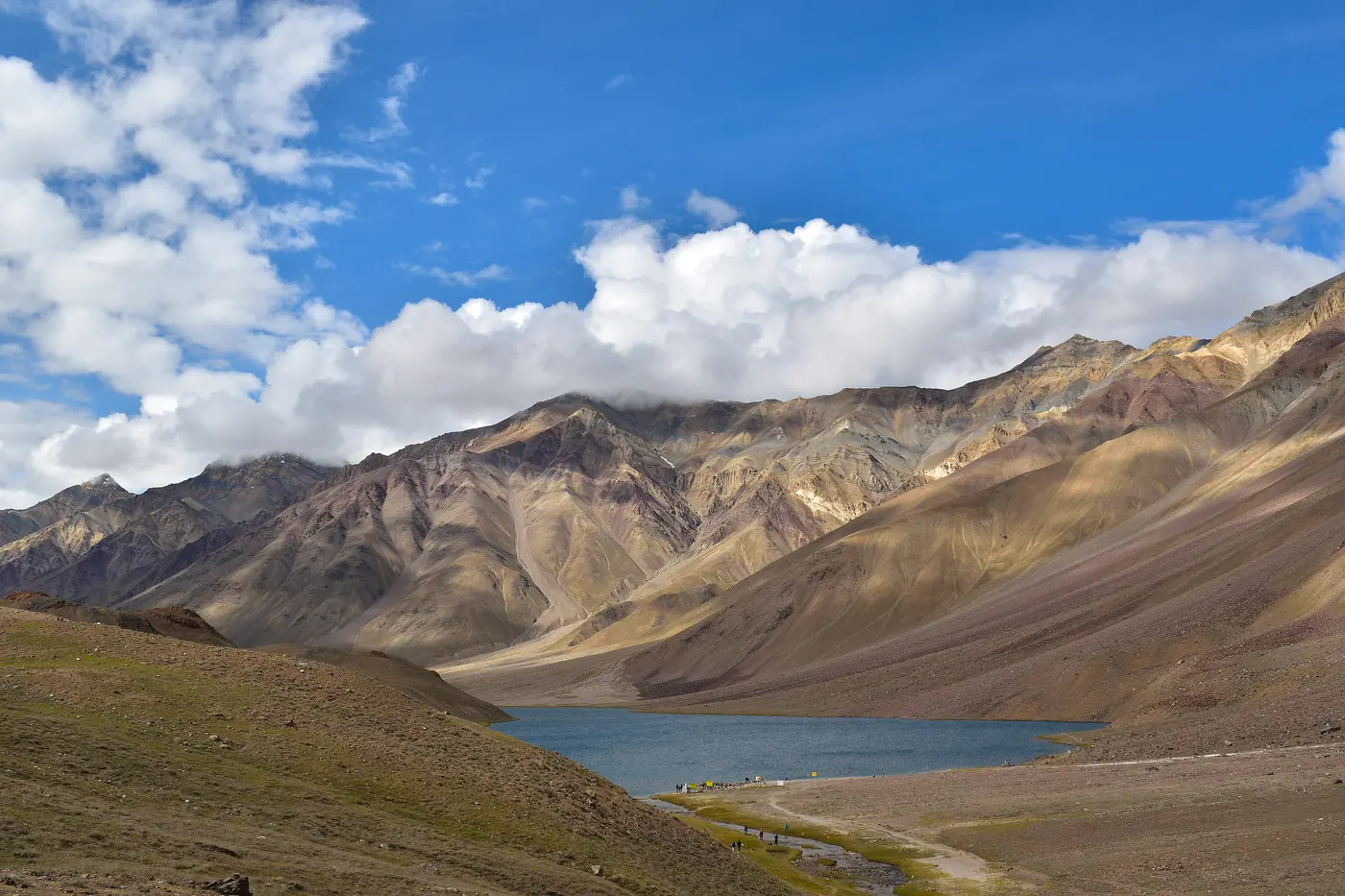
At 4,300 metres, Chandratal (Moon Lake) is one of the most beautiful high-altitude lakes in the world — a crescent-shaped lake of almost impossibly vivid turquoise water, surrounded by mountains dusted with snow. The colours shift throughout the day from jade green to deep teal to brilliant blue depending on the light.
Chandratal is located en route between Manali and Kaza, near the village of Batal. It can also be visited as a day trip from Kaza (4–5 hours each way). Camping at Chandratal is one of the great Himalayan experiences — there are a handful of basic tent camps near the lake, and the night sky here is extraordinary.
- Distance from Kaza: ~90 km, ~4.5 hours (road conditions permitting)
- Entry: ₹50 per person, payable at the forest gate
- Camping: ₹500–₹800/night in basic tent camps at Chandratal base
- Best time: July–September (road may be blocked by snow otherwise)
Kibber Village
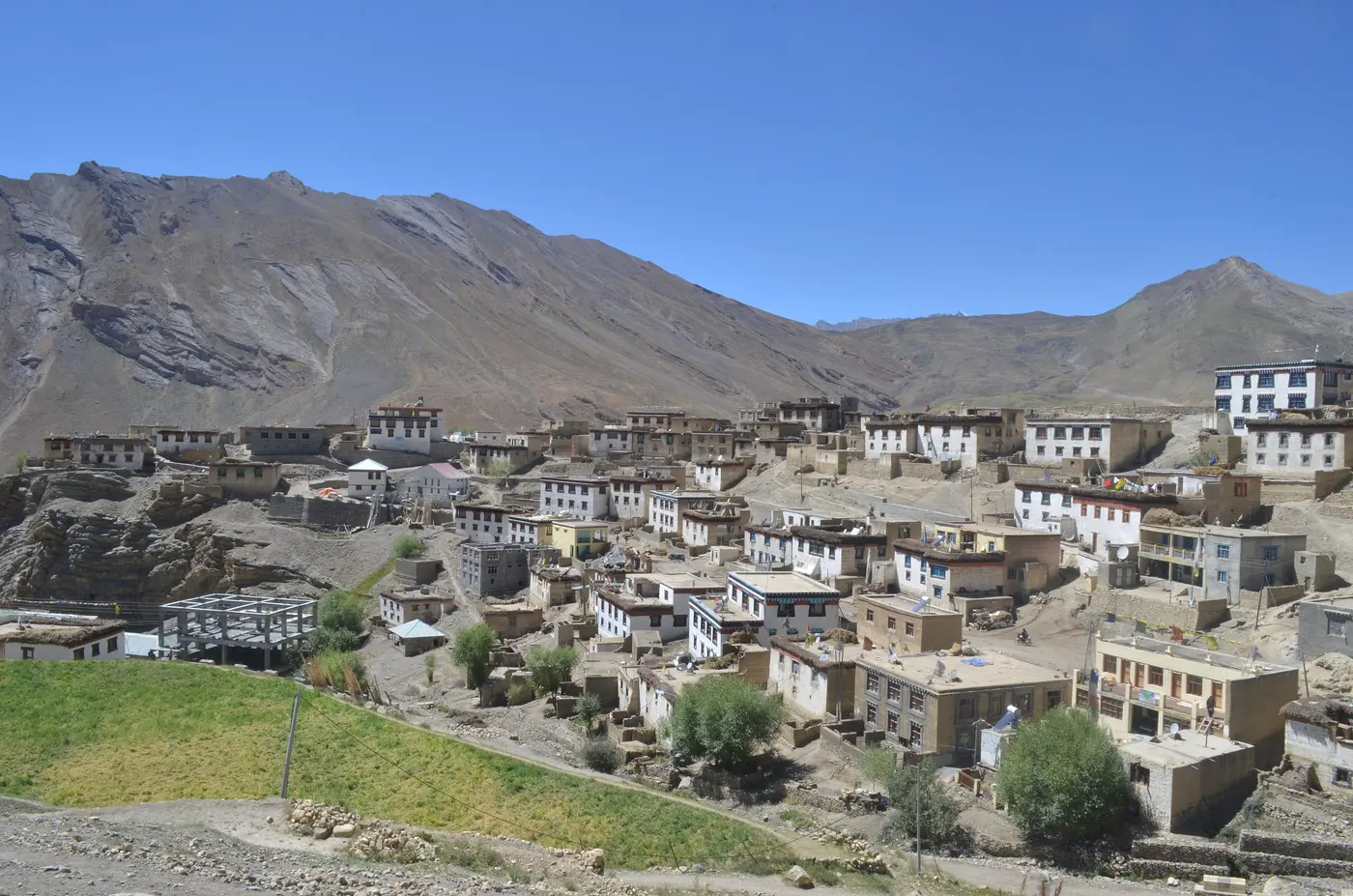
At 4,270 metres, Kibber claims to be one of the highest motorable villages in the world — though several others make similar claims. What's undeniable is its extraordinary setting: a cluster of whitewashed flat-roofed houses clinging to a cliff above the Spiti River, ringed by towering peaks and a landscape that feels entirely lunar.
Kibber is the starting point for treks to the Kibber Wildlife Sanctuary, one of the best places in India to spot snow leopards (December–February), ibex, and Tibetan wolves. In summer, the trails above Kibber offer some of the most dramatic walking in the region — follow the path to Gete village for the best views.
Langza & The Fossil Village
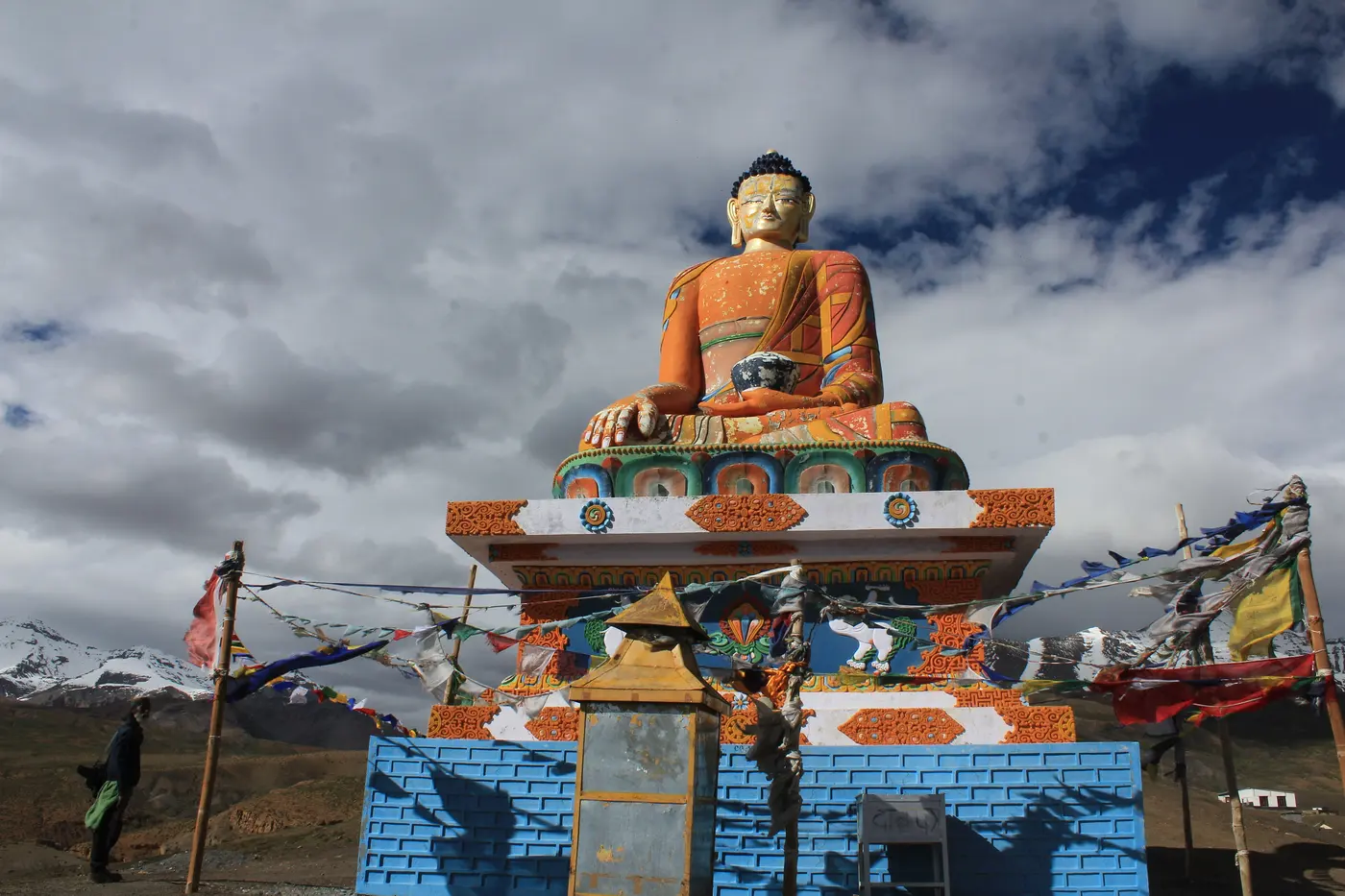
Langza sits at 4,400 metres with a single dirt road, a handful of homestays, a giant Buddha statue overlooking the valley, and an extraordinary geological secret: the entire hillside around the village is littered with marine fossils — ammonites, corals, and ancient sea creatures — dating back 40–50 million years, when this entire region was on the floor of the Tethys Sea.
Pick up a handful of soil near the cliff edges and you'll find fossils within minutes. The local children are expert fossil guides. Don't remove fossils — it's prohibited — but photographing them is perfectly fine. The Buddha statue at sunset with the Spitian peaks behind it is one of the valley's most iconic photo opportunities.
Pin Valley National Park
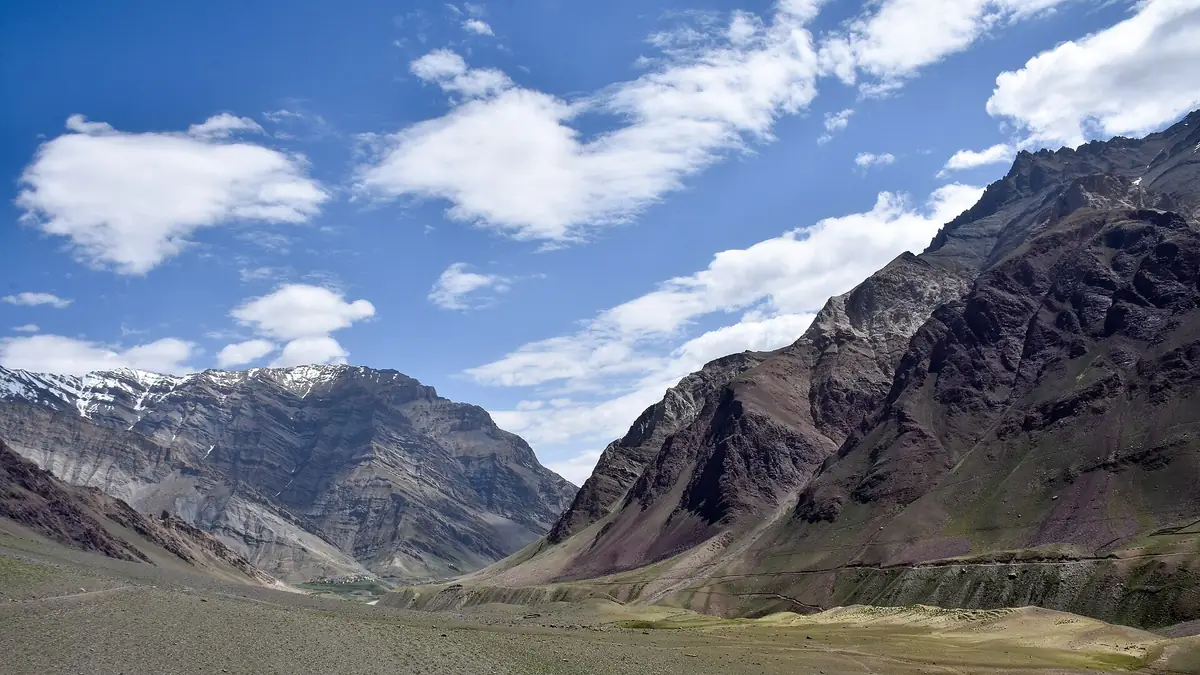
The Pin Valley branches off south from Kaza and immediately feels different — greener, narrower, more sheltered. The Pin River runs through it in brilliant turquoise, and small villages like Sagnam, Kungri, and Gulling line the road. The Pin Valley National Park protects one of the last intact high-altitude cold desert ecosystems in India.
Kungri Monastery in Pin Valley is the valley's most important Nyingmapa monastery — a school of Tibetan Buddhism that's rarer in Spiti than the dominant Gelugpa school. The annual Pauri festival here (August) is one of the most vibrant cultural events in the region. The Pin–Parvati pass trek crossing into Kullu Valley is legendary among serious trekkers.
Dhankar Monastery & Lake
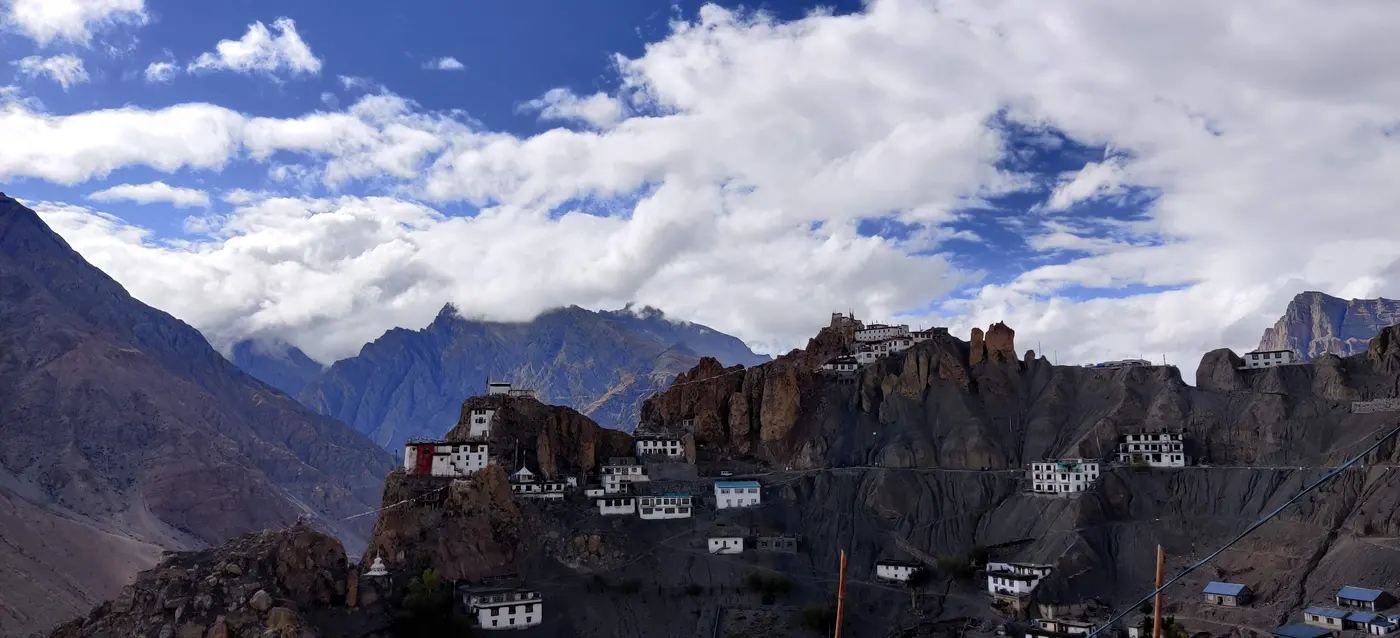
If Key is Spiti's most famous monastery, Dhankar is its most dramatic. The ancient monastery clings to a vertical cliff at the confluence of the Pin and Spiti rivers — a 1,000-year-old complex that looks as if it grew organically from the rock face. It's a UNESCO World Heritage tentative list site and genuinely one of the most precarious-looking buildings you'll ever see.
A 1.5-hour hike above the monastery leads to Dhankar Lake — a small glacial lake at 4,200 metres with mirror-still water and 360-degree mountain views. Few tourists make it this far. The trail is unmarked in places — take a local guide from the monastery.
10-Day Spiti Valley Itinerary
This itinerary uses the classic circuit — entering from Shimla/Kinnaur and exiting via Manali (or vice versa). It builds in proper acclimatisation stops which are non-negotiable at these altitudes.
Shimla → Kalpa (Kinnaur)
- ✓Drive Shimla to Reckong Peo (170 km, 6 hrs)
- ✓Check in at Kalpa — views of Kinnaur Kailash at dusk
- ✓Acclimatise at 2,960 m — easy walk through apple orchards
- ✓Visit Roghi village and Chini Lama temple
Kalpa → Nako Lake
- ✓Drive through Pooh and Khab Sangam (India's highest road river confluence)
- ✓Nako Lake — a sacred lake in the middle of the desert at 3,662 m
- ✓Explore Nako village monasteries
- ✓Overnight in Nako homestay
Nako → Tabo
- ✓Visit Gue Mummy — a 500-year-old preserved monk
- ✓Tabo Monastery (996 AD) — the 'Ajanta of the Himalayas'
- ✓Spend the evening at the monastery with monks
- ✓Overnight at Tabo
Tabo → Kaza (Acclimatise)
- ✓Easy drive to Kaza (45 km, 2 hrs) — arrive by noon
- ✓Afternoon rest and acclimatisation — mandatory
- ✓Evening walk in Old Kaza market
- ✓Sakya Tangyud Monastery at sunrise
Key Monastery + Kibber Village
- ✓Early morning Key Monastery (6:00 AM for morning prayers)
- ✓Continue 12 km to Kibber Village
- ✓Trek above Kibber to Gete village viewpoint
- ✓Return to Kaza for dinner
Langza + Hikkim + Komic
- ✓Langza village — fossils and the giant Buddha statue
- ✓Hikkim — world's highest post office (4,400 m), send a postcard
- ✓Komic — one of the world's highest motorable villages
- ✓Back to Kaza by evening
Pin Valley Day Trip
- ✓Drive into Pin Valley (45 km from Kaza)
- ✓Kungri Monastery — Nyingmapa school, rarely visited
- ✓Mud village — ancient fort ruins
- ✓Return via the Pin-Spiti confluence viewpoint
Dhankar + Chandratal Camp
- ✓Morning: Dhankar Monastery + lake hike (3 hrs)
- ✓Afternoon: Drive towards Batal (90 km)
- ✓Arrive at Chandratal Lake by evening
- ✓Overnight camping at Chandratal tent camps
Chandratal → Manali
- ✓Sunrise at Chandratal Lake (unmissable)
- ✓Cross Kunzum Pass (4,590 m) — spin the prayer wheel
- ✓Drive down to Rohtang and into Manali
- ✓Arrive Manali by evening — celebrate with a hot shower
Where to Stay in Spiti Valley
Accommodation in Spiti is basic compared to more mainstream destinations — and that's part of its charm. Homestays are the dominant and recommended option: they're typically cheaper than hotels, the food is cooked by the family, and the cultural experience is irreplaceable.
- → Zostel Kaza (dorms)
- → Spiti Healing House
- → Local family homestays in Kibber
- → Langza homestays (basic but magical)
- → Sakya Abode (Kaza)
- → Hotel Deyzor (Kaza)
- → Tabo Monastery Guesthouse
- → Nako homestay guesthouses
- → Chandratal tent camps
- → Batal camp (basic)
- → Spiti Valley camp (Kaza)
- → Dhankar camping
Always carry cash. There are limited ATMs in Kaza (SBI and UCO Bank) and none elsewhere in the valley. Withdraw before leaving Shimla or Manali.
What to Eat in Spiti Valley
Spiti's food scene is dominated by Tibetan-influenced cuisine — hearty, warming, and perfectly suited to the altitude. Don't come expecting variety. Come expecting thukpa.
- Thukpa: Tibetan noodle soup with vegetables or meat — the go-to meal at every altitude. Warming, filling, and available everywhere.
- Momos: Steamed or fried dumplings, stuffed with veg or meat. Best eaten fresh from the kitchen at a local homestay.
- Tsampa: Roasted barley flour mixed with butter tea — the traditional Spitian staple. Acquired taste, but deeply nourishing at altitude.
- Butter Tea (Po cha): Salted, butter-churned black tea that locals drink constantly. Essential for staying warm and hydrated at altitude.
- Chhang: Local barley beer — mildly alcoholic, slightly sour, and surprisingly refreshing. Only one or two cups at altitude.
- Seabuckthorn juice: Made from the wild orange berries that grow everywhere along the river. Tangy, vitamin C-rich, and excellent for acclimatisation.
Best places to eat: Sakya Café and Sol Café in Kaza are the most reliable. For authentic Spitian food, eat dinner at your homestay — almost always the best meal in the valley.
Permits & Formalities
Spiti Valley itself requires no permit for Indian nationals. However, certain adjacent areas do:
- Spiti Valley proper: No permit required for Indian nationals. Foreign nationals need an Inner Line Permit (ILP) for areas near the Chinese border (Kibber, Pin Valley, Kaza).
- Chitkul (Kinnaur): No permit for Indians. Foreign nationals need ILP.
- Rohtang Pass: Day permit required (₹550 non-AC, ₹750 AC). Book online at rohtangpermits.nic.in at least 2 days ahead.
- Chandratal: ₹50 per person entry fee at the forest gate.
- Foreign nationals: Obtain ILP from DC offices in Shimla or Kaza. Cost: ₹500. Valid for 7 days.
Budget Breakdown
| Expense | Budget | Mid-Range | Comfort |
|---|---|---|---|
| Accommodation/night | ₹400 | ₹1,200 | ₹2,500 |
| Food/day | ₹300 | ₹600 | ₹1,000 |
| Local transport | ₹200 | ₹800 | ₹2,000 |
| Activities/permits | ₹100 | ₹300 | ₹600 |
| Daily Total | ₹1,000 | ₹2,900 | ₹6,100 |
| 10-Day Trip Total | ₹10,000 | ₹29,000 | ₹61,000 |
* Excludes transport to/from Shimla or Manali. Add ₹1,500–₹4,000 each way by bus or shared cab.
Essential Travel Tips for Spiti Valley
- Acclimatise seriously: This is the single most important thing. Do not rush from sea level to Kaza in one day. Add at least 2 intermediate altitude nights (Shimla 2,200m → Kalpa 2,960m → Kaza 3,800m). Drink 3–4 litres of water daily.
- Vehicle choice matters: The roads to Chandratal, Kibber, and Langza are extremely rough. A high-clearance SUV (Scorpio, Thar, Bolero) or 4×4 is strongly recommended. Sedans have broken axles on these roads.
- Carry enough cash: ATMs in Kaza are the only ones in the valley and frequently run out. Carry ₹10,000–₹15,000 in cash for a 10-day trip.
- BSNL SIM for connectivity: Private operators (Airtel, Jio) have zero signal beyond Reckong Peo. A local BSNL SIM is essential for any connectivity in Spiti.
- Pack a medical kit: Diamox (altitude sickness medication), Disprin, ORS sachets, basic antibiotics, and a pulse oximeter. Altitude sickness kills — know the symptoms (persistent headache, vomiting, confusion) and descend immediately if they appear.
- Respect the environment: Spiti has fragile ecology. Pack out all plastic waste. Don't disturb wildlife. Pay the entry fees — they fund conservation. Respect monastery rules (no photography of certain interiors, remove shoes).
- Book accommodation ahead in August: Spiti gets busy in peak season. Kaza homestays fill up — especially Zostel and the better guesthouses. Book at least 2 weeks ahead for August travel.
- Sunscreen is critical: The UV index at 3,800+ metres is extreme. SPF 50+ every day, reapply every 2 hours. Snow-blindness is also possible on the high passes — bring UV-rated sunglasses.
🩺 Altitude Sickness Warning Signs
Frequently Asked Questions
How many days do I need for Spiti Valley?
Ten days is what our suggested itinerary uses to cover the classic circuit — entering from Shimla/Kinnaur and exiting via Manali (or vice versa) — with proper acclimatisation stops built in, which are non-negotiable at these altitudes.
What is the best time to visit Spiti Valley?
Mid-August to late September is our pick — all roads are open, Chandratal is accessible, the sky is impossibly clear, and the landscape turns a vivid rust-gold. The overall travel window runs roughly June to October; outside that, the valley is buried under snow and most roads are impassable.
How do I reach Spiti Valley from Manali?
The Manali–Rohtang–Kunzum route crosses two high passes including the legendary Kunzum Pass (4,590m) and is only open from late June to mid-October. It typically takes 2 days: Manali to Batal (~130 km, ~6 hrs) via Rohtang Pass, then Batal to Kaza via Chandratal Lake and Losar (~90 km, ~4 hrs).
Do I need a permit for Spiti Valley?
Indian nationals don't need a permit for Spiti Valley itself. Foreign nationals need an Inner Line Permit (ILP) for areas near the Chinese border, such as Kibber, Pin Valley, and Kaza, obtainable from DC offices in Shimla or Kaza for around ₹500, valid for 7 days.
Is Spiti Valley safe for solo travellers?
Spiti is generally welcoming to solo travellers and the local Spitian community is genuinely warm, but the roads are brutal and altitude sickness is a real risk. Acclimatise seriously with intermediate altitude nights before reaching Kaza, carry a medical kit with Diamox, and know the warning signs of altitude sickness.
What is the budget for a Spiti Valley trip?
A 10-day trip runs around ₹10,000 total on a budget, ₹29,000 mid-range, or roughly ₹61,000 for a comfort-level trip, covering accommodation, food, local transport, and activities/permits — excluding transport to and from Shimla or Manali.
Is Spiti Valley worth visiting?
Yes — Spiti offers something increasingly rare in modern travel: a cold desert landscape that looks more like the surface of Mars than India, with monasteries perched on cliff faces, a moon-like lake at Chandratal, and villages so remote that supply trucks arrive only a few months a year.
Published by the Kudozz Club editorial team · Last updated · How we research our guides
Want us to plan this trip for you?
Tell Kudozz Club where you want to go and what kind of trip you’re looking for. We’ll build a Spiti Valley and Himachal itinerary around your dates and budget.
Continue Exploring
View all guidesThings to DoThings to Do in Spiti Valley: Monasteries, High Villages & Chandratal
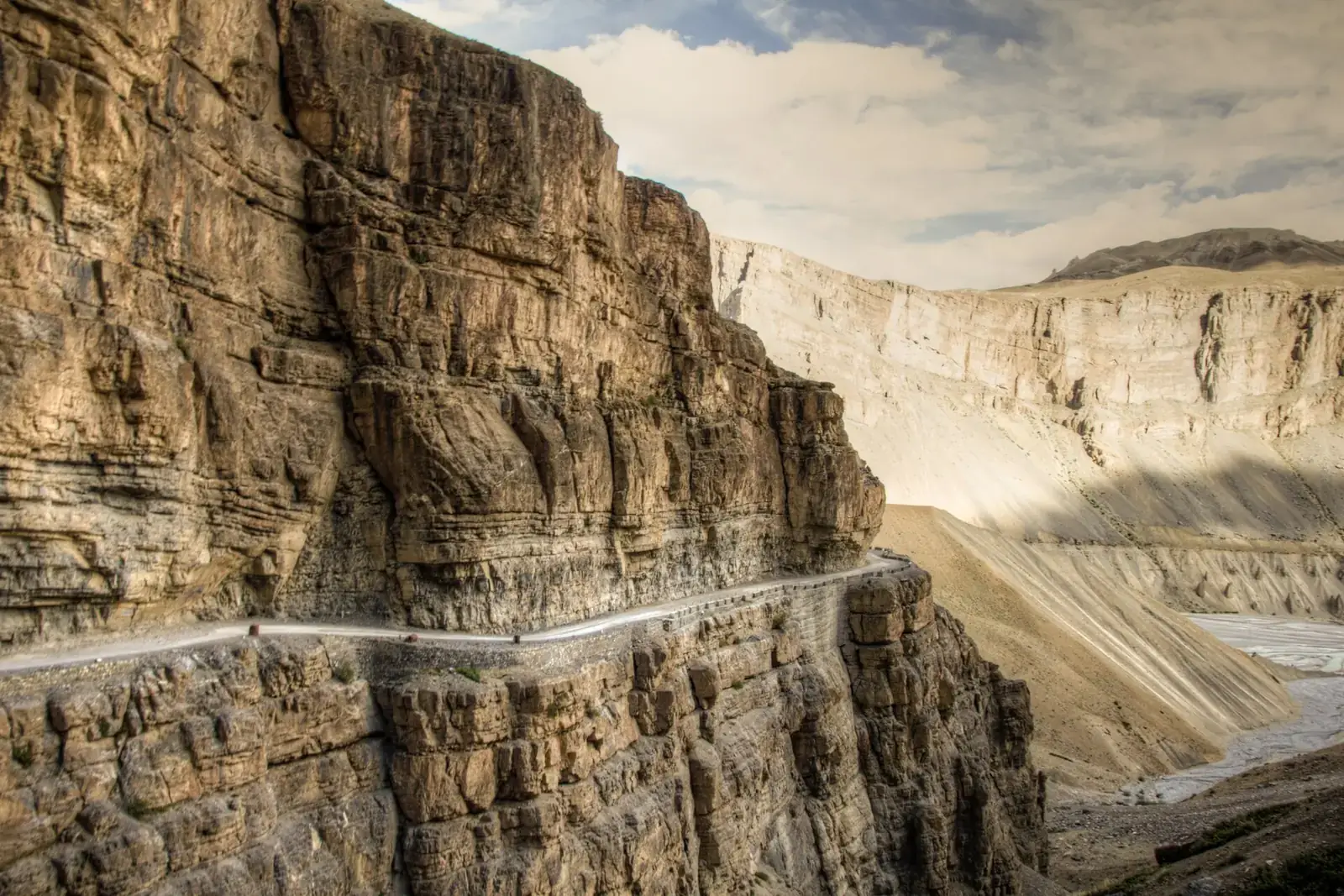
Things to do in Spiti Valley: Key Monastery, Dhankar and Tabo, Chandratal Lake, the high villages of Kibber, Langza, Hikkim and Komic, fossil hunting, Pin Valley, the Chicham bridge, homestays and the snow leopard season.
 Adventure Travel
Spiti Valley Bike Trip: Route, Season and Riding Tips
A route guide to riding the Spiti Valley circuit by motorcycle: in from Shimla through Kinnaur, out over Kunzum Pass and the Atal Tunnel to Manali, with a day-by-day plan, the riding season, road conditions, fuel stops, permits for foreigners and altitude advice.
 Off-beat
Lachen Travel Guide: Gateway to Gurudongmar
A high-altitude North Sikkim village where you acclimatize before the dramatic ascent to one of the world's highest accessible lakes.
 Off-beat
Dooars Travel Guide: Wildlife, Tea Gardens & Rivers
Complete Dooars guide — the foothill forests of Gorumara, Jaldapara, Chapramari and Buxa, tea gardens, jeep safaris for rhinos and elephants, base towns, and a full visit plan.