Why Rishikesh?
There is a moment, usually around dawn, when you're standing on the banks of the Ganga in Rishikesh — the river silver and roaring below you, incense drifting from a nearby temple, a dozen orange-robed sadhus seated in meditation on the ghats — when you understand exactly why this place has been drawing seekers for thousands of years.
But Rishikesh is not just a spiritual destination. It is also India's undisputed adventure capital. The same Ganges that pilgrims bathe in also runs Grade III–IV rapids that will rattle your bones. The same Himalayan foothills where yogis meditate are laced with trekking trails, zip-lines, and the highest commercial bungee jump in India. In Rishikesh, you can chant at an evening aarti and do a 30-metre bungee jump the same afternoon. Very few places in the world offer that.
Add to this a thriving café scene, excellent international food, a vibrant backpacker community, and surprisingly good accommodation at every budget — and you have a destination that rarely disappoints. This guide covers all of it.
🙏 Rishikesh at a Glance
Best Time to Visit Rishikesh
Rishikesh is a year-round destination, but some seasons are dramatically better than others — particularly for adventure activities.
Post-monsoon Rishikesh is magical. The Ganga is full and powerful (best rafting), the air is crystal clear, temperatures are perfect (15–28°C), and crowds are manageable. October is peak.
The International Yoga Festival (March) draws thousands. Pleasant temperatures, all activities running. Gets progressively hotter through May (up to 38°C). Busy around Holi and Easter.
Rafting is completely shut down June–September for safety — the Ganga floods. Heavy rainfall, landslides on nearby roads. Lush green scenery but limited adventure activities. Avoid for adventure trips.
Temperatures drop to 5–8°C at night. Fewer crowds, cheaper accommodation. Rafting runs on calmer stretches. Great for yoga retreats and spiritual immersion if you don't mind the cold.
Our pick: October. The Ganga is at its most powerful post-monsoon (Grade III–IV rapids), the air is perfectly clear, and you'll catch the tail end of the International Yoga Festival buzz. Book rafting and bungee at least a week in advance.
How to Reach Rishikesh
- By Air: Jolly Grant Airport, Dehradun (DED) is 45 km from Rishikesh. IndiGo, Air India, and SpiceJet fly daily from Delhi (50 min). Taxi from airport to Rishikesh: ₹700–₹900. Auto/cab share: ₹200–₹300.
- By Train: The nearest major railhead is Haridwar Junction (25 km), well-connected from Delhi (Shatabdi: 4 hrs), Mumbai, and most major cities. From Haridwar, shared autos to Rishikesh cost ₹50–₹80. There's also a smaller Rishikesh station (limited trains).
- By Bus (Delhi): UPSRTC and GMOU run overnight and day buses from Delhi's ISBT Kashmiri Gate (₹350–₹700, 6–7 hours). Several private operators run Volvo buses (₹600–₹900). Most drop at Haridwar or Rishikesh bus stand.
- By Car: Delhi to Rishikesh is ~240 km via NH334 (Meerut–Haridwar route), approximately 5–6 hours depending on traffic. The expressway section makes it very comfortable. Parking near Laxman Jhula is limited — park at the main lots and walk.
Adventure Activities in Rishikesh
Rishikesh runs the full spectrum of adventure — from accessible family-friendly activities to genuinely adrenaline-spiking experiences that will have you talking for years. Here's the full breakdown.
White-Water Rafting
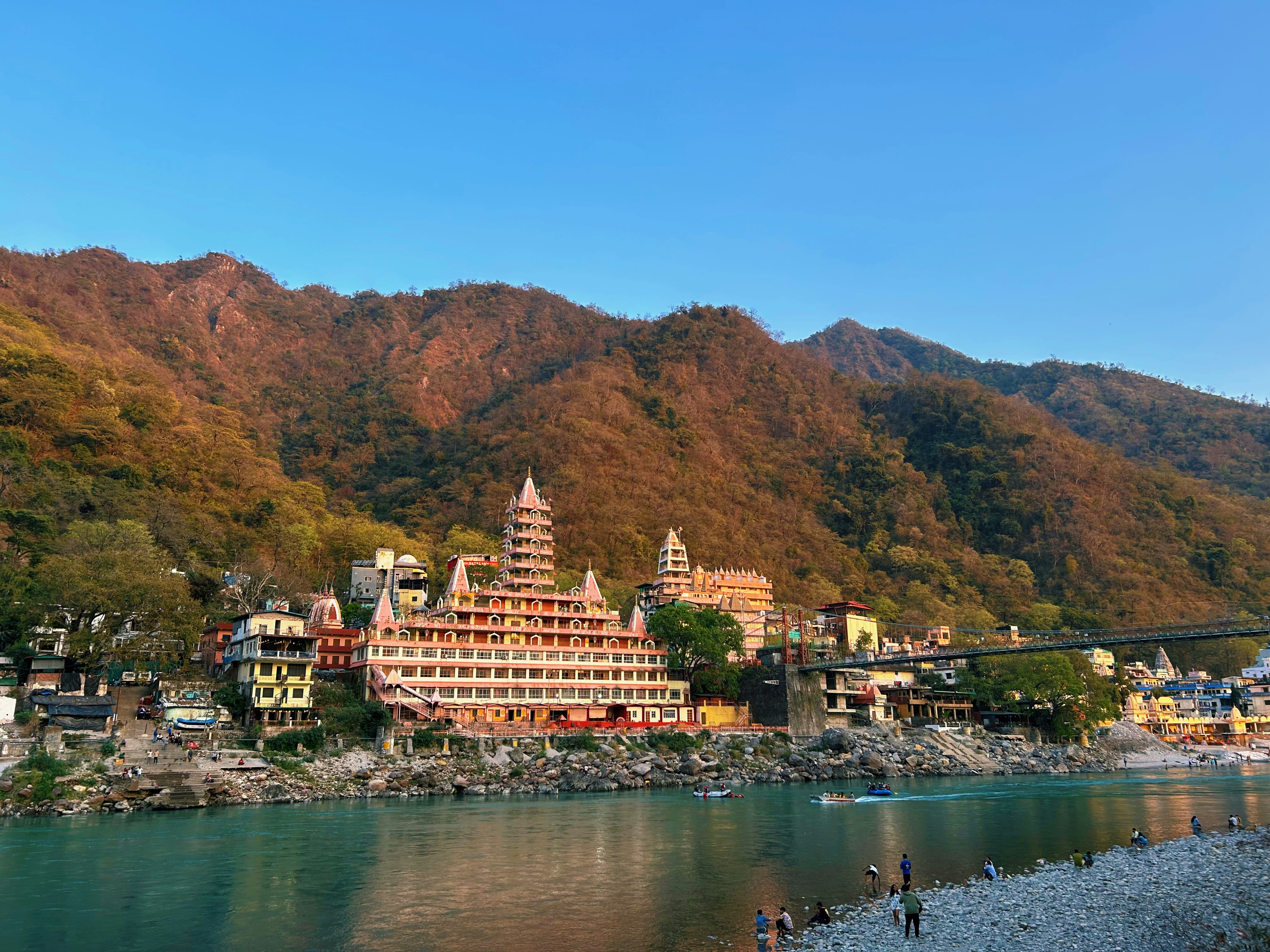
Rafting on the Ganga is the centrepiece of the Rishikesh adventure experience. The river has several distinct stretches, each suited to different skill levels and appetites for chaos.
| Stretch | Distance | Grade | Duration | Price | Best for |
|---|---|---|---|---|---|
| Brahmpuri | 9 km | II–III | 1.5 hrs | ₹600–₹800 | Beginners, families |
| Shivpuri | 16 km | III–IV | 2.5 hrs | ₹900–₹1,200 | Most popular |
| Marine Drive | 24 km | III–IV | 3.5 hrs | ₹1,200–₹1,600 | Experienced rafters |
| Kaudiyala | 36 km | IV–V | 5–6 hrs | ₹1,800–₹2,500 | Advanced / thrill seekers |
- Season: October–May only. Completely shut during monsoon (June–September) — the Ganga is dangerously swollen and authorities enforce strict closure.
- What's included: Life jacket, helmet, paddle, guide, and usually a camp lunch (on longer stretches).
- Book ahead: October weekends sell out fast. Book your slot 5–7 days ahead with any registered operator.
- Best operators: Red Chilli Adventure, Aquaterra Adventures, De-N-As Water Sports — all ATOAI-certified and reliable.
Bungee Jumping
At 83 metres, the bungee at Jumpin Heights in Mohan Chatti (15 km from Rishikesh) is the highest fixed-platform commercial bungee jump in India. It was designed by New Zealand experts, uses internationally certified equipment, and has an impeccable safety record since opening in 2010.
- Cost: ₹3,550 per jump (includes video certificate)
- Weight limit: 40–110 kg
- Age limit: 12+ years (with parental consent under 18)
- Timing: 8:30 AM – 5:00 PM daily
- Book ahead: Online at jumpinheights.com — walk-ins accepted but weekends fill up.
Jumpin Heights also operates a Giant Swing (₹3,550) and a Flying Fox zip-line (₹1,550) at the same location. Combine all three for a half-day adrenaline session.
Riverside Camping & Cliff Jumping
Camping on the Ganga riverbanks between Shivpuri and Marine Drive is one of Rishikesh's most beloved experiences. A dozen or so established camp operators set up Swiss tents, bonfire pits, and basic washrooms directly on the sandy banks. You fall asleep to the sound of the river and wake up to mountains.
- Cost: ₹1,500–₹3,500 per person per night (usually includes dinner, breakfast, and a bonfire)
- Best camps: Camp Shivpuri, Wanderlust Camp, Aquaterra Camp
- Cliff jumping: Natural rock ledges at Marine Drive (5–8m jumps into the Ganga) — free, just requires a guide or local who knows safe jump points
Zip-line & Giant Swing
The Flying Fox at Jumpin Heights is a 1,000-metre zip-line across a forested Himalayan gorge at speeds up to 160 km/h — the longest and fastest in India. The views across the Ganga valley as you fly above the canopy are spectacular. Cost: ₹1,550.
The Giant Swing at the same venue takes you 83 metres out over the gorge on a pendulum arc — less freefall than bungee but arguably more sustained terror. Cost: ₹3,550.
Trekking & Hiking Around Rishikesh
Rishikesh sits at the gateway to some of Uttarakhand's most celebrated trekking terrain. Several excellent day and overnight hikes are accessible directly from town.
- Kunjapuri Temple Trek: 3 km each way, easy–moderate. Sunrise views of the Garhwal Himalaya from the temple at 1,676 m. Start at 4:30 AM from Rishikesh for the dawn show.
- Neelkanth Mahadev Trek: 12 km each way through dense forest. One of the most sacred temples in Uttarakhand. Can be done as a full-day hike or by road.
- Neer Garh Waterfall: 3 km easy walk from Laxman Jhula. A two-tier waterfall through forest. Great for a morning stroll.
- Patna Waterfall: 7 km from Laxman Jhula. Less visited than Neer Garh, equally beautiful. Combined hike possible (both waterfalls in 4 hours).
- Rajaji National Park day safari: 20 km from Rishikesh. Elephant, leopard, and tiger habitat. Jeep safaris available from ₹3,500.
Yoga & Wellness in Rishikesh
The Beatles came here in 1968 to study Transcendental Meditation with Maharishi Mahesh Yogi and wrote much of the White Album in an ashram above the Ganga. That moment put Rishikesh on the world's spiritual map permanently — and today the city is home to over 200 registered yoga schools, dozens of ashrams, and arguably the highest concentration of serious yoga teachers anywhere outside of a Mysore shala.
Drop-in Classes
Most ashrams and schools offer single-class drop-ins for ₹200–₹500. Parmarth Niketan runs free morning yoga on the ghats at 6 AM daily — anyone can join.
Yoga Teacher Training (YTT)
200-hour and 300-hour YTT courses are Rishikesh's signature offering. Run over 3–4 weeks, internationally certified, typically ₹35,000–₹80,000 all-inclusive.
Meditation Retreats
3–10 day silent or guided meditation retreats available throughout the year. Vipassana 10-day silent courses at Dhamma Sikhara (free, by donation).
Ayurveda & Wellness
Panchakarma treatments, Ayurvedic consultations, and herbal therapies are widely available. Sessions from ₹1,000; full treatment packages from ₹8,000/week.
Top Places to Visit in Rishikesh
Laxman Jhula
The iconic Laxman Jhula suspension bridge — 450 feet long, swaying gently over the jade-green Ganga — is the defining image of Rishikesh. Built in 1939, it connects Tapovan on the east bank to Jonk on the west, and crossing it (dodging cows, sadhus, and monkeys simultaneously) is a Rishikesh rite of passage.
The bridge itself was closed for repairs in 2019 and a new pedestrian bridge now stands in its place. The area around Laxman Jhula — with its riverside cafes, rooftop restaurants, yoga studios, and temple bells — remains the beating heart of traveller Rishikesh.
Ram Jhula
Ram Jhula (also called Shivananda Jhula) is a larger suspension bridge 3 km south of Laxman Jhula, flanked by two major ashrams — Parmarth Niketan on the east bank and Shivananda Ashram on the west. The bridge is the main thoroughfare for ashram visitors and pilgrims. The sunset view from the bridge, with the river glowing orange and temple bells ringing, is one of the most beautiful moments in Rishikesh.
Ganga Aarti at Parmarth Niketan
Every evening at sunset, the ghats at Parmarth Niketan erupt into one of India's most spectacular religious ceremonies. Ganga Aarti involves priests swinging enormous brass lamps in choreographed patterns over the river while hundreds of devotees sing hymns, float flower diyas downstream, and release lanterns into the sky. The air smells of marigold and sandalwood.
It runs every evening year-round, beginning at sunset (typically 6:00–7:00 PM). Free to attend — arrive 30 minutes early for a good spot near the river. Respectful dress required (shoulders and knees covered).
The Beatles Ashram (Chaurasi Kutia)
The abandoned ashram where John, Paul, George, and Ringo lived and composed in early 1968 is now a forest-covered ruin that has been transformed into an unlikely open-air art gallery. Known officially as Chaurasi Kutia, it sits on a forested hillside above the Ganga and has become completely covered in psychedelic murals painted by artists from around the world.
Walking through the overgrown meditation domes, crumbling meditation caves, and painted corridors — with the sound of the Ganga far below — is a genuinely surreal experience. Entry: ₹150 for Indians, ₹600 for foreigners. Open 9 AM – 5 PM. Located near Laxman Jhula on the east bank.
Neelkanth Mahadev Temple
Perched at 1,330 metres in the Narendra Nagar hills, 22 km from Rishikesh, Neelkanth Mahadev is one of the most revered Shiva temples in India. According to Hindu mythology, this is where Shiva drank the poison (halahal) that emerged during the churning of the cosmic ocean, turning his throat blue (neela = blue, kanth = throat).
The temple itself is architecturally striking — a white marble shikhara in a deep forest setting. The 12-km forest trek from Laxman Jhula is highly recommended over the road for atmosphere. Tens of thousands of pilgrims arrive here during Shivratri and Sawan month.
Café Culture & Food in Rishikesh
Rishikesh is a legally dry city — alcohol is banned within the municipal limits. What you lose in beer you gain in excellent coffee, fresh juice bars, and a remarkably diverse vegetarian and vegan food scene built up over decades of international visitor culture. The café scene here rivals cities five times its size.
Little Buddha Café
Three-storey riverside café with the best Ganges view in town. Consistently excellent food, slow service (which adds to the charm). Has been a Rishikesh institution for 20+ years.
Must-order: Israeli breakfast platter, banana pancakes
Chotiwala
The most famous local restaurant in Rishikesh — the two competing Chotiwala restaurants (original vs rival) at either end of Ram Jhula bridge have been feuding since the 1980s. The food at both is excellent.
Must-order: Full thali (unlimited), paneer dishes
Oasis Restaurant
One of the better rooftop restaurants with Himalayan foothills views. Surprisingly good wood-fired pizzas alongside excellent North Indian food.
Must-order: Dal makhani, wood-fired pizza
Prem's Café
The go-to for clean eating in Rishikesh. Superfood bowls, gluten-free options, organic coffee, and a peaceful garden setting. Popular with long-term yoga retreat guests.
Must-order: Avocado toast, homemade granola, fresh juices
Café Delmar
One of the most loved cafes in Rishikesh for its fairy-lit garden, eclectic music, and excellent Middle Eastern–Indian fusion menu. Best spot for an evening hangout.
Must-order: Seabuckthorn lemonade, hummus wrap
Where to Stay in Rishikesh
Stay in the Laxman Jhula / Tapovan area for the best atmosphere — riverside cafes, yoga studios, and easy access to adventure operators. Ram Jhula is quieter and more ashram-oriented. Avoid the city proper (Rishikesh Main) — it's noisy, congested, and lacks the riverside charm.
- → Zostel Rishikesh (dorms)
- → The Hosteller Rishikesh
- → Ganga Kinare Guest House
- → Shiv Shakti Ashram (dorms)
- → Aloha on the Ganges
- → Divine Ganga Cottage
- → Bunk Hive (boutique hostel)
- → Hotel Surya
- → Ananda in the Himalayas
- → Vana Malsi Estate
- → Camp Aquaterra (riverside luxury)
- → Rishi View Retreat
5-Day Rishikesh Itinerary
This itinerary blends adventure, spirituality, and downtime — covering all the highlights without feeling rushed.
Arrival & Evening Aarti
- ✓Arrive and check in to Laxman Jhula / Tapovan area
- ✓Afternoon walk across the new pedestrian bridge
- ✓Explore the riverside cafes — coffee at Little Buddha
- ✓Sunset Ganga Aarti at Parmarth Niketan (6 PM)
White-Water Rafting Day
- ✓Morning: Shivpuri rafting (16 km, Grade III–IV)
- ✓Cliff jumping at Marine Drive after the raft
- ✓Late lunch at a riverside camp (usually included)
- ✓Evening: Free yoga class at Parmarth Niketan ghats
Bungee + Beatles Ashram
- ✓Morning 8:30 AM: Bungee jump at Jumpin Heights
- ✓Flying Fox zip-line (combo deal available)
- ✓Afternoon: Beatles Ashram (Chaurasi Kutia)
- ✓Neer Garh Waterfall evening walk
Yoga, Kunjapuri & Haridwar
- ✓4:30 AM: Kunjapuri Temple sunrise trek (3 km)
- ✓Morning yoga class at a local school (₹300 drop-in)
- ✓Afternoon: Day trip to Haridwar Har Ki Pauri
- ✓Evening: Haridwar Ganga Aarti (larger than Rishikesh)
Neelkanth Trek & Departure
- ✓6 AM: Begin Neelkanth Mahadev forest trek (12 km)
- ✓Lunch at temple town
- ✓Return by afternoon
- ✓Last café stop — Prem's or Café Delmar
Budget Breakdown
| Expense | Budget | Mid-Range | Comfort |
|---|---|---|---|
| Accommodation/night | ₹500 | ₹2,000 | ₹7,000 |
| Food/day | ₹350 | ₹700 | ₹1,500 |
| Local transport | ₹100 | ₹300 | ₹800 |
| Rafting (Shivpuri) | ₹900 | ₹1,200 | ₹1,200 |
| Bungee jump | ₹3,550 | ₹3,550 | ₹3,550 |
| Yoga classes | ₹300 | ₹600 | ₹2,000 |
| 5-Day Trip Total | ₹12,000 | ₹22,000 | ₹50,000 |
Essential Travel Tips for Rishikesh
- Alcohol is banned: Rishikesh is a dry city — no alcohol is sold or legally consumed within municipal limits. Respect this. Some camps outside city limits may serve beer — use your judgement.
- Don't swim in the Ganga: The current is deceptively powerful year-round, especially post-monsoon. Every year tourists drown attempting to wade or swim in the river. Watch the aarti from the ghats; don't enter the water without a guide.
- Book adventure activities directly: Many touts on the street sell overpriced packages on behalf of operators. Walk to the operator's office directly (Red Chilli, Aquaterra, Jumpin Heights) or book their websites — you'll pay 30–40% less.
- Watch out for monkeys: The rhesus macaques near Laxman Jhula and Ram Jhula are bold and will snatch food, phones, and bags. Keep bags zipped and food out of sight near the bridges.
- Dress respectfully near temples and ashrams: Cover shoulders and knees when visiting ashrams, attending aarti, or entering temples. Many cafés and guesthouses are in these areas — casual respectful dress is appreciated throughout Laxman Jhula.
- Carry cash: Many smaller cafes, yoga studios, and local shops are cash-only. ATMs are available at Ram Jhula and the main market but can run low on weekends.
- Connectivity: Airtel and Jio both work well in Rishikesh town and the Laxman Jhula area. Signal weakens on the trekking trails and at Neelkanth.
- Weekend crowds: Rishikesh gets extremely crowded on Friday–Sunday year-round with Delhi day-trippers and weekend warriors. If you want a quieter experience, plan your key activities (rafting, bungee, aarti) on weekday mornings.
✅ Do
- →Attend the Ganga Aarti at least twice
- →Take a dawn yoga class on the ghats
- →Trek to Kunjapuri for sunrise views
- →Try at least one grade IV rapid stretch
- →Visit Haridwar for a day
- →Get a seabuckthorn juice at every opportunity
❌ Don't
- →Swim in the Ganga without a guide
- →Buy rafting packages from street touts
- →Carry alcohol — it's banned and disrespectful
- →Feed the monkeys near Laxman Jhula
- →Stay in Rishikesh Main (city) area
- →Book bungee without checking operator certification
What to Pack for Rishikesh
Gear we've tested or rely on recommendations from people who have. Nothing here is sponsored — these are genuine picks based on what actually works on the trail.
As an Amazon Associate, we earn from qualifying purchases. Links may earn a small commission at no extra cost to you.
Trekking Jacket
Why carry it: Afternoon rain is guaranteed on most Himalayan treks. A waterproof shell is the single item you'll be most thankful you packed.
Trekking Shoes
Why carry it: Your feet are your vehicle. Wet, unsupported feet ruin a trek faster than anything else. These are reliable and genuinely waterproof.
Trekking Poles
Why carry it: Most people who skip poles regret it on the descent. The knee strain on a long downhill with a loaded pack is real.
Water Filter
Why carry it: Mountain streams in most Himalayan treks are clean enough to filter directly — stop buying single-use plastic and carry this instead.
Head Torch
Why carry it: Every experienced trekker starts before dawn. A headtorch isn't optional — it's infrastructure. Always carry spare batteries.
Pulse Oximeter
Why carry it: SpO2 below 85% at rest means descend. You can't know your oxygen level without this. At ₹800 it's one of the best investments for any high-altitude trek.
RFID Blocking Travel Wallet
Why carry it: Crowded ghats and temple queues are where pickpockets work. Keep cash and one card in a slim wallet; leave the rest at the guesthouse.
Organic Cotton Stole / Scarf
Why carry it: Most temples, Gurudwaras, and mosques require covered heads and shoulders. Carrying a stole means you're never turned away at the entrance.
Continue Exploring
View all guides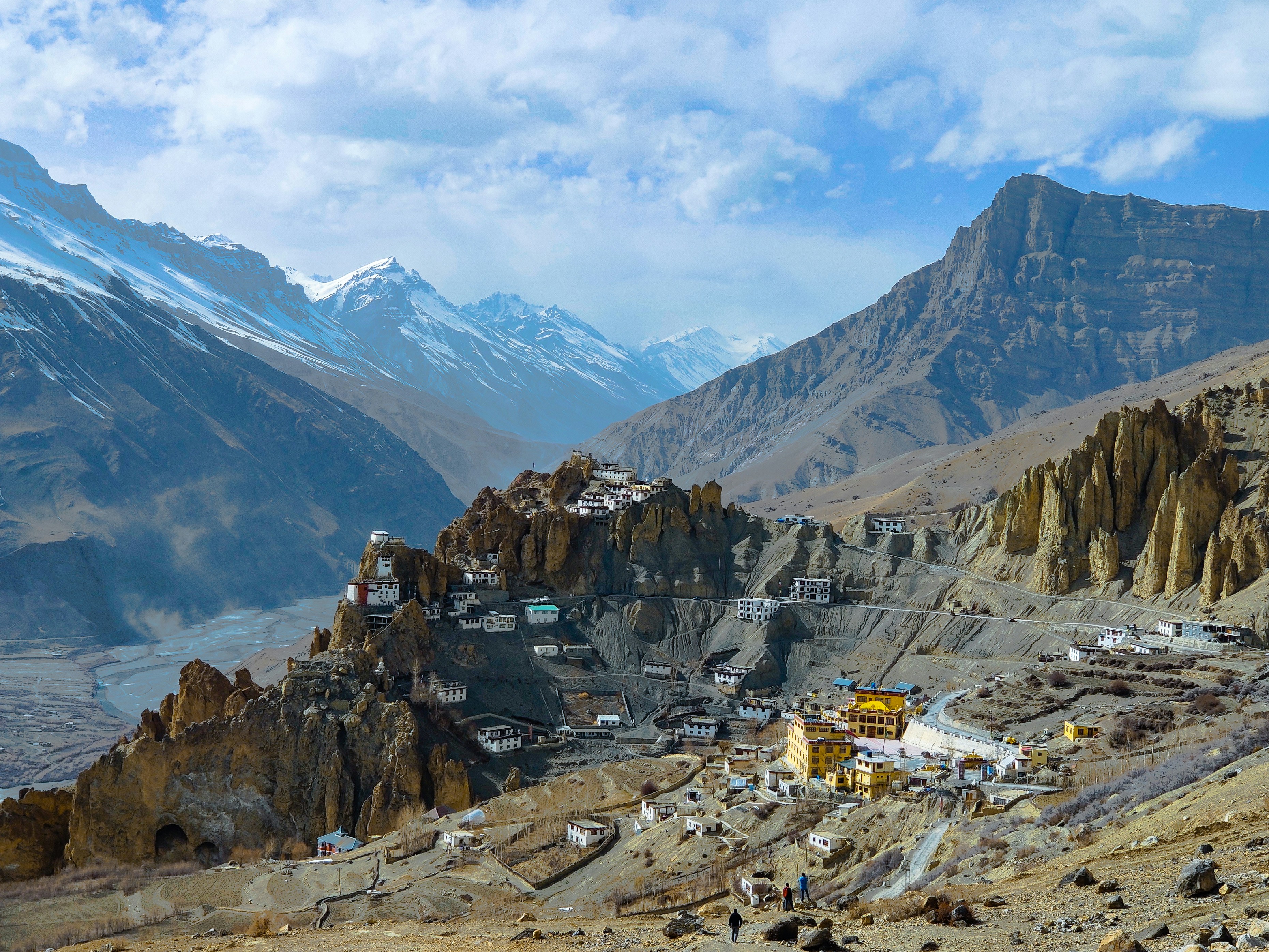 Himachal Pradesh
Spiti Valley: The Complete Travel Guide 2026
A remote high-altitude desert in Himachal Pradesh — monasteries, fossils, and jaw-dropping roads.
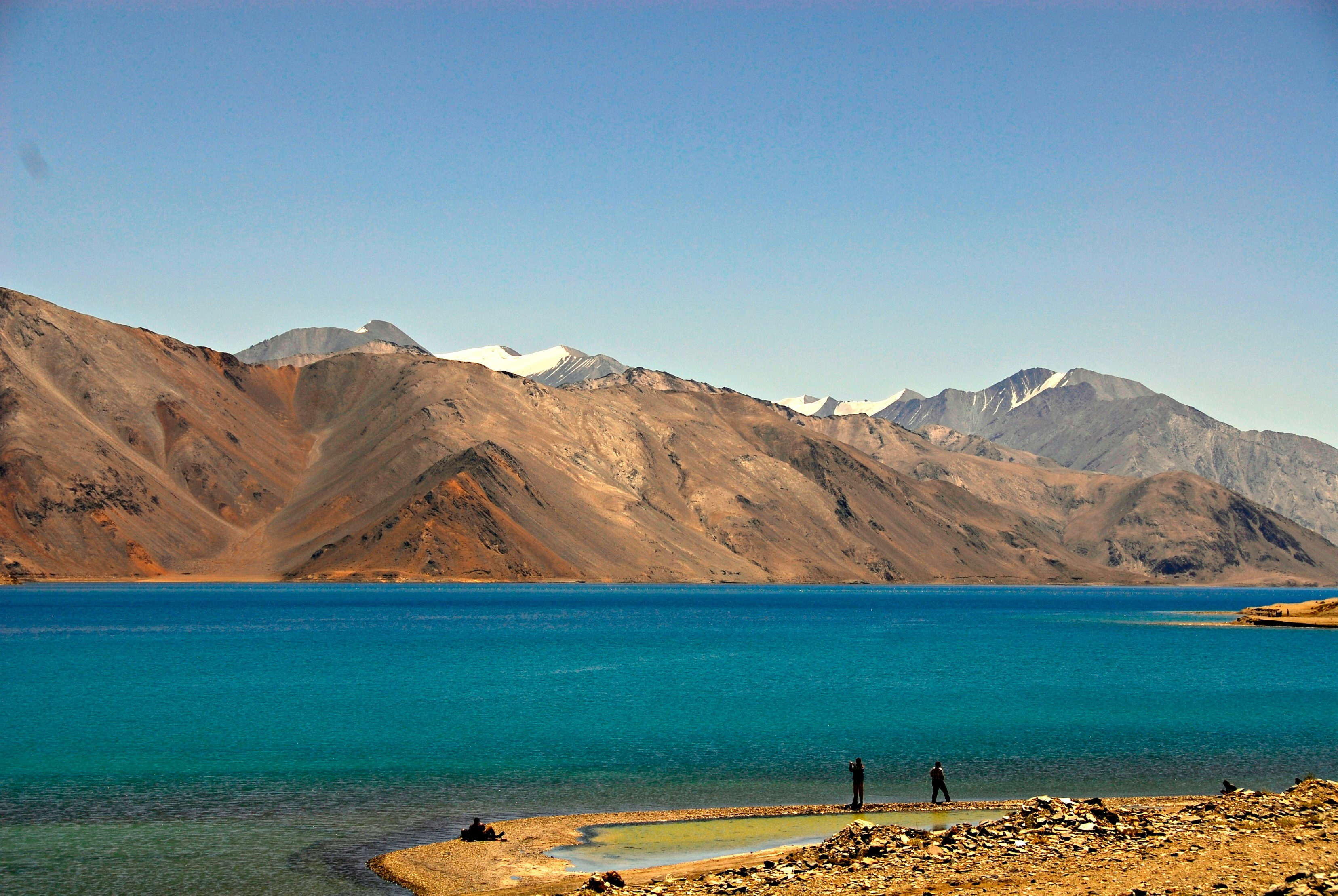 Ladakh
Leh Ladakh Road Trip: Everything You Need to Know
Moonscapes, Buddhist monasteries, and the world's highest motorable passes await on this epic road trip.
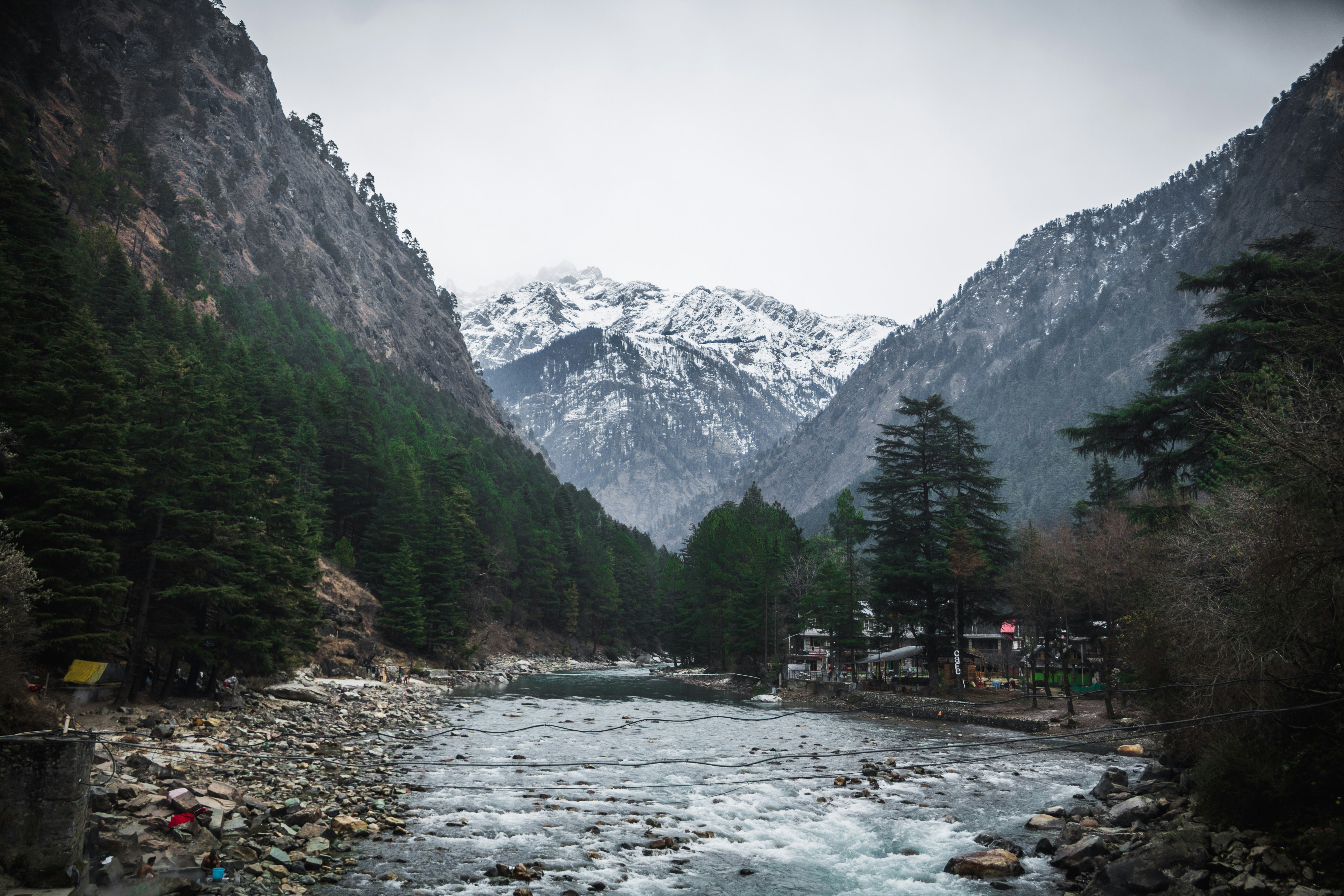 Himachal Pradesh
Kasol & Kheerganga: Backpacker's Paradise
Follow the Parvati River trail to Kheerganga hot springs through pine forests and tiny Himalayan villages.
UttarakhandRishikesh Adventure Guide: Rafting, Yoga & More
The yoga capital of the world also happens to be India's adventure hub — white water rafting, bungee, and beyond.