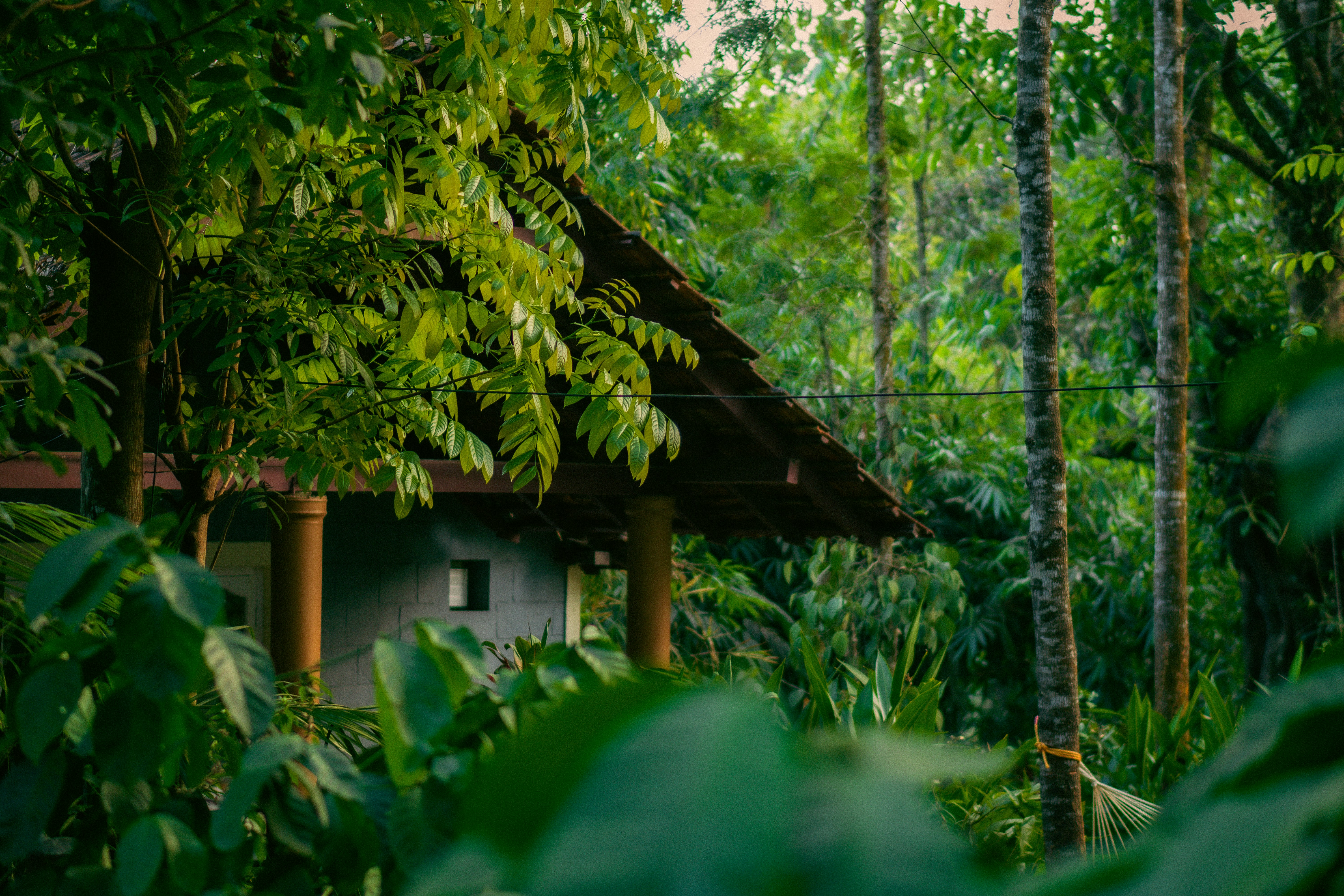
Why Coorg?
There is a particular quality to a Coorg morning that stays with you long after you leave. The mist rolls in from the Western Ghats before dawn, draping the coffee estates in soft white. By the time the sun burns through — around 8 AM — the hillsides are emerald, the coffee blossoms are sending their jasmine-like fragrance across the valleys, and somewhere in the distance a peacock calls. It smells like freshly brewed coffee, wet earth, and cardamom.
Coorg — officially Kodagu, the smallest district in Karnataka — is the India that doesn't shout. There are no crowds (relative to its quality), no iconic monument queues, no buzzing tourist bazaars. What there is: 120,000 hectares of coffee and spice plantations covering ancient hills, some of the finest wildlife corridors in South India, waterfalls that thunder through rainforest, trekking trails that climb to the source of the Kaveri River, and a deeply distinct indigenous culture — the Kodavapeople — with their own language, food, martial traditions, and legendary warmth as hosts.
It's only 270 km from Bangalore. It feels like another world.
☕ Coorg at a Glance
Best Time to Visit Coorg
Coorg has one of the heaviest monsoons in India — the Western Ghats intercept the southwest monsoon with force from June to September. Outside of that, it's an almost year-round destination with distinct seasonal characters.
Post-monsoon Coorg is lush, misty, and perfectly cool (10–22°C). Coffee harvest season (Nov–Jan) fills the estates with activity and fragrance. Christmas and New Year bring crowds — book accommodation 4–6 weeks ahead.
The coffee blossoms (Coorg's 'snowfall') appear March–April — a two-week bloom that fills the entire district with jasmine-like fragrance. Temperatures rise to 30°C by May. Pre-monsoon showers begin. Excellent time for trekking before heat peaks.
Coorg receives 2,500–3,000 mm of rain in these months. Waterfalls are spectacular and the forest is intensely green. Road conditions worsen significantly, many homestays close, trekking trails become dangerous. Only for monsoon lovers who don't mind limited mobility.
Coffee cherry harvest is in full swing — you can participate in picking at many plantations. Kodava festivals like Kailpodh (Oct) and Puthari (Nov–Dec) showcase the culture at its most vibrant. Busiest season — Bangalore weekenders flood in.
Our pick: November — the harvest is on, the coffee blossoms of the previous March have given way to ripe red cherries, the mist is thickest in the mornings, the Puthari festival brings Kodava culture to life, and the weekday crowds are manageable. Arrive on a Tuesday and leave before the Friday rush.
How to Reach Coorg
Coorg has no airport or railway station — all access is by road, which actually adds to its feeling of being a world apart. The roads, particularly from Mysuru, are excellent and the scenery on approach through the Ghats is spectacular.
- From Bangalore (most common): 270 km, 5–6 hours via NH275. KSRTC runs excellent Airavat Club Class buses from Bangalore's Satellite Bus Stand (₹400–₹700, 6 hrs) directly to Madikeri. Private cabs cost ₹4,500–₹6,500. Avoid Friday evening departures — traffic on the Mysuru expressway is brutal.
- From Mysuru: 120 km, 3 hours via Hunsur. The most scenic approach — winding ghat roads through cardamom and coffee estates. KSRTC buses run every hour (₹150–₹220). Best road into Coorg by car.
- From Mangalore: 160 km, 4 hours via NH275. The coastal approach through the ghats is stunning — arguably the most dramatic road into Coorg. Good if combining with a coastal trip.
- From Hassan / Belur: 100 km, 2.5 hours. Combine with the Hoysala temples circuit (Belur, Halebidu) for an excellent extended Karnataka itinerary.
Top Places to Visit in Coorg
Abbey Falls
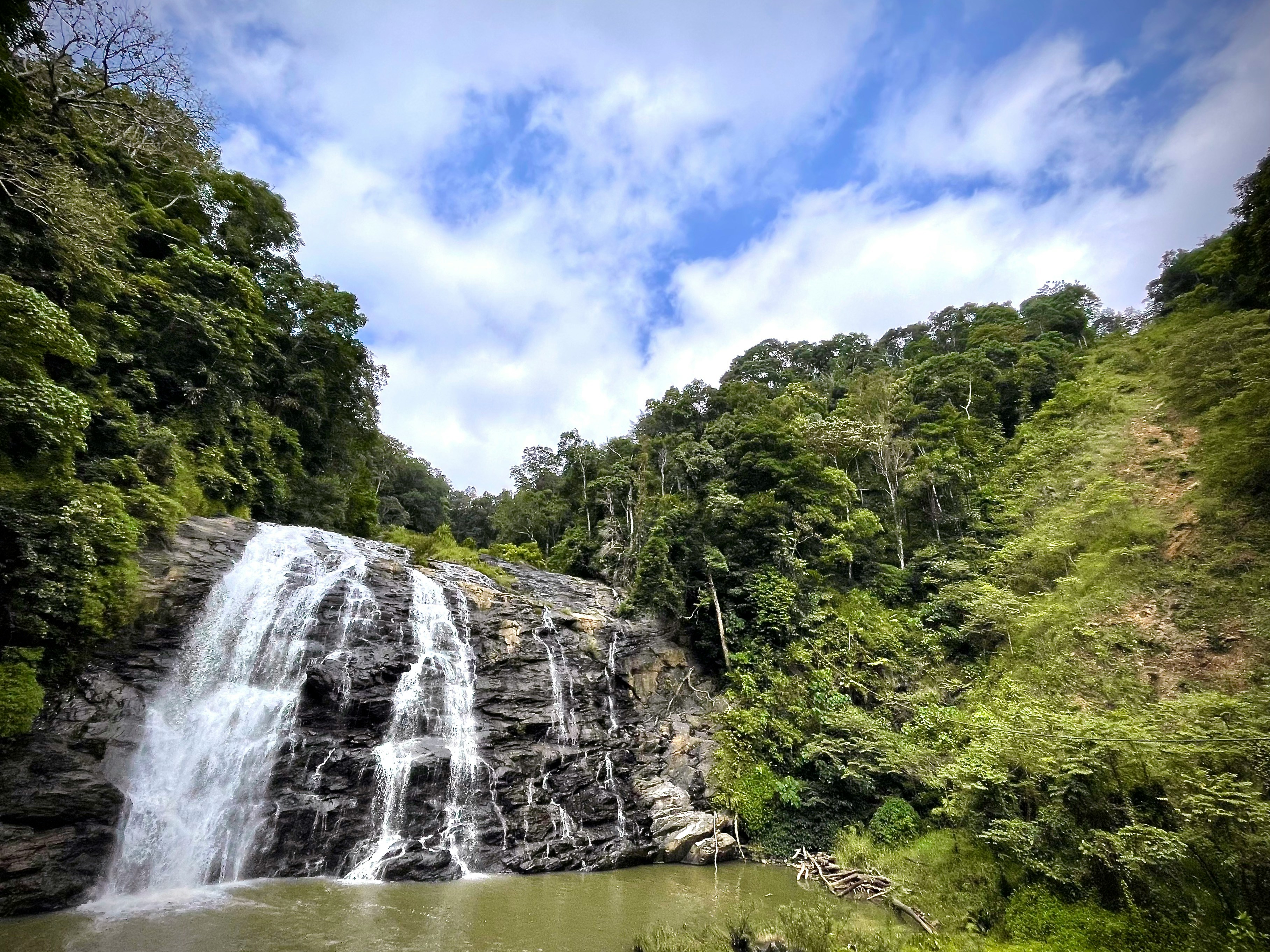
Set deep within a private coffee and spice plantation, Abbey Falls is Coorg's most visited natural attraction — a 70-foot cascade that plunges through a narrow gorge of hanging vines, wild pepper, coffee, and cardamom. The falls are most powerful between October and February, and the walk through the plantation to reach them is half the experience.
The site is privately owned (entry ₹30 per person), and the viewing platform across the gorge gives excellent face-on views of the falls. It gets crowded between 10 AM and 3 PM on weekends — arrive at opening time (8 AM) for the falls largely to yourself and the best light.
- Distance from Madikeri: 8 km
- Entry: ₹30 per person + ₹50 camera fee
- Best time to visit: 8–9 AM or after 4 PM
- Combine with: Raja's Seat (5 km away) for a half-day
Raja's Seat — The King's Viewpoint
Raja's Seat (King's Seat) in Madikeri is the most famous viewpoint in Coorg — a terraced garden perched at the edge of a cliff with sweeping views of the mist-filled Coorg valleys and the Western Ghats rolling away to the horizon. The name refers to the Kodava kings who allegedly came here to watch the sunset over their kingdom.
The viewpoint is best at sunrise (when the valleys below fill with golden mist) and sunset (when the hills turn amber and violet). The KSTDC toy train that runs through the gardens is popular with families. Entry is ₹15, and the garden has a small café for filter coffee.
Madikeri Fort & Omkareshwara Temple
The Madikeri Fort at the centre of town was built by Mudduraja in the 17th century and later renovated by Tipu Sultan, who renamed it Jaffarabad. The fort contains a palace (now government offices), a chapel (built by the British, now a museum), a prison, and two life-size elephant statues at the main gate. The museum inside has an excellent collection of Kodava weapons, costumes, and artefacts.
Nearby, the Omkareshwara Temple is one of Madikeri's most unusual religious sites — an amalgam of Gothic, Islamic, and Kerala architectural styles built in 1820, with a central tank filled with goldfish. It's a quiet, beautiful spot that sees far fewer visitors than Abbey Falls.
Nagarhole National Park (Rajiv Gandhi NP)
Part of the Nilgiri Biosphere Reserve and directly adjacent to Coorg, Nagarhole National Park is one of India's finest wildlife sanctuaries — a 643-square-km tiger reserve with some of the highest densities of large mammals in Asia. The park protects Bengal tigers, Indian leopards, Asian elephants (the largest population in India), gaur (Indian bison), dholes (wild dogs), sloth bears, and over 270 species of birds.
Unlike many Indian wildlife parks, Nagarhole's core zone has relatively few vehicles and genuinely wild feeling safaris. The Kabini River that runs through it draws animals to its banks — particularly in the dry season (March–May) when the grasslands flanking the reservoir attract enormous elephant herds.
- Safari timings: Morning 6:00–9:00 AM and evening 3:30–6:00 PM
- Entry (Indian nationals): ₹300 per person + ₹200 vehicle fee
- Jeep safari: ₹3,500–₹5,000 for a 6-seater (book online at forest dept. website)
- Best months for wildlife: March–May (dry season, animals congregate at water)
- Best for elephants: September–November at Kabini backwaters
Talakaveri & Brahmagiri Peak
Talakaveri, at 1,276 metres in the Brahmagiri Hills near Bhagamandala, is the sacred source of the Kaveri River — one of peninsular India's most important rivers, revered as much as the Ganga in South India. A small tank marks the spot where the Kaveri springs, and a temple complex surrounds it. On Tula Sankramana day (October), thousands of pilgrims gather as the spring momentarily surges.
From Talakaveri, a 1.5-km steep trail climbs to Brahmagiri Peak (1,608 m) — the highest accessible viewpoint in Coorg, with panoramic 360-degree views of the Western Ghats, the Coorg valleys, and on a very clear day, a glimpse of the Arabian Sea.
- Distance from Madikeri: 48 km
- Brahmagiri trek: 3 km return, moderate difficulty, 2 hours
- Combine with: Bhagamandala Triveni Sangam (25 km) — confluence of three rivers with a beautiful temple complex
Dubare Elephant Camp
On the banks of the Kaveri River near Kushalnagar, Dubare Elephant Camp is where the Karnataka Forest Department's captive elephants spend their mornings being bathed, fed, and exercised. Visitors can wade into the river and help scrub the elephants — it's a genuine, unhurried interaction, not a performance.
The camp is most active between 8:30–10:30 AM when bathing happens. You can also feed the elephants during their exercise time. Entry and activities are managed by Jungle Lodges & Resorts. The camp is set in a beautiful stretch of riverine forest — the boat crossing to reach it is itself charming.
- Distance from Madikeri: 35 km via Kushalnagar
- Entry: ₹200 per person (boat crossing included)
- Elephant interaction: ₹100–₹150 additional
- Best timing: 8:30–10:30 AM for bathing activity
Iruppu Falls (Lakshmana Tirtha)
Near the Kerala border in the Brahmagiri Wildlife Sanctuary, Iruppu Falls is Coorg's most dramatic waterfall — the Lakshmana Tirtha river drops 170 feet over a basalt cliff into a sacred pool below. The waterfall is surrounded by dense rainforest alive with langurs, Malabar giant squirrels, and hornbills. The path to the falls runs through Brahmagiri Wildlife Sanctuary, and the forest atmosphere is genuinely wild.
There's a Shiva temple at the base of the falls, and the pool below is considered sacred — pilgrims bathe here year round. The walk from the car park through the forest takes about 20 minutes. Swimming is allowed in the lower pool.
- Distance from Madikeri: 55 km
- Entry: ₹30 per person
- Combine with: Nagarhole NP (30 km away) for a full-day wildlife and waterfall circuit
Coffee Plantation Visits
Coorg produces roughly 33% of India's total coffee output — and unlike Darjeeling tea estates, many Coorg coffee plantations actively welcome visitors, offer guided walks, and let you participate in the harvest. This is one of the most distinctive and genuinely educational travel experiences in South India.
👁️What you'll see
- →Arabica and Robusta coffee plants at all stages of growth
- →The red coffee cherry at harvest — taste it (sweet, like a grape)
- →Wet and dry processing methods side-by-side
- →Shade-grown cultivation under native trees
- →Wild pepper vines climbing the coffee trees
- →Cardamom, vanilla, nutmeg, and cinnamon growing alongside
🏡Best plantation experiences
- →Coorg Wilderness Resort (guided plantation tour included)
- →Kakkabe area estates — most authentic, few tourists
- →Tata Coffee's Pollibetta estate (advance booking required)
- →Honey Valley Estate (organic, excellent farm-to-cup experience)
- →Estate stays between Virajpet and Gonikoppal
- →Morning walk at any plantation guesthouse — ask the host
The coffee at most Coorg homestays is extraordinary — freshly roasted and ground that morning, brewed as filter coffee with the local chicory blend. Drink it black to taste the estate. A packet of freshly roasted Coorg estate coffee (₹200–₹400) is the best souvenir you'll bring home.
Trekking in Coorg
Coorg's terrain — deeply forested, steeply ridged, laced with rivers — makes it one of South India's best trekking destinations. The trails here are wilder and less-developed than Himalayan routes, which is both the appeal and the challenge.
Tadiandamol Peak Trek
Highest in CoorgCoorg's highest peak, covered in rolling grassland meadows (sholas) at the summit. The trail passes through dense rainforest before breaking into open grassland near the top. Panoramic views of the Western Ghats on clear days. No guide required but recommended in monsoon. Forest department permit required (₹100).
📍 Start: Kakkabe village (55 km from Madikeri)
Brahmagiri Wildlife Sanctuary Trek
Best Wildlife SightingA forest trail through one of the most biodiverse corridors in India — the Brahmagiri Wildlife Sanctuary protects tigers, leopards, elephants, and an extraordinary diversity of birds. A registered guide from the forest department is mandatory. Chance of wildlife encounters is high. Starts at Talakaveri.
📍 Start: Talakaveri (48 km from Madikeri)
Mandalpatti Peak
Best ViewsA jeep track takes you to a base point (₹2,000 for a shared jeep), then a 2-km walk reaches a 360-degree viewpoint above the clouds. On clear mornings (arrive before 8 AM), you stand above a sea of white mist with only the highest peaks visible. One of the most photographed spots in Coorg.
📍 Start: Abbey Falls road, 12 km from Madikeri
Pushpagiri Wildlife Sanctuary Trek
Most RemoteCoorg's most challenging and least visited major trek — through rainforest to the second highest peak in the district. Mandatory forest guide. The trail passes through Shola forests and grasslands with extraordinary bird diversity. Permission from the forest range officer at Somwarpet required.
📍 Start: Somwarpet (60 km from Madikeri)
Kodava Culture & Festivals
The Kodava (Coorg) people are one of India's most distinctive indigenous communities — a warrior clan with Persian or Scythian origins (still debated by historians), their own language (Kodava takk), their own distinct dress, martial arts tradition, and a relationship to nature and land that is deeply embedded in every aspect of their culture. They are also exceptional hosts — Kodava hospitality is legendary across Karnataka.
🎭Festivals to witness
- →Puthari (Nov–Dec) — rice harvest festival with Kodava songs, kolata stick dance, and community feasts
- →Kailpodh (Oct) — weapons worship festival; Kodavas traditionally carry the peeche katty (short sword)
- →Kaveri Sankramana (Oct) — pilgrimage to Talakaveri; the river's annual surge draws 100,000+ pilgrims
- →Huthri (Dec) — new year of the Kodava; family gatherings and traditional music
🏛️Traditions to understand
- →Ain Mane (ancestral homes) — large family homesteads that are centres of Kodava community life
- →Kodava cuisine — pandi curry, kadambutthu, koli curry, and akki roti are central to identity
- →The Kodava have no caste system — a rare feature of their egalitarian warrior culture
- →Arms tradition — Kodava men have the legal right to carry firearms without a licence, a right granted by the British for their military service
What to Eat in Coorg
Kodava cuisine is one of India's great regional culinary traditions — and yet one of the least known outside Karnataka. It is built around pork, chicken, locally grown rice, river fish, and the fresh spices and herbs of the coffee estates. The best Kodava food is served in homestays — not restaurants.
Pandi Curry
Must tryThe defining dish of Kodava cuisine — pork cooked in a dark, tangy gravy of roasted spices and kachampuli (a souring agent made from Garcinia fruit found only in Coorg). The flavour is unlike any other pork curry in India: deeply savoury, with a unique fruity tartness. Eaten with kadambutthu (rice dumplings) or rice.
Kadambutthu
StapleRice dumplings cooked in bamboo moulds — the traditional Coorg accompaniment to curries. Soft, subtly flavoured, and excellent at soaking up pandi curry gravy. Every homestay makes these for dinner.
Koli Curry (Chicken)
ClassicA Kodava-style chicken curry with coconut-based gravy and the distinctive kachampuli souring. Lighter than pandi curry but equally complex in flavour. The default non-pork option and equally excellent.
Noolputtu (String Hoppers)
BreakfastDelicate rice noodle discs steamed and served with coconut milk and chicken or vegetable curry — a South India-wide breakfast favourite that Coorg does particularly well, given the quality of local rice varieties.
Coorg Filter Coffee
UnmissableThe best reason to be in the coffee capital of India. Freshly roasted, finely ground estate coffee (often Arabica–Robusta blend), brewed through a stainless steel filter with hot milk and just a touch of chicory. Ask any homestay host to make it strong. Buy a bag of the unground beans to take home.
Where to Stay in Coorg
The plantation homestay is the defining accommodation experience of Coorg — waking up to birdsong in a coffee estate, drinking freshly brewed filter coffee on a verandah overlooking misty hills, eating home-cooked Kodava food. This is not budget-cutting; it is simply the best way to experience Coorg.
- → Zostel Coorg (Kushalnagar)
- → Basic Madikeri guesthouses
- → Yavakapadi Homestay (Kakkabe)
- → Budget rooms in Virajpet town
- → Honey Valley Estate (Kakkabe)
- → Bittangala Homestay
- → Coorg Wilderness Resort
- → The Tamara Coorg (mid-luxury)
- → Orange County Resorts (Siddapura)
- → Evolve Back (Coorg)
- → Taj Madikeri Resort & Spa
- → Amanvana Spa Resort
Stay outside Madikeri town wherever possible. The best experiences are at estates and homestays scattered across the district — Kakkabe for Tadiandamol treks, Siddapura for plantation immersion, Kushalnagar for Nagarhole access, Virajpet for a more authentic local experience.
4-Day Coorg Itinerary
Four days is the ideal duration for Coorg — enough to cover the highlights without rushing, and long enough to settle into the pace of plantation life. This itinerary is based out of different areas each day for maximum coverage.
Arrival & Madikeri Town
- ✓Arrive from Bangalore/Mysuru — check in to Madikeri area homestay
- ✓Evening: Raja's Seat for sunset over the mist-filled valleys
- ✓Madikeri Fort and Omkareshwara Temple walking tour
- ✓Dinner at Hotel Capitol — first Kodava meal (pandi curry + kadambutthu)
Coffee, Waterfalls & Viewpoints
- ✓7 AM: Sunrise walk through your homestay's coffee estate
- ✓Abbey Falls (8 AM — before the crowds)
- ✓Mandalpatti jeep + walk (above the clouds, book jeep in advance)
- ✓Afternoon: Plantation tour and coffee tasting at estate
Nagarhole Safari & Dubare
- ✓6 AM: Morning jeep safari at Nagarhole National Park
- ✓Dubare Elephant Camp — 8:30 AM bathing activity
- ✓Kaveri Nisargadhama river island — boat ride, deer spotting
- ✓Kushalnagar market for local spices and coffee
Talakaveri, Brahmagiri & Iruppu
- ✓Bhagamandala Triveni Sangam — beautiful temple at river confluence
- ✓Talakaveri — sacred source of the Kaveri River
- ✓Brahmagiri Peak trek (3 km, 2 hrs) for panoramic views
- ✓Iruppu Falls — 170-foot waterfall through rainforest (55 km from Madikeri)
Budget Breakdown
| Expense | Budget | Mid-Range | Luxury |
|---|---|---|---|
| Accommodation/night | ₹900 | ₹3,500 | ₹12,000 |
| Food/day | ₹400 | ₹900 | ₹2,500 |
| Transport (car rental/day) | ₹1,500 | ₹2,500 | ₹4,000 |
| Nagarhole safari | ₹500 | ₹1,500 | ₹5,000 |
| Entry fees & activities | ₹200 | ₹500 | ₹1,000 |
| Daily Total | ₹3,500 | ₹8,900 | ₹24,500 |
| 4-Day Trip Total | ₹14,000 | ₹35,600 | ₹98,000 |
* Excludes travel to/from Coorg. Bangalore to Madikeri by KSRTC bus: ₹400–₹700. By private cab: ₹4,500–₹6,500.
Essential Travel Tips for Coorg
- Avoid weekends from Bangalore: Coorg is Bangalore's most popular weekend getaway — Friday evening to Sunday is extremely busy year-round. If you can, travel mid-week (Tuesday–Thursday). You'll get better prices, quieter sights, and a more authentic experience.
- Self-drive or hire a vehicle: Coorg's attractions are spread across a large, hilly district with limited public transport. A self-drive car or hired car with driver (₹2,000–₹3,000/day) is essential for covering more than one or two spots per day. Autos are available in Madikeri but expensive for multi-stop days.
- Book safari and activities in advance:Nagarhole morning safaris fill up fast on weekends — book online at the Karnataka Forest Department website at least a week ahead. Mandalpatti jeeps (₹2,000–₂,500 per jeep) should also be arranged the evening before through your homestay.
- Stay at a plantation homestay: Even for one night. The plantation homestay experience — fresh coffee, Kodava home cooking, morning estate walks, evening bonfires — is what separates a Coorg trip from a standard hill station visit. It's the heart of the destination.
- Carry an umbrella or light raincoat:Even in the dry season, Coorg can receive sudden brief showers — the Western Ghats create localised weather patterns. A light windbreaker doubles as rain protection.
- Buy coffee and spices directly: The best coffee, pepper, cardamom, and vanilla in Coorg comes directly from estate shops or local markets (Madikeri market, Virajpet). Avoid branded souvenir shops. Ask your homestay host where they buy their own spices — that's where you should go.
- Respect wildlife corridors: Coorg is an active wildlife corridor — elephants regularly cross roads at night between Nagarhole, Brahmagiri, and Pushpagiri. Do not drive fast on forest roads after dark. If you encounter an elephant on the road, switch off lights, stop the engine, and wait quietly until it moves on.
- Leeches in monsoon: If visiting June–September, wear closed shoes and apply salt or tobacco paste to shoe soles before trekking. Leeches are abundant on forest trails and completely harmless but disconcerting. Salt removes them instantly.
✅ Do
- →Stay at a plantation homestay for at least one night
- →Eat pandi curry at a local restaurant — not a tourist menu
- →Buy freshly roasted estate coffee to take home
- →Book Nagarhole safari online in advance
- →Visit Abbey Falls before 9 AM on a weekday
- →Ask your host to arrange a plantation walking tour
- →Combine with Mysuru (120 km) for a longer Karnataka trip
- →Try watching the Puthari festival if timing allows (Nov–Dec)
❌ Don't
- →Travel on Friday evening from Bangalore — traffic is brutal
- →Rely on public transport to cover the district
- →Drive fast on forest roads after dark (elephant crossings)
- →Buy coffee at tourist-facing souvenir shops (overpriced)
- →Skip the Iruppu Falls — most visitors do and it's a mistake
- →Expect hot weather — Coorg is cool, pack a layer
- →Trek in wildlife sanctuaries without a registered guide
- →Ignore 'elephant area' signboards on forest roads
What to Pack for Coorg
Gear we've tested or rely on recommendations from people who have. Nothing here is sponsored — these are genuine picks based on what actually works on the trail.
As an Amazon Associate, we earn from qualifying purchases. Links may earn a small commission at no extra cost to you.
Binoculars
Why carry it: A safari without binoculars is like a concert in the wrong seat. You'll see the leopard-shaped shadow; binoculars let you actually watch it move.
Convertible Trousers
Why carry it: Forest walks and restaurant dinners require different dress. These handle both without a change of outfit — one less item to pack.
Insect Repellent
Why carry it: Monsoon forest trails in Coorg and similar destinations have leeches. Permethrin on your trousers and socks is far more effective than DEET on skin.
Continue Exploring
View all guides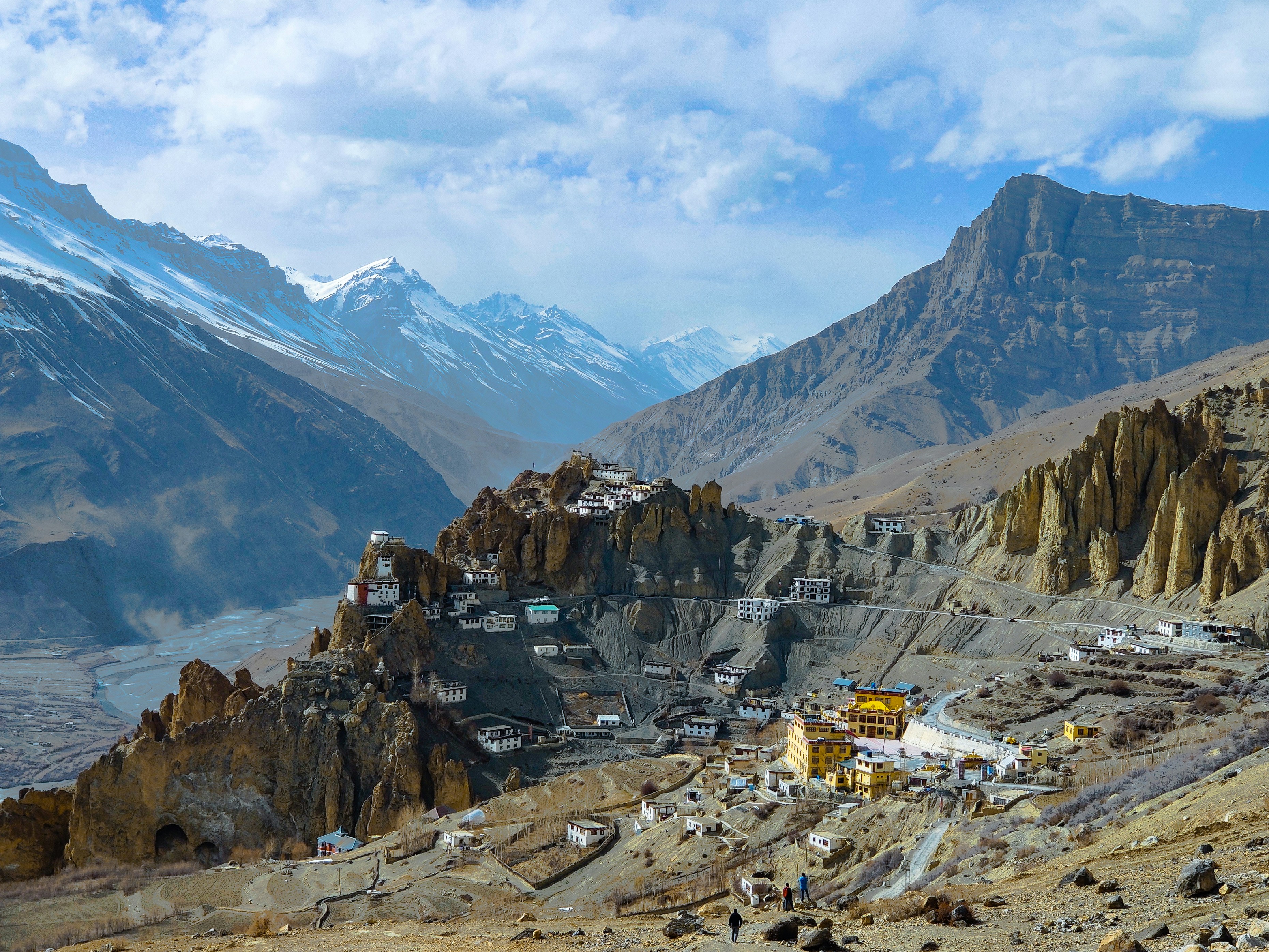 Himachal Pradesh
Spiti Valley: The Complete Travel Guide 2026
A remote high-altitude desert in Himachal Pradesh — monasteries, fossils, and jaw-dropping roads.
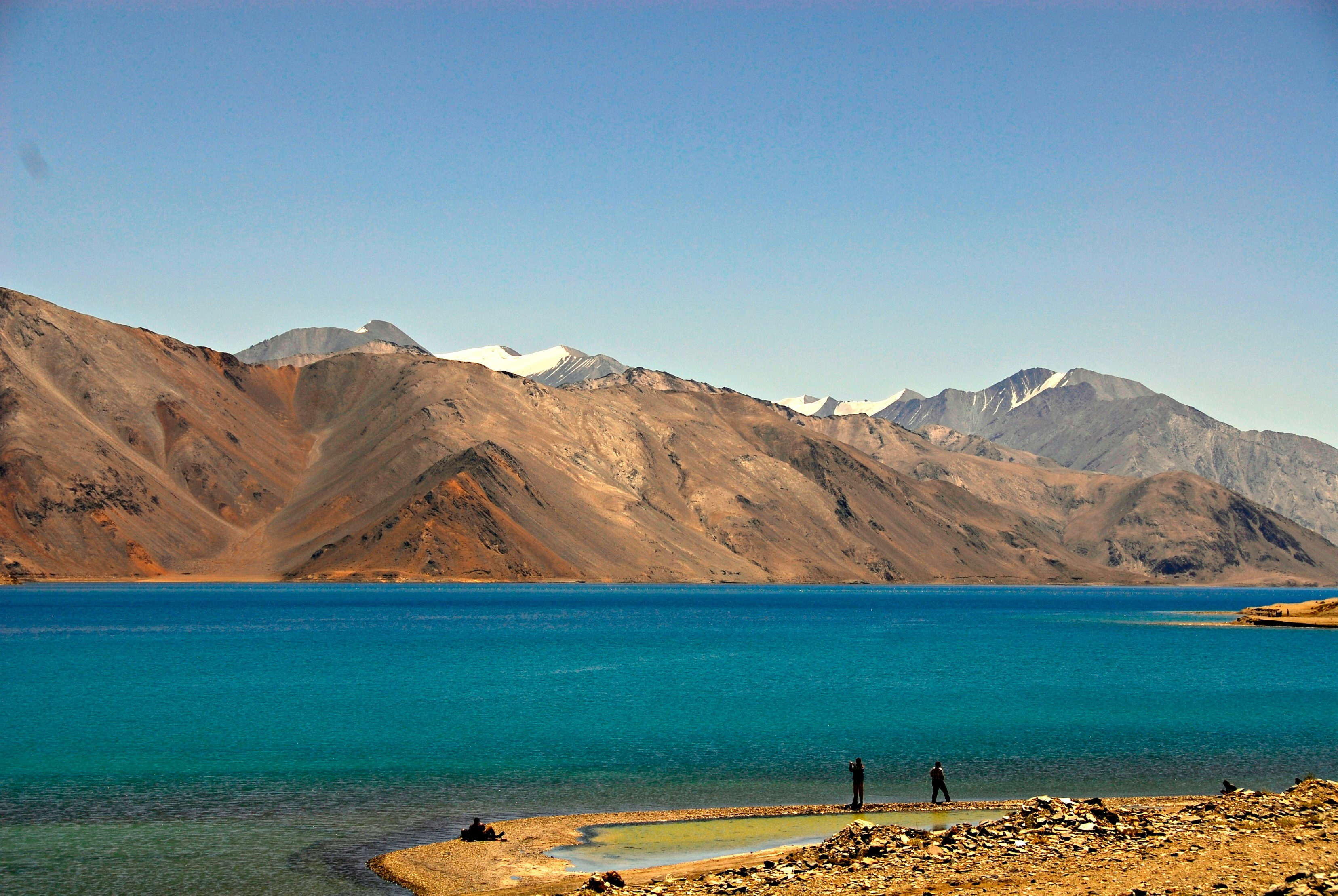 Ladakh
Leh Ladakh Road Trip: Everything You Need to Know
Moonscapes, Buddhist monasteries, and the world's highest motorable passes await on this epic road trip.
 Himachal Pradesh
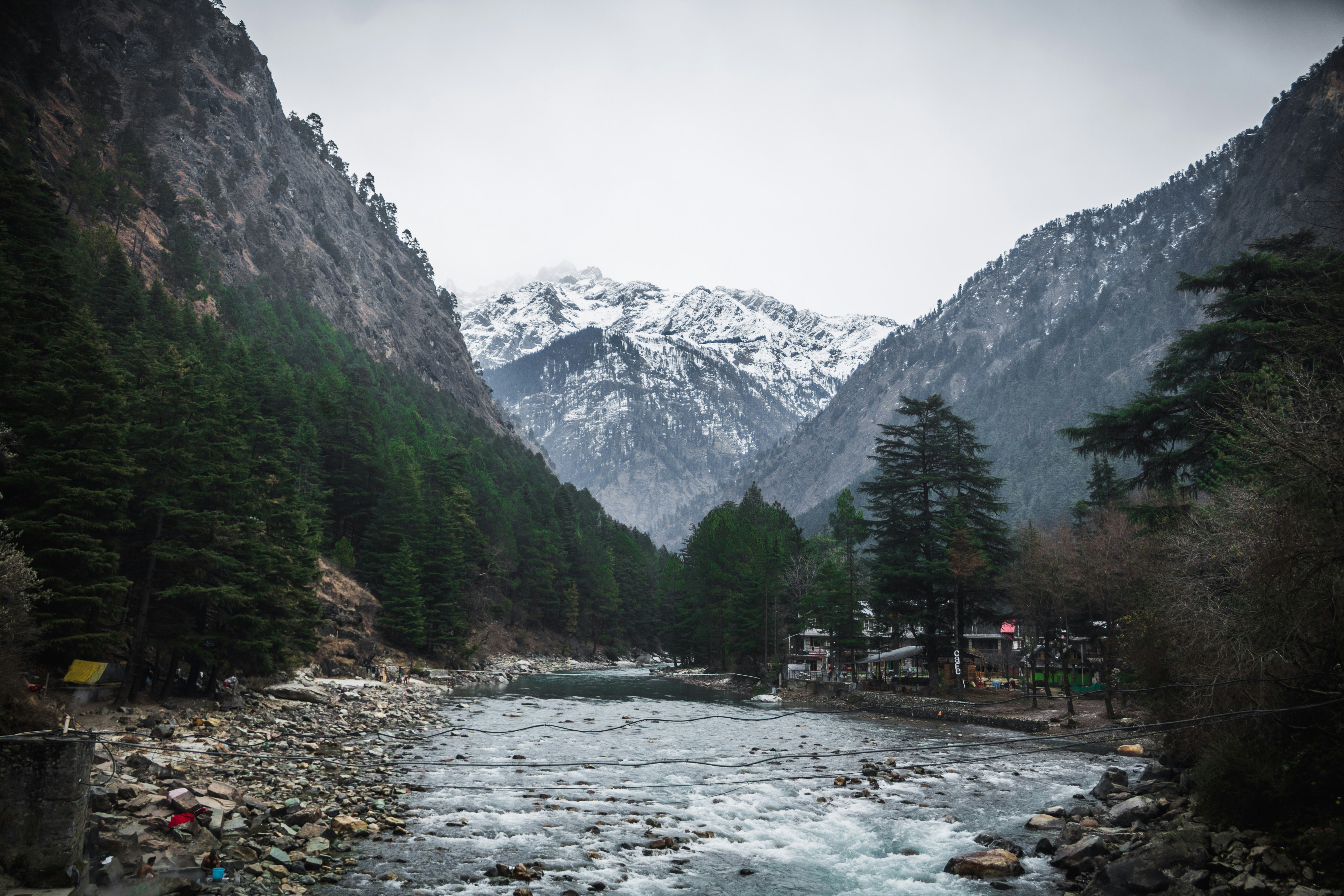
Kasol & Kheerganga: Backpacker's Paradise
Follow the Parvati River trail to Kheerganga hot springs through pine forests and tiny Himalayan villages.
 Uttarakhand
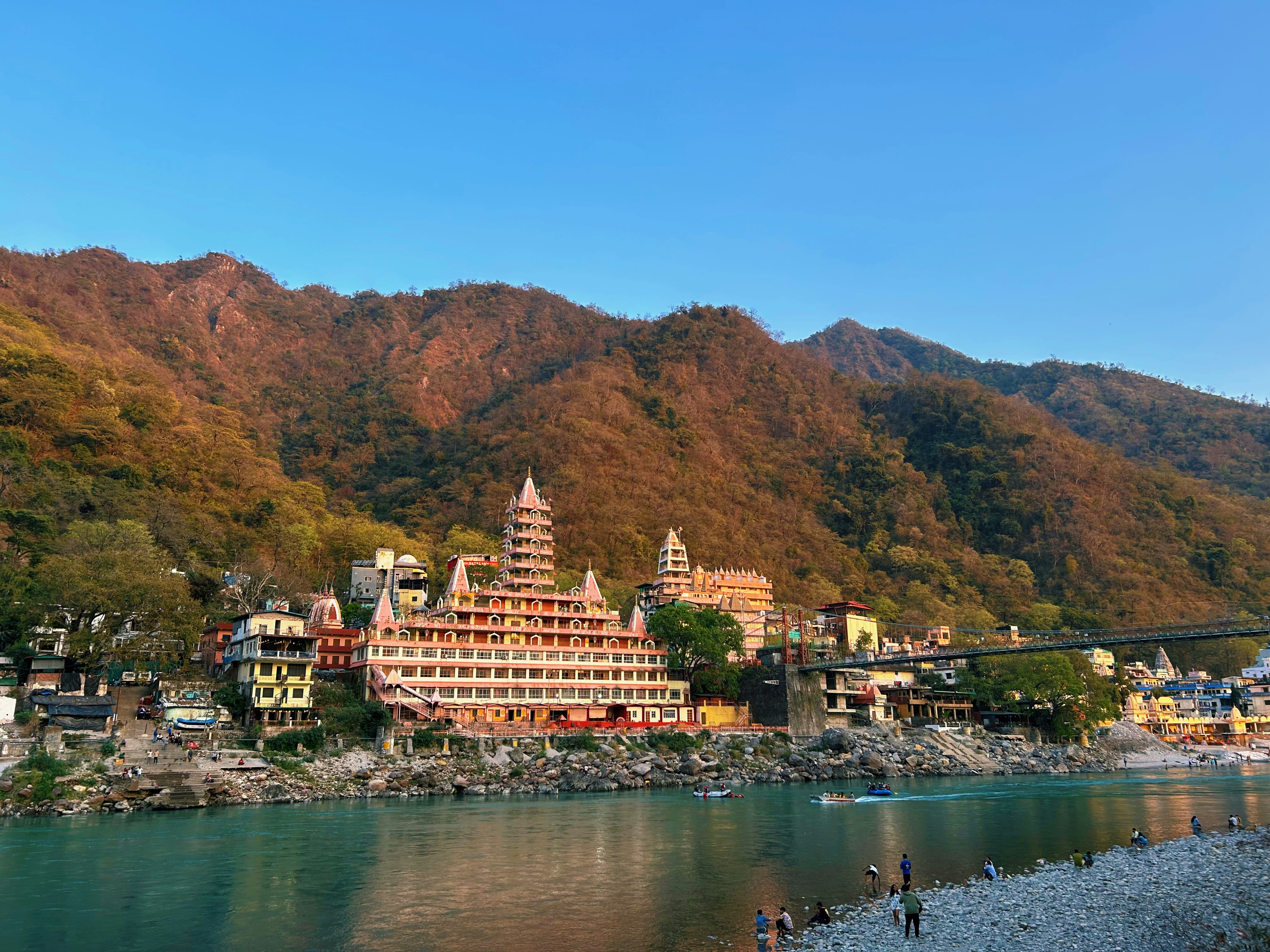
Rishikesh Adventure Guide: Rafting, Yoga & More
The yoga capital of the world also happens to be India's adventure hub — white water rafting, bungee, and beyond.