Why Kasol & Kheerganga?
The Parvati Valley is one of those places that gets under your skin the moment you arrive. The Parvati River — jade-green, ice-cold, furiously loud — runs the length of a valley that rises from 1,580 metres at Bhuntar to over 3,000 metres at the foot of the Mantalai glacier. Along its banks sit some of the most unconventional villages in the Himalayas: Kasol with its improbable mix of Israeli travellers, Pahadi locals, and mountain dogs sleeping in cafes; Chalal, reachable only on foot; Tosh, perched so high it looks painted on the sky; and Malana, one of the world's oldest democracies, sealed off from outsiders by centuries of proud isolation.
At the end of the valley's most accessible long trail is Kheerganga — a meadow at 2,960 metres with a natural hot spring, a Shiva temple, and views across a ring of snow-capped peaks that make the 12-km climb feel like the most reasonable thing you've ever done. Soaking in the geothermal pool as snow falls around you at dusk is one of India's great travel experiences.
This guide covers everything: Kasol as a base, all the side trips worth making, the two routes to Kheerganga, what to eat, where to sleep, and the things that will make your Parvati Valley trip genuinely great rather than just Instagram-adequate.
🏔️ Kasol & Kheerganga at a Glance
Best Time to Visit Kasol & Kheerganga
The Parvati Valley has two excellent seasons separated by a heavy monsoon. Kheerganga itself can be visited almost year-round, but the trail conditions and overall experience vary significantly.
The valley shakes off winter snow by March. Rhododendrons bloom on the trek. By May the meadow at Kheerganga is green and the hot springs are blissfully warm against cold nights. June gets busy with school holiday crowds.
Heavy rainfall makes the Kheerganga trail extremely slippery and landslide-prone. The Parvati River floods, washing out the riverside sections of the path. Many locals and seasoned trekkers still come to Kasol — the valley is dramatically green — but Kheerganga trek is ill-advised.
Post-monsoon is when the Parvati Valley is at its absolute finest. The skies clear, the forest turns gold and amber, the river is powerful but not flooded. Kheerganga meadow has knee-high grass. Crowds thin after October. Snow arrives at Kheerganga by late November.
Kasol in winter is magic — quiet, snow-covered, and peaceful. The hot springs at Kheerganga are at their best when surrounded by snow. The trek is technically doable with micro-spikes and proper gear but requires experience. Many cafes and guesthouses close. For the prepared, unmissable.
Our pick: Early October. The monsoon has cleared completely, the forest is at peak colour, the Kheerganga meadow still has green grass before the winter freeze, and the crowds of September have thinned. The nights are cold enough to make the hot springs feel miraculous.
How to Reach Kasol
Kasol sits 30 km from Bhuntar (which has an airport) and 510 km from Delhi. The approach from Delhi via Bhuntar or Chandigarh is comfortable and well-served.
- From Delhi (most common): Overnight Volvo buses run from ISBT Kashmiri Gate directly to Kasol or Bhuntar (₹700–₹1,200, 12–14 hours). Private operators like HPTDC and RedBus have daily departures from 5–7 PM. Arrive in Kasol by morning. Book 3–5 days ahead in peak season.
- By Air + Bus: Fly to Bhuntar Airport (KUU) from Delhi (50 min, ₹3,000–₹8,000 one way). From Bhuntar, shared taxis or local buses run to Kasol (30 km, 45 min, ₹50–₹80 by bus or ₹500–₹600 by taxi).
- Via Manali: If combining with a Manali trip, take a local bus or taxi from Manali to Bhuntar (70 km, 2 hrs), then onward to Kasol. An excellent extension to a Himachal Pradesh circuit.
- By Train + Bus: Take a train to Chandigarh or Ambala, then a bus to Bhuntar or Kasol directly. The Himalayan Queen to Kalka and then onward is the scenic option.
Exploring Kasol
Kasol is a small village that has become one of India's most famous backpacker destinations — largely thanks to its Israeli traveller community, extraordinary natural setting beside the Parvati River, and proximity to the Kheerganga trail. The village itself is split into two parts: the main market (where buses arrive, cafes line the road, and guesthouses are stacked on the hill) and Old Kasol (across the footbridge, quieter, more local, where the river is loudest).
Most people use Kasol as a base and spend 1–2 days here before trekking. Don't rush it — there's more to do and see here than it first appears.
Chalal Village
A 20-minute walk from Kasol along the riverbank (no roads, foot traffic only), Chalal is the village that Kasol used to be — quieter, more authentic, with family-run guesthouses, homemade food, and the Parvati River literally at the doorstep. The path from Kasol crosses a swinging bridge and follows a narrow trail through pine and walnut trees.
Chalal is where many long-stay travellers prefer to base themselves — the vibe is more relaxed and local than Kasol main market, the guesthouses are cheaper, and the evening sound is the river rather than café playlists. Several excellent budget guesthouses sit right on the riverbank (₹400–₹800/night). The walk to Chalal itself is worth doing even if you stay in Kasol — it's one of the most beautiful short walks in the valley.
Kasol's Café Scene
Kasol has the most distinctive café culture in the Himalayas — a combination of Israeli food traditions, Pahadi hospitality, and the kind of all-day traveller hangout culture that develops when people arrive for a weekend and stay for a month. The cafes here serve Israeli breakfasts, hummus, shakshuka, falafel, pasta, and Himachali thalis, often from the same menu.
Moon Dance Café
Best overallThe most beloved café in Kasol — a multi-level wooden structure with river views, warm lighting, and a menu that spans Israeli breakfast to wood-fired pizza. The shakshuka and fresh juice are exceptional. Fills up by 9 AM on peak days.
Must-order: Shakshuka, banana pancakes, fresh apple juice
Little Italy
Best pastaThe go-to for anything Italian in the Himalayas — fresh pasta, wood-fired focaccia, and a surprisingly good tiramisu. Run by the same family for over a decade. The terrace has Parvati River views.
Must-order: Penne arrabiata, garlic bread, tiramisu
Evergreen Café
Most authentic HimachaliWhere the locals eat. A no-frills wooden shack with some of the best Himachali thali in the valley — thick dal, sabzi, rice, and roti for ₹120–₹150. Order the aloo paratha for breakfast.
Must-order: Himachali thali, aloo paratha, masala chai
Stone Garden
Best for long afternoonsA riverside garden café that rewards lingering — hammocks strung between pines, slow service that's part of the experience, cold Parvati water nearby, and a menu strong on snacks and momos.
Must-order: Veg momos, lemon soda, hummus plate
Side Trips from Kasol
Kasol is a hub for some of the most interesting villages and day trips in Himachal Pradesh. These are worth building time for — they make the difference between a standard backpacker trip and one that genuinely immerses you in the Parvati Valley.
Tosh Village
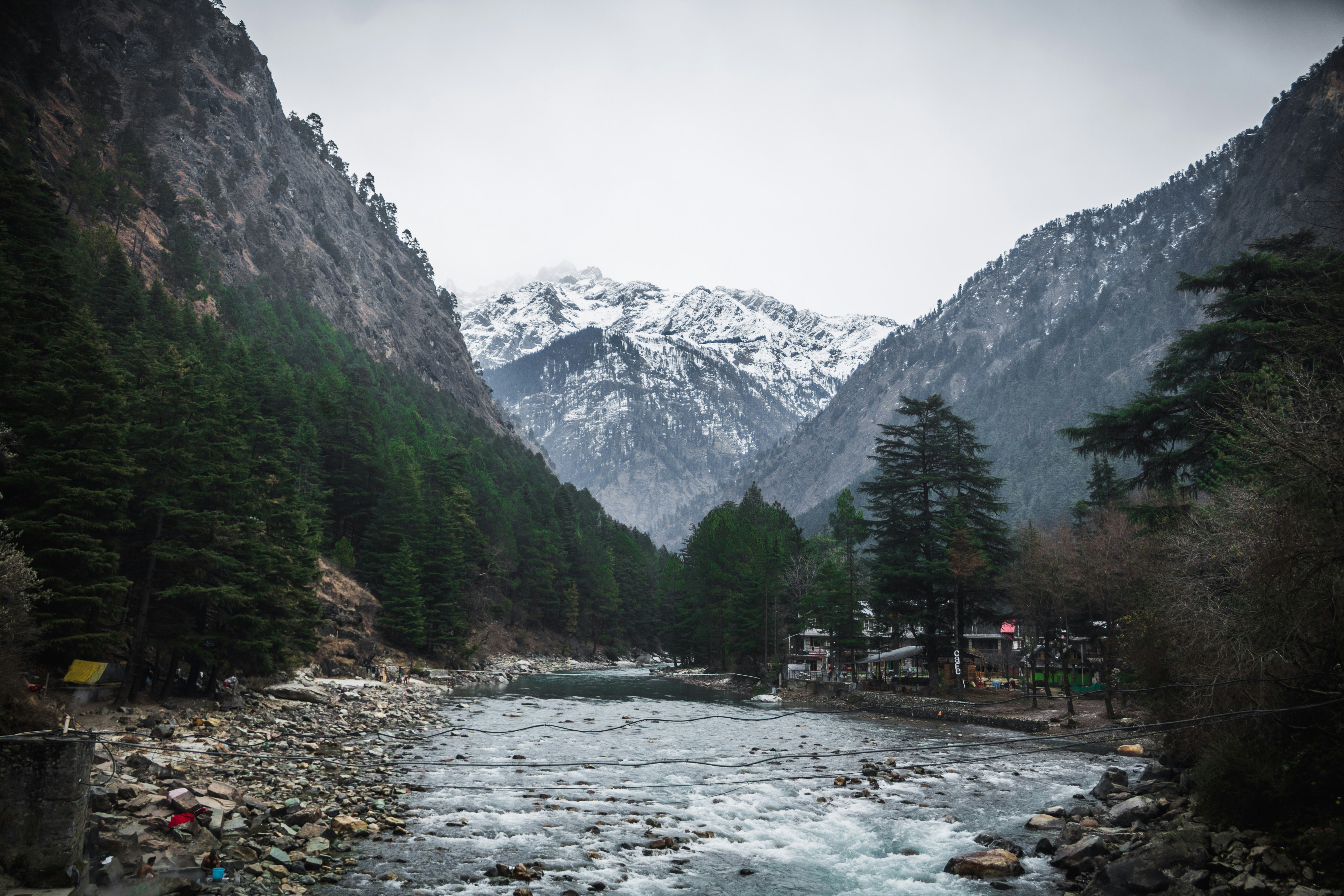
Tosh sits at 2,400 metres at the end of a side valley branching north from Barshaini — a 22-km drive from Kasol and then a 45-minute uphill walk from the road (or a jeep if available). The village clings to a steep ridge with views down the Tosh nullah and across to the snow-capped peaks of the Pin Parbati range. It's one of the most dramatically positioned villages in the Parvati Valley.
Tosh has its own small guesthouse and café scene that developed as an overflow from Kasol — quieter, colder, with no road access and views that reward the walk entirely. Pink Floyd Café at the top of the village has an extraordinary terrace. Many people do Tosh as a day trip from Kasol; others stay a night or two and find it hard to leave.
- Getting there: Bus or shared taxi from Kasol to Barshaini (22 km, ₹50 by bus), then walk 4 km uphill (1–1.5 hrs) or hire a jeep (₹300–₹400)
- Altitude: 2,400 m — a good acclimatisation step before Kheerganga
- Stay: Pink Floyd Café (guesthouse rooms from ₹500–₹800), Himalayan Inn (₹600–₹1,000)
Malana Village
Malana is one of India's most remarkable and most written-about villages — an ancient settlement in a sealed valley north of Kasol, accessible only on foot via a steep 3-km trail from Malana Dam (14 km from Kasol by road). The village claims to be one of the world's oldest democracies, with its own parliament, laws, and customs that predate recorded history. Its people consider themselves descendants of Alexander the Great's soldiers (genetic evidence is ambiguous but the claim persists).
Malana has extremely strict rules about contact with outsiders: do not touch any walls, temples, or people. Do not enter houses uninvited. A "pollution tax" of ₹100–₹300 is charged at entry. Photography of people is not permitted without explicit consent. Despite the restrictions (which exist for cultural preservation, not hostility), the village and the dramatic valley setting are genuinely extraordinary.
Manikaran Sahib
Just 5 km from Kasol on the main road, Manikaran is one of the holiest sites in both Hinduism and Sikhism — a pilgrimage town built around natural boiling hot springs that emerge directly from the earth. The Sikh Gurudwara here cooks langar (community food) using the natural hot spring water and feeds thousands of pilgrims and travellers daily, free of charge.
The atmosphere in Manikaran is entirely different from Kasol — devotional, communal, and deeply moving. Bathing in the hot spring water (there are public bathing ghats separate from the private ones), eating langar in the Gurudwara, and sitting by the Parvati River watching pilgrims are experiences that put the backpacker atmosphere of Kasol in useful perspective.
- Getting there: 5 km from Kasol by shared bus (₹20) or 20-minute walk along the river
- Dress code: Cover head and remove shoes before entering the Gurudwara. Cloth head covers available at the entrance.
- Langar timings: Free food served throughout the day — most active at lunch (12–2 PM)
The Kheerganga Trek
The Kheerganga trek is the main event of the Parvati Valley — a 12–14 km trail (one way, depending on route) that climbs from 1,800 metres at Barshaini to 2,960 metres at the Kheerganga meadow. It's classified as easy-to-moderate, suitable for first-time trekkers, and rewards with a natural hot spring at the top that is quite simply one of the greatest payoffs at the end of any trail in India.
Two Trek Routes
Nakthan Route
Recommended📍 Barshaini → Nakthan village → forest → Kheerganga
Pros
Cons
Riverside Route (Kalga)
More scenic📍 Barshaini → Kalga village → Parvati riverbank → Kheerganga
Pros
Cons
What to Expect on the Trail
The trail begins at Barshaini (1,800 m) — the road-head village where the bus or taxi drops you, 22 km from Kasol. There's no road beyond Barshaini into the upper valley (Tosh is reached via a side path). Most trekkers set off between 7–9 AM.
Barshaini to Nakthan (Nakthan route)
Initial climb through terraced fields and small homesteads. The gradient is steady but manageable. Nakthan village (2,100 m) has two or three tea stalls — stop for chai and local biscuits. The views back down the Parvati Valley begin to open up.
Forest Section
The trail enters dense pine and fir forest — the most beautiful section of the trek. The path is well-defined, the light through the canopy is extraordinary in the morning, and the air smells of pine resin and earth. This section has a few stream crossings on stepping stones.
Climb to Rudra Nag
The trail steepens after the forest. A waterfall (Rudra Nag) marks the halfway point — a natural spring considered sacred, where most trekkers stop to fill water bottles and rest. The treeline begins to thin and views across the valley widen dramatically.
Final push to Kheerganga Meadow
The last 2 km climbs through open shrubland and the occasional snow patch (Oct–May). The meadow appears suddenly over a ridge — a broad, gently sloping grassland ringed by peaks, with the hot spring pool and Shiva temple visible ahead. The sense of arrival here is genuine.
The Kheerganga Hot Springs
At the top of the meadow, fed by geothermal activity deep beneath the Himalayan rock, the Kheerganga hot spring is the reason most people make the climb. The water emerges at approximately 45°C and flows into two large pools — one for men, one for women — managed by the forest department. Entry is ₹50 per person.
The pools are at their most extraordinary in the evening when the temperature drops and steam rises against the darkening sky. In winter, soaking in 45°C water with snow falling around you — the peaks lit by a full moon and the sound of the Parvati River far below — is one of those travel experiences that genuinely defies adequate description. Go after 5 PM to avoid the day-tripper crowds.
- Entry: ₹50 per person
- Timings: 6 AM – 9 PM (approx, varies by season)
- Carry: A towel, flip-flops (the pool floor is slippery), and a change of clothes
- Temperature: ~42–45°C in the pool — very hot; acclimatise gradually, especially at altitude
Camping at Kheerganga
The meadow at Kheerganga has a cluster of permanent tent camps operated by local villagers — basic but functional, with sleeping bags, meals, and sometimes charging points for phones (via solar panels). Camping here overnight is strongly recommended: the sunset, the hot spring in the evening, the night sky, and the sunrise over the peaks are the whole point.
- Tent camps: ₹300–₹500 per person per night (includes tent and sleeping bag; meals extra)
- Meals at camp: Basic dal-rice, Maggi, chapati, tea — ₹80–₹150 per meal
- Bring: Warm layers (it gets to 5–8°C even in summer), a headtorch, toilet paper, and snacks from Kasol
- Pack out: All plastic waste — there is no waste management at Kheerganga and the meadow suffers significant plastic pollution. Be part of the solution.
- Connectivity: BSNL has weak signal at Kheerganga; Jio and Airtel have none. Tell someone your plan before leaving Kasol.
Where to Stay
Accommodation in the Parvati Valley is spread across several villages — Kasol, Chalal, Tosh, Kalga, and Kheerganga itself. Each has a distinct vibe.
- → Chalal riverside guesthouses (best value)
- → Zostel Kasol
- → Budget rooms in Old Kasol
- → Kheerganga tent camps (₹300–₹500)
- → The Parvati Retreat (Kasol)
- → Kalga Apple Orchard Guesthouse
- → Tosh Guesthouse (Pink Floyd area)
- → Camp Wildberry (Kasol)
- → Kanasar Eco Camp
- → The Himalayan Village (Kasol)
- → Riverside cottages via Airbnb
- → Woodstock Cottages
Chalal offers the best value in the entire valley — quiet, beautiful, riverside, and 5 minutes from Kasol's cafes. If you haven't pre-booked, walk to Chalal and ask around for rooms — the family guesthouses here rarely appear on booking sites but cost ₹400–₹600 for a clean double room with a river-facing window.
What to Eat in Kasol
The food in Kasol is among the most eclectic in any Himalayan town — the Israeli influence runs deep, but local Himachali food is excellent and far cheaper. Here's what to eat and where.
- Israeli breakfast: Shakshuka (eggs poached in spiced tomato), hummus with fresh pita, labneh, and fresh juice — available at Moon Dance, Bhoj Restaurant, and most cafes. ₹200–₹350.
- Himachali thali: The best-value meal in the valley — thick dal, two sabzis, rice, roti, and pickle for ₹120–₹180. Order at Evergreen Café or any dhaba near the bus stop.
- Trout: Fresh Parvati River trout is available at several restaurants — pan-fried or grilled with garlic and herbs. ₹250–₹400 for a full fish.
- Momos: The steamed veg or cheese momos at most cafes are excellent — the altitude gives the fillings a particular richness. ₹80–₹120 for a plate.
- Maggi and chai on the trail: Every village between Barshaini and Kheerganga has at least one tea stall selling Maggi noodles (₹60–₹80) and masala chai (₹20–₹30). These are trekking staples for good reason — quick energy, hot, and comforting.
- Local apples and walnuts: The Parvati Valley has excellent apple orchards — buy fresh apples and walnuts directly from villagers in September–November harvest season. Cheapest and freshest in the valley.
5-Day Kasol & Kheerganga Itinerary
Five days gives you time to do Kasol properly, cover the best side trips, and do the Kheerganga trek without rushing the descent.
Arrival & Kasol Exploration
- ✓Arrive from Delhi on the overnight bus (depart previous evening)
- ✓Check in to Chalal or Old Kasol — drop your bag and walk to the river
- ✓Afternoon: Walk to Chalal along the riverside path
- ✓Evening: Moon Dance Café for dinner, Parvati River at dusk
Manikaran & Tosh
- ✓Morning: Walk to Manikaran Sahib (5 km), eat langar at the Gurudwara
- ✓Afternoon: Bus to Barshaini, then walk or jeep up to Tosh village
- ✓Sunset from Tosh ridge — Pink Floyd Café terrace
- ✓Overnight at Tosh (₹500–₹800) for acclimatisation at 2,400 m
Trek to Kheerganga
- ✓Depart Tosh early — walk down to Barshaini (1 hr)
- ✓Begin Kheerganga trek via Nakthan route (7–9 AM start)
- ✓Chai at Nakthan village, picnic lunch at Rudra Nag waterfall
- ✓Arrive Kheerganga by 4 PM — set up camp, hot spring at dusk
Kheerganga Rest Day & Descent
- ✓Sunrise over the meadow — wake at 5:30 AM
- ✓Morning soak in hot springs (least crowded 6–8 AM)
- ✓Descend via Kalga/riverside route (6–7 hrs)
- ✓Return to Kasol by evening — dinner at Little Italy
Malana Day Trip & Departure
- ✓Morning: Bus or taxi to Malana Dam trailhead (14 km)
- ✓Trek to Malana village — follow the rules strictly
- ✓Return to Kasol by afternoon
- ✓Evening bus back to Delhi (departs 5–6 PM, arrives dawn)
Budget Breakdown
| Expense | Budget | Mid-Range | Comfort |
|---|---|---|---|
| Accommodation/night | ₹400 | ₹1,200 | ₹3,000 |
| Food/day | ₹300 | ₹600 | ₹1,200 |
| Local transport | ₹100 | ₹300 | ₹600 |
| Kheerganga camp/night | ₹400 | ₹600 | ₹600 |
| Entry fees & hot spring | ₹150 | ₹150 | ₹150 |
| Activities & misc | ₹100 | ₹300 | ₹600 |
| Daily total | ₹1,450 | ₹3,150 | ₹6,150 |
| 5-Day trip total | ₹7,250 | ₹15,750 | ₹30,750 |
* Excludes overnight bus from Delhi to Kasol (₹700–₹1,200 one way). The Parvati Valley is one of India's most budget-friendly destinations — ₹7,000–₹8,000 for a 5-day trip including transport from Delhi is entirely achievable.
Essential Travel Tips
- Start the trek early: Leave Barshaini by 7–8 AM at the latest. The trail has no lighting, and arriving at Kheerganga in daylight (before 5 PM) gives you time to set up camp and enjoy the hot spring before dark. Late starters regularly finish the trail in the dark — not dangerous but miserable.
- Carry the right gear: Waterproof jacket (weather changes fast in the valley), trekking poles (particularly helpful on the descent), a headtorch with spare batteries, 2 litres of water (refillable at stream crossings), high-energy snacks, and warm layers for the summit — even in June, Kheerganga nights drop to 8–12°C.
- Register at the forest checkpoint: There is a Forest Department registration point near Barshaini where you record your name, ID, and destination before starting the trek. This is for your safety and is mandatory. Carry your Aadhaar/passport.
- The Malana rules are not optional: If you visit Malana, follow the no-touch rules absolutely. Touching walls or people causes the village to undergo a purification ritual that costs thousands of rupees. Tourists who violate this are fined heavily or face police involvement.
- Kasol on weekends is a different beast:The influx of Delhiites on Friday–Sunday transforms Kasol dramatically — prices rise, cafes queue, the riverside fills up. If possible, plan your main days mid-week. The Kheerganga trail on a Tuesday is a completely different experience from a Saturday.
- Connectivity drops fast beyond Kasol:Jio and Airtel work in Kasol town. Signal disappears on the Kheerganga trail and at Kheerganga itself. BSNL has very faint signal at the top. Download offline maps (Maps.me or Google Maps offline area) before leaving Kasol. Tell someone your plan.
- Water is safe from mountain streams:The mountain streams above Nakthan and along the trail are clean enough to drink directly. Carry a filter bottle (Lifestraw or similar) or purification tablets if you prefer — but local trekkers drink directly from the streams without issue.
- Leave no trace at Kheerganga: The meadow suffers significant plastic pollution from the volume of visitors. Pack out every wrapper, bottle, and bit of packaging you carry in. The camp operators collect organic waste but not plastic — it's on you.
✅ Do
- →Stay in Chalal for the best riverside budget experience
- →Eat langar at Manikaran Gurudwara — genuinely moving
- →Soak in the hot springs at dusk — avoid the midday crowd
- →Camp overnight at Kheerganga for the sunrise and stars
- →Buy fresh apples and walnuts directly from valley villagers
- →Trek via Nakthan up, Kalga down for the best of both routes
- →Register at the Forest Dept checkpoint before trekking
- →Download offline maps before leaving Kasol
❌ Don't
- →Start the Kheerganga trek after 9 AM — you'll finish in the dark
- →Buy or carry charas — it's illegal and arrests happen
- →Touch walls or people in Malana
- →Leave plastic waste at Kheerganga meadow
- →Visit on a Delhi long weekend without booking accommodation
- →Attempt the riverside route in or just after monsoon
- →Assume BSNL/Airtel signal beyond Kasol — tell someone your plan
- →Rush — the Parvati Valley rewards those who slow down
What to Pack for Leh Ladakh
Gear we've tested or rely on recommendations from people who have. Nothing here is sponsored — these are genuine picks based on what actually works on the trail.
As an Amazon Associate, we earn from qualifying purchases. Links may earn a small commission at no extra cost to you.
Trekking Jacket
Why carry it: Afternoon rain is guaranteed on most Himalayan treks. A waterproof shell is the single item you'll be most thankful you packed.
Trekking Shoes
Why carry it: Your feet are your vehicle. Wet, unsupported feet ruin a trek faster than anything else. These are reliable and genuinely waterproof.
Trekking Poles
Why carry it: Most people who skip poles regret it on the descent. The knee strain on a long downhill with a loaded pack is real.
Water Filter
Why carry it: Mountain streams in most Himalayan treks are clean enough to filter directly — stop buying single-use plastic and carry this instead.
Head Torch
Why carry it: Every experienced trekker starts before dawn. A headtorch isn't optional — it's infrastructure. Always carry spare batteries.
Pulse Oximeter
Why carry it: SpO2 below 85% at rest means descend. You can't know your oxygen level without this. At ₹800 it's one of the best investments for any high-altitude trek.
Continue Exploring
View all guides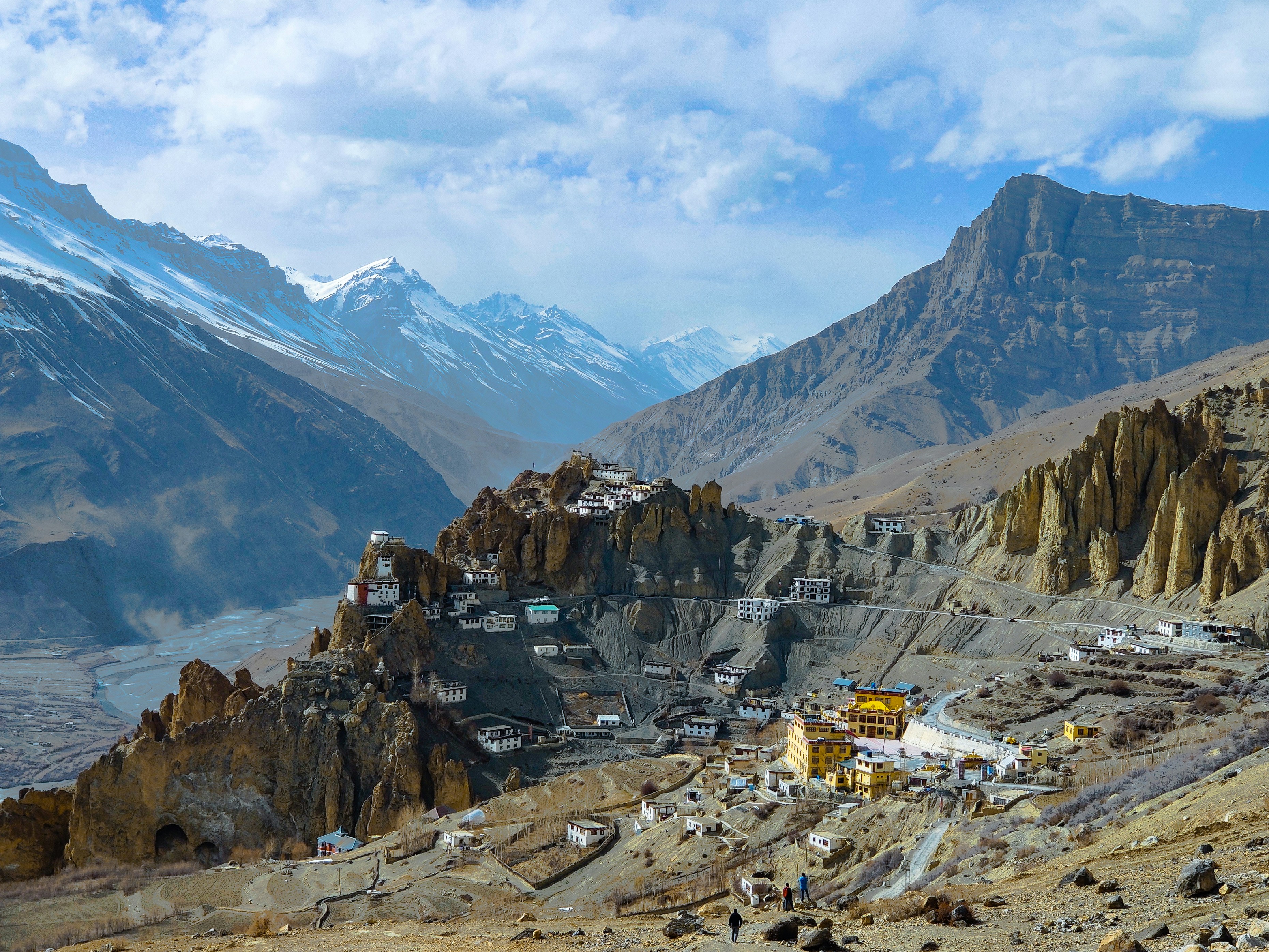 Himachal Pradesh
Spiti Valley: The Complete Travel Guide 2026
A remote high-altitude desert in Himachal Pradesh — monasteries, fossils, and jaw-dropping roads.
 Ladakh
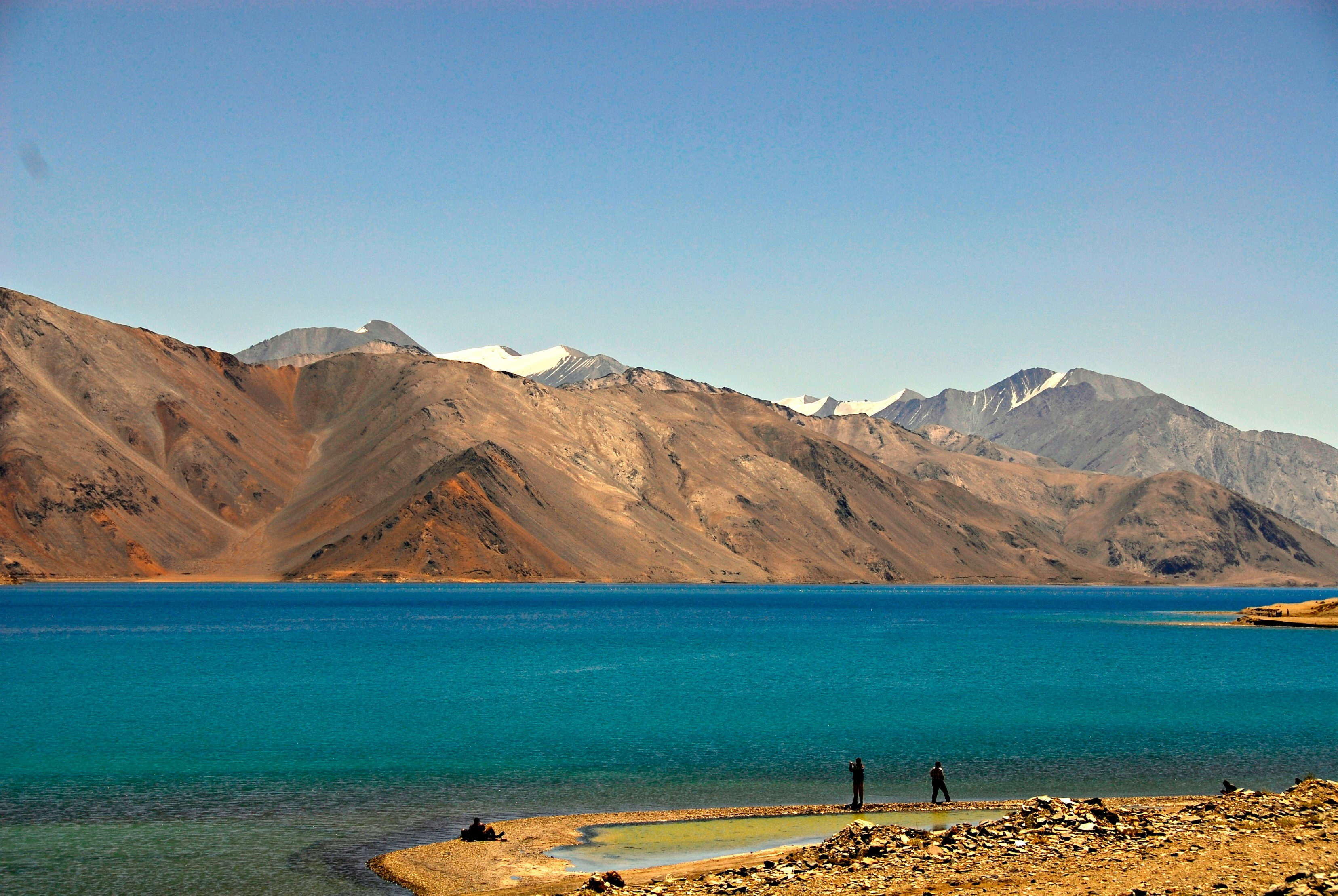
Leh Ladakh Road Trip: Everything You Need to Know
Moonscapes, Buddhist monasteries, and the world's highest motorable passes await on this epic road trip.
Himachal PradeshKasol & Kheerganga: Backpacker's Paradise
Follow the Parvati River trail to Kheerganga hot springs through pine forests and tiny Himalayan villages.
 Uttarakhand
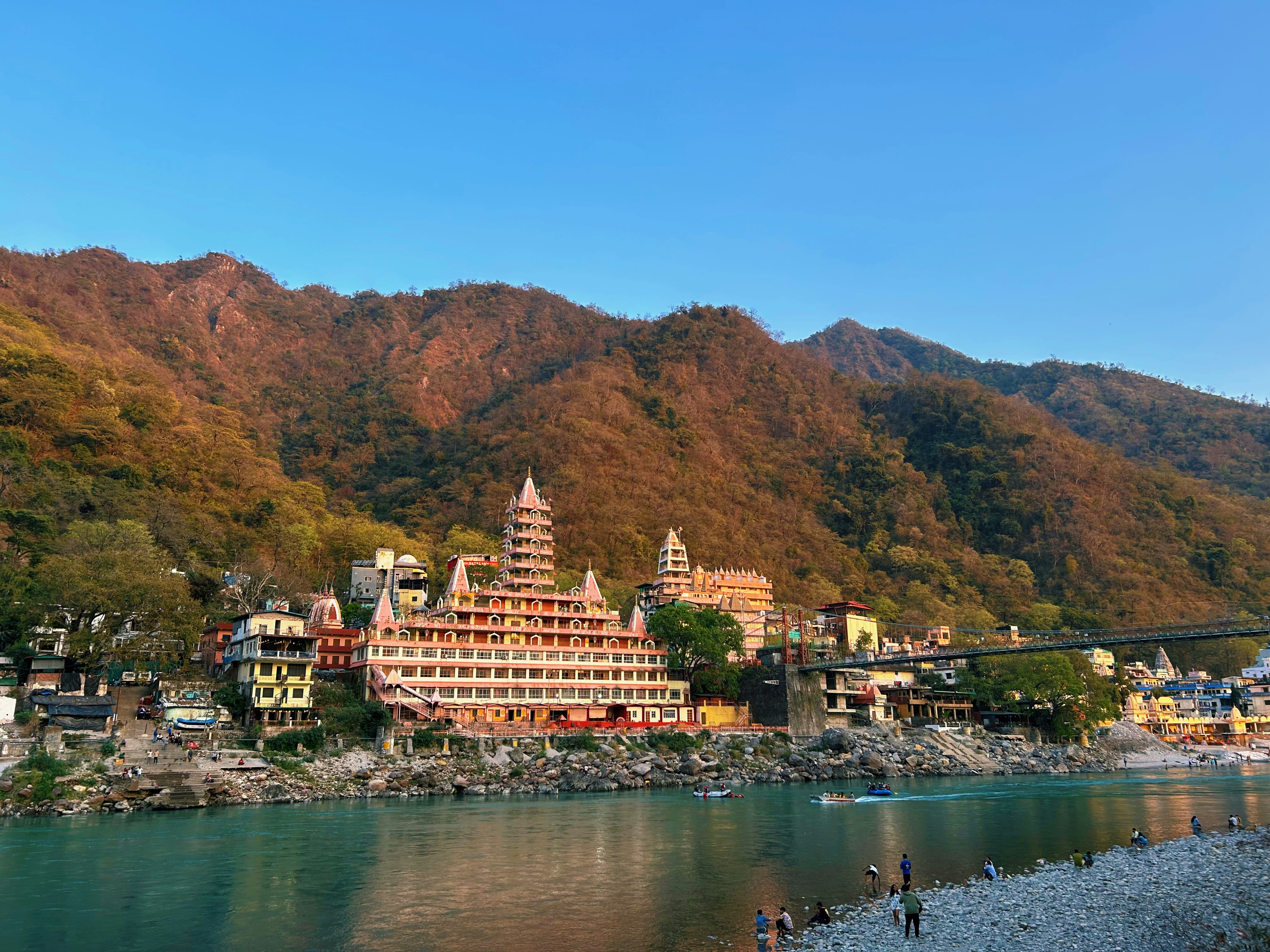
Rishikesh Adventure Guide: Rafting, Yoga & More
The yoga capital of the world also happens to be India's adventure hub — white water rafting, bungee, and beyond.