Why Leh Ladakh?
There is a particular kind of silence that exists only at altitude — the silence of thin air, vast space, and a sky so dark blue it looks almost violet. You'll find it in Ladakh, the former Buddhist kingdom that sits wedged between the Karakoram and Himalayan ranges at the northwestern tip of India, where the Indian subcontinent collides with Central Asia in a landscape of staggering, almost alien beauty.
Leh Ladakh is not a destination you visit once and tick off a list. People return here year after year, drawn back by the turquoise lakes, the whitewashed monasteries draped in prayer flags, the roads that cross passes higher than any mountain in Europe, the warmth of the Ladakhi people, and something harder to name — a quality of light and space that feels genuinely transformative.
It is also one of the most logistically demanding destinations in India. The altitude alone (Leh city sits at 3,524 m) can floor the unprepared. The roads are legendary in both their drama and their danger. Permits are required for many areas. The season is short. But for those who prepare properly, Ladakh delivers experiences that rank among the finest on earth.
🏔️ Leh Ladakh at a Glance
Best Time to Visit Leh Ladakh
Ladakh's season is defined by one thing above all else: road accessibility. Both the Manali–Leh and Srinagar–Leh highways close under heavy snow, and the window when both are simultaneously open is shorter than most people expect.
Manali–Leh road opens (usually by mid-June). Srinagar–Leh stays open longer. Snow still visible on passes. Temperature comfortable — 10–25°C in Leh. Pangong and Nubra fully accessible. Some passes may be blocked.
The sweet spot. Both highways open, all attractions accessible, festivals underway (Hemis in July, Ladakh in August–September). Days warm, nights cool. Crowds are real — book accommodation well ahead.
Crowds thin dramatically after September. Light turns golden, poplar trees go amber, skies are impossibly clear. Manali–Leh road may close by late October. The most beautiful Ladakh — fewer people, fewer prices.
Manali–Leh closed entirely. Leh accessible only by flight. Temperatures drop to -20°C to -30°C at night. The Chadar Trek (frozen Zanskar River) runs January–February. Only for experienced winter travellers.
Our pick: First two weeks of September. Crowds from peak summer have cleared, prices drop 20–30%, the light is extraordinary, and both highways are still open. The landscape turns golden and the sky takes on a depth of blue that photographers chase for years.
How to Reach Leh Ladakh
There are three ways into Leh — two epic overland routes and one flight. Each is a dramatically different experience, and the right choice depends on your time, budget, and appetite for adventure.
Manali–Leh Highway (NH3)
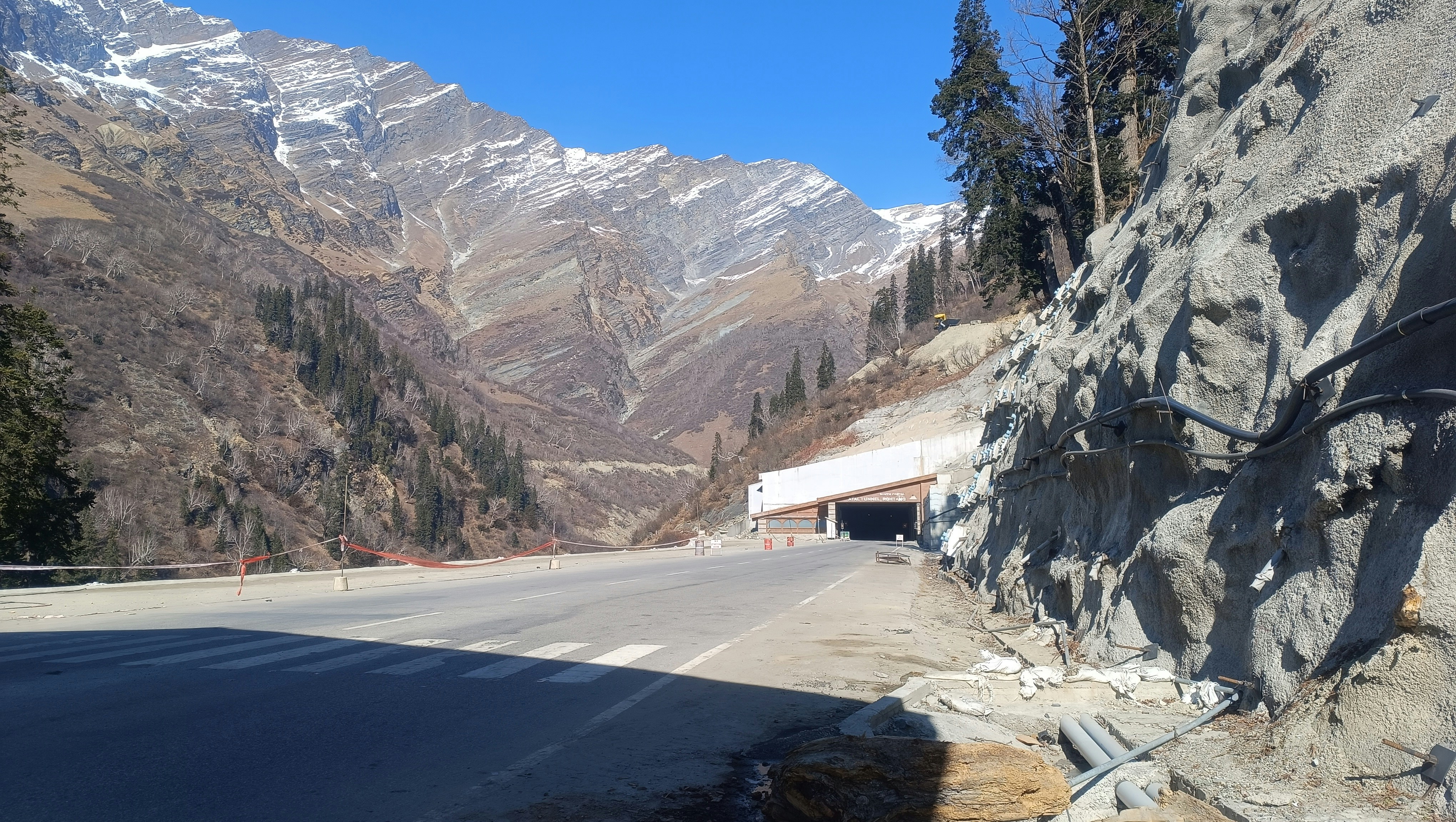
At 479 km and crossing five mountain passes including Rohtang (3,978 m), Baralacha La (4,890 m), Nakee La (4,739 m), Lachung La (5,059 m), and Tanglang La (5,328 m) — the Manali–Leh highway is one of the great road journeys on earth. It passes through landscapes that shift from pine forest to lunar desert in the space of a few hours.
- Distance: 479 km
- Duration: 2 days minimum (Manali → Jispa/Sarchu → Leh), 3 days recommended for acclimatisation
- Open: Mid-June to mid-October (weather dependent)
- Highest point: Tanglang La at 5,328 m (17,480 ft)
- Road condition: Mix of excellent NH sections and brutal off-road stretches near Sarchu and Pang
Srinagar–Leh Highway (NH1)
At 434 km, the Srinagar–Leh highway via Zoji La Pass (3,528 m), Kargil, and the Indus Valley is gentler on altitude than the Manali route — the elevation gain is more gradual, making acclimatisation easier. The road passes through some of Ladakh's most historically rich territory: Kargil, Mulbekh, Lamayuru, and the ancient trade routes of the Silk Road.
- Distance: 434 km
- Duration: 2 days (Srinagar → Kargil → Leh), with overnight at Kargil
- Open: April to November (longer season than Manali route)
- Best stop: Lamayuru Monastery — the oldest in Ladakh, dramatic moonland scenery
By Flight
Kushok Bakula Rimpochee Airport in Leh (IXL) is one of the world's most dramatic airports — planes descend through mountain valleys to a runway at 3,256 m. IndiGo, Air India, GoFirst, and SpiceJet operate daily flights from Delhi (1 hour 15 minutes) and Srinagar (45 minutes).
Flying in is the fastest but least recommended approach for first-time visitors. The sudden jump from Delhi (216 m) to Leh (3,524 m) gives your body no time to acclimatise. Rest completely for the first 24–48 hours after landing — no sightseeing, no exertion, no alcohol. Drink 4+ litres of water. Eat light. Many flights-in tourists end up hospitalised; the overland arrivals almost never do.
- Cost: ₹4,000–₹12,000 one-way from Delhi (book 2–3 months ahead for best prices)
- Best strategy: Fly in (acclimatise for 2 days in Leh), drive out via Manali–Leh highway
Bike vs Car vs Flight — Which Should You Choose?
| Royal Enfield (Bike) | SUV / Car | Flight In + Car Local | |
|---|---|---|---|
| Experience | 🏆 Legendary | ⭐ Great | ✅ Good |
| Cost (vehicle) | ₹1,000–₹1,500/day rental | ₹3,000–₹6,000/day (cab) | ₹2,500–₹4,000/day (local taxi) |
| Acclimatisation | ✅ Gradual (best) | ✅ Gradual | ⚠️ Abrupt (risky) |
| Comfort | ❌ Physically demanding | ✅ Comfortable | ✅ Comfortable |
| Off-road capability | ✅ Excellent | ✅ Good (SUV) | ✅ Good (local drivers know routes) |
| Riding experience needed | ✅ Yes (Ladakhi roads are technical) | ❌ Not needed | ❌ Not needed |
| Best for | Adventure seekers | Groups/families | Short trips (7–10 days) |
Bike recommendation: Royal Enfield Himalayan (best for off-road, 400cc, reliable), RE Thunderbird 350/500, or RE Classic 350. Rent from Leh's Changspa area (₹1,000–₹1,800/day). Carry a basic toolkit, spare tube, and know how to change a flat. Riding licence with gear endorsement required.
Permits & Paperwork for Ladakh
Ladakh's proximity to sensitive borders means several areas require permits. Getting these wrong can result in being turned back at checkpoints after hours of driving — plan ahead.
Inner Line Permit (ILP)
Protected Area Permit (PAP)
Environmental/Wildlife Fees
📋 Documents to carry (photocopies × 5 each)
Top Places to Visit in Leh Ladakh
Pangong Tso — The Colour-Changing Lake
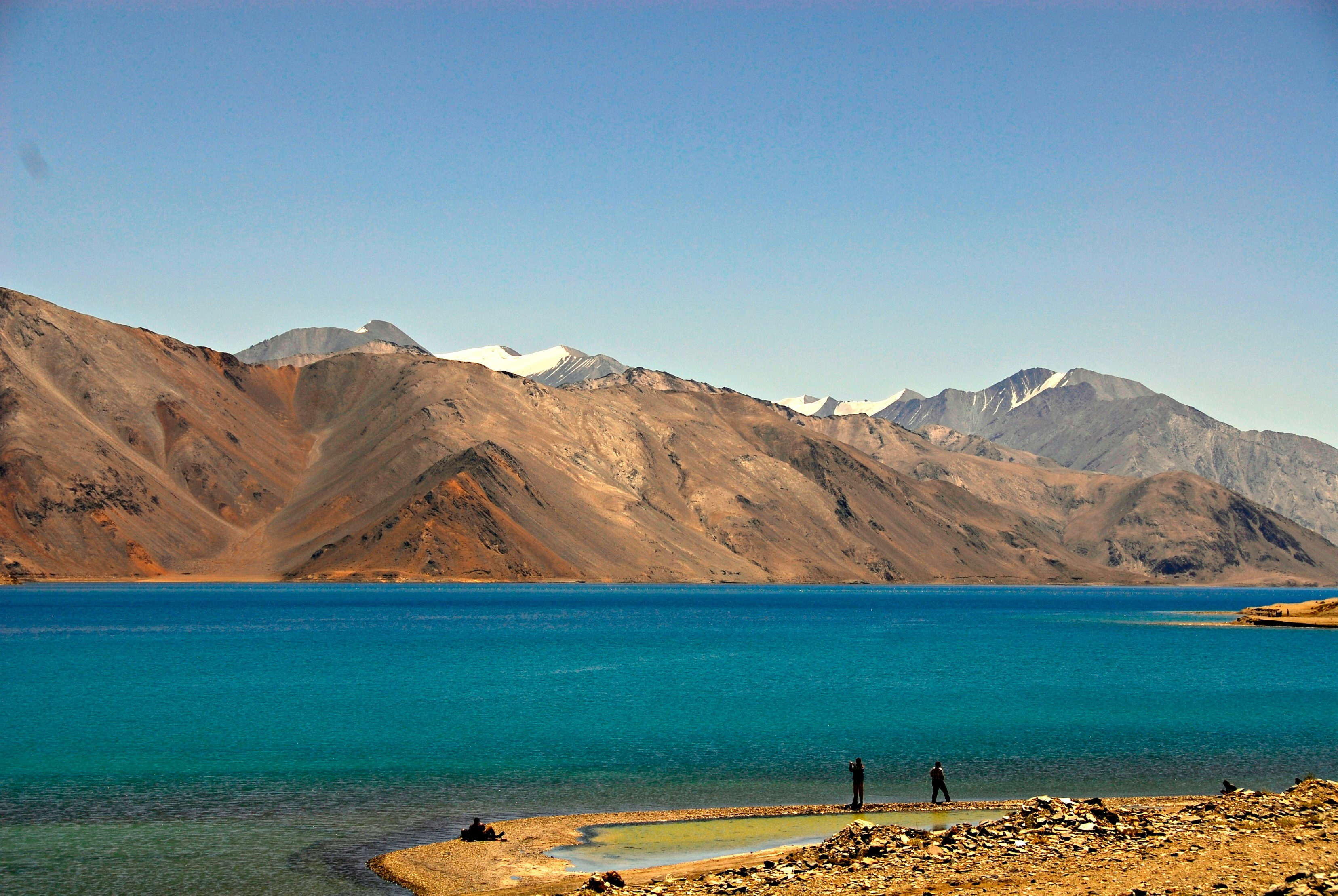
At 4,350 metres and stretching 134 km from India into Tibet (only 40 km of which lies in India), Pangong Tsois one of the world's highest saline lakes — and arguably the most dramatically beautiful. The water changes colour through the day from turquoise to jade to deep blue to violet, depending on the light and sky. The mountains reflected in its still surface look like a painting that couldn't possibly be real.
Famous globally since the Bollywood film 3 Idiots was shot here, Pangong draws enormous crowds in summer. The best strategy: arrive in the late afternoon (after the day-tripper crowds leave), camp overnight at one of the lakeside tent camps, and watch the sunrise from the shore — it is breathtaking and you'll have the lake largely to yourself.
- Distance from Leh: 160 km (~5 hours via Chang La)
- Chang La Pass en route: 5,360 m (third highest motorable pass in the world)
- Permit required: ILP (Inner Line Permit) — obtain in Leh before departure
- Stay: Tent camps on the north shore — ₹2,500–₹5,000/night including meals
Nubra Valley — The Valley of Flowers
Cross the world-famous Khardung La Pass and descend into an entirely different world: Nubra Valley, a broad, lush (by Ladakhi standards) valley where sand dunes sit improbably between 6,000-metre peaks and Bactrian camels plod across the dunes. The visual incongruity — camels in a Himalayan valley — is one of those travel moments you have to see to believe.
The key villages are Diskit (with its enormous hilltop Maitreya Buddha statue) and Hunder (the sand dunes and camels). The valley also connects to the ancient Silk Road trade routes towards Pakistan, and the Shyok River that runs through it is one of Ladakh's most beautiful waterways. The Sumur Monastery and Ensa Gompa are worth visiting for their exceptional wall paintings.
- Distance from Leh: 120 km via Khardung La (~4 hours)
- Permit: ILP required
- Stay: Diskit and Hunder have excellent guesthouses and camps (₹1,500–₹4,000/night)
- Camel ride: ₹500–₹700 for a 20-minute Bactrian camel ride at Hunder dunes
Khardung La Pass — The Gateway to Nubra
At 5,359 metres (17,582 ft), Khardung Lais the world's second-highest motorable pass (after Mardung La, also in Ladakh) and the gateway to Nubra Valley. The pass is both a practical necessity for reaching Nubra and a pilgrimage in itself — the views from the top across the Ladakh and Karakoram ranges are extraordinary, and the sense of achievement of reaching such altitude by road is real.
The road from Leh to Khardung La is maintained by the BRO (Border Roads Organisation) and is in reasonable condition. Spend no more than 20–30 minutes at the top — altitude sickness at 5,359 m is swift. Take photos quickly, drink water, and descend.
The Monasteries of Ladakh
Ladakh has more Buddhist monasteries per square kilometre than anywhere else outside Tibet — and several rank among the most spectacular religious buildings on earth. Here are the essential ones:
Thiksey Monastery
Must Visit12 km from Leh. The most visually dramatic — 12 storeys rising from a hillside like a mini-Potala Palace. The giant Maitreya Buddha inside is 15 metres tall. Morning prayers at 6 AM are extraordinary.
Hemis Monastery
Festival Site45 km from Leh. The largest and wealthiest monastery in Ladakh, belonging to the Drukpa Kagyu lineage. Home to the famous Hemis Festival (June–July) — the largest in Ladakh, with cham dance performances in elaborate masks.
Lamayuru Monastery
Oldest in Ladakh125 km from Leh on the Srinagar highway. The oldest monastery in Ladakh (11th century) set in an otherworldly 'moonland' landscape — eroded mud formations that look lunar. Often overlooked by Leh-focused itineraries.
Diskit Monastery & Maitreya Buddha
Nubra ValleyIn Nubra Valley. Ancient monastery on a cliff with a commanding 32-metre white Maitreya Buddha statue built to face Pakistan — a powerful symbol of peace. Best at golden hour.
Alchi Monastery
10th Century70 km from Leh. A 10th-century monastery complex in a riverine oasis — the only Ladakhi monastery on flat ground, making its ancient painted interiors (Kashmiri style, unlike anywhere else in Ladakh) accessible and intimate.
Magnetic Hill & Zanskar–Indus Sangam
About 30 km from Leh on the Srinagar highway, Magnetic Hillis a famous optical illusion — vehicles appear to roll uphill on their own when parked in neutral on a particular stretch of road. The explanation is a visual trick created by the sloping landscape, but it's still a fun stop.
More genuinely spectacular is the Zanskar–Indus Sangam 3 km away — the confluence of the turquoise Zanskar River and the murky green Indus, which run side by side without mixing for several hundred metres, creating a dramatic two-tone river. One of the most photogenic spots in all of Ladakh and often missed by visitors rushing to Nubra or Pangong.
Tso Moriri Lake
If Pangong is Ladakh's most famous lake, Tso Moririis its most pristine. At 4,522 metres and entirely within India (unlike Pangong which extends into Tibet), Tso Moriri is a Ramsar-designated wetland that protects bar-headed geese, Brahminy ducks, and the rare black-necked crane. The single village of Korzok on its shore has a handful of basic homestays and a beautiful monastery.
Tso Moriri receives dramatically fewer visitors than Pangong and the experience is correspondingly more tranquil and wild. The drive there via Chumathang (hot springs) and the Rupshu plateau is itself extraordinary. ILP required.
Zanskar Valley
The remote Zanskar Valley is Ladakh's final frontier — cut off from Leh for 8–9 months of the year by snow, accessible in summer via a spectacular but brutal 230-km road from Kargil. The valley has its own dialect, its own king, and some of Ladakh's most dramatic monasteries — Phugtal (a 12th-century cave monastery visible only to those who trek 2 hours) is one of the most extraordinary buildings in Asia.
Zanskar is also the setting for the legendary Chadar Trek — a winter traverse of the frozen Zanskar River that is one of the world's most challenging and remarkable walks. Requires 8–10 days, a licensed guide, and temperatures of -20°C or below.
14-Day Leh Ladakh Itinerary
This itinerary uses the classic circuit: fly or drive into Leh, explore the Leh valley and surroundings, then loop to Nubra, Pangong, Tso Moriri, and exit via the Manali–Leh highway. It builds in proper acclimatisation which is non-negotiable.
Arrival in Leh — Acclimatise
- ✓Arrive by flight or after Srinagar–Leh drive
- ✓Rest completely — no sightseeing, no exertion (day 1)
- ✓Drink 4+ litres water, eat light (dal-rice, soup)
- ✓Day 2: Gentle walk around Leh market and Leh Palace
Leh City & Monasteries
- ✓Leh Palace (7-storey, 17th century) — morning visit
- ✓Shanti Stupa sunrise walk (dawn only)
- ✓Thiksey Monastery (6 AM morning prayers if timing aligns)
- ✓Hemis Monastery in the afternoon
Magnetic Hill, Alchi & Sangam
- ✓Magnetic Hill optical illusion stop
- ✓Zanskar–Indus Sangam — the two-colour confluence
- ✓Alchi Monastery — 10th-century Kashmiri-style paintings
- ✓Lamayuru Moonland (overnight or return to Leh)
Nubra Valley via Khardung La
- ✓Cross Khardung La Pass (5,359 m) — don't linger at top
- ✓Descend to Diskit: Diskit Monastery & Maitreya Buddha
- ✓Hunder sand dunes — Bactrian camel ride at sunset
- ✓Overnight at Hunder camp; Day 6 explore Sumur/Turtuk
Pangong Tso via Shyok
- ✓Drive Nubra → Pangong via Shyok River road (200 km, 7 hrs)
- ✓Arrive Pangong afternoon — check in to lakeside camp
- ✓Sunset on the lake shore — watch the colours shift
- ✓Day 8: Sunrise at Pangong, explore south shore Merek
Pangong → Leh via Chang La
- ✓Early departure from Pangong
- ✓Chang La Pass (5,360 m) — second highest on this route
- ✓Durbuk village lunch stop
- ✓Return to Leh by evening — rest and gear check
Tso Moriri & Rupshu Plateau
- ✓Drive to Tso Moriri via Chumathang hot springs (220 km)
- ✓Korzok village and monastery on lake shore
- ✓Overnight at Korzok homestay — bring warm layers
- ✓Day 11: Sunrise at Tso Moriri, birdwatching (bar-headed geese)
Tso Moriri → Leh via Puga
- ✓Return via Puga geothermal valley (steaming vents)
- ✓Mahe village ancient rock carvings stop
- ✓Back to Leh by afternoon — last market evening
- ✓Stock up on dry fruit, pashmina, Ladakhi apricot jam
Leh → Manali via Manali Highway
- ✓Day 13: Leh → Sarchu via Tanglang La (5,328 m), Pang, More Plains
- ✓Overnight at Sarchu tent camp (4,250 m) — acclimatise down
- ✓Day 14: Sarchu → Manali via Baralacha La, Rohtang Pass
- ✓Arrive Manali evening — hot shower and momos well-earned
Where to Stay in Leh Ladakh
Leh has the widest accommodation range. Nubra, Pangong, and Tso Moriri are mostly homestays and tent camps. Book at least 4–6 weeks ahead for peak August travel.
- → Zostel Leh
- → Old Leh House (guesthouse)
- → Changspa area guesthouses
- → Tent camps at Pangong (basic)
- → Hotel Ladakh Palace
- → Lha-Ri-Sa Resort
- → Pangong Retreat Camp
- → Nubra Eco Camp
- → The Grand Dragon (Leh)
- → Chamba Camp Pangong
- → Nimmu House (riverside)
- → Shakti Ladakh (village lodge)
What to Eat in Leh Ladakh
Ladakhi cuisine is heavily Tibetan-influenced — hearty, warming, and designed for people living at high altitude. In Leh city you'll find excellent international options too, built up over decades of foreign tourist traffic.
- Skyu: Ladakh's soul food — thick pasta-like dough cooked in a hearty vegetable or meat broth. Warming, filling, and deeply nourishing at altitude.
- Thukpa: Tibetan noodle soup — available everywhere in Leh and at roadside dhabas on the highways. Order extra at Sarchu and Pang where it's often the only option.
- Momos: Steamed dumplings with veg, paneer, or meat. The momos at Tibetan Kitchen in Leh are exceptional.
- Tsampa: Roasted barley flour mixed with butter tea or water — the traditional Ladakhi staple, extremely nourishing at altitude.
- Butter Tea (Gur Gur Chai): Salted, yak-butter churned tea — an acquired taste for most, but essential for warmth and hydration at altitude. Try at any monastery or homestay.
- Apricot jam & products: Ladakh produces the finest apricots in India — the wild apricot jam, apricot oil, and dried apricots from Nubra Valley are extraordinary. Buy directly from villagers.
- Leh restaurants: Tibetan Kitchen (best momos), The Bookshelf Café (great coffee, international food), Lamayuru Restaurant (rooftop, Leh Palace views), Bon Appetit (continental).
Budget Breakdown for Leh Ladakh
| Expense | Budget | Mid-Range | Comfort |
|---|---|---|---|
| Accommodation/night (Leh) | ₹600 | ₹2,500 | ₹10,000 |
| Accommodation/night (Camps) | ₹1,500 | ₹3,500 | ₹12,000 |
| Food/day | ₹400 | ₹800 | ₹2,000 |
| Vehicle (bike/car per day) | ₹1,200 | ₹3,500 | ₹6,000 |
| Permits (ILP all areas) | ₹400 | ₹400 | ₹400 |
| Activities & entries | ₹200 | ₹600 | ₹1,500 |
| Daily total (approx) | ₹2,800 | ₹7,300 | ₹21,500 |
| 14-Day trip total | ₹39,000 | ₹1,02,000 | ₹3,00,000+ |
* Excludes flights to/from Leh (₹4,000–₹12,000 one-way from Delhi) and international travel insurance.
Essential Travel Tips for Leh Ladakh
- Acclimatisation is survival, not comfort:Acute Mountain Sickness (AMS) kills in Ladakh every season. Rest completely for 24–48 hours after arriving in Leh regardless of how good you feel. Symptoms include headache, nausea, and dizziness — these are warnings, not minor inconveniences. Descend immediately if symptoms worsen.
- Carry Diamox (acetazolamide): Consult your doctor before travel. A standard protocol is 125 mg twice daily starting 24 hours before ascent. It significantly reduces AMS risk. Also carry Disprin, ORS sachets, and a pulse oximeter (SpO2 below 85% at rest in Leh = descend).
- Fuel up at every opportunity: There are petrol pumps only at Leh, Kargil, and a few limited points. Between Manali and Leh, the only fuel is at Keylong and Tandi. Between Leh and Nubra, carry extra. Between Leh and Pangong, carry extra. A jerry can is essential on a bike.
- Cash is king: ATMs in Leh (SBI, PNB, J&K Bank) work reasonably well but run dry in peak season. There are zero ATMs at Pangong, Nubra, or Tso Moriri. Carry ₹20,000–₹30,000 in cash for a 14-day trip.
- BSNL or Airtel for connectivity: Jio has limited coverage in Ladakh. Airtel works in Leh and immediate surroundings. BSNL prepaid works most reliably across the region — get a local SIM in Leh if possible. No signal at Pangong, Tso Moriri, or on the Manali–Leh highway between Sarchu and Pang.
- Sunscreen, sunglasses, and lip balm: The UV index at 3,500–5,300 metres is extreme. SPF 50+ on all exposed skin every day. Polarised UV-400 sunglasses are essential — snow blindness is a real risk on the passes. Lips crack and bleed rapidly at altitude without protection.
- Respect the environment and culture:Ladakh's ecosystem is extraordinarily fragile. Pack out all plastic. Do not use single-use plastic water bottles — carry a reusable and fill from monastery taps (the water is clean). In monasteries: remove shoes, no photography of certain interiors (ask), dress modestly.
- BRO road conditions: Check road status daily via the BRO Ladakh Twitter/X (@BROLadakh) or at your guesthouse. Landslides, snow, and floods can close key roads with zero notice. Build flexibility into your itinerary — if Pangong road closes, you need a Plan B.
🩺 Altitude Sickness in Ladakh — Know the Levels
✅ Do
- →Acclimatise for 2 full days in Leh before any pass crossing
- →Carry a pulse oximeter and check SpO2 daily
- →Obtain all ILPs before leaving Leh
- →Carry ₹25,000+ cash for a 14-day trip
- →Attend Thiksey morning prayers at 6 AM
- →Camp overnight at Pangong for sunrise
- →Try Skyu and butter tea at a homestay
- →Check BRO road status daily
❌ Don't
- →Rush from sea level to Leh in one day by road
- →Ignore headache or nausea — these are warnings
- →Drink alcohol in the first 48 hours in Leh
- →Drive Manali–Leh without a high-clearance vehicle
- →Assume ATMs will work — carry cash
- →Linger more than 20 minutes at Khardung La top
- →Travel without travel insurance covering altitude evacuation
- →Skip the ILP — checkpoints are strict and will turn you back
What to Pack for Leh Ladakh
Gear we've tested or rely on recommendations from people who have. Nothing here is sponsored — these are genuine picks based on what actually works on the trail.
As an Amazon Associate, we earn from qualifying purchases. Links may earn a small commission at no extra cost to you.
Trekking Jacket
Why carry it: Afternoon rain is guaranteed on most Himalayan treks. A waterproof shell is the single item you'll be most thankful you packed.
Trekking Shoes
Why carry it: Your feet are your vehicle. Wet, unsupported feet ruin a trek faster than anything else. These are reliable and genuinely waterproof.
Trekking Poles
Why carry it: Most people who skip poles regret it on the descent. The knee strain on a long downhill with a loaded pack is real.
Water Filter
Why carry it: Mountain streams in most Himalayan treks are clean enough to filter directly — stop buying single-use plastic and carry this instead.
Head Torch
Why carry it: Every experienced trekker starts before dawn. A headtorch isn't optional — it's infrastructure. Always carry spare batteries.
Pulse Oximeter
Why carry it: SpO2 below 85% at rest means descend. You can't know your oxygen level without this. At ₹800 it's one of the best investments for any high-altitude trek.
Continue Exploring
View all guides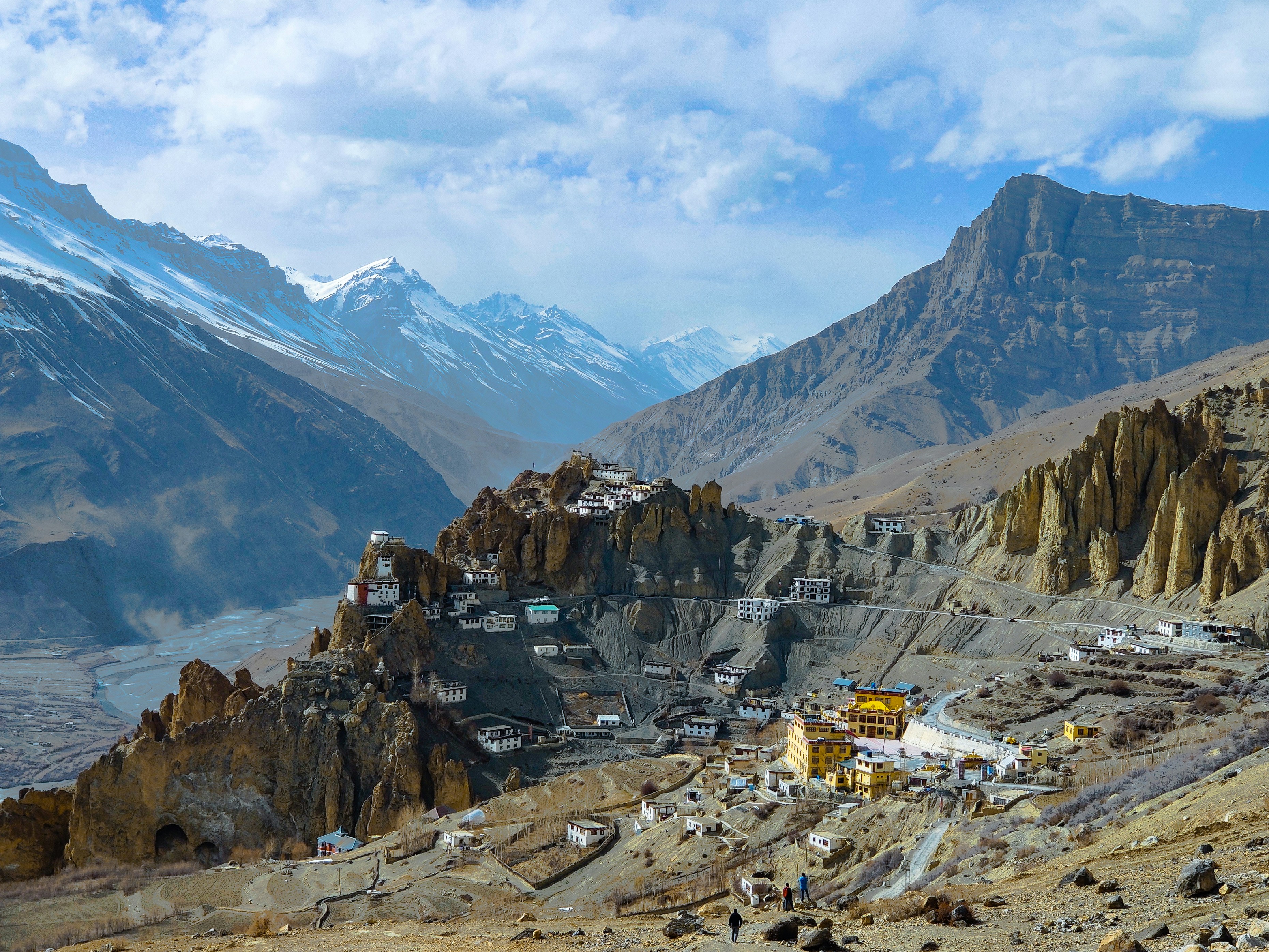 Himachal Pradesh
Spiti Valley: The Complete Travel Guide 2026
A remote high-altitude desert in Himachal Pradesh — monasteries, fossils, and jaw-dropping roads.
LadakhLeh Ladakh Road Trip: Everything You Need to Know
Moonscapes, Buddhist monasteries, and the world's highest motorable passes await on this epic road trip.
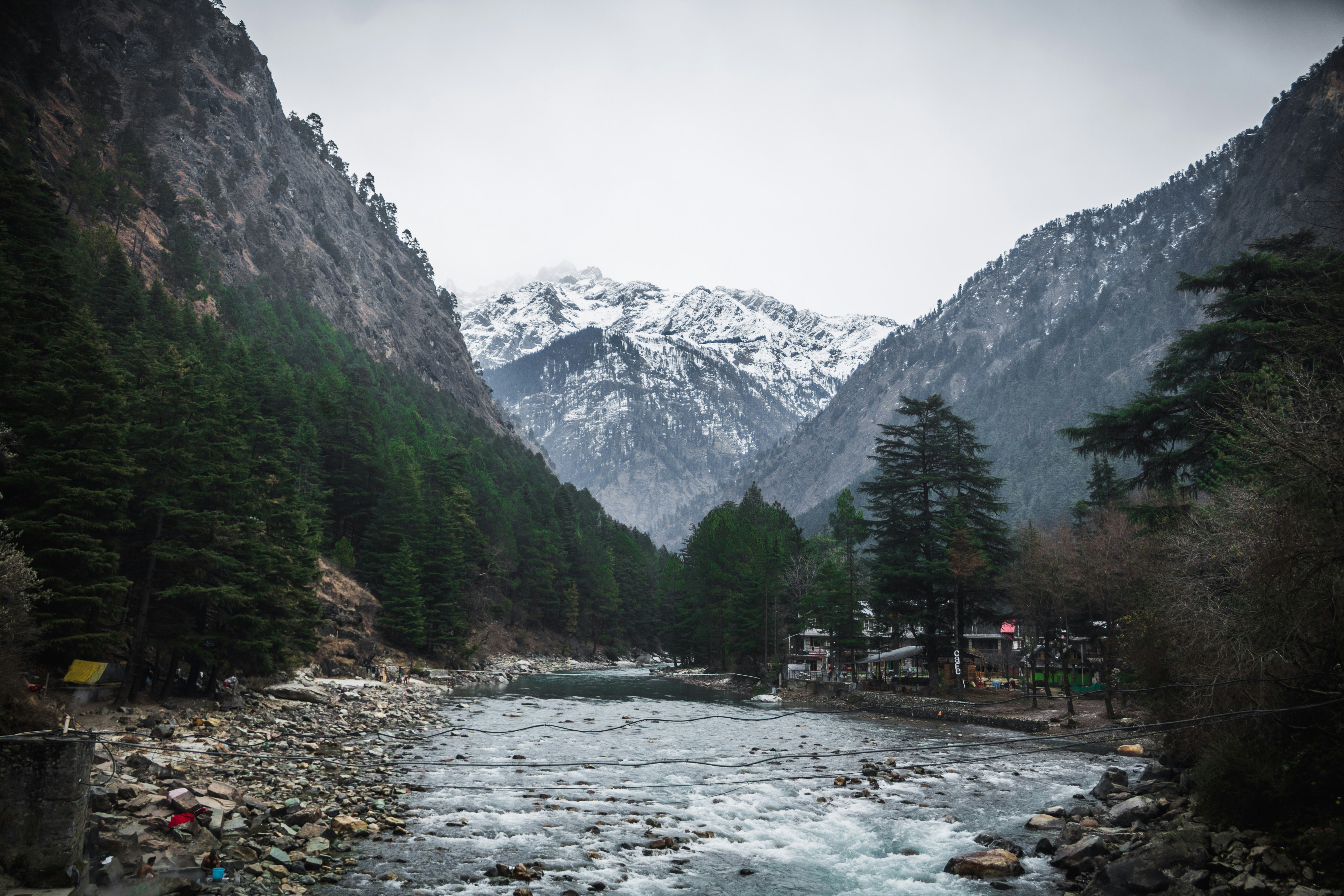 Himachal Pradesh
Kasol & Kheerganga: Backpacker's Paradise
Follow the Parvati River trail to Kheerganga hot springs through pine forests and tiny Himalayan villages.
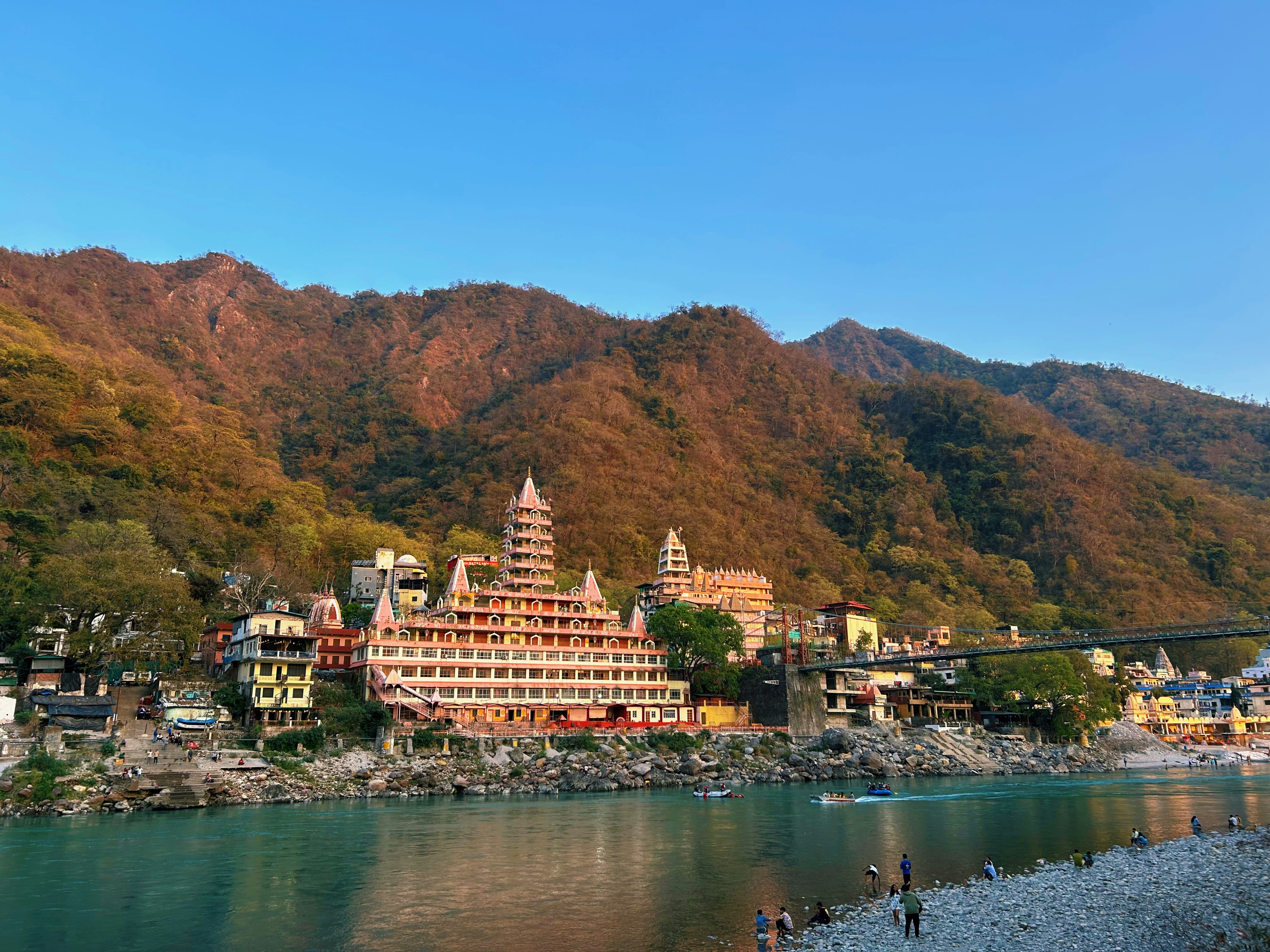 Uttarakhand
Rishikesh Adventure Guide: Rafting, Yoga & More
The yoga capital of the world also happens to be India's adventure hub — white water rafting, bungee, and beyond.