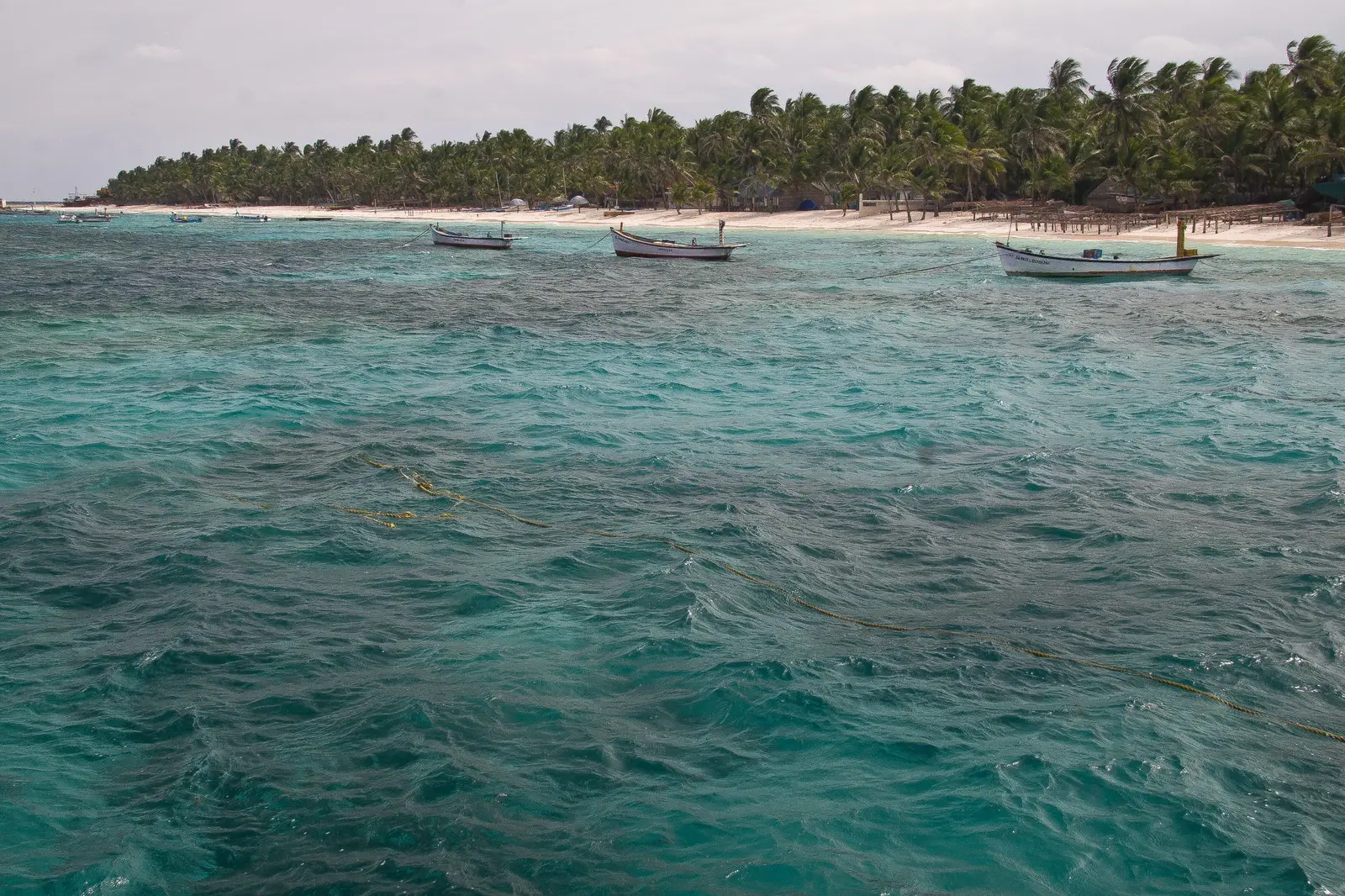
Why Kavaratti?
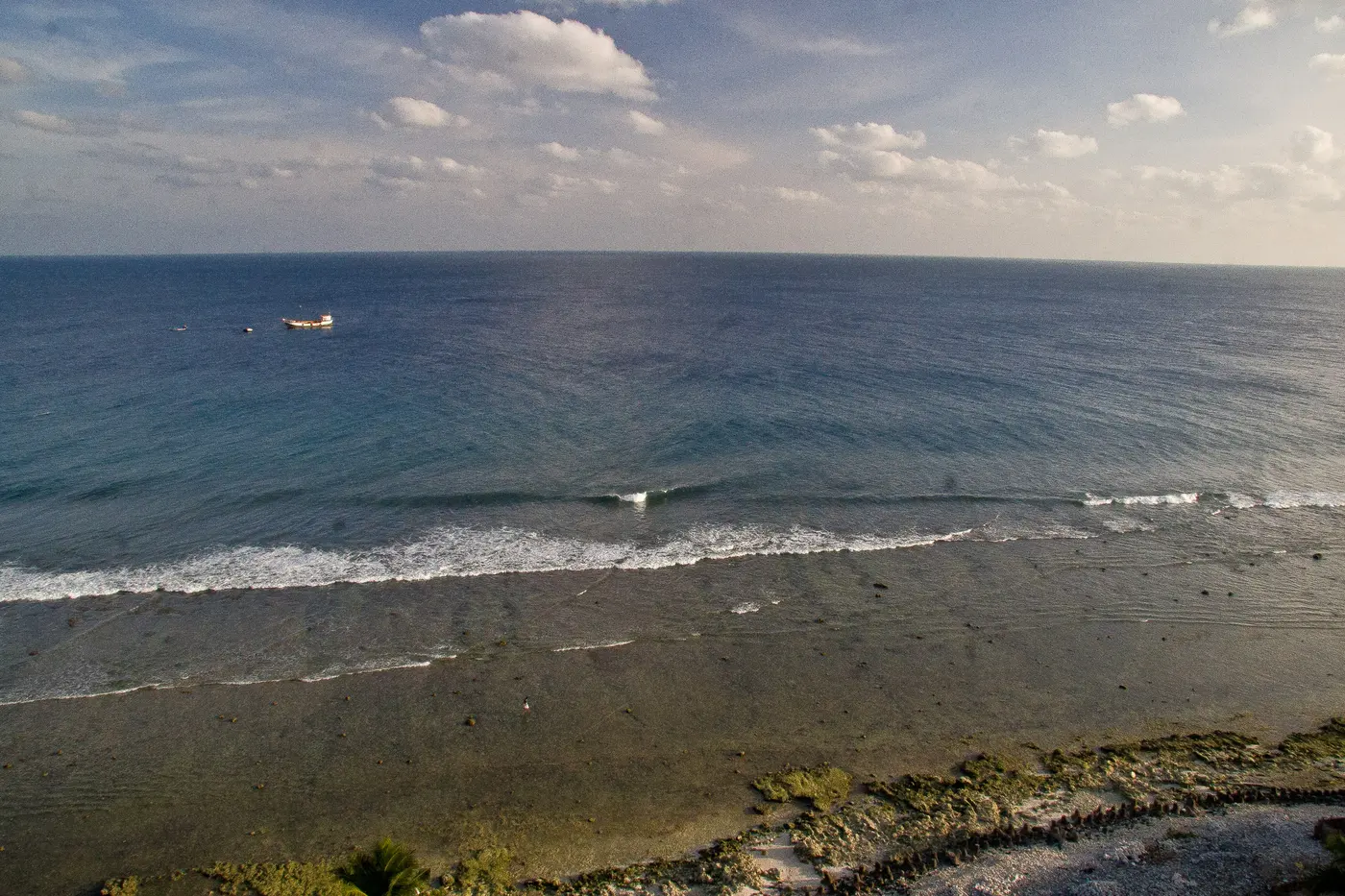
As the capital and administrative headquarters of the Lakshadweep Union Territory, Kavaratti is also the archipelago's most developed inhabited island — which, in Lakshadweep terms, still means a small, quiet coral island wrapped around one of the most strikingly clear lagoons in the entire chain.
That combination of infrastructure and natural beauty makes Kavaratti one of the easiest Lakshadweep islands to actually visit — better ferry and flight-linked transfer options, an established water sports centre, and enough facilities to support a proper multi-day stay, while still delivering the turquoise lagoon and coral reef that draw people to Lakshadweep in the first place.
Beyond the water, Kavaratti's Ujra Mosque — with a ceiling reputedly built from shipwreck driftwood — and the island's dense concentration of mosques reflect a genuinely distinct Islamic island culture found nowhere else on the Indian mainland.
🏝️ Kavaratti at a Glance
Planning a beach holiday? Explore our guide to the best beaches in Lakshadweep.
Best Time to Visit Kavaratti
Kavaratti's tropical, monsoon-affected climate makes timing genuinely important — both for calm seas on the ferry crossing and for good underwater visibility.
Calm seas, minimal rain, and the clearest lagoon visibility of the year — the only realistic window for most ferry and boat operations.
The most comfortable temperatures and the busiest period for permits, ferries, and accommodation — plan several weeks ahead.
Rough seas make ferry crossings unreliable and often unsafe; most tour operators pause Lakshadweep departures entirely during this window.
Air and water temperatures both climb, but the sea stays calm and underwater visibility remains excellent for diving and snorkelling.
Our pick: December to February for comfort, or April to May if you're prioritising diving visibility and want to avoid peak-season crowds and prices.
Entry Permit (Required)
Lakshadweep is a restricted-entry territory for both Indian and foreign nationals — Kavaratti is no exception, and you cannot travel there without a valid permit.
- Who needs one: Every visitor, including Indian citizens — Lakshadweep has no permit-free access for domestic tourists, unlike most of the Indian mainland.
- How to apply: Permits are issued through the Lakshadweep administration's official portal or via SPORTS (Society for Promotion of Recreational Tourism and Sports), the government body that also manages most organised tours and water sports packages.
- Processing time: Apply at least a few weeks ahead of travel, longer during the December– February peak season when volumes are highest.
- Foreign nationals: Face additional restrictions and a longer clearance process — most book through a registered tour operator rather than applying independently.
How to Reach Kavaratti
- By Ship: Passenger ships depart from Kochi and take roughly 14–20 hours depending on the vessel and sea conditions — the most common way to reach Kavaratti, with cabin and dormitory classes available.
- By Air: Kavaratti has no airport of its own — flights land at Agatti Airport, the archipelago's only airstrip, followed by a boat transfer or helicopter connection onward to Kavaratti.
- By Helicopter: Limited helicopter services connect Agatti to Kavaratti and other islands, cutting travel time significantly but at a higher cost and with weather-dependent scheduling.
Kavaratti Beach & Lagoon
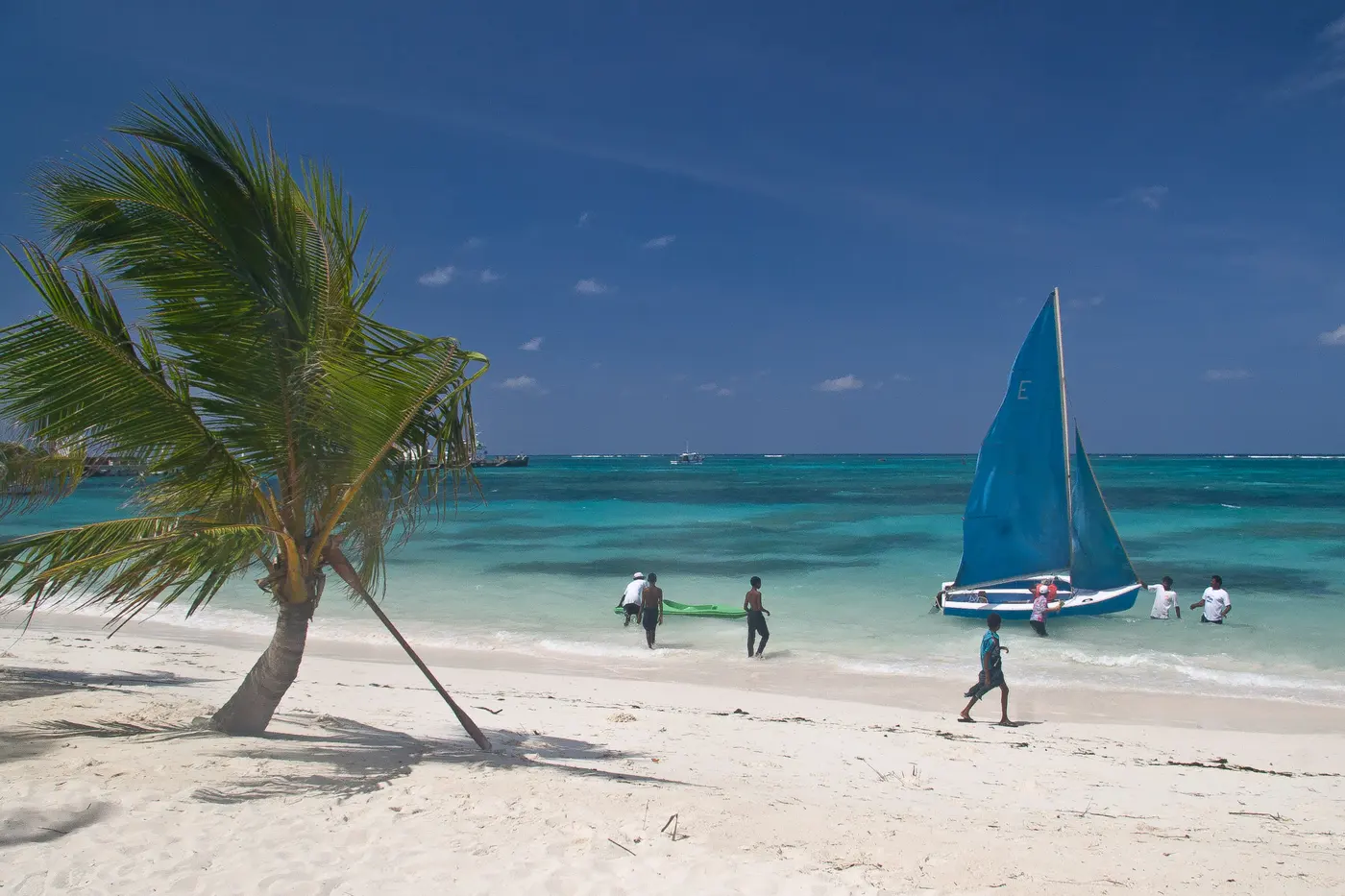
Kavaratti's lagoon is the island's headline draw — a wide, shallow, strikingly turquoise stretch of water enclosed by the surrounding reef, calm enough for swimming most days of the year.
- Kavaratti Beach: The main beach stretch fronting the lagoon, with soft white sand and easy access to swimming and water sports.
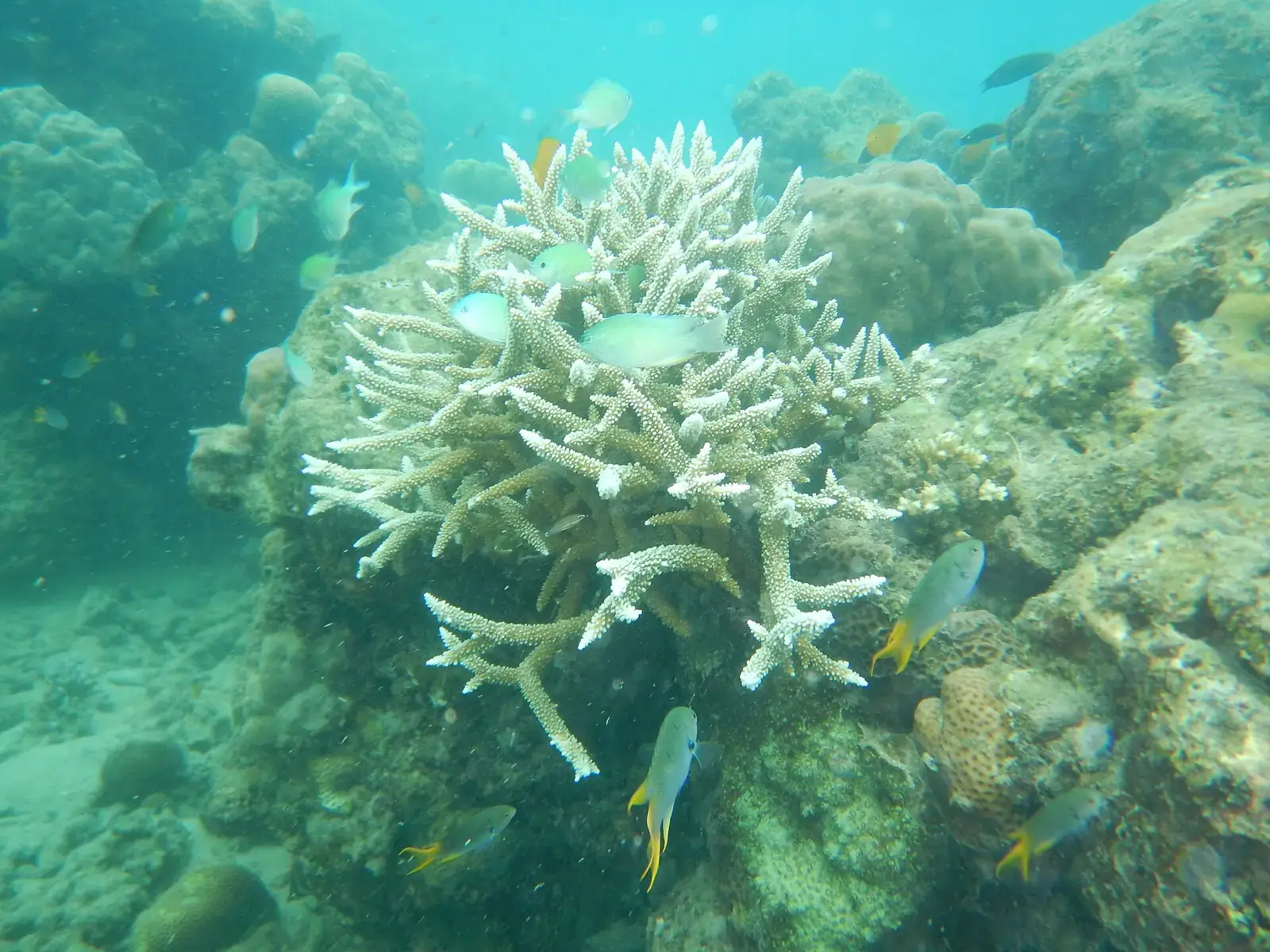
- Kavaratti Lagoon: A vast, calm lagoon enclosed by coral reef, giving Kavaratti some of the clearest and most swimmable water in the archipelago.
- Lagoon swimming: The lagoon's shallow, current-free water makes it genuinely suitable for casual swimmers, not just experienced snorkellers and divers.
Aquarium & Mosques
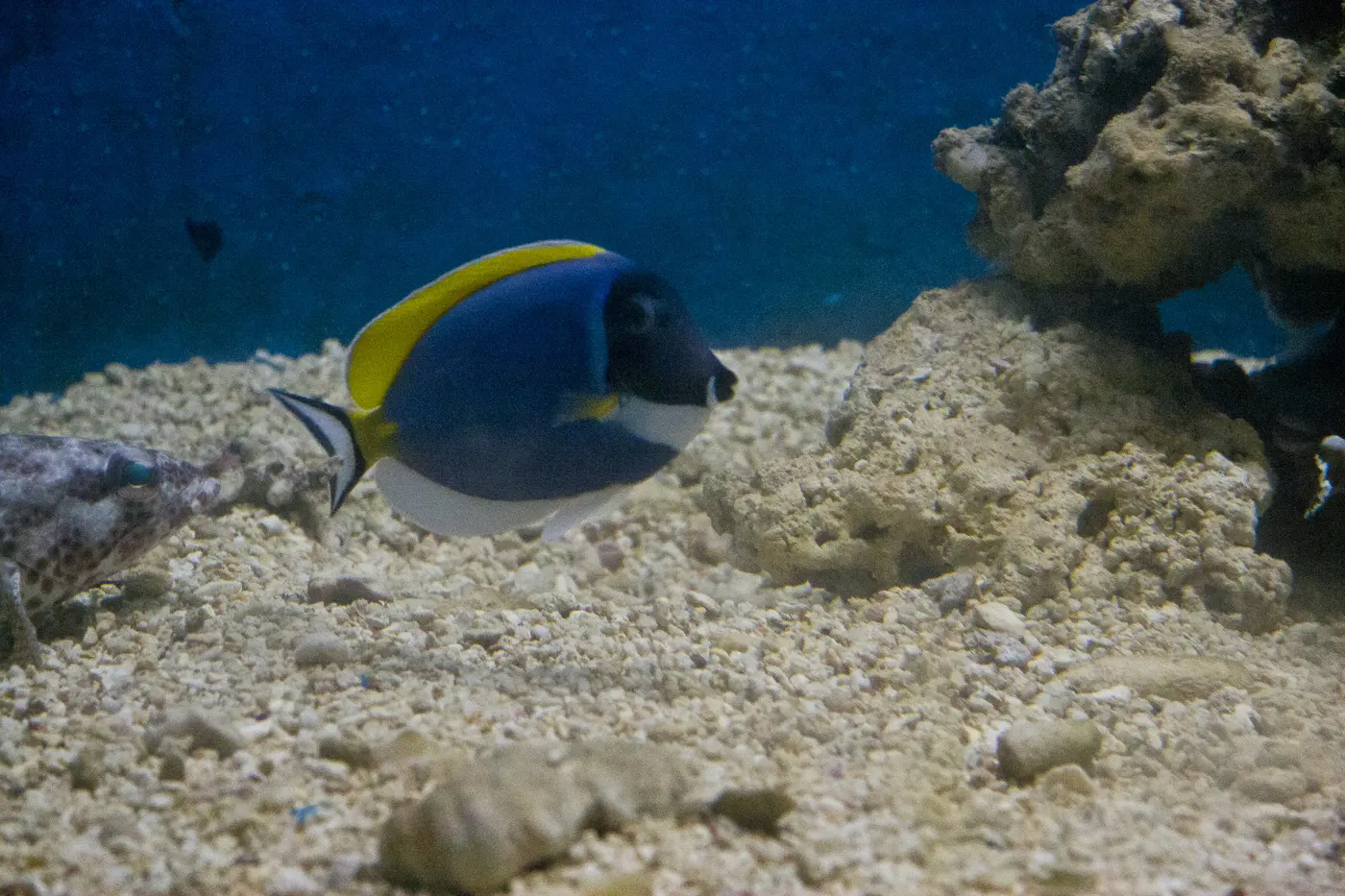
Kavaratti's cultural and educational sights are concentrated in the island's small town centre, an easy walk or short ride from most accommodation.
- Kavaratti Aquarium / Marine Aquarium: A small government-run aquarium showcasing the corals and reef fish species found in the surrounding lagoon — a good primer before snorkelling or diving.
- Ujra Mosque: The island's most distinctive heritage site, notable for a ceiling locally said to be built from shipwreck driftwood, intricately carved — one of the archipelago's most visited religious and architectural landmarks.
- Kavaratti Mosque: One of many mosques across the island, reflecting Kavaratti's dense concentration of mosques relative to its small population and its predominantly Muslim community.
Diving & Water Sports
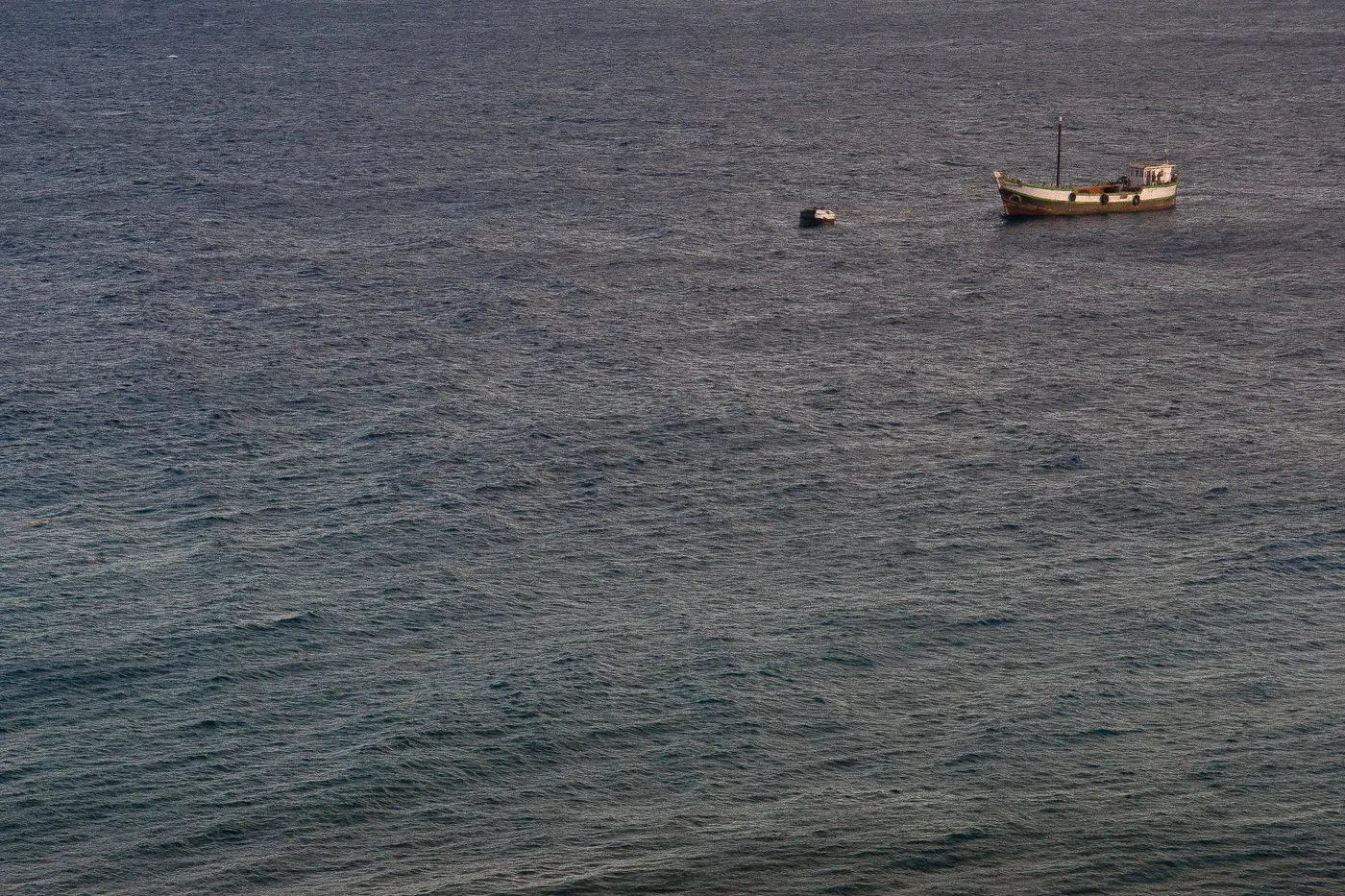
Kavaratti's water sports infrastructure is among the best-developed in Lakshadweep, run largely through SPORTS-affiliated centres based on the island.
- Kavaratti Diving Centre: Offers introductory and certified scuba diving in the surrounding reef, with equipment and instruction available on-site.
- Kavaratti Water Sports Centre: The island's hub for kayaking, canoeing, and other lagoon-based activities, typically bookable as part of a tour package.
- Glass-bottom boat rides: A low-effort, family-friendly way to see the lagoon's coral and fish without getting in the water — a good first activity before deciding whether to snorkel or dive.
- Scuba diving & snorkelling: Kavaratti's reef offers accessible, shallow-water coral viewing suitable for beginners, alongside deeper dive sites for certified divers.
- Kayaking & canoeing: The lagoon's calm, current-free water makes it one of the more forgiving spots in Lakshadweep to try either for the first time.
Where to Stay in Kavaratti
As the capital island, Kavaratti has Lakshadweep's most developed accommodation options — still modest by mainland standards, but noticeably more available than most other inhabited islands.
- → Government tourist huts
- → SPORTS-run guesthouses
- → Basic island cottages
- → Island resort cottages
- → SPORTS-affiliated tourist complexes
- → Standard sea-facing rooms
- → Premium beachfront cottages
- → Package tours with full-board stays
- → Limited high-end resort options
Most Kavaratti stays are booked as part of a package through SPORTS or a registered tour operator, bundling accommodation, permit processing, and water sports together — genuinely the simplest route for first-time visitors.
What to Eat in Kavaratti
- Fresh seafood: Tuna and reef fish, often grilled or in coconut-based curries, are the island's culinary highlight.
- Coconut-based dishes: As across Lakshadweep, coconut features heavily in local cooking, reflecting the island's dense palm cover.
- South Indian and Kerala-influenced meals: Given Kavaratti's close ties to Kochi, much of the available food carries a strong Kerala culinary influence.
- No alcohol: Lakshadweep is predominantly dry — don't expect bars or alcohol service on Kavaratti, in keeping with the island's religious and cultural norms.
3-Day Kavaratti Itinerary
Three days is a comfortable length for Kavaratti, balancing arrival logistics with enough time in the water and around the island's sights.
Arrival & Lagoon
- ✓Arrive by ship or via Agatti transfer, check in
- ✓Afternoon: Kavaratti Beach and lagoon swimming
- ✓Evening: Glass-bottom boat ride
Diving & Water Sports
- ✓Morning: Scuba diving or snorkelling session
- ✓Afternoon: Kayaking or canoeing in the lagoon
- ✓Evening: Kavaratti Aquarium
Heritage & Departure
- ✓Morning: Ujra Mosque and a walk through town
- ✓Late morning: Last lagoon swim
- ✓Departure
Budget Breakdown
| Expense | Budget | Mid-Range | Upscale |
|---|---|---|---|
| Accommodation/night | ₹2,200 | ₹5,000 | ₹10,000 |
| Food/day | ₹700 | ₹1,200 | ₹2,000 |
| Water sports/day | ₹1,000 | ₹2,000 | ₹3,500 |
| Local transport/day | ₹300 | ₹500 | ₹1,000 |
| Daily total | ₹4,200 | ₹8,700 | ₹16,500 |
| 3-Day trip total | ₹12,600 | ₹26,100 | ₹49,500 |
* Excludes travel to Kochi and the permit fee. Ship or flight fare to Kavaratti (and onward transfer from Agatti, if applicable) adds significantly to the total.
Essential Travel Tips for Kavaratti
- Apply for your permit well in advance: Approval isn't instant, and demand spikes hard during peak season — start the process at least a few weeks ahead.
- Book through SPORTS or a registered operator: Bundled packages covering permit, accommodation, and water sports are the simplest way to visit, especially for first-timers.
- Use reef-safe sunscreen only: Kavaratti's living coral lagoon is genuinely sensitive to regular sunscreen chemicals — reef-safe formulas protect what you came to see.
- Dress modestly, especially near mosques: Kavaratti's culture is conservative and predominantly Muslim — covered shoulders and knees are expected island-wide, not just at religious sites.
- Don't expect alcohol: Lakshadweep is largely dry — plan accordingly if this affects your trip.
- Carry cash: ATM and card infrastructure is limited even on Kavaratti, the most developed island in the chain.
✅ Do
- →Apply for your entry permit weeks before travel
- →Book through SPORTS or a registered tour operator
- →Use reef-safe sunscreen in the lagoon
- →Dress modestly, especially near Ujra Mosque
- →Try a glass-bottom boat ride before deciding to dive
- →Carry enough cash for the whole trip
❌ Don't
- →Book flights or ferries before your permit is confirmed
- →Travel during the June–September monsoon window
- →Use regular sunscreen in the lagoon
- →Expect alcohol availability on the island
- →Rely on cards for everyday expenses
- →Skip modest dress around mosques and the town centre
Frequently Asked Questions
How many days do I need for Kavaratti?
Three days is a comfortable length for Kavaratti — enough time to settle in and swim the lagoon on Day 1, spend Day 2 diving, snorkelling, or kayaking and visiting the aquarium, and use Day 3 for Ujra Mosque and the town centre before departure. Longer stays are easy given the island's relatively developed accommodation, but three days covers the core sights without feeling rushed.
Is Kavaratti safe for solo travellers?
Kavaratti is Lakshadweep's capital and most developed inhabited island, with more established infrastructure, tour operators, and SPORTS-run guesthouses than most other islands in the archipelago — a genuine advantage for solo travellers navigating logistics. The island's culture is conservative and predominantly Muslim, so solo travellers should dress modestly, especially around the town centre and mosques, and should note that alcohol isn't available anywhere on the island.
What is the best time to visit Kavaratti?
October to May is the best window, when seas are calm enough for reliable ferry crossings and lagoon visibility is at its clearest. December to February is the most comfortable and busiest period, so book permits and accommodation weeks ahead; March to May is hotter but still delivers excellent diving visibility with fewer crowds. Avoid June to September, when the southwest monsoon makes ferry crossings unreliable and most operators pause departures.
How do I reach Kavaratti from Kochi?
Most visitors reach Kavaratti by passenger ship from Kochi, a crossing of roughly 14–20 hours depending on the vessel and sea conditions, with cabin and dormitory classes available. Alternatively, you can fly into Agatti Airport — Lakshadweep's only airstrip — and continue to Kavaratti by boat or a limited helicopter service; this route costs more but is worth it if you get seasick easily.
Do I need a permit to visit Kavaratti?
Yes. Lakshadweep is a restricted-entry territory, and every visitor — including Indian citizens — needs a permit to travel to Kavaratti; there's no permit-free access for domestic tourists as there is on most of the mainland. Permits are issued through the Lakshadweep administration's official portal or via SPORTS, and you should apply at least a few weeks ahead of travel — longer during the December–February peak — without booking flights or ferries until it's confirmed.
What is the budget for a trip to Kavaratti?
Expect roughly ₹2,500–₹9,000 per day depending on your accommodation tier and how much diving or water sports you add on, covering stays, food, and local transport. This excludes the ship or flight fare to reach the island and the permit fee, and most visitors book through SPORTS or a registered operator as a bundled package.
What makes Ujra Mosque worth visiting?
Ujra Mosque is Kavaratti's most distinctive heritage site, known locally for a ceiling reputedly built from shipwreck driftwood and intricately carved — one of the archipelago's most visited religious and architectural landmarks. It's worth checking visiting hours locally in advance, since it remains an active place of worship.
Published by the Kudozz Club editorial team · Last updated · How we research our guides
Want us to plan this trip for you?
Tell Kudozz Club where you want to go and what kind of trip you’re looking for. We’ll build a Kavaratti Island and Lakshadweep itinerary around your dates and budget.
Continue Exploring
View all guides Destination Guide
Lakshadweep Travel Guide: Permits, Islands & Best Time to Visit
Coral atolls barely a kilometre wide, turquoise lagoons, and some of India's clearest diving water — the complete guide to India's least-visited tropical paradise.
 Destination Guide
Agatti Island Travel Guide: Lagoon, Reefs & Diving Spots
Lakshadweep's gateway island — Agatti Beach and Lagoon, the Agatti Island Resort, coral reefs and diving spots, snorkelling sites, kayaking, glass-bottom boat rides, lagoon cruises, and sunset views.
 Adventure Travel
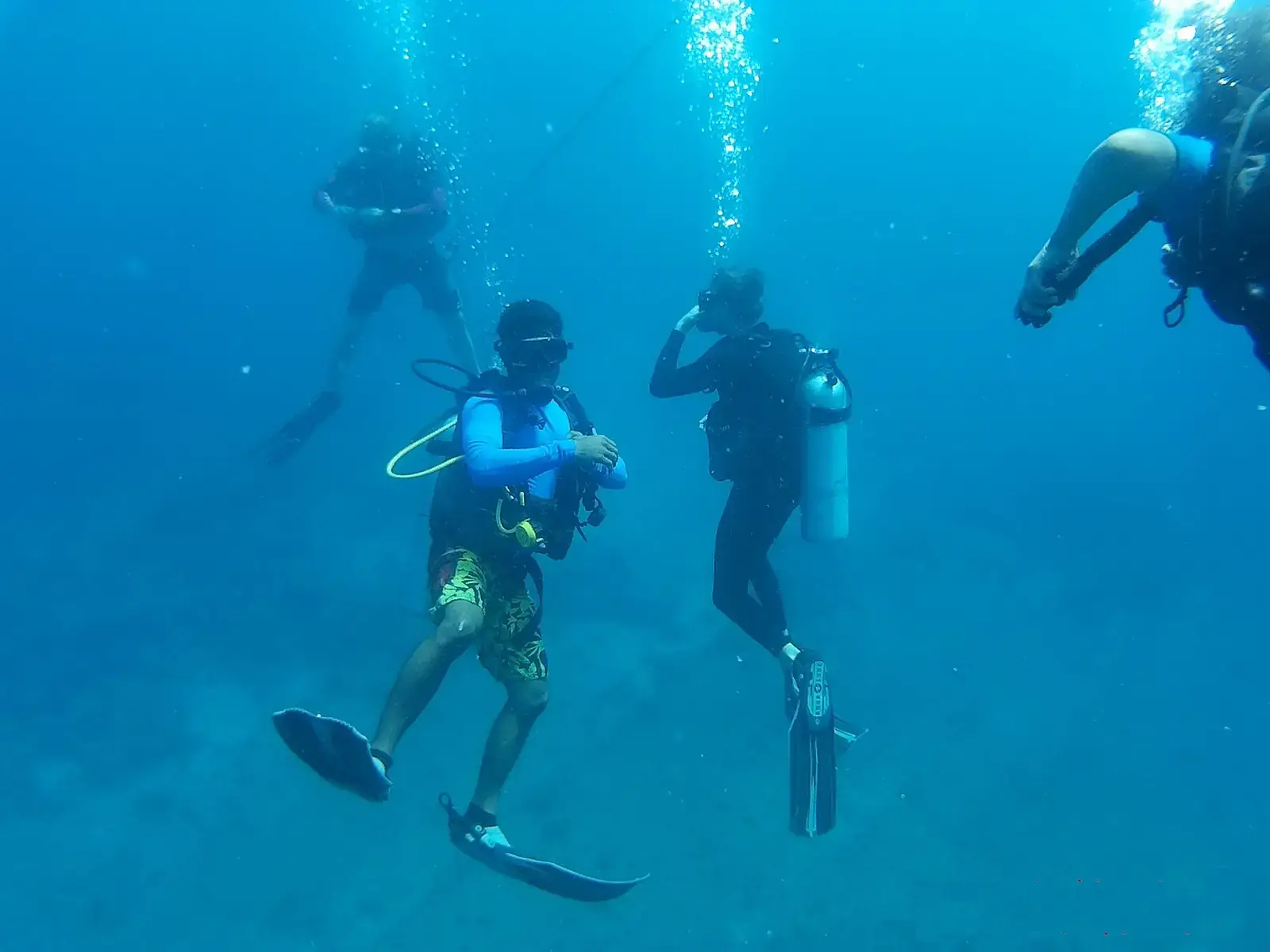
Scuba Diving in India: Best Dive Sites and Seasons
A guide to scuba diving in India: the Andaman Islands, Lakshadweep, Netrani Island off Karnataka, Grande Island in Goa, Tarkarli in Maharashtra and Puducherry, when to dive, how try dives and certification courses work, and dive safety.
 Adventure Travel
Snorkelling in India: Best Reefs and Lagoons
Where to go snorkelling in India, from Andaman reefs such as Elephant Beach, North Bay and Jolly Buoy to the lagoons of Lakshadweep and the Konkan and Karnataka coasts, with the best months, how guided snorkelling works and how to protect the reef.