Why Jammu & Kashmir?
Few Indian destinations carry the weight of expectation that Jammu & Kashmir does — and few actually deliver on it the way this region does. Poplar- and willow-lined Srinagar sits around Dal Lake, where houseboats and shikara boats have hosted travellers for well over a century. An hour or two beyond, the valley opens into Gulmarg, Pahalgam, and Sonamarg — alpine meadows, pine forests, and glacier-fed rivers that together justify the region's old Mughal-era name, "Paradise on Earth."
Further south, Jammu is the region's winter capital and gateway to the Vaishno Devi shrine, one of India's most-visited pilgrimage sites — a very different, more devotional counterpart to the valley's scenery-driven tourism.
Tourist infrastructure across the region has expanded substantially in recent years, and Srinagar in particular handles high visitor volume smoothly during peak season — but conditions and access can shift with the security situation, so checking current advisories before booking is worth the extra step here more than in most Indian destinations.
🏔️ Jammu & Kashmir at a Glance
Looking for activities and experiences? See our guide to the best things to do in Kashmir.
Best Time to Visit Jammu & Kashmir
Kashmir is unusual among Indian destinations in having two genuinely distinct "best" seasons depending on whether you want green valleys or snow.
Tulip gardens in Srinagar, mild temperatures (15–25°C), and meadows turning green after winter — arguably the most photogenic window of the year.
Pleasant daytime temperatures and lush valleys, with short monsoon showers — a good, less-crowded alternative to peak spring.
Chinar trees across Srinagar turn deep red and gold — a distinct, less-touristed season that photographers rate as highly as spring.
Sub-zero temperatures and heavy snowfall make this the season for skiing and gondola rides at Gulmarg, though many higher routes close.
Our pick: Late April to early June for tulip season and green meadows, or late December to February if skiing and snow at Gulmarg is the priority — decide the trip's purpose first, then pick the season.
How to Reach Jammu & Kashmir
Srinagar is the main gateway for valley tourism; Jammu serves the southern region and the Vaishno Devi route.
- By Air: Srinagar Airport has direct flights from Delhi, Mumbai, Bangalore, and other major cities — the fastest and most common way in. Jammu Airport serves the southern region separately.
- By Train: Jammu Tawi is the region's major railhead, well connected to Delhi and other cities. A rail line to Srinagar exists via the Banihal route for onward regional travel.
- By Road: The Jammu–Srinagar national highway (~270 km) takes roughly 7–8 hours and passes through the Jawahar Tunnel — a scenic but weather- dependent route, occasionally closed for landslides or snow.
Srinagar & Dal Lake
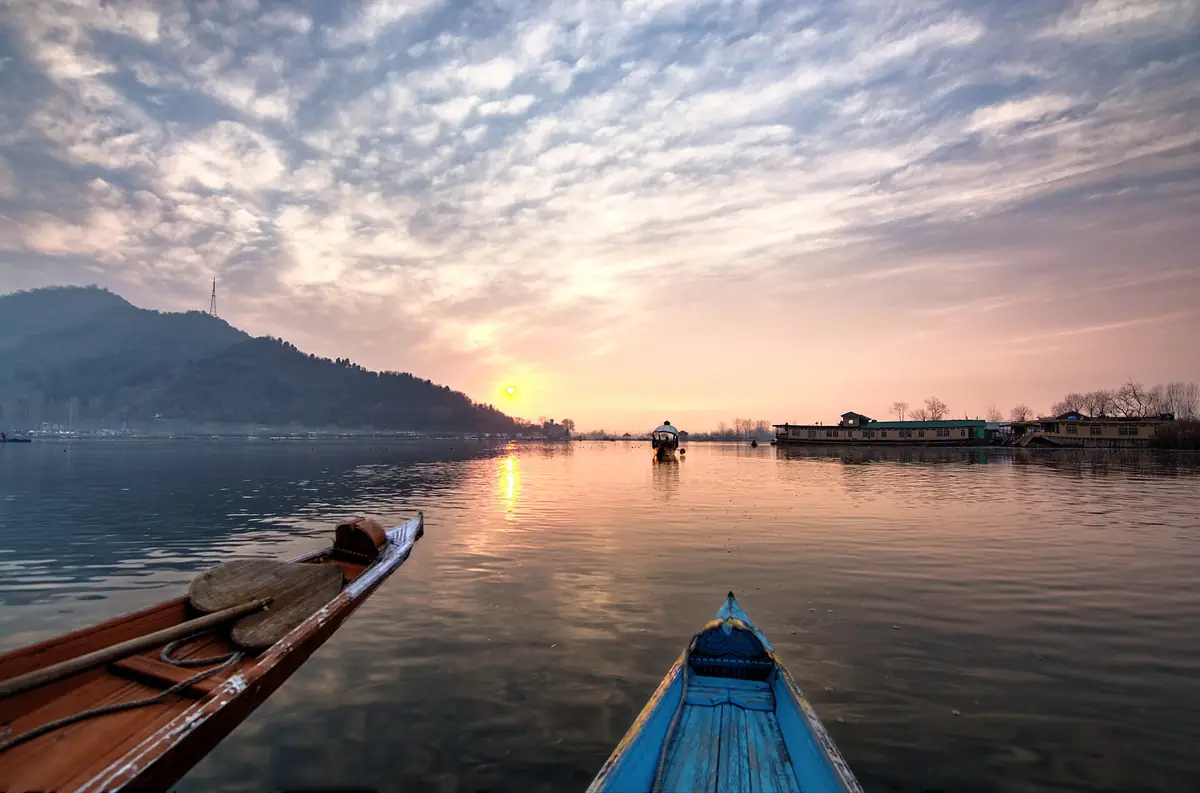
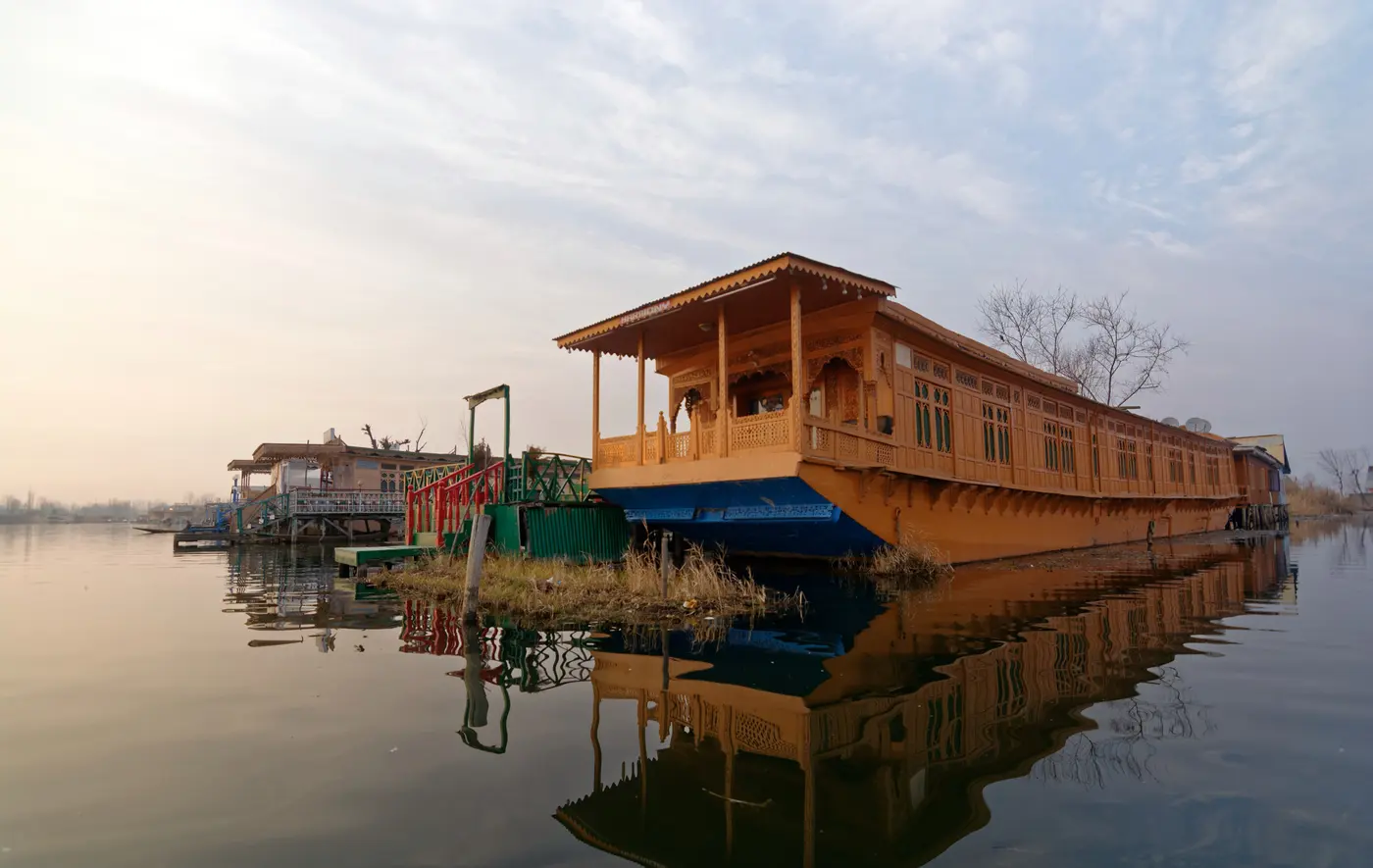
Srinagar is the valley's cultural and logistical heart, built around Dal Lake and its floating gardens, houseboats, and shikara traffic.
- Dal Lake houseboat stay: The classic Srinagar experience — ornately carved wooden houseboats moored on the lake, ranging from simple to genuinely luxurious.
- Shikara ride: A slow paddle-boat tour of the lake, floating markets, and Nehru Park — best done at sunrise for the calmest water and light.
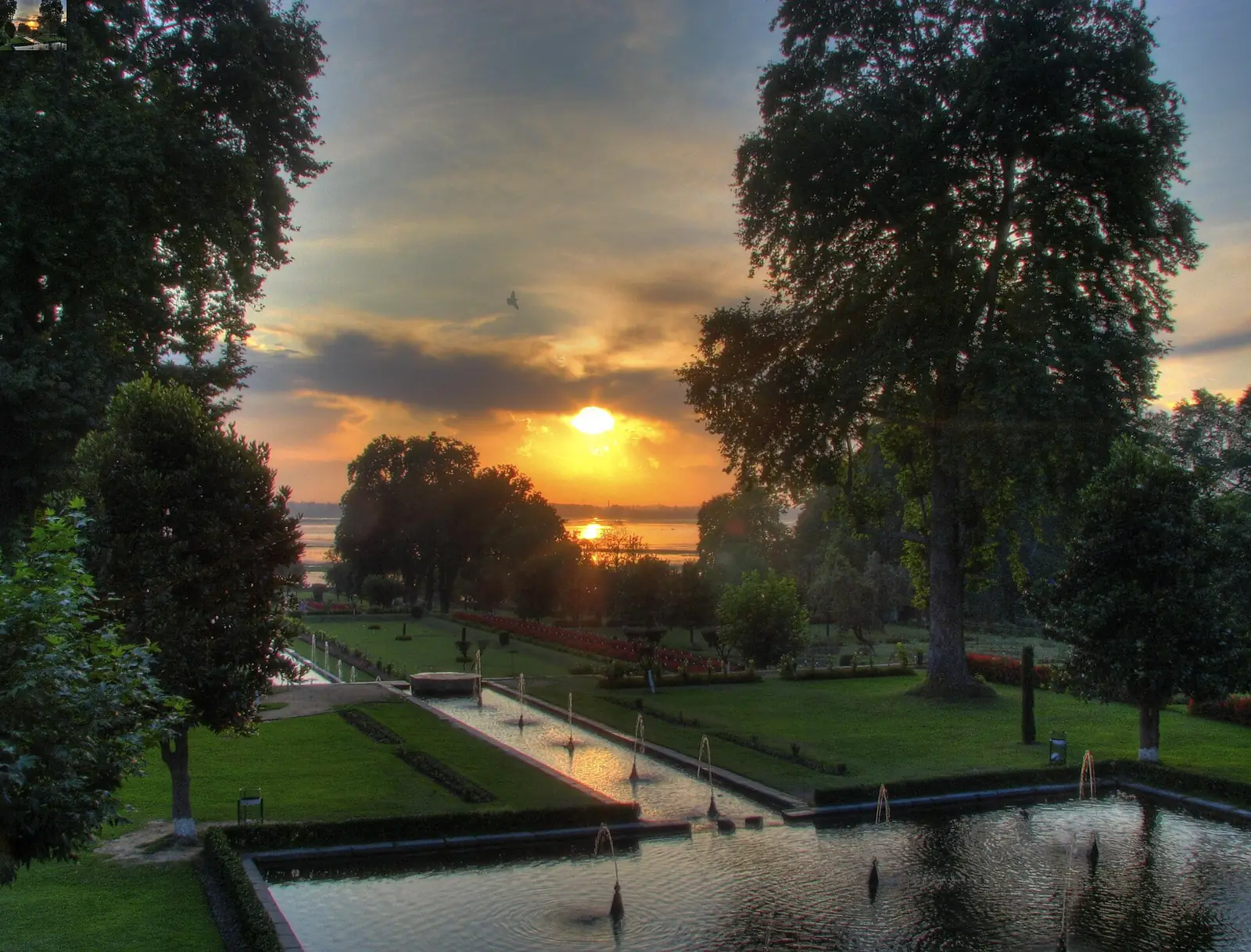
- Mughal Gardens: Nishat Bagh, Shalimar Bagh, and Chashme Shahi — terraced Mughal-era gardens overlooking the lake, particularly striking during spring tulip season.
- Jamia Masjid & Old City: A 14th-century mosque with distinctive wooden architecture, at the heart of Srinagar's older, less-visited quarters.
- Shankaracharya Temple: A hilltop temple offering panoramic views over the city and lake — best visited for sunset.
Gulmarg, Pahalgam & Sonamarg
The three classic valley day-trips from Srinagar, each with a distinct character — most visitors cover all three across separate days.
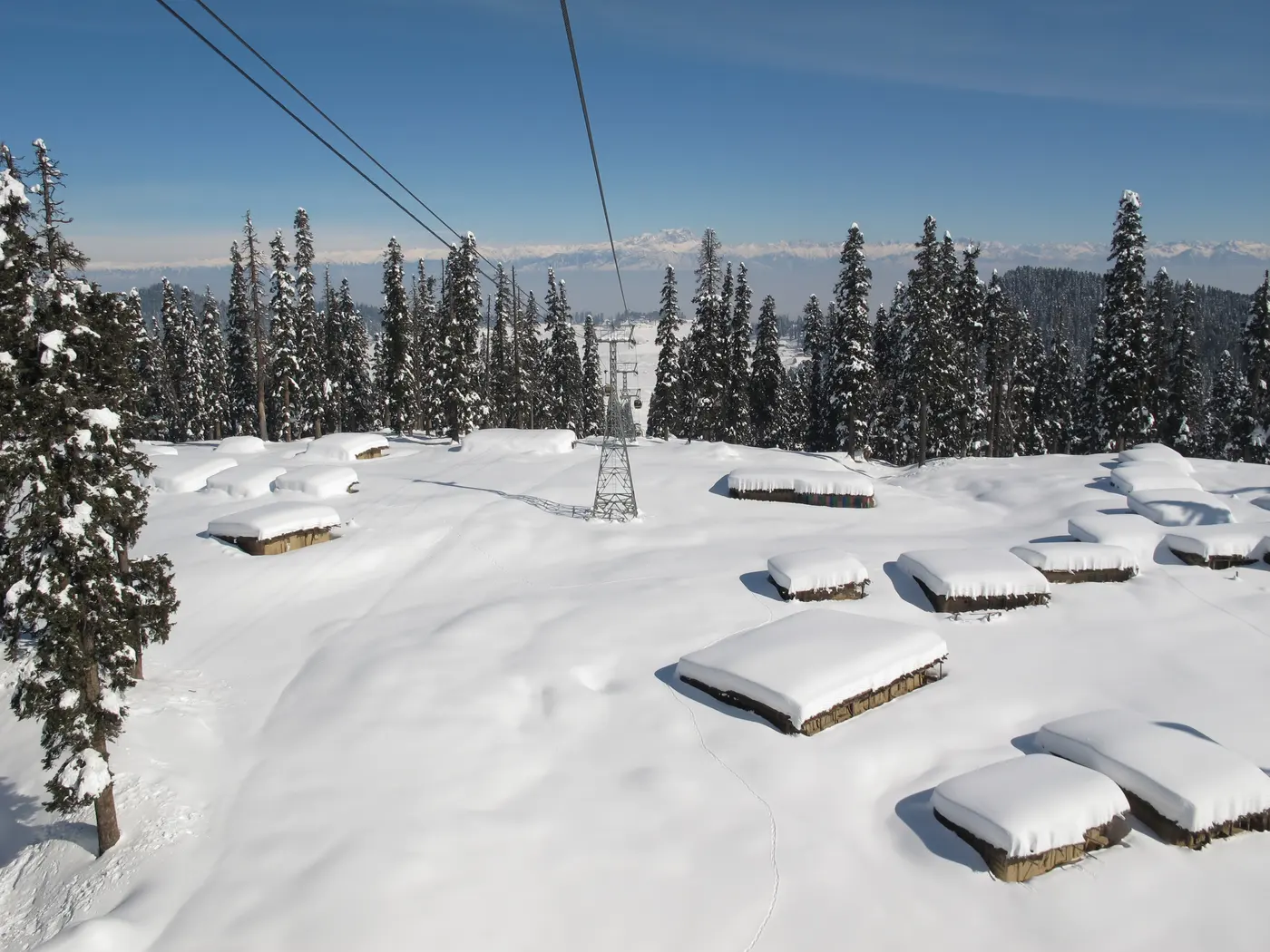
- Gulmarg: Home to the Gulmarg Gondola, one of the world's highest cable cars, rising to Kongdoori and then Apharwat Peak (~3,979m). Snow-covered even outside peak winter at the upper station, and India's premier skiing destination from December to February.
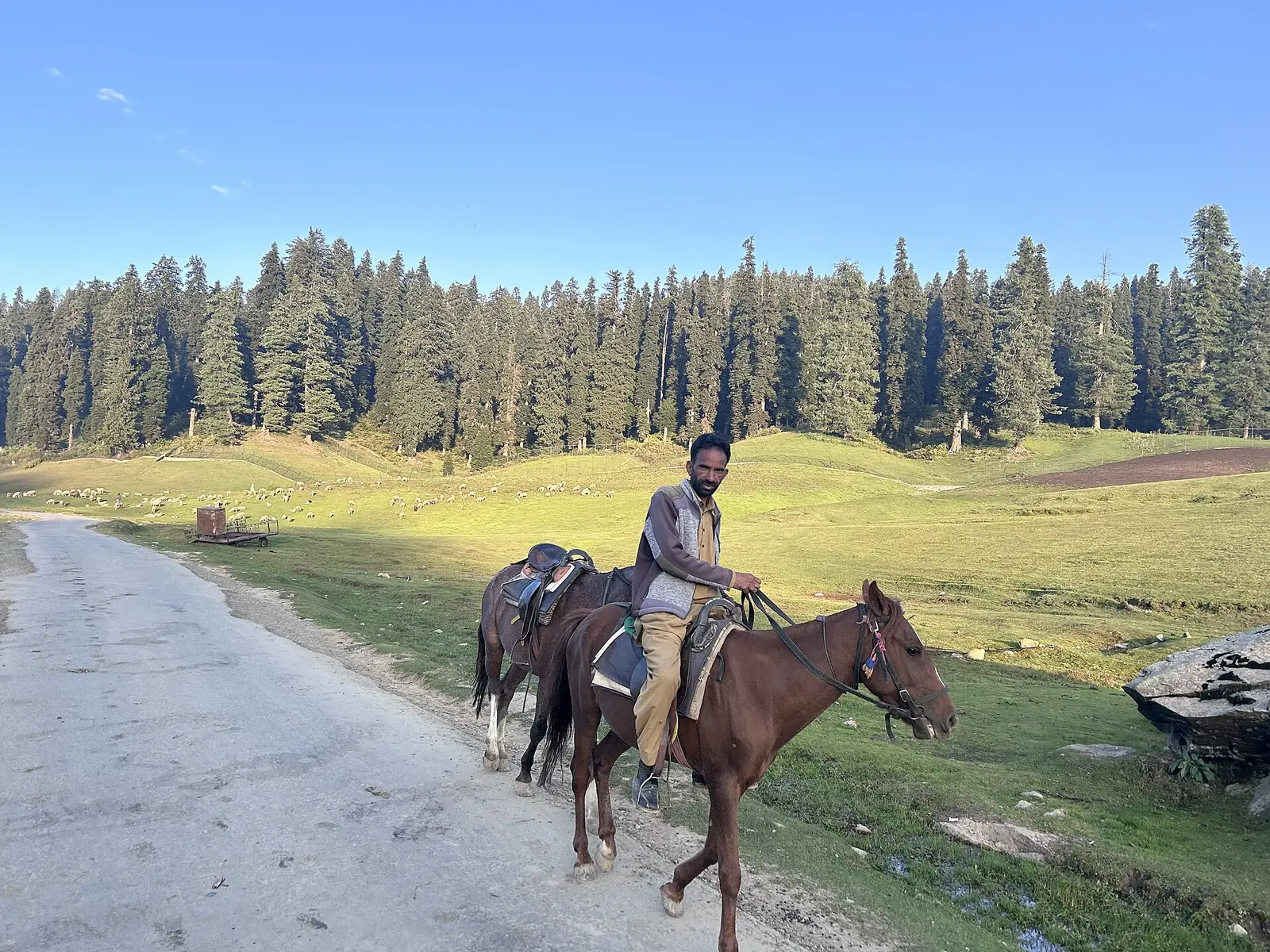
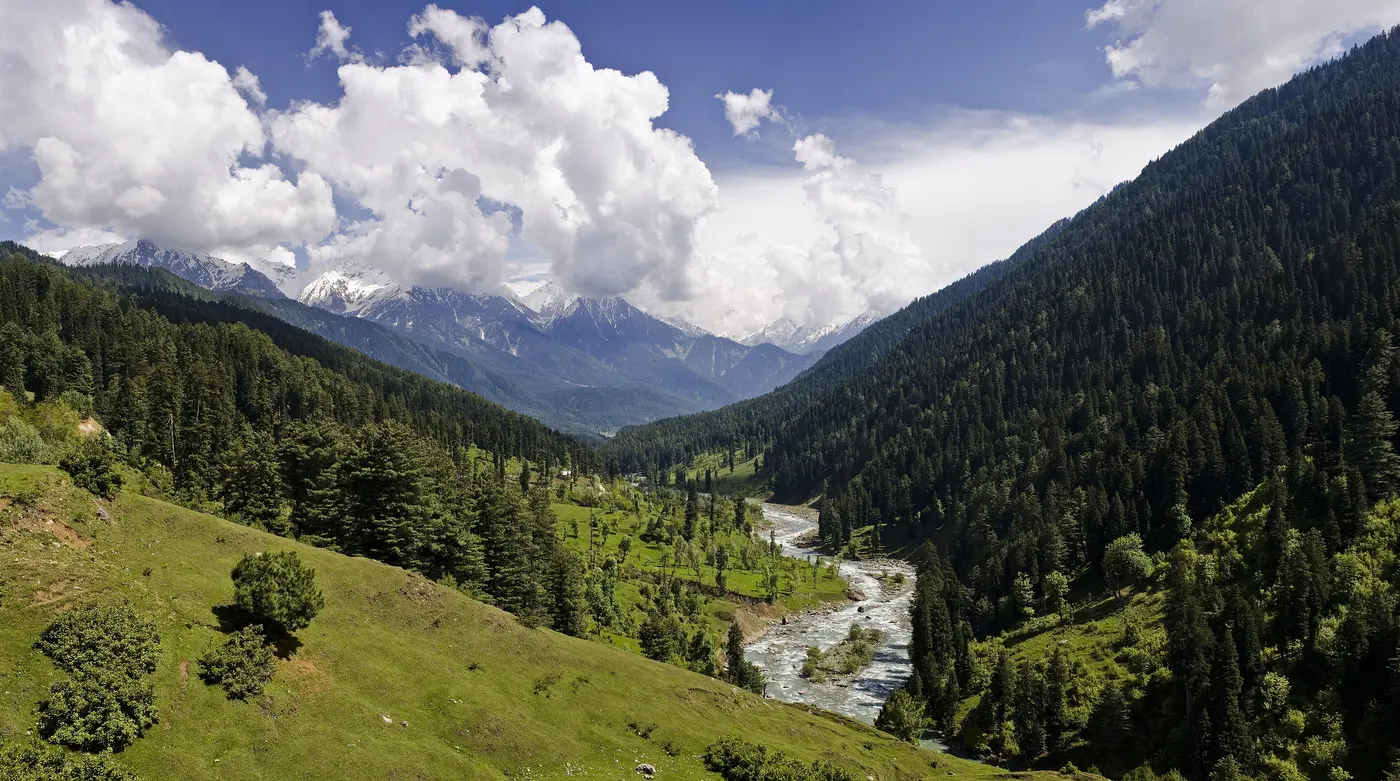
- Pahalgam: A pine-forested valley along the Lidder River, the base for the Amarnath Yatra and a calmer alternative to Gulmarg — good for short treks, horseback rides, and Betaab Valley and Aru Valley day trips.
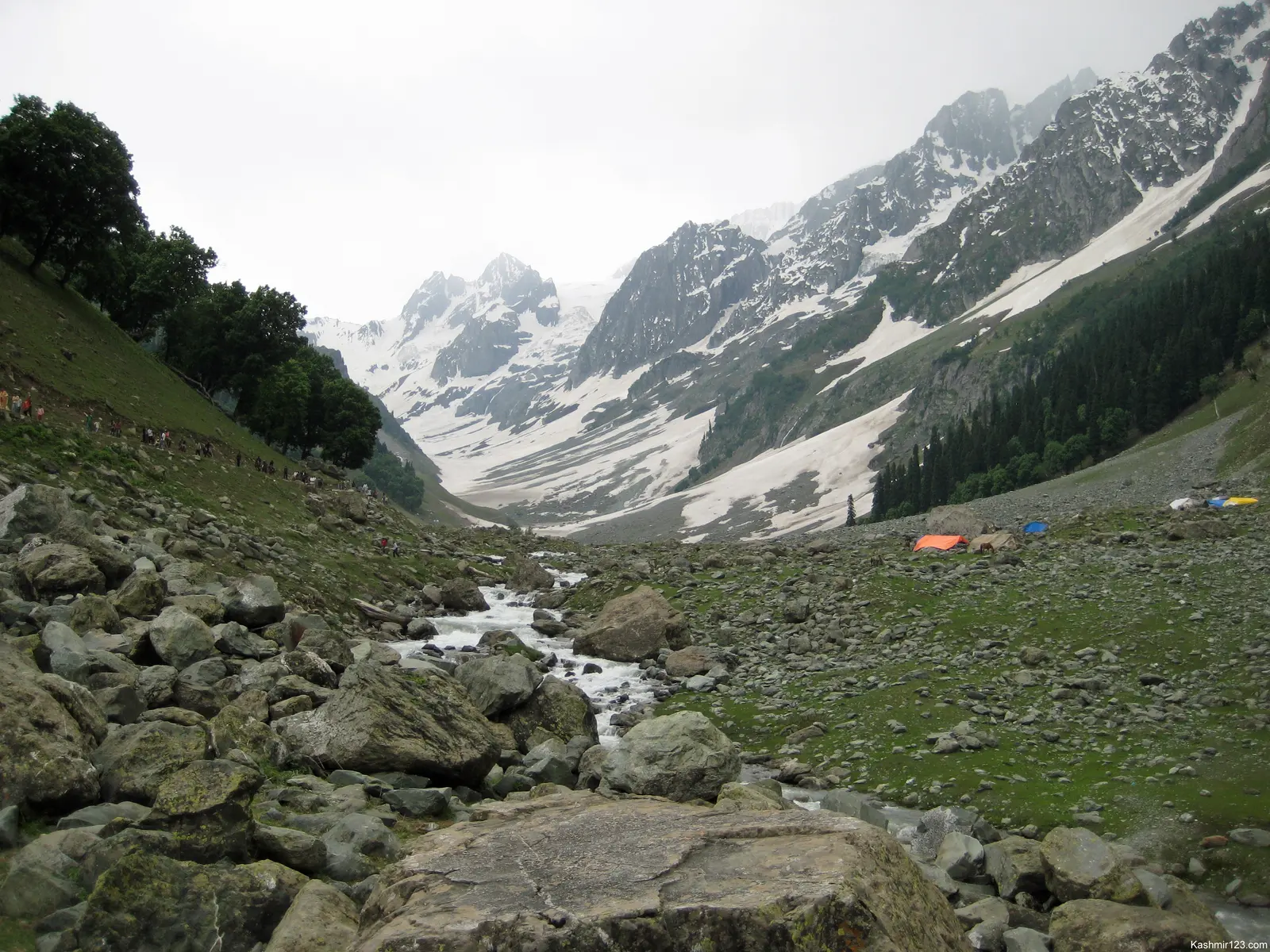
- Sonamarg: "Meadow of Gold," roughly 2,800m elevation, known for the Thajiwas Glacier (reachable by a short pony or walking trail) and as the gateway to the Zoji La pass toward Ladakh.
Vaishno Devi (Jammu)
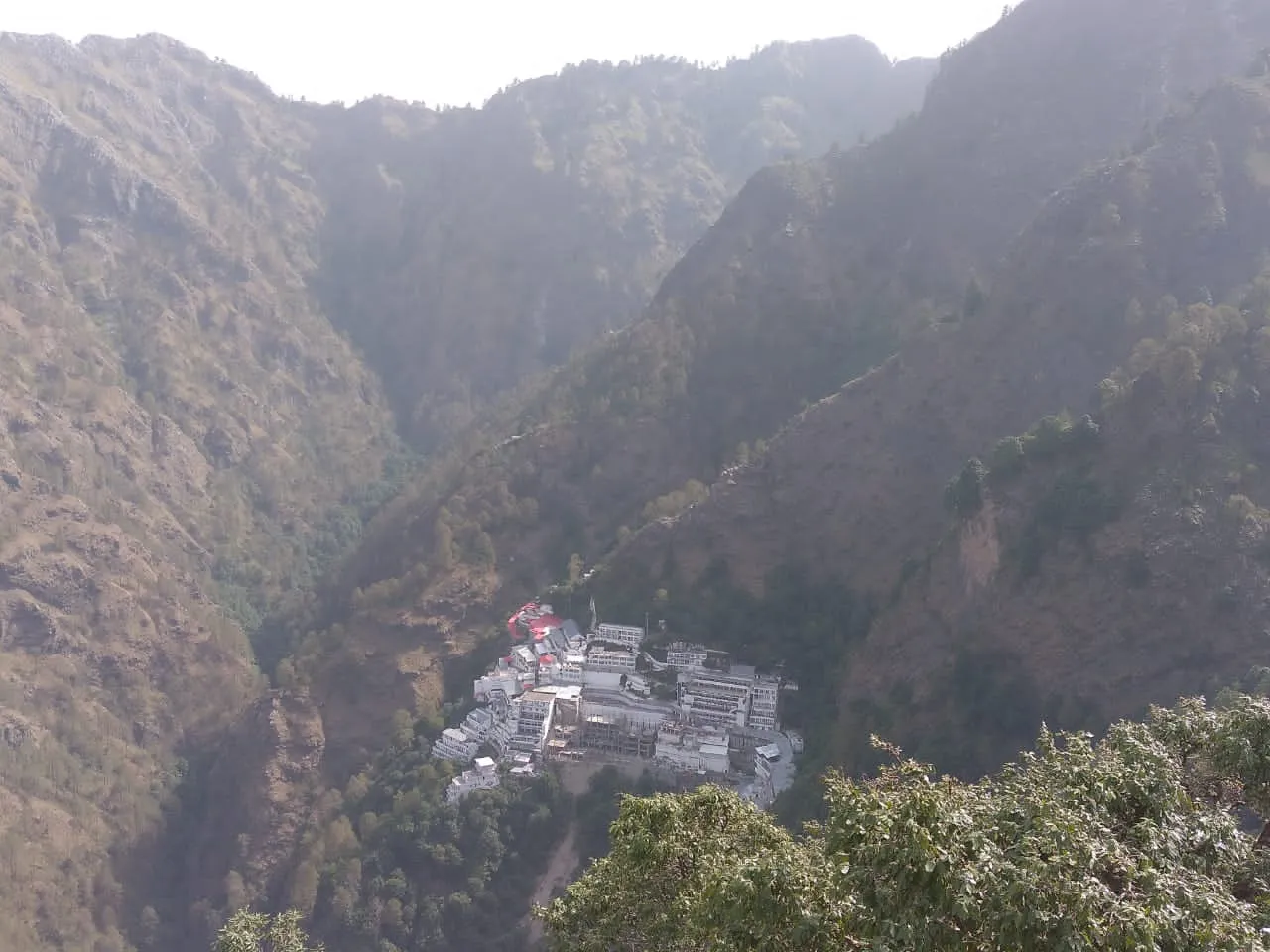
One of India's most-visited pilgrimage sites, Vaishno Devi sits in the Trikuta Mountains near Katra, reached by a roughly 12-13 km uphill trek (or pony/palki/helicopter options) from the base camp.
- Registration: A free Yatra Registration Slip (RFID card) is mandatory, obtainable online or at counters in Katra — required to start the trek.
- Trek options: The traditional route is a paved uphill path; helicopter services from Katra to Sanjichhat cut most of the climb for a fee.
- Best time: The shrine operates year-round, but March–October offers the most comfortable trekking conditions; winter brings cold and occasional snow on the route.
- Katra: The base town has ample budget to mid-range accommodation and is the standard overnight stop before or after the yatra.
Things to Do in Jammu & Kashmir
- Ride the Gulmarg Gondola: India's most dramatic cable car ride, climbing well above the snow line even outside winter.
- Stay a night on a Dal Lake houseboat:A genuinely distinct experience, best paired with a sunrise shikara ride the next morning.
- Walk the Mughal Gardens: Especially rewarding during spring tulip bloom or autumn chinar colour.
- Trek to Thajiwas Glacier: A short, accessible glacier walk from Sonamarg, doable without technical trekking experience.
- Shop the Srinagar markets: Pashmina shawls, papier-mâché, and Kashmiri walnut wood carving — bargain and buy from established shops to avoid counterfeit pashmina.
- Vaishno Devi trek: A devotional overnight or day trek from Katra, worthwhile even for travellers primarily focused on the valley's scenery.
Where to Stay
Srinagar's houseboats are the signature stay, but hotel options across the region span budget to genuinely luxurious.
- → Standard Dal Lake houseboats
- → Budget hotels, Srinagar
- → Guesthouses, Pahalgam & Gulmarg
- → Deluxe Dal Lake houseboats
- → Hotel Heemal, Pahalgam
- → Hotel Highlands Park, Gulmarg
- → The Lalit Grand Palace, Srinagar
- → Vivanta Dal View, Srinagar
- → The Khyber Himalayan Resort, Gulmarg
At least one night on a Dal Lake houseboat is worth building into any Srinagar stay — few Indian experiences are as distinct, and it's the one thing genuinely unique to this city.
What to Eat in Jammu & Kashmir
Kashmiri cuisine is rich, meat-forward, and built around the multi-course Wazwan tradition — distinct from anything else in North India.
- Rogan Josh: A rich, red Kashmiri mutton curry, one of the best-known dishes of the region.
- Yakhni: A yogurt-based, milder mutton curry — a good contrast to the heavier Rogan Josh.
- Wazwan: A traditional multi-course feast of Kashmiri meat dishes, served at weddings and increasingly at dedicated restaurants for visitors.
- Kahwa: Traditional saffron and cardamom-spiced green tea, served everywhere from houseboats to street stalls — a genuinely warming drink in the cold.
- Kashmiri bread: Sheermal, bakarkhani, and girda from local bakeries — best bought fresh in the morning from Srinagar's old city.
6-Day Jammu & Kashmir Itinerary
Six days covers Srinagar and the three main valley day-trips comfortably, without adding Vaishno Devi (add 2 more days from Jammu if including it).
Arrival & Dal Lake
- ✓Arrive Srinagar, check into a houseboat
- ✓Afternoon: Shikara ride, floating market
- ✓Evening: Sunset at Nehru Park
Srinagar City & Gardens
- ✓Morning: Mughal Gardens — Nishat Bagh, Shalimar Bagh
- ✓Afternoon: Jamia Masjid, Old City walk
- ✓Evening: Shankaracharya Temple sunset
Gulmarg Day Trip
- ✓Full day: Gulmarg Gondola, both phases
- ✓Snow activities or skiing (winter season)
- ✓Return to Srinagar by evening
Pahalgam Day Trip
- ✓Full day: Betaab Valley, Aru Valley
- ✓Lidder River walk, horseback ride (optional)
- ✓Return to Srinagar by evening
Sonamarg Day Trip
- ✓Full day: Thajiwas Glacier walk
- ✓Sindh River valley scenery
- ✓Return to Srinagar by evening
Shopping & Departure
- ✓Morning: Pashmina and papier-mâché shopping
- ✓Late morning: Final houseboat breakfast
- ✓Depart from Srinagar Airport
Budget Breakdown
| Expense | Budget | Mid-Range | Luxury |
|---|---|---|---|
| Accommodation/night | ₹1,500 | ₹4,500 | ₹15,000 |
| Food/day | ₹600 | ₹1,500 | ₹3,000 |
| Local transport / day-trip cabs | ₹1,500 | ₹2,500 | ₹4,000 |
| Gondola / activities | ₹1,200 | ₹2,000 | ₹3,500 |
| Daily total | ₹4,800 | ₹10,500 | ₹25,500 |
| 6-Day trip total | ₹28,800 | ₹63,000 | ₹1,53,000 |
* Excludes flights/train to Srinagar or Jammu. Gondola tickets and day-trip cab hire (Gulmarg, Pahalgam, Sonamarg) are typically the largest variable costs.
Essential Travel Tips for Jammu & Kashmir
- Check current travel advisories:Conditions in the region can shift — check official advisories before booking non-refundable travel, more so than for most Indian destinations.
- Hire cabs through registered unions:Day trips to Gulmarg, Pahalgam, and Sonamarg use fixed local taxi-union rates — book through your hotel to avoid overpaying.
- Buy pashmina from established shops:Counterfeit "pashmina" is common in tourist-heavy markets — buy from reputed stores with authenticity certification.
- Pack for cold regardless of season:Gulmarg and Sonamarg run noticeably colder than Srinagar even in summer — carry a proper jacket year-round.
- Register early for Vaishno Devi:The Yatra Registration Slip is mandatory and queues at Katra can be long during peak pilgrimage season.
- Book houseboats directly or through your hotel: Avoid unsolicited approaches at the airport or train station — verify through official tourism department listings instead.
✅ Do
- →Check current travel advisories before booking
- →Spend at least one night on a Dal Lake houseboat
- →Book day-trip cabs through registered taxi unions
- →Carry warm layers even in summer months
- →Buy pashmina from certified, established shops
- →Register early for the Vaishno Devi yatra
❌ Don't
- →Book non-refundable travel without checking advisories
- →Buy pashmina from unverified street vendors
- →Underestimate the cold at Gulmarg and Sonamarg
- →Skip yatra registration for Vaishno Devi
- →Rely on cards outside Srinagar's main markets
- →Rush the valley day trips into a single day each way
Places to Explore in Jammu & Kashmir
Every Jammu & Kashmir guide on Kudozz Club, in one place — 12 destinations covered so far, from cities and towns to individual attractions. Use this index to plan beyond the highlights above.
Frequently Asked Questions
How many days do I need for Jammu & Kashmir?
Six days covers Srinagar comfortably along with the three main valley day trips — Gulmarg, Pahalgam, and Sonamarg — without rushing. If you're also doing the Vaishno Devi yatra from Jammu, add roughly two more days to that plan.
What is the best time to visit Jammu & Kashmir?
It depends on what you're after. Late April to early June brings tulip season and green meadows at their most photogenic, while late December to February is snow season, best for skiing and gondola rides at Gulmarg. September–October offers Srinagar's chinar autumn colours with fewer crowds than spring.
How do I reach Srinagar and Jammu & Kashmir?
Srinagar Airport has direct flights from Delhi, Mumbai, Bangalore, and other major cities, and is the fastest way into the valley. Jammu Tawi is the region's main railhead with strong connectivity to Delhi, and the Jammu–Srinagar highway (~270 km) takes roughly 7–8 hours by road through the Jawahar Tunnel.
Is Jammu & Kashmir safe to visit?
Tourist infrastructure has expanded substantially in recent years and Srinagar handles high visitor volumes smoothly in peak season, but conditions and access can shift with the security situation more than in most Indian destinations. It's worth checking official travel advisories before booking non-refundable travel.
What is the budget for a Jammu & Kashmir trip?
A budget traveller can expect around ₹4,800 a day covering accommodation, food, local transport, and activities, adding up to roughly ₹28,800 for a 6-day trip. Mid-range travel runs closer to ₹10,500 a day (about ₹63,000 for six days), while a luxury trip can reach ₹25,500 a day. This excludes flights or train travel to Srinagar or Jammu.
Is a Dal Lake houseboat stay worth it?
Yes — it's the signature Srinagar experience and, for many travellers, the one thing genuinely unique to the city. Options range from simple budget houseboats to genuinely luxurious ones, and it's worth building in at least one night, ideally paired with a sunrise shikara ride the next morning.
Do I need to register for the Vaishno Devi yatra?
Yes. A free Yatra Registration Slip (an RFID card) is mandatory before starting the trek from Katra, and it can be obtained online in advance or at counters in Katra. Registering early is worth doing, since queues at Katra can get long during peak pilgrimage season.
Published by the Kudozz Club editorial team · Last updated · How we research our guides
Want us to plan this trip for you?
Tell Kudozz Club where you want to go and what kind of trip you’re looking for. We’ll build a Kashmir itinerary around your dates and budget.
Continue Exploring
View all guides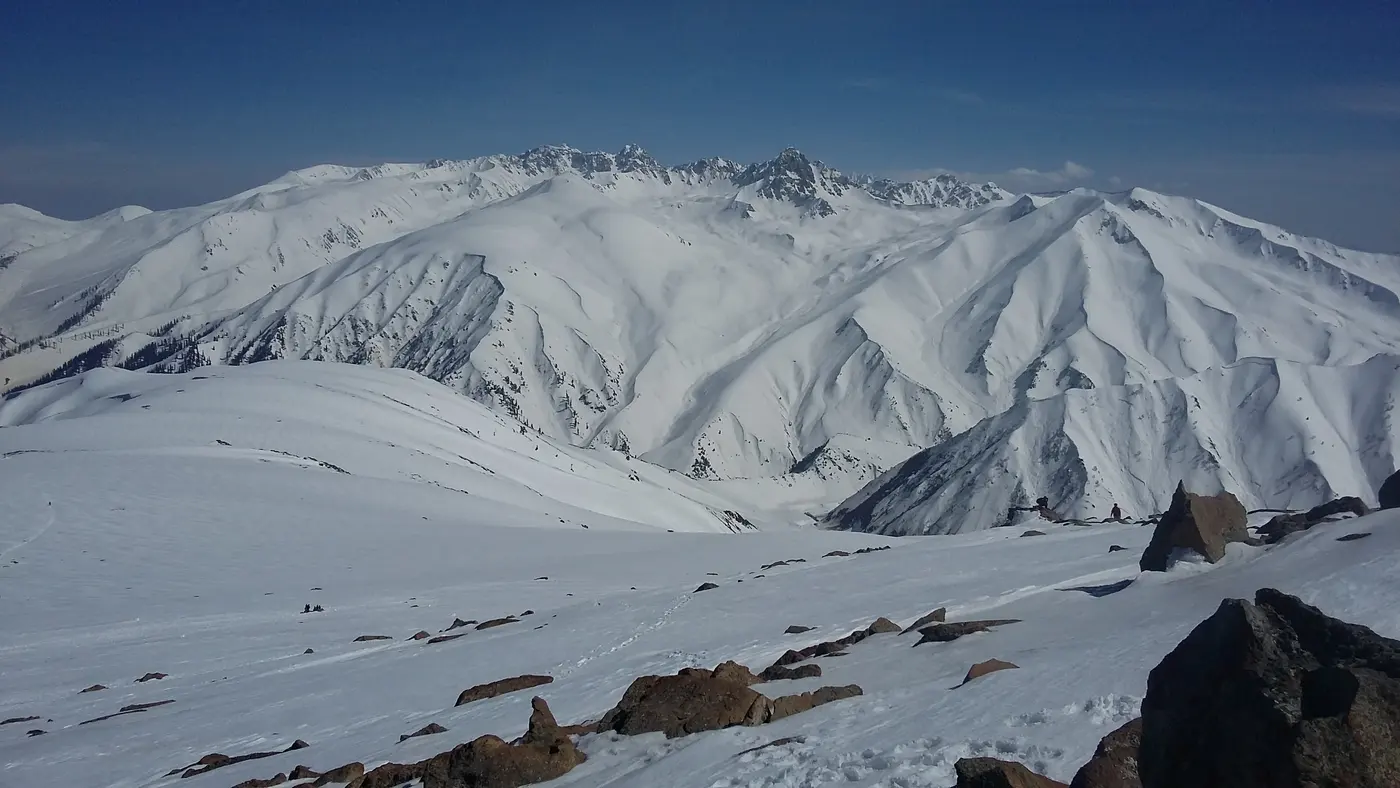 Things to Do
Things to Do in Gulmarg: Gondola, Skiing & Summer Meadows
Things to do in Gulmarg: the two-phase gondola to Apharwat, skiing and snowboarding in winter, snow play and sledging, the Khilanmarg walk, Alpather Lake, St Mary's Church, the Maharani temple, the golf course and Drang waterfall.
 Hill Stations
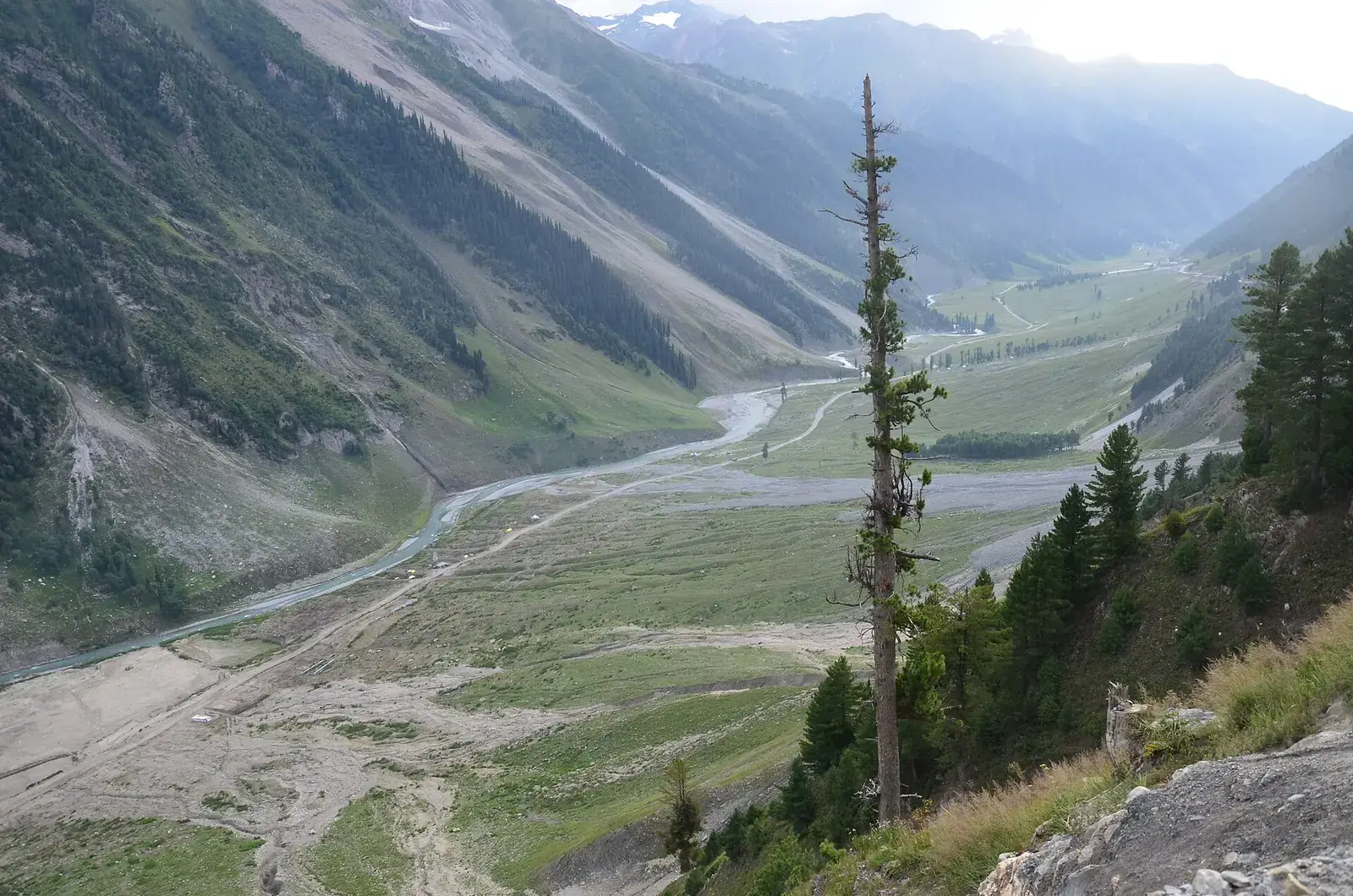
Kashmir Itinerary: 5 to 7 Days in Srinagar, Gulmarg, Pahalgam and Sonamarg
A practical five to seven day Kashmir itinerary: Srinagar's Dal Lake, houseboats, Mughal gardens and old city, Gulmarg's meadows and gondola, Pahalgam and the Lidder valley, and a day trip to Sonamarg, with seasonal variations for tulips, summer meadows, autumn and winter snow, where to stay, and the importance of checking current official advisories.
 Things to Do
Things to Do in Srinagar: Dal Lake, Mughal Gardens & the Old City
Things to do in Srinagar: shikara rides and the floating market on Dal Lake, houseboat stays, Shalimar, Nishat and Chashme Shahi gardens, Pari Mahal, the tulip garden, Hazratbal, the Jama Masjid, old-city crafts and wazwan.
 Destination Guide
Srinagar Travel Guide: Dal Lake, Houseboats & Mughal Gardens
Wake to a shikara gliding through Dal Lake's floating market, spend a night on a carved wooden houseboat, and walk the Mughal gardens the Zabarwan hills were built to frame.