Heritage & culture
Heritage & Cultural Tourism in India
Forts, palaces, ancient temples, ruined capitals and old cities, alongside the crafts, music, festivals and food that keep India’s culture alive.
India’s heritage
India’s history is visible across more than four thousand years: Harappan cities in Gujarat, Buddhist stupas and rock-cut caves, the temple towns of the south, Rajput and Maratha forts, Mughal tombs and gardens, sultanate capitals in the Deccan, and colonial-era cities. Forty-five places are UNESCO World Heritage Sites, and thousands more are protected by the Archaeological Survey of India and the states.
Heritage in India is also living. Weavers, potters and painters work in the same towns their crafts are named after, classical dance and music are performed in temples and festivals, and each region’s food carries its history. Our guides cover both, and separate what the evidence shows from what tradition holds, so you can plan a trip that is accurate, respectful and memorable.
Start here
Where to go and how to plan
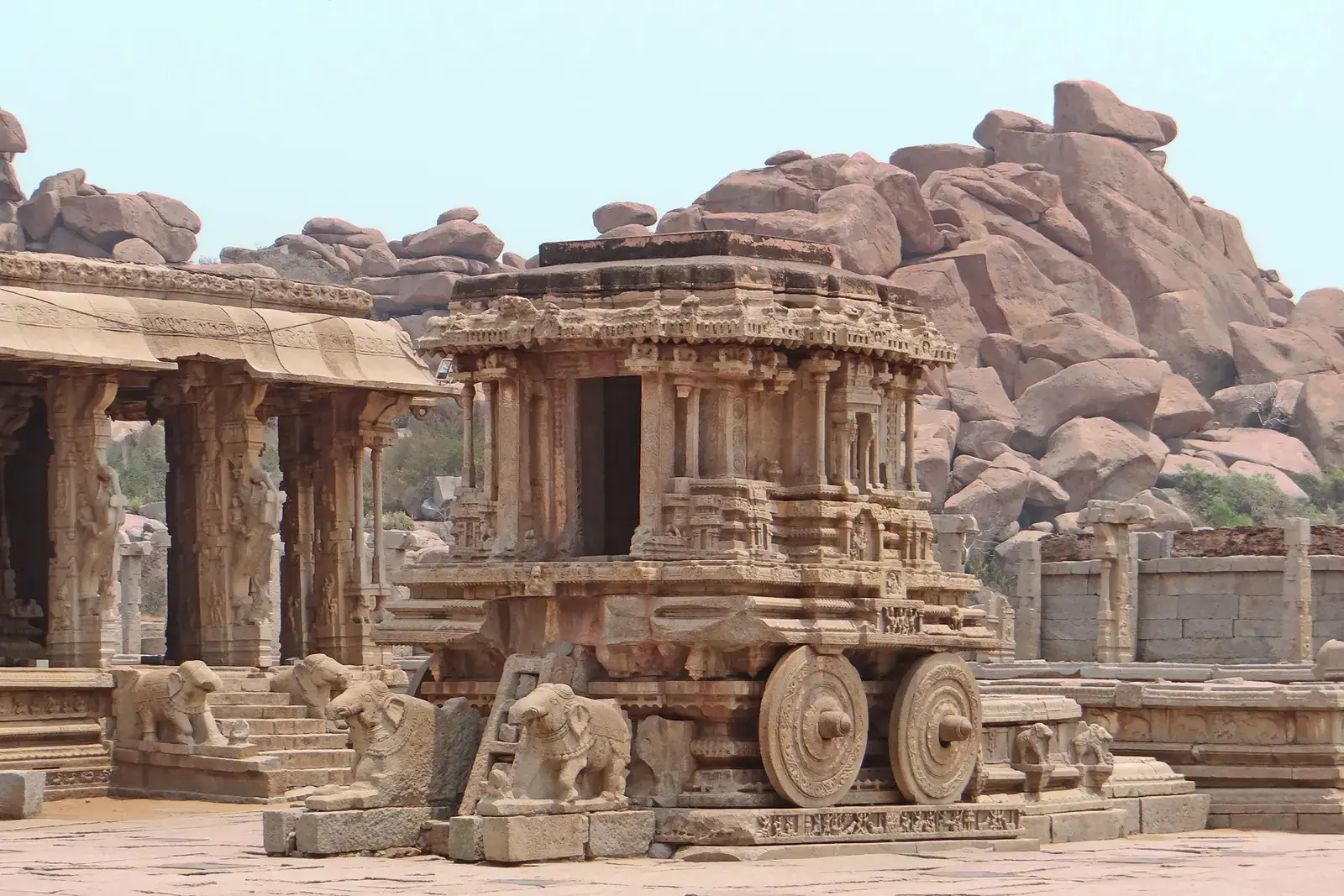
 Historical places in IndiaA region-by-region guide to India's historical places for travellers: Delhi, Agra and Fatehpur Sikri; Rajasthan's forts and palace cities; Gujarat's stepwells and Harappan sites; the caves and forts of Maharashtra; Hampi, Badami and the Hoysala temples; Tamil Nadu's temple towns; Khajuraho, Orchha and Mandu; Konark and Bhubaneswar; Kolkata and Murshidabad; Lucknow and Hyderabad, with how to plan.Read the guide →
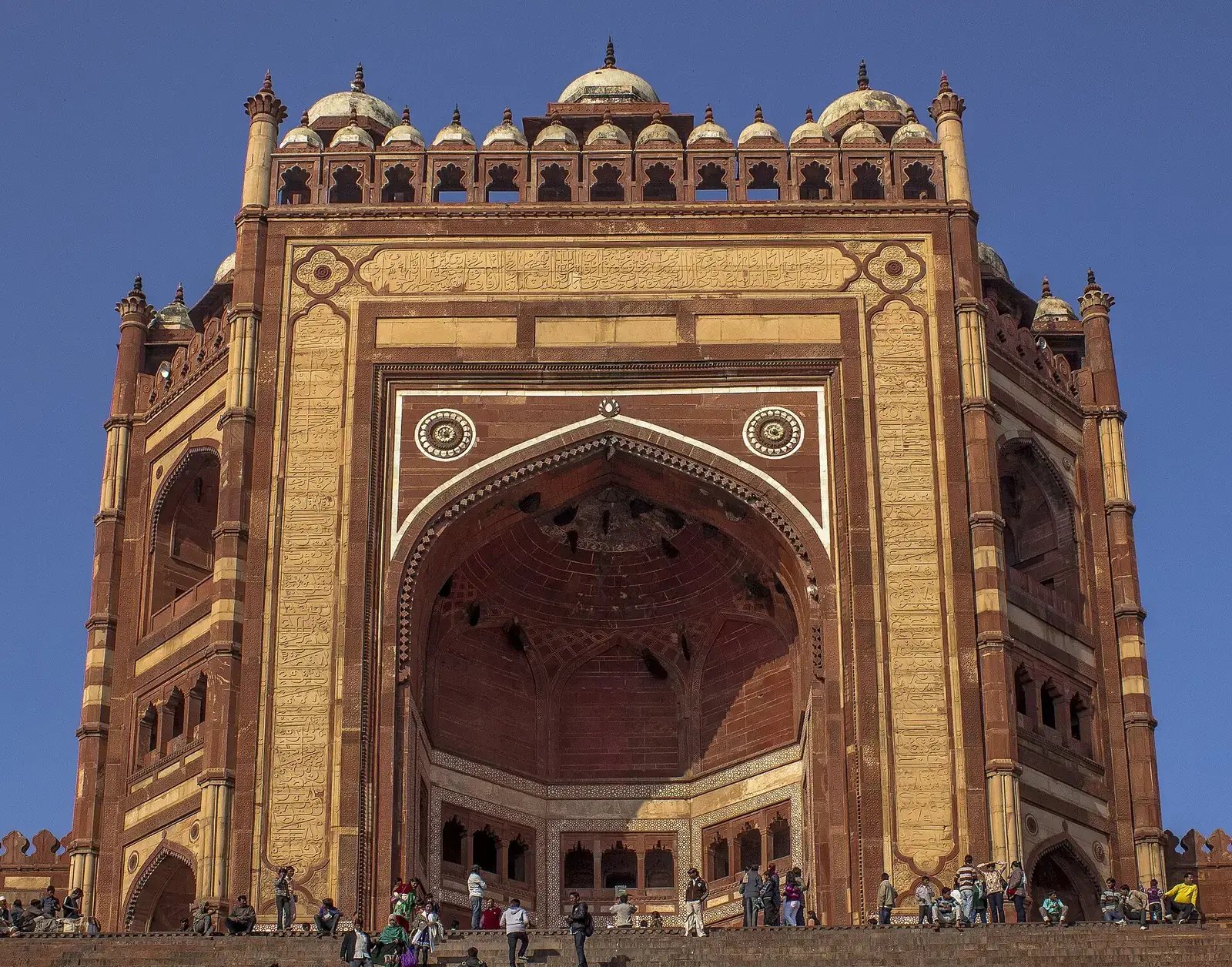
 How to plan a heritage tripA practical guide to planning a heritage trip in India: choosing a region and theme, how long to allow, the best seasons, weekly monument closures, booking ASI and state monument tickets online, hiring licensed guides, photography and drone rules, dress codes at living temples and mosques, pacing, heat and travelling with children or older relatives.Read the guide →
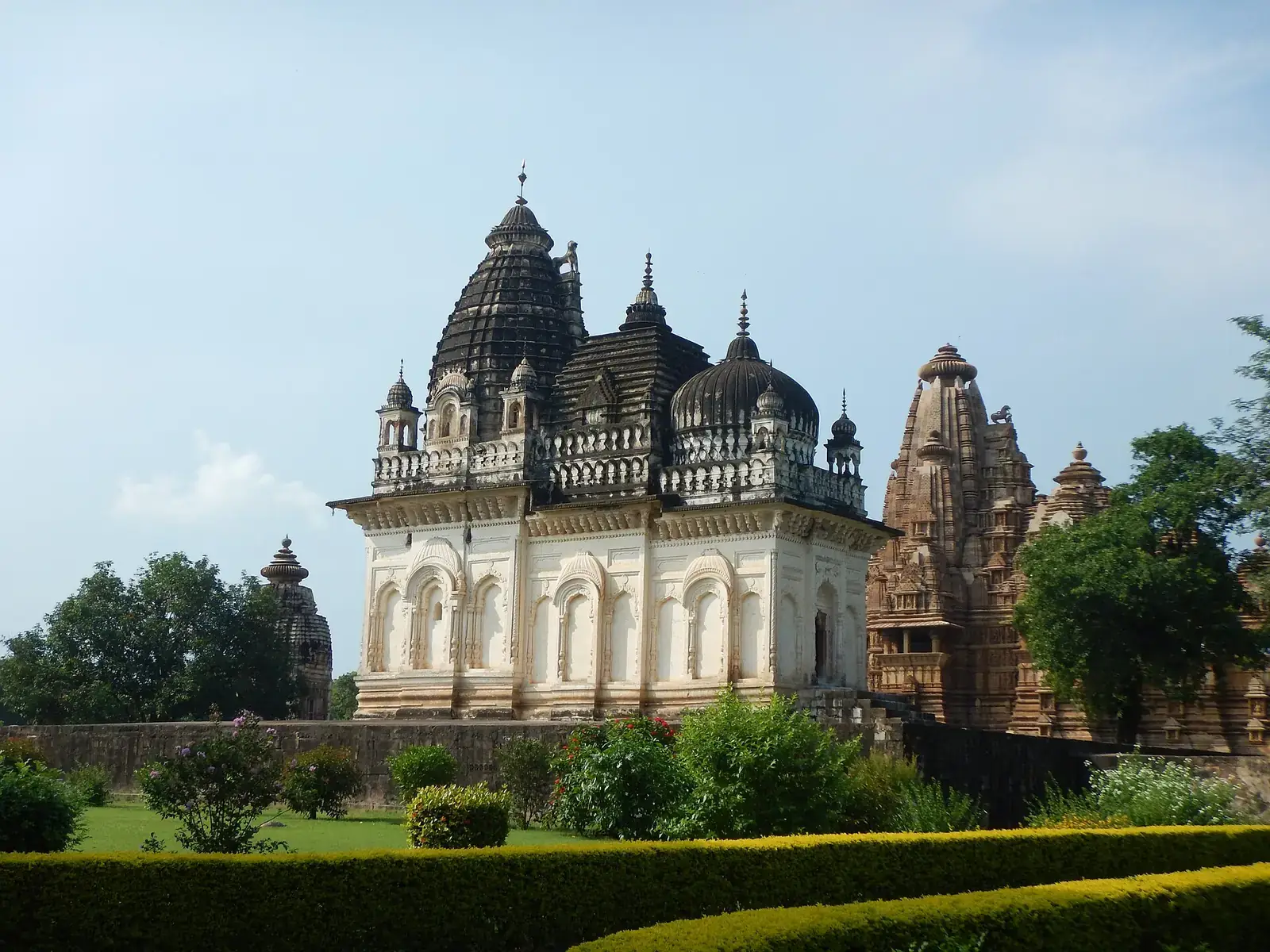
 UNESCO sites in IndiaA complete, verified list of India's 45 UNESCO World Heritage Sites as of September 2026: 37 cultural, 7 natural and 1 mixed, with the year of inscription and state, the most recent additions (the Maratha Military Landscapes in 2025 and Sarnath in 2026), how the list works, and how to plan heritage trips around the sites by region.Read the guide →
Explore by theme
Ways into India’s heritage
UNESCO World Heritage
India's 45 World Heritage Sites, from the Taj Mahal to the Maratha forts and Sarnath.
All 45 sites →Historic cities
Old quarters, bazaars and neighbourhoods where heritage is part of daily life.
Heritage cities →Forts and palaces
Hill forts, sea forts and royal palaces across Rajasthan, the Deccan and beyond.
Famous forts →Archaeology and caves
Harappan cities, Buddhist sites and rock-cut temples, with evidence and tradition kept apart.
Archaeological sites →Arts and crafts
Craft villages, weaving towns, classical dance and music, and regional food.
Handicrafts →Festivals and living culture
Fairs, festivals and community-led experiences, visited with respect.
Cultural festivals →UNESCO World Heritage Sites
Great monuments, one at a time
Visitor guides to individual World Heritage Sites: history, what to see, closures and how to reach.
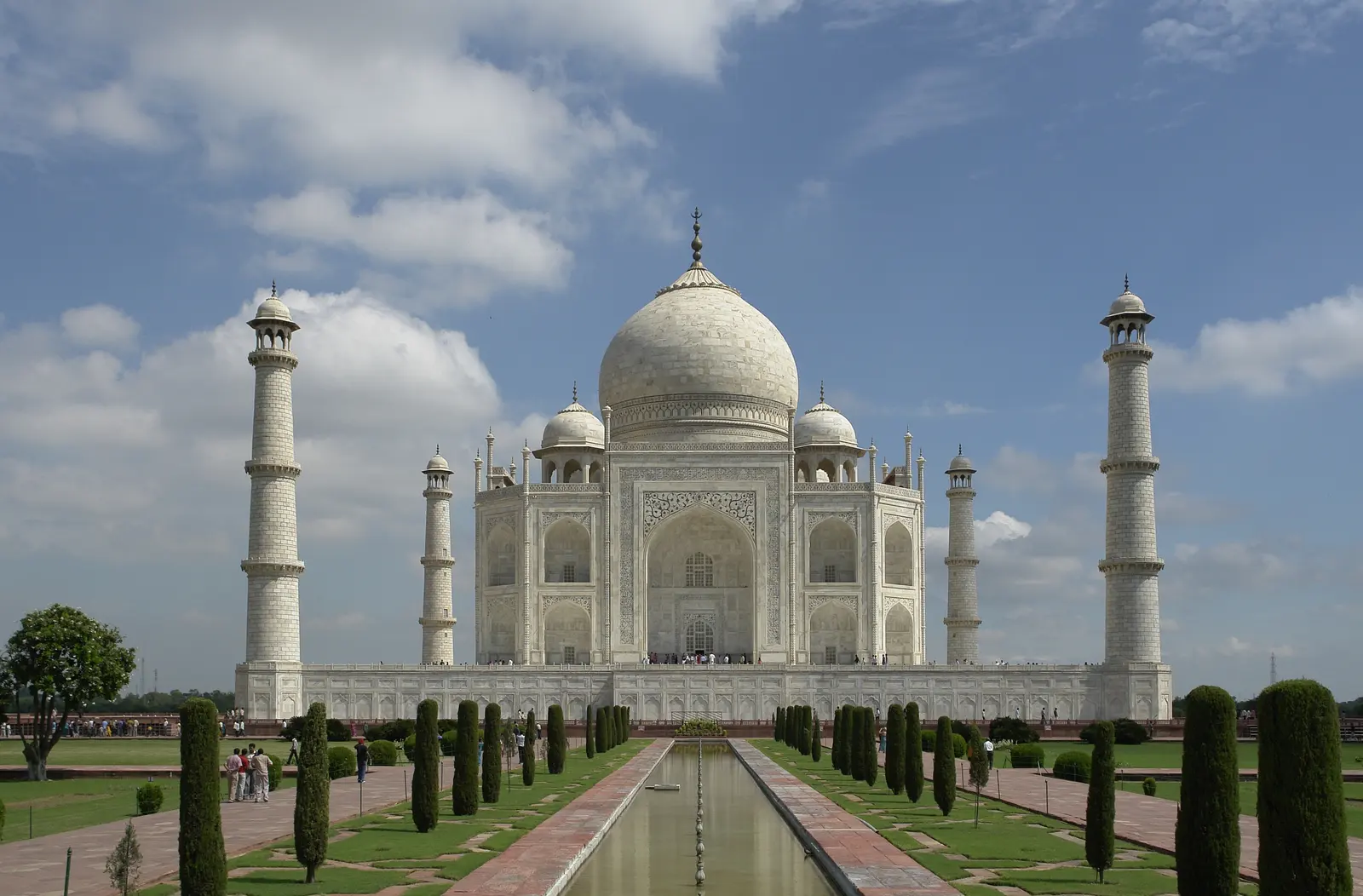
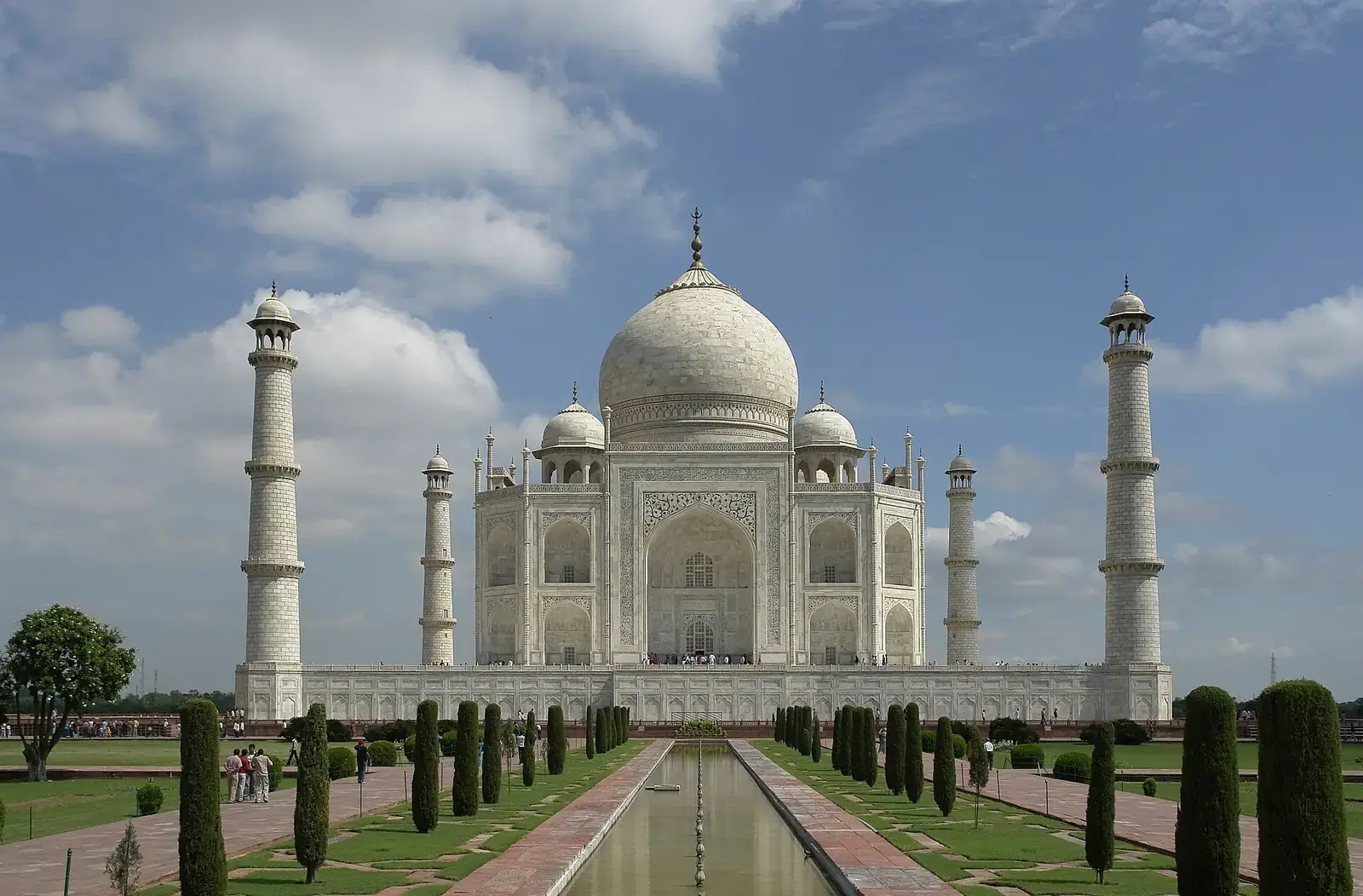 Taj MahalA visitor's guide to the Taj Mahal in Agra: its history as Shah Jahan's tomb for Mumtaz Mahal, the complex from the great gate to the riverside terrace, the Friday closure, full-moon night viewing, gates, tickets and rules, the best times of day and year, how to reach Agra from Delhi, and nearby Mughal sites.Read the guide →
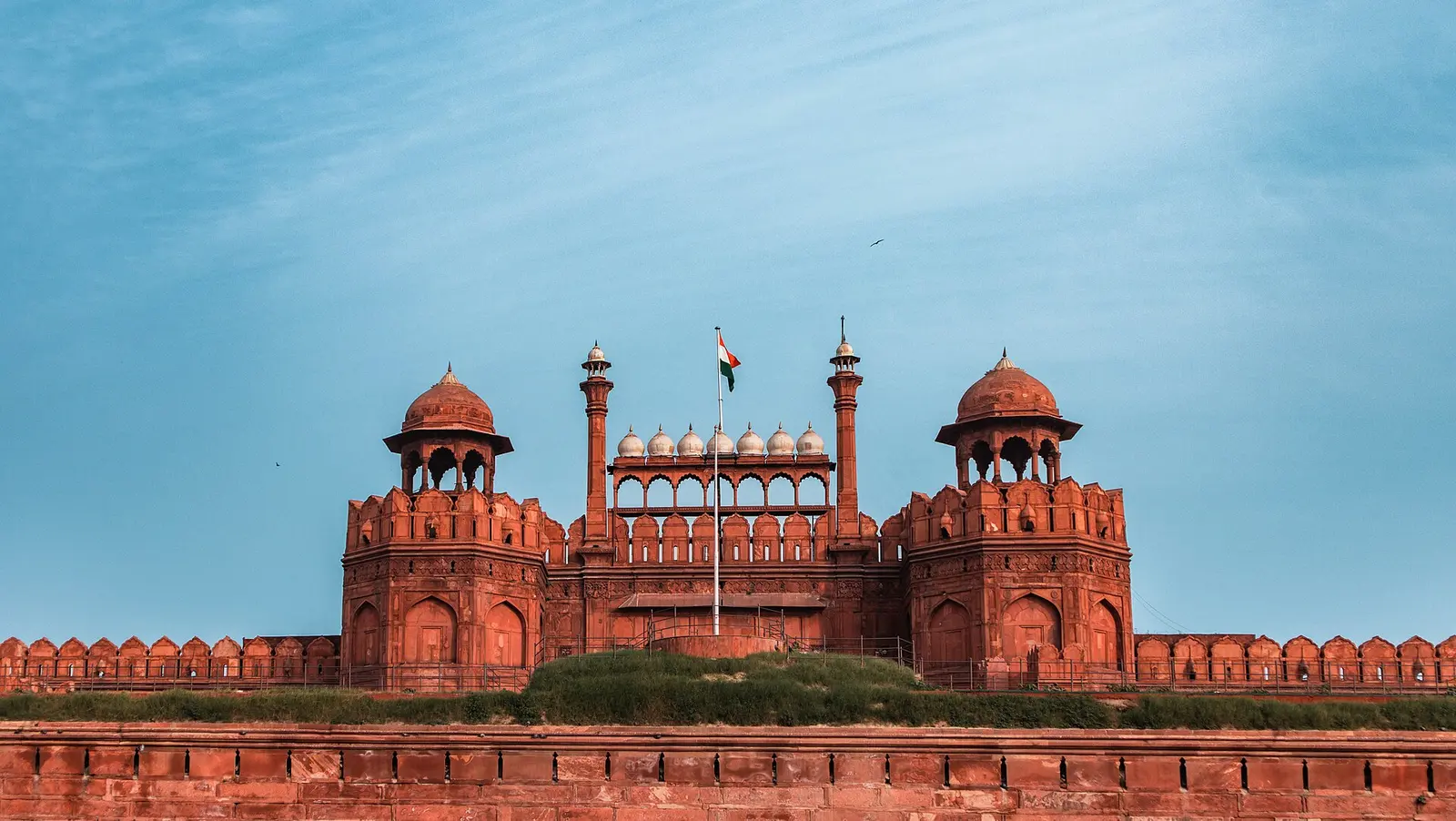
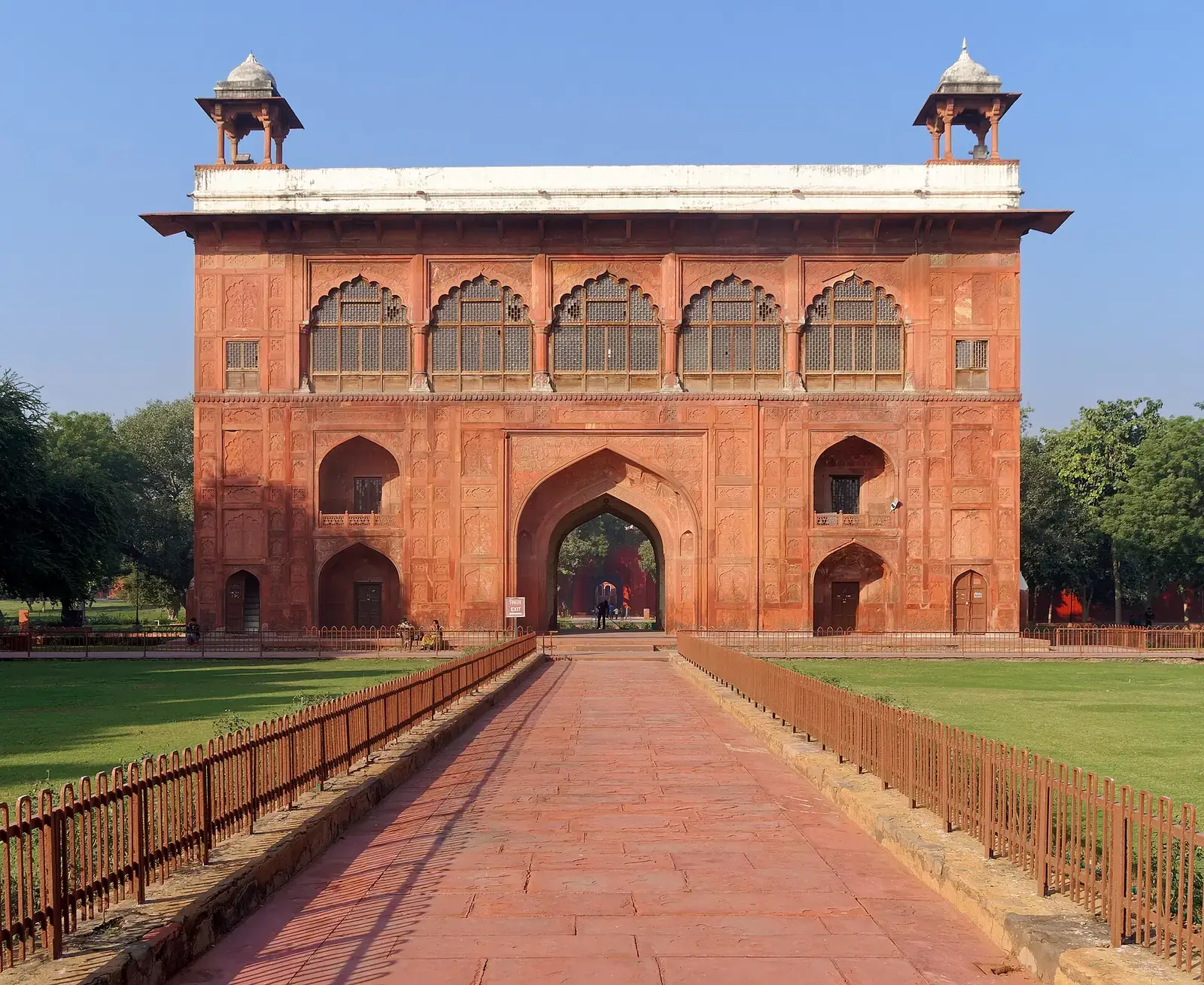 Red FortA visitor's guide to the Red Fort (Lal Qila) in Delhi: built by Shah Jahan as the palace-fortress of Shahjahanabad, its role in 1857 and on Independence Day, what to see from Lahori Gate and Chhatta Chowk to the Diwan-i-Aam and Diwan-i-Khas, the museums, the Monday closure, tickets, the metro, and nearby Old Delhi.Read the guide →
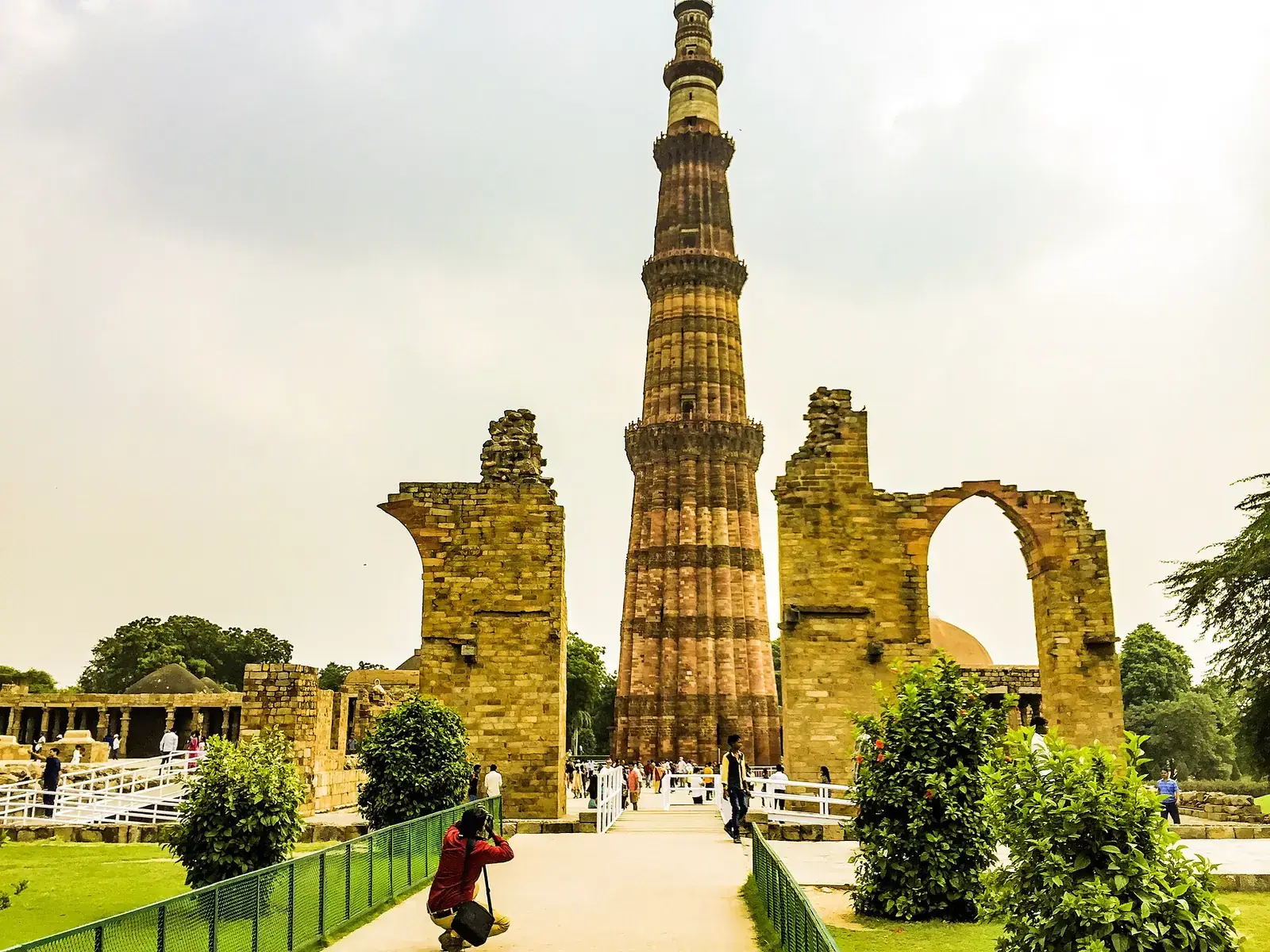 Qutub MinarA visitor's guide to the Qutub Minar complex in Mehrauli, Delhi: the 72.5 m minaret begun under Qutbuddin Aibak and completed under Iltutmish, the Quwwat-ul-Islam mosque, the Gupta-era Iron Pillar, the Alai Darwaza and the unfinished Alai Minar, practicalities, the metro, and Mehrauli Archaeological Park nearby.Read the guide →
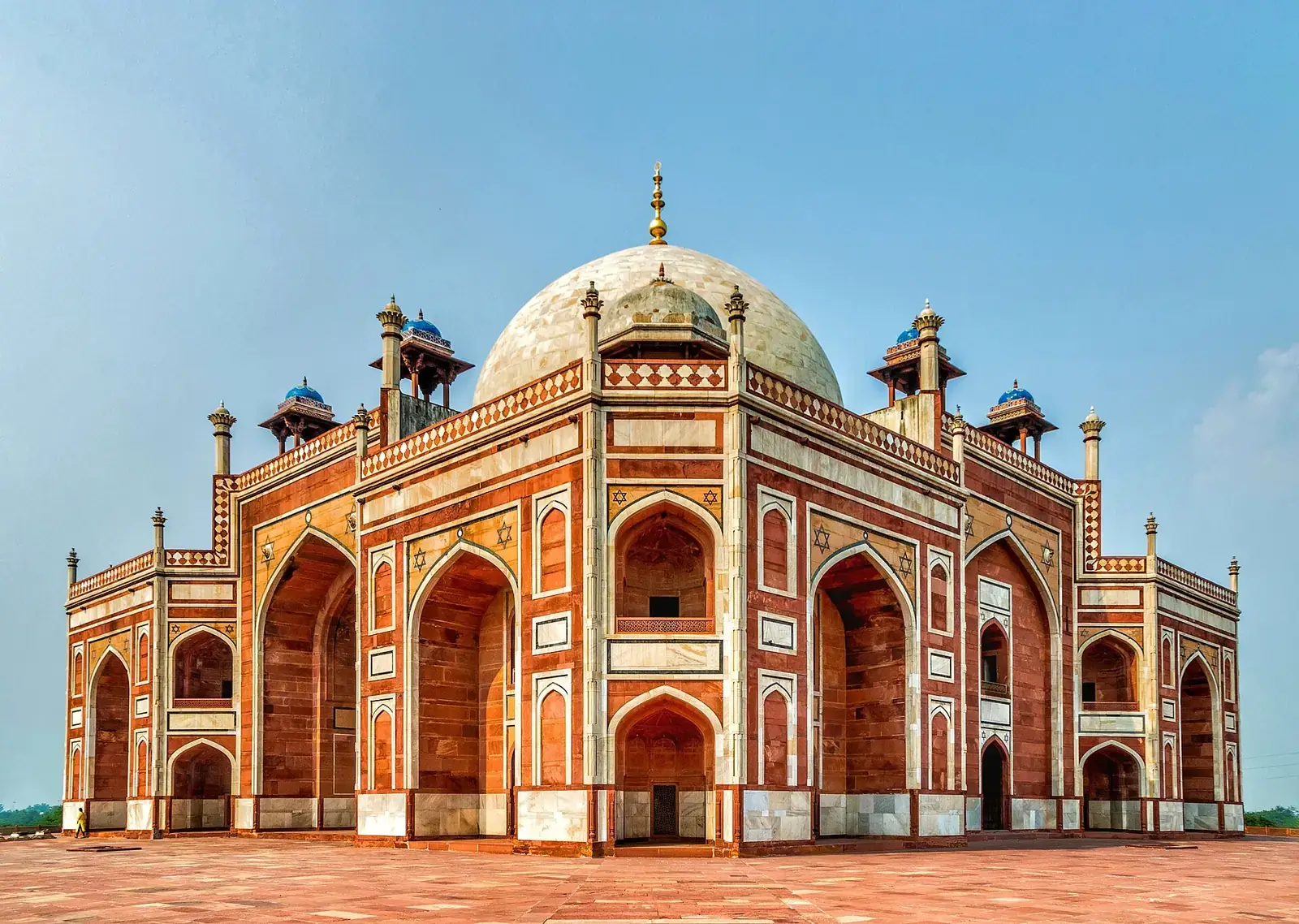 Humayun's TombA visitor's guide to Humayun's Tomb in Delhi: the 16th-century garden tomb of the second Mughal emperor, often seen as a forerunner of the Taj Mahal, the other tombs in the complex including Isa Khan's, the restoration by the Aga Khan Trust for Culture, the site museum, Sunder Nursery next door, practicalities and nearby Nizamuddin.Read the guide →
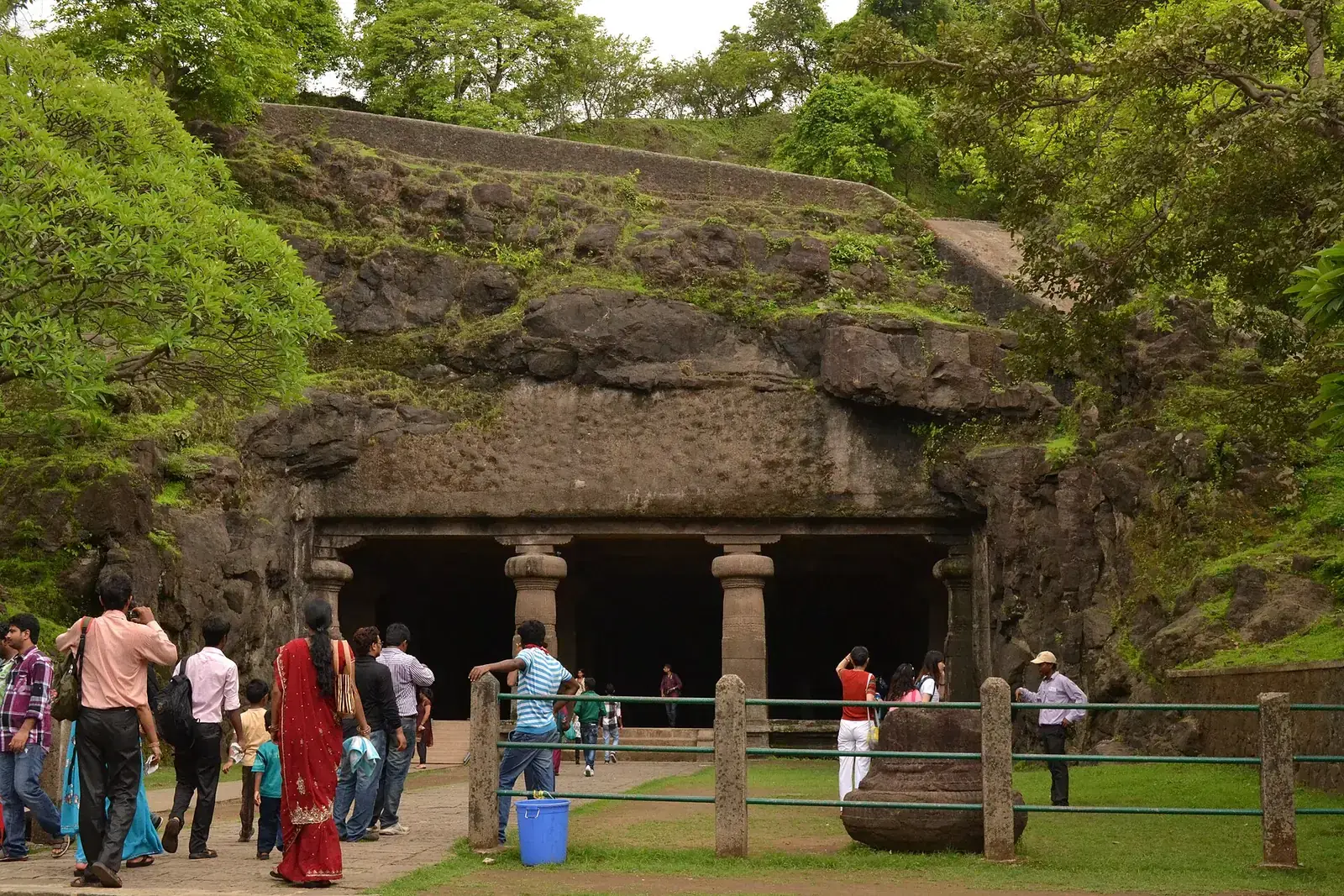 Elephanta CavesA visitor's guide to the Elephanta Caves on Gharapuri island near Mumbai: rock-cut caves generally dated to the 5th to 6th centuries, Cave 1 and its great Sadashiva (Trimurti) sculpture, the Buddhist caves on the eastern hill, ferries from the Gateway of India, the Monday closure, the climb, and planning tips.Read the guide →
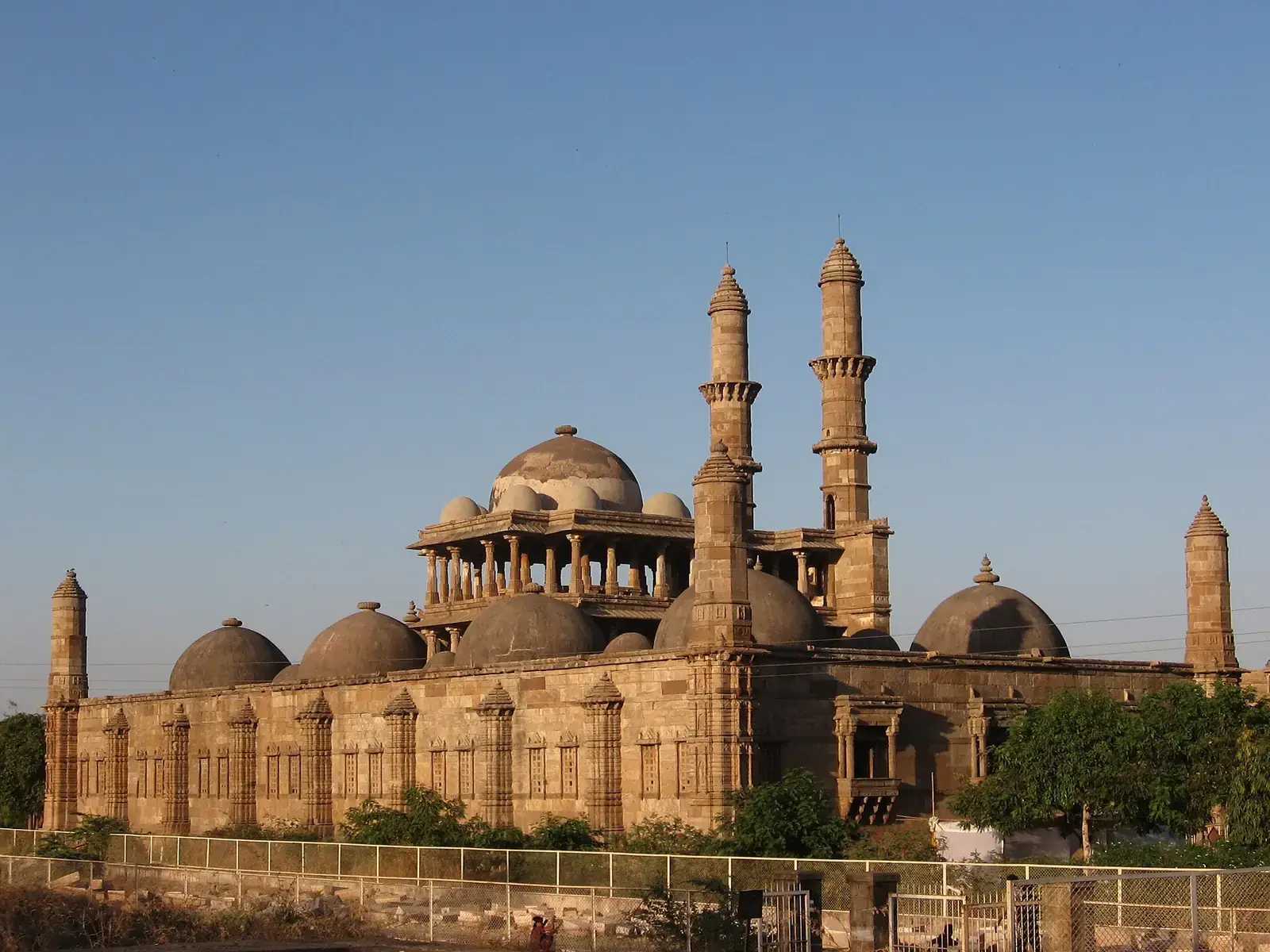 Champaner-PavagadhA visitor's guide to the Champaner-Pavagadh Archaeological Park in Gujarat, a UNESCO site since 2004: the city Sultan Mahmud Begada made his capital after 1484, the Jami Masjid and other mosques, the Helical Stepwell and fortifications, Pavagadh hill with its temple and ropeway, how to reach from Vadodara, and planning tips.Read the guide →
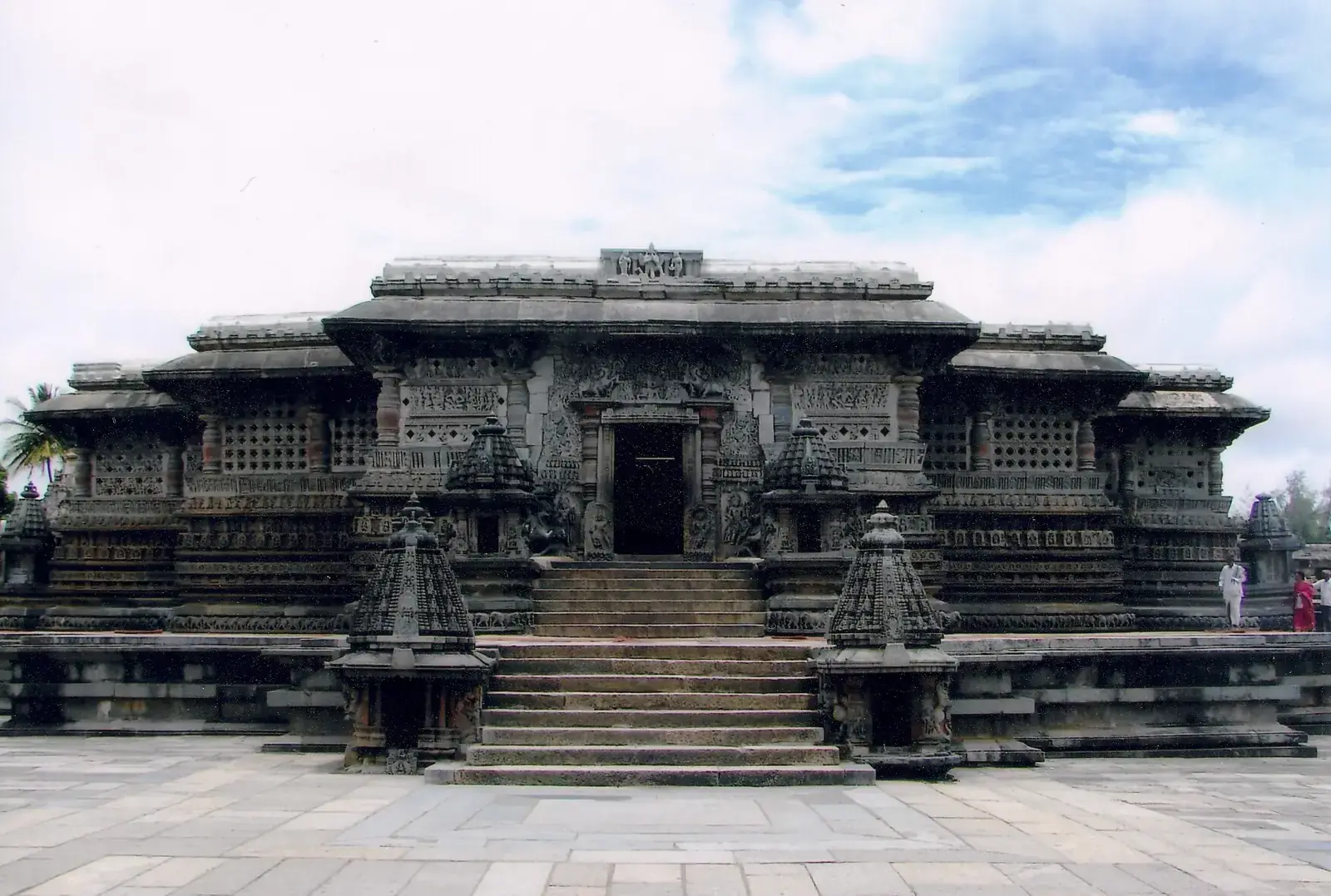 Belur and HalebiduA visitor's guide to the Sacred Ensembles of the Hoysalas, inscribed by UNESCO in 2023: the Chennakeshava temple at Belur, the Hoysaleswara temple at Halebidu and the Keshava temple at Somanathapura, their star-shaped plans and soapstone carving, how to reach from Bengaluru, Mysuru and Hassan, and a plan combining them with Shravanabelagola.Read the guide →
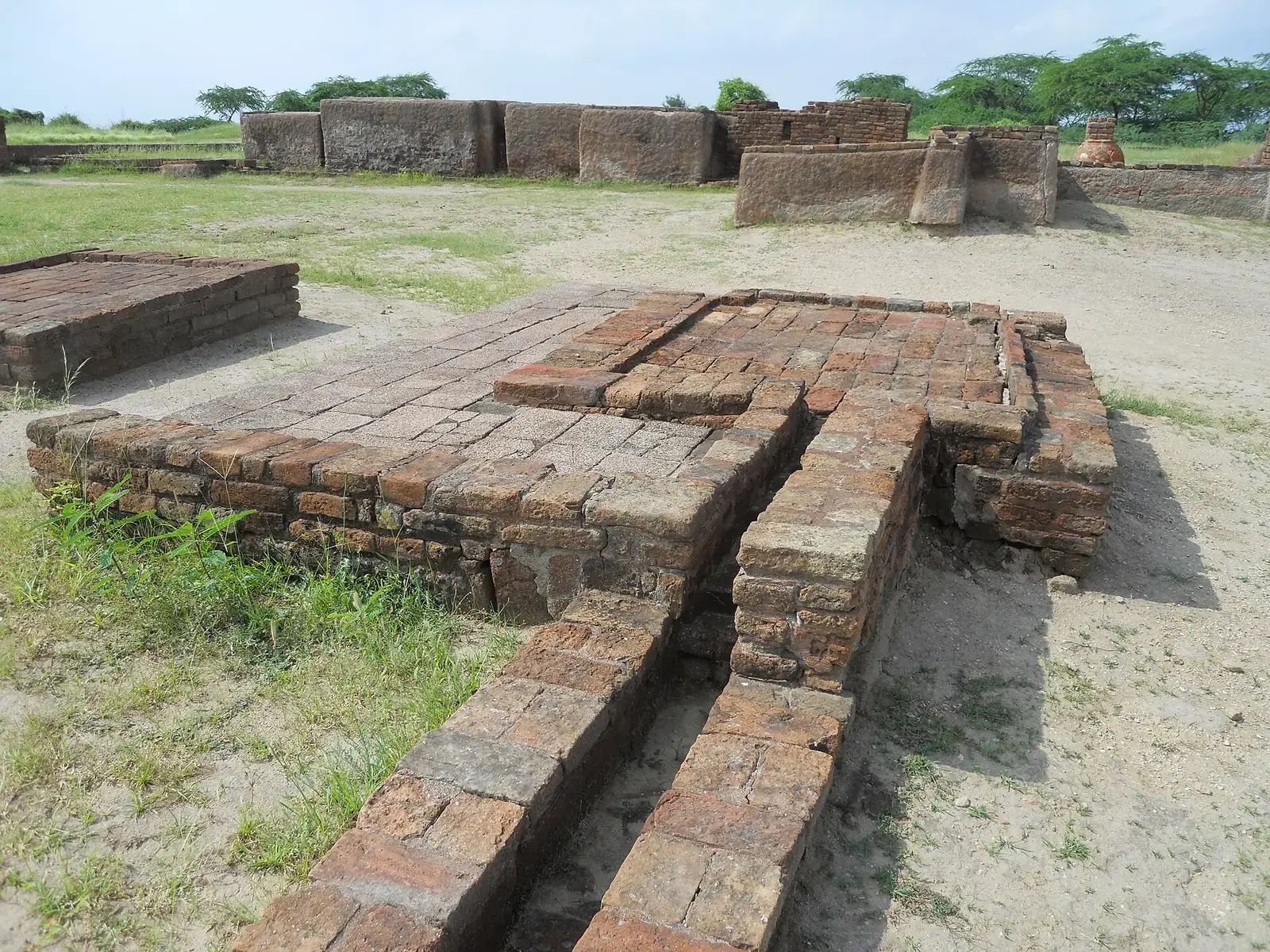 LothalA visitor's guide to Lothal in Ahmedabad district, Gujarat: a Harappan town excavated from 1955, its large basin interpreted by most archaeologists as a dockyard (and by some as a reservoir), the acropolis, lower town and bead-making workshops, the ASI site museum, the National Maritime Heritage Complex under development nearby, how to reach and tips.Read the guide →
Forts and palaces
Forts, palaces and royal cities
Rajasthan’s hill forts, the UNESCO Maratha forts and India’s great palaces, with palace hotels kept separate from palaces you can visit.
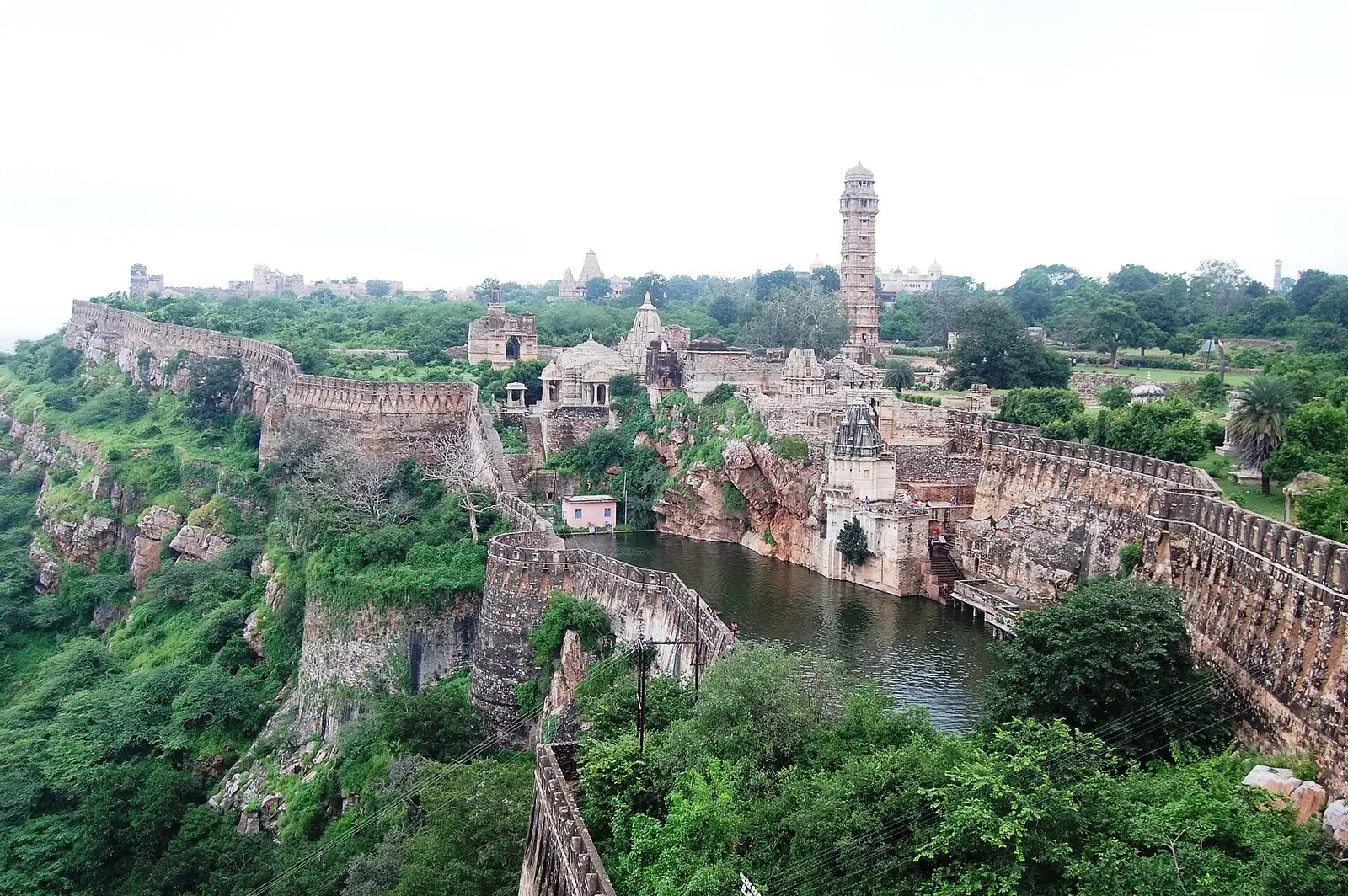 Famous forts in IndiaA region-by-region guide to famous forts in India: Rajasthan's UNESCO hill forts and Mehrangarh, the Red Fort and Agra Fort, Gwalior, Orchha and Mandu in Madhya Pradesh, the Maratha forts of Maharashtra, Daulatabad and Janjira, Golconda, Bidar and Chitradurga in the Deccan, Gingee and Vellore in Tamil Nadu, Bekal in Kerala, and the sea forts of Diu and Sindhudurg, with visiting tips.Read the guide →
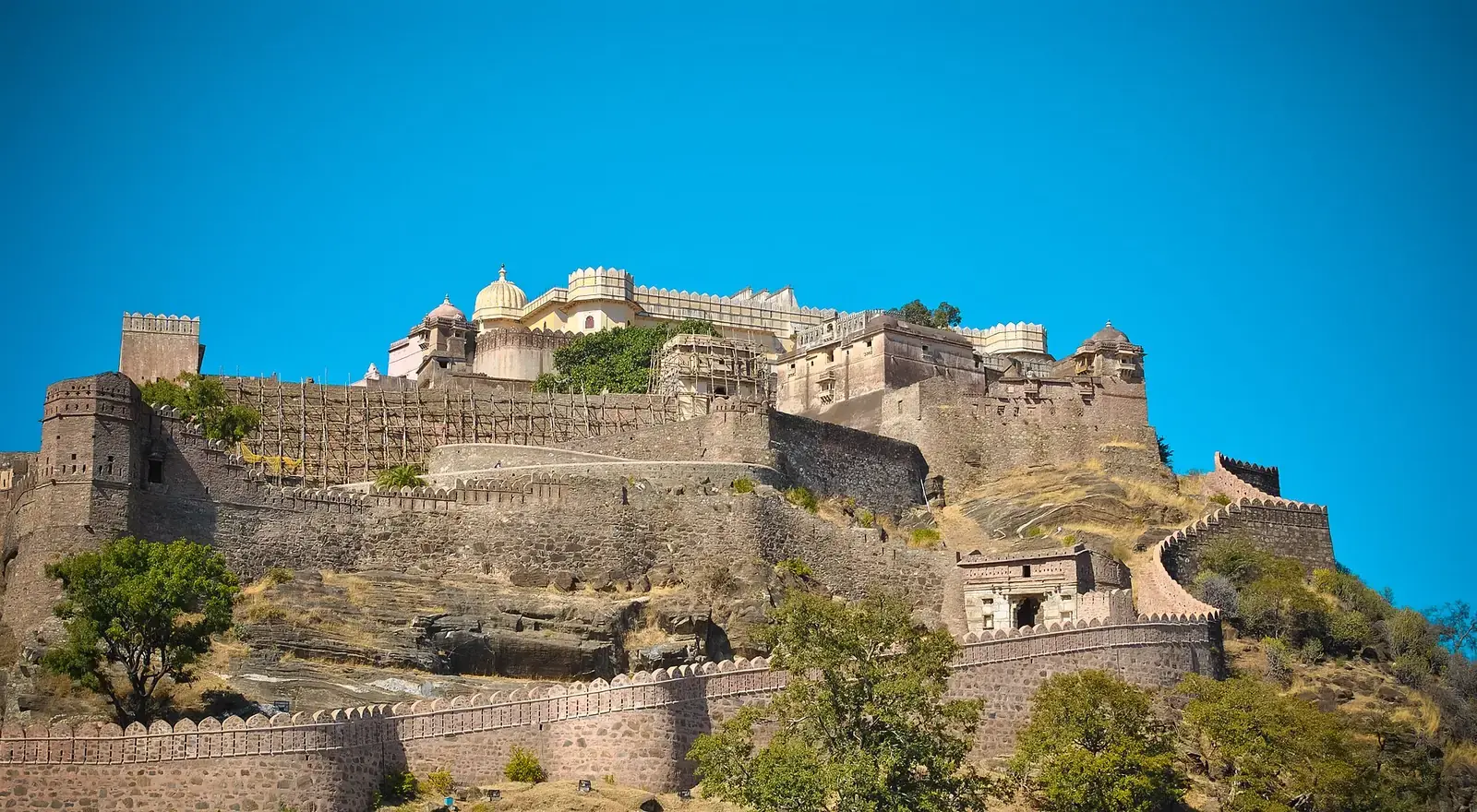 Forts of RajasthanA guide to the forts of Rajasthan: the six Hill Forts of Rajasthan inscribed by UNESCO in 2013 (Amber, Chittorgarh, Kumbhalgarh, Ranthambore, Gagron and Jaisalmer), other great forts including Mehrangarh, Junagarh, Taragarh, Nahargarh, Jaigarh and Lohagarh, what makes each distinct, and a route to see several in one trip.Read the guide →
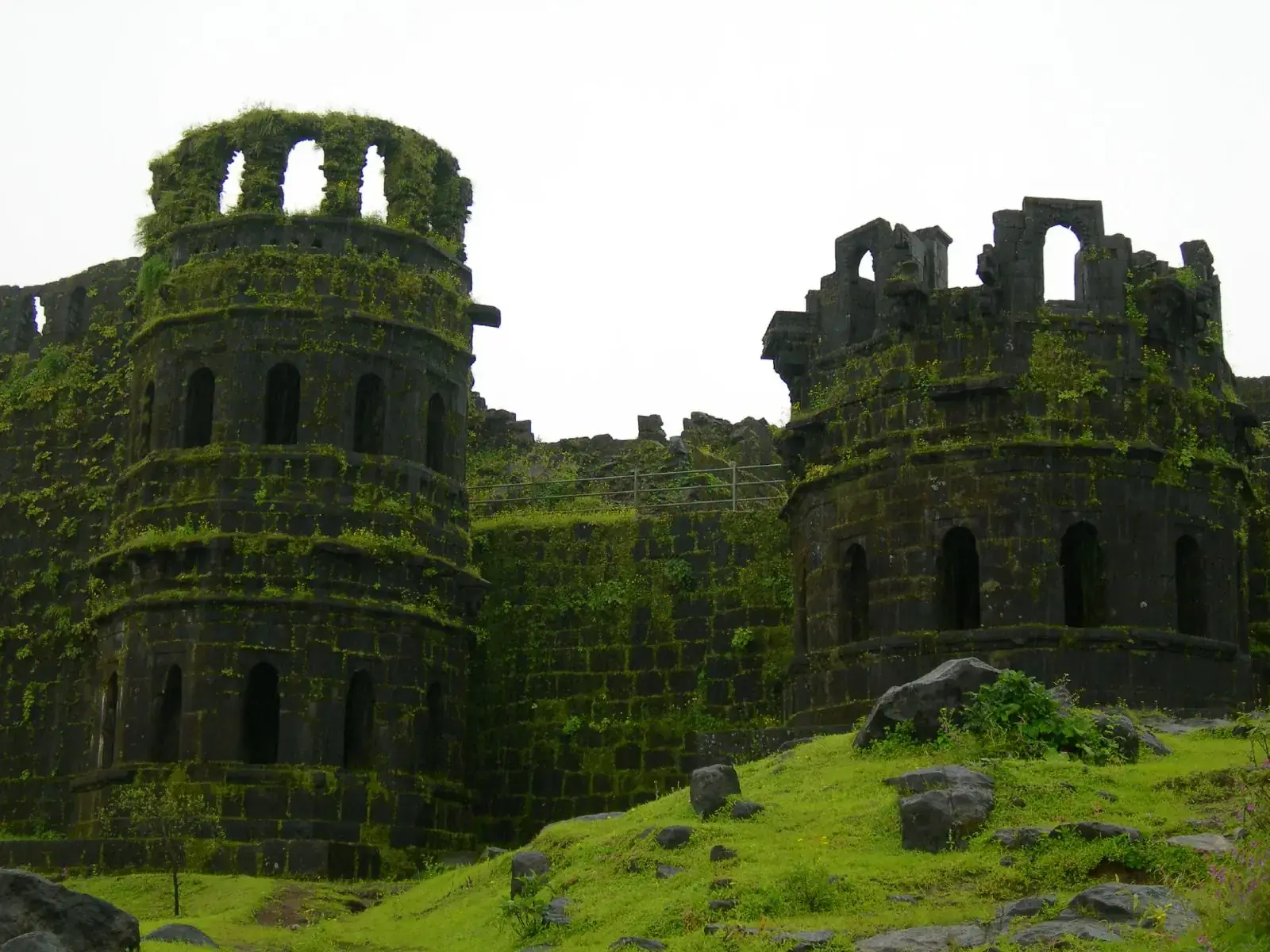 Forts in MaharashtraA guide to the forts of Maharashtra: the Maratha Military Landscapes of India inscribed by UNESCO in 2025 (Salher, Shivneri, Lohagad, Khanderi, Raigad, Rajgad, Pratapgad, Suvarnadurg, Panhala, Vijaydurg, Sindhudurg, and Gingee in Tamil Nadu), other famous forts such as Sinhagad, Daulatabad and Murud-Janjira, how to visit, fort treks, seasons and safety.Read the guide →
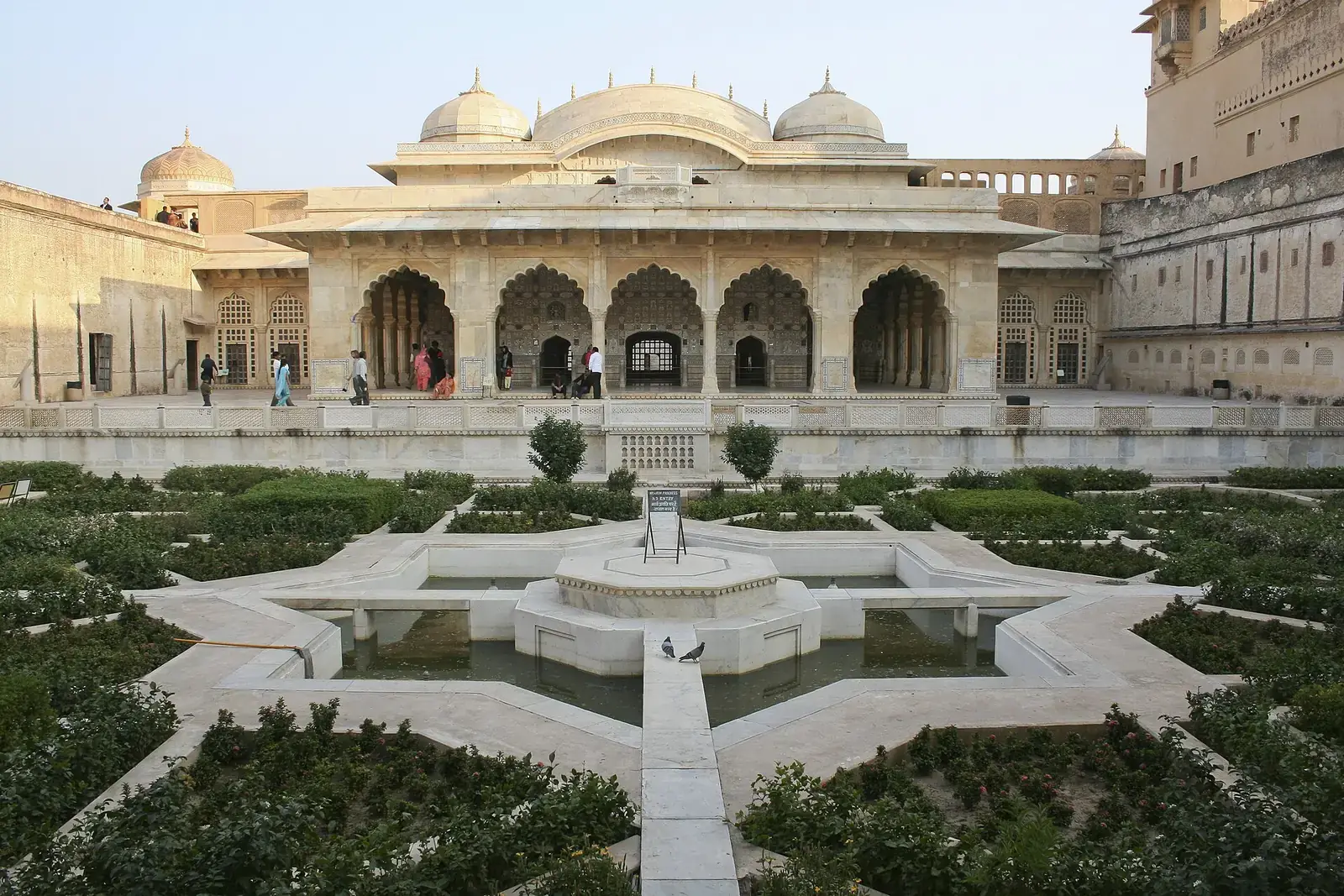 Amber FortA visitor's guide to Amber (Amer) Fort near Jaipur: commissioned by Raja Man Singh I in 1592 and expanded by later Kachhwaha rulers, part of the UNESCO Hill Forts of Rajasthan, with the Diwan-i-Aam, Ganesh Pol, Sheesh Mahal and zenana, ways up the hill, the evening show, Jaigarh and Nahargarh forts, and practical tips.Read the guide →
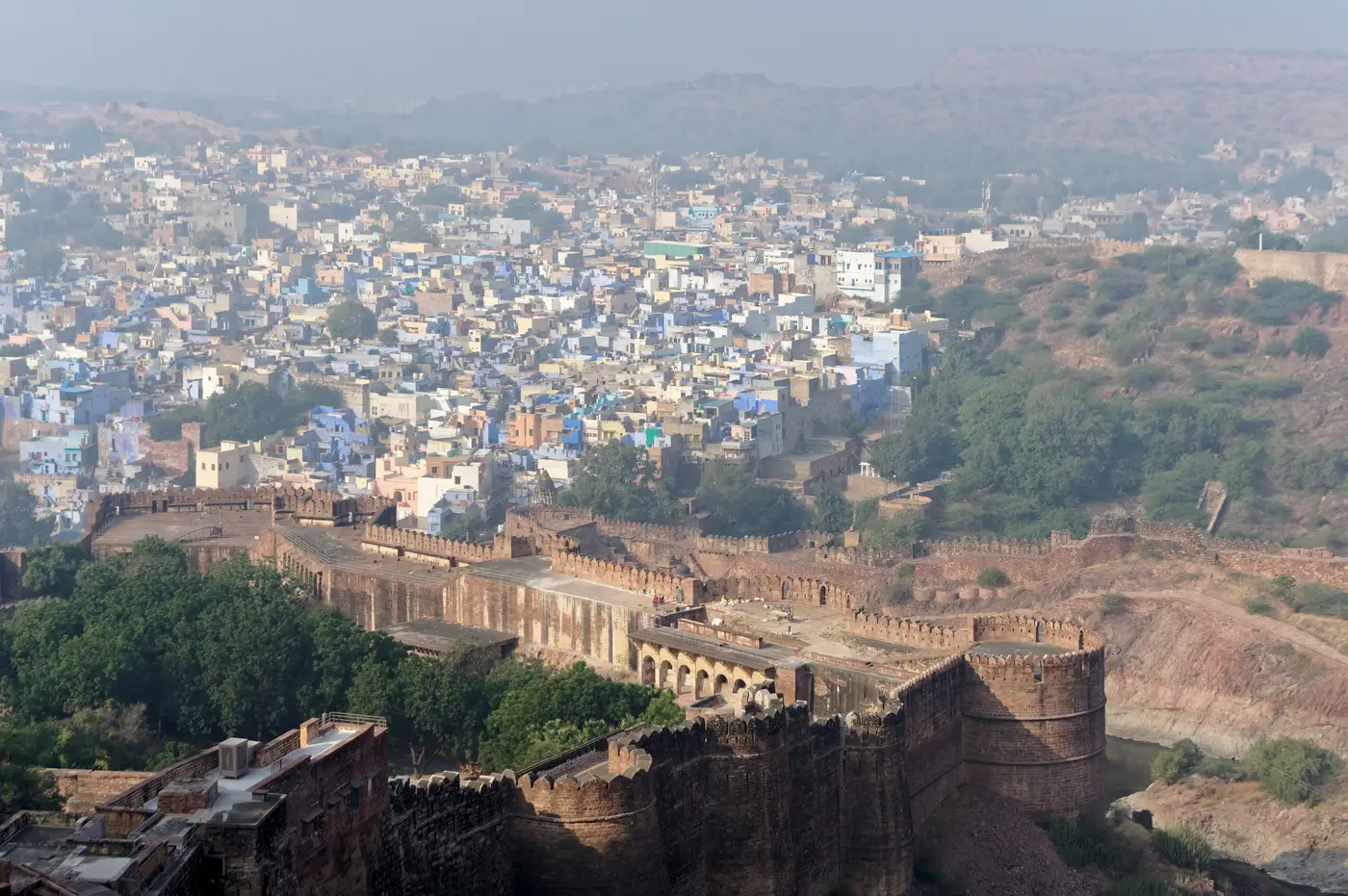
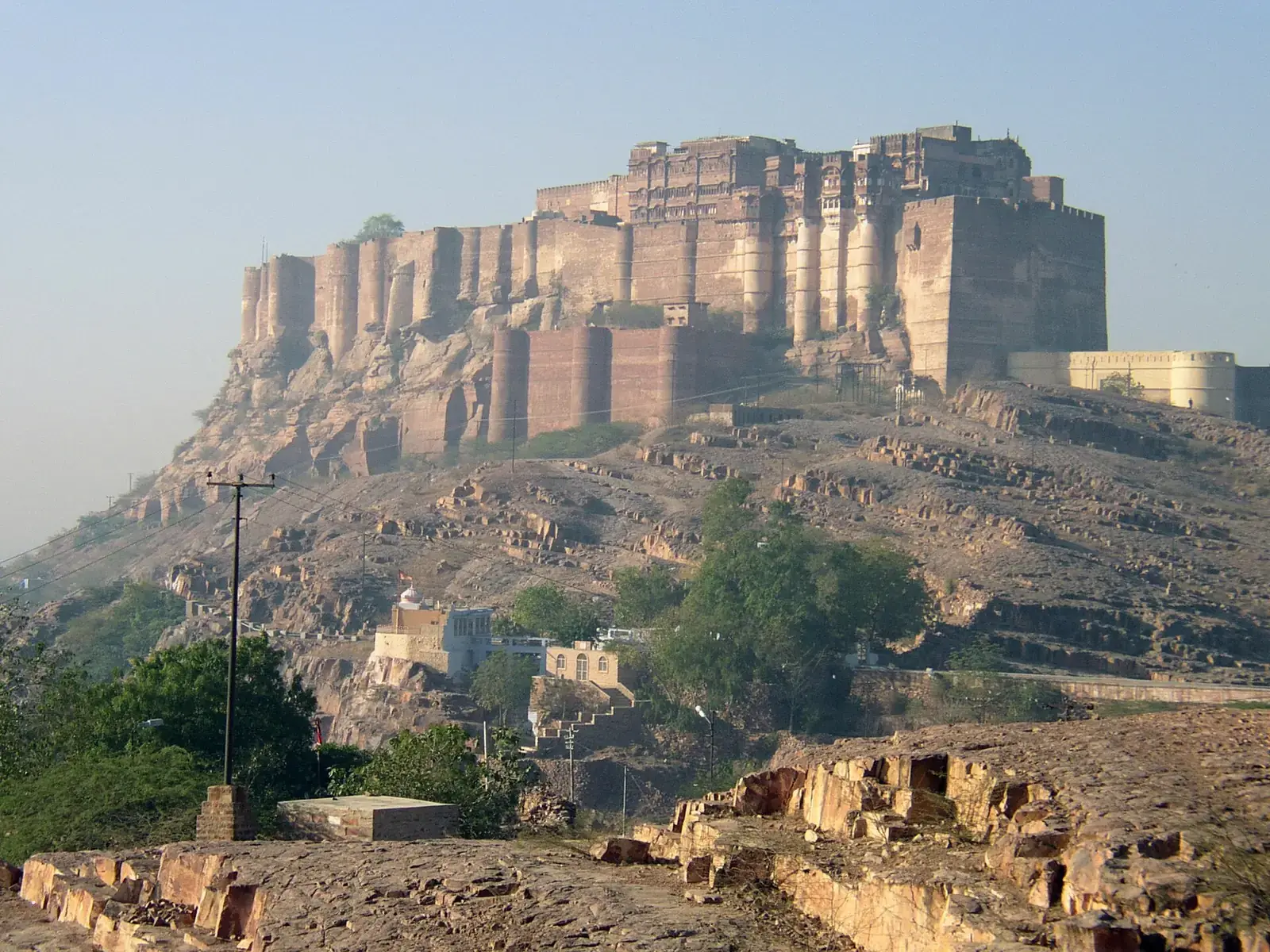 Mehrangarh FortA visitor's guide to Mehrangarh Fort in Jodhpur: founded by Rao Jodha in 1459, its seven gates, the palace rooms and museum collections run by the Mehrangarh Museum Trust, views over the blue city, Jaswant Thada and the Rao Jodha Desert Rock Park, the Rajasthan International Folk Festival, and practical tips.Read the guide →
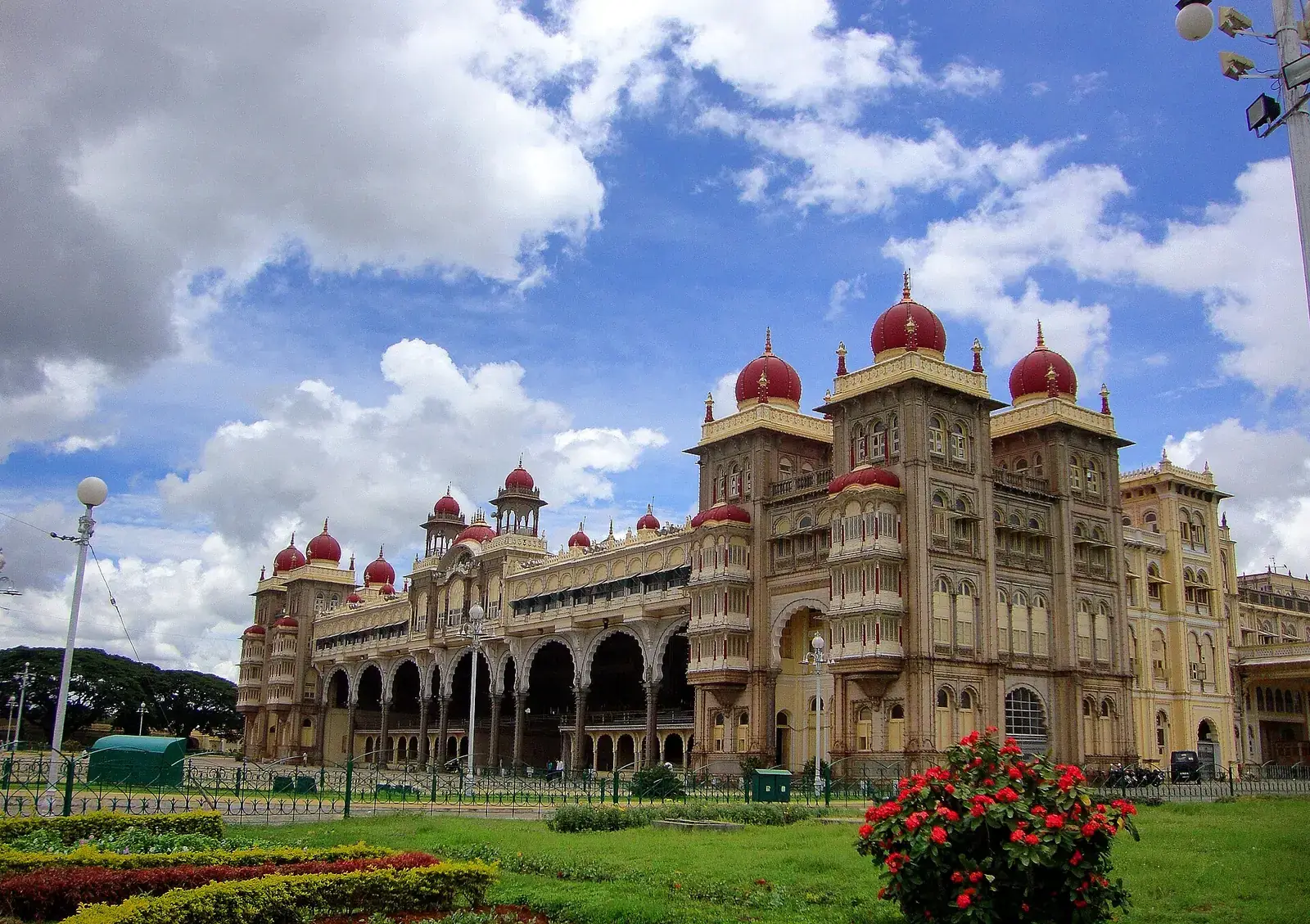 Palaces in IndiaA guide to India's royal palaces for visitors: Rajasthan's City Palaces in Jaipur and Udaipur, the Hawa Mahal and Umaid Bhawan; Mysore Palace and its illuminations; Laxmi Vilas in Vadodara; Chowmahalla and Falaknuma in Hyderabad; Padmanabhapuram and Mattancherry in Kerala; Hazarduari, Cooch Behar and the palaces of central India, with visiting tips and a note on palace hotels.Read the guide →
Archaeological sites, caves and museums
Ancient India
Harappan cities, Buddhist monasteries, rock-cut caves and the museums that hold their finds.
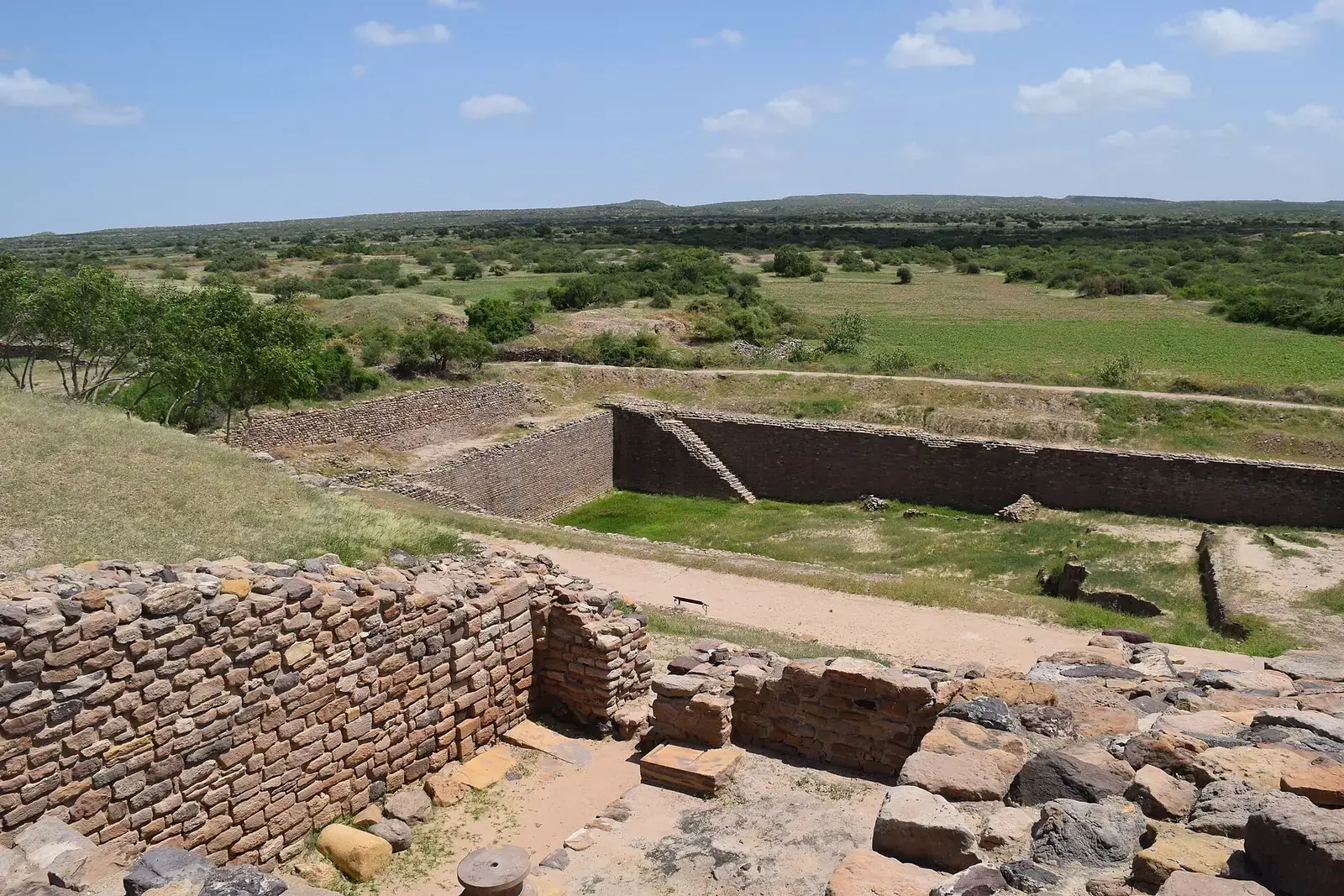 Archaeological sites in IndiaA travel guide to India's archaeological sites: prehistoric rock shelters at Bhimbetka, Harappan cities at Dholavira, Lothal, Rakhigarhi and Kalibangan, Buddhist sites at Sanchi, Nalanda, Sarnath, Vikramshila and Odisha's Diamond Triangle, historic capitals such as Hampi, and new excavations at Keeladi, with notes on how evidence, interpretation and tradition differ.Read the guide →
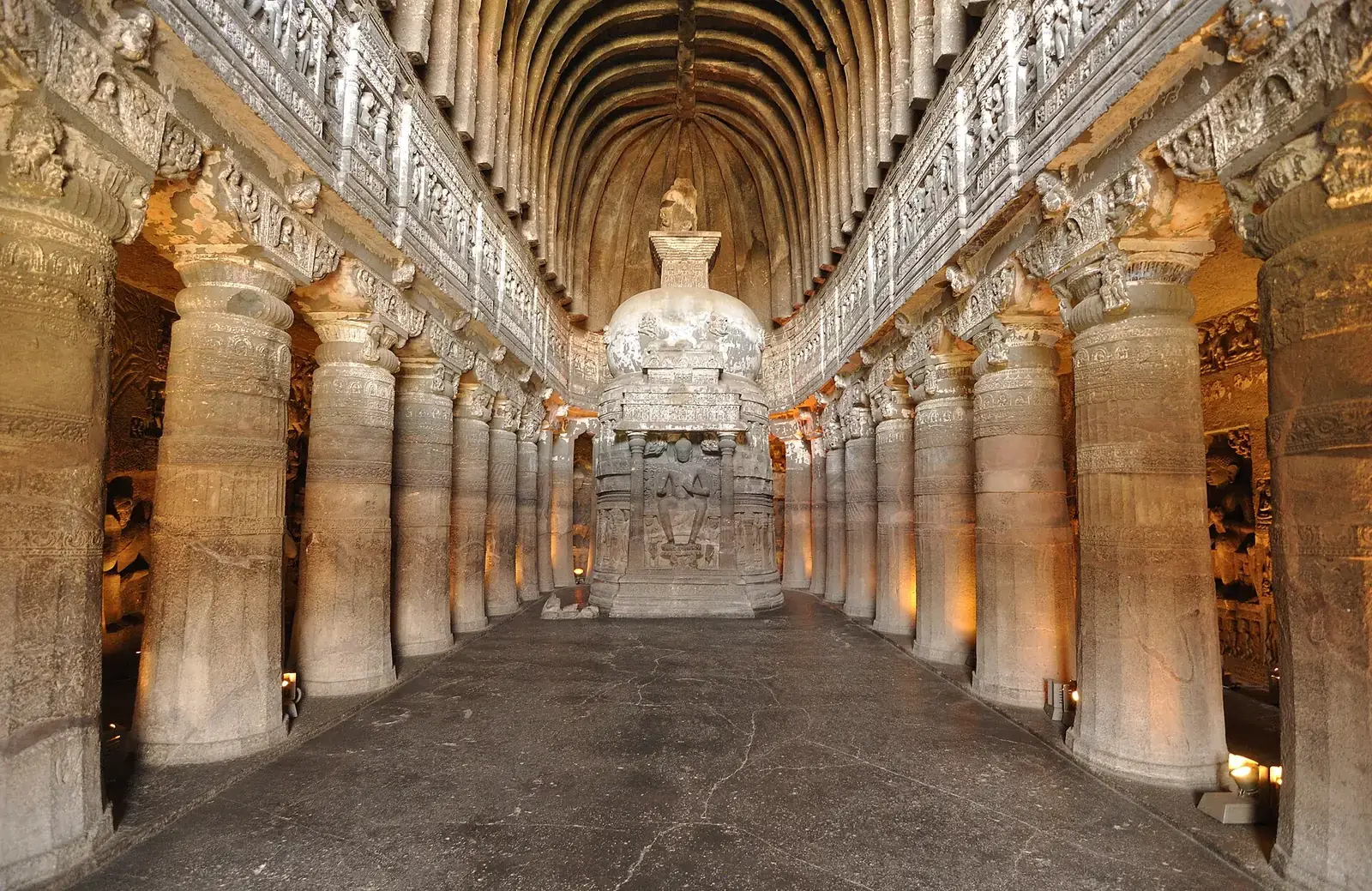 Rock-cut caves in IndiaA guide to India's rock-cut caves and cave temples: the Mauryan Barabar caves, the Buddhist caves of Ajanta, Karla, Bhaja and Kanheri, Ellora's Buddhist, Hindu and Jain caves and the Kailasa temple, Elephanta, the Badami cave temples, Udayagiri and Khandagiri in Odisha, Udayagiri near Vidisha, and the Pallava monuments of Mahabalipuram, with how rock-cut caves differ from natural caves.Read the guide →
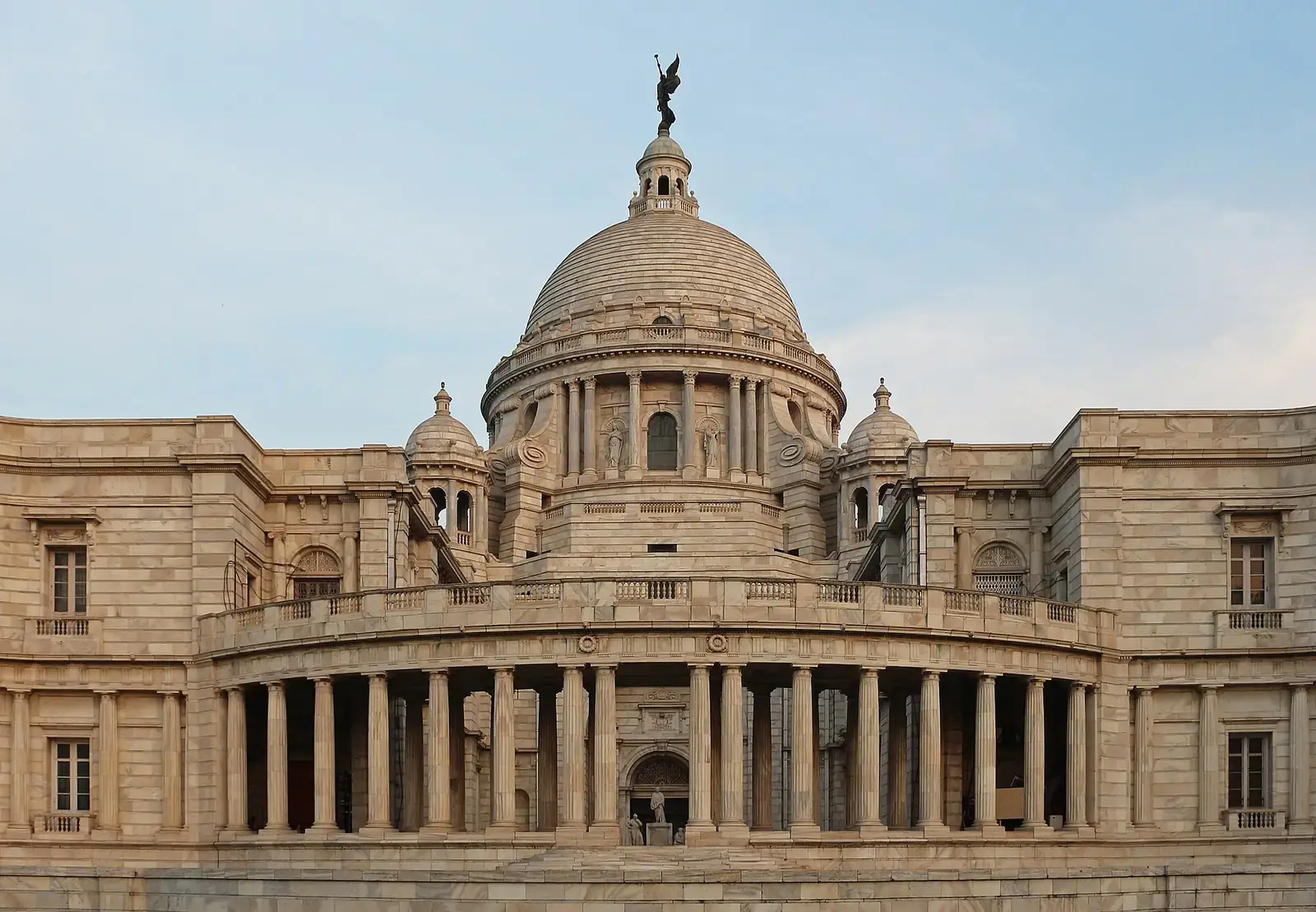 Best museums in IndiaA guide to the best museums in India for travellers: national collections in Delhi and Kolkata, CSMVS in Mumbai, the Salar Jung Museum in Hyderabad, the Calico Museum of Textiles in Ahmedabad, the Bihar Museum in Patna, the Government Museum in Chennai, fort and palace museums in Rajasthan, site museums at Sarnath and Sanchi, and anthropology museums in Bhopal, with visiting tips.Read the guide →
Architecture
Temples, tombs and colonial-era buildings
How to read India’s great building traditions, and where to see each.
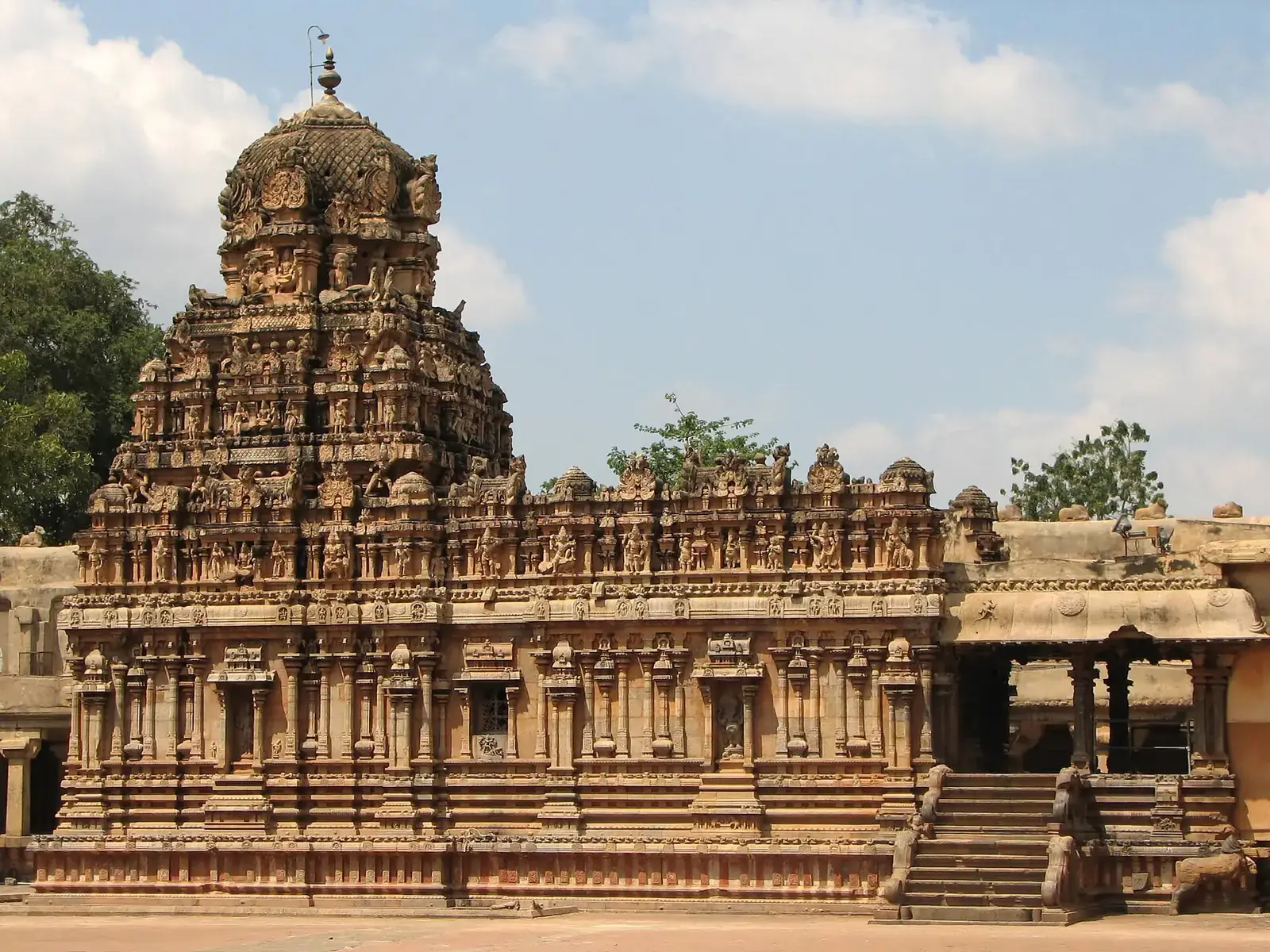 Temple architecture of IndiaA traveller's guide to Indian temple architecture: the parts of a temple, the Nagara style of the north, the Dravida style of the south, the Vesara style of the Deccan, and regional forms in Odisha, Karnataka, Bengal, Kerala and Gujarat, with the best places to see each: Khajuraho, Konark, Bhubaneswar, Thanjavur, Madurai, Pattadakal, Belur, Modhera, Ramappa and Bishnupur.Read the guide →
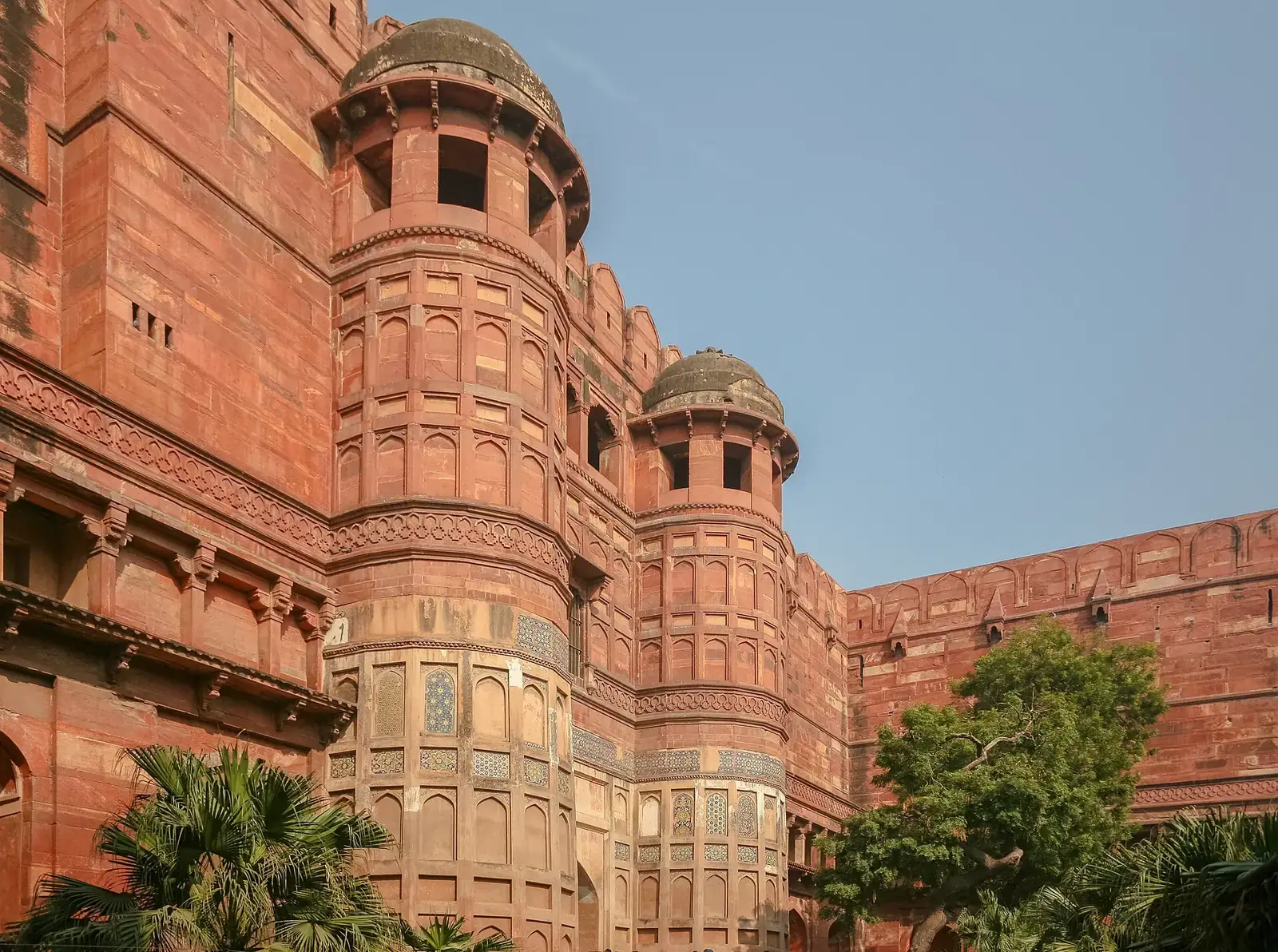 Mughal monuments in IndiaA guide to Mughal monuments in India, in the order they were built: Humayun's Tomb, Agra Fort and Fatehpur Sikri under Akbar, Akbar's tomb at Sikandra, Itmad-ud-Daulah, the Taj Mahal, the Red Fort and Jama Masjid in Delhi, the Mughal gardens of Kashmir and Pinjore, Bibi ka Maqbara and Safdarjung's Tomb, with how to see them on a trip.Read the guide →
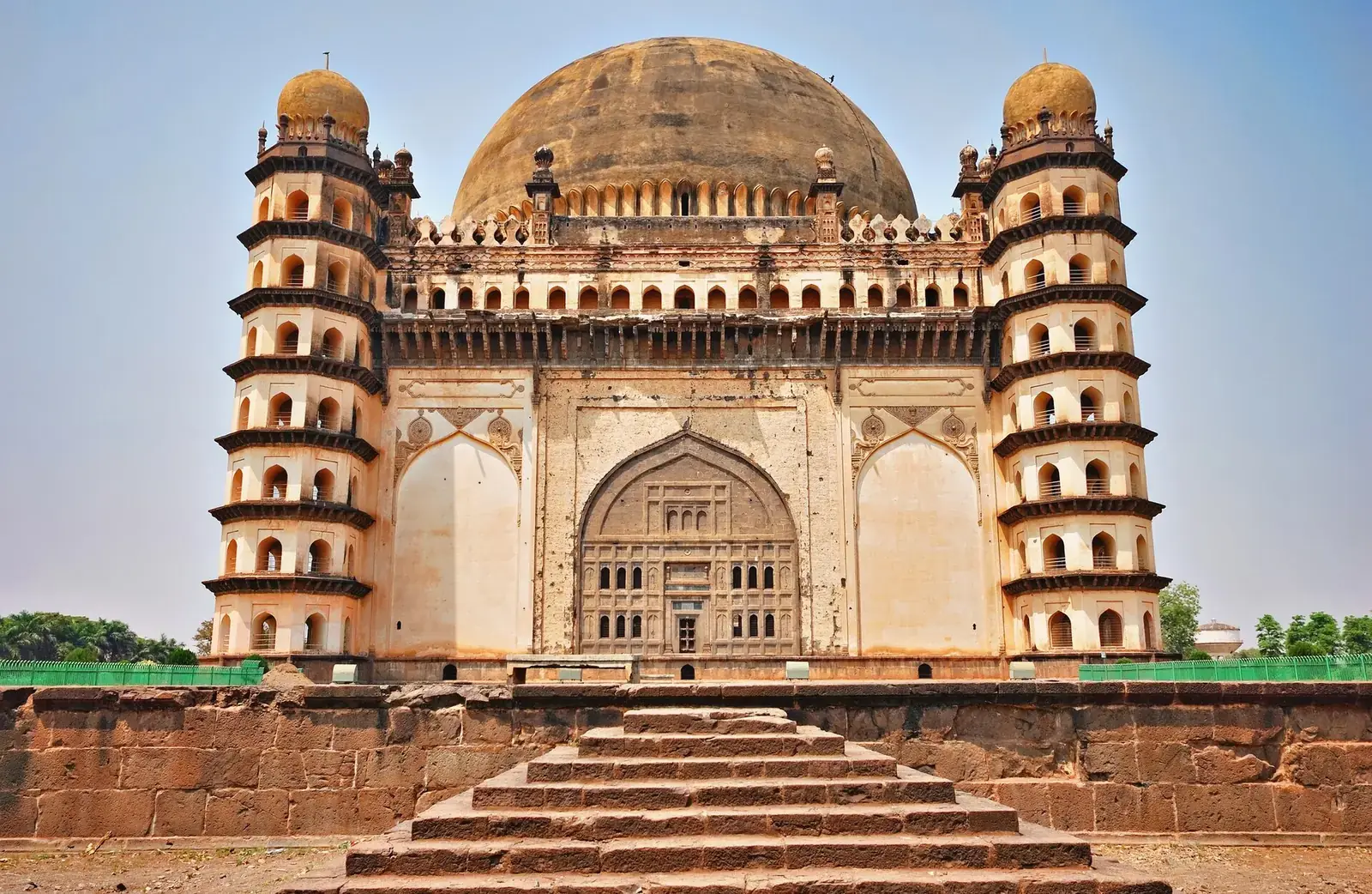 Deccan sultanate heritageA guide to the monuments of the Bahmani and Deccan sultanates: the forts and mosques of Kalaburagi (Gulbarga), Bidar's fort, madrasa and Bahmani tombs, Bijapur's Gol Gumbaz and Ibrahim Rauza, Golconda Fort, the Qutb Shahi tombs and Charminar in Hyderabad, and Ahmednagar, with a road-trip route and tips.Read the guide →
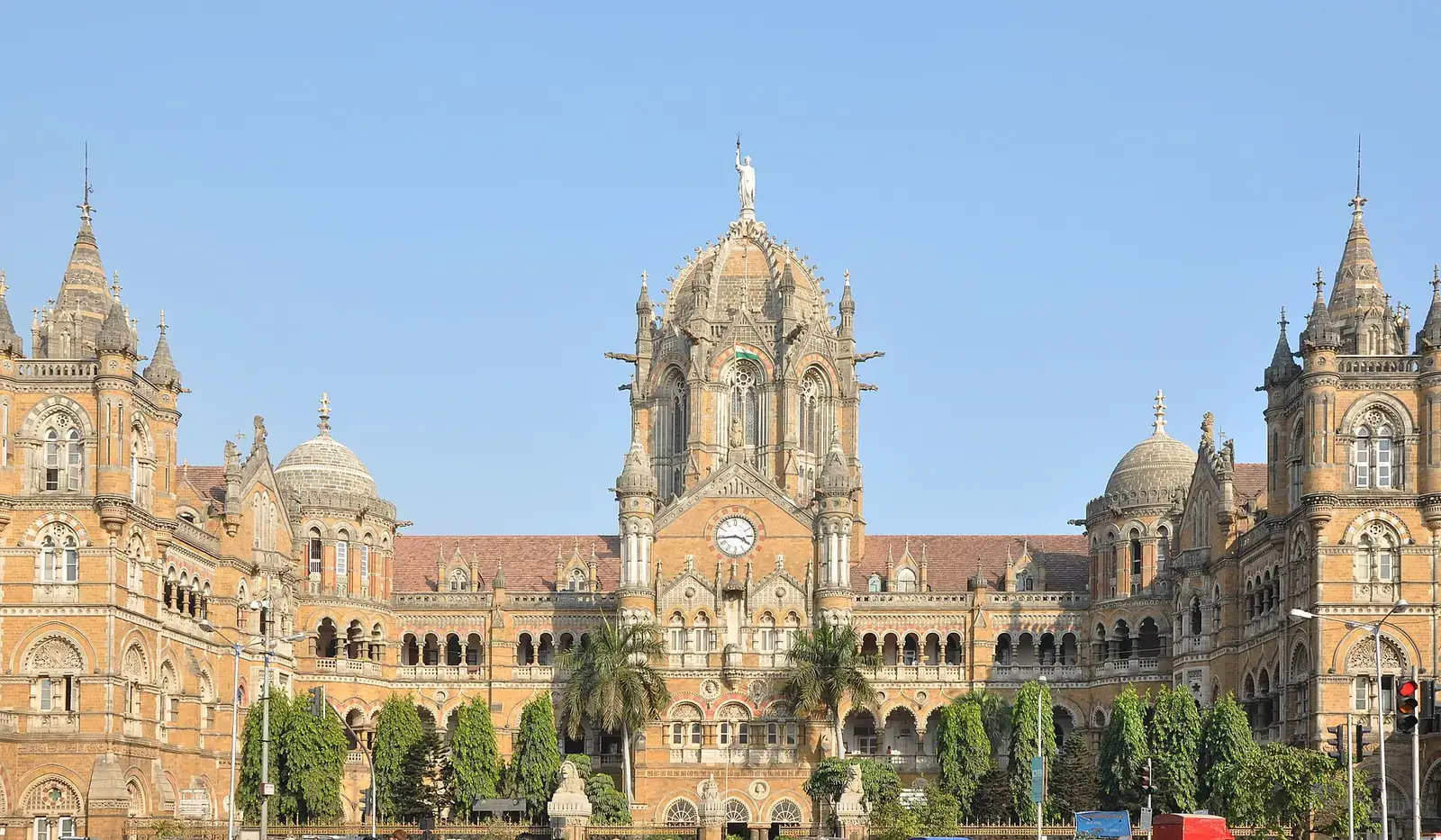 Colonial heritage in IndiaA guide to colonial-era heritage in India, seen in its full context: Portuguese Old Goa, Diu and Daman; Dutch and Portuguese Kochi; Danish Tharangambadi and Serampore; French Puducherry and Chandannagar; and British-era Chennai, Kolkata, Mumbai, Shimla and New Delhi, along with memorials to the freedom struggle such as the Cellular Jail and Jallianwala Bagh.Read the guide →
Historic cities and heritage trails
Old cities, walks and journeys
Old quarters best explored on foot, and the UNESCO toy trains.
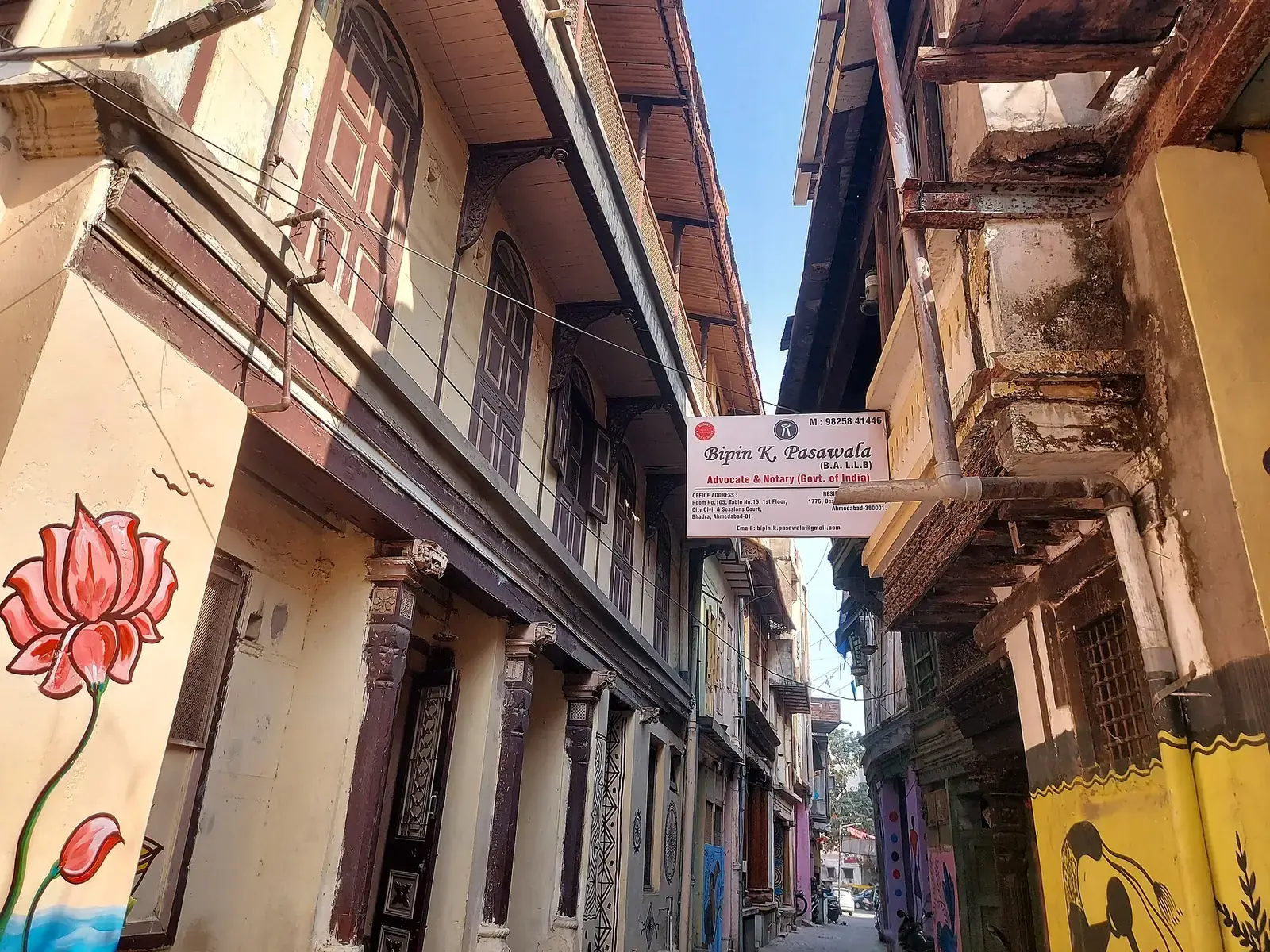 Heritage cities in IndiaA guide to India's heritage cities, where old quarters, markets, crafts and food are part of daily life: Ahmedabad and Jaipur (the two UNESCO World Heritage Cities), Varanasi, Old Delhi, Lucknow, Hyderabad, Kolkata, Udaipur, Jodhpur, Jaisalmer, Kochi, Madurai, Puducherry, Mysuru, Amritsar and smaller towns such as Orchha and Bundi, with how to explore them.Read the guide →
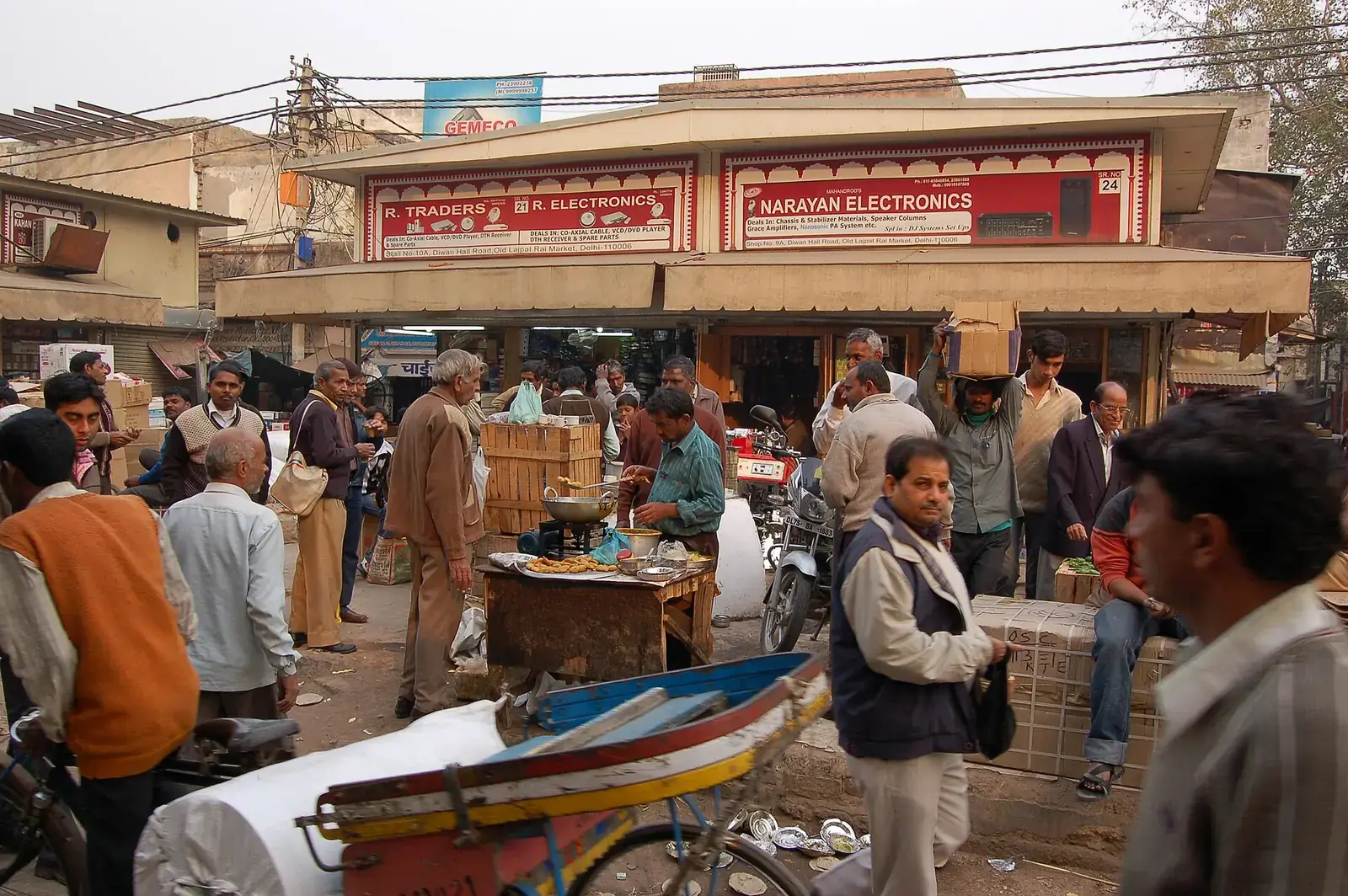 Heritage walks in IndiaA guide to the best heritage walks in India, with what each covers and how to do it: Ahmedabad's old-city walk through the pols, Old Delhi and Chandni Chowk, Mehrauli Archaeological Park, Jaipur's walled city, Varanasi's ghats, Lucknow, Hyderabad's old city, Kolkata's Dalhousie Square and north Kolkata, Mumbai's Fort precinct, Fort Kochi, Puducherry and Hampi, with tips on timing, guides and etiquette.Read the guide →
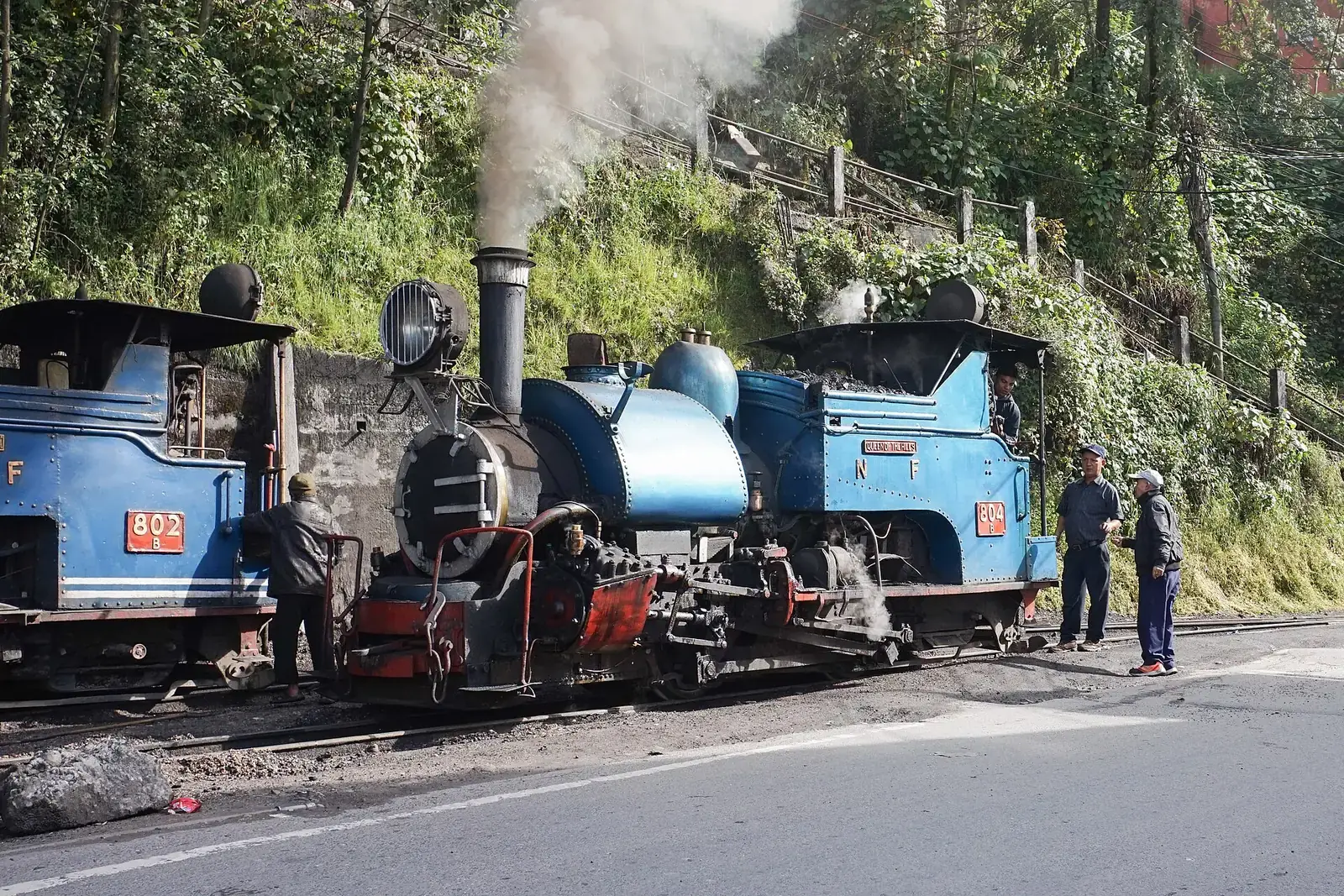 Mountain railways of IndiaA guide to riding India's mountain railways: the three lines inscribed by UNESCO as the Mountain Railways of India (the Darjeeling Himalayan Railway, the Nilgiri Mountain Railway and the Kalka-Shimla Railway), plus the Matheran Light Railway and the Kangra Valley Railway, with routes, journey times, booking, seasons and tips.Read the guide →
Heritage destination guides
Our destination guides cover each place in depth: sights, how to reach, stays and a day-by-day plan.
Arts, crafts, textiles, dance, music and food
Living culture
Craft villages and weaving towns, classical and folk performance, and the food heritage of every region.
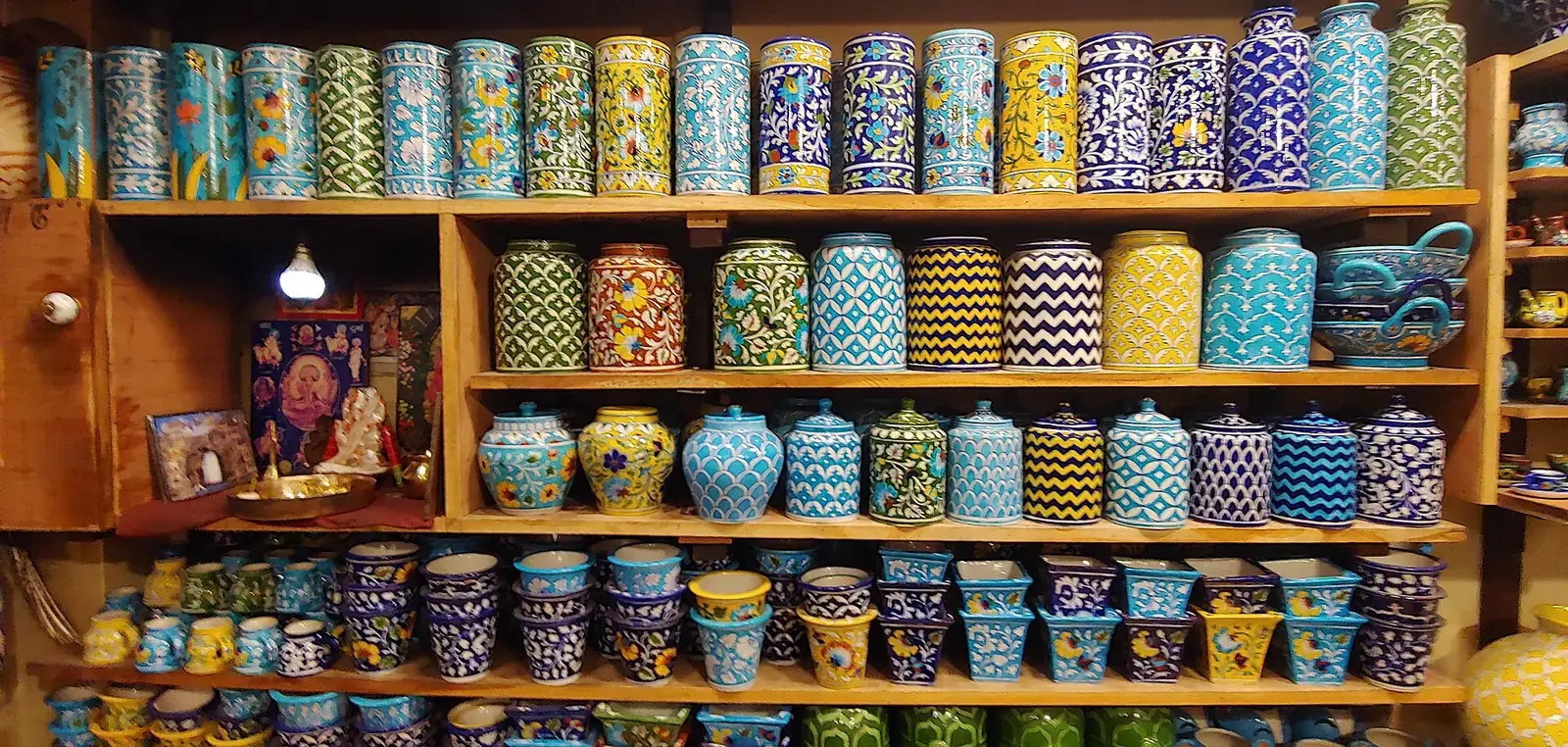 Handicrafts of IndiaA traveller's guide to the handicrafts of India, region by region: Jaipur blue pottery and Sanganer block printing, Kutch embroidery and bandhani, Kashmiri papier-mache, Bidriware, Channapatna toys, dhokra metal casting, Pattachitra at Raghurajpur, Madhubani painting, Bankura terracotta and more, with craft villages to visit, fairs, and how to buy ethically.Read the guide →
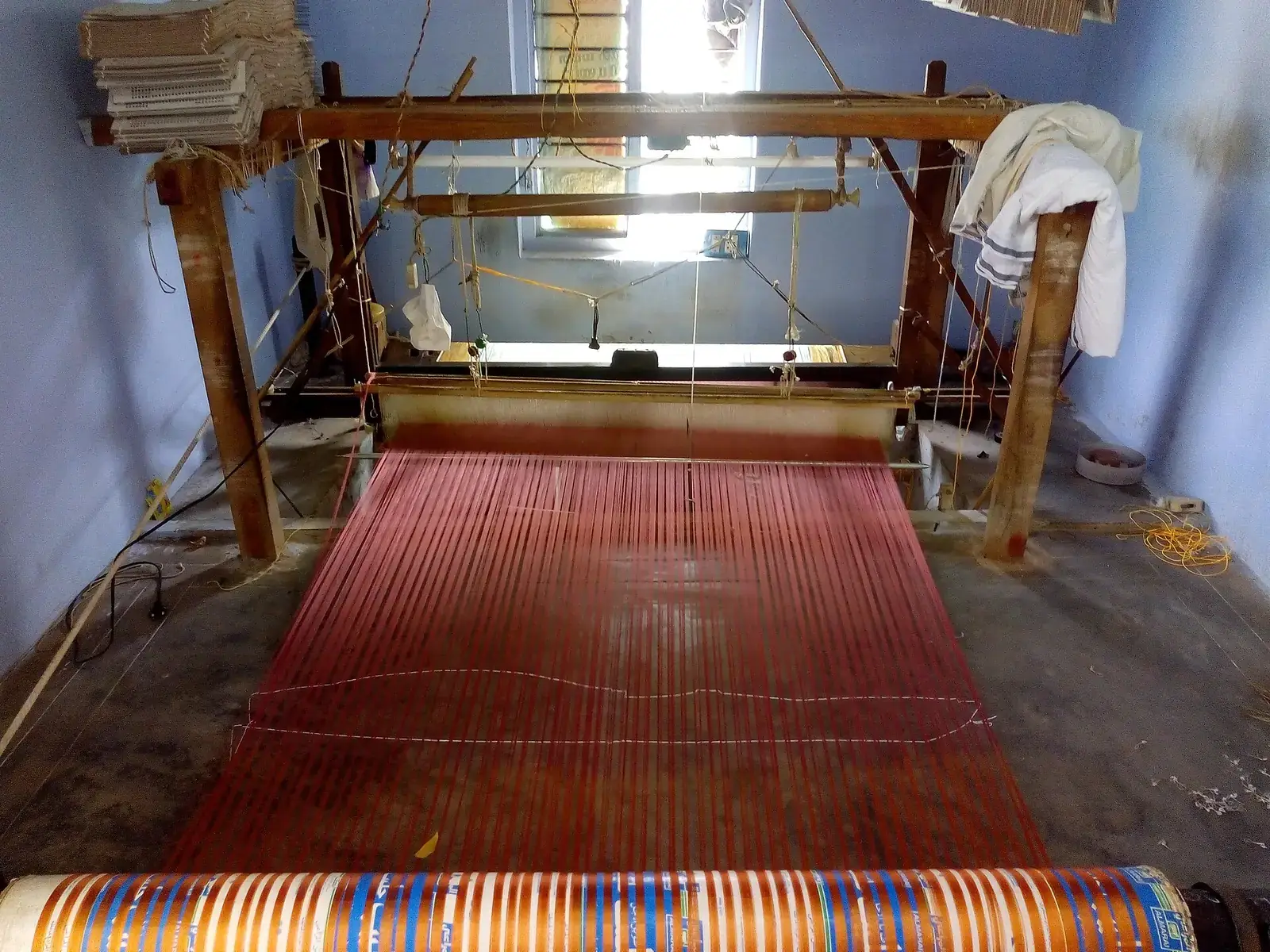 Textile heritage of IndiaA traveller's guide to India's textile heritage: silk weaves from Varanasi and Kanchipuram, the double ikat Patola of Patan, Pochampally and Sambalpuri ikat, Chanderi and Maheshwari, Paithani, Baluchari, Muga silk of Assam, chikankari, kantha and phulkari embroidery, Ajrakh and Kalamkari prints, and Kashmir's pashmina, with weaving towns to visit and how to buy genuine handloom.Read the guide →
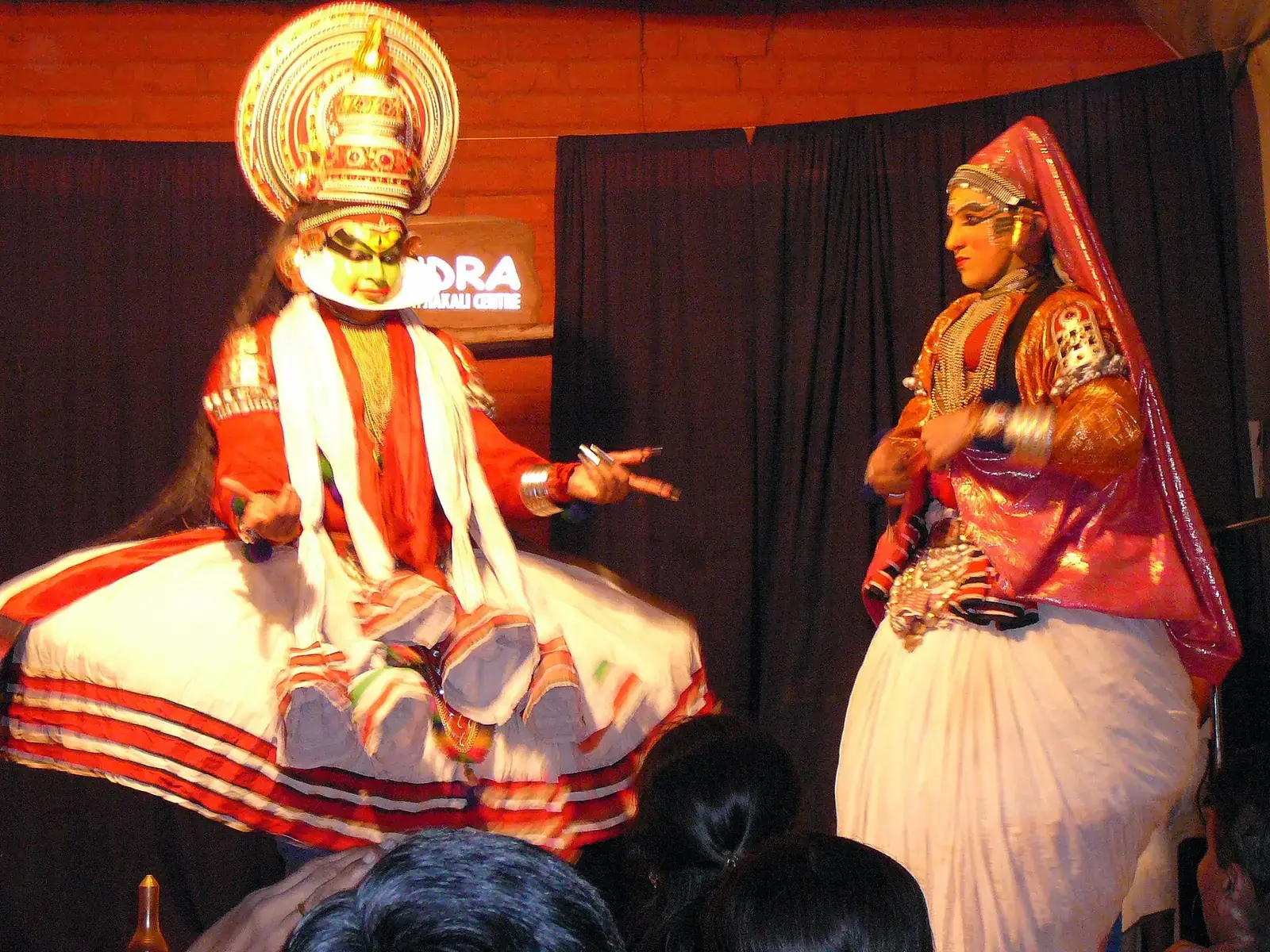 Classical dance and music in IndiaA traveller's guide to India's classical dance and music: the classical dance forms recognised by the Sangeet Natak Akademi, Hindustani and Carnatic music, folk forms such as Kalbelia, Chhau and Garba, and where to watch them, from Kathakali in Kochi and the Chennai music season to the Khajuraho and Konark dance festivals.Read the guide →
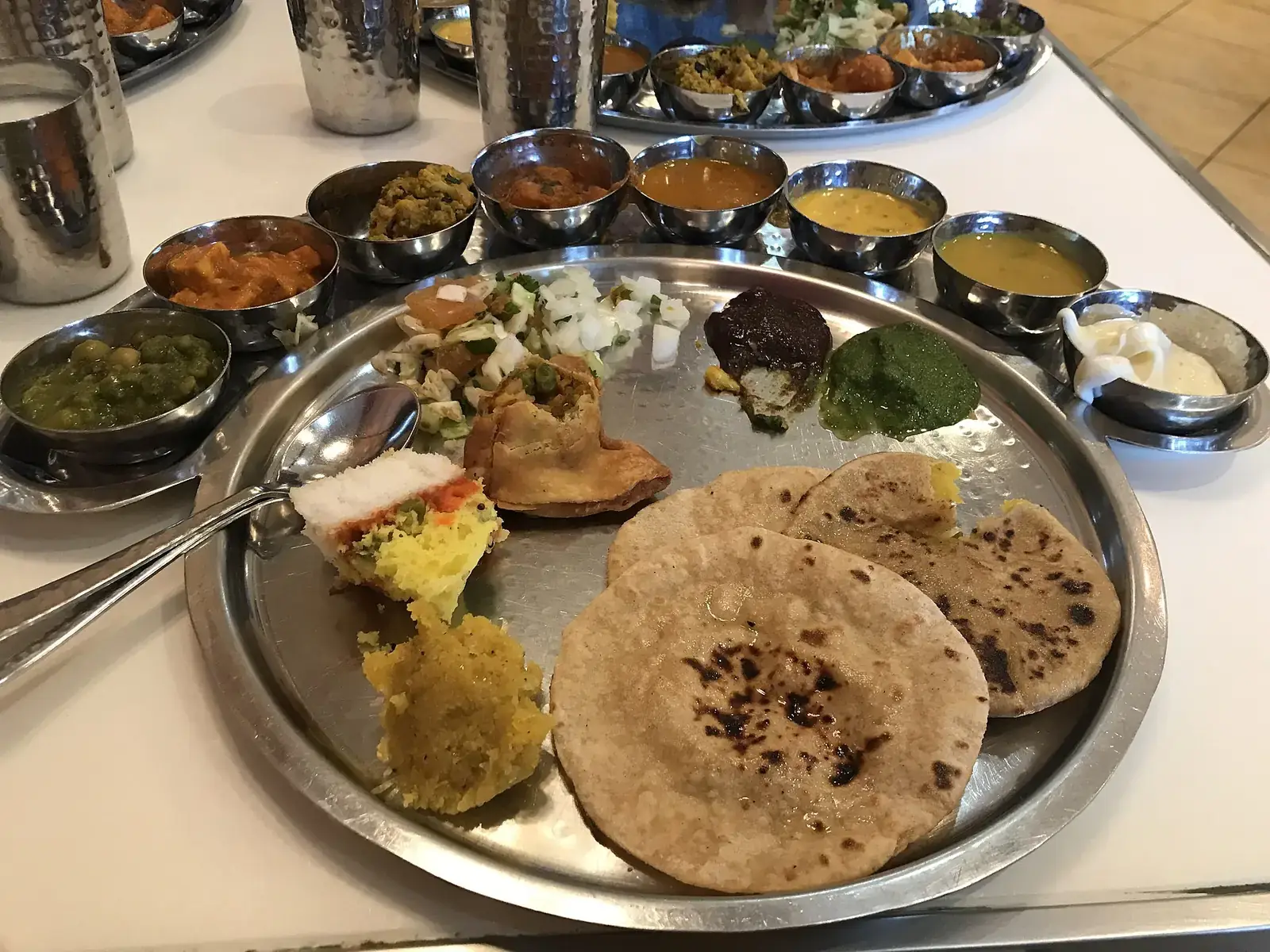 Food heritage of IndiaA traveller's guide to the food heritage of India: the royal kitchens of Lucknow, Hyderabad and Delhi, Rajasthani and Gujarati thalis, Bengali sweets, Kerala's sadya and seafood, Chettinad spice, Goan and Parsi food, Kashmiri wazwan, north-eastern cooking and temple food, with GI-tagged foods, food walks and tips for eating well and safely.Read the guide →
Cultural festivals
Festivals and communities
When and where to go, and how to be a good guest, from Pushkar to Kisama.
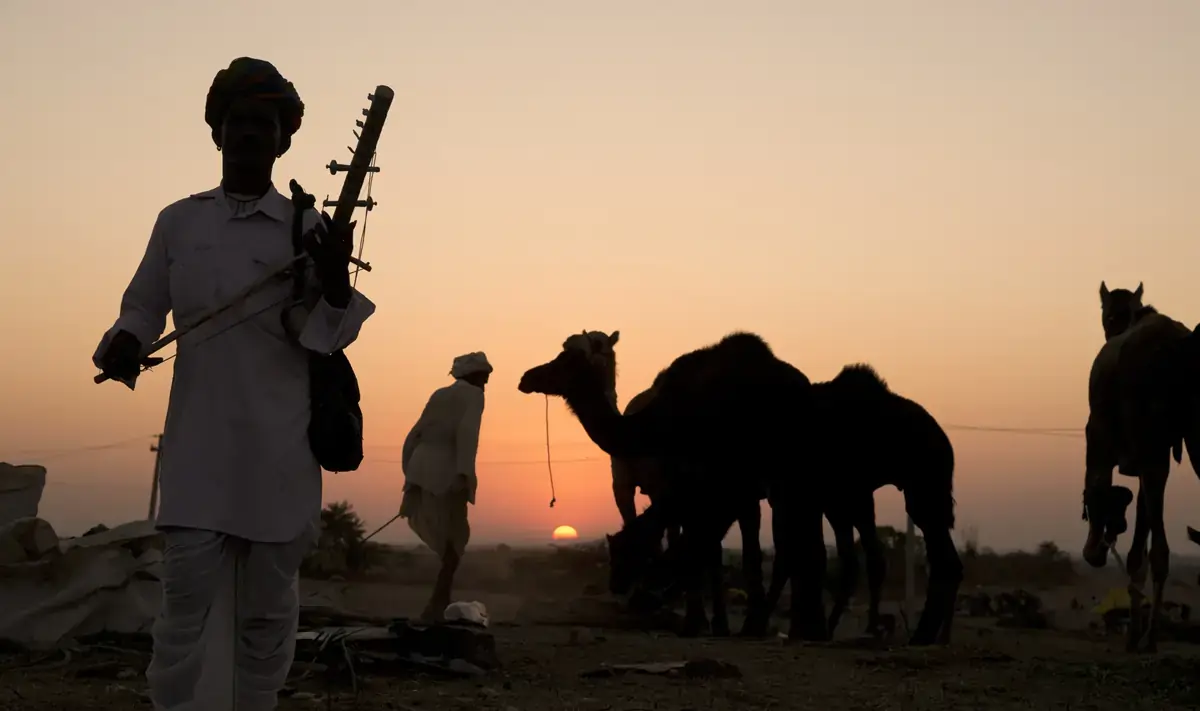 Cultural festivals in IndiaA month-by-month guide to India's cultural festivals for travellers: Uttarayan kites and Pongal in January, Goa Carnival and the Desert Festival in February, Holi, Bihu and Thrissur Pooram in spring, Hemis in summer, Onam and the snake-boat races, Navratri, Durga Puja and Mysuru Dasara in autumn, the Pushkar Fair, Hornbill Festival and Rann Utsav in winter, with how to plan around them.Read the guide →
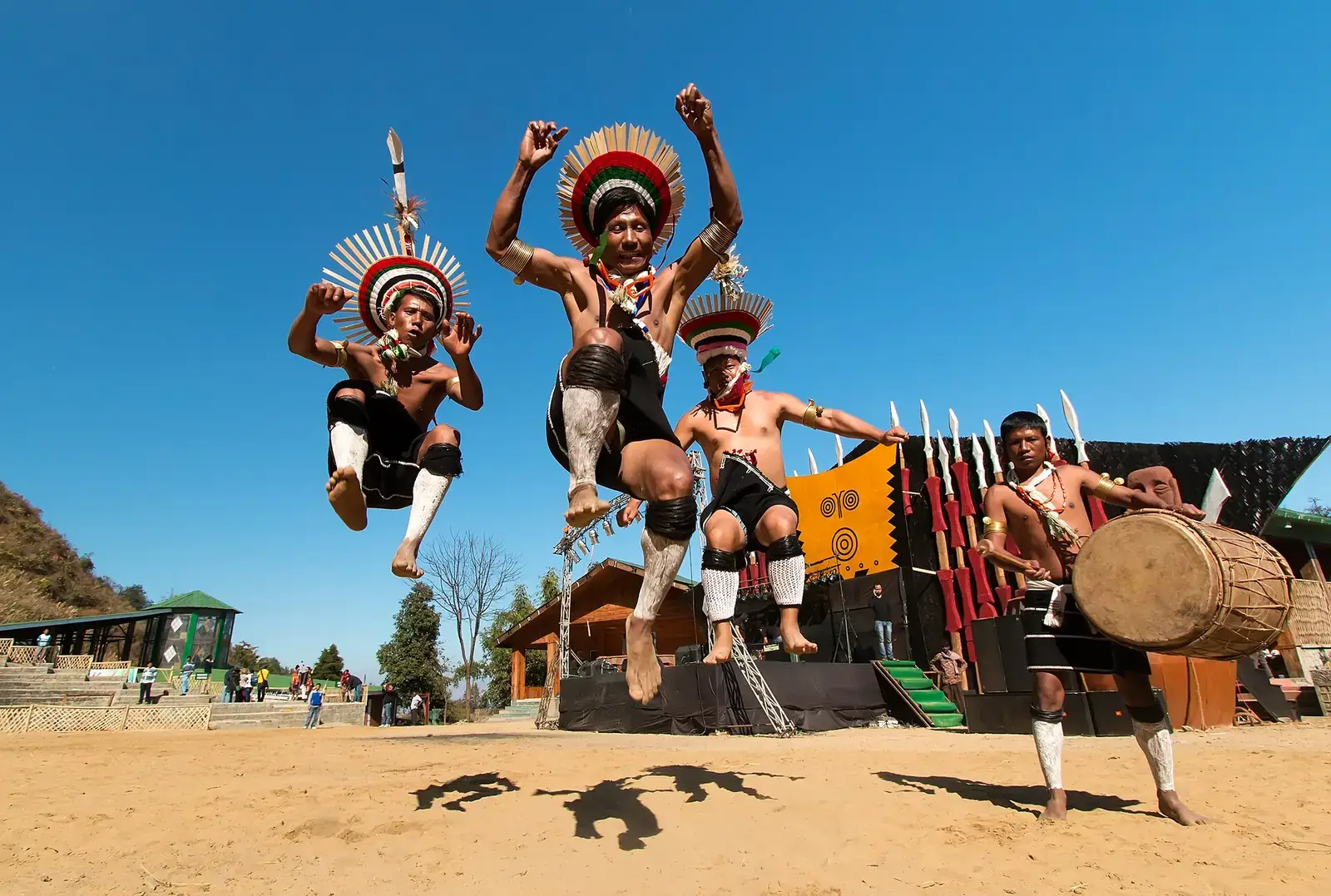 Hornbill FestivalA planning guide to the Hornbill Festival in Nagaland, held every year from 1 to 10 December at the Naga Heritage Village, Kisama, near Kohima: what you will see, the Inner Line Permit and registration rules, how to get there from Dimapur, where to stay, what to wear in December, and how to visit Naga villages respectfully.Read the guide →
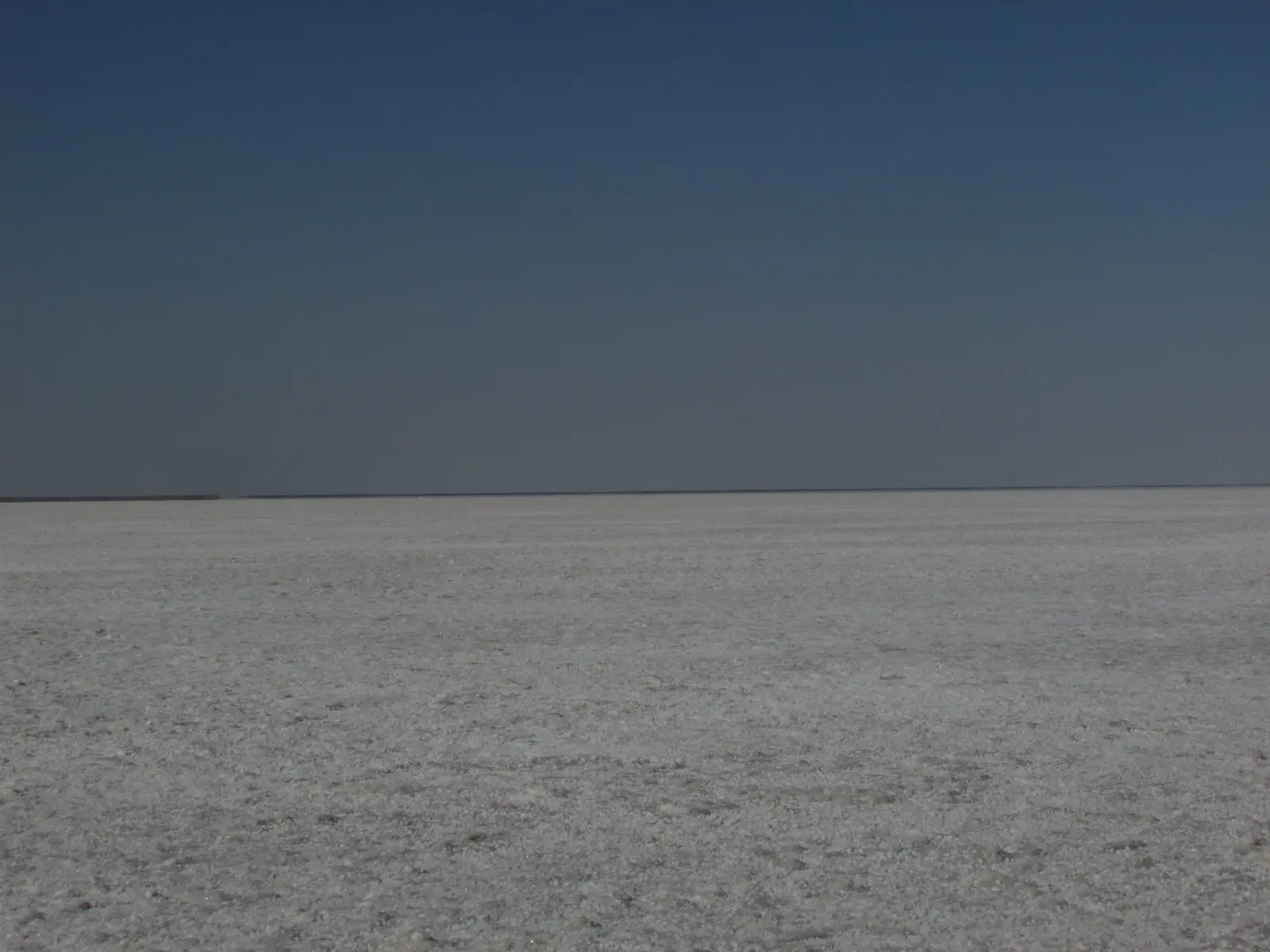
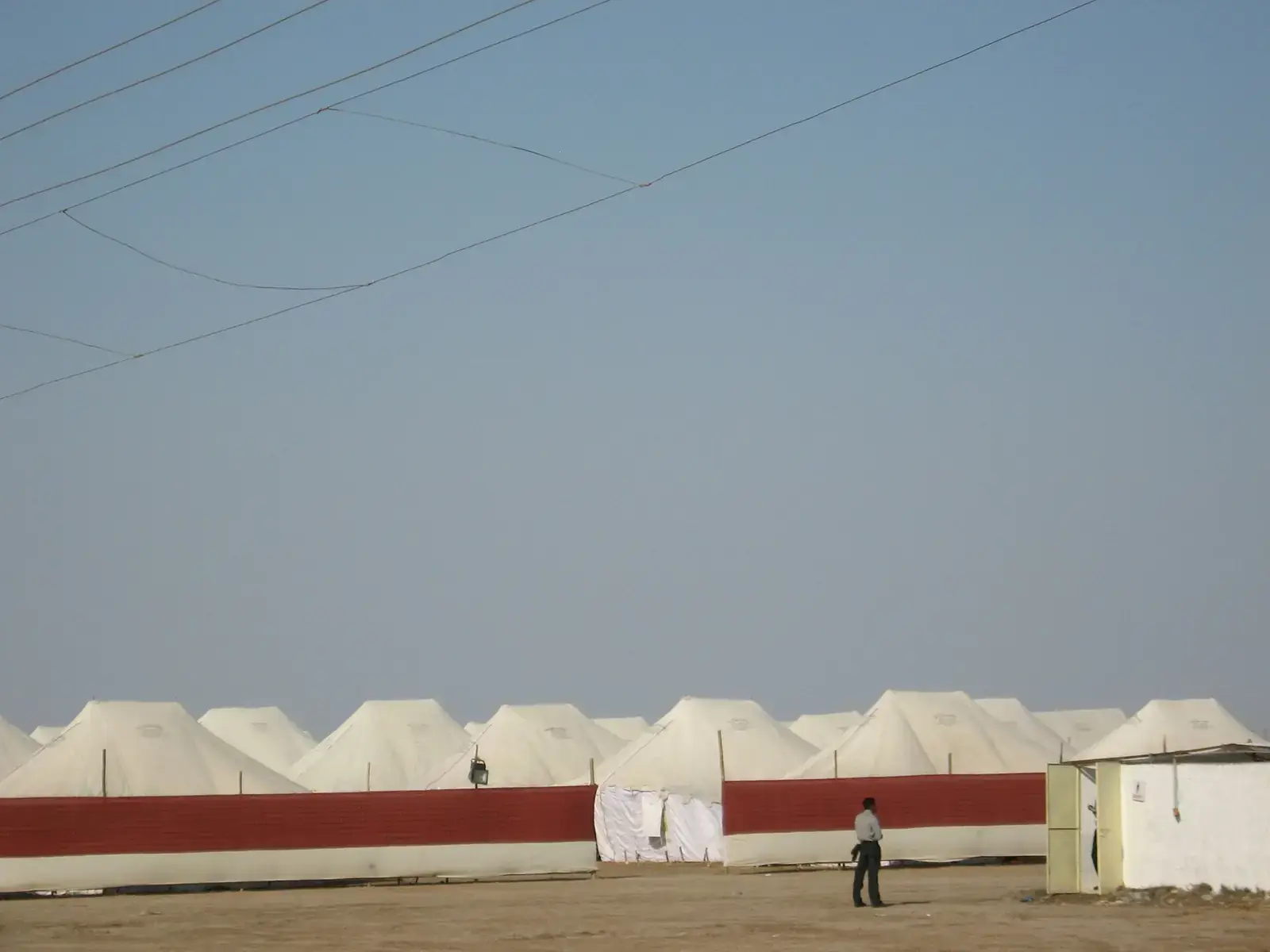 Rann UtsavA planning guide to the Rann Utsav, Gujarat's winter festival on the white salt desert of the Rann of Kutch: the 2026 to 2027 season at Dhordo, the tent city, cultural programmes, full-moon nights on the white Rann, the permit for the Rann, the craft villages around Bhuj, Kalo Dungar and Dholavira, and how to plan a visit.Read the guide →
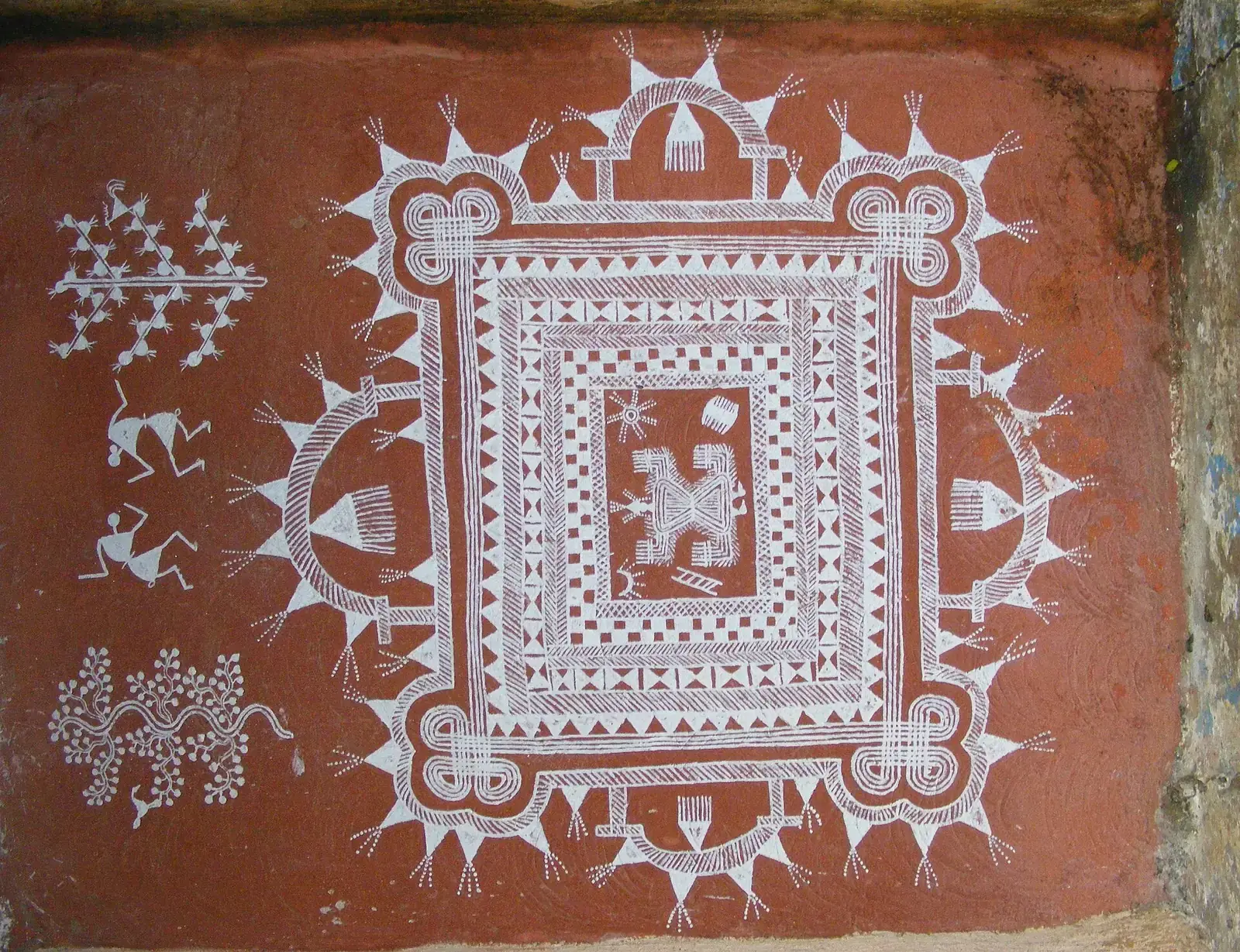 Tribal tourism in IndiaA responsible guide to experiencing India's tribal and indigenous cultures: community-run homestays and festivals in Nagaland, Meghalaya and Arunachal Pradesh, Bastar and Koraput in central and eastern India, Warli and Gond art, museums in Bhopal, permit rules, protected groups who must not be visited, and principles for respectful, consent-based travel.Read the guide →
State-wise heritage
State by state
Each guide covers a state’s UNESCO sites, highlights, crafts, seasons and routes.
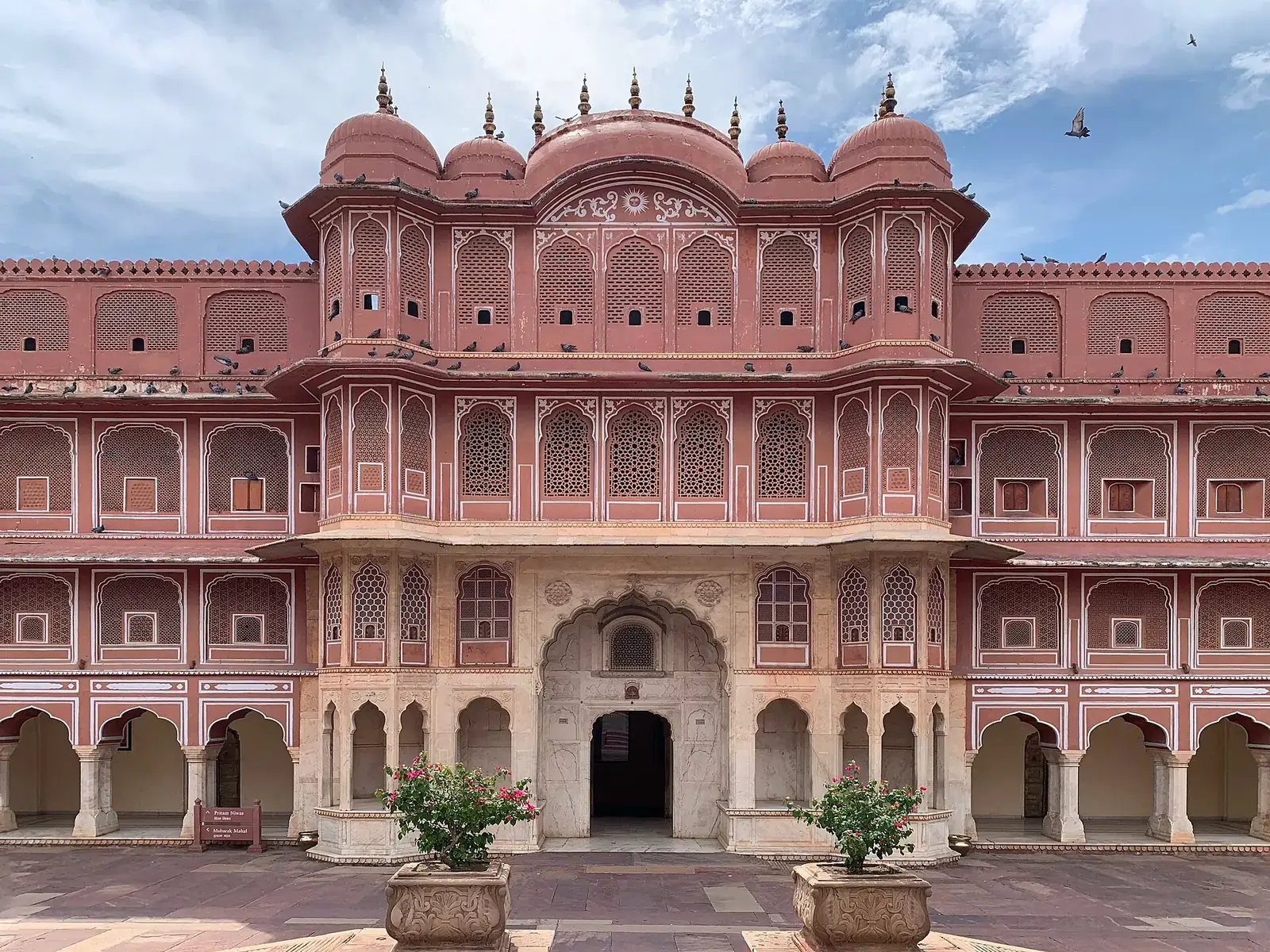 Heritage tourism in RajasthanA guide to heritage tourism in Rajasthan: its four UNESCO sites, the great forts and palace cities, the painted havelis of Shekhawati, stepwells such as Chand Baori, Jain temples at Ranakpur and Mount Abu, crafts, folk music and festivals, and how to plan a heritage route.Read the guide →
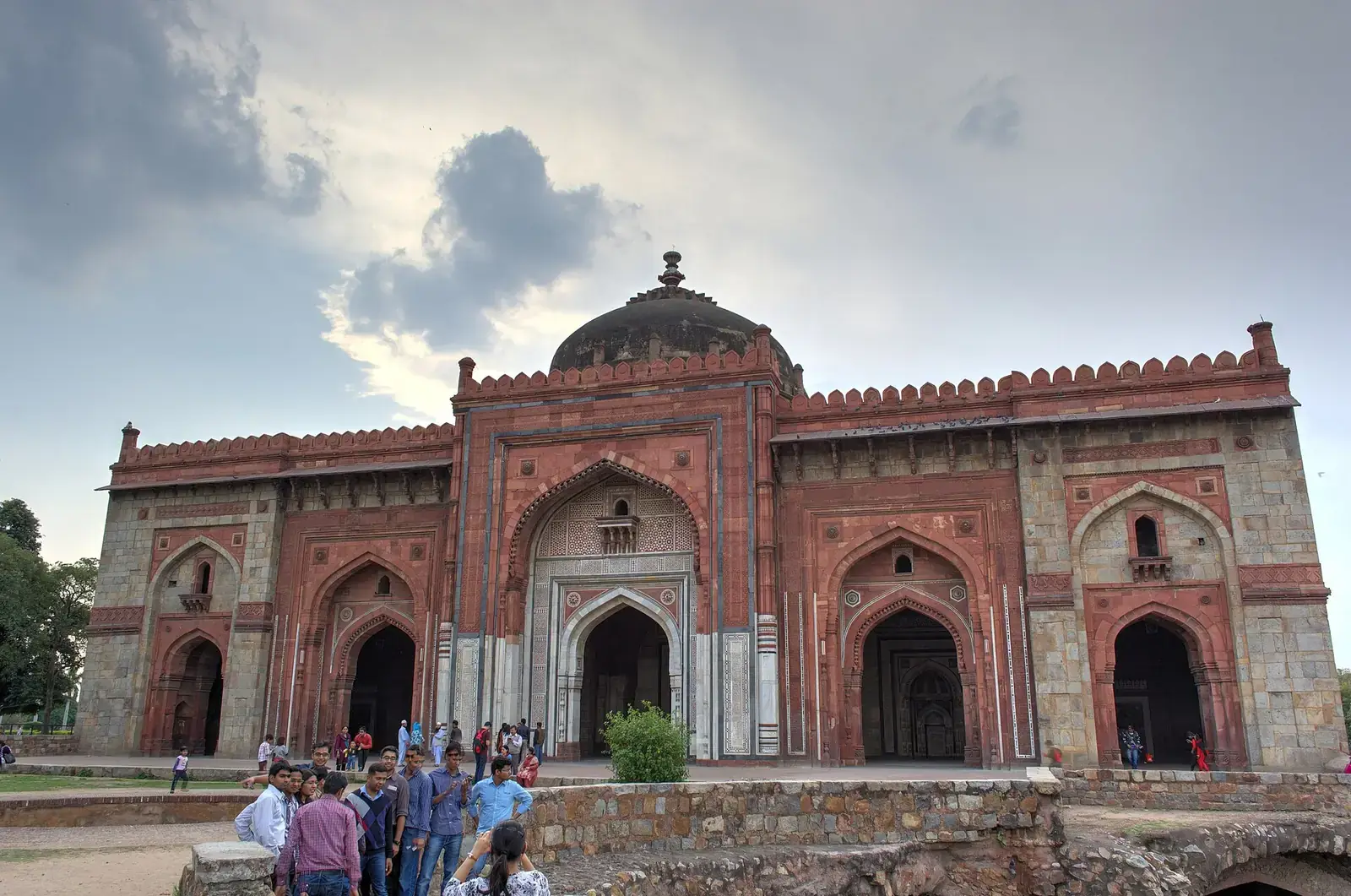 Heritage tourism in DelhiA guide to heritage tourism in Delhi: its three UNESCO sites (the Qutub Minar, Humayun's Tomb and the Red Fort), the layered 'cities of Delhi' from Mehrauli and Tughlaqabad to Purana Qila and Shahjahanabad, Lodhi Garden, Nizamuddin and Sunder Nursery, Lutyens' New Delhi, stepwells, museums, crafts and heritage walks.Read the guide →
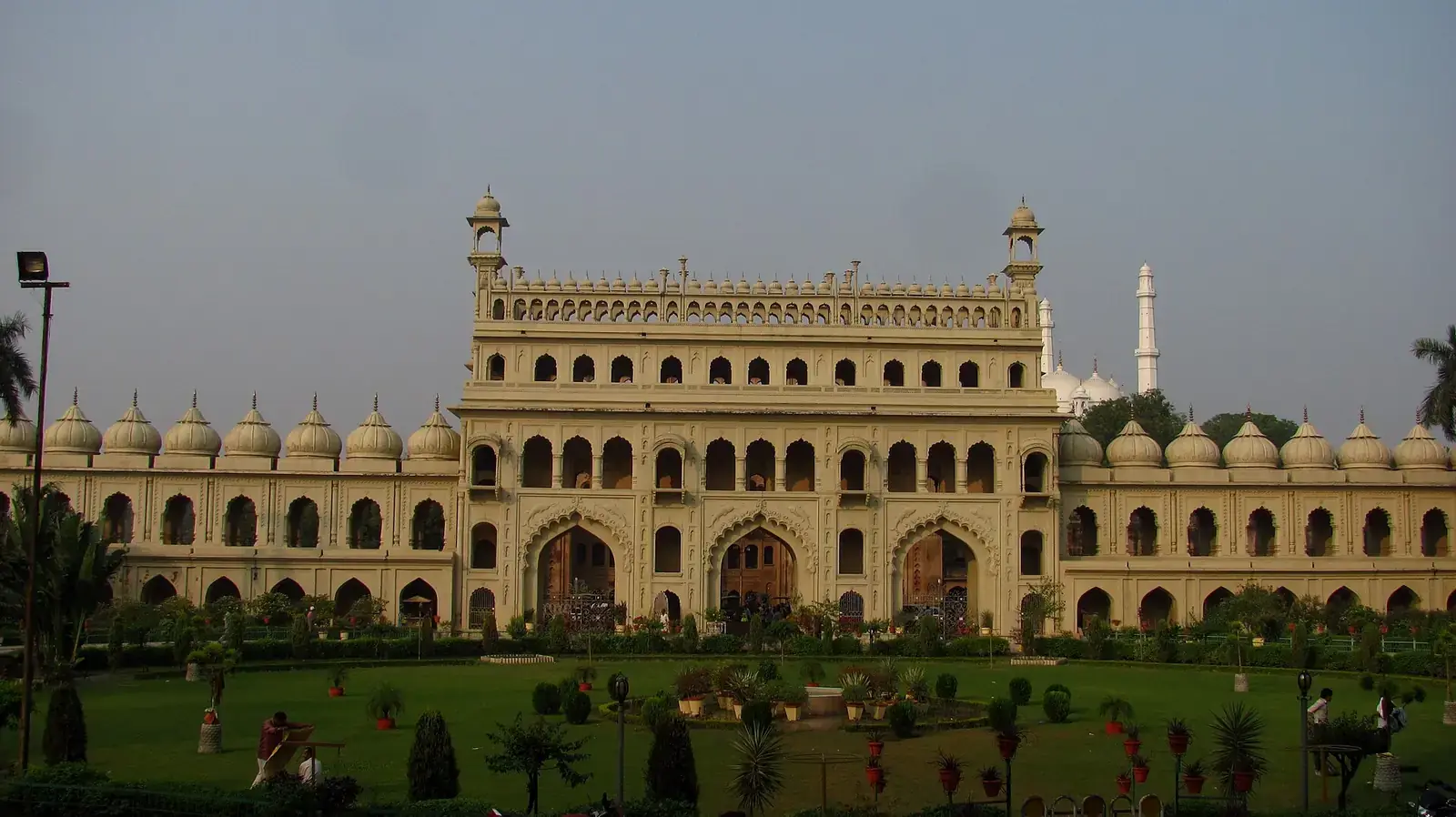 Heritage tourism in Uttar PradeshA guide to heritage tourism in Uttar Pradesh: its four UNESCO cultural sites (the Taj Mahal, Agra Fort, Fatehpur Sikri and Sarnath), Mughal Agra, Nawabi Lucknow, the ghats of Varanasi, Jhansi and the Bundelkhand forts, Buddhist sites, crafts such as chikankari, Banarasi silk and marble inlay, and the Kathak tradition, with how to plan a route.Read the guide →
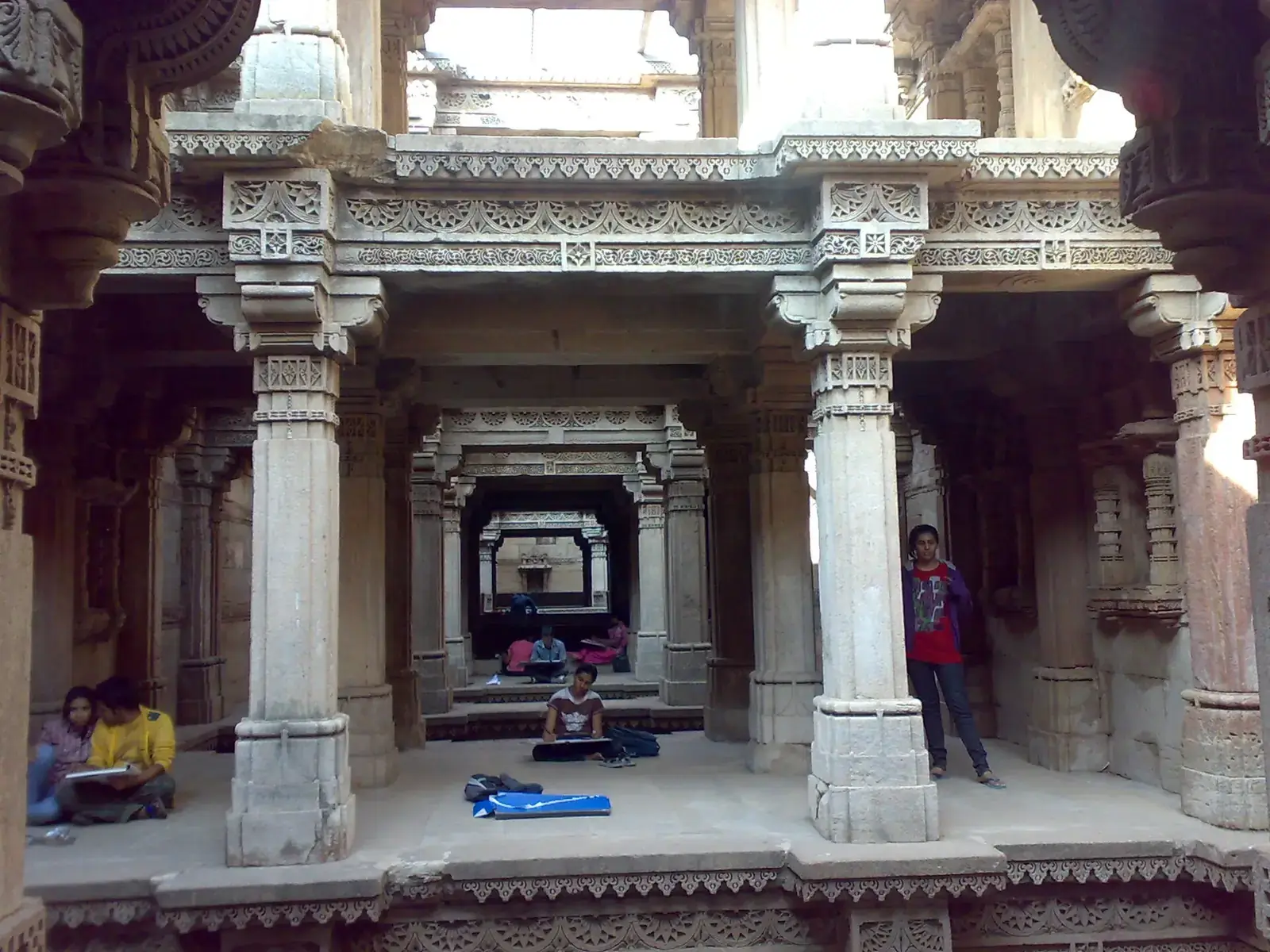 Heritage tourism in GujaratA guide to heritage tourism in Gujarat: its four UNESCO cultural sites (Champaner-Pavagadh, Rani ki Vav, the Historic City of Ahmedabad and Dholavira), Harappan Lothal, the Modhera Sun Temple and Adalaj stepwell, Junagadh and Girnar, Vadodara's palaces, the crafts and textiles of Kutch and Patan, festivals, and how to plan a route.Read the guide →
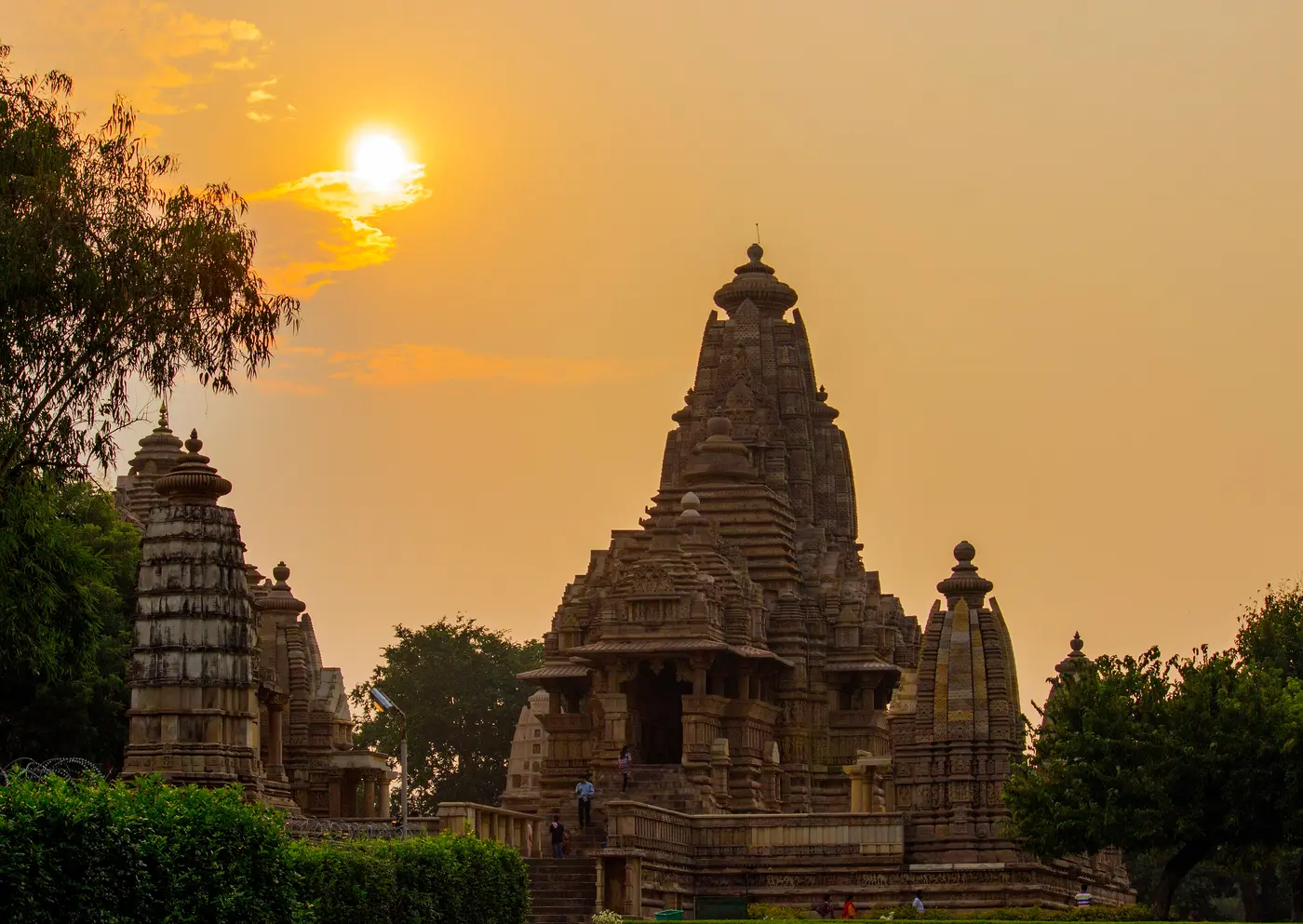
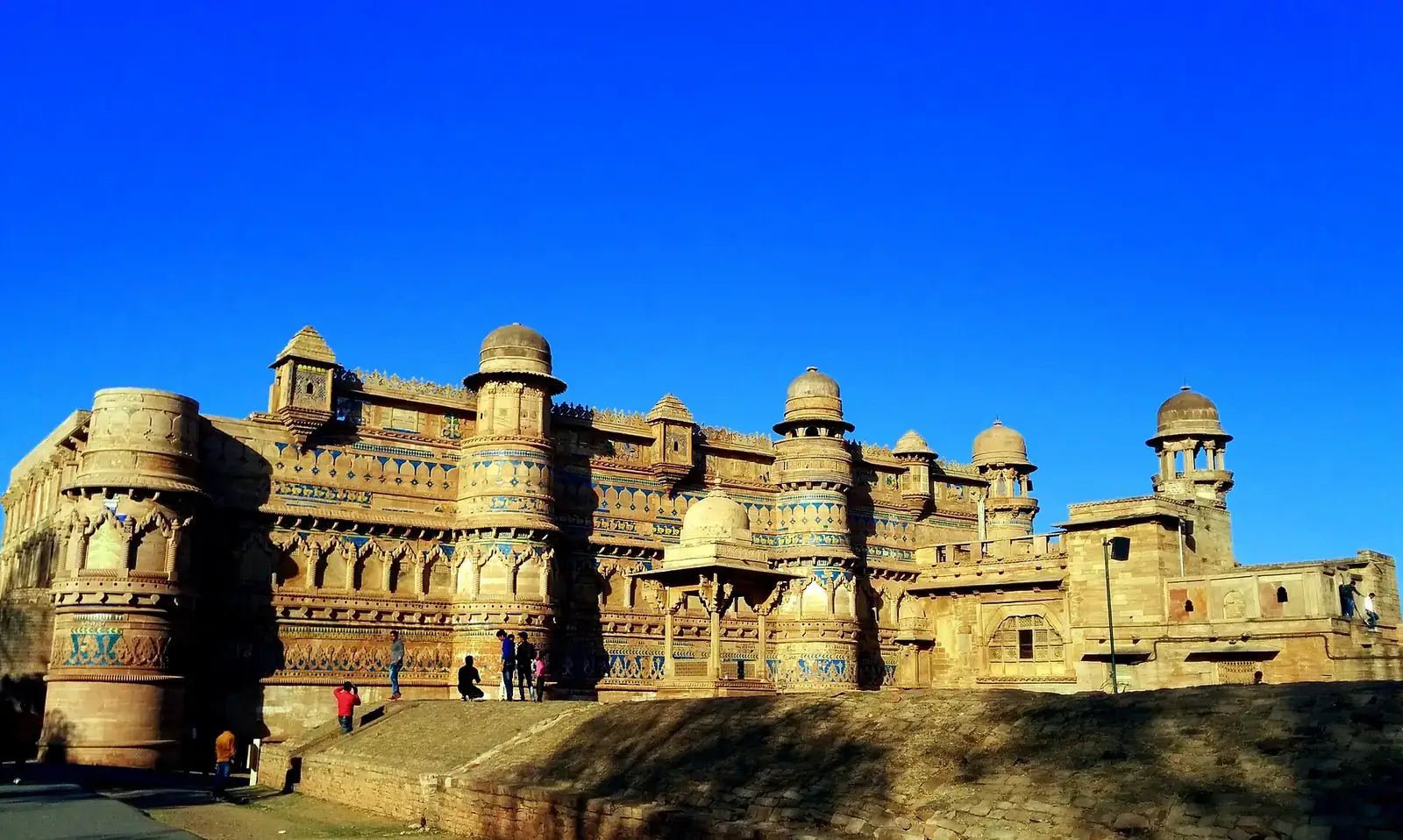 Heritage tourism in Madhya PradeshA guide to heritage tourism in Madhya Pradesh: its three UNESCO cultural sites (Khajuraho, Sanchi and Bhimbetka), the forts and palaces of Gwalior, Orchha and Datia, Mandu and Maheshwar on the Malwa plateau, the weaving towns of Chanderi and Maheshwar, Bhopal's museums, the Khajuraho Dance Festival and Gwalior's music heritage, with how to plan a route.Read the guide →
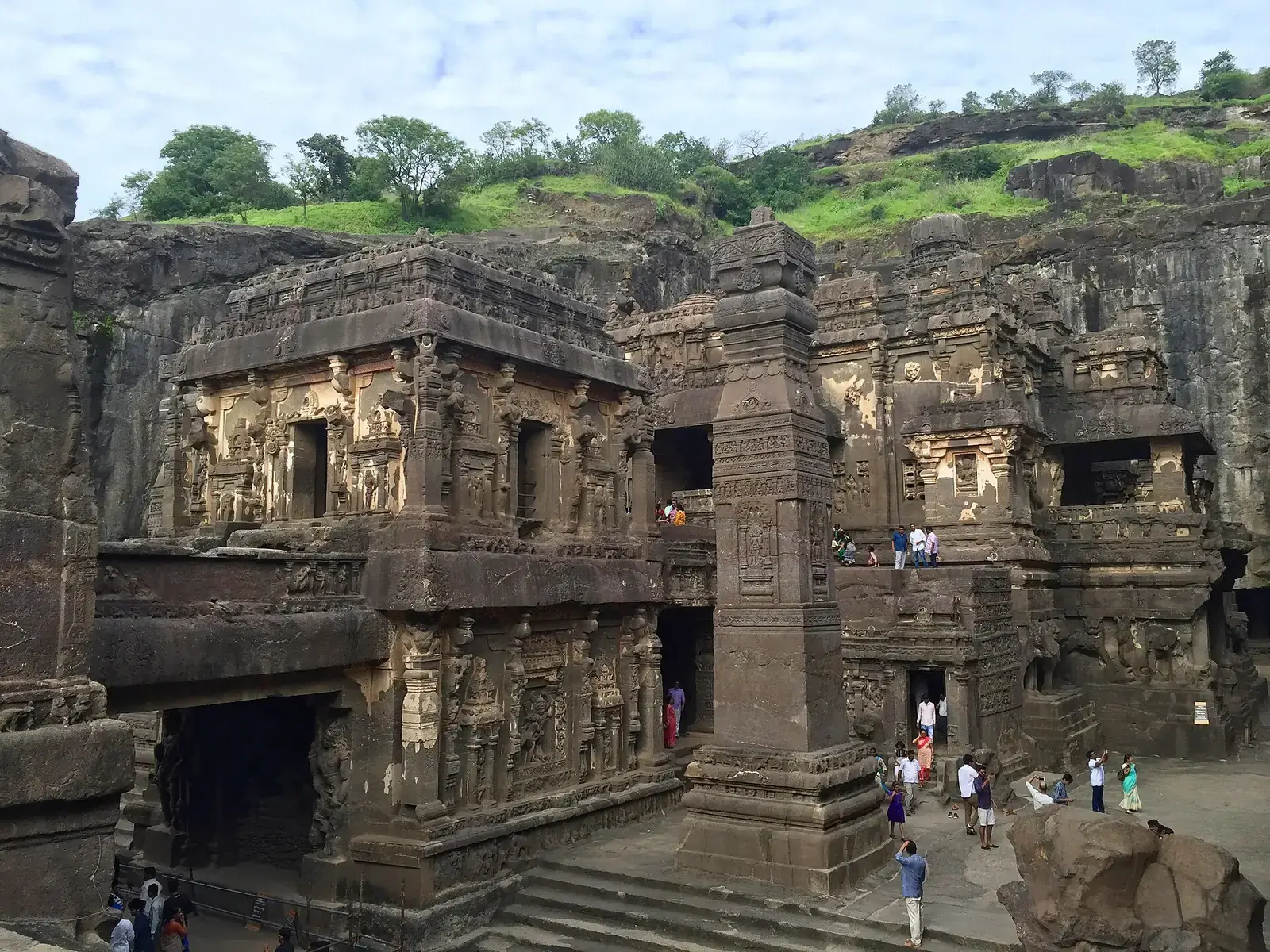 Heritage tourism in MaharashtraA guide to heritage tourism in Maharashtra: its six UNESCO cultural sites (Ajanta, Ellora, Elephanta, Chhatrapati Shivaji Maharaj Terminus, Mumbai's Victorian Gothic and Art Deco Ensembles, and the Maratha Military Landscapes), other caves and forts, Chhatrapati Sambhajinagar and Pune, Paithani and Warli, Ganeshotsav and Lavani, and how to plan a route.Read the guide →
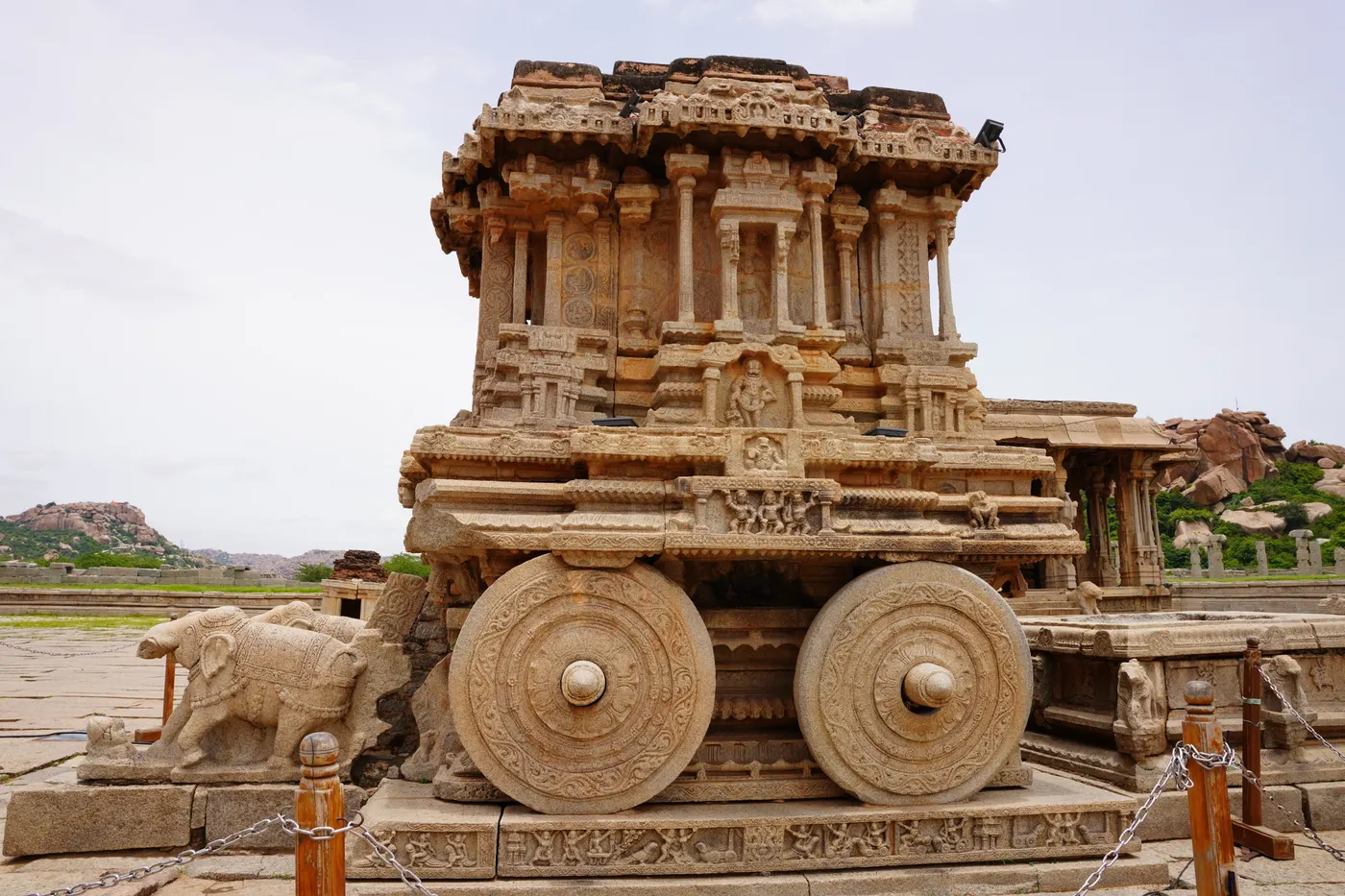
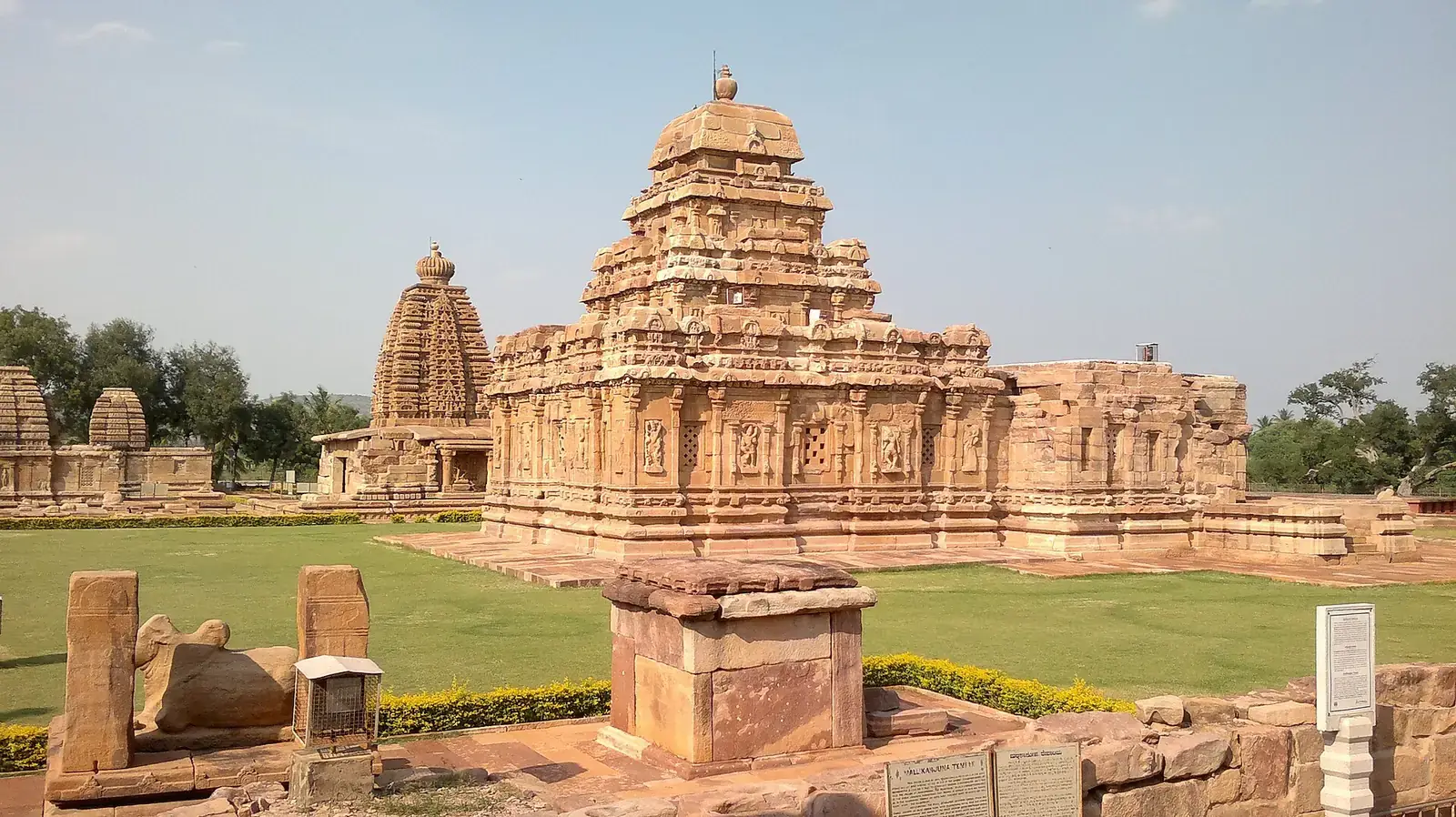 Heritage tourism in KarnatakaA guide to heritage tourism in Karnataka: its three UNESCO cultural sites (Hampi, Pattadakal and the Sacred Ensembles of the Hoysalas), the Chalukya temples of Badami and Aihole, Mysuru and Srirangapatna, the Deccan sultanate cities of Bidar, Kalaburagi and Vijayapura, crafts such as Mysore silk, Channapatna toys and Bidriware, Yakshagana and Mysuru Dasara.Read the guide →
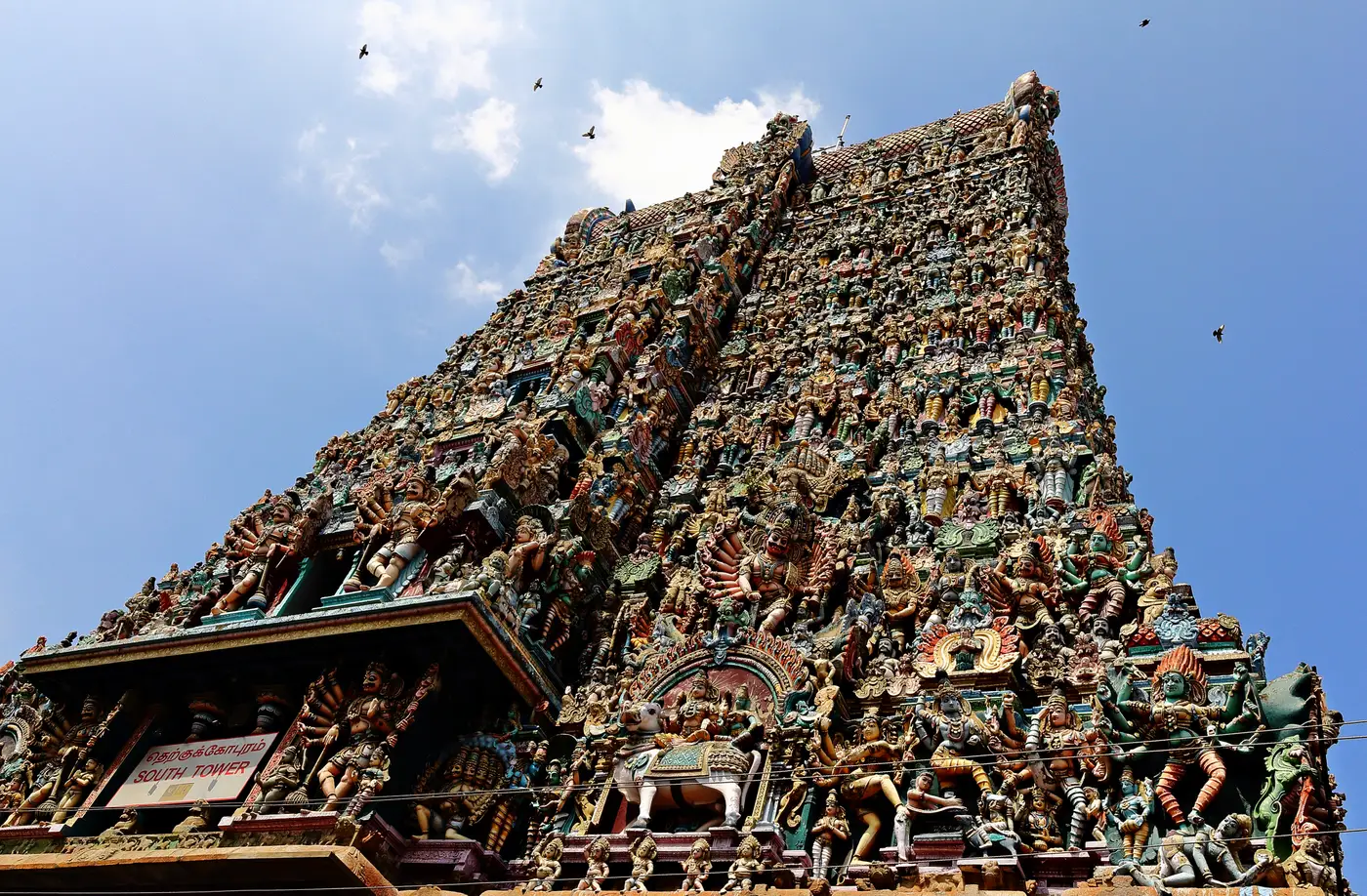
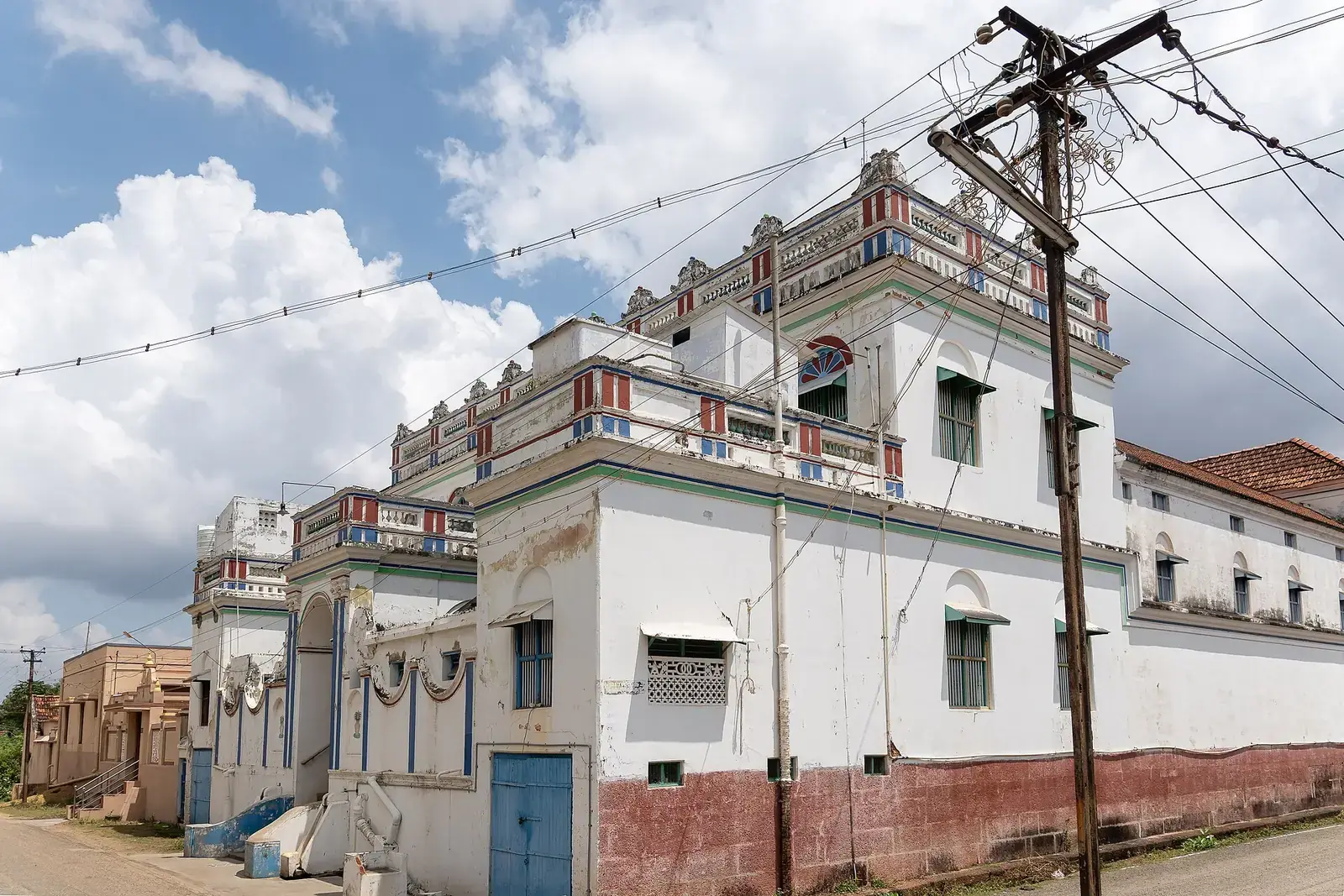 Heritage tourism in Tamil NaduA guide to heritage tourism in Tamil Nadu: its UNESCO sites (the monuments of Mahabalipuram, the Great Living Chola Temples and the Nilgiri Mountain Railway), the temple towns of Madurai, Kanchipuram, Srirangam and Chidambaram, the Chettinad mansions, colonial Chennai and Tharangambadi, Keeladi, bronze casting, Kanchipuram silk, Bharatanatyam and the Chennai music season.Read the guide →
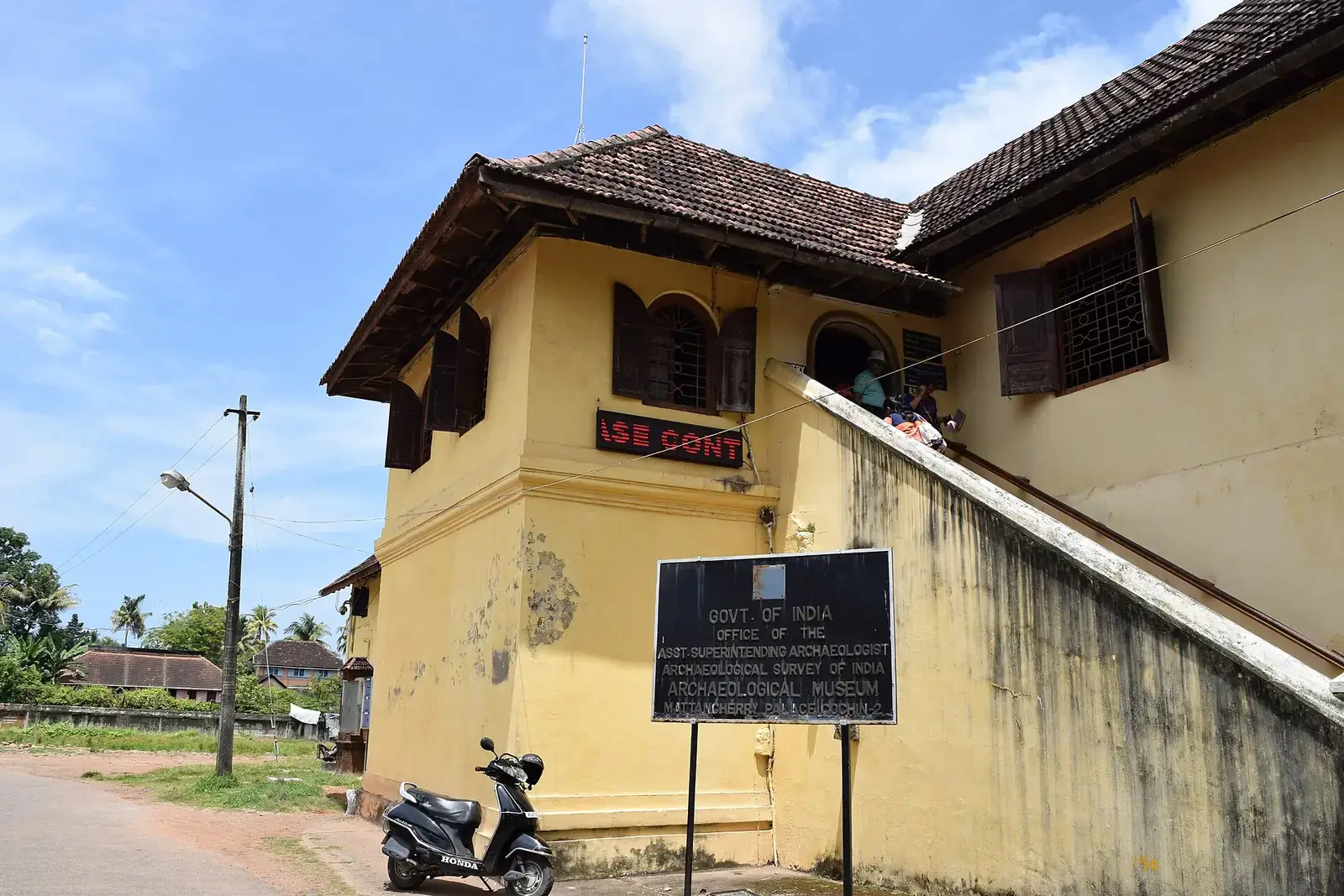 Heritage tourism in KeralaA guide to heritage tourism in Kerala: Fort Kochi and Mattancherry, the Muziris Heritage Project around Kodungallur, Padmanabhapuram and Kuthiramalika palaces, Bekal and Thalassery forts, the art forms of Kathakali, Kutiyattam, Mohiniyattam and Theyyam, Kerala Kalamandalam, temple festivals such as Thrissur Pooram, snake-boat races, and crafts from Aranmula mirrors to kasavu handloom.Read the guide →
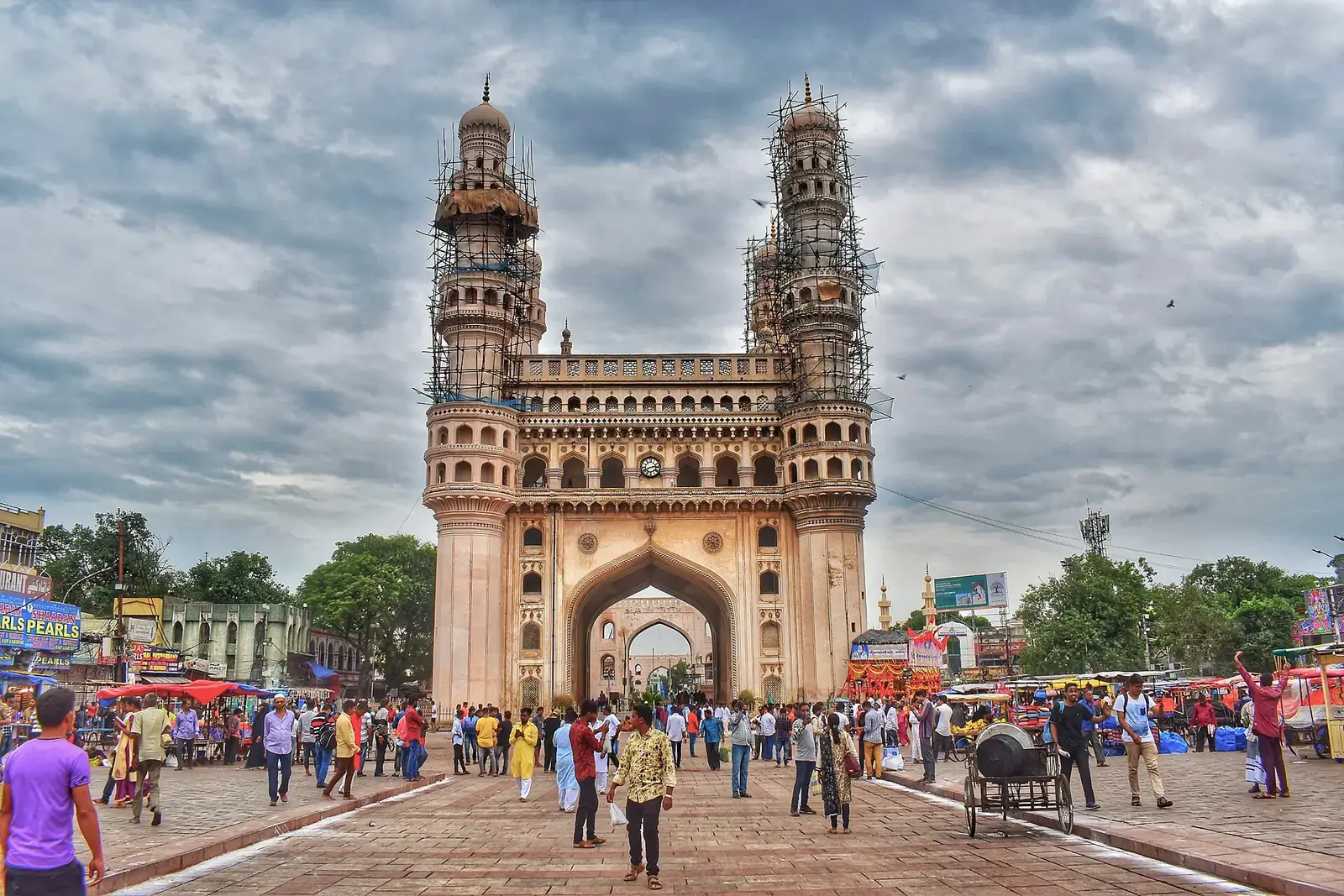 Heritage tourism in TelanganaA guide to heritage tourism in Telangana: the Ramappa temple, a UNESCO World Heritage Site since 2021; Hyderabad's Golconda Fort, Qutb Shahi tombs, Charminar, Chowmahalla Palace and Salar Jung Museum; Warangal's Kakatiya fort and Thousand Pillar Temple; Bhongir fort; Pochampally ikat and Cheriyal scrolls; Bathukamma and Bonalu; and Hyderabadi food.Read the guide →
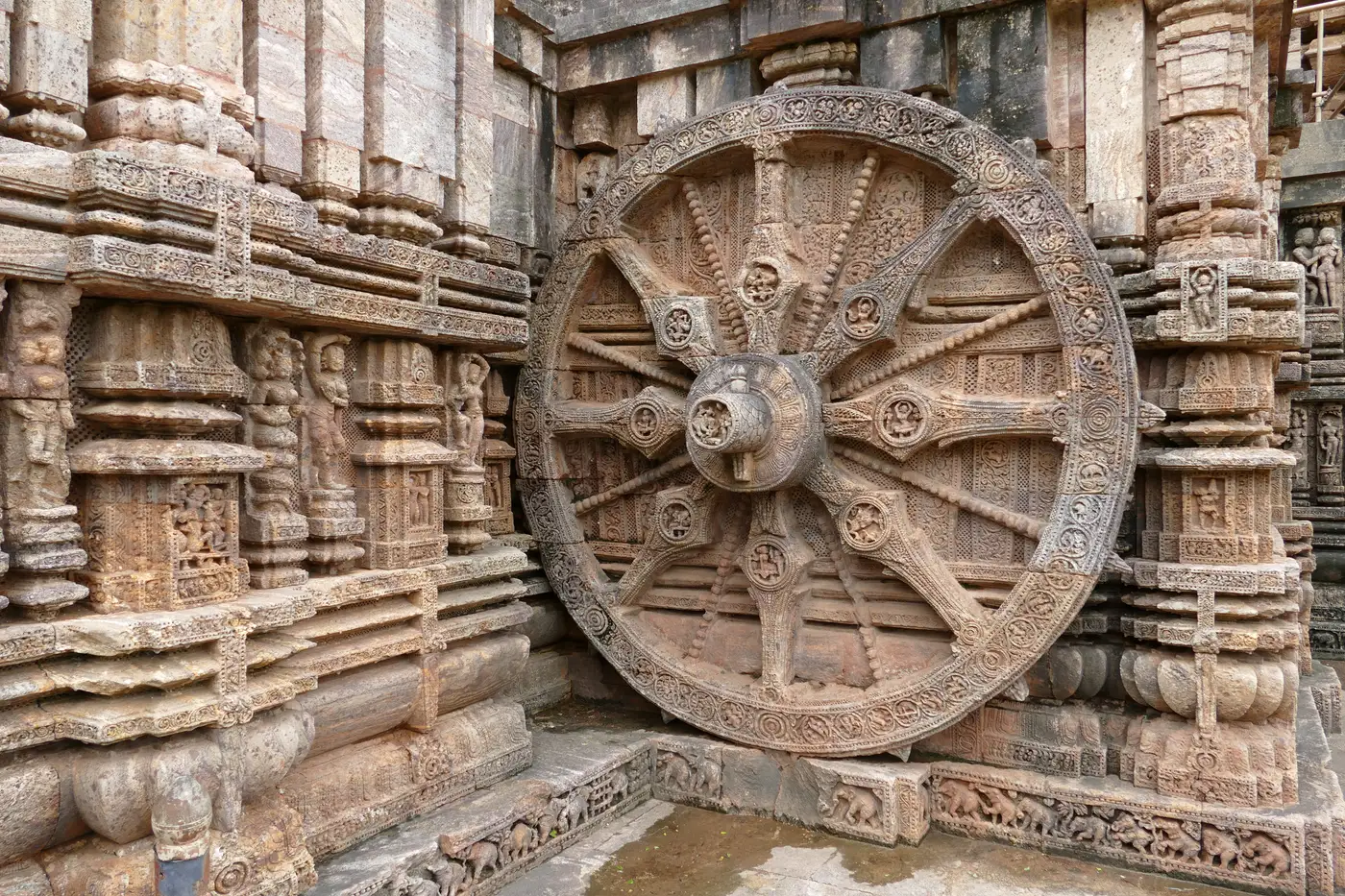
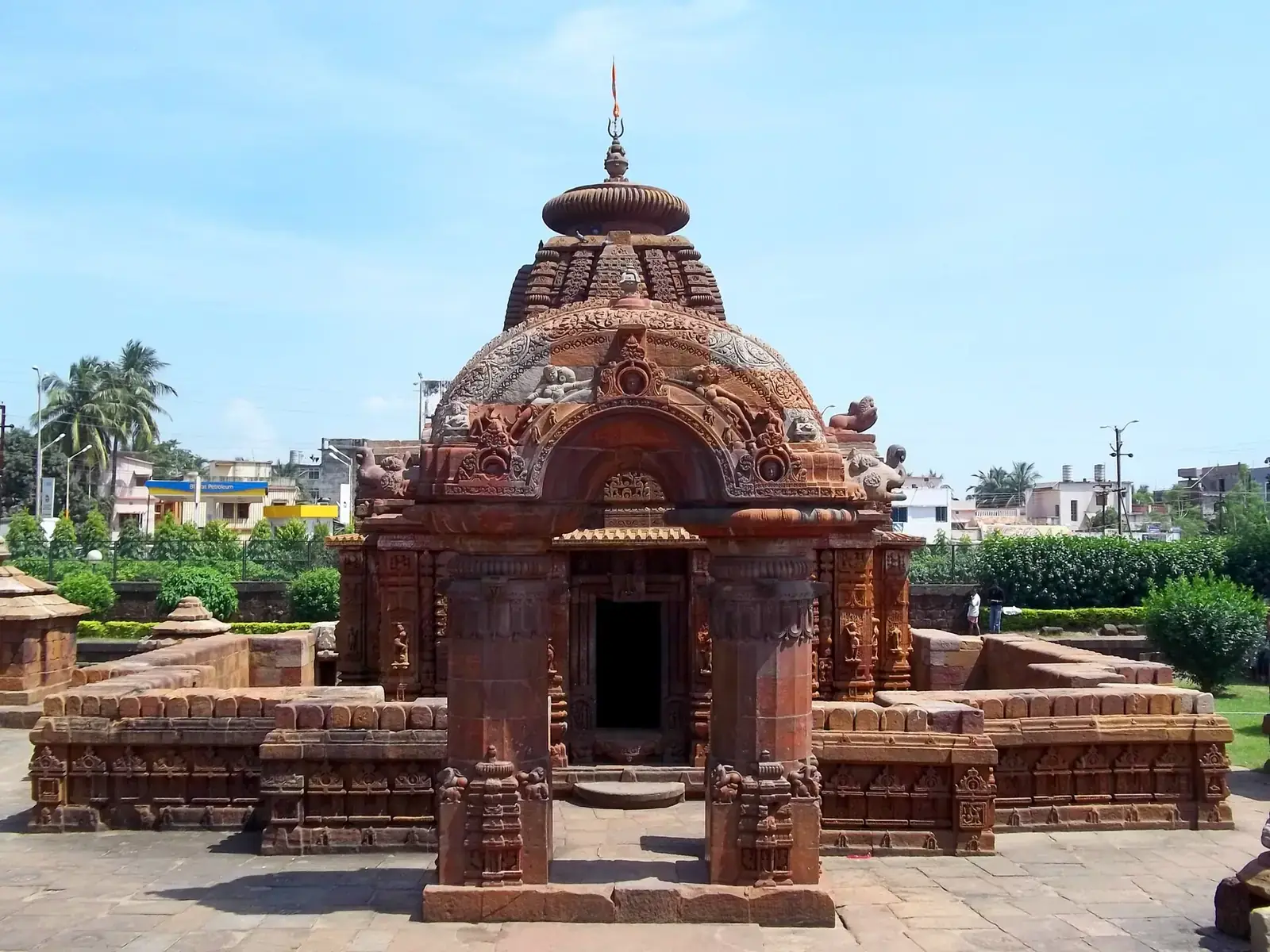 Heritage tourism in OdishaA guide to heritage tourism in Odisha: the Konark Sun Temple, a UNESCO World Heritage Site, the temple city of Bhubaneswar, the Jain caves of Udayagiri and Khandagiri, the Ashokan edicts at Dhauli, the Buddhist sites of Ratnagiri, Lalitgiri and Udayagiri, Puri, the craft villages of Raghurajpur and Pipili, Cuttack's silver filigree, Odissi and Sambalpuri weaving.Read the guide →
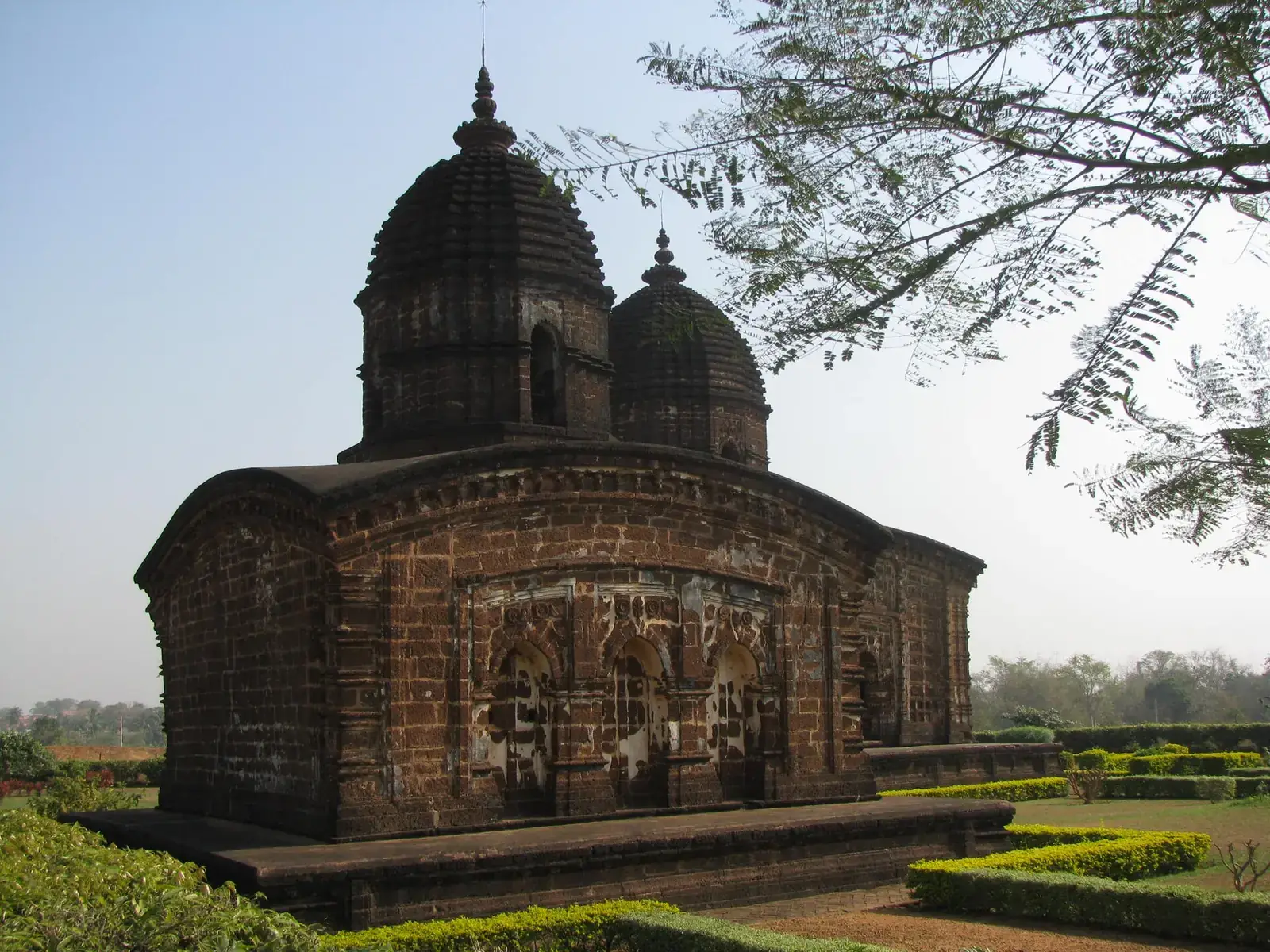 Heritage tourism in West BengalA guide to heritage tourism in West Bengal: its UNESCO cultural sites (Santiniketan and the Darjeeling Himalayan Railway), Kolkata's colonial and Bengali heritage, Bishnupur's terracotta temples, Murshidabad and the Nawabs of Bengal, the European towns along the Hooghly, Gaur and Pandua, Cooch Behar, and crafts, music and festivals from kantha and Baul to Durga Puja.Read the guide →
Heritage itineraries
Day-by-day routes
Tested routes with drive times, closures to plan around, and shorter versions.
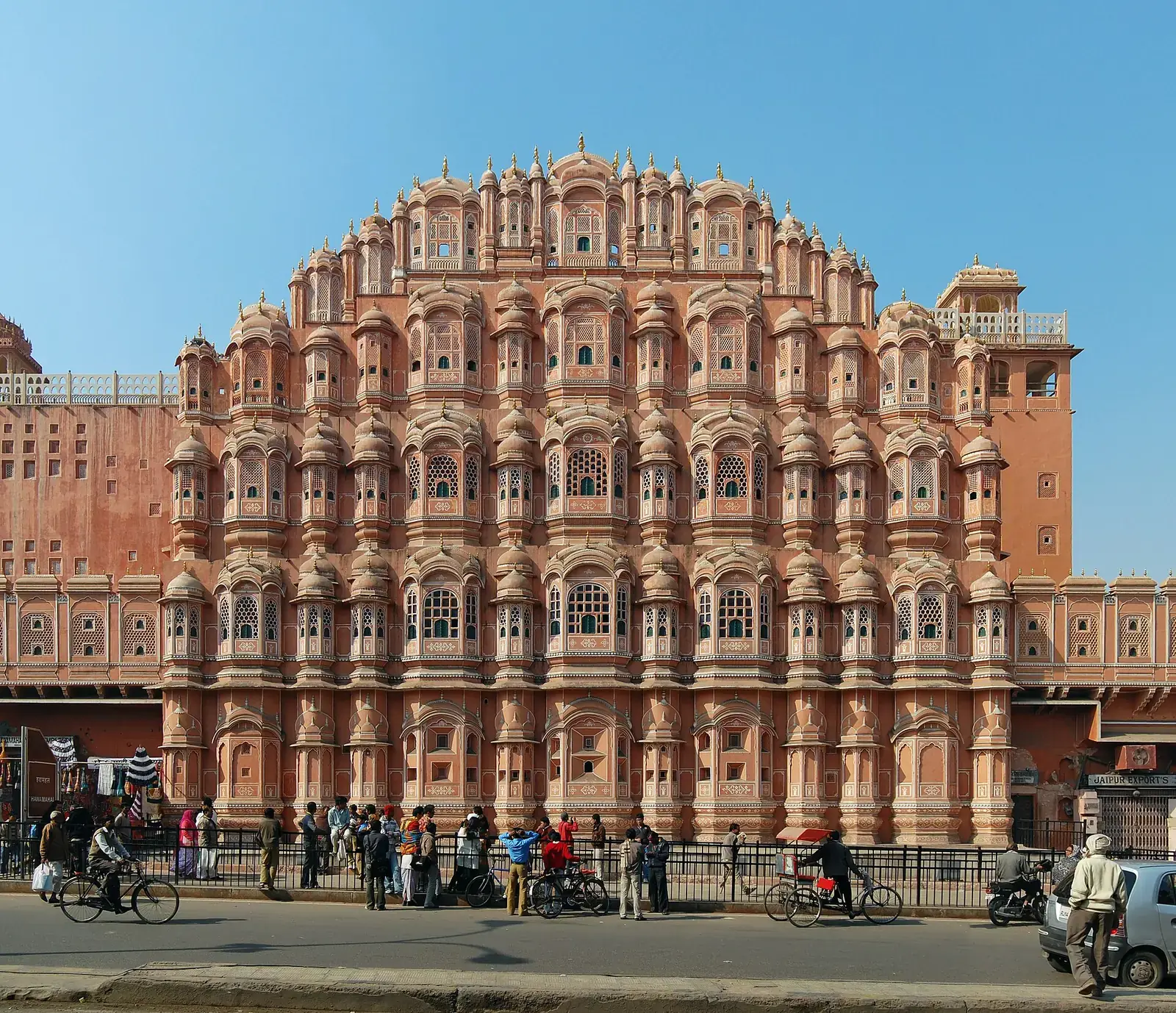 Golden Triangle itineraryA day-by-day Golden Triangle itinerary covering Delhi, Agra and Jaipur in six days: Old and New Delhi, Humayun's Tomb and the Qutub Minar, the Taj Mahal at sunrise, Agra Fort, Fatehpur Sikri on the drive to Jaipur, Amber Fort and Jaipur's walled city, with weekly closures to plan around, travel times by road and rail, and extensions to Ranthambore, Udaipur or Varanasi.Read the guide →
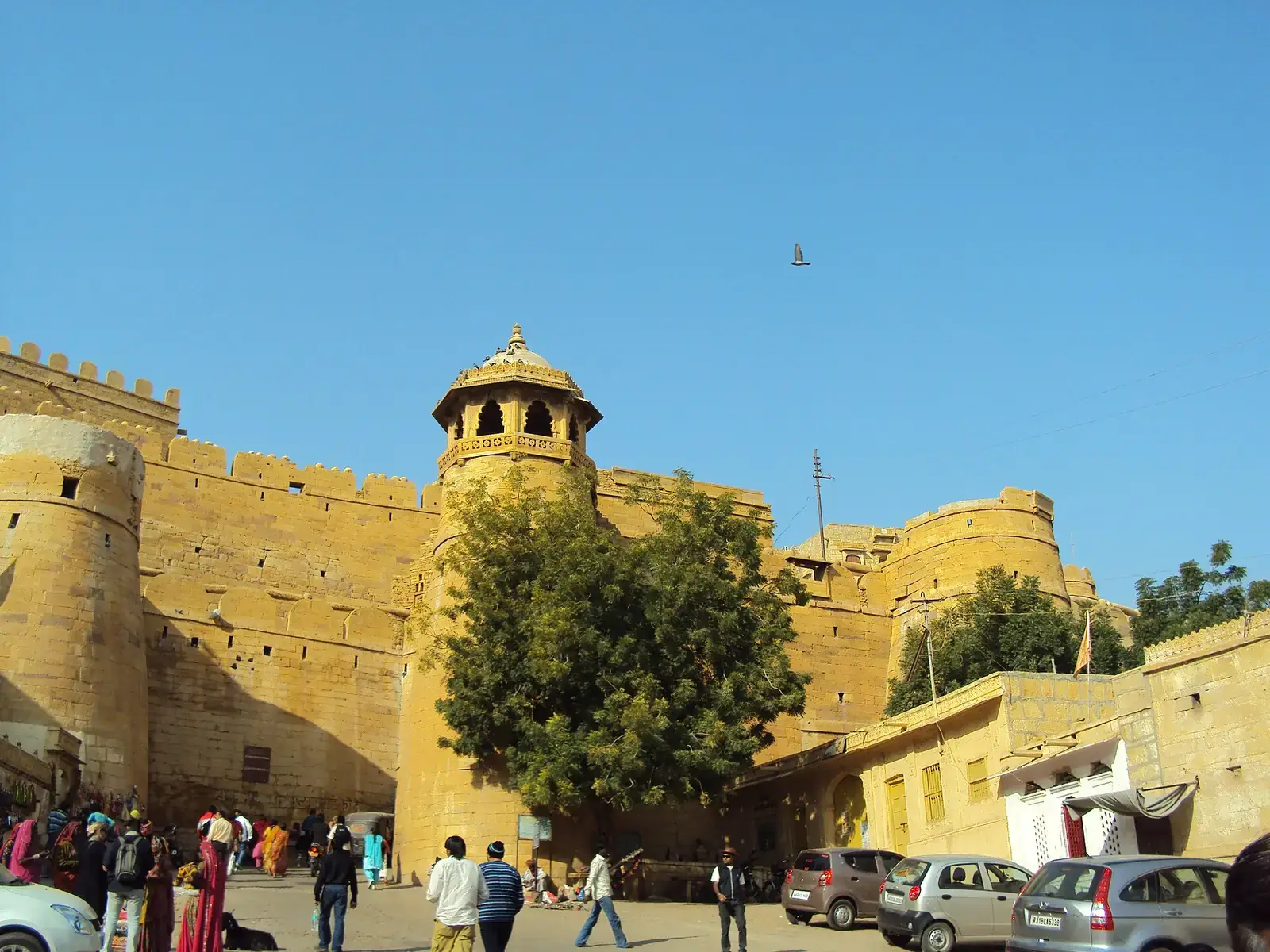 Rajasthan heritage itineraryA 14-day Rajasthan heritage itinerary through forts, palaces and old cities: Jaipur and Amber, Ranthambore's fort and tigers, Bundi's stepwells and murals, Chittorgarh, Udaipur's lakes and City Palace, Kumbhalgarh and the Ranakpur temple, Jodhpur's Mehrangarh and Jaisalmer's living fort, with drive times, where to break the journey and shorter versions.Read the guide →
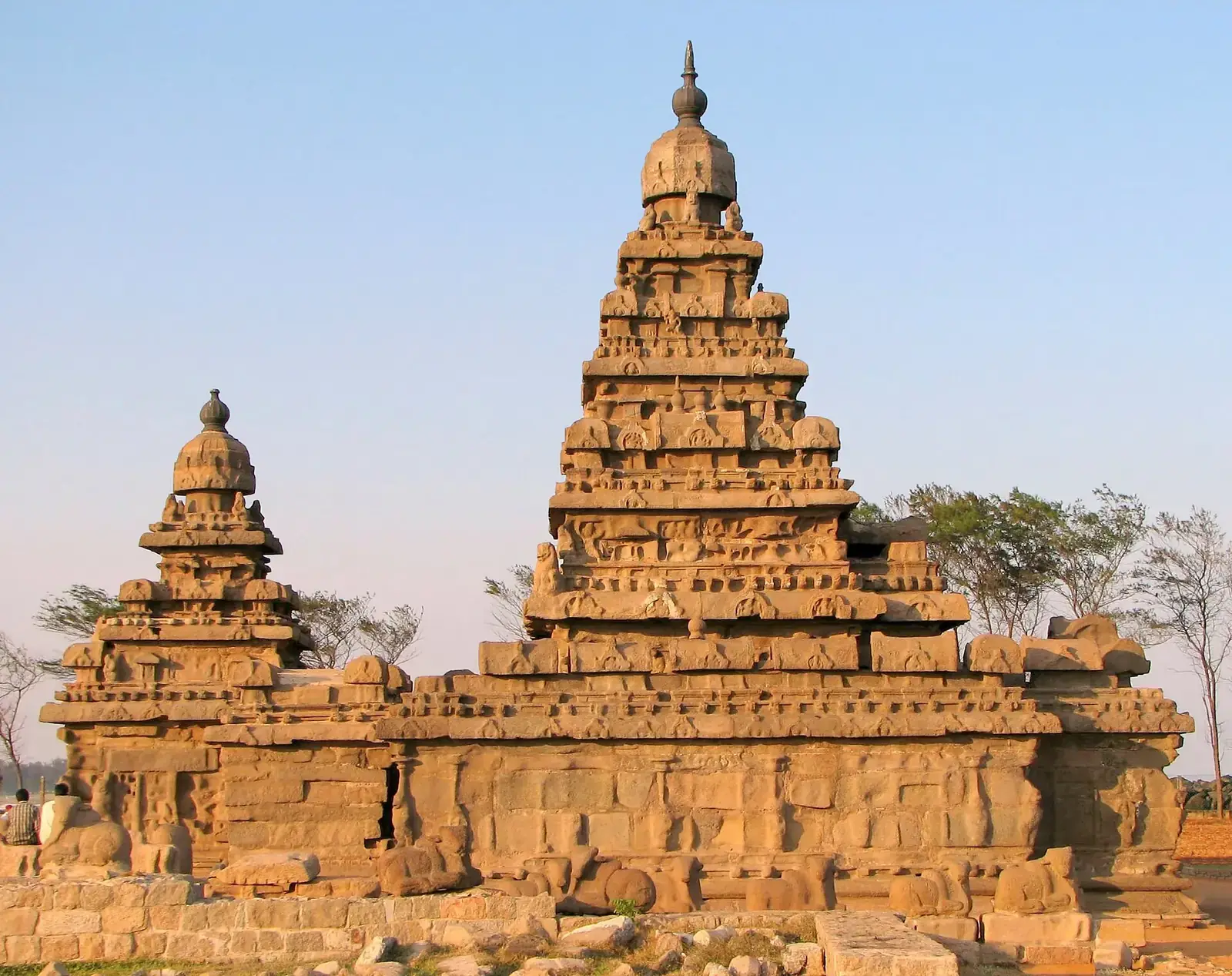 South India heritage itineraryA South India heritage itinerary in two loops: eight days in Tamil Nadu through Chennai, Mahabalipuram, Kanchipuram, Puducherry, Thanjavur and the Great Living Chola Temples, Chettinad and Madurai; and eight days in Karnataka through Mysuru, the Hoysala temples of Belur and Halebidu, Hampi, and Badami, Aihole and Pattadakal, with travel times and ways to combine them.Read the guide →
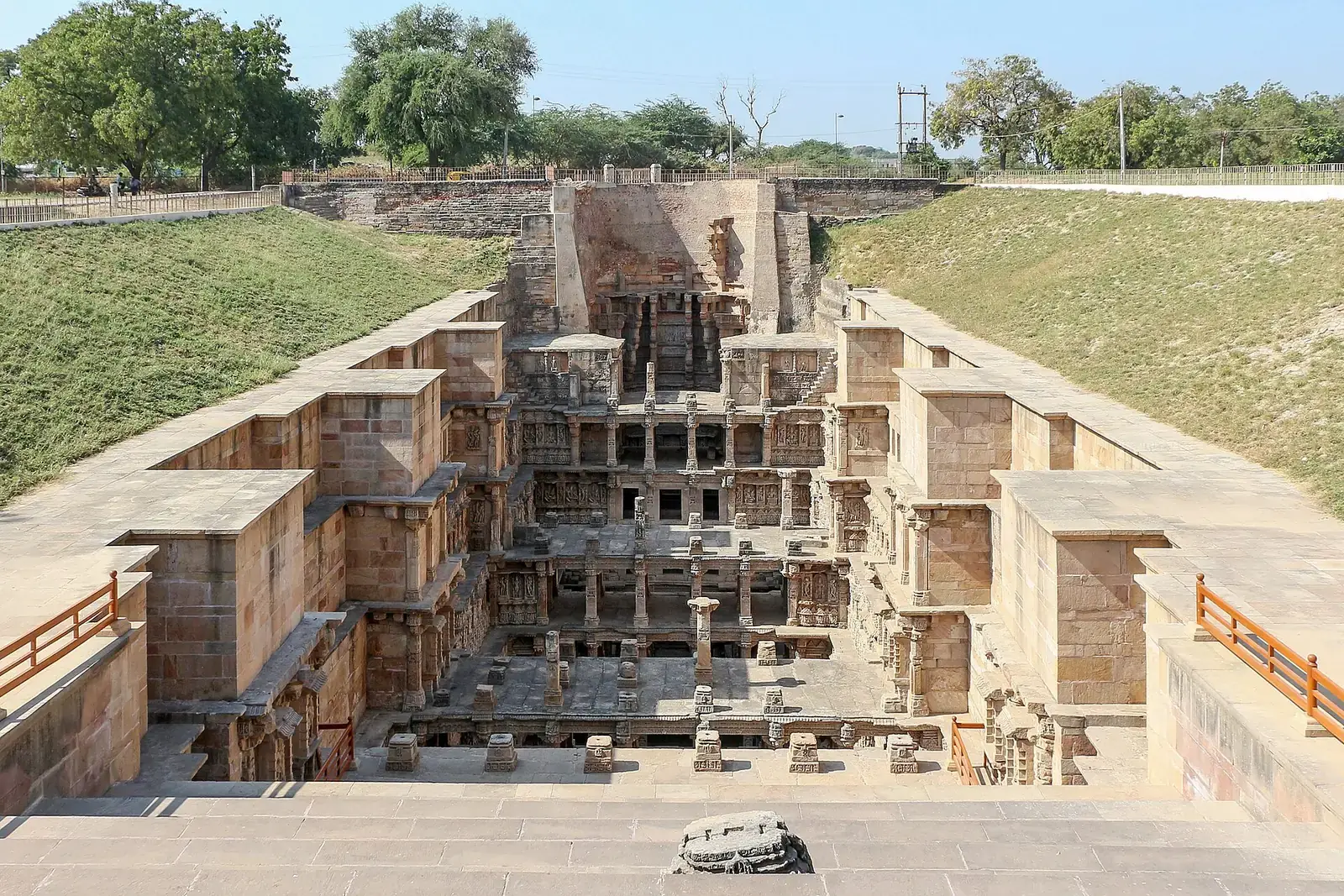 Gujarat heritage itineraryA 10-day Gujarat heritage itinerary: Ahmedabad's UNESCO old city and Sabarmati Ashram, the Adalaj stepwell, the Modhera Sun Temple and Rani ki Vav at Patan, the Harappan sites of Lothal and Dholavira, Kutch's craft villages and white Rann, and Champaner-Pavagadh, with travel times and seasonal notes.Read the guide →
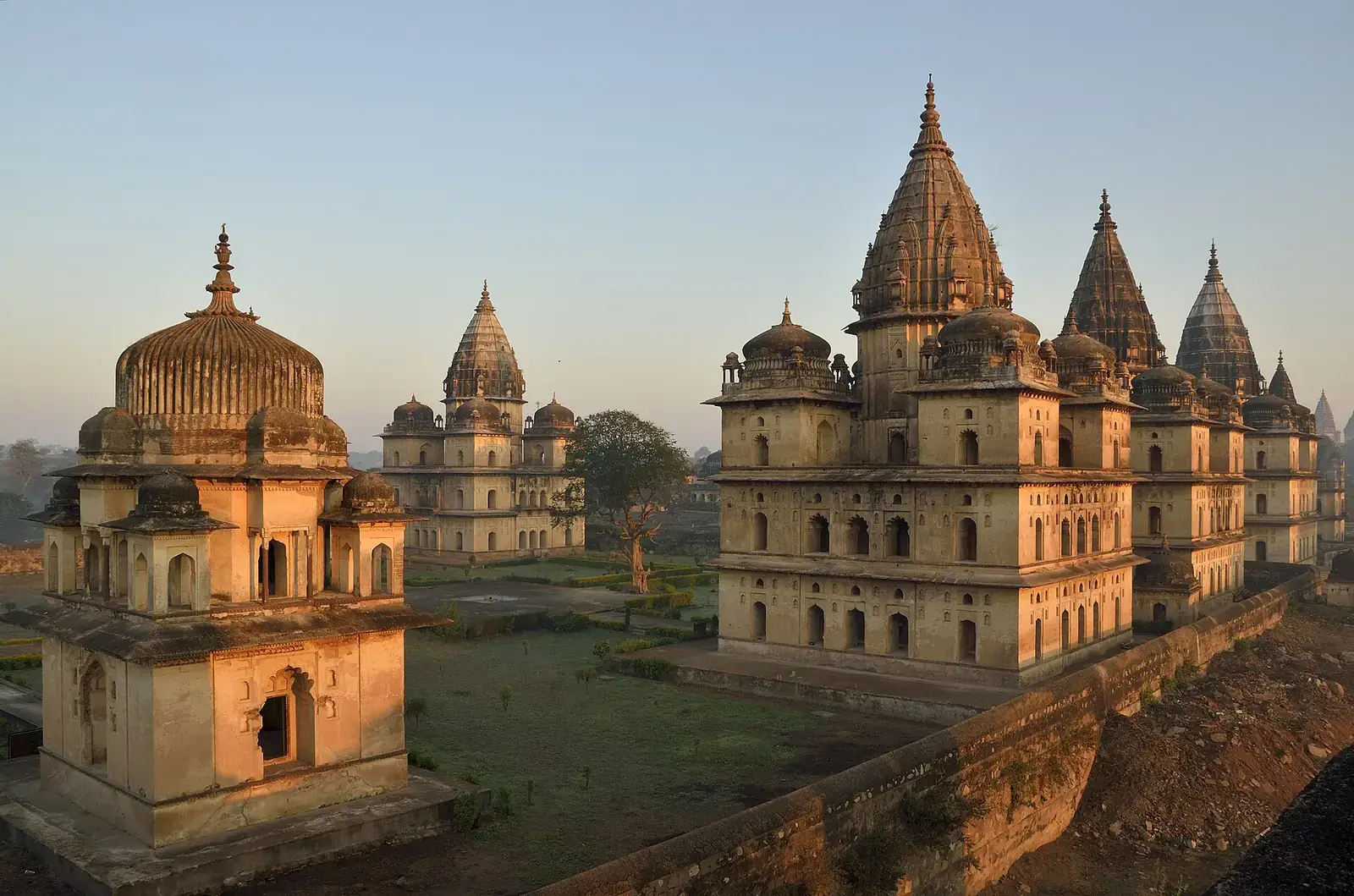 Madhya Pradesh heritage itineraryAn 11-day Madhya Pradesh heritage itinerary: Gwalior's hilltop fort, Orchha's palaces and cenotaphs, the temples of Khajuraho, Bhopal with day trips to Sanchi, Udayagiri and Bhimbetka, and the Malwa plateau's Mandu and Maheshwar, reached from Indore, with travel times and seasonal tips.Read the guide →
Heritage tour packages
Heritage trips, planned around you
Every Kudozz Club trip is customized. Start from a state, a circuit or a travel style, and we plan the route, stays, guides and pace around your dates.
FAQs
Heritage tourism in India: FAQs
What is heritage tourism in India?
Travel to experience India's history and culture: monuments, forts, palaces, archaeological sites and historic cities, as well as living traditions such as crafts, textiles, music, dance, festivals and food.
How many UNESCO World Heritage Sites does India have?
45 as of September 2026: 37 cultural, 7 natural and 1 mixed. The most recent are the Maratha Military Landscapes (2025) and Sarnath (2026).
Which state is best for heritage tourism?
Rajasthan, Uttar Pradesh, Karnataka, Madhya Pradesh, Gujarat, Maharashtra and Tamil Nadu all have outstanding heritage; the best choice depends on your interests and season.
What is the best time for a heritage trip in India?
October to March for most of the country. Summer is very hot in the plains; the monsoon suits a few places, such as Mandu and Maharashtra's forts.
How many days do I need for a heritage trip?
Five to seven days for the Golden Triangle of Delhi, Agra and Jaipur, and ten to fourteen days for a regional trip such as Rajasthan or South India.
Plan your heritage trip
Tell Kudozz Club which places and themes interest you, your dates and who is travelling, and we’ll build a practical route with good guides and time to explore.