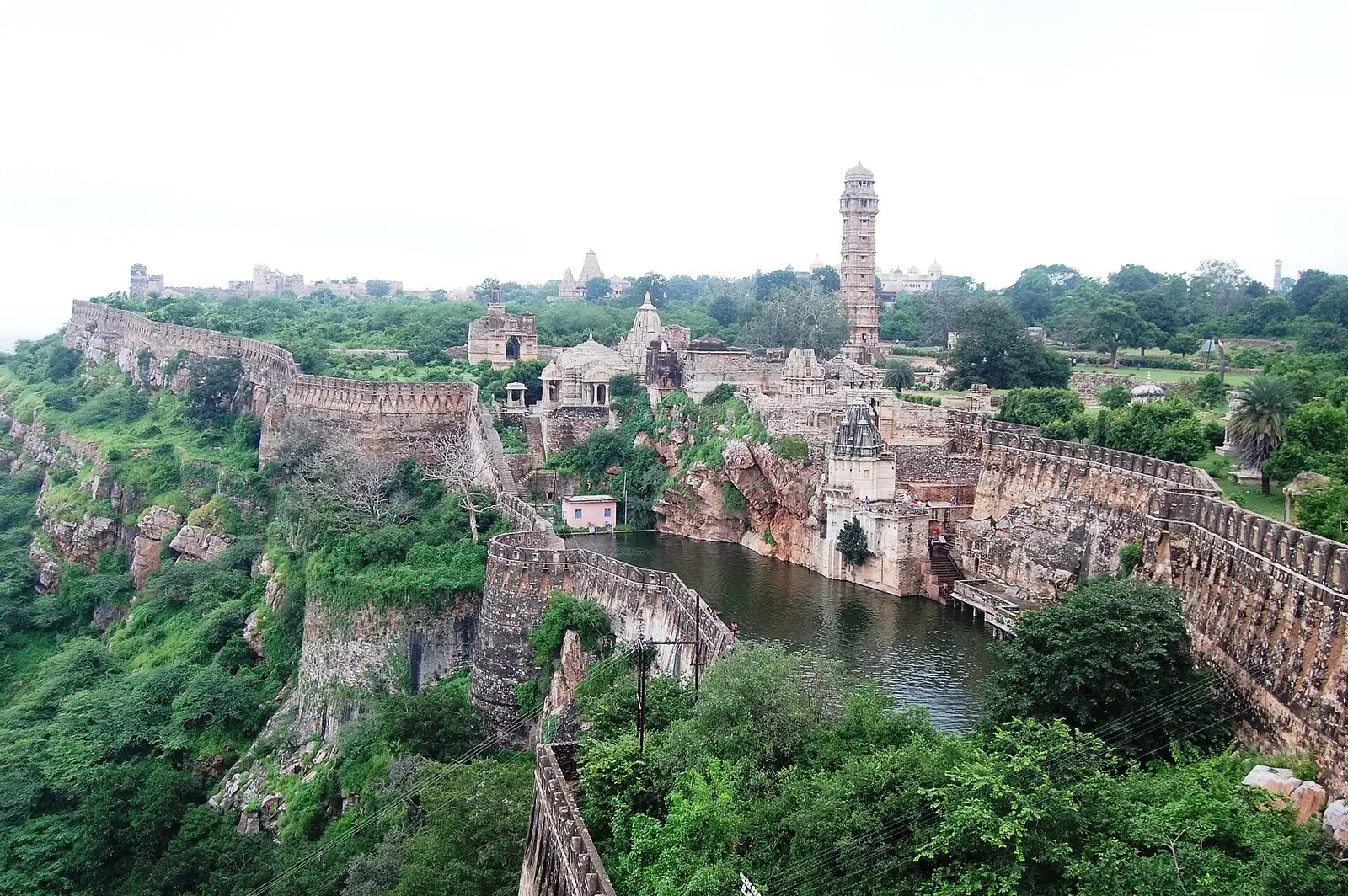
Forts were built across India by Rajput, Mughal, Maratha, Deccan, Vijayanagara and colonial powers, each adapted to its landscape: hilltops in Rajasthan and the Sahyadri, riverbanks in Agra and Delhi, and islands off the Konkan coast.
Two groups of forts are UNESCO World Heritage Sites: the six Hill Forts of Rajasthan (2013) and the twelve forts of the Maratha Military Landscapes of India (2025). The Red Fort and Agra Fort are listed on their own.
Quick answer
India's most famous forts include the Red Fort in Delhi and Agra Fort; Rajasthan's Amber, Chittorgarh, Kumbhalgarh, Jaisalmer and Mehrangarh; Gwalior in Madhya Pradesh; Golconda in Hyderabad; Raigad, Sinhagad and the sea fort of Sindhudurg in Maharashtra; Daulatabad; and Gingee in Tamil Nadu. The Hill Forts of Rajasthan and the Maratha Military Landscapes are UNESCO-listed groups.
Key takeaways
- Two fort groups are UNESCO sites: the Hill Forts of Rajasthan and the Maratha Military Landscapes.
- Rajasthan has the most visitor-friendly forts, several with museums.
- Maharashtra's forts are best explored as treks, especially after the monsoon.
- Sea forts such as Sindhudurg and Janjira are reached by boat, weather permitting.
- Visit early in the day and carry water; forts are exposed and involve climbs.
Famous forts at a glance
| Fort | State | Known for |
|---|---|---|
| Red Fort | Delhi | Mughal palace-fortress (UNESCO) |
| Agra Fort | Uttar Pradesh | Mughal fort-palace on the Yamuna (UNESCO) |
| Amber Fort | Rajasthan | Palace-fort above Maota Lake (UNESCO hill fort) |
| Chittorgarh | Rajasthan | Vast hill fort with towers of victory and fame (UNESCO) |
| Kumbhalgarh | Rajasthan | Long fortified wall in the Aravallis (UNESCO) |
| Jaisalmer | Rajasthan | Living sandstone fort (UNESCO) |
| Mehrangarh | Rajasthan | Clifftop fort and museum in Jodhpur |
| Gwalior | Madhya Pradesh | Hilltop fort with the Man Singh palace |
| Golconda | Telangana | Qutb Shahi citadel with acoustic gateway |
| Raigad | Maharashtra | Shivaji's capital (UNESCO Maratha site) |
| Daulatabad | Maharashtra | Hill fortress of Devagiri |
| Sindhudurg | Maharashtra | Island sea fort off Malvan (UNESCO Maratha site) |
| Gingee | Tamil Nadu | Hill forts on three hills (UNESCO Maratha site) |
| Bekal | Kerala | Coastal fort on the Malabar coast |
Rajasthan
The hill forts
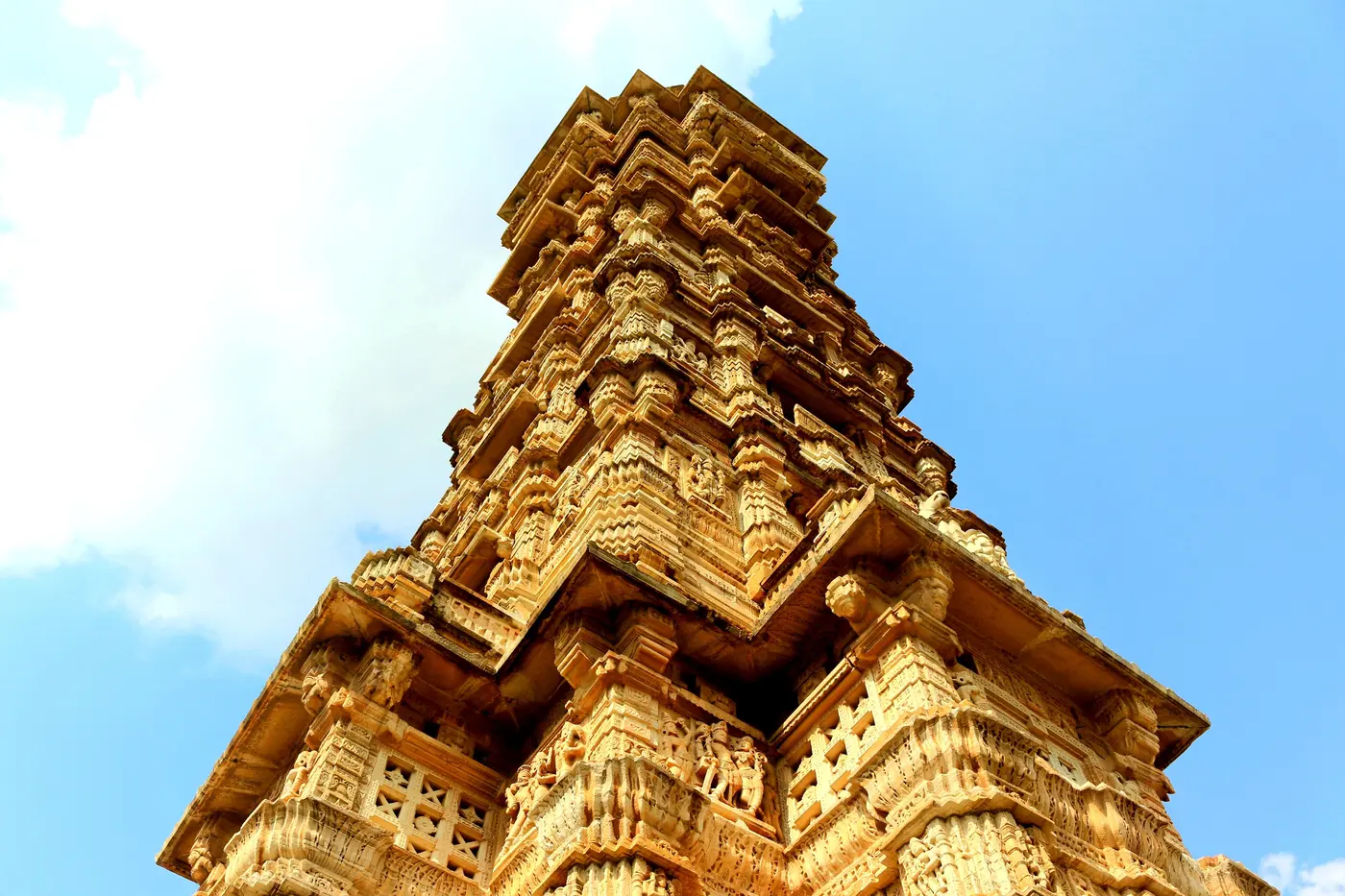
Amber, Chittorgarh, Kumbhalgarh, Ranthambore, Gagron and Jaisalmer form the UNESCO Hill Forts of Rajasthan; Mehrangarh, Junagarh and Taragarh are other great forts.
North and central India
Delhi and Agra
The Red Fort, Agra Fort, and the older Purana Qila and Tughlaqabad in Delhi.
Madhya Pradesh
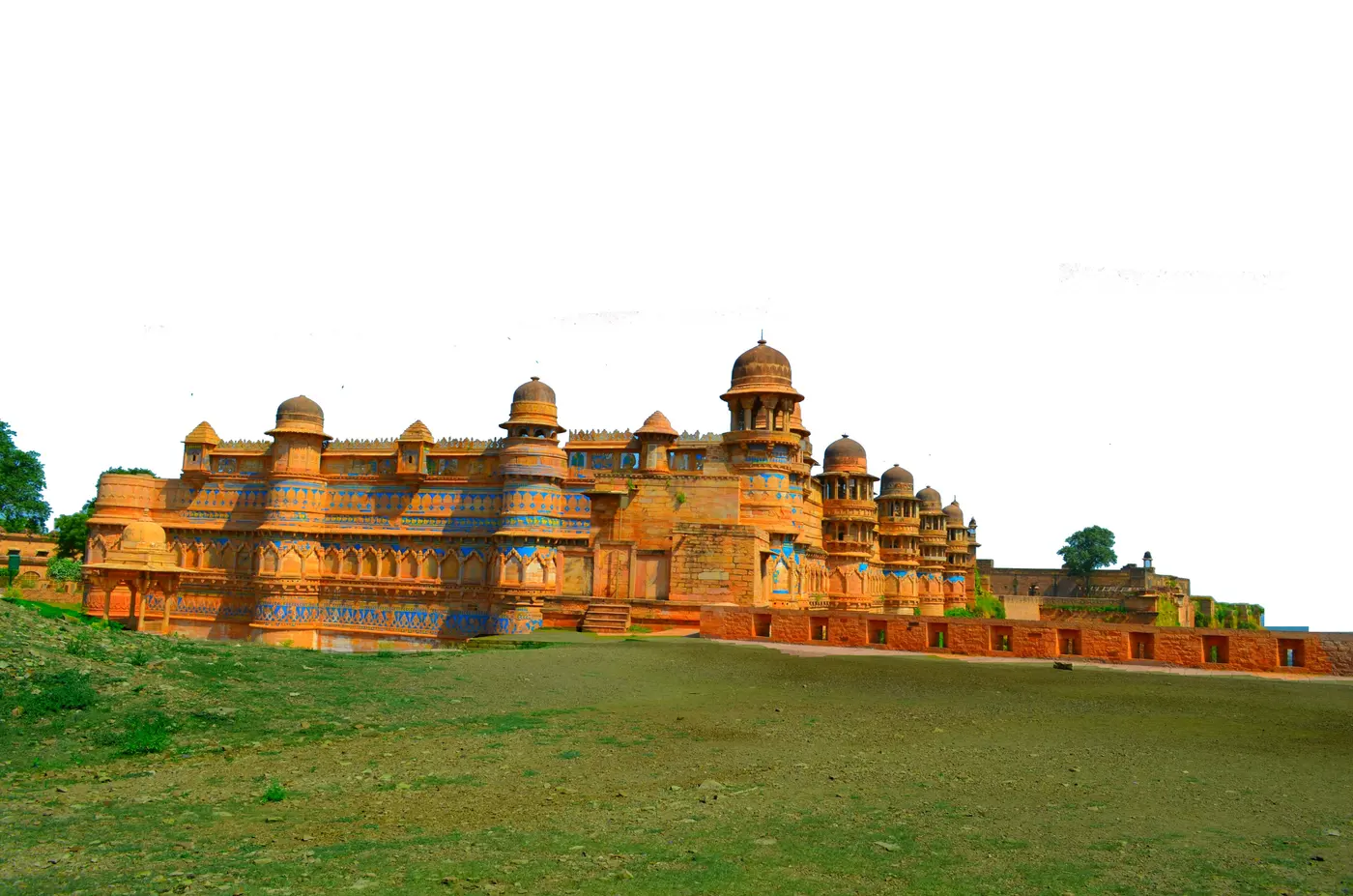
Gwalior's hilltop fort, Orchha's riverside palaces, Mandu's plateau fort and Asirgarh.
Uttar Pradesh
Jhansi's fort, linked with Rani Lakshmibai, Kalinjar and Chunar.
Maharashtra and the Deccan
The Maratha forts
Raigad, Shivneri, Pratapgad, Rajgad and the sea forts, many reached on treks.
The Deccan
Golconda near Hyderabad, Bidar, the citadel of Bijapur and Chitradurga in Karnataka.
The south
Gingee on its three hills and Vellore's moated fort in Tamil Nadu; Bekal on the Kerala coast.
Sea forts
- Sindhudurg, off Malvan, built by Shivaji in the 1660s; boats run in fair weather.
- Murud-Janjira, a Siddi island fortress, reached by sailboat from Rajapuri.
- Diu Fort, a Portuguese fort on the sea.
- Vijaydurg and Suvarnadurg on the Konkan coast.
Tips for fort visits
- Start early; most forts involve long walks and steps with little shade.
- Wear shoes with grip for uneven stone and ramparts.
- Monsoon treks to Maharashtra's forts are beautiful but slippery; go with experienced groups.
- Sea-fort boats stop in rough weather and during the monsoon.
How Indian forts were built
Indian texts and builders classified forts by their natural defence: hill forts (giri durga), water forts surrounded by rivers or sea (jala durga), desert forts (dhanva durga) and forest forts (vana durga). You can see each type on the ground: Kumbhalgarh and Raigad on hilltops, Gagron and Sindhudurg protected by water, Jaisalmer in the Thar, and Ranthambore inside forest. Walls, bastions, zigzag gateways against elephant charges, and stepwells or tanks for sieges are features to look out for.
Forts with children
- Mehrangarh and Amber are the most family-friendly, with lifts or easy ramps in parts and museums.
- Golconda's sound-and-light show and the clapping at the Fateh Darwaza entrance usually delight children.
- Keep children close on ramparts; many edges have no railings.
Safety
- Timings, closures and tickets are set by the ASI, state departments or trusts and change from time to time; check official sources before you go.
- Do not climb on ramparts or carvings, and follow the rules on photography and drones.
- Carry water and a hat; forts are exposed and Indian summers are hot.
- Keep away from unfenced rampart edges, especially with children.
What to pack
- Shoes with good grip
- Water and a hat
- Rain gear in the monsoon
- Photo ID
Want to explore India's heritage on a route built around you?
FAQs
Which is the most famous fort in India?
The Red Fort in Delhi is the best known; Amber, Mehrangarh, Chittorgarh and Golconda are also famous.
Which forts in India are UNESCO sites?
The Red Fort, Agra Fort, the six Hill Forts of Rajasthan and the twelve forts of the Maratha Military Landscapes.
Which state has the most forts?
Maharashtra has hundreds of forts; Rajasthan has the most visitor-friendly ones.
What is a living fort?
A fort where people still live inside, such as Jaisalmer.
When is the best time to visit forts?
October to March; Maharashtra's forts are also popular just after the monsoon.