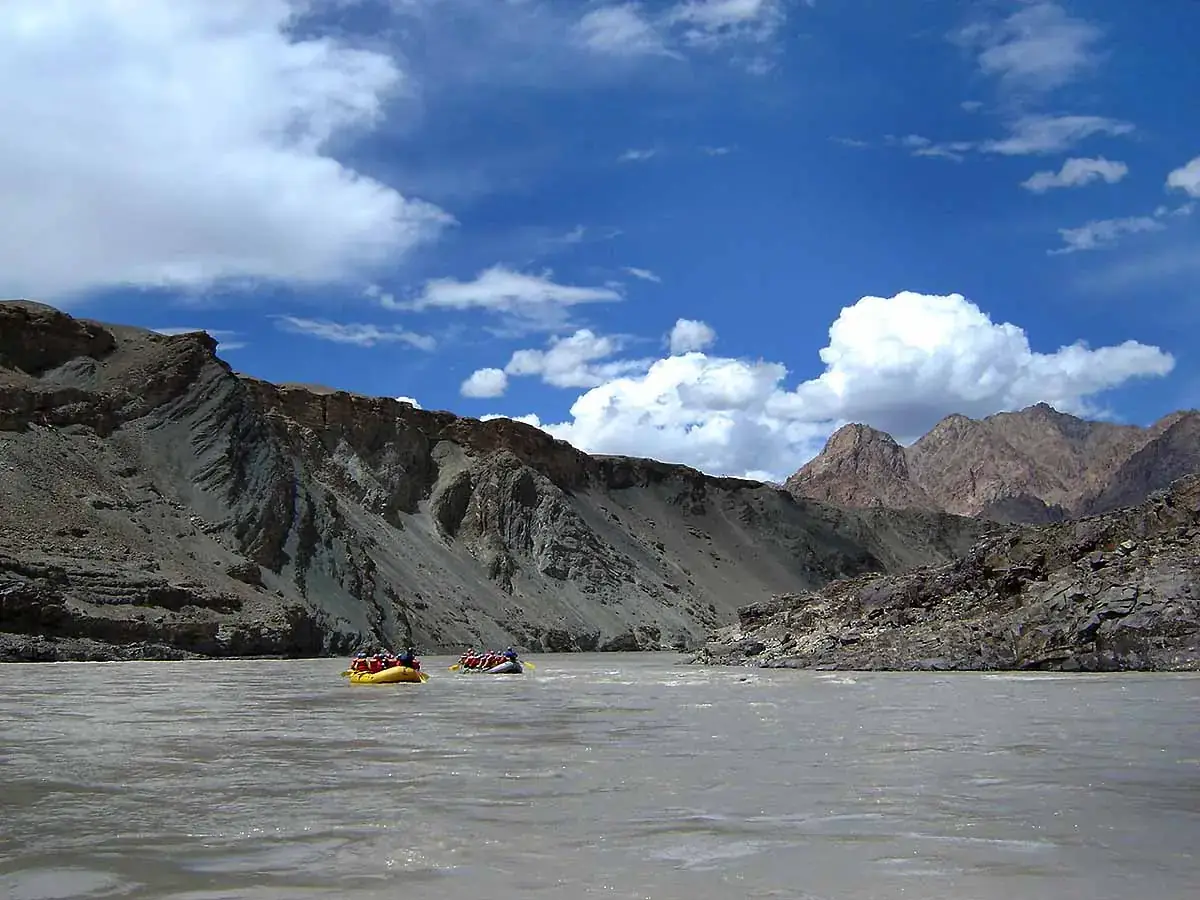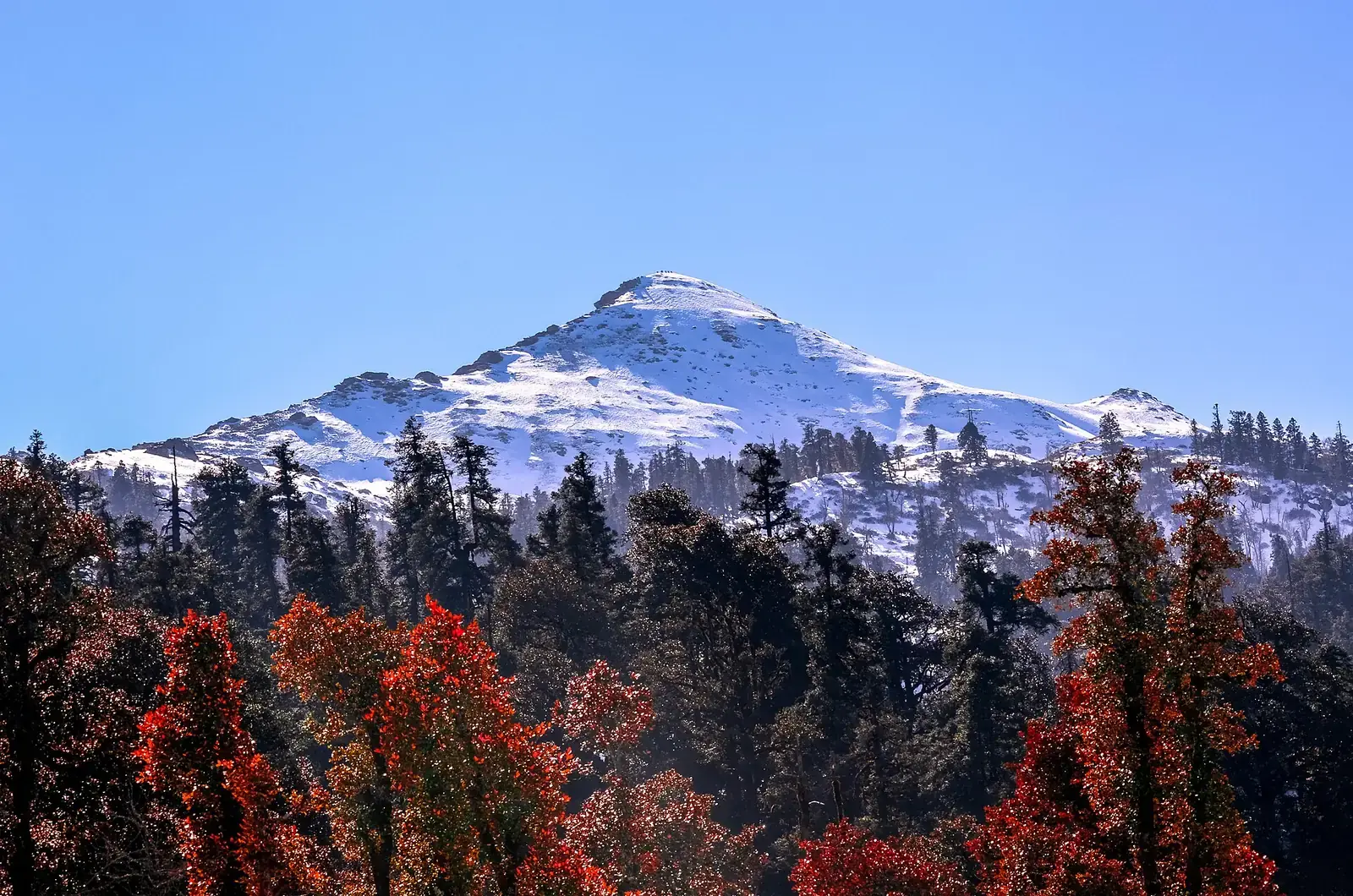
Most of India's best-known treks are in the Himalaya, which runs across the north of the country from Ladakh and Kashmir through Himachal Pradesh and Uttarakhand to Sikkim and Arunachal Pradesh. The Western Ghats in Maharashtra, Karnataka and Kerala add shorter, greener treks, many of them at their best in or just after the monsoon.
Choosing a trek comes down to three things: when you can travel, how fit and experienced you are, and how high you want to go. This guide groups the best treks in India by region and difficulty, then covers seasons, altitude, permits and whether to go with an organised group.
Quick answer
The best treks in India include Kedarkantha, Valley of Flowers and Har Ki Dun in Uttarakhand, Hampta Pass and Triund in Himachal Pradesh, Kashmir Great Lakes, Markha Valley in Ladakh, Goecha La and Sandakphu in the eastern Himalaya, and Harishchandragad in the Sahyadris. Choose by season: winter snow treks from December to March, high passes from June to September, and most others in spring and autumn.
Key takeaways
- Uttarakhand and Himachal Pradesh have the widest choice of treks for beginners and intermediates.
- Kashmir Great Lakes and Ladakh treks are summer treks, from about June or July to September.
- Snow treks such as Kedarkantha and Brahmatal run from December to March.
- Treks above about 2,500 metres need gradual ascent and awareness of altitude sickness.
- Many treks need forest permits, and border areas need Inner Line or Protected Area Permits.
Easy and moderate treks for first-timers
These treks are short (two to five days), stay below about 4,000 metres and follow well-used trails. Our guide to beginner treks in India covers them in more detail.
Triund, Himachal Pradesh
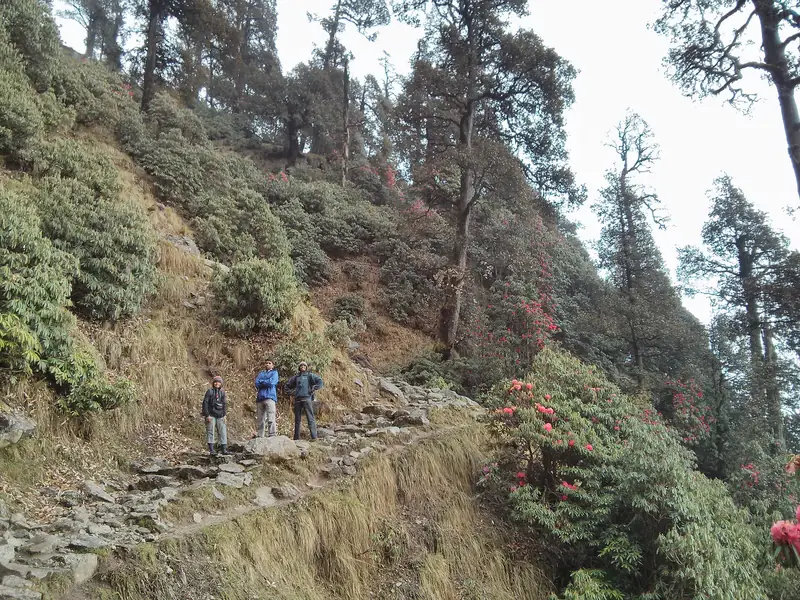
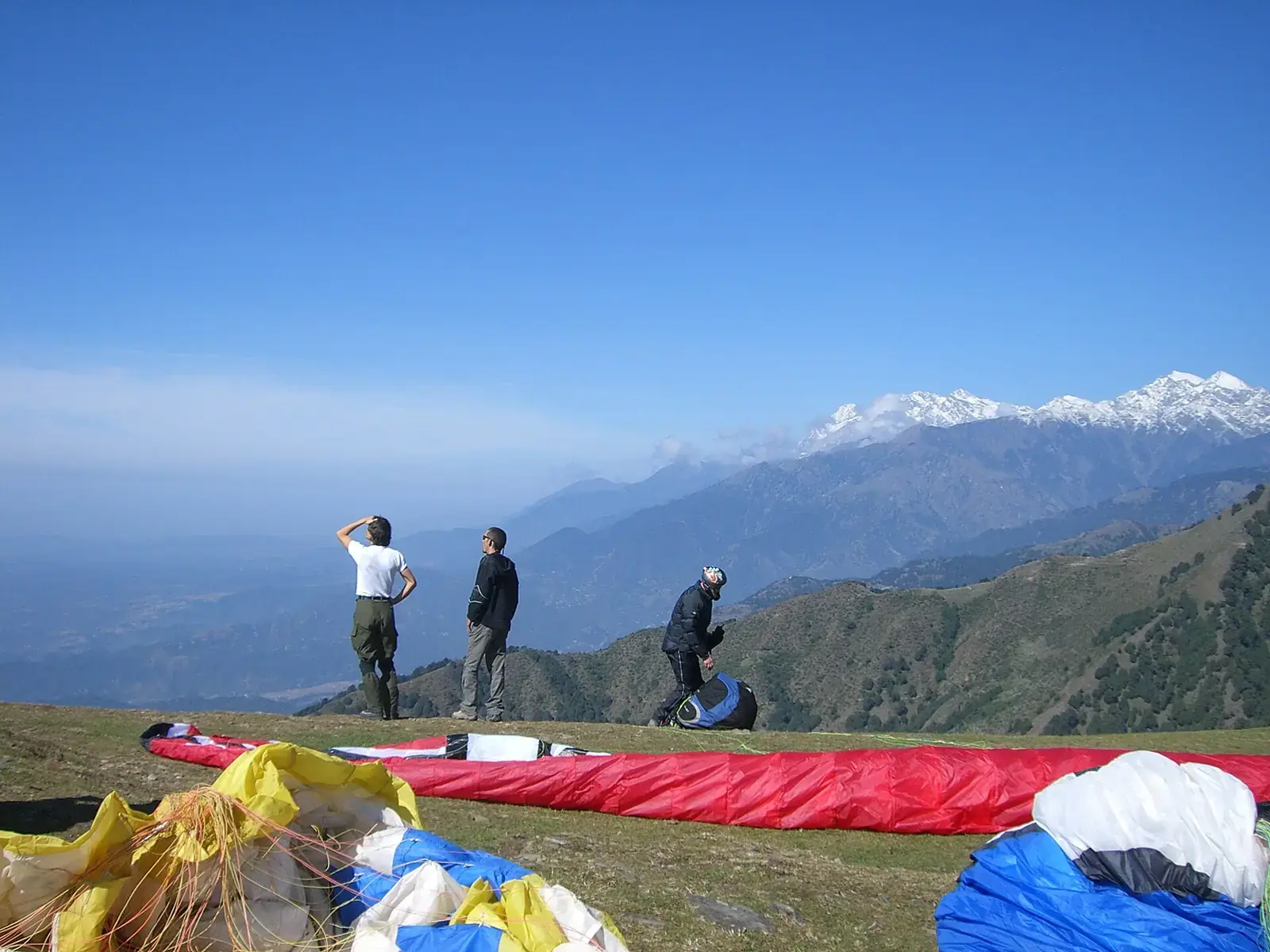
A day or overnight walk from McLeod Ganj to a ridge at about 2,850 metres facing the Dhauladhar range. Popular, well marked and a good test of fitness.
- Duration
- 1 to 2 days
- Best time
- March to June, September to December
Chopta, Tungnath and Chandrashila, Uttarakhand
From the meadows of Chopta, a paved path climbs to Tungnath, the highest Shiva temple in the world, and on to Chandrashila summit at about 4,000 metres, with views of Nanda Devi, Trishul and Chaukhamba. The temple closes in winter, but the trek stays open.
- Duration
- 2 to 3 days
- Best time
- Year-round except peak monsoon; snow in winter
Kedarkantha, Uttarakhand
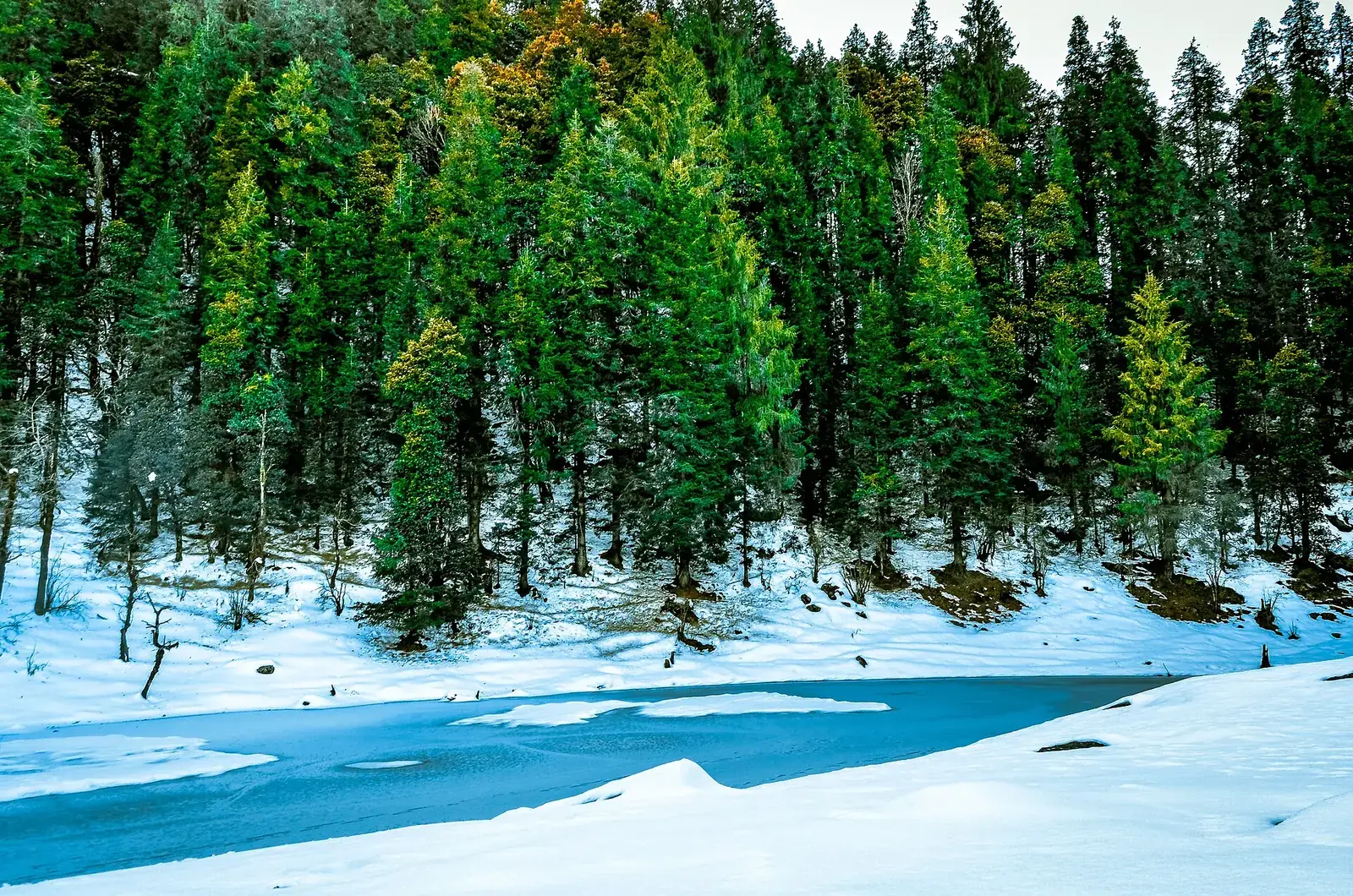
The classic winter trek starts from Sankri in Uttarkashi district and climbs through pine and oak forest to a summit at about 3,800 metres. It is the most popular first snow trek in India.
- Duration
- 5 to 6 days
- Best time
- December to April
Sandakphu, West Bengal
The highest point in West Bengal at about 3,636 metres, on the Singalila ridge, with views of Kanchenjunga and, on clear days, Everest, Lhotse and Makalu. The trek follows the Nepal border through rhododendron forest.
- Duration
- 5 to 7 days
- Best time
- March to May, October to December
Dzukou Valley, Nagaland and Manipur
A short, steep climb from near Kohima leads to a wide valley of rolling bamboo-grass hills at about 2,400 metres, famous for lilies in early summer.
- Duration
- 2 days
- Best time
- June to September for flowers, October to March for clear skies
Moderate treks
Hampta Pass, Himachal Pradesh
Starting near Manali, the trail climbs through forest and meadows to a pass at about 4,270 metres and drops into the stark, dry Lahaul valley, a dramatic change of landscape in a few hours. Many groups add a visit to Chandratal lake.
- Duration
- 4 to 5 days
- Best time
- June to September
Valley of Flowers and Hemkund Sahib, Uttarakhand
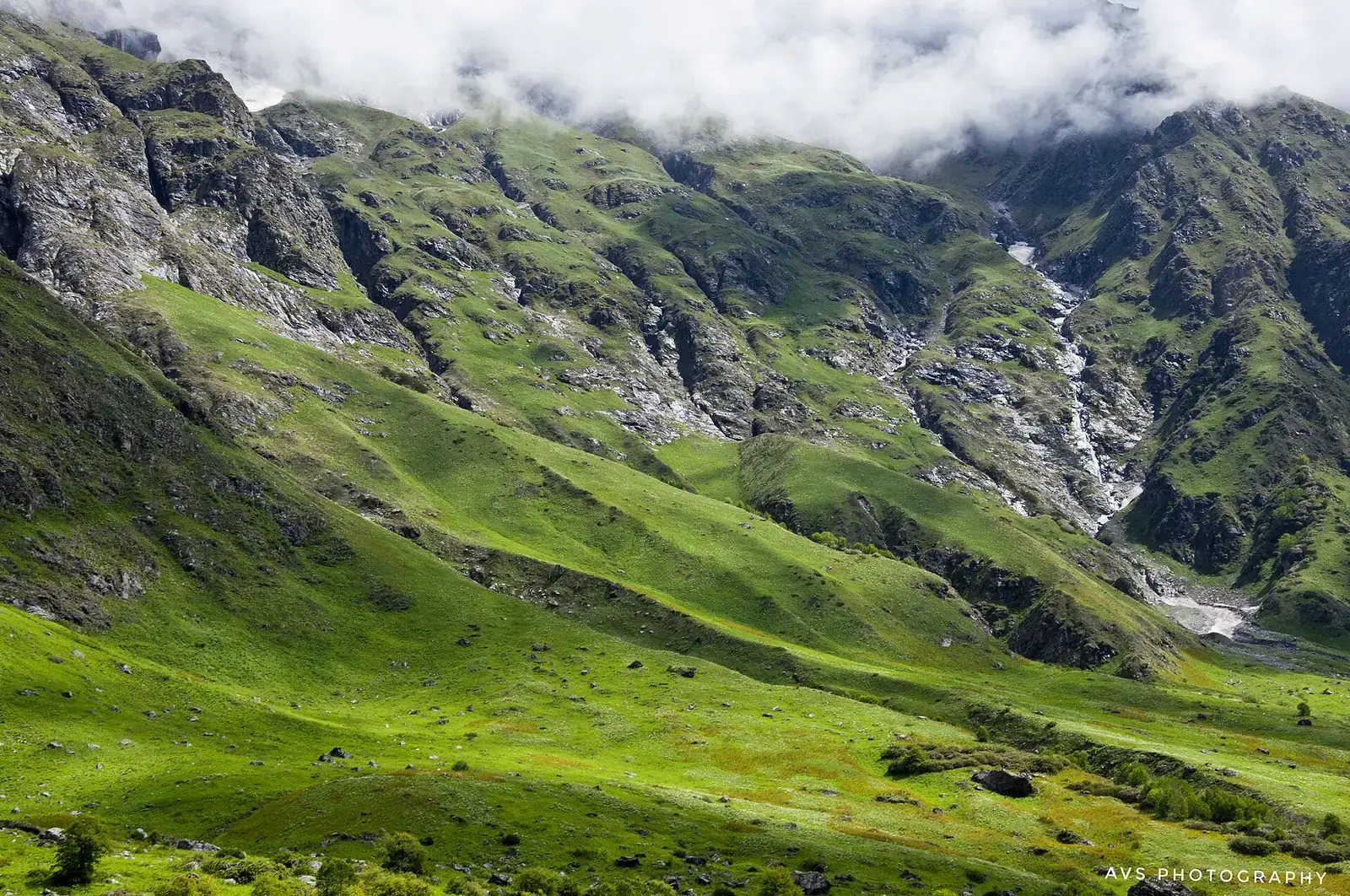
A UNESCO World Heritage valley of alpine meadows that bloom in the monsoon, reached from Govindghat via Ghangaria. The steep side trek to Hemkund Sahib, a Sikh shrine at a glacial lake at about 4,300 metres, is usually done the next day.
- Duration
- 4 to 6 days
- Best time
- July to August for flowers; open about June to October
Har Ki Dun, Uttarakhand
A long valley walk from Sankri to a meadow beneath Swargarohini, passing old wooden villages such as Osla. Gentle gradients but long days.
- Duration
- 6 to 7 days
- Best time
- April to June, September to December
Kashmir Great Lakes, Jammu and Kashmir
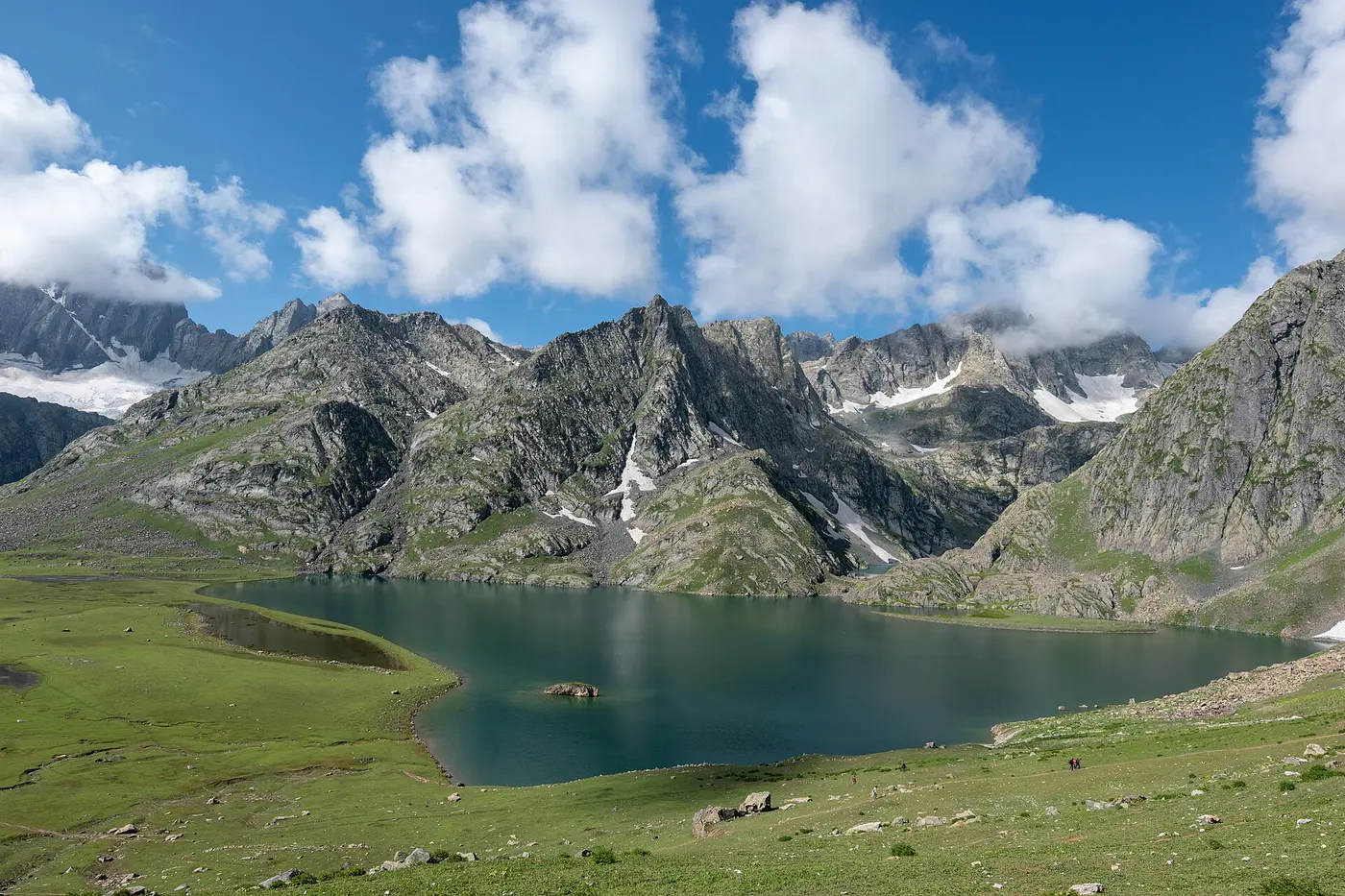
Often called the most beautiful trek in India, this route from near Sonamarg to Naranag crosses several passes, the highest around 4,200 metres, past a chain of alpine lakes such as Vishansar, Krishansar and Gadsar. Army checkpoints check ID on the way.
- Duration
- 7 to 8 days
- Best time
- July to September
Goecha La, Sikkim
From Yuksom, the trail climbs through forest to Dzongri and Thangshing to a viewpoint below Goecha La with a close view of Kanchenjunga's east face. Permits are arranged through registered agencies.
- Duration
- 8 to 11 days
- Best time
- April to May, October to November
Challenging and high-altitude treks
These treks cross passes around or above 4,500 metres, involve long days and sometimes snow or glacier sections. Do at least one moderate Himalayan trek first.
Markha Valley, Ladakh
A trek through Hemis National Park from near Leh, crossing Kongmaru La at over 5,000 metres, with nights in villages or camps. You must acclimatise in Leh for at least two to three days before starting.
- Duration
- 6 to 8 days
- Best time
- June to September
Rupin Pass and Buran Ghati, Himachal Pradesh
Two crossings from Uttarakhand or Shimla district into the Kinnaur side, with waterfalls, hanging villages and snow slopes near the passes. Rupin Pass reaches about 4,650 metres.
- Duration
- 7 to 9 days
- Best time
- May to June, September to October
Pin Parvati Pass, Himachal Pradesh
A demanding crossing from the green Parvati valley to the desert of Pin Valley in Spiti, over a glaciated pass above 5,000 metres. For experienced trekkers with a strong support team.
- Duration
- 10 to 12 days
- Best time
- July to September
Chadar trek, Ladakh
A winter walk on the frozen Zanskar river, possible only when the ice forms properly. It requires registration, a medical check in Leh and insurance, and it was suspended in January 2026 because the river did not freeze adequately.
- Duration
- About 8 days including acclimatisation
- Best time
- January to February, conditions permitting
Treks in the Western Ghats
Sahyadri forts, Maharashtra
Harishchandragad, Rajmachi, Lohagad and Kalsubai (the highest point in Maharashtra, at about 1,646 metres) are day or overnight treks from Mumbai and Pune. They are greenest in the monsoon but slippery; October to February is drier.
- Duration
- 1 to 2 days
- Best time
- June to February
Kudremukh and Kumara Parvatha, Karnataka
Kudremukh crosses rolling grassland hills in a national park; Kumara Parvatha near Kukke Subramanya is one of the toughest day climbs in the south. Both need forest department permission and follow seasonal rules.
- Duration
- 1 to 2 days
- Best time
- October to February
Agasthyarkoodam, Kerala
A forest trek to a sacred peak in the Agasthyamala Biosphere Reserve, open for a short season each year with online permits and limited numbers.
- Duration
- 2 to 3 days
- Best time
- Usually January to February (season set by the forest department)
Which trek, which season
| Season | Where to trek | Examples |
|---|---|---|
| Winter (December to March) | Lower Himalayan snow treks, Western Ghats | Kedarkantha, Brahmatal, Kuari Pass, Chopta, Sahyadri forts |
| Spring (April to June) | Mid-altitude Himalaya | Har Ki Dun, Sandakphu, Goecha La, Triund, Rupin Pass |
| Monsoon (July to August) | Rain-shadow areas and flower valleys | Ladakh, Kashmir Great Lakes, Hampta Pass, Valley of Flowers |
| Autumn (September to November) | Almost everywhere in the Himalaya | Har Ki Dun, Goecha La, Sandakphu, Kuari Pass |
Guided group, local guide or on your own?
Organised trekking companies handle permits, food, tents, guides and porters or mules, and are the easiest option for high-altitude and multi-day treks. For short, popular trails such as Triund or Tungnath, many people trek independently or hire a local guide on the spot.
Whichever you choose, check that the company or guide has first-aid training, carries oxygen and a first-aid kit on high treks, and has a clear plan for turning back in bad weather or illness. Avoid trekking alone on remote routes.
Safety
- Above about 2,500 metres, ascend gradually, drink water, and watch for altitude sickness: headache, nausea, dizziness and breathlessness at rest. If symptoms worsen, go down. Never climb higher with symptoms.
- Carry enough warm layers for the altitude; nights above 3,500 metres are cold even in summer.
- Check the weather and road status before driving to trailheads, especially in the monsoon.
- Tell someone your route and expected return; mobile coverage is patchy or absent on most treks.
- Treat or filter stream water, and carry oral rehydration salts.
- Follow the rules for camping in alpine meadows (bugyals), which courts and forest departments have restricted in places.
- Carry your rubbish down, including food wrappers and sanitary waste.
What to pack
- Broken-in trekking shoes with ankle support
- Layers: base layer, fleece, down or synthetic jacket, waterproof shell
- A 40 to 60 litre backpack with rain cover
- Headlamp, water bottles, sunscreen and sunglasses
- A basic first-aid kit and personal medicines
- Trekking poles for steep descents
Plan the trip
FAQs
Which is the best trek in India for beginners?
Triund, Nag Tibba, Chopta to Chandrashila, Kheerganga and, in winter, Kedarkantha are popular first treks.
What is the best time for trekking in India?
It depends on the trek: December to March for snow treks, April to June and September to November for most Himalayan treks, and July to September for Ladakh and Kashmir.
Which is the most beautiful trek in India?
Kashmir Great Lakes is often named, along with Valley of Flowers, Goecha La and Hampta Pass.
Do I need a permit for trekking in India?
Many treks in national parks and sanctuaries need forest permits, and some border areas need Inner Line or Protected Area Permits. Trek operators usually arrange them.
Which is the hardest trek in India?
Treks crossing high glaciated passes, such as Pin Parvati, and expedition routes in Ladakh and Sikkim are among the hardest.
Can I trek in India in the monsoon?
Yes, in rain-shadow areas such as Ladakh and parts of Kashmir and Lahaul, and on flower treks such as the Valley of Flowers. Expect landslides on roads to trailheads.