Why Uttarakhand?
Known as Dev Bhoomi — the Land of the Gods — Uttarakhand is where the Ganga and Yamuna rivers are born, where four of Hinduism's most sacred shrines sit above the tree line, and where hill stations built by the British still function as summer escapes for the whole country.
Few Indian states offer this range within a single itinerary: the yoga capital of Rishikesh and the holy city of Haridwar on the plains, lake towns like Nainital and colonial hill stations like Mussoorie at mid elevation, and the genuinely demanding Char Dham pilgrimage circuit at altitude — plus Jim Corbett, India's oldest national park, for wildlife.
It rewards travellers who pick a focus rather than trying to see everything — a Char Dham-centred trip and a lake-district-and-Rishikesh trip are genuinely different itineraries, and combining both properly needs 10+ days.
🏔️ Uttarakhand at a Glance
Want a day-by-day plan? Follow our Garhwal and Kumaon hill-station itineraries.
Planning a pilgrimage? See our guide to spiritual places in Uttarakhand.
Planning a wildlife trip? See our guide to wildlife tourism in Uttarakhand.
Planning something active? Read our guide to adventure activities in Uttarakhand.
Best Time to Visit Uttarakhand
Timing depends heavily on altitude and purpose — the Char Dham temples have a hard operating season, while Rishikesh and the lake towns are workable most of the year.
The temples reopen after winter closure, and this is the most popular window for the Yatra — book accommodation and permits well ahead.
Clear skies, comfortable temperatures, and the Char Dham circuit remains open through October — arguably the best overall period to visit.
Heavy rain brings real landslide danger on mountain roads; the Char Dham routes and many hill roads become genuinely risky.
The Char Dham temples close for winter, but this is peak season for snow at Auli and Mussoorie, and comfortable for Rishikesh and Jim Corbett.
Our pick: September to mid-October for the Char Dham circuit and clear mountain views; March to June for a Rishikesh, Nainital and Mussoorie-focused trip without the Yatra crowds.
How to Reach Uttarakhand
- By Air: Jolly Grant Airport (DED) in Dehradun is the main gateway, with connections to Delhi and other major cities. Delhi's IGI Airport is the broader regional hub for onward road/rail travel.
- By Rail: Haridwar and Dehradun are the main railheads, well connected to Delhi (4–6 hrs) and other major cities.
- By Road: Delhi to Rishikesh/Haridwar is roughly 5–6 hours by road; onward travel to Char Dham shrines or hill stations adds significant driving time given mountain roads.
The Char Dham Yatra
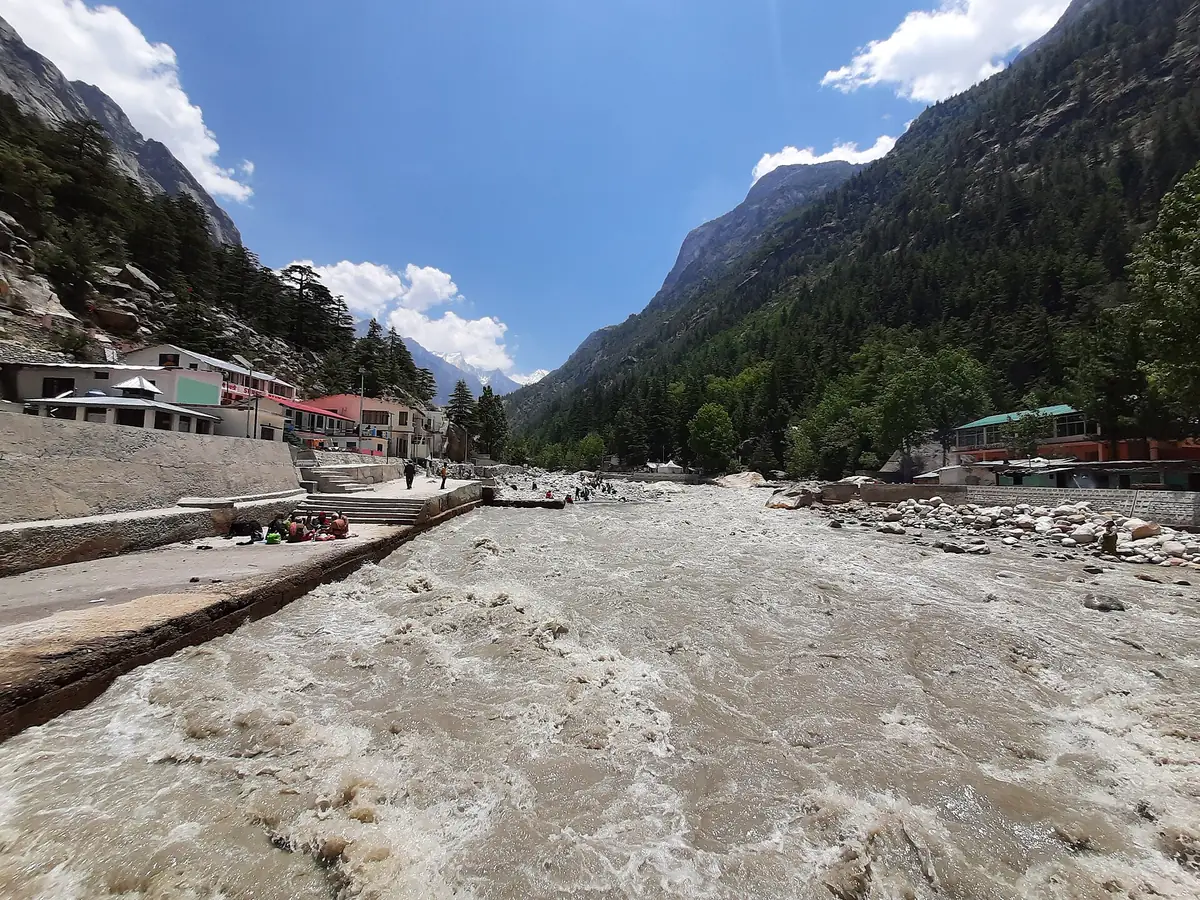
The Char Dham (Four Abodes) circuit is one of Hinduism's most significant pilgrimages — four temples, each at considerable altitude, traditionally visited in a fixed order.
- Yamunotri: Source of the Yamuna river, reached via a steep 5-6 km trek (or pony/palanquin) from Janki Chatti — typically the first stop on the circuit.
- Gangotri: Source of the Ganga, one of the more accessible shrines with a short walk from the road head.
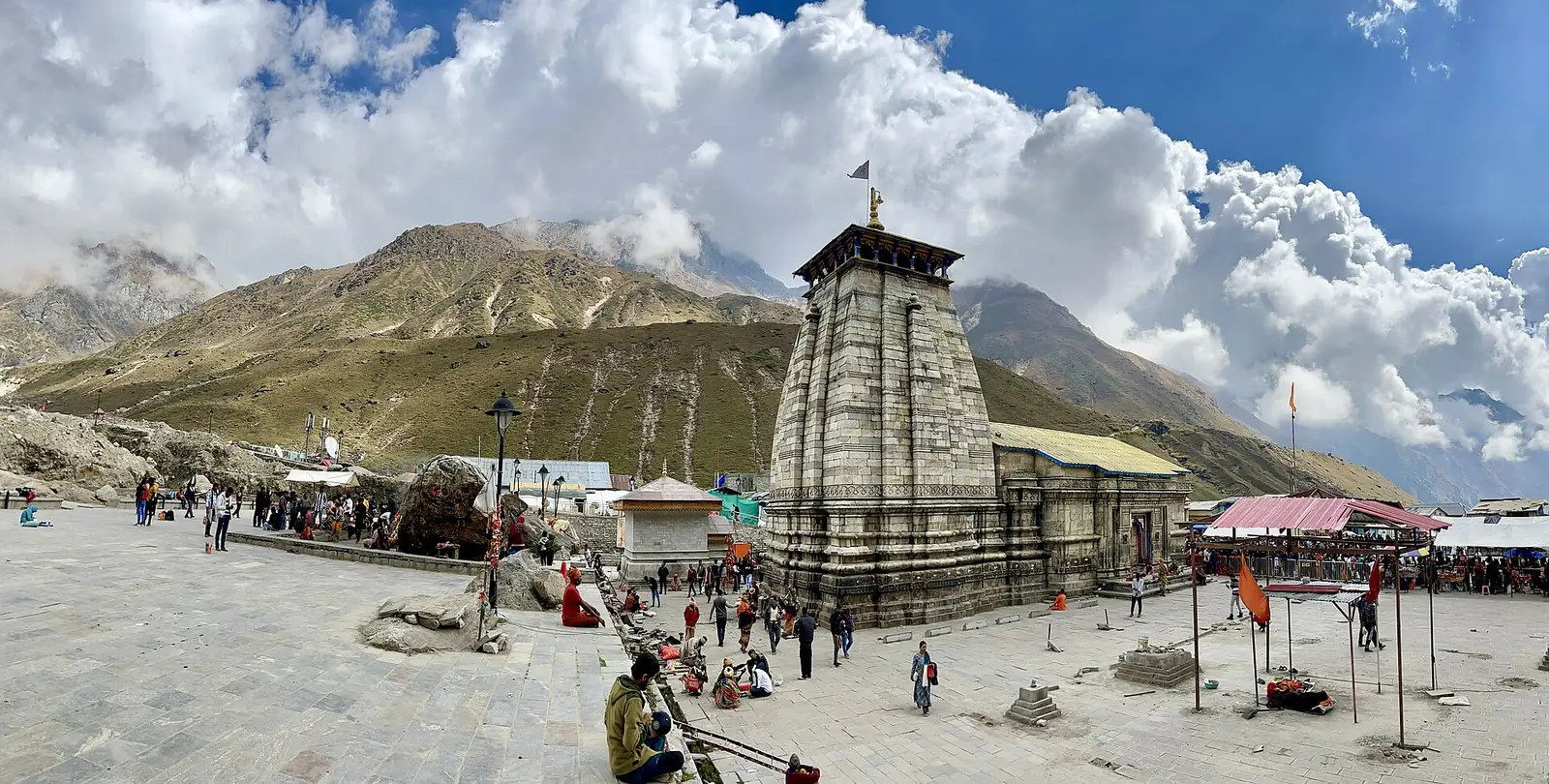
- Kedarnath: The most physically demanding of the four, requiring a roughly 16 km trek (or helicopter option) from Gaurikund at over 3,500m altitude.
- Badrinath: Dedicated to Vishnu and accessible by road right up to the temple — the most logistically straightforward of the four.
Rishikesh & Haridwar
Twin cities on the Ganga where the river first emerges from the mountains onto the plains — Haridwar is the older pilgrimage town, Rishikesh the adventure-and-yoga capital.
- Ganga Aarti at Har Ki Pauri (Haridwar): A nightly river ceremony with hundreds of floating oil lamps — one of North India's most moving religious sights.
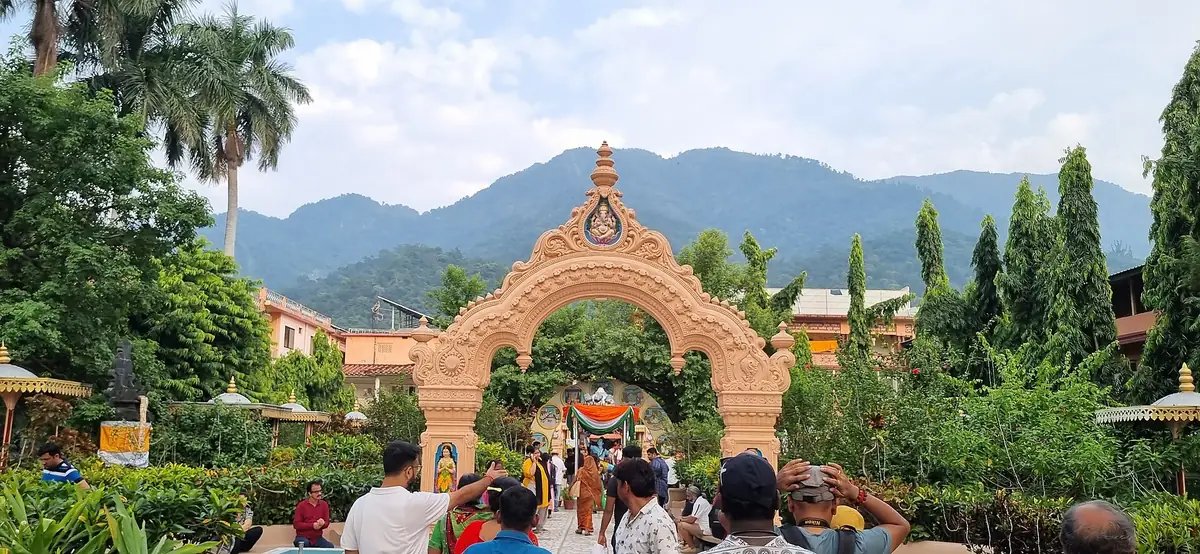
- Laxman Jhula & Ram Jhula (Rishikesh): Iconic suspension bridges over the Ganga, lined with ashrams, cafés and temples.
- White-water rafting: Rishikesh is India's premier rafting destination, with multiple grades of rapids on the Ganga depending on season.
- Yoga and meditation retreats: The self-declared "Yoga Capital of the World," with ashrams ranging from serious multi-week retreats to single-session drop-ins.
- Beatles Ashram: The abandoned Maharishi Mahesh Yogi ashram where the Beatles once stayed, now covered in street art and open to visitors.
Nainital, Mussoorie & Auli
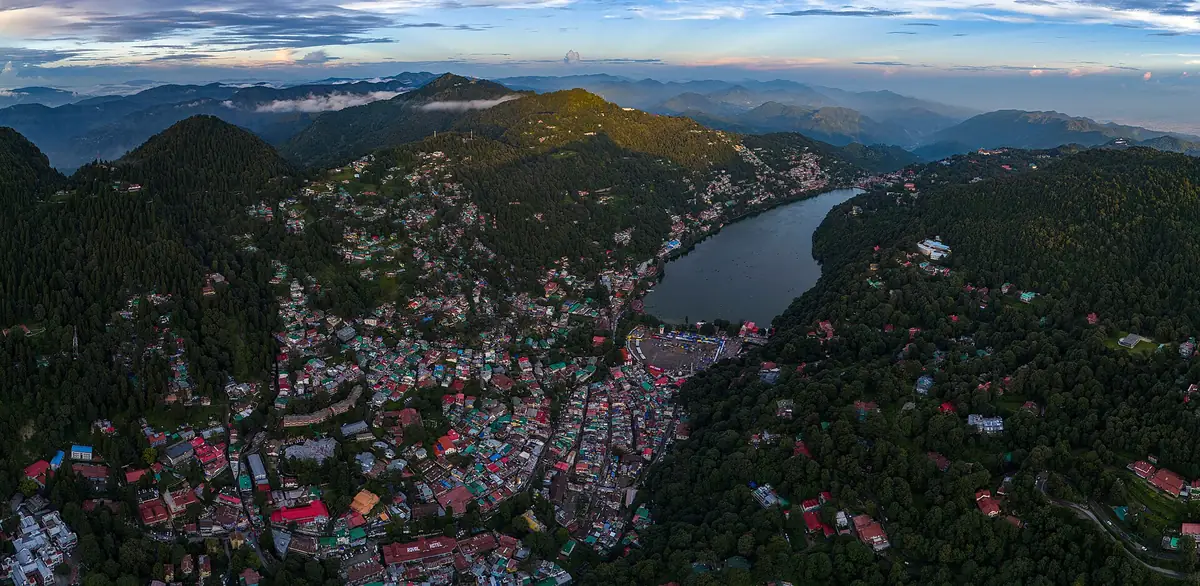
- Nainital: Built around the pear-shaped Naini Lake, this is the classic Kumaon hill station — boating, the Mall Road, and cable car rides up Snow View Point.
- Mussoorie: "The Queen of Hills," a colonial-era station near Dehradun known for Kempty Falls, Gun Hill, and sweeping Doon Valley views.
- Auli: Uttarakhand's premier ski destination in winter, with a cable car offering some of the best close-up Himalayan views accessible without trekking.
- Valley of Flowers & Hemkund Sahib: A UNESCO World Heritage alpine meadow bursting into bloom July–September, paired with the high-altitude Sikh shrine of Hemkund Sahib nearby.
- Ranikhet: A quieter Kumaon hill station with pine forests and army cantonment charm, less crowded than Nainital.
Jim Corbett & Wildlife
Jim Corbett National Park, India's oldest national park (established 1936), remains one of the country's best chances to spot a wild Bengal Tiger.
- Jeep safaris: Multiple zones (Dhikala, Bijrani, Jhirna) offer varying terrain and sighting probability — Dhikala is considered the best but requires advance booking.
- Elephant and deer sightings: Even without a tiger sighting, Corbett offers strong odds for elephant, spotted deer, and a wide range of bird species.
- Riverside resorts: Several properties along the Kosi River near the park offer a relaxed base for multiple safari attempts.
Where to Stay
Accommodation varies hugely by region — Rishikesh and the hill stations have dense inventory, while Char Dham stops are far more basic and fill up fast in peak season.
- → Ashram/dorm stays, Rishikesh
- → Guesthouses, Nainital Mall Road
- → GMVN lodges along Char Dham route
- → Riverside resorts, Rishikesh
- → Lake-view hotels, Nainital
- → Colonial-style hotels, Mussoorie
- → Ananda in the Himalayas (Rishikesh)
- → Naini Retreat (Nainital)
- → Jim Corbett luxury jungle lodges
Book Char Dham accommodation well ahead during May–June — room inventory at each shrine is genuinely limited, and demand during peak Yatra season is intense.
What to Eat in Uttarakhand
- Aloo ke gutke: A Kumaoni spiced potato dish, a staple across the region's hill kitchens.
- Bal mithai: A fudge-like sweet coated in sugar balls, a signature Almora and Nainital speciality.
- Sattu-based dishes: Roasted gram flour used in both savoury and sweet preparations across Garhwal.
- Pure vegetarian ashram food (Rishikesh): Most restaurants in Rishikesh are vegetarian and alcohol-free, reflecting the town's spiritual character.
- Kumaoni raita and chainsoo: Regional specialities worth seeking out at local Kumaoni restaurants in Nainital and Almora.
7-Day Uttarakhand Itinerary
A focused itinerary combining Rishikesh and the Kumaon lake district — a separate, longer trip is better suited to the Char Dham circuit alone.
Rishikesh & Haridwar
- ✓Arrive Rishikesh, Laxman Jhula and Ram Jhula walk
- ✓White-water rafting on the Ganga
- ✓Evening: Ganga Aarti at Har Ki Pauri, Haridwar
Nainital
- ✓Drive to Nainital (~7 hrs)
- ✓Boating on Naini Lake, Mall Road walk
- ✓Cable car to Snow View Point
Jim Corbett
- ✓Drive to Corbett region (~3.5 hrs from Nainital)
- ✓Afternoon jeep safari
Mussoorie & Departure
- ✓Drive to Mussoorie (~5-6 hrs)
- ✓Gun Hill, Kempty Falls, Mall Road
- ✓Departure via Dehradun
Budget Breakdown
| Expense | Budget | Mid-Range | Luxury |
|---|---|---|---|
| Accommodation/night | ₹1,200 | ₹3,800 | ₹12,000 |
| Food/day | ₹500 | ₹1,200 | ₹2,800 |
| Local transport/day | ₹400 | ₹900 | ₹2,500 |
| Activities/day | ₹300 | ₹1,000 | ₹2,500 |
| Daily total | ₹2,400 | ₹6,900 | ₹19,800 |
| 7-Day trip total | ₹16,800 | ₹48,300 | ₹1,38,600 |
* Excludes travel to Uttarakhand. A dedicated Char Dham Yatra (with helicopter option for Kedarnath) typically adds ₹15,000–₹60,000+ per person depending on transport choices.
Essential Travel Tips for Uttarakhand
- Register for Char Dham in advance: Biometric registration is mandatory and checked at multiple checkpoints along the route.
- Build in acclimatisation days: Altitude sickness is a real risk at Kedarnath and Badrinath — don't rush the circuit.
- Avoid mountain roads during heavy monsoon: Landslide risk is significant July–August across most hill routes.
- Book Jim Corbett safaris ahead: Especially the Dhikala zone, which has limited daily permits and fills up quickly in peak season.
- Respect Rishikesh's alcohol-free zones: Much of the town, especially near the ashrams, is vegetarian and dry — check before booking a stay if that matters to you.
- Carry cash in remote hill areas: Card and UPI acceptance drops off quickly outside major towns.
✅ Do
- →Register for Char Dham biometric permits in advance
- →Build acclimatisation days into a Char Dham itinerary
- →Book Jim Corbett safaris and Char Dham stays ahead
- →Try white-water rafting in Rishikesh
- →Carry warm layers even in summer for high-altitude stops
- →Carry cash for remote hill towns and villages
❌ Don't
- →Attempt the full Char Dham circuit in under a week
- →Travel mountain roads during heavy monsoon rain
- →Skip altitude sickness precautions at Kedarnath/Badrinath
- →Expect alcohol availability in central Rishikesh
- →Rely on cards outside major towns
- →Underestimate mountain road drive times when planning
Places to Explore in Uttarakhand
Every Uttarakhand guide on Kudozz Club, in one place — 22 destinations covered so far, from cities and towns to individual attractions. Use this index to plan beyond the highlights above.
Frequently Asked Questions
How many days do I need for an Uttarakhand trip?
Seven days is a focused itinerary combining Rishikesh, Haridwar, Nainital, Jim Corbett, and Mussoorie — a separate, longer trip of 8–9+ days is better suited to the Char Dham circuit alone, since altitude, mountain roads, and unpredictable weather all add real time buffers.
What is the best time to visit Uttarakhand?
September to mid-October is the pick for the Char Dham circuit and clear mountain views, or March to June for a Rishikesh, Nainital, and Mussoorie-focused trip without Yatra crowds. Avoid July–August, when heavy monsoon rain brings real landslide danger on mountain roads.
How do I reach Rishikesh from Delhi?
Delhi to Rishikesh/Haridwar is roughly 5–6 hours by road. Haridwar and Dehradun are the main railheads, well connected to Delhi (4–6 hours by train). Jolly Grant Airport (DED) in Dehradun is the main air gateway, with connections to Delhi and other major cities.
Is the Char Dham Yatra difficult?
It varies by shrine — Badrinath is accessible by road right up to the temple, Gangotri involves a short walk from the road head, Yamunotri needs a steep 5–6 km trek, and Kedarnath is the most demanding at roughly 16 km (or a helicopter option) above 3,500m altitude. Biometric registration is mandatory, and building in acclimatisation days rather than rushing the full circuit in under 8–9 days matters for avoiding altitude sickness.
What is the budget for a trip to Uttarakhand?
A 7-day trip runs roughly ₹16,800 at the budget level up to ₹1,38,600 at the luxury level, excluding travel to Uttarakhand. A dedicated Char Dham Yatra with a helicopter option for Kedarnath typically adds ₹15,000–₹60,000+ per person on top of a standard trip.
What are the top things to do in Rishikesh?
White-water rafting on the Ganga, walking across the iconic Laxman Jhula and Ram Jhula suspension bridges, visiting the Beatles Ashram, joining a yoga or meditation session at one of the town's ashrams, and taking in the evening Ganga Aarti a short distance away at Har Ki Pauri in Haridwar.
Do I need to register for the Char Dham Yatra?
Yes — biometric registration on the official Uttarakhand portal is mandatory and checked at multiple checkpoints along the route. Register well before travel, since it's required regardless of which of the four shrines you're visiting.
Published by the Kudozz Club editorial team · Last updated · How we research our guides
Want us to plan this trip for you?
Tell Kudozz Club where you want to go and what kind of trip you’re looking for. We’ll build a Uttarakhand itinerary around your dates and budget.
Continue Exploring
View all guides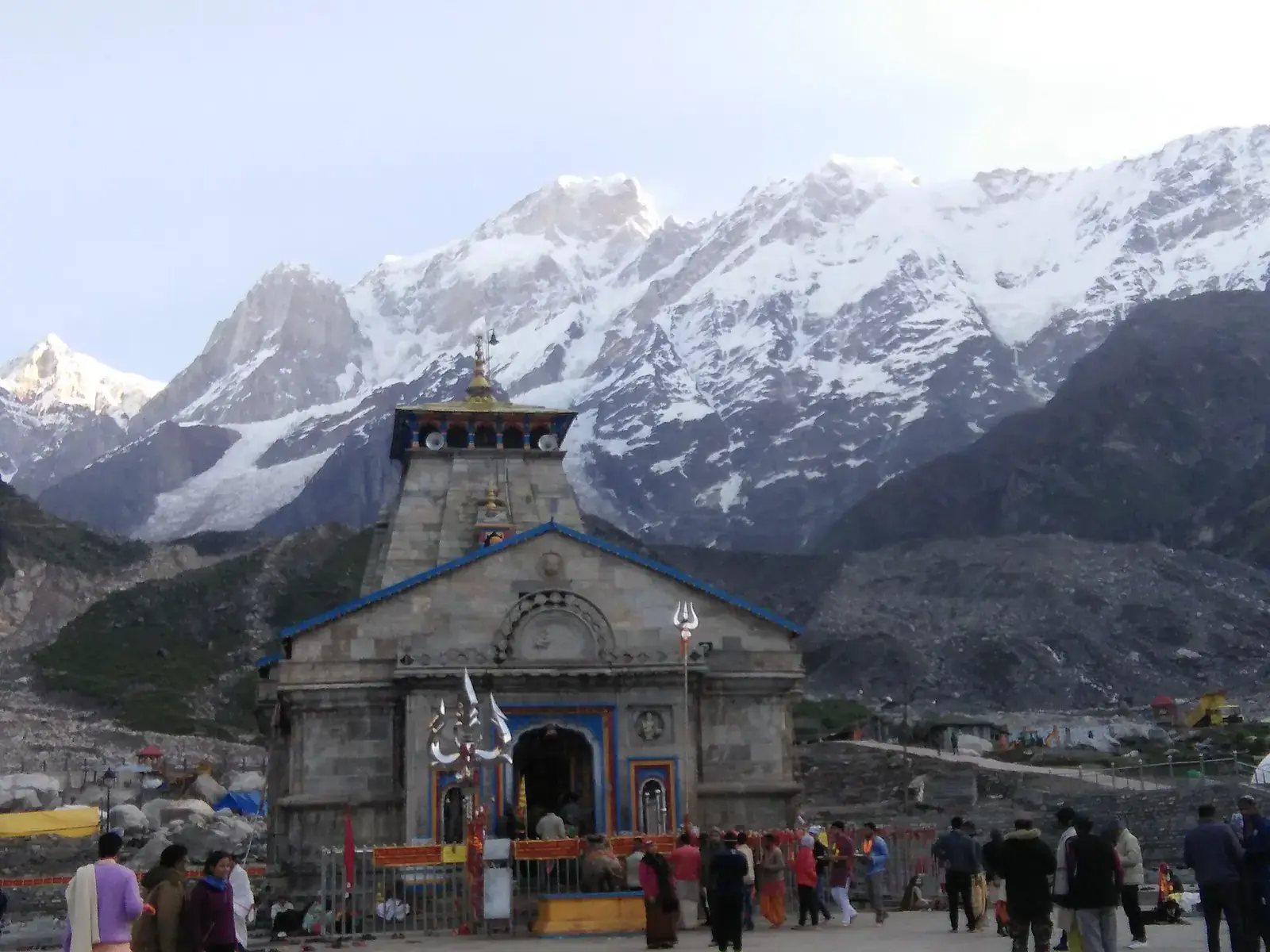 Spiritual Tourism
Spiritual Tourism in Uttarakhand: Char Dham, Haridwar, Rishikesh and Beyond
A guide to spiritual tourism in Uttarakhand, often called Devbhoomi: the Char Dham, Haridwar's Har ki Pauri and Rishikesh's ashrams and aartis, the Panch Kedar and Panch Prayag, Hemkund Sahib, Jageshwar, Kainchi Dham and Purnagiri in Kumaon, the 2027 Haridwar Ardh Kumbh, seasons and routes.
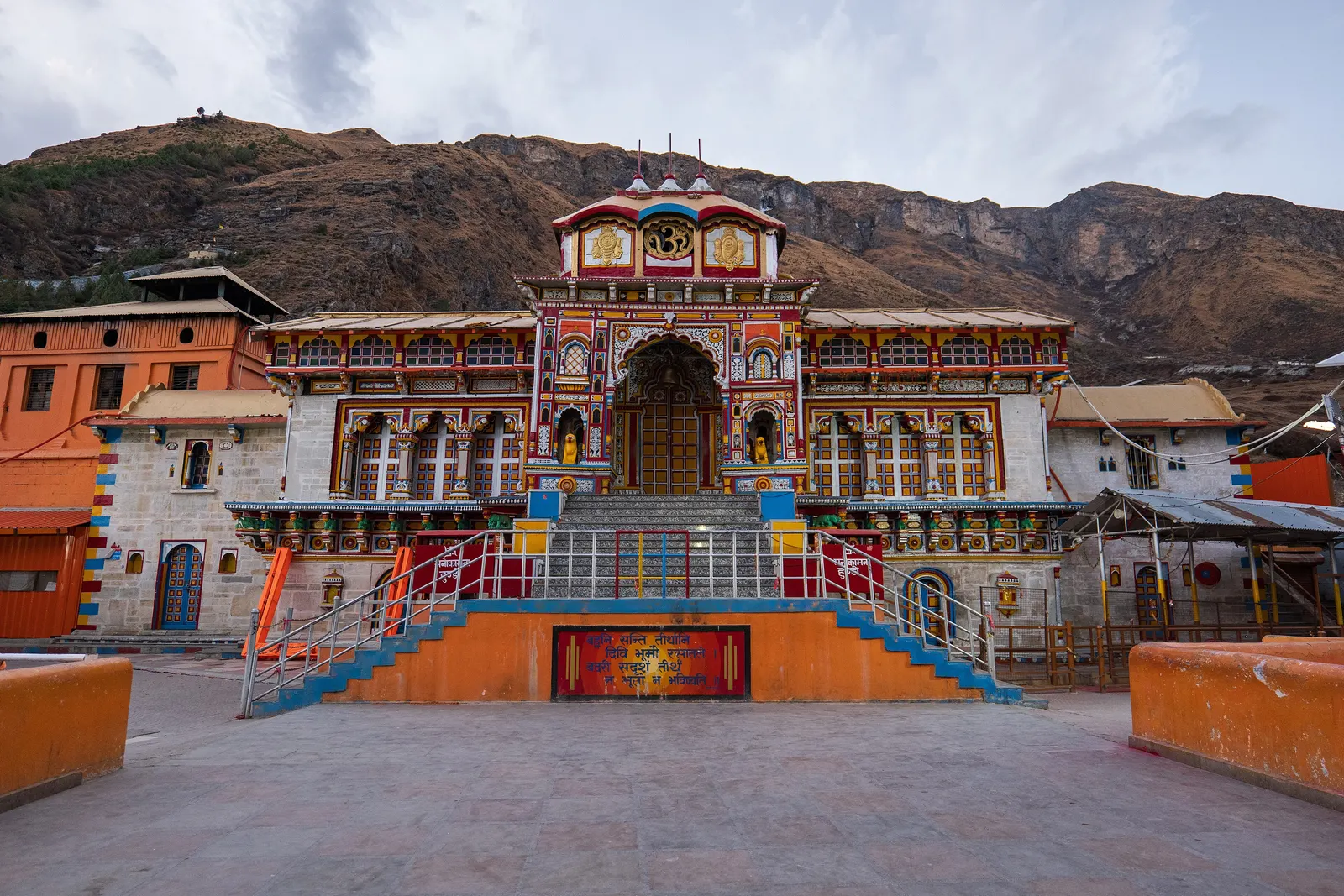 Heritage
Badrinath Travel Guide: Temple, Timings & How to Reach
Complete Badrinath guide — temple opening dates, Tapt Kund, Mana village, Vasudhara Falls, how to reach via Joshimath, where to stay, and a full Char Dham visit plan.
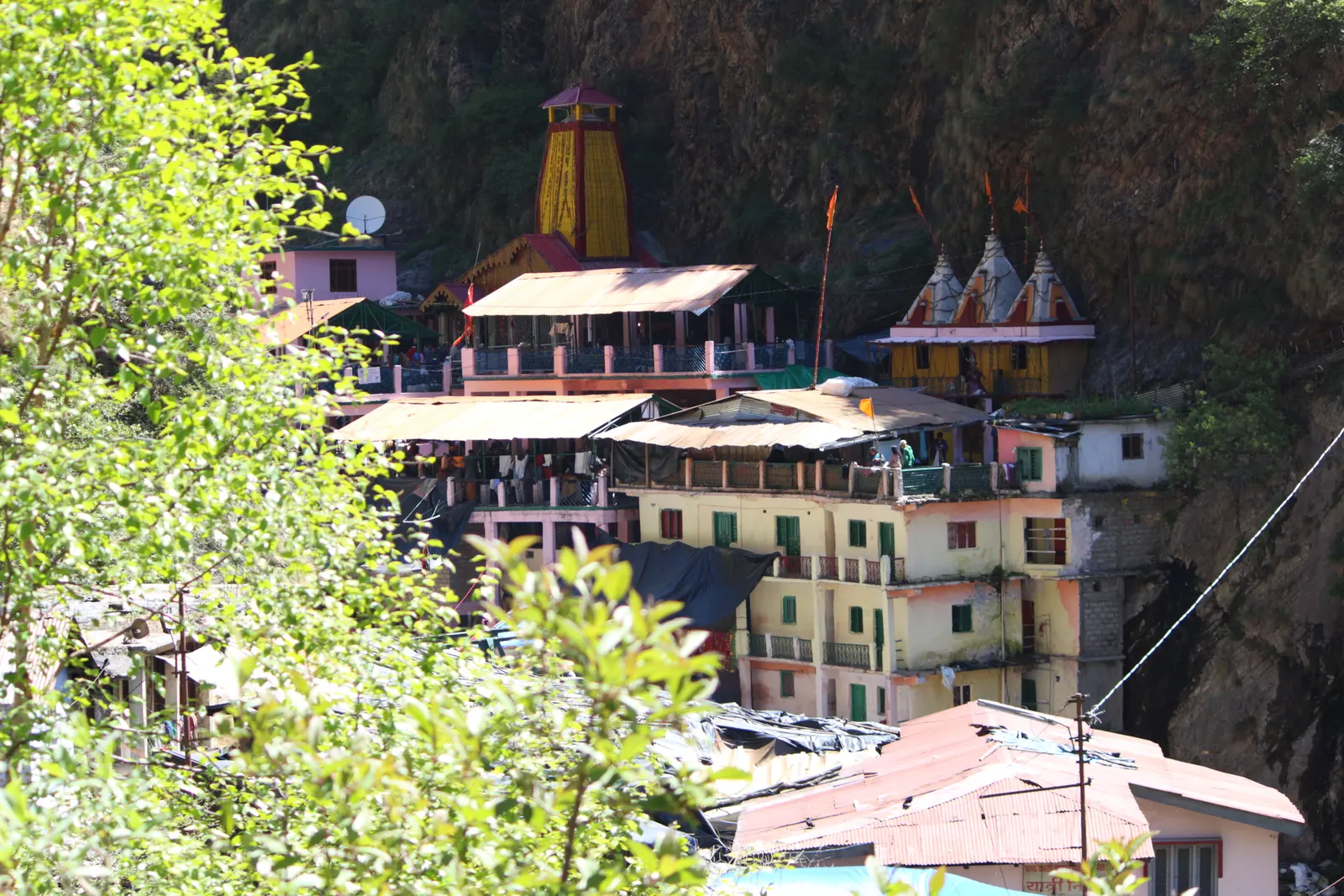 Heritage
Yamunotri Travel Guide: Trek, Hot Springs & Tips
The traditional first stop of the Char Dham Yatra — a forested trek from Janki Chatti to the Yamuna's source, past the Surya Kund hot-spring prasad ritual.
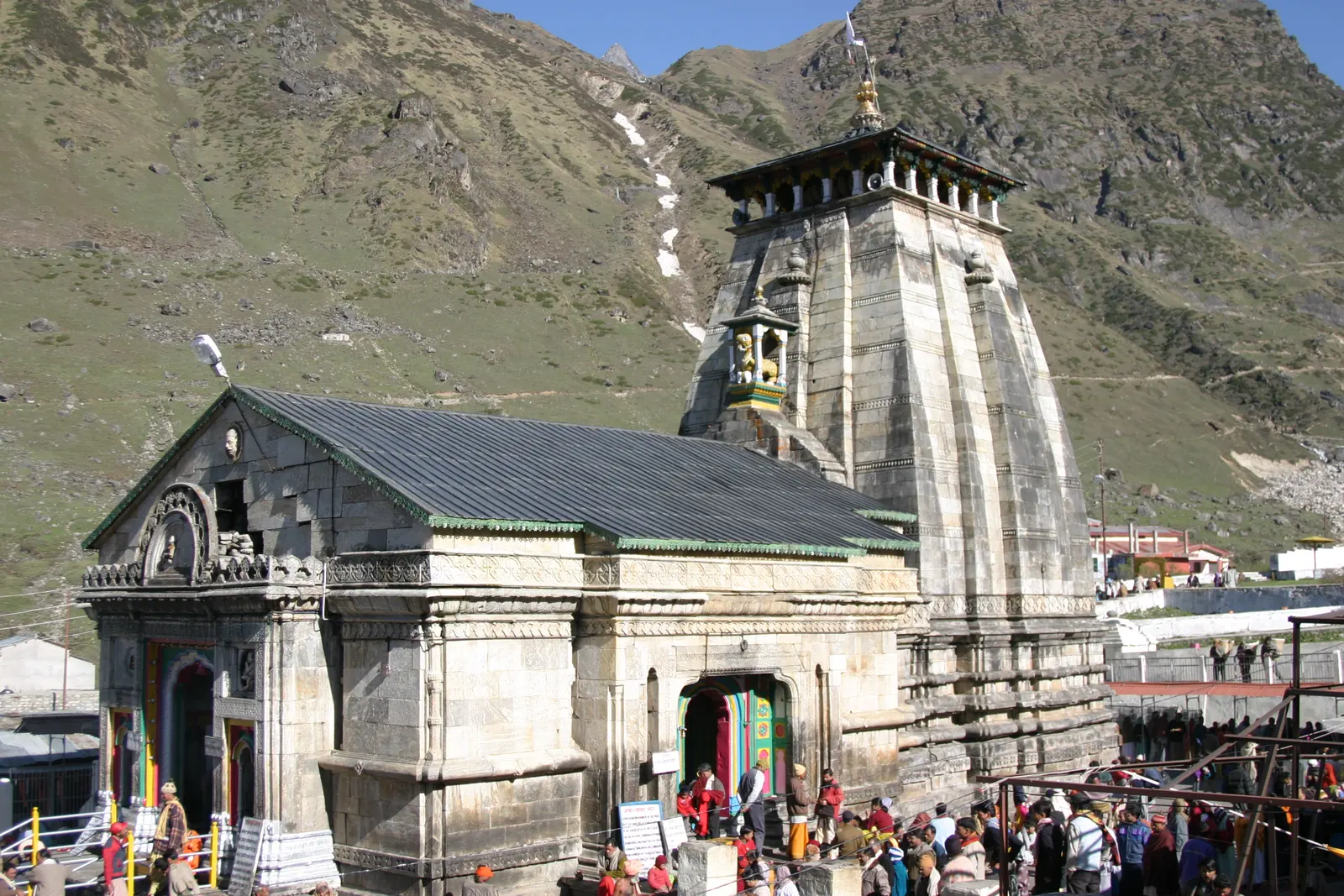 Heritage
Kedarnath Travel Guide: Trek, Yatra & Helicopter Tips
Complete Kedarnath guide — the Gaurikund/Sonprayag trek route, helicopter shuttle booking, temple opening dates, Bhairav Temple, Vasuki Tal, where to stay, and a full yatra plan.