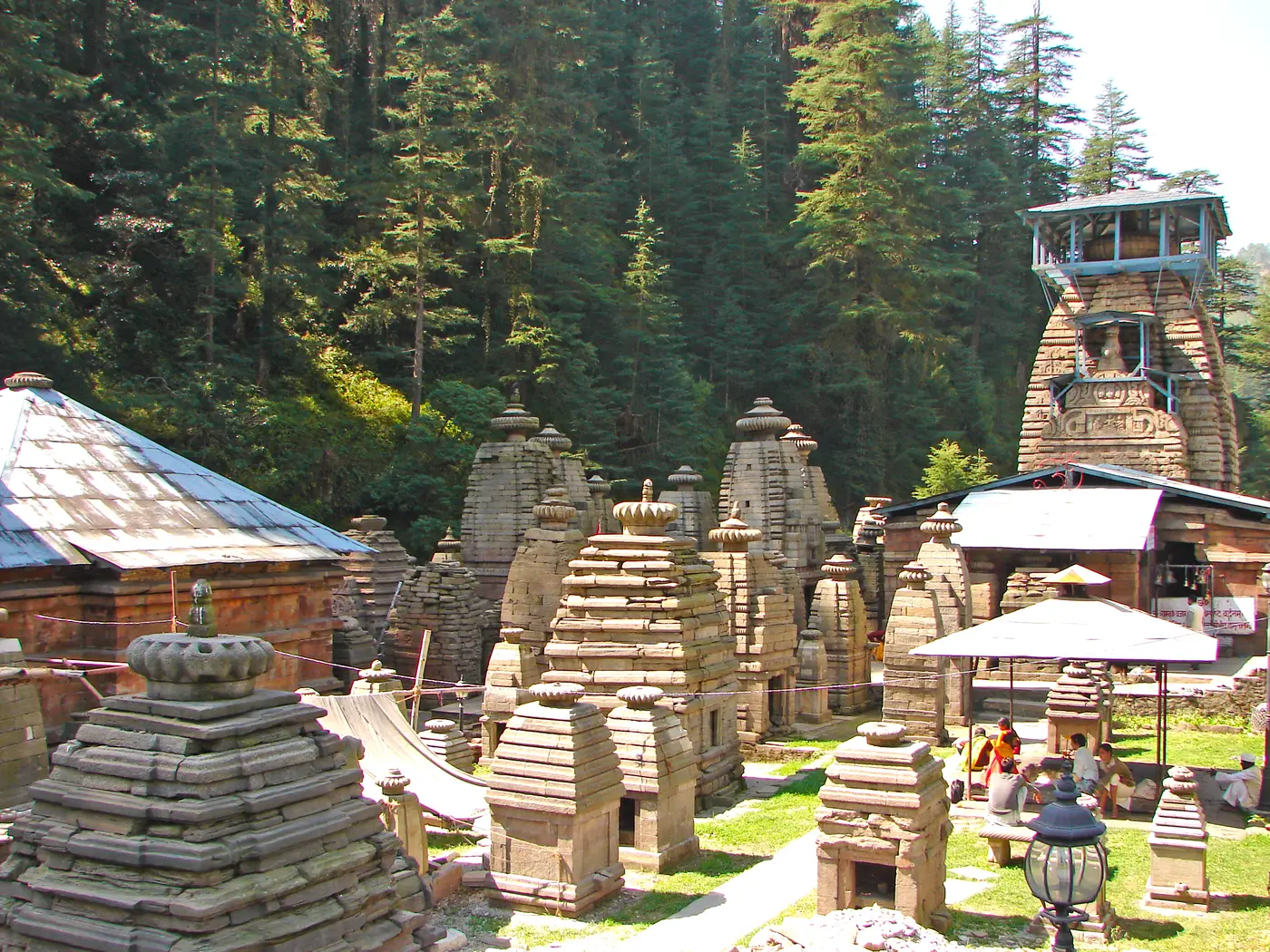
An Ancient Forest Temple Cluster
Jageshwar is one of the Himalayas' most remarkable, and least crowded, heritage sites — a cluster of roughly 124 stone temples packed into a narrow valley shaded by tall deodar trees, about 35 km from Almora in Kumaon. Most of the temples date from the 7th to 14th centuries, built through the Katyuri and later Chand dynasty periods, making this one of the largest and oldest groupings of stone temple architecture in Uttarakhand.
The complex is popularly associated with the Jyotirlinga tradition, though this identification is genuinely debated among scholars and across regional pilgrimage traditions — worth knowing rather than treating as settled fact. What isn't in question is the site's architectural and historical weight: alongside the main Jageshwar shrine, the complex includes the Dandeshwar and Kuber temples, and a short trek or drive above leads to Vriddha Jageshwar (Old Jageshwar), believed by some traditions to predate the main cluster.
Unlike most major Shiva pilgrimage sites in India, Jageshwar has stayed remarkably uncommercialised — no large bazaars, no crowds pressing through narrow lanes, just old stone shrines under a canopy of deodar. It pairs naturally with a Kumaon itinerary that includes Kausani and Nainital.
🛕 Jageshwar at a Glance
Planning a pilgrimage? See our guide to the 12 Jyotirlingas and the Nageshwar claims.
Best Time to Visit Jageshwar
Jageshwar presents a genuine trade-off: its biggest pilgrim and festival season falls in a month that's otherwise a less ideal weather window.
Clear weather, comfortable temperatures, and a peaceful complex — ideal for those visiting primarily for the architecture and setting rather than festival crowds.
Crisp post-monsoon air and a lush, freshly washed forest around the temples, with comfortable travel conditions on the approach roads.
The Shravani (Monsoon) Festival draws the largest crowds and the fullest cultural experience of the year, but this falls squarely in monsoon — expect rain, slippery paths, and possible road disruption on the drive in.
Cold and occasionally snowy, which lends a striking, hushed quality to the forest and temples, though some travellers find the chill limits how long they linger.
Our pick: March to June, or September to November, for a peaceful visit with good weather. Travellers specifically wanting the Shravani Festival atmosphere should accept the monsoon trade-off and plan for wet conditions.
How to Reach Jageshwar
- By air: Pantnagar is the nearest airport, with limited flight connections mainly to Delhi. From there, it's a multi-hour drive by road via Almora.
- By rail: Kathgodam is the nearest railhead, roughly 125 km away and well connected to Delhi. Taxis and buses run from Kathgodam toward Almora, with a further leg on to Jageshwar.
- By road: Almora is the most practical base, with Jageshwar about 35 km away — roughly 1-1.5 hours on hill roads. Shared taxis and private cabs both run this route regularly.
The Temples & Complex
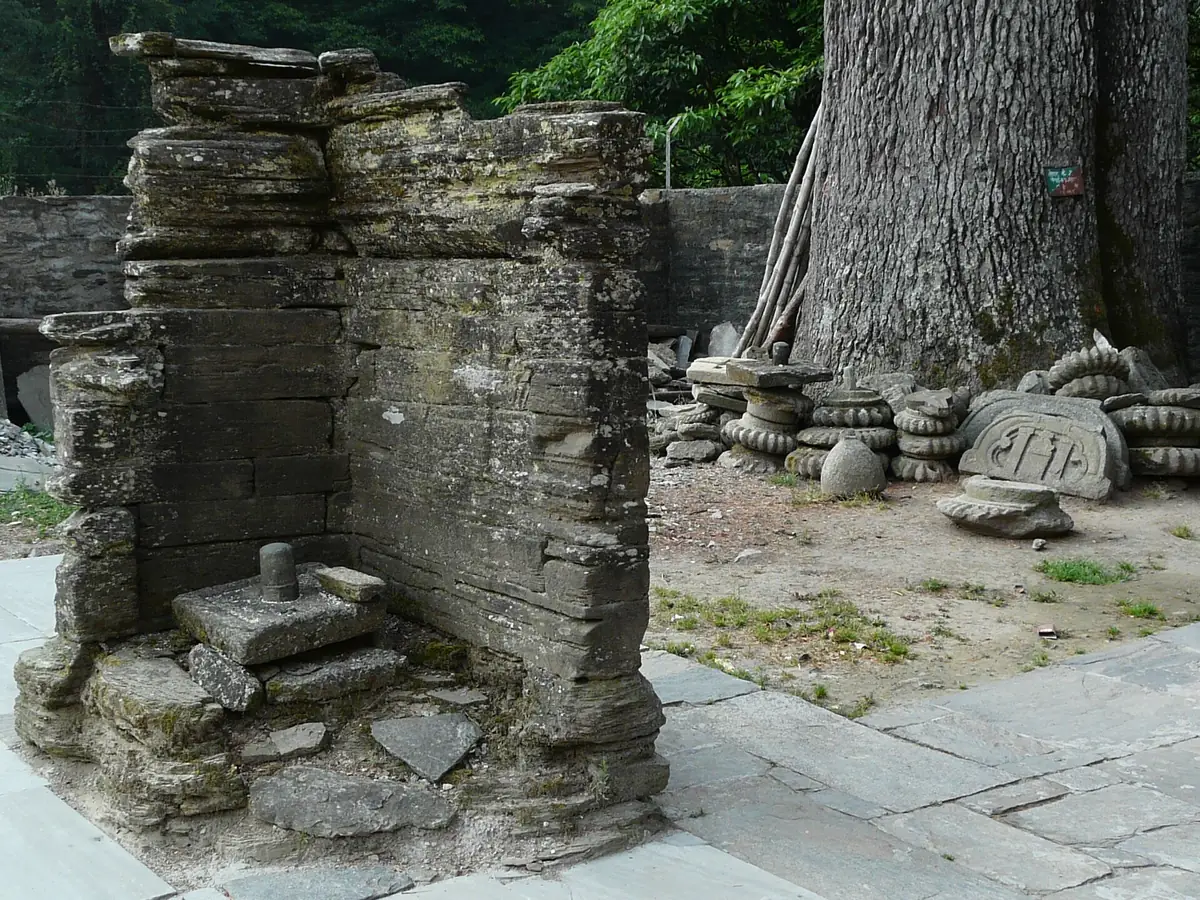
The Main Jageshwar Shrine
The central and most revered temple in the complex, around which the smaller shrines cluster. Carved in the characteristic stone style of the region, it forms the focal point for daily worship and the site's major festivals.
Dandeshwar & Kuber Temples
Two of the more architecturally significant structures within the same complex, each showing the layered building history of Jageshwar — different centuries and dynasties left their own additions and repairs across the site, visible in the varying carving styles between temples.
Vriddha Jageshwar (Old Jageshwar)
A short trek or drive above the main complex, this temple is considered by some traditions to predate the larger cluster below. The climb rewards visitors with quieter surroundings and views over the forested valley, and it's a natural add-on for anyone not pressed for time.
The Deodar Forest Setting
Much of Jageshwar's atmosphere comes from its setting — the temples sit beneath tall, old deodar trees that keep the complex shaded and quiet even in the height of the day. It's as much a place for a slow, contemplative walk as it is a religious site.
Where to Stay Near Jageshwar
Jageshwar itself has limited accommodation; most travellers base themselves in nearby Almora and visit as a day trip, though a handful of stays exist closer to the complex for those who want to linger.
- → Simple guesthouses near the temple complex
- → KMVN (Kumaon Mandal Vikas Nigam) tourist rest house
- → Budget lodges in Almora town
- → Forest-facing cottages near Jageshwar
- → Mid-range hotels in Almora
- → Family-run guesthouses with valley views
- → Boutique heritage-style stays in Almora
- → Upscale resorts on the Almora-Jageshwar road
- → Premium cottages with forest views
Suggested Visit Plan (Half-Day to 1 Day)
Almora to Jageshwar
- ✓Drive from Almora, roughly 1-1.5 hours
- ✓Explore the main temple complex, including Dandeshwar and Kuber temples
- ✓Walk slowly through the deodar forest setting
Vriddha Jageshwar & Return
- ✓Short trek or drive up to Vriddha Jageshwar
- ✓Lunch in Almora on the return leg
- ✓Optional onward drive to Kausani for the evening
* Most travellers fold Jageshwar into a longer Kumaon circuit via Almora, continuing on to Kausani or back toward Nainital.
Where to Eat Near Jageshwar
- Small eateries near the complex: A handful of basic dhabas near the temple entrance serve simple meals and snacks — enough for a lunch stop before or after visiting.
- Almora's market restaurants: For a wider choice, most travellers eat in Almora, which has considerably more dining options, including local Kumaoni specialities.
- Prasad and offerings stalls: Small stalls near the temple entrance sell prasad and basic pilgrimage essentials.
Budget Breakdown
| Expense | Budget | Mid-Range | Luxury |
|---|---|---|---|
| Accommodation/night (Almora) | ₹1,200 | ₹3,500 | ₹9,000 |
| Taxi Almora–Jageshwar (round trip) | ₹1,000 | ₹1,500 | ₹2,200 |
| Food/day | ₹400 | ₹1,000 | ₹2,200 |
| Temple entry & offerings | ₹100 | ₹200 | ₹400 |
| Local guide (optional) | ₹300 | ₹500 | ₹800 |
* Figures are per person, per day, assuming a base in Almora with a day trip to Jageshwar.
Essential Tips for Visiting Jageshwar
- Base yourself in Almora: It has far more accommodation and dining options than Jageshwar itself, with an easy day-trip distance to the temples.
- Dress modestly and remove footwear: Standard temple etiquette applies throughout the complex — modest clothing and bare feet in shrine areas.
- Walk the complex slowly: The site rewards unhurried exploration far more than a quick photo stop — budget at least an hour or two.
- Plan around the monsoon trade-off: If you specifically want the Shravani Festival atmosphere, accept wetter conditions; otherwise aim for the Mar-Jun or Sep-Nov windows.
- Combine with Vriddha Jageshwar: Don't skip the short trek above the main complex — it's a quieter, less-visited extension of the site.
✅ Do
- →Base yourself in Almora for easy access
- →Dress modestly and remove footwear at shrines
- →Walk the complex slowly and take it in
- →Visit Vriddha Jageshwar if time allows
- →Plan around the Shravan monsoon trade-off knowingly
- →Combine with Kausani or Nainital
❌ Don't
- →Assert the Jyotirlinga claim as unquestioned fact
- →Rush the complex into a quick 20-minute stop
- →Expect large-scale shopping or dining at the site itself
- →Visit in Shravan without expecting rain and crowds
- →Skip modest dress or footwear etiquette
- →Forget cash — card acceptance is very limited here
Frequently Asked Questions
How old are the Jageshwar temples?
Most of the roughly 124 stone temples in the Jageshwar complex date from around the 7th to 14th centuries, built primarily during the Katyuri and later Chand dynasty periods, though some structures and additions are believed to be older or later still. It's one of the largest groupings of ancient temples in the Himalayan region.
Is Jageshwar one of the twelve Jyotirlingas?
This is genuinely debated among scholars and pilgrimage traditions. Some regional traditions and local belief hold Jageshwar (sometimes referenced as Nageshwar) to be one of the twelve Jyotirlingas, but this identification is contested, and other sites elsewhere in India also claim the Nageshwar Jyotirlinga distinction. Visitors interested in the Jyotirlinga question should treat it as a matter of tradition and regional belief rather than settled fact.
What is Vriddha Jageshwar?
Vriddha Jageshwar, or 'Old Jageshwar,' is a temple situated on a hill a short trek or drive above the main Jageshwar complex. It's considered by some traditions to predate the main cluster and offers a quieter visit alongside good views over the surrounding forest.
When is the best time to visit for the Jageshwar festivals?
The Shravani (Monsoon) Festival, held through the Hindu month of Shravan (roughly July-August), and Maha Shivratri are Jageshwar's biggest pilgrim and festival occasions, drawing large crowds and active temple rituals. Note that Shravan falls during the monsoon, so travellers get the fullest cultural experience at the cost of wetter weather and less comfortable travel conditions — weigh that trade-off against visiting in a drier month for a quieter, easier trip.
How far is Jageshwar from Almora?
Jageshwar is about 35 km from Almora, a drive of roughly 1-1.5 hours on hill roads. Almora is the most common base for day-tripping to Jageshwar, and also a convenient stop en route from Kathgodam or Nainital.
How much time do I need to visit Jageshwar?
A half-day is enough to walk through the main temple complex, including Dandeshwar and Kuber temples, at an unhurried pace. Add an hour or two if you plan to also visit Vriddha Jageshwar on the hill above.
Published by the Kudozz Club editorial team · Last updated · How we research our guides
Want us to plan this trip for you?
Tell Kudozz Club where you want to go and what kind of trip you’re looking for. We’ll build a Jageshwar Temple and Uttarakhand itinerary around your dates and budget.
Continue Exploring
View all guides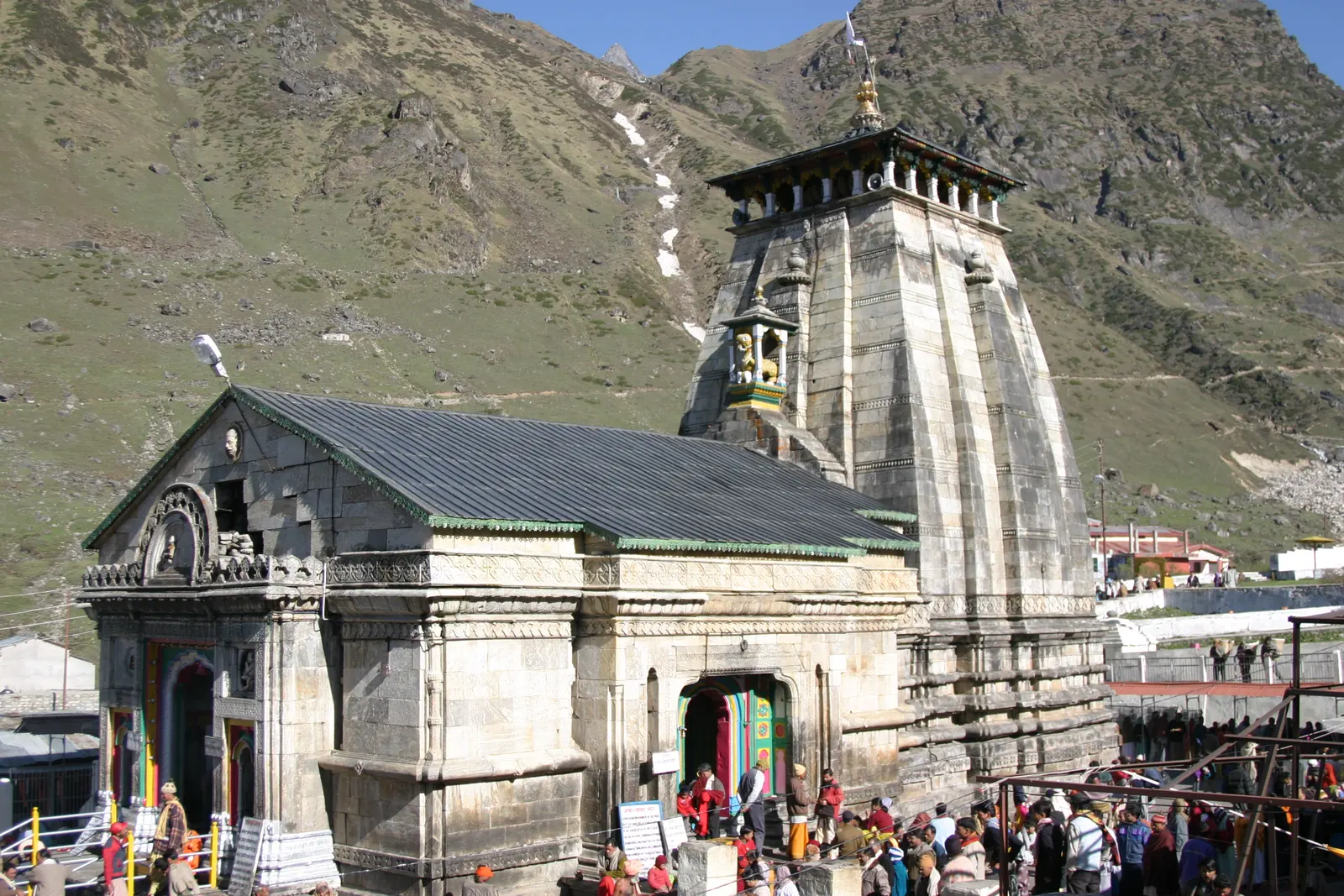 Heritage
Kedarnath Travel Guide: Trek, Yatra & Helicopter Tips
Complete Kedarnath guide — the Gaurikund/Sonprayag trek route, helicopter shuttle booking, temple opening dates, Bhairav Temple, Vasuki Tal, where to stay, and a full yatra plan.
 Adventure
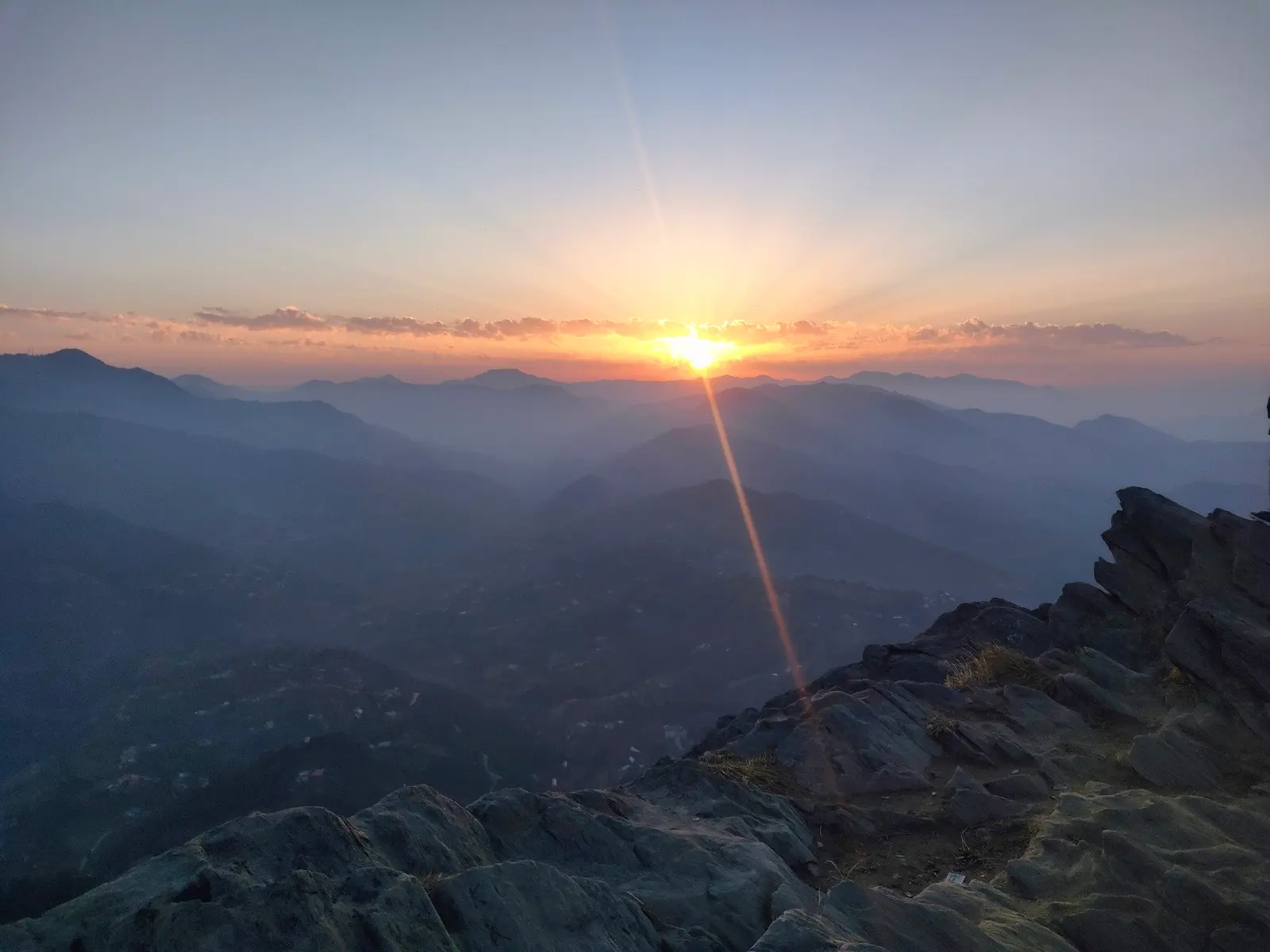
Mukteshwar Travel Guide: Views, Orchards & Adventure
A quiet Kumaon ridge town with sweeping Himalayan views, apple orchards, and a growing base for rock climbing, rappelling and paragliding.
 Hill Stations
Uttarakhand Hill Stations Itinerary: Mussoorie, Nainital and Kumaon
Two practical Uttarakhand hill-station itineraries: a five-day Garhwal route through Rishikesh, Mussoorie, Landour and Dhanaulti, and a seven-day Kumaon loop through Nainital, Bhimtal, Mukteshwar, Kausani and Binsar, with how to combine them, trains from Delhi, seasons and monsoon cautions.
 Off-beat
Ranikhet Travel Guide: Cantonment Views & Golf
A quiet Kumaon Regiment cantonment town with one of India's highest-altitude golf courses, pine forests, and a slower pace than Nainital.