Where the Ganga Meets the Mountains
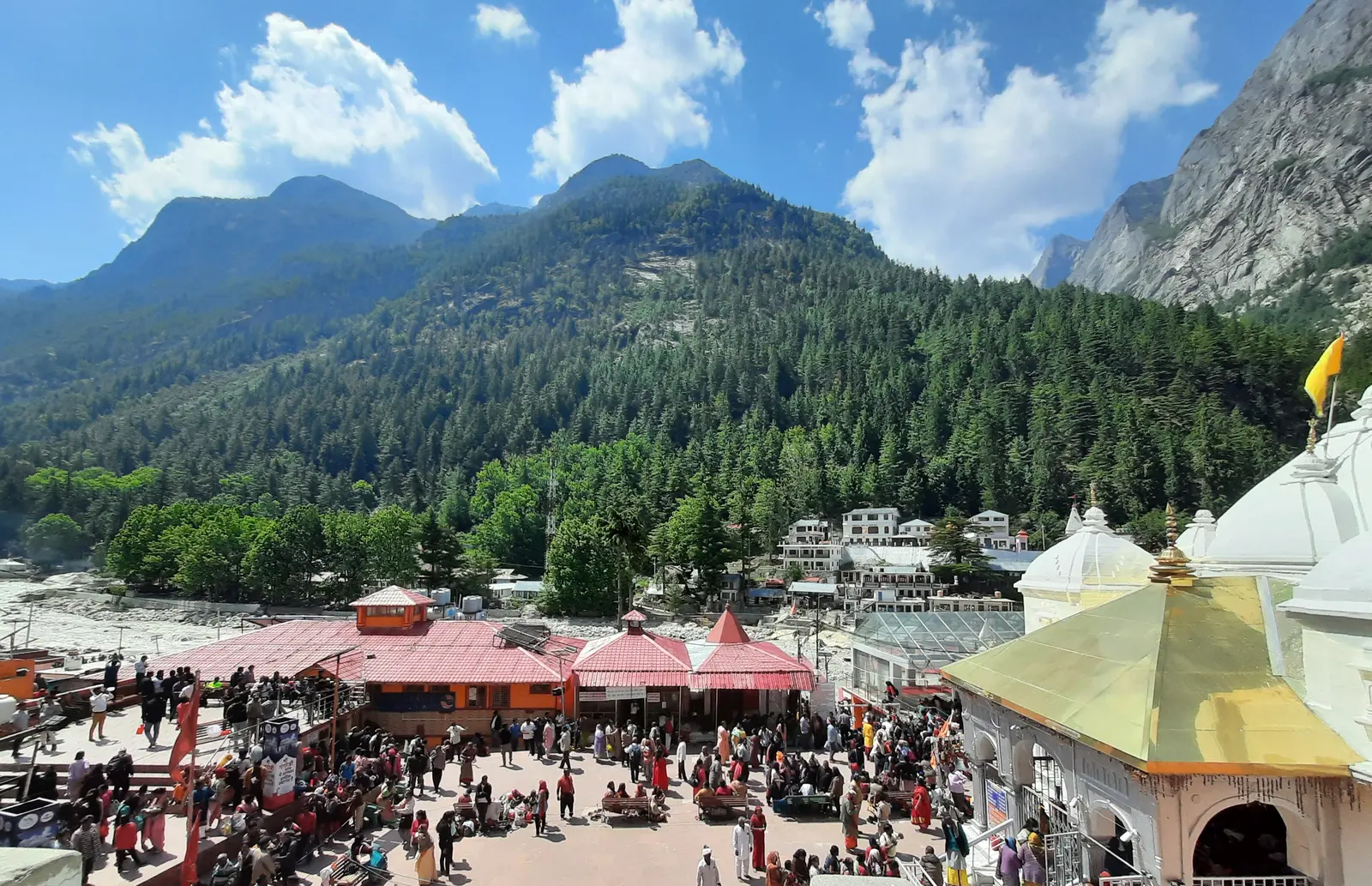
Gangotri is one of the four Char Dham sites in Uttarakhand, and holds a place in Hindu tradition as the point where the goddess Ganga is believed to have descended to earth, tamed by Lord Shiva's matted locks before flowing on as the river that sustains much of northern India. The temple sits at roughly 3,100 metres on the banks of the Bhagirathi river — the name the Ganga carries at this stage of its journey — surrounded by dramatic granite peaks.
Gangotri is also the gateway to one of the Himalaya's most rewarding treks: the roughly 18-19km trail to Gaumukh, the actual snout of the Gangotri Glacier and the river's real physical source. Experienced trekkers often extend the journey further to Tapovan, a stunning high-altitude meadow beneath Shivling peak at nearly 4,463 metres.
Most journeys to Gangotri route through Uttarkashi, the district headquarters and main base town of the region, roughly 100km before Gangotri itself — a useful stop for supplies, acclimatisation, and permits.
🛕 Gangotri at a Glance
Planning a pilgrimage? See our guide to the Char Dham Yatra.
Planning something active? Read our guide to mountaineering in India.
Best Time to Visit Gangotri
Both the temple visit and the Gaumukh trek are best planned around the same two windows, avoiding the monsoon's landslide risk on the approach roads.
Pleasant temperatures, stable trail conditions on the Gaumukh route, and the temple freshly reopened for the season.
Heavy rain increases landslide risk on the Rishikesh-Uttarkashi-Gangotri road, and the Gaumukh trail can become slippery and less predictable.
Post-monsoon skies bring some of the sharpest mountain views of the year, with cooler but very trekkable conditions.
Heavy snow closes the temple and the route beyond Uttarkashi is largely inaccessible; the deity's winter rituals move to Mukhba village.
Our pick: May-June or September-October — both give the Gaumukh trek its best trail conditions while avoiding the monsoon's landslide risk on the approach road.
How to Reach Gangotri
Gangotri has no airport or railway station — the journey is entirely by road, with Uttarkashi as the key staging point.
- By air: The nearest airport is Jolly Grant in Dehradun, roughly 250km away.
- By train: The nearest railheads are Rishikesh and Haridwar. Rishikesh and Haridwar are the usual starting points for taxis and buses heading up the Bhagirathi valley.
- By road: From Rishikesh, it's roughly 8-9 hours to Uttarkashi, and a further 3-4 hours on to Gangotri — the last stretch is a narrow mountain road, often split with an overnight halt at Uttarkashi.
The Temple, Gaumukh & Tapovan
Gangotri Temple
Built in a distinctive white, spire-topped style, the temple sits directly on the Bhagirathi's banks. A submerged rock nearby, visible only when water levels drop in winter, is traditionally believed to be the spot where Ganga first touched earth.
Gaumukh Glacier Trek
The roughly 18-19km trail to Gaumukh ("cow's mouth," for the glacier snout's shape) follows the Bhagirathi through the Gangotri National Park, past dramatic granite walls, to the point where the glacier literally gives birth to the river. Most trekkers cover it over two days with an overnight at Bhojwasa, roughly the halfway point. A forest permit, arranged at the Gangotri check post, is required.
Tapovan Meadow
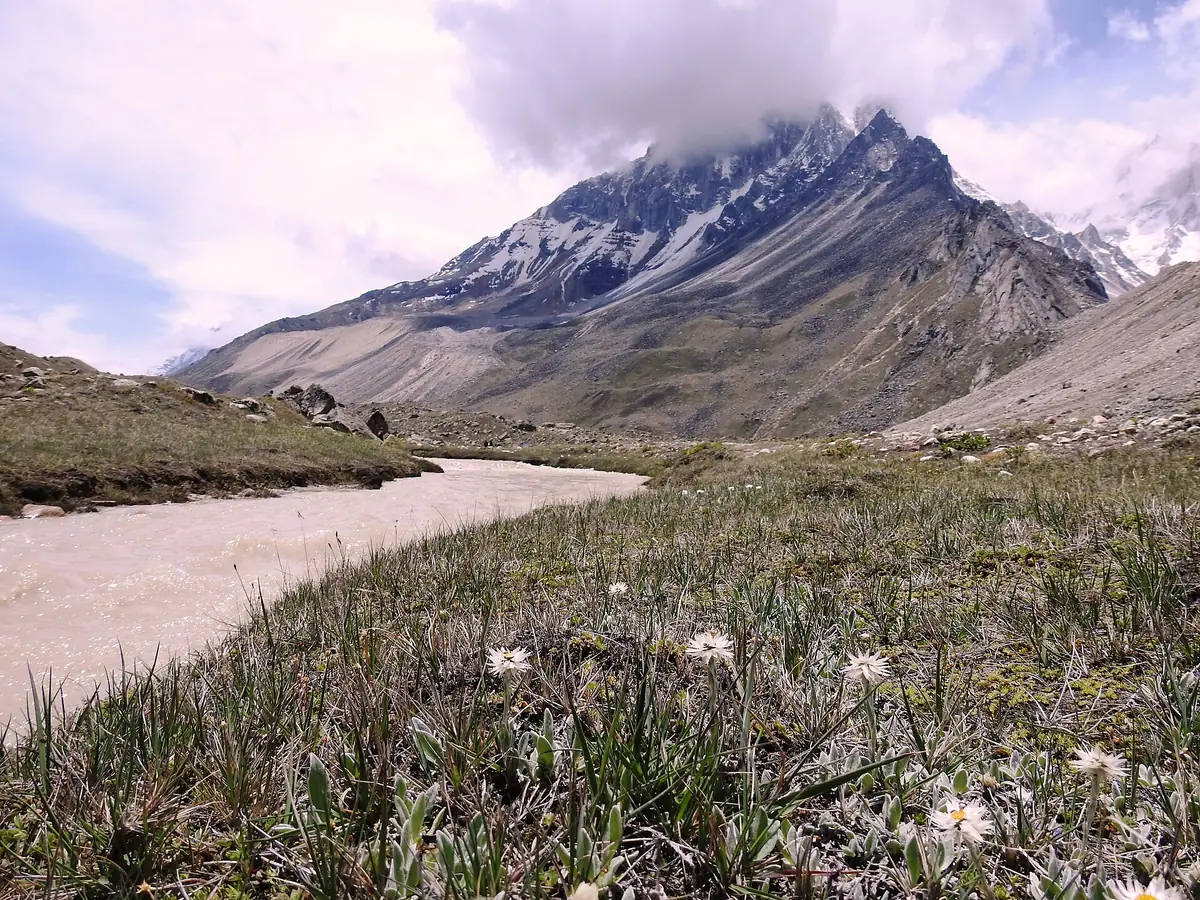
Beyond Gaumukh, a steep and considerably harder climb leads to Tapovan, a high alpine meadow at nearly 4,463 metres directly beneath the sheer granite face of Shivling peak. This extension is for experienced, well-acclimatised trekkers only — the terrain is glacier-adjacent, exposed, and demands proper gear and guidance.
Uttarkashi
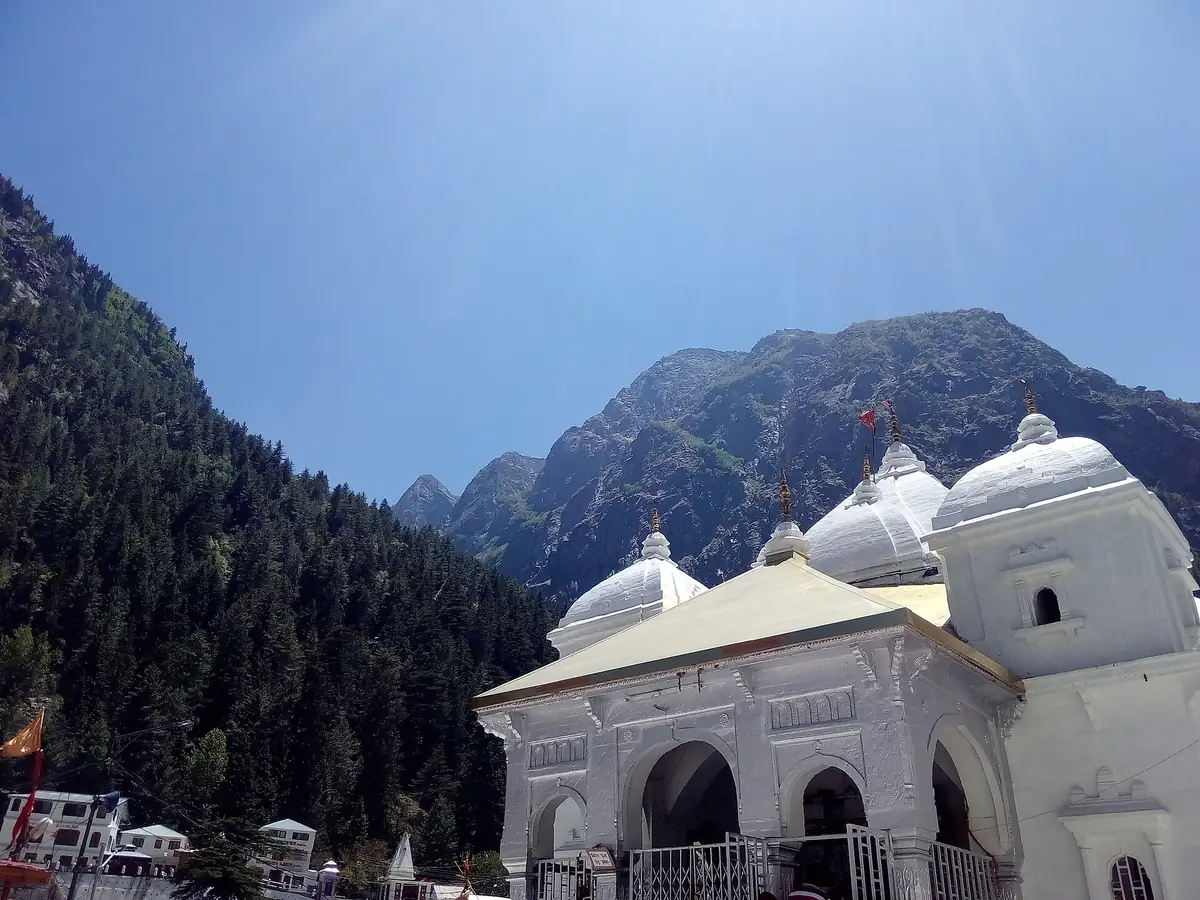
The main town of the region and a common overnight stop on the way to Gangotri, Uttarkashi has the Vishwanath Temple, decent market facilities, and is also the base for reaching the Dayara Bugyal meadows, a popular high-altitude trek in the same district.
Where to Stay near Gangotri
Gangotri town itself has modest, seasonal accommodation. Uttarkashi, roughly 100km before it, offers a wider and more comfortable range if you'd rather stage the trip from there.
- → Ashram-run dormitories near the temple
- → GMVN budget rooms in Gangotri
- → Basic guesthouses in Uttarkashi
- → GMVN Tourist Rest House, Gangotri
- → Private hotels in Uttarkashi market
- → Riverside guesthouses along the route
- → Better-appointed hotels in Uttarkashi
- → Well-reviewed private properties in Gangotri
- → Rooms with river or valley views
Suggested Visit Plan (3-4 Days)
Rishikesh/Haridwar to Uttarkashi
- ✓Early start from Rishikesh or Haridwar
- ✓Drive via Tehri to Uttarkashi
- ✓Overnight at Uttarkashi, sort permits
Uttarkashi to Gangotri, Temple Darshan
- ✓Drive to Gangotri (~100km)
- ✓Temple darshan on the Bhagirathi's banks
- ✓Prepare for the Gaumukh trek start
Gaumukh Trek
- ✓Trek to Bhojwasa, overnight
- ✓Onward to Gaumukh, return to Gangotri
- ✓(Extend a day for Tapovan if experienced)
* Many pilgrims pair Gangotri with Yamunotri as the traditional Char Dham combination — budget extra driving days to connect the two.
Where to Eat in Gangotri
- Dhabas near the temple and market: Simple vegetarian thalis, parathas, and hot chai — standard pilgrim fare.
- Uttarkashi restaurants: A wider range of North Indian vegetarian options if you're based there before or after Gangotri.
- Trailside tea stalls (seasonal): Basic hot food along the Gaumukh trail, mainly around Bhojwasa, though supplies thin out the higher you go — carry some of your own.
As with the other Char Dham towns, expect a strictly vegetarian food culture throughout Gangotri and along the trek route.
Budget Breakdown
| Expense | Budget | Mid-Range | Comfort |
|---|---|---|---|
| Accommodation/night | ₹900 | ₹3,000 | ₹6,000 |
| Food/day | ₹400 | ₹900 | ₹1,800 |
| Taxi (Rishikesh-Gangotri, round trip) | ₹9,500 | ₹15,000 | ₹22,000 |
| Gaumukh trek permit + guide/day | ₹500 | ₹1,500 | ₹3,000 |
| Porter/mule hire (optional) | ₹1,000 | ₹1,800 | ₹2,500 |
* Figures are per person, per day, except the taxi fare, which is a full round-trip estimate.
Essential Tips for Visiting Gangotri
- Arrange your Gaumukh permit early: Available at the Gangotri check post — go early in the day, and carry ID.
- Break the journey at Uttarkashi: Helps with acclimatisation and avoids a single punishing day of mountain driving.
- Don't underestimate the Gaumukh trail: It's rocky, glacier-fed terrain that can shift year to year — a local guide is genuinely useful, not just a formality.
- Leave Tapovan to experienced trekkers: The stretch beyond Gaumukh is steep, exposed, and close to glacier ice — not a casual extension.
- Watch the monsoon shoulder months: Late July into August brings real landslide risk on the approach road — build slack into your schedule.
✅ Do
- →Get your Gaumukh forest permit early in the day
- →Break the drive with a night in Uttarkashi
- →Hire a local guide for the glacier trail
- →Carry warm layers even in summer months
- →Start the trek early to avoid afternoon weather
- →Carry enough cash — ATMs thin out past Uttarkashi
❌ Don't
- →Attempt Tapovan without prior high-altitude experience
- →Skip the forest permit at the check post
- →Travel the route in peak monsoon (Jul-Aug)
- →Underestimate the cold, even in June
- →Rely on card payments beyond Uttarkashi
- →Trek beyond Gaumukh without a guide
Frequently Asked Questions
Is Gangotri the actual source of the Ganga river?
Gangotri is the mythological and spiritual source — the point where, in Hindu tradition, the goddess Ganga descended to earth. The physical glacial source of the river (called the Bhagirathi at this stage) is Gaumukh, the snout of the Gangotri Glacier, roughly 18-19km further up the valley by trek.
Do I need a permit for the Gaumukh trek?
Yes — the Gaumukh trek falls within the Gangotri National Park, and trekkers need a forest permit obtainable at the check post in Gangotri town, along with an ID. Group sizes and daily entries are sometimes regulated, and going with a registered local guide is strongly recommended, especially beyond Gaumukh toward Tapovan.
How difficult is the trek from Gangotri to Gaumukh?
It's a moderate trek of roughly 18-19km one way, mostly along a rocky glacial valley trail with a gradual but steady climb. Most trekkers cover it in 2 days with an overnight at Bhojwasa. Continuing beyond Gaumukh to Tapovan (at nearly 4,463m) is significantly harder, involving a steep, exposed climb and glacier-adjacent terrain best attempted only by experienced trekkers.
When does Gangotri temple open and close?
The temple typically opens around Akshaya Tritiya in late April or early May and closes around Diwali in late October or early November, when the deity's rituals move to Mukhba (Mukhimath) village for winter. Confirm exact dates for your travel year, as they shift slightly.
How do I reach Gangotri — is there an airport or train station nearby?
No — Gangotri has no airport or railway station. The nearest airport is Jolly Grant in Dehradun (~250km) and the nearest railheads are Rishikesh and Haridwar. From there it's a full road journey via Uttarkashi, the main base town for the region.
Can Gangotri be combined with Yamunotri in one trip?
Yes — Gangotri and Yamunotri are the traditional Char Dham pairing, often visited back-to-back since both lie in the western part of the pilgrimage circuit. They're not directly road-connected to each other, so most itineraries route through Uttarkashi or back via Rishikesh, adding a day or two of driving between them.
Published by the Kudozz Club editorial team · Last updated · How we research our guides
Want us to plan this trip for you?
Tell Kudozz Club where you want to go and what kind of trip you’re looking for. We’ll build a Gangotri and Uttarakhand itinerary around your dates and budget.
Continue Exploring
View all guides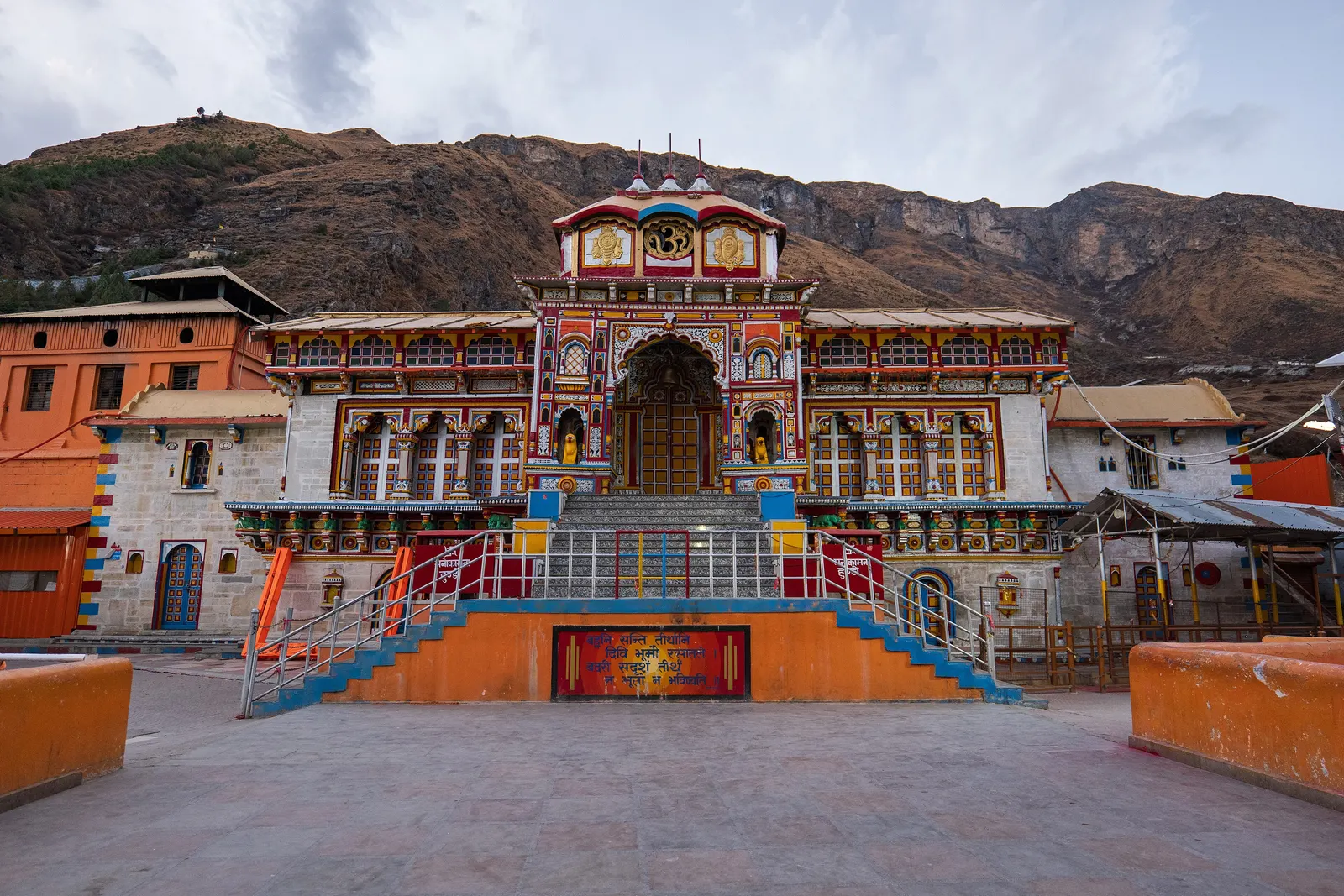 Heritage
Badrinath Travel Guide: Temple, Timings & How to Reach
Complete Badrinath guide — temple opening dates, Tapt Kund, Mana village, Vasudhara Falls, how to reach via Joshimath, where to stay, and a full Char Dham visit plan.
 Heritage
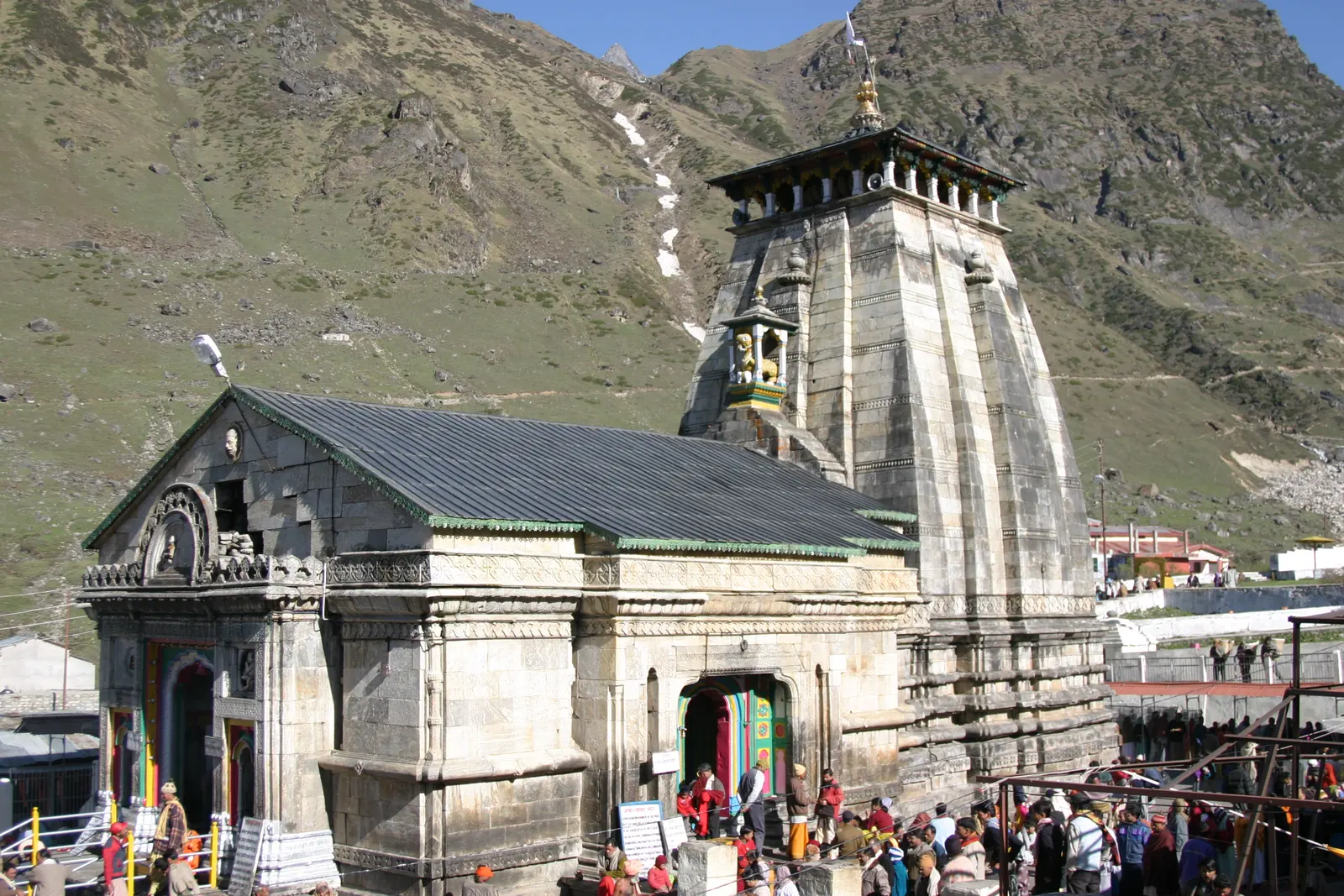
Kedarnath Travel Guide: Trek, Yatra & Helicopter Tips
Complete Kedarnath guide — the Gaurikund/Sonprayag trek route, helicopter shuttle booking, temple opening dates, Bhairav Temple, Vasuki Tal, where to stay, and a full yatra plan.
 Heritage
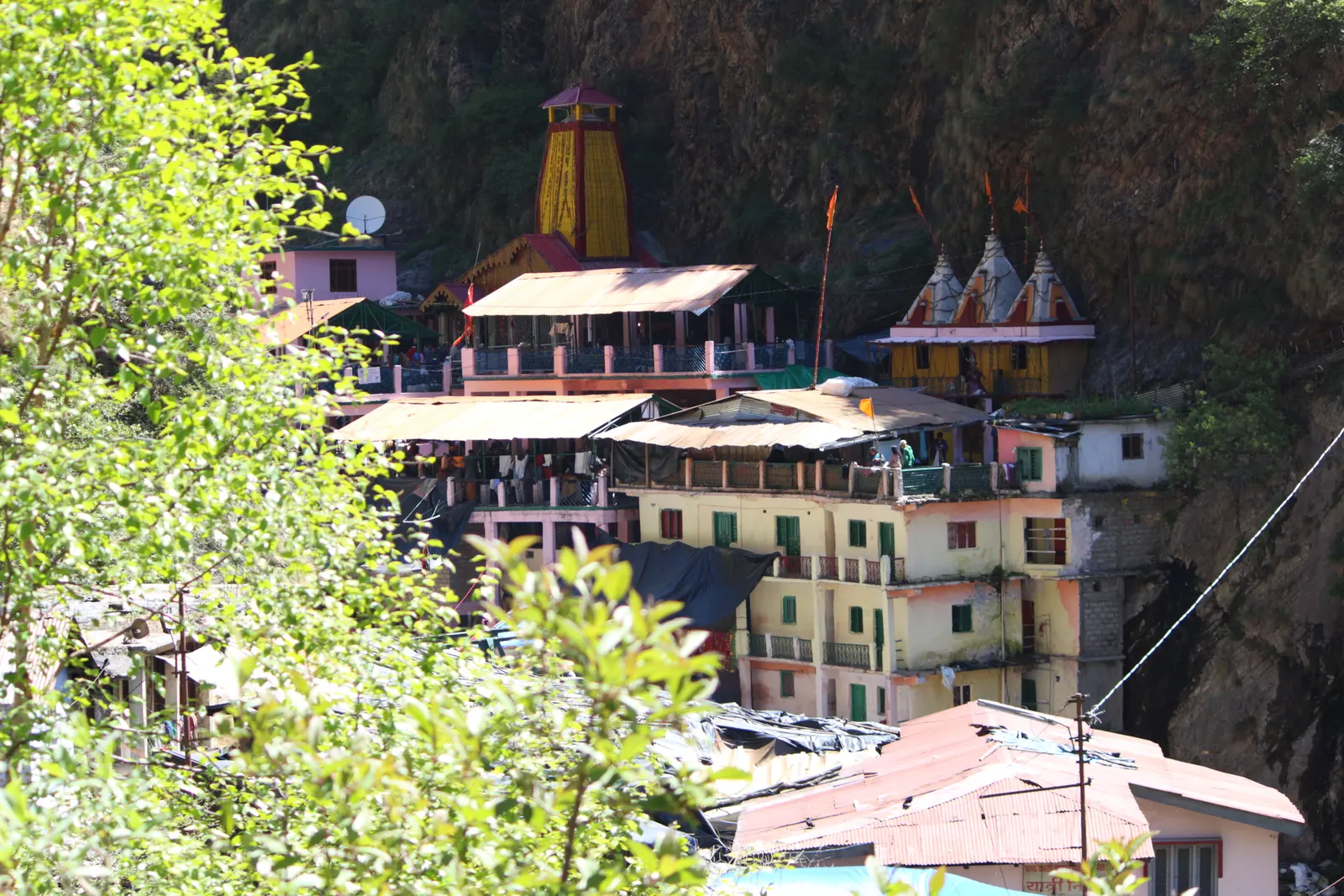
Yamunotri Travel Guide: Trek, Hot Springs & Tips
The traditional first stop of the Char Dham Yatra — a forested trek from Janki Chatti to the Yamuna's source, past the Surya Kund hot-spring prasad ritual.
 Heritage
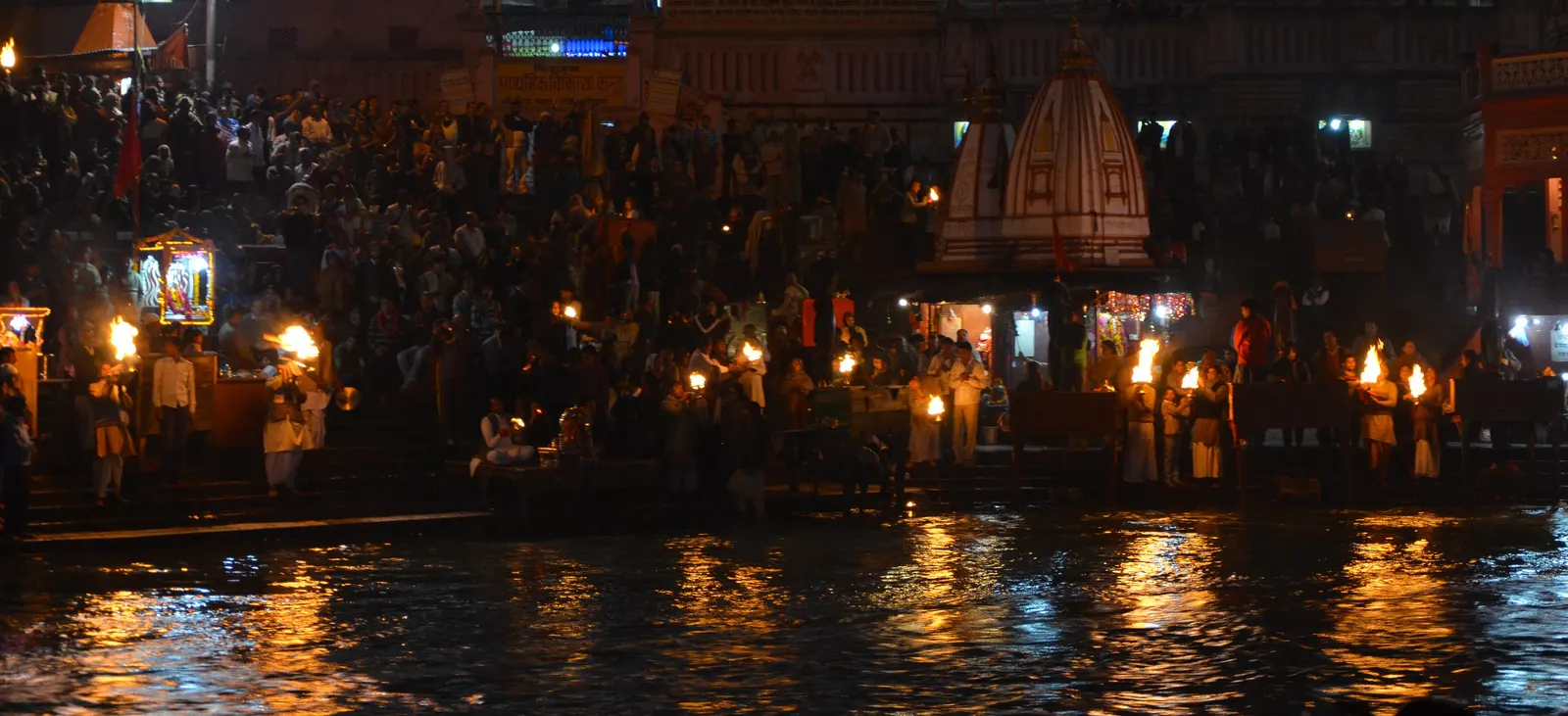
Haridwar Travel Guide: Ganga Aarti, Ghats & Temples
Complete Haridwar guide — Har Ki Pauri's Ganga Aarti, Mansa Devi & Chandi Devi temples, the Kumbh Mela, how to reach, where to stay, and its role as gateway to Char Dham and Rishikesh.