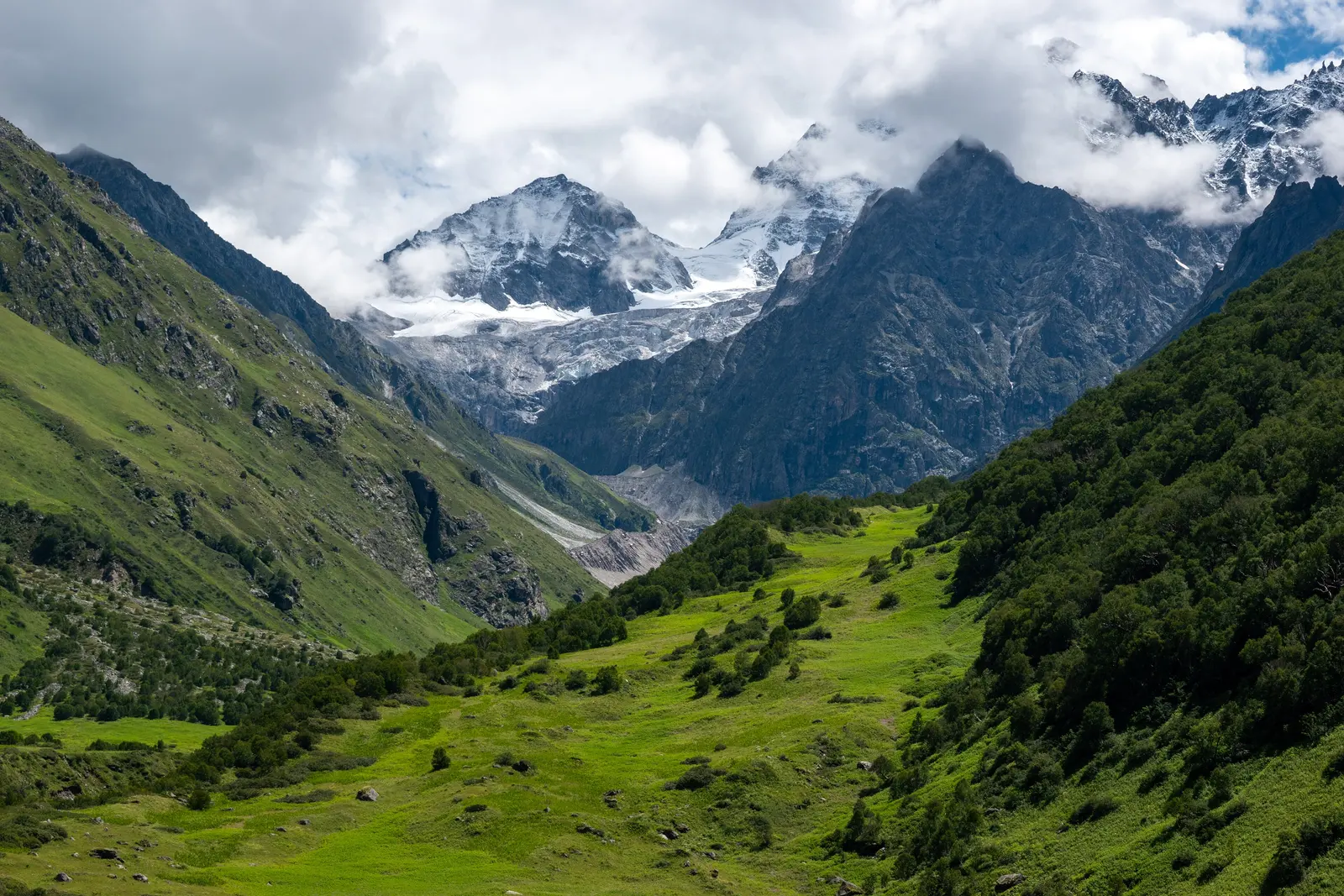
Forests, waterfalls and valleys
Nature Travel in India
Rainforests and root bridges, Himalayan meadows and high lakes, monsoon waterfalls and quiet backwaters: find the landscape, pick the season, and plan the trip around it.
India’s natural landscapes
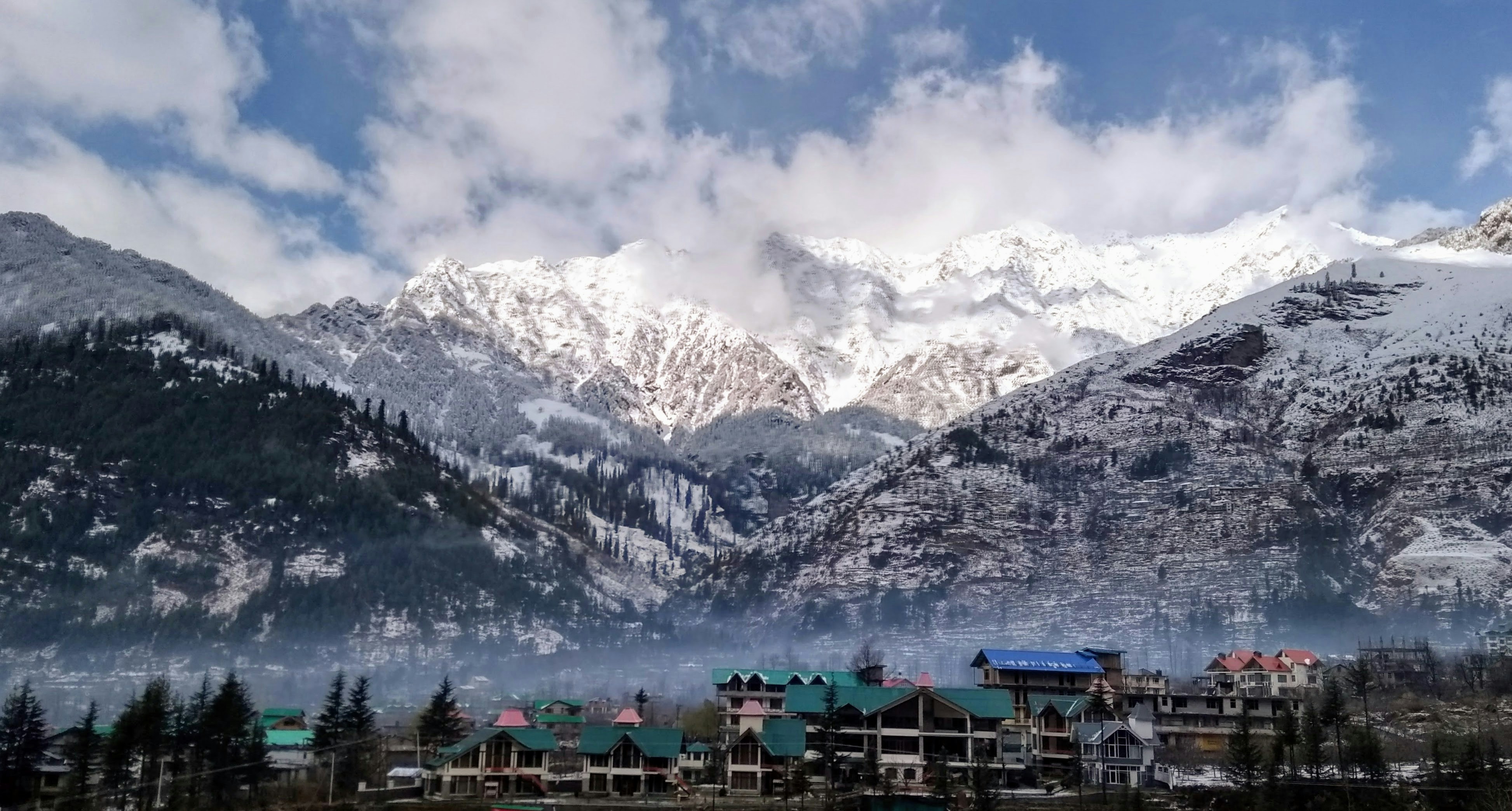
Few countries pack so many landscapes into one border. The Himalaya holds alpine meadows, glacial lakes and a high cold desert; the Western Ghats, a UNESCO World Heritage Site, run the length of the west coast with rainforest, grassland and waterfalls; and the Northeast, where rain-soaked plateaus meet the eastern Himalaya, is one of the most biodiverse regions in Asia. Between them lie river gorges, salt flats, lagoons and caves.
Nature travel here is about matching the place to the season. Waterfalls need the monsoon, Himalayan passes open only in summer, and forests and lakes are at their best in the cool, dry months. Our guides cover the landscapes, regions and states, with honest notes on seasons, permits and stays. For animals and birding, see our wildlife guides; for hill towns, our hill-station guides.
Start here
Best nature destinations and natural wonders
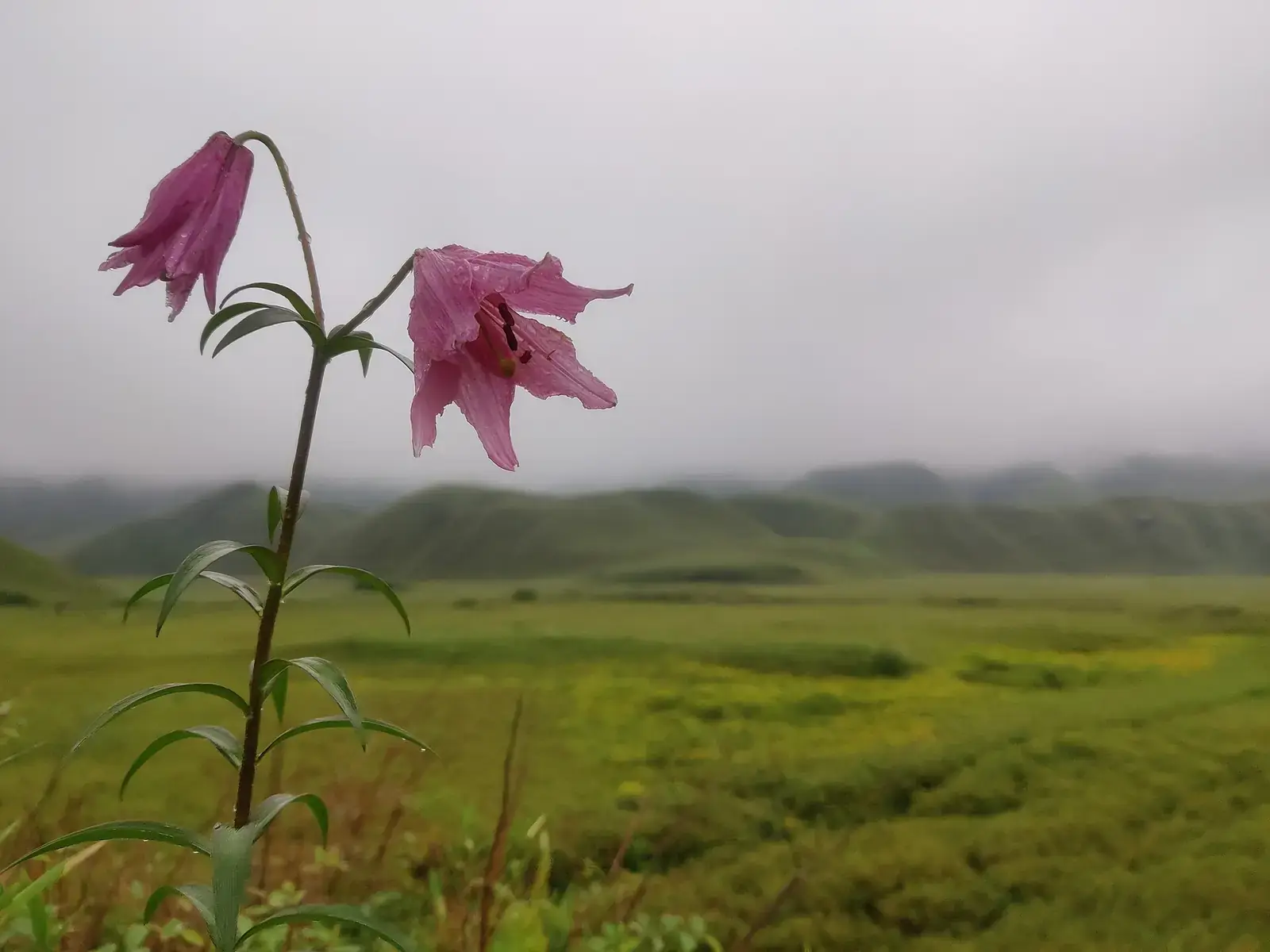 Best nature destinations in IndiaA guide to the best nature destinations in India, organised by landscape rather than by town: Himalayan valleys and high lakes, Western Ghats forests and waterfalls, the root bridges, caves and river valleys of the Northeast, lagoons and mangroves on the coasts, and geological wonders such as Gandikota and the Rann of Kutch, with the best season for each and how to choose.Read the guide →
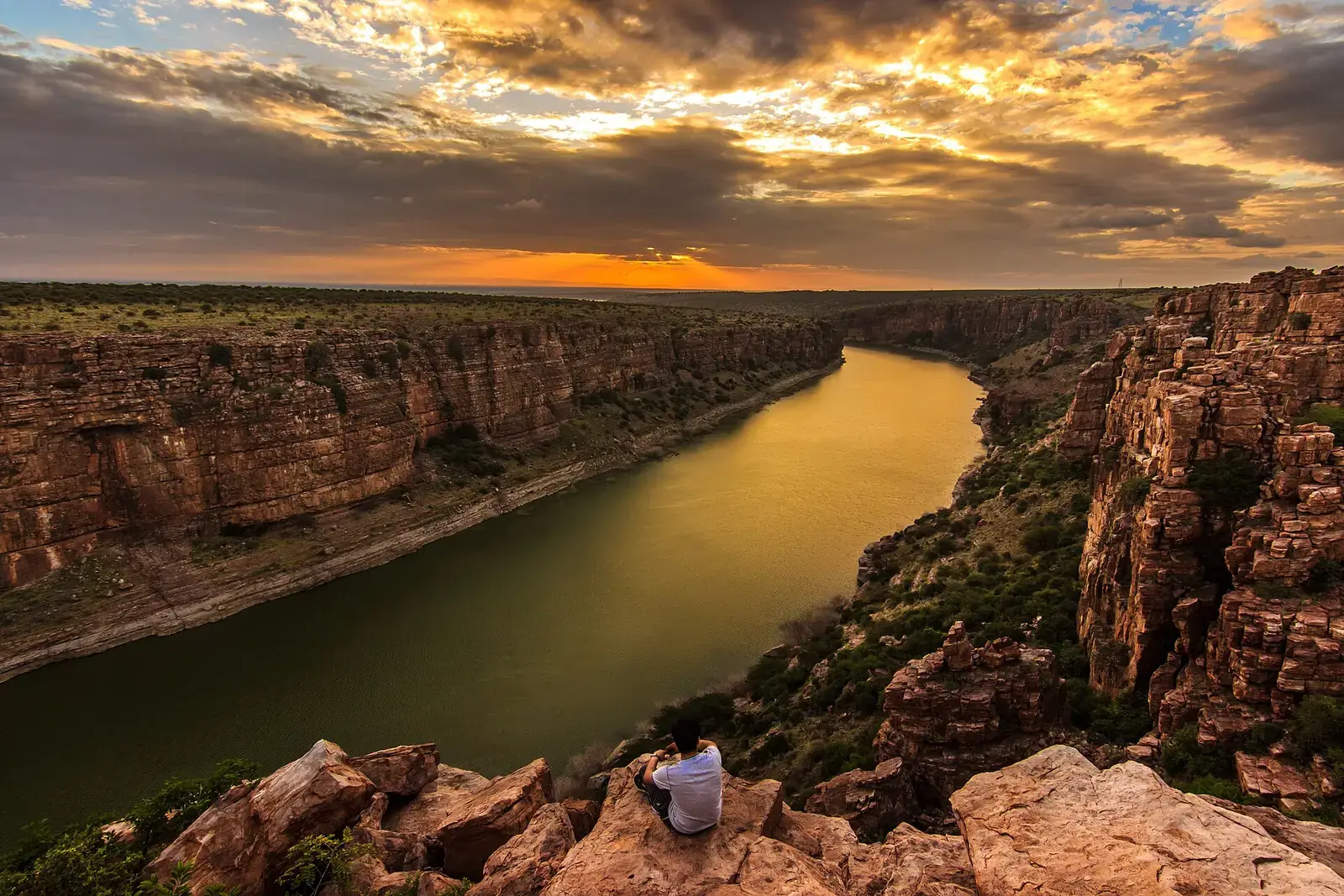 Natural wonders of IndiaA guide to the natural wonders of India: the Gandikota gorge on the Penna, the Marble Rocks and Dhuandhar Falls at Bhedaghat, the Lonar crater lake, Meghalaya's living root bridges and Laitlum canyons, the white salt desert of the Rann of Kutch, Loktak Lake's floating islands, the basalt columns of St Mary's Islands, Baratang's mud volcanoes, and the caves of Borra and Belum, with how and when to visit.Read the guide →
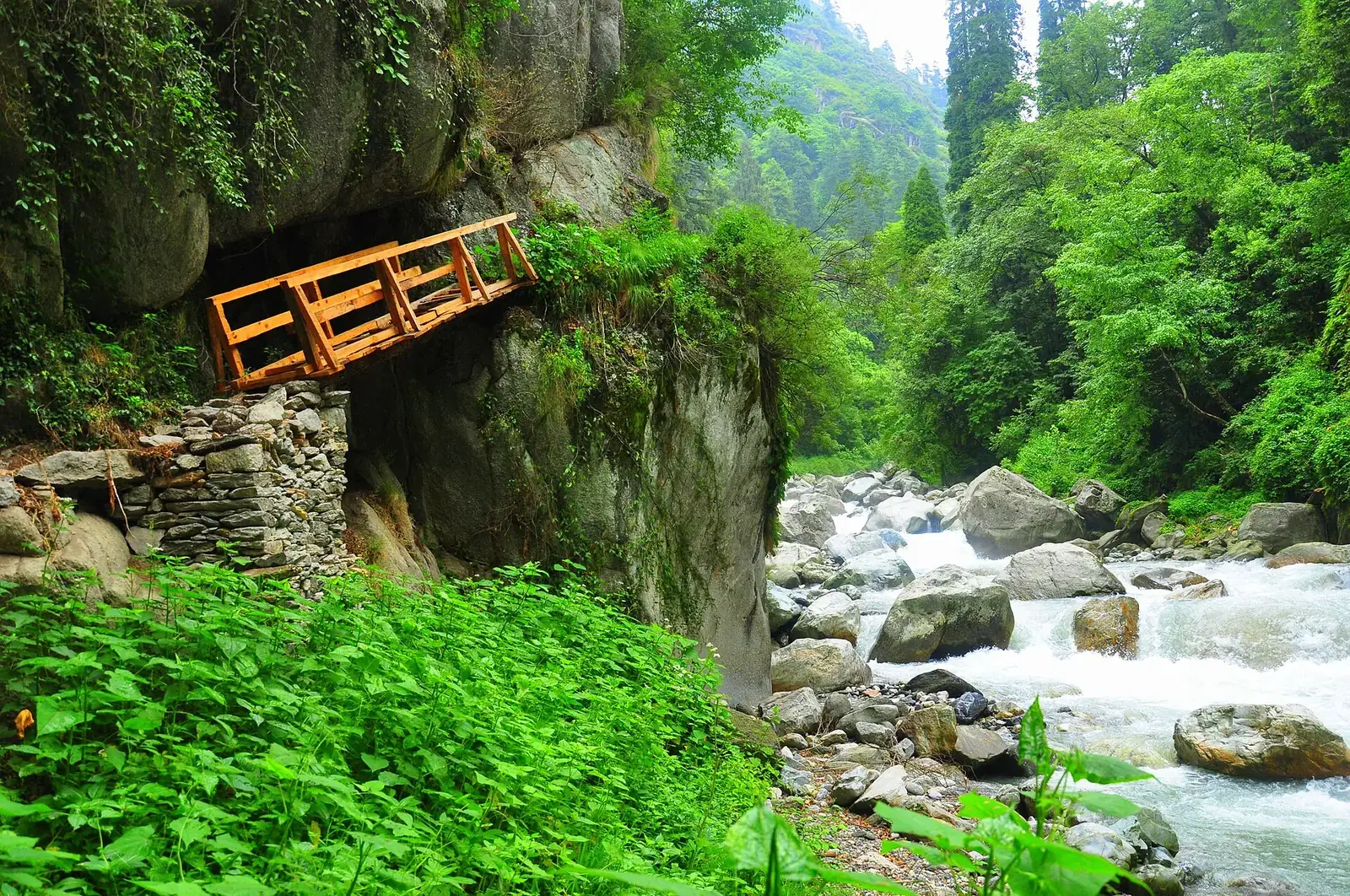 How to plan a nature trip in IndiaA practical guide to planning a nature trip in India: choosing the landscape and season, how many days to allow, getting there, permits and forest bookings, where to stay, what drives the cost, tips for first-timers and solo travellers, packing, and staying safe and responsible outdoors.Read the guide →
By landscape
Forests, waterfalls, lakes, rivers, valleys and caves
Each guide compares the best places for one kind of landscape, with seasons and access.
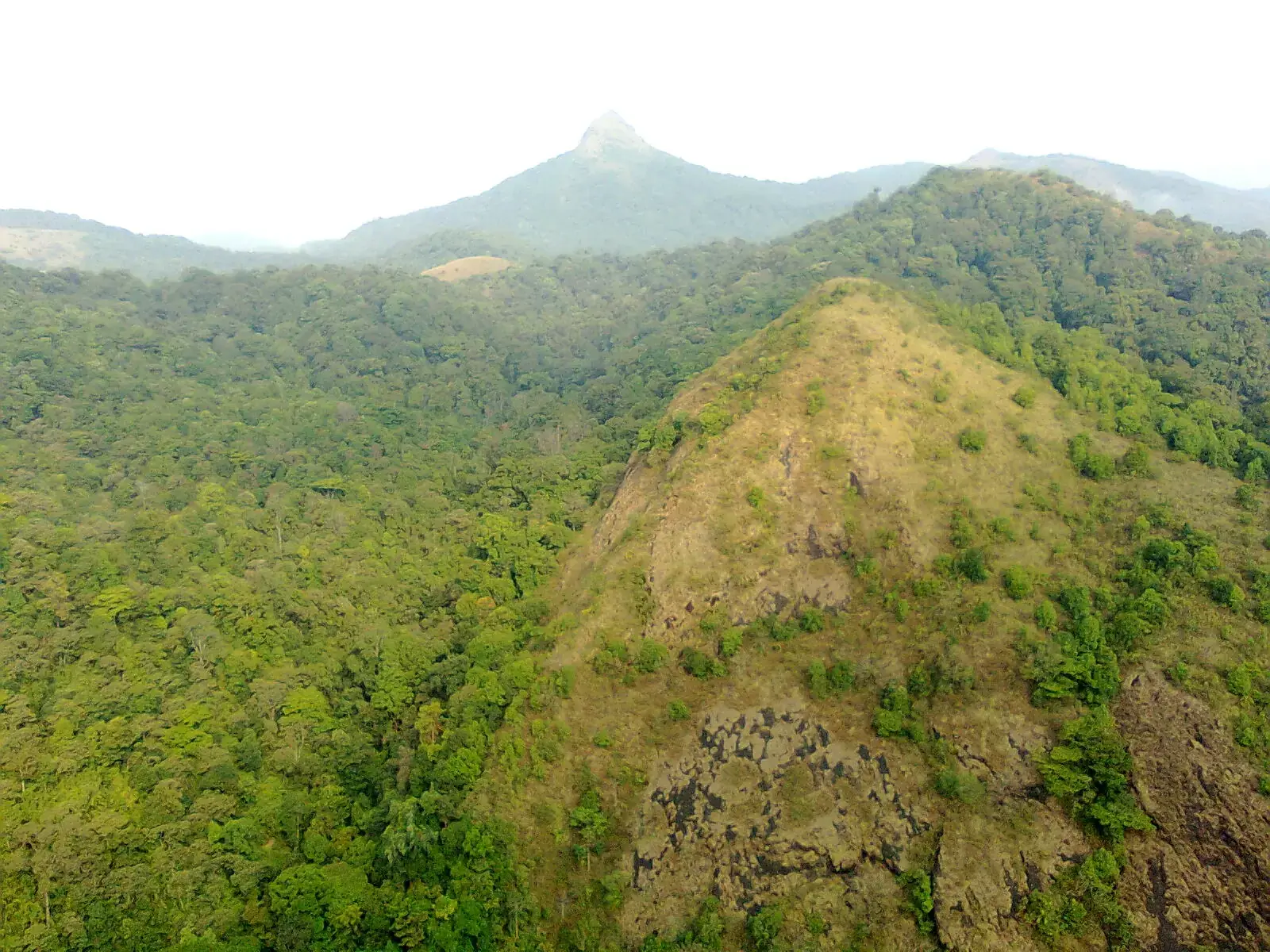 Forest destinations in IndiaA guide to forest destinations in India by forest type: tropical evergreen rainforests of the Western Ghats and Northeast (Silent Valley, Agumbe, Namdapha), moist deciduous sal forests (Similipal, Saranda, Kanha), mangroves (Sundarbans, Bhitarkanika), Himalayan oak, deodar and rhododendron forests, dry forests, and sacred groves such as Mawphlang, with forest stays, seasons and how forests differ from wildlife reserves.Read the guide →
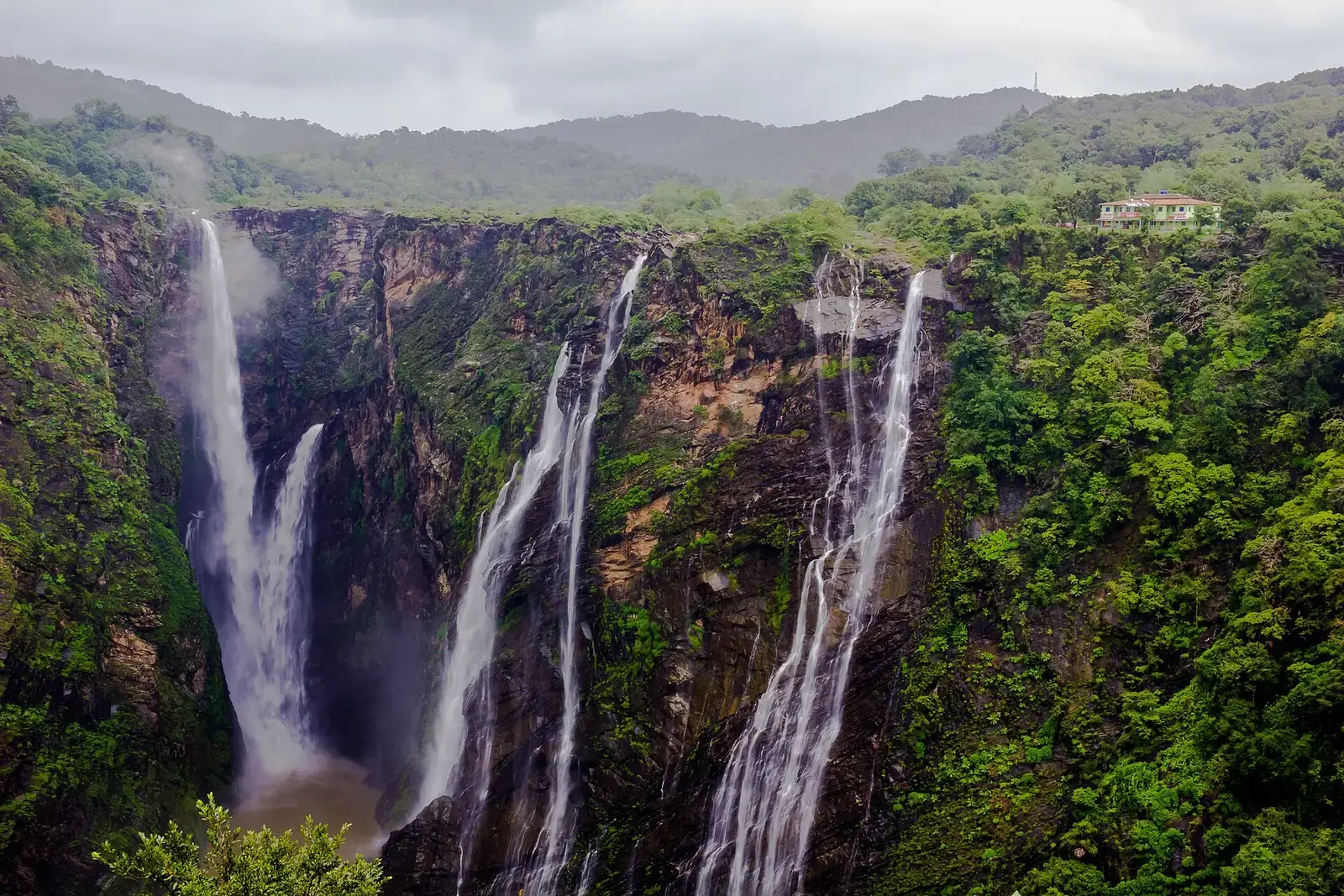 Waterfalls in IndiaA guide to the best waterfalls in India by region: Karnataka's Jog and Abbey Falls, Dudhsagar on the Goa border, Kerala's Athirappilly, Tamil Nadu's Hogenakkal and Courtallam, Meghalaya's Nohkalikai, Seven Sisters and Krang Suri, Chhattisgarh's Chitrakote and Tirathgarh, Jharkhand's Hundru, Madhya Pradesh's Dhuandhar and Mizoram's Vantawng, with the best season, access and monsoon safety.Read the guide →
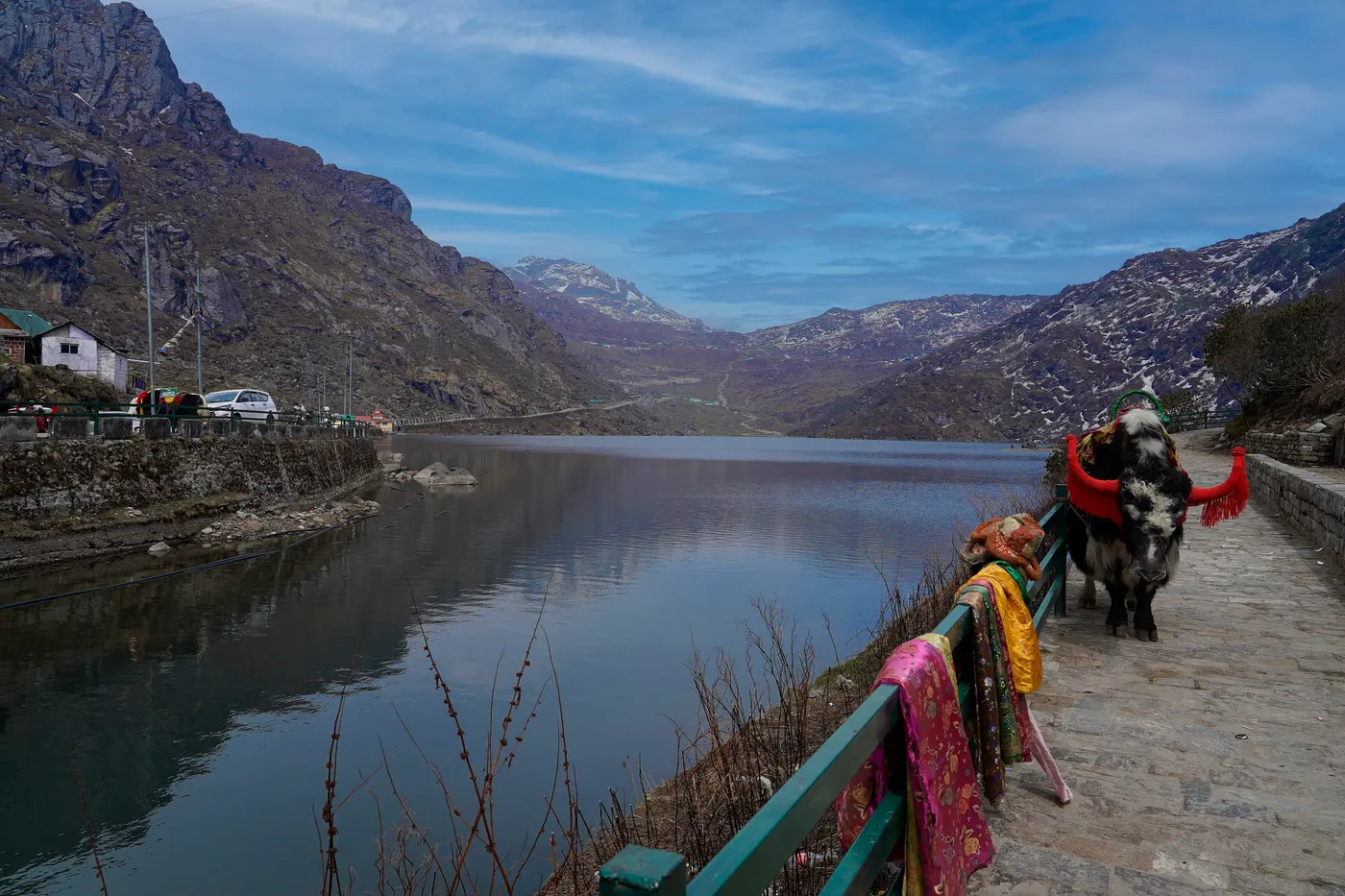
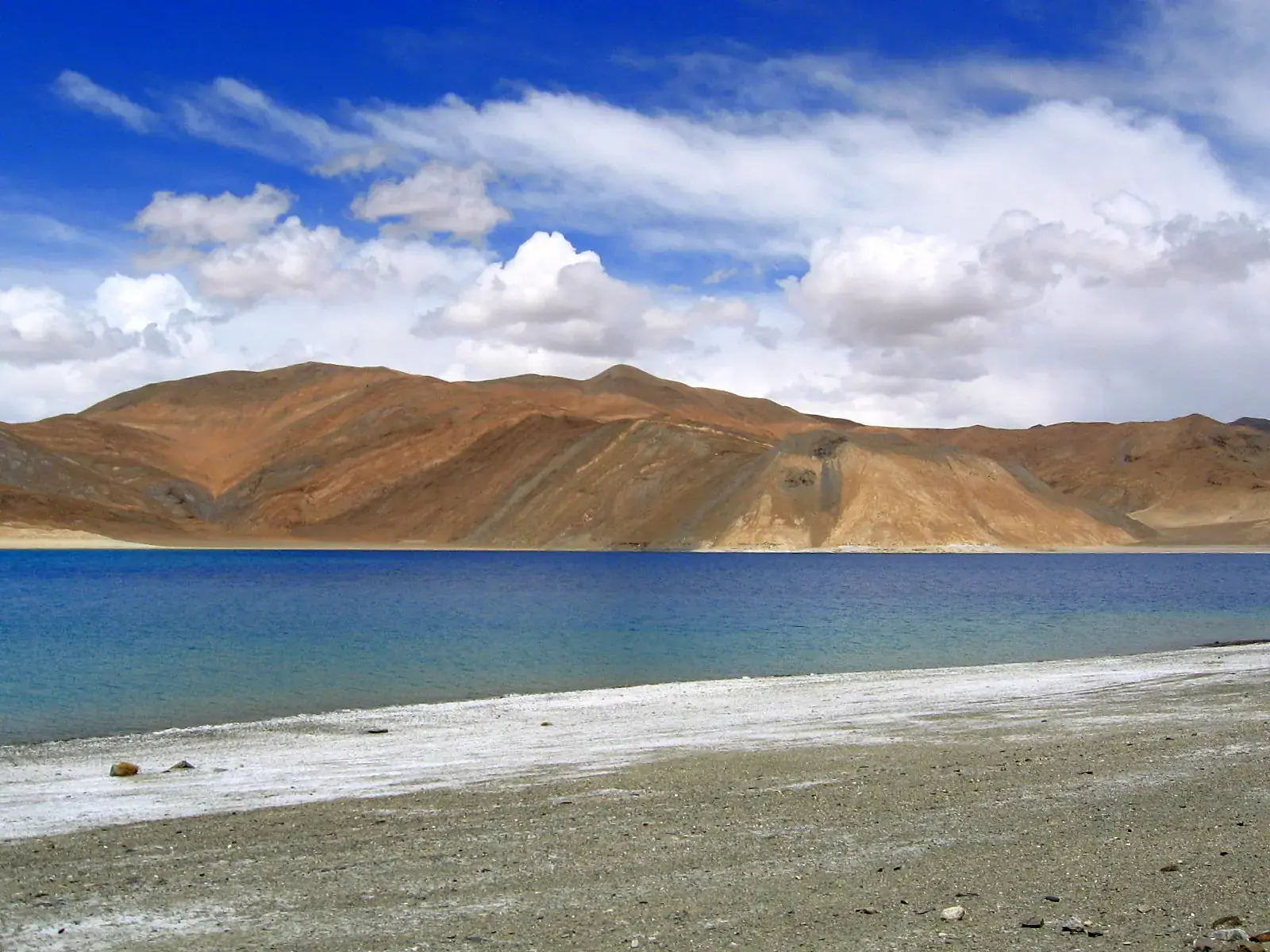 Lakes in IndiaA guide to the best lakes in India by type: high-altitude lakes in Ladakh, Sikkim and Himachal (Pangong, Tso Moriri, Chandratal, Gurudongmar, Tsomgo, Prashar), valley and hill lakes (Dal, Loktak, Umiam, Naini, Khecheopalri), coastal lagoons and backwaters (Chilika, Vembanad), and wetlands recognised under the Ramsar Convention, with seasons, permits and responsible travel.Read the guide →
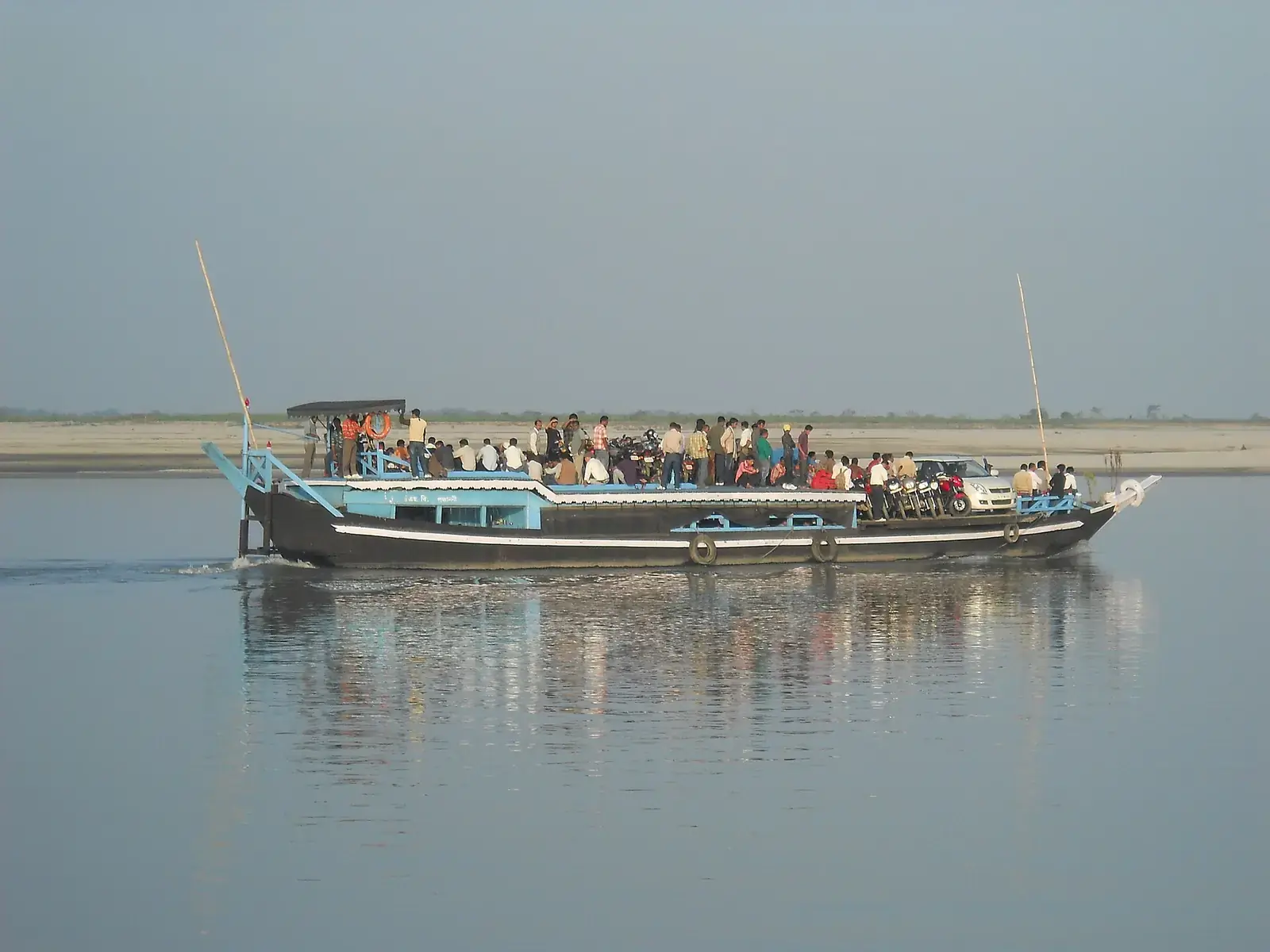 Riverside destinations in IndiaA guide to riverside nature destinations in India: Himalayan river valleys such as the Beas at Tirthan and Kasol, the Bhagirathi and Alaknanda, and the Teesta; the Brahmaputra and Majuli river island; Dawki's clear Umngot; the Kaveri at Hogenakkal and Coorg; Hampi on the Tungabhadra; the Narmada at Bhedaghat; and the Kerala backwaters, with river stays, seasons and water safety.Read the guide →
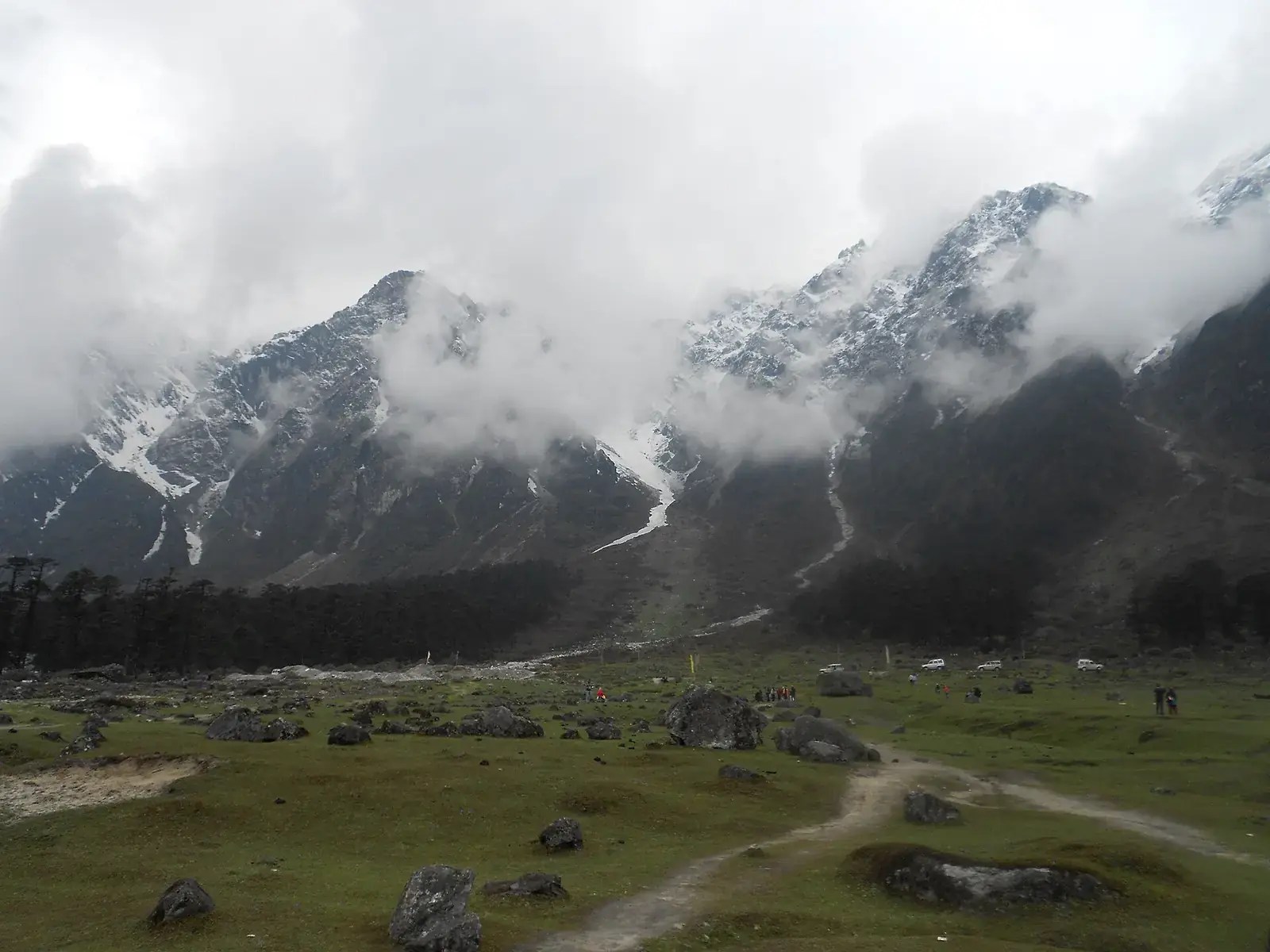 Valleys in IndiaA guide to the most beautiful valleys in India: Himalayan valleys (Valley of Flowers, Spiti, Kinnaur's Sangla, Parvati, Tirthan, Kashmir's Gurez and Lidder), eastern Himalayan valleys (Yumthang, Dzongu, Mechuka), northeastern highland valleys (Dzukou, Ziro), and southern valleys (Araku, Silent Valley, Kanger Valley), with the best season, access and permits.Read the guide →
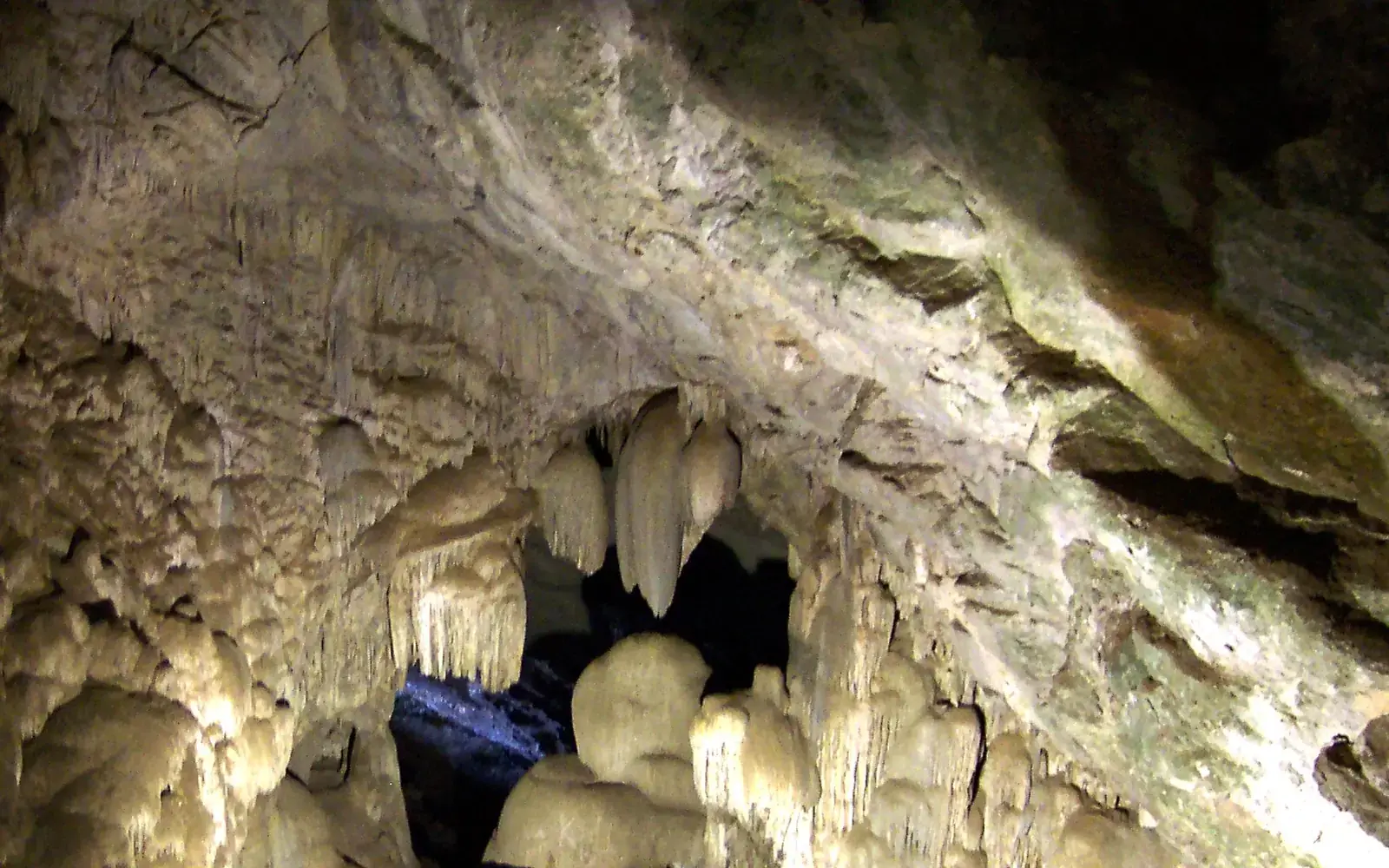 Natural caves in IndiaA guide to natural caves in India for travellers: the limestone caves of Borra in the Araku hills and Belum near Kurnool, Meghalaya's show cave at Mawsmai and its long cave systems for experienced cavers, Kotumsar in Chhattisgarh's Kanger Valley, Tharon in Arunachal, Naida's sandstone caves near Diu and Baratang's limestone caves in the Andamans, with how natural caves differ from rock-cut ones and cave safety.Read the guide →
By region
The Himalaya, the Western Ghats and the Northeast
India's three great nature regions, each with its own seasons and character.
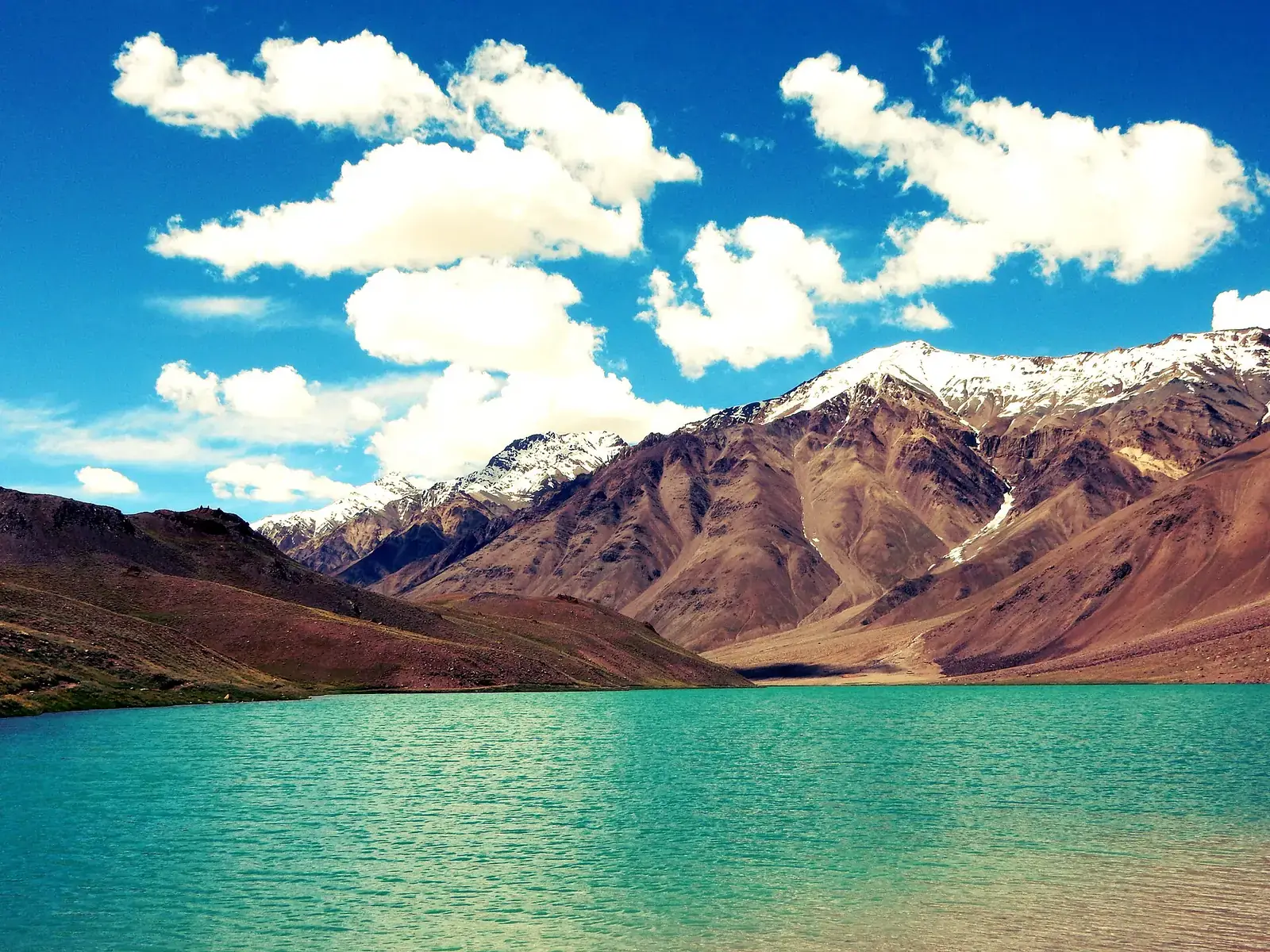 Himalayan nature travelA guide to Himalayan nature travel in India: the ecological zones from sub-tropical foothills to alpine meadows and cold desert, the UNESCO natural sites of Nanda Devi and Valley of Flowers, the Great Himalayan National Park and Khangchendzonga, glacial lakes, bugyals (high meadows), rhododendron forests and river valleys, with seasons, altitude and how nature trips differ from hill-station holidays.Read the guide →
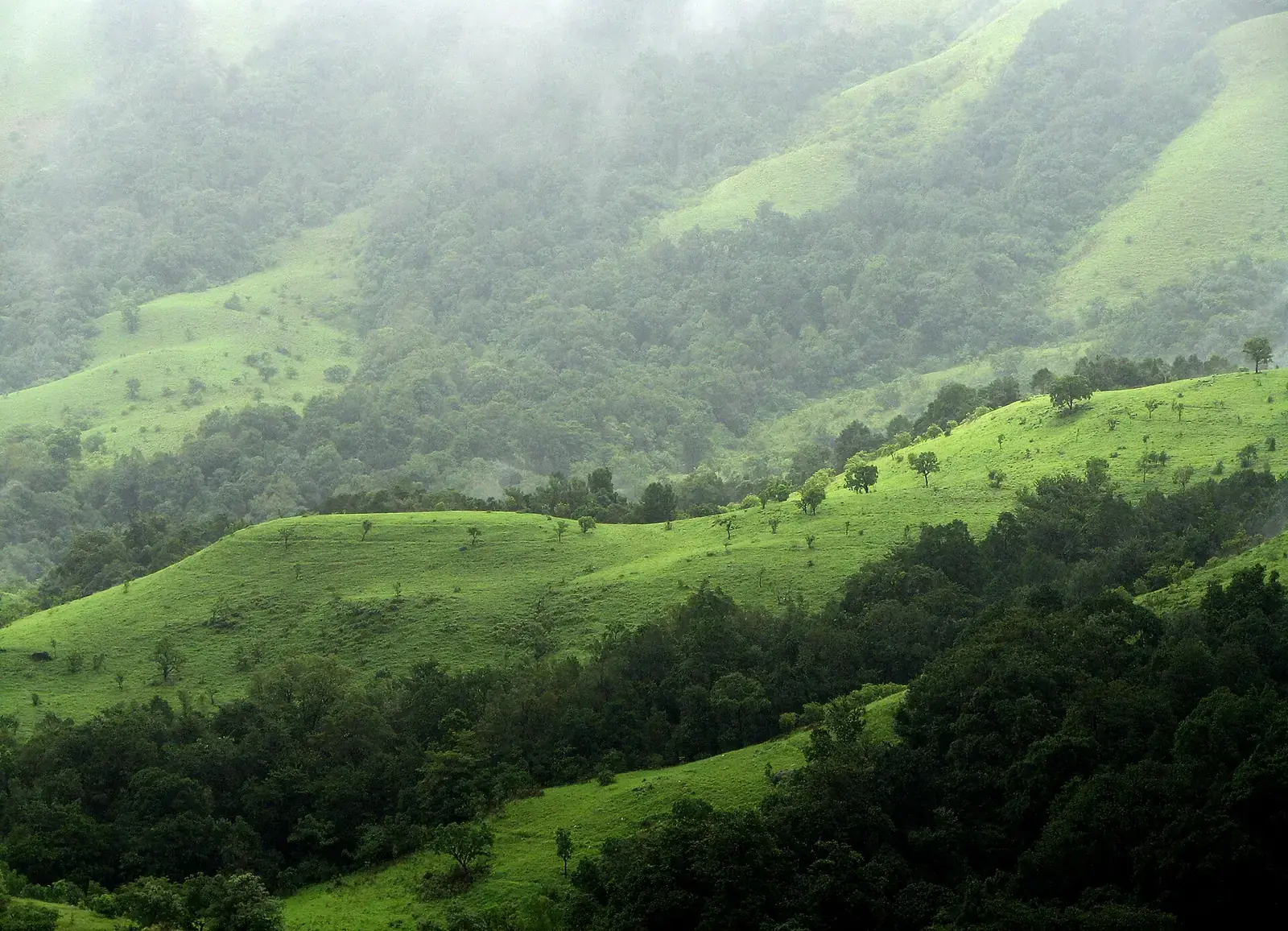 Western Ghats nature travelA guide to the Western Ghats for nature travellers: the range and its UNESCO World Heritage status, shola grasslands, rainforests and waterfalls, the Kaas plateau, and the best places to experience them state by state (Maharashtra's Sahyadri, Goa's Mollem, Karnataka's Agumbe, Kudremukh and Coorg, Kerala's Silent Valley, Wayanad and Munnar, and Tamil Nadu's Nilgiris and Anamalais), with the monsoon and the best seasons.Read the guide →
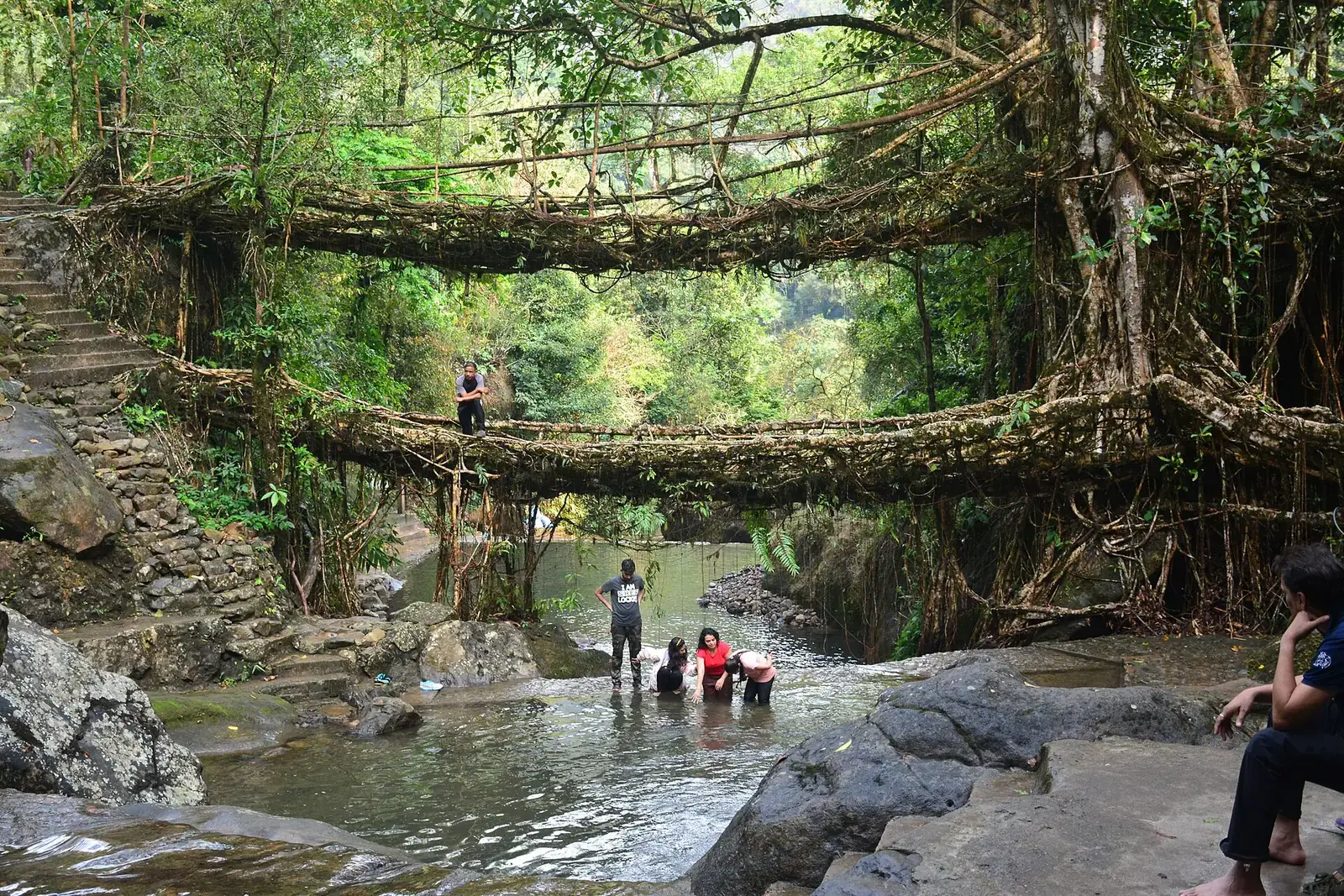 Nature travel in Northeast IndiaA guide to nature travel in Northeast India: Meghalaya's plateau of waterfalls, caves and living root bridges; Arunachal's Ziro, Mechuka, Dibang and Namdapha; Assam's Brahmaputra and Majuli; Nagaland's Dzukou; Manipur's Loktak and Shirui; Mizoram's Phawngpui and Vantawng; Tripura's Jampui and Unakoti; and Sikkim's lakes and rhododendron valleys, with permits, seasons and community-led travel.Read the guide →
State by state
Nature travel by state
The states where nature is the main reason to go, with highlights, seasons and practical tips.
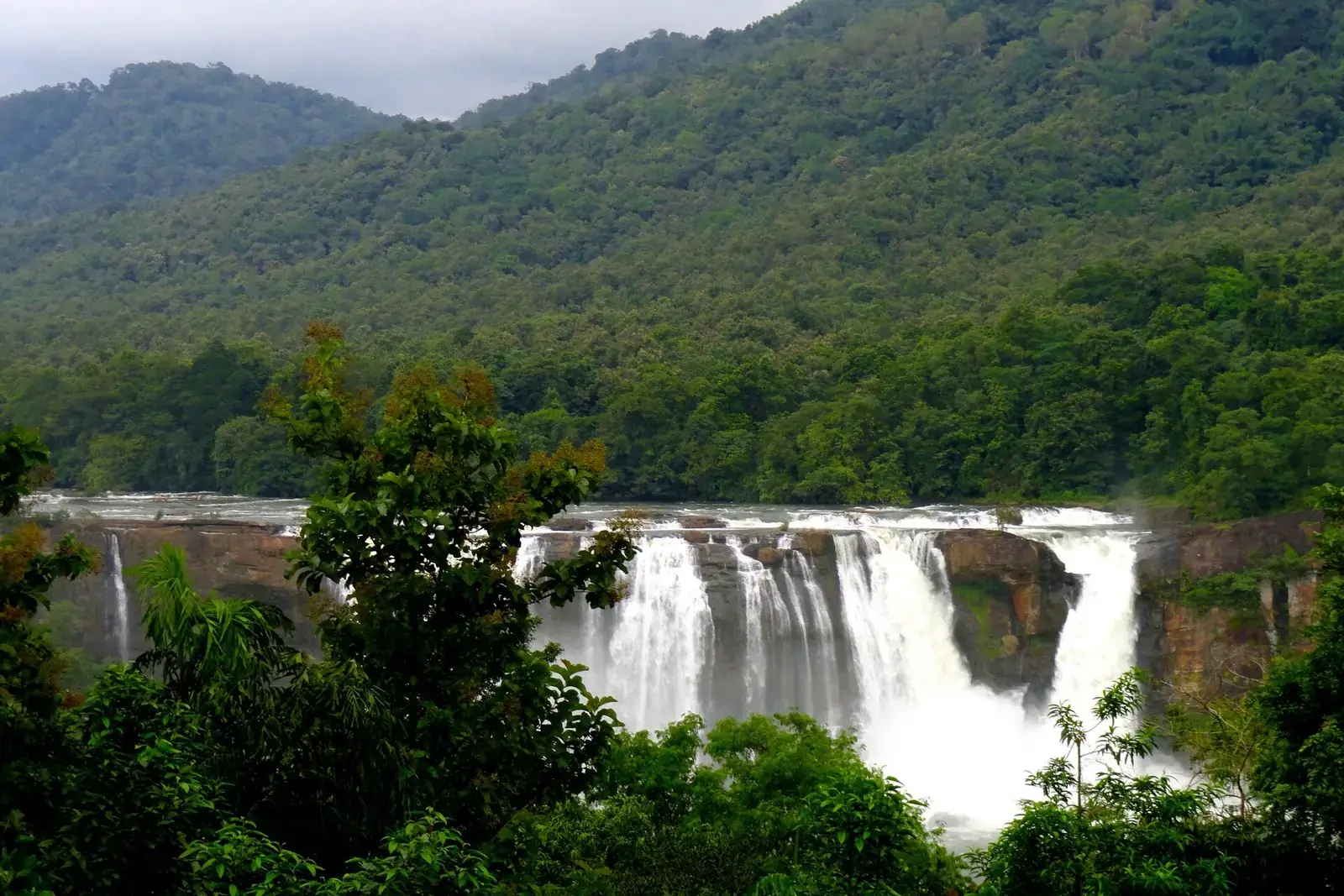 Nature travel in KeralaA guide to nature travel in Kerala: the rainforest of Silent Valley, the shola grasslands of Eravikulam, Athirappilly and Vazhachal falls, Periyar lake at Thekkady, the forests and peaks of Wayanad, the meadows of Vagamon, and the backwaters of Vembanad, Kumarakom and Munroe Island, with the best seasons and how to plan a trip.Read the guide →
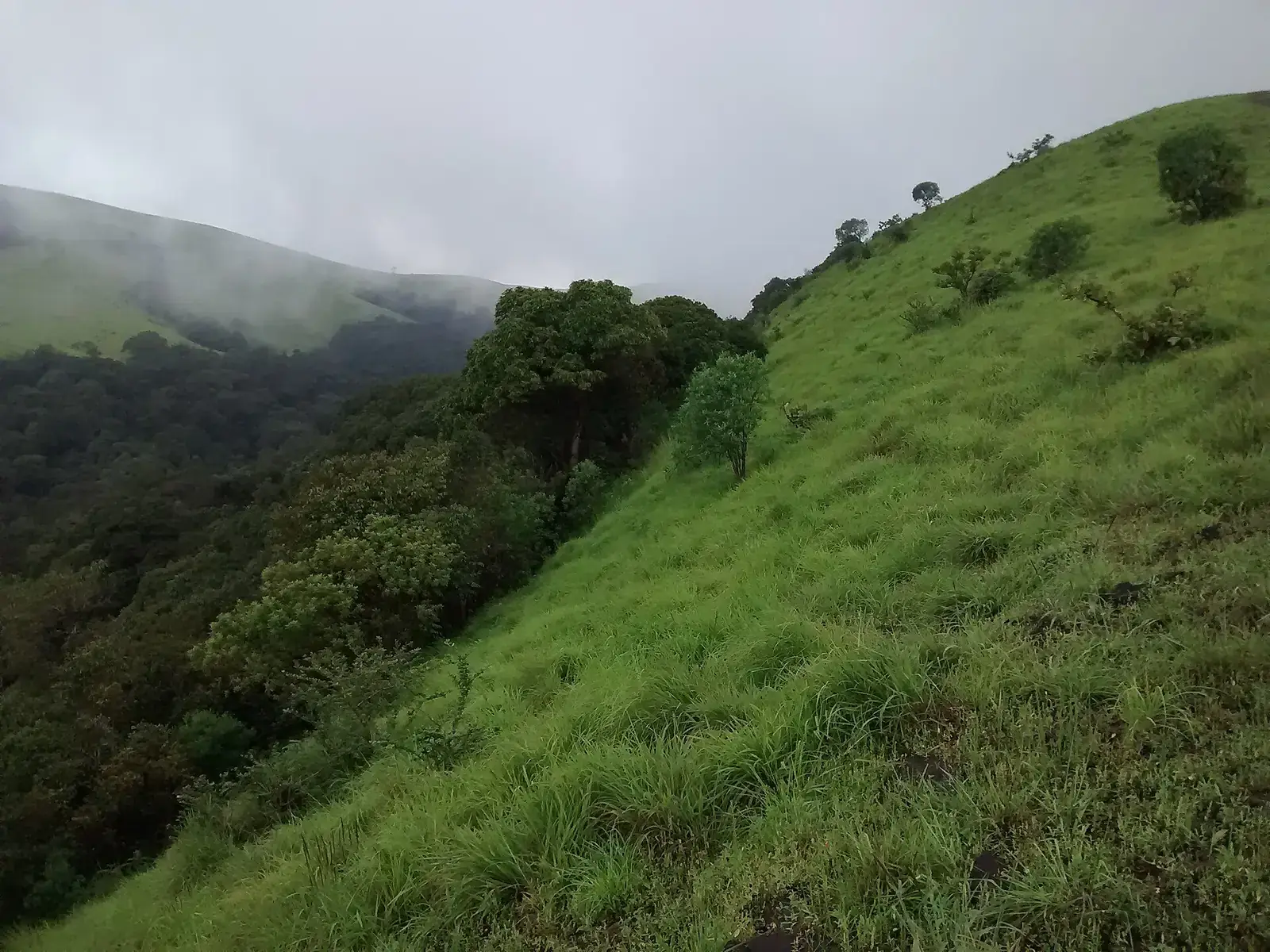 Nature travel in KarnatakaA guide to nature travel in Karnataka: the Western Ghats of the Malnad region, with Jog Falls, the rainforest of Agumbe, the grassland of Kudremukh and Kodachadri, the coffee hills of Coorg and Chikmagalur, the Kali river at Dandeli, and the granite boulder landscape of Hampi, with seasons, trek bookings and practical tips.Read the guide →
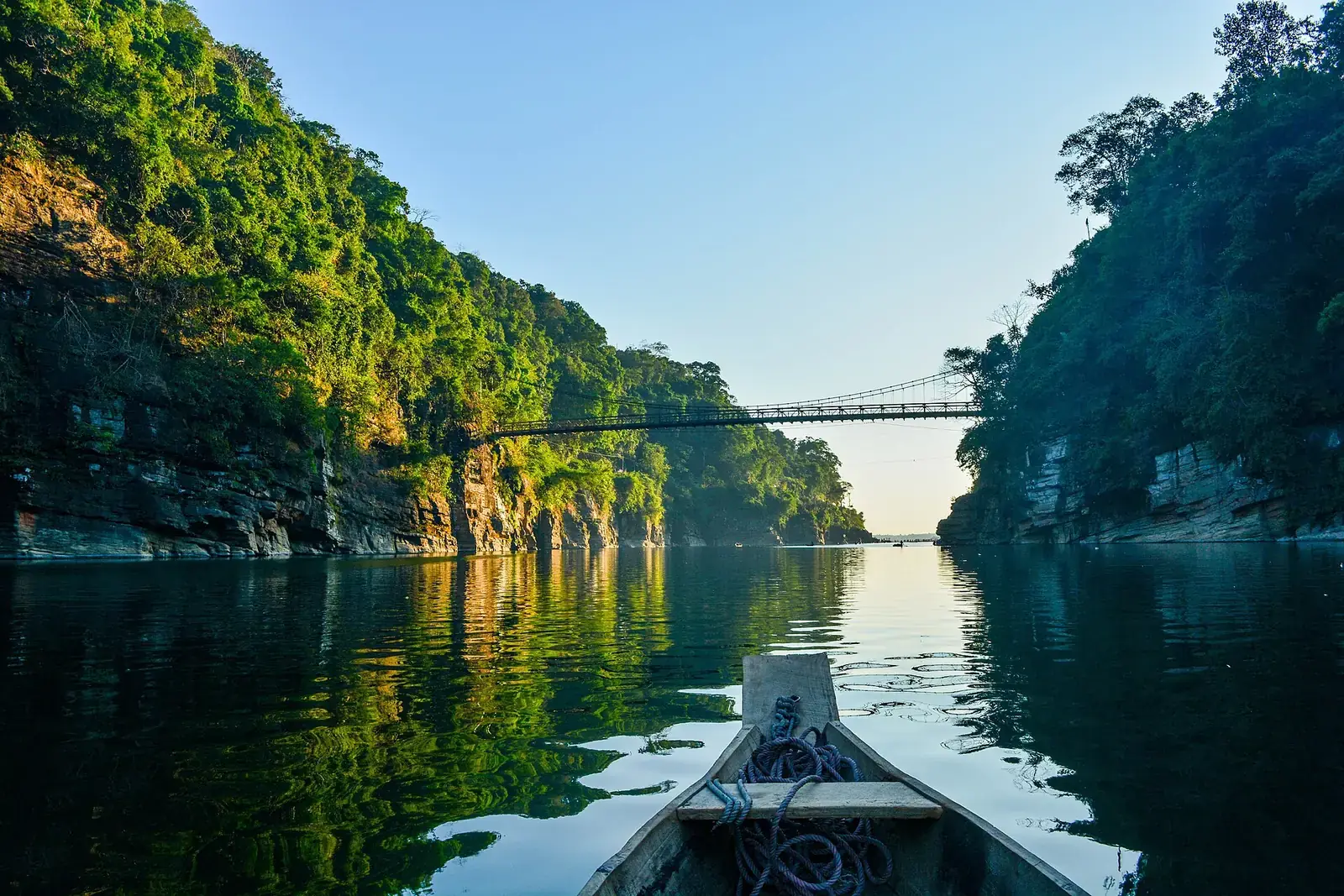 Nature travel in MeghalayaA guide to nature travel in Meghalaya: the living root bridges of Nongriat and Mawlynnong, the waterfalls and caves around Sohra (Cherrapunji), the clear Umngot river at Dawki, the Laitlum canyons, the Mawphlang sacred grove, the Jaintia hills' Krang Suri falls and the caves of the Garo hills, with seasons, village fees and practical tips.Read the guide →
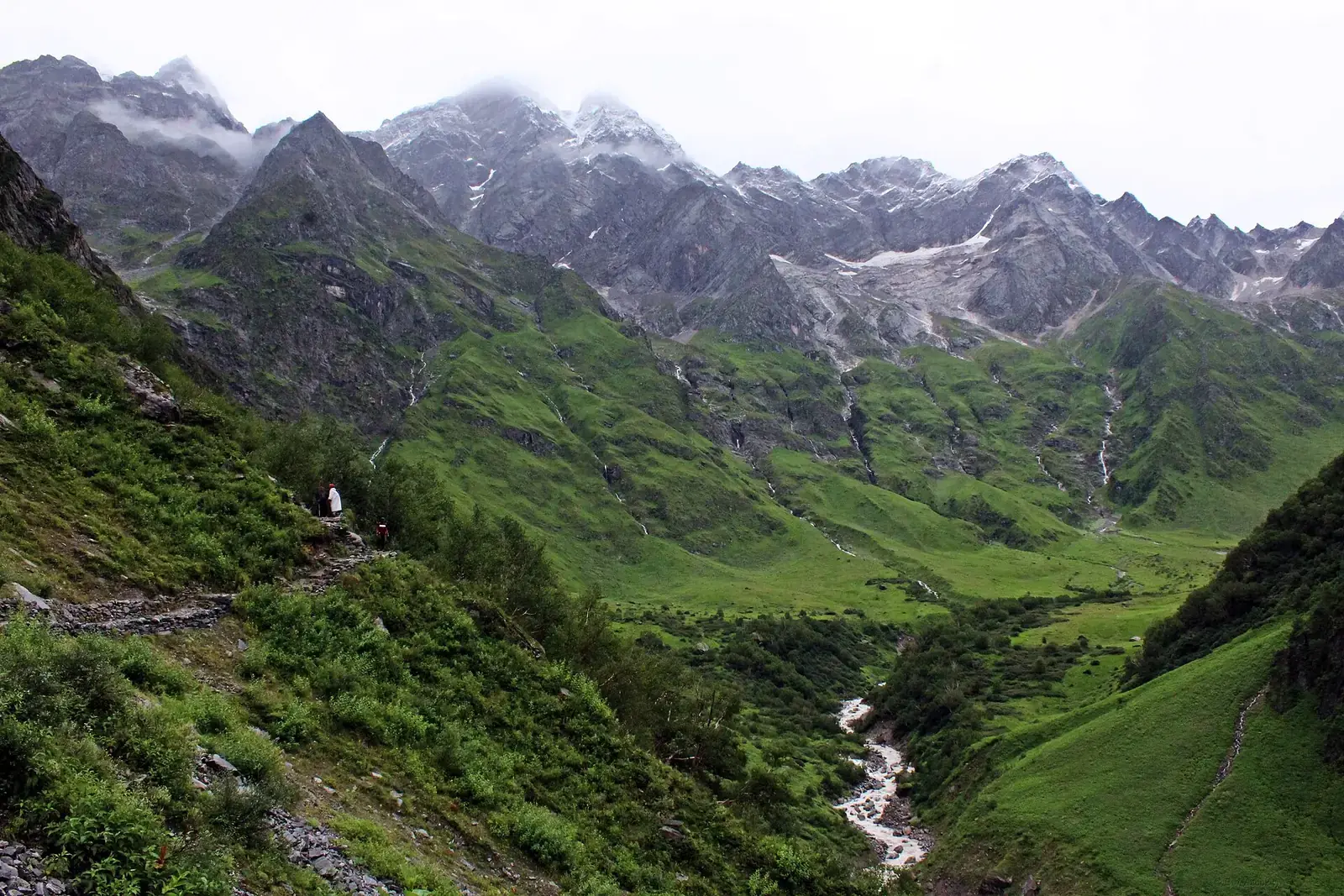 Nature travel in UttarakhandA guide to nature travel in Uttarakhand: the Valley of Flowers and Nanda Devi landscape, high meadows at Chopta, Auli and Dayara, Kumaon's oak and rhododendron forests at Binsar and Munsiyari, the Nainital lake district, the Ganga and Alaknanda valleys, and the terai forests, with seasons, permits and safety.Read the guide →
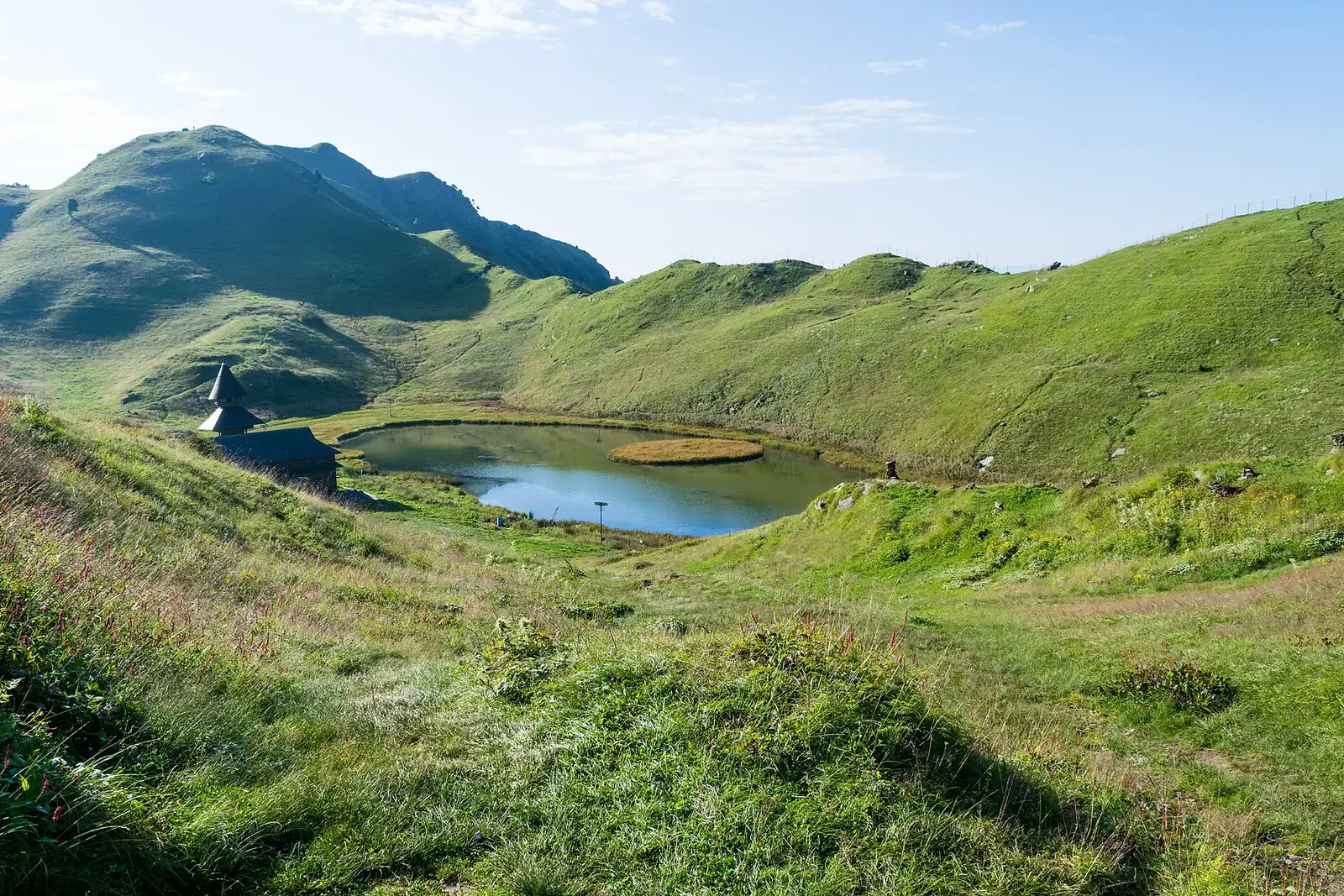 Nature travel in Himachal PradeshA guide to nature travel in Himachal Pradesh: the Great Himalayan National Park and the Tirthan and Jibhi valleys, Prashar Lake, Chandratal and the cold desert of Spiti and Pin Valley, Kinnaur's Sangla valley, the Parvati valley, the Dhauladhar above Dharamshala, and the meadows of Khajjiar, with seasons, roads and safety.Read the guide →
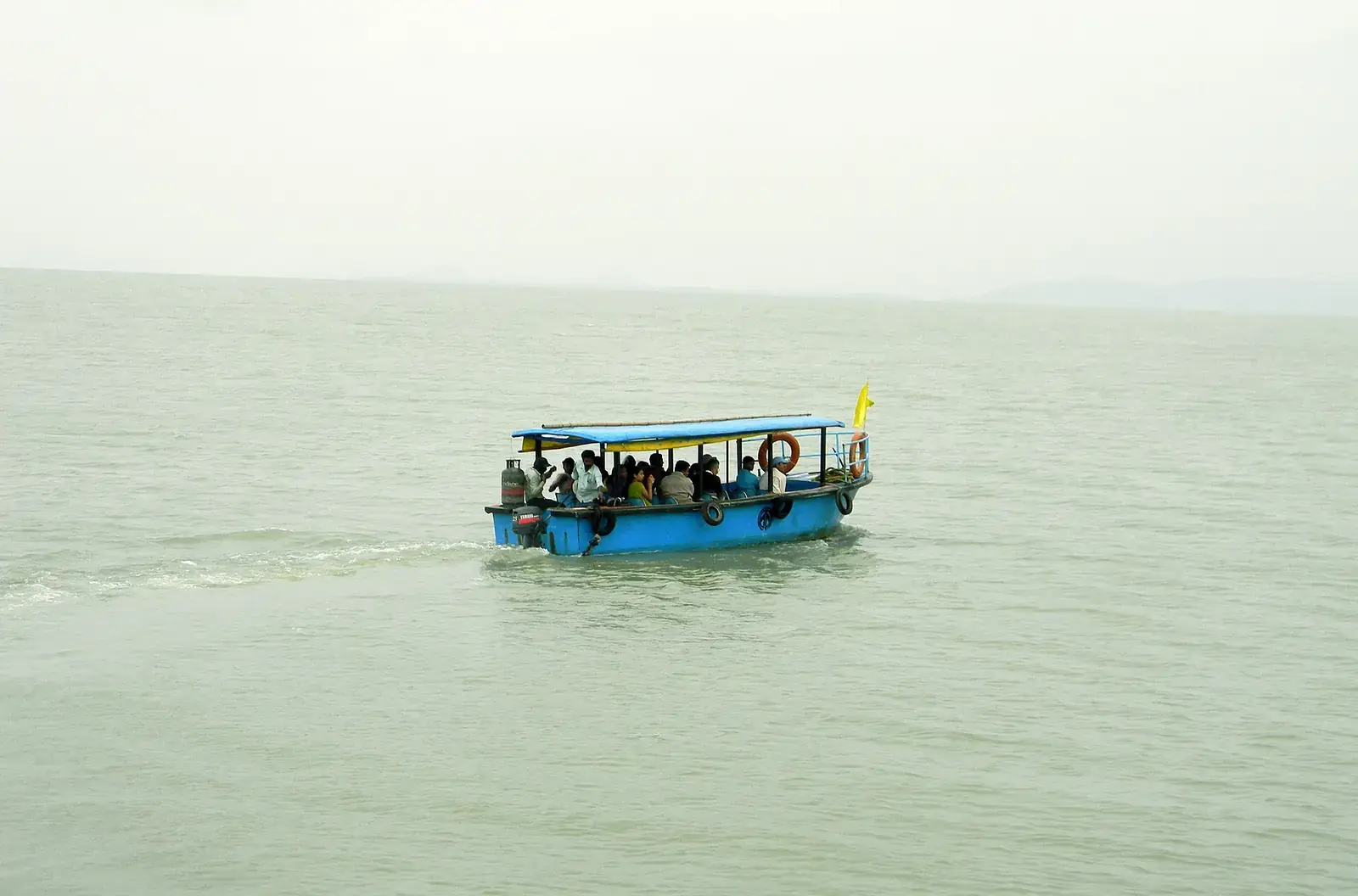 Nature travel in OdishaA guide to nature travel in Odisha: Chilika Lake and its birds and dolphins, the mangrove creeks of Bhitarkanika, Simlipal's forests and waterfalls, the Mahanadi's Satkosia gorge, the hill country of Daringbadi and Koraput with Duduma falls and Deomali, and the coast, with seasons and practical tips.Read the guide →
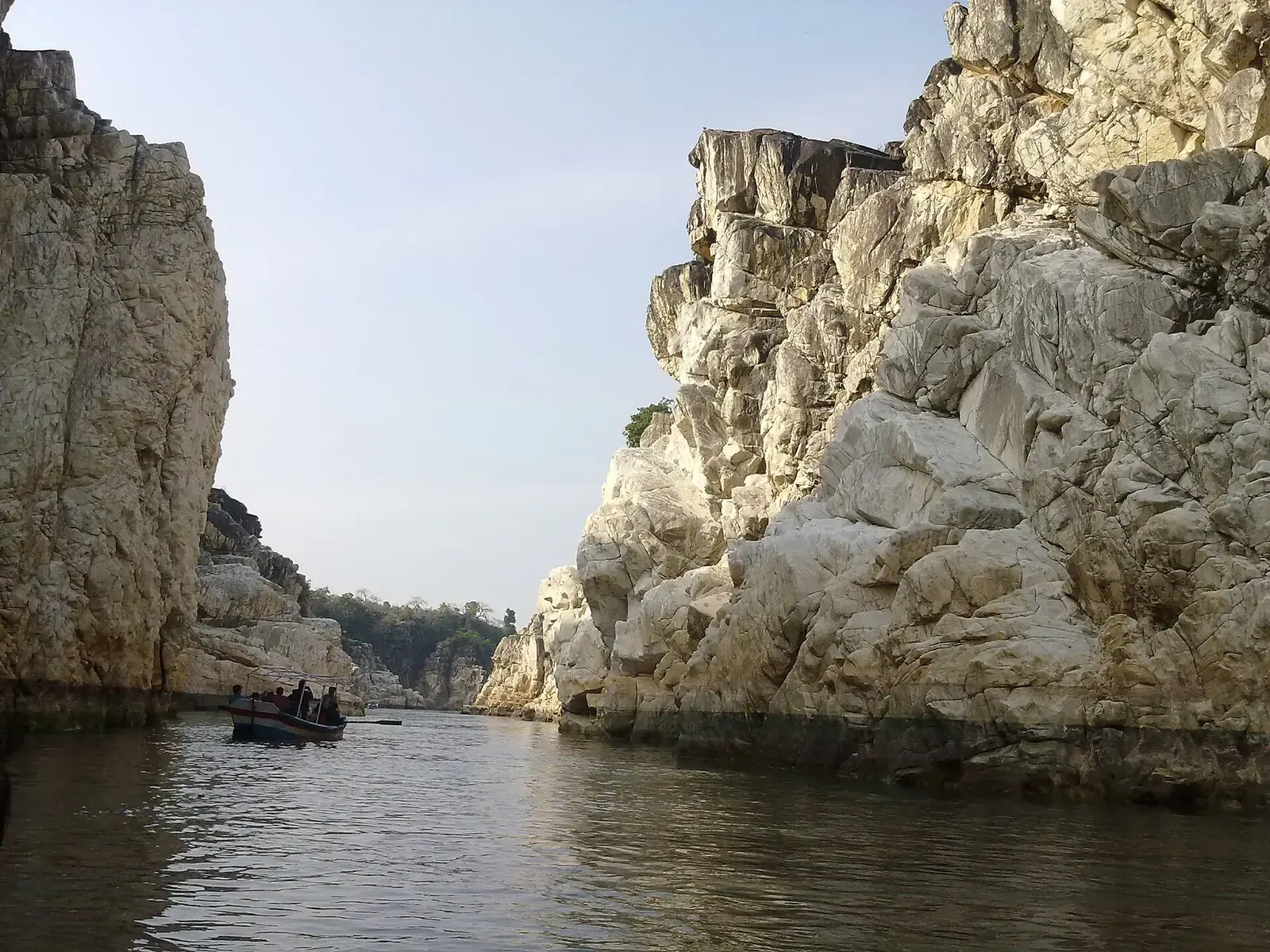 Nature travel in Madhya PradeshA guide to nature travel in Madhya Pradesh: the Narmada's marble gorge and Dhuandhar falls at Bhedaghat, Pachmarhi's waterfalls and viewpoints in the Satpura range, the Narmada's source at Amarkantak, the Patalkot valley, Mandu's plateau in the monsoon, and the sal forests of Kanha, Pench, Bandhavgarh and Satpura, with seasons and tips.Read the guide →
Eco tourism and biodiversity
Eco tourism, biodiversity, blooms and villages
Travel that supports the places you visit, from community forests to flower seasons.
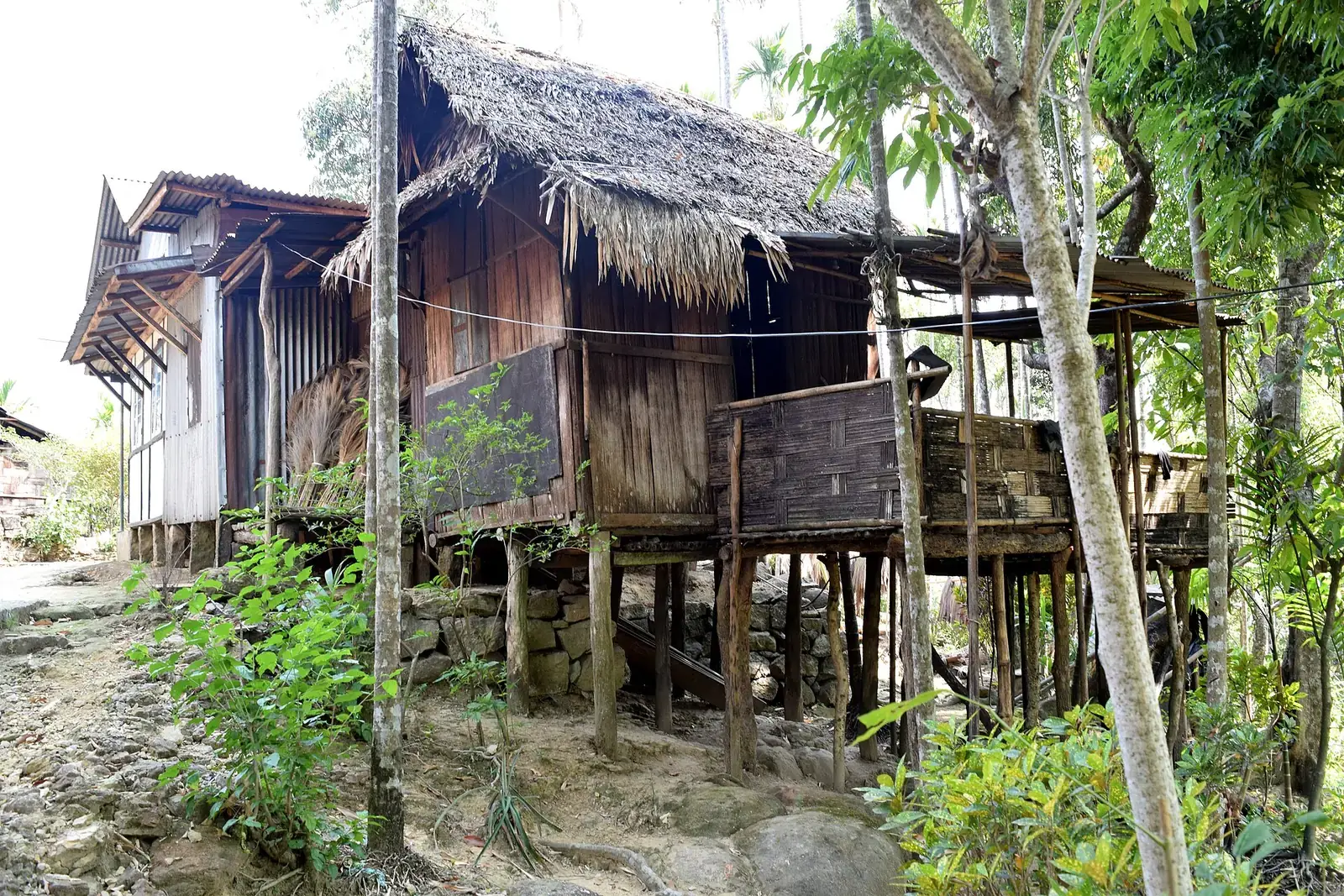 Eco tourism in IndiaA practical guide to eco tourism in India: what the term means, the difference between genuine eco tourism and green marketing, community-run examples such as Khonoma in Nagaland, Mawlynnong in Meghalaya, homestays in Ladakh and Sarmoli near Munsiyari, forest-department eco tourism at Periyar and elsewhere, Kerala's responsible tourism approach, and how to travel with a lighter footprint.Read the guide →
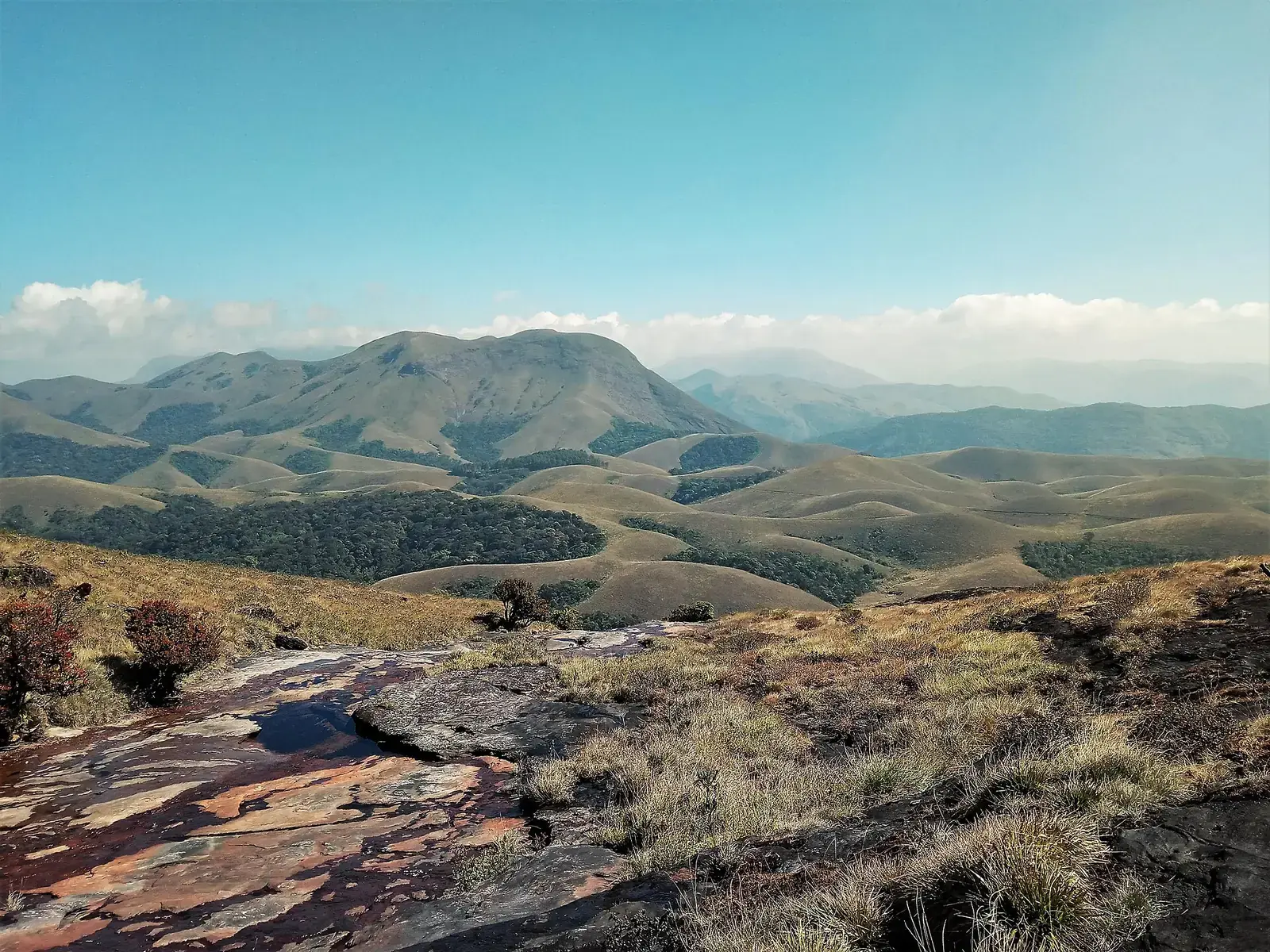 Biodiversity hotspots in IndiaA travel-focused guide to biodiversity in India: the four global biodiversity hotspots that overlap India (the Himalaya, Indo-Burma, the Western Ghats and Sri Lanka, and Sundaland in the Nicobar Islands), biosphere reserves, marine biodiversity in the Gulf of Mannar, Andaman and Lakshadweep, butterflies and endemic species, and where visitors can experience them responsibly.Read the guide →
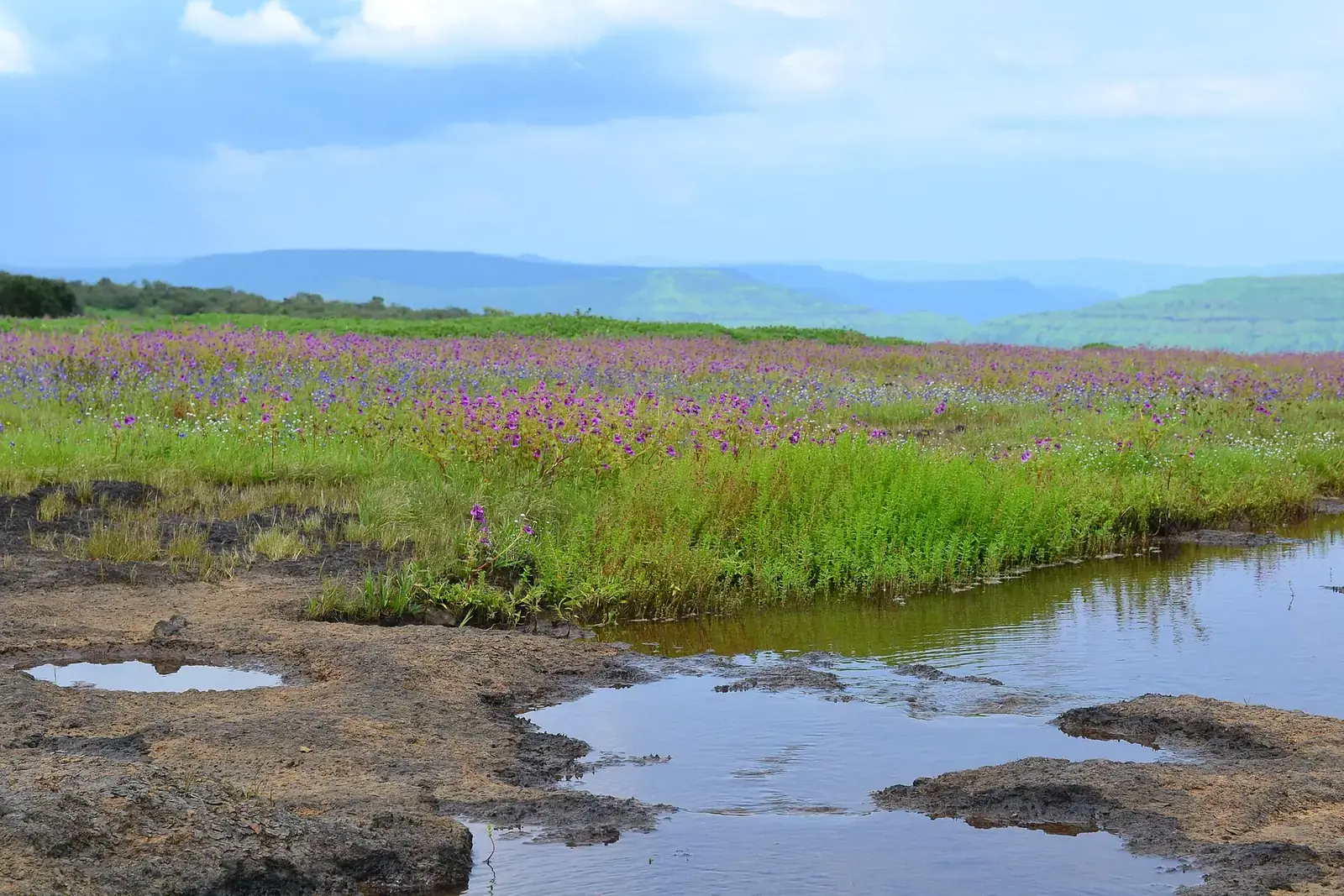 Flower valleys and bloomsA seasonal guide to flower valleys and blooms in India: the Valley of Flowers in Uttarakhand, the Kaas plateau in Maharashtra, rhododendrons in Sikkim's Yumthang and Barsey, the Dzukou lily and Manipur's Shirui lily, Srinagar's tulip garden, Neelakurinji in Kerala, and cherry blossoms in Shillong, with bloom windows, booking and why no bloom can be guaranteed.Read the guide →
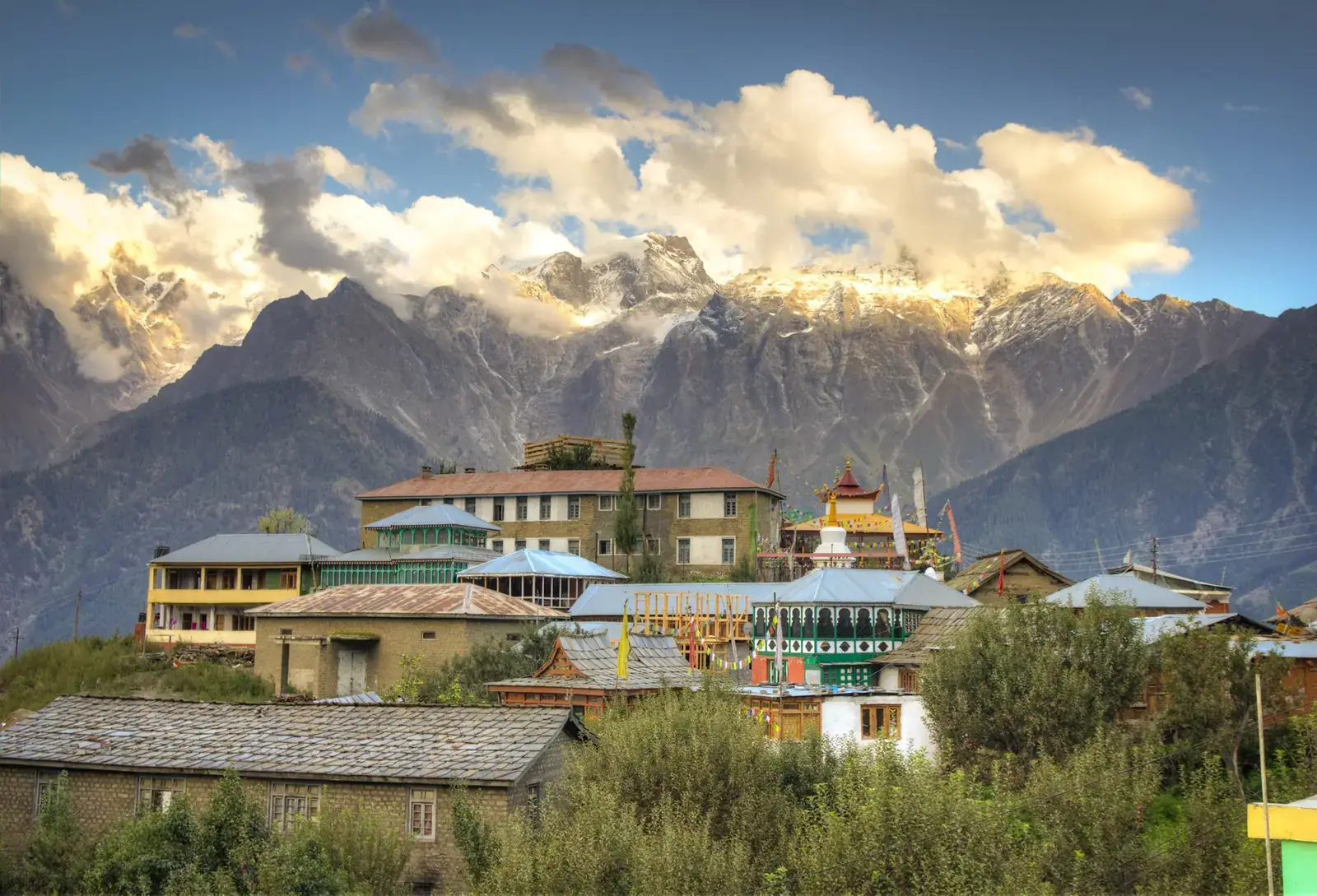 Village tourism in IndiaA guide to village tourism in India for nature travellers: community-run villages in Meghalaya and Nagaland, Ziro's rice valley, Himalayan villages in Kinnaur, Spiti and Ladakh, backwater villages in Kerala, and the UN Tourism Best Tourism Villages at Pochampally and Dhordo, with homestays, etiquette and seasons.Read the guide →
Birdwatching and wildlife
Birding, parks and safaris are covered in our wildlife guides, alongside treks, rafting and caves from our Adventure and Heritage guides.
By season
When to go
A month-by-month guide, plus our seasonal guides to the hills and parks.
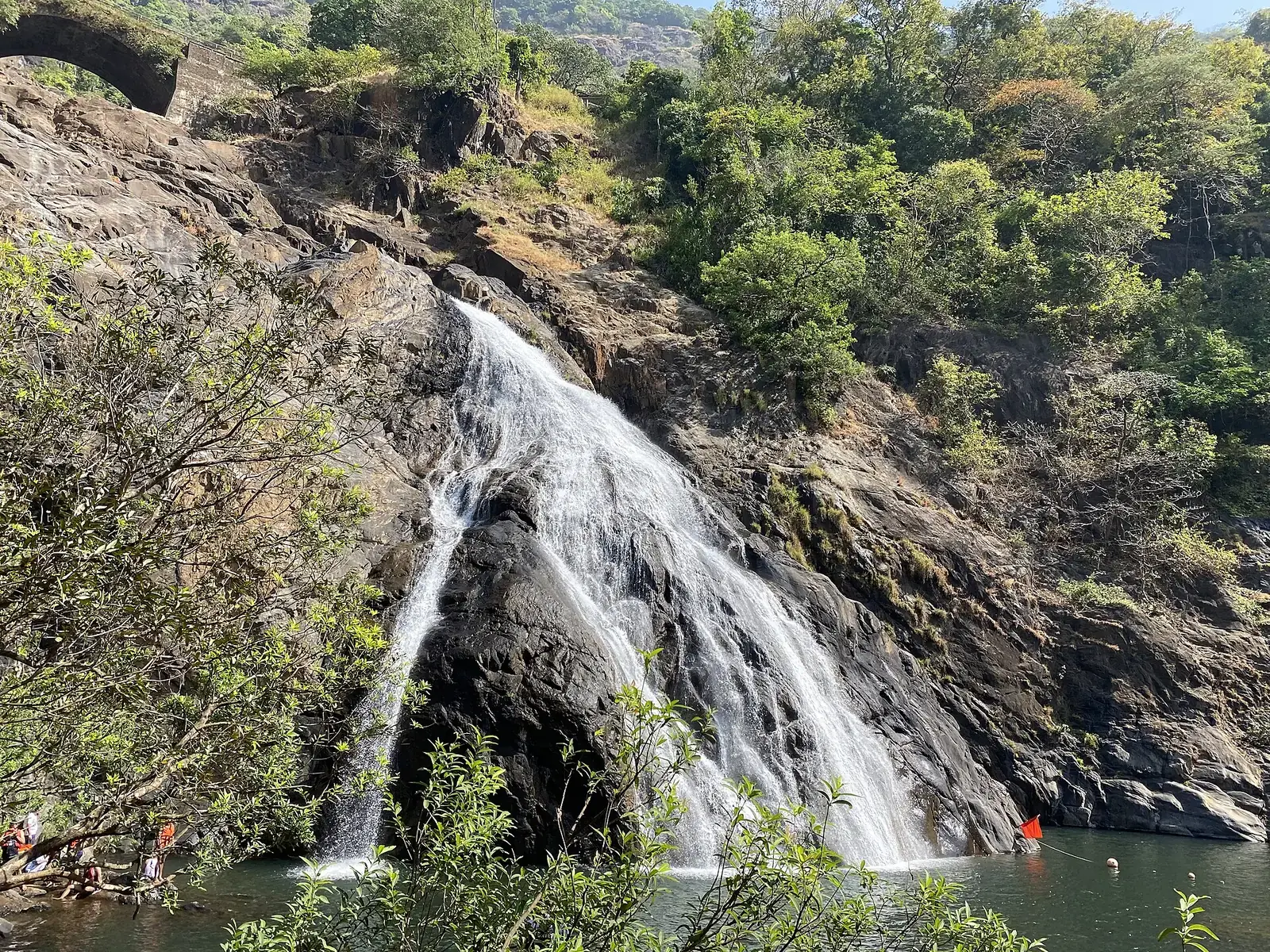
By traveller
Couples, families, retreats and offbeat places
Budget and luxury stays are compared in the retreats guide.
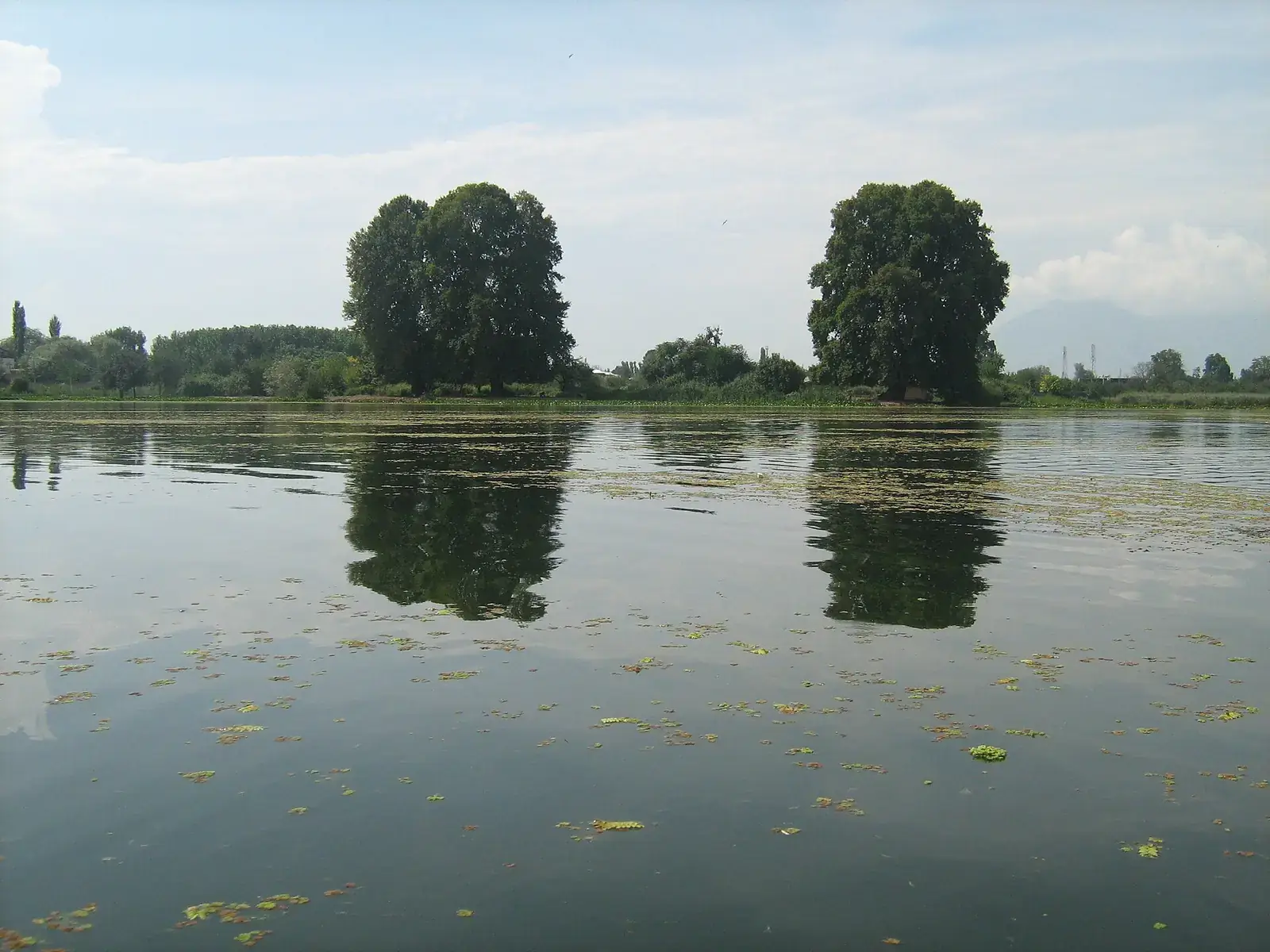 Nature getaways for couplesA guide to nature getaways for couples in India: quiet backwaters, forest stays, mountain valleys, lakes and waterfall country, including Kumarakom, Munroe Island, Coorg, Wayanad, Tirthan, Kumaon, Srinagar's Nigeen lake, Meghalaya and West Sikkim, with seasons and tips for a relaxed trip.Read the guide →
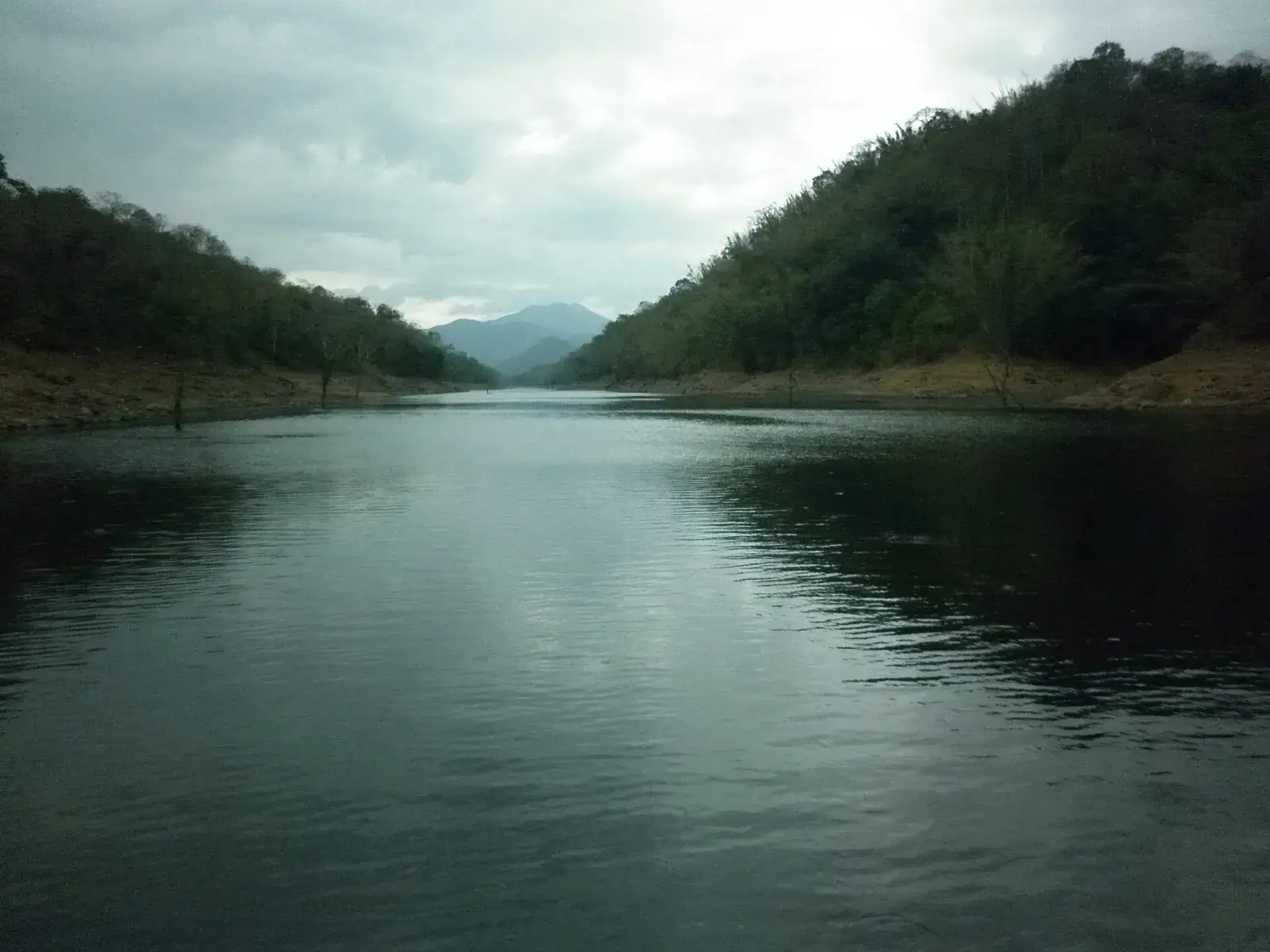 Nature trips for familiesA guide to nature trips for families in India: destinations with easy walks, boat rides, waterfalls and forest experiences suitable for children and older relatives, including Thekkady, Munnar, the Kerala backwaters, Coorg, Nainital and Bhimtal, Meghalaya, Pachmarhi and Sikkim, with seasons and family tips.Read the guide →
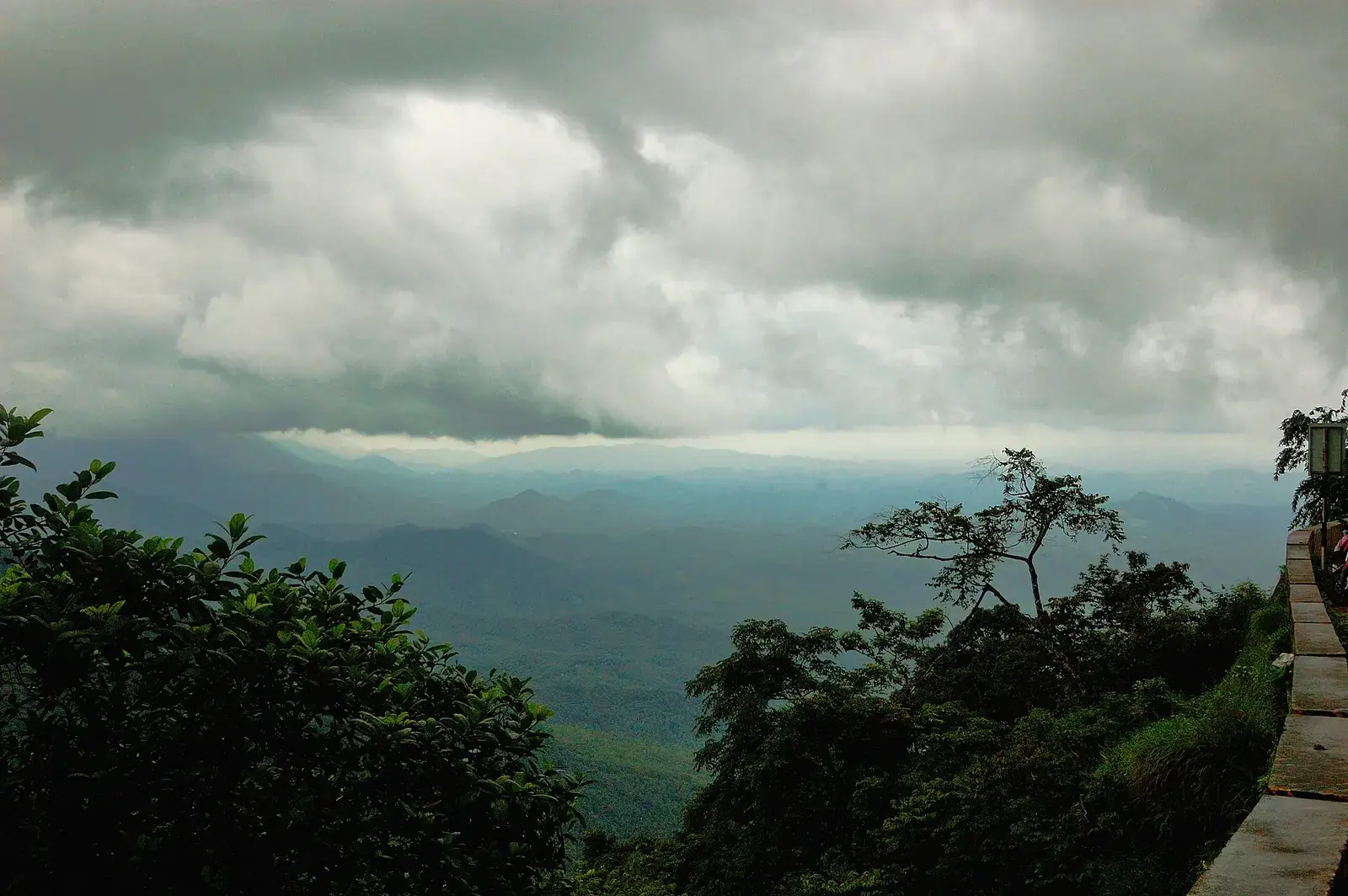 Nature retreats in IndiaA guide to nature retreats in India: the main kinds of stay (forest lodges, plantation bungalows, lakeside and backwater retreats, riverside camps, mountain homestays and forest department rest houses), the best regions for each, how budget and luxury retreats differ, how to judge an eco-claim, and when to go.Read the guide →
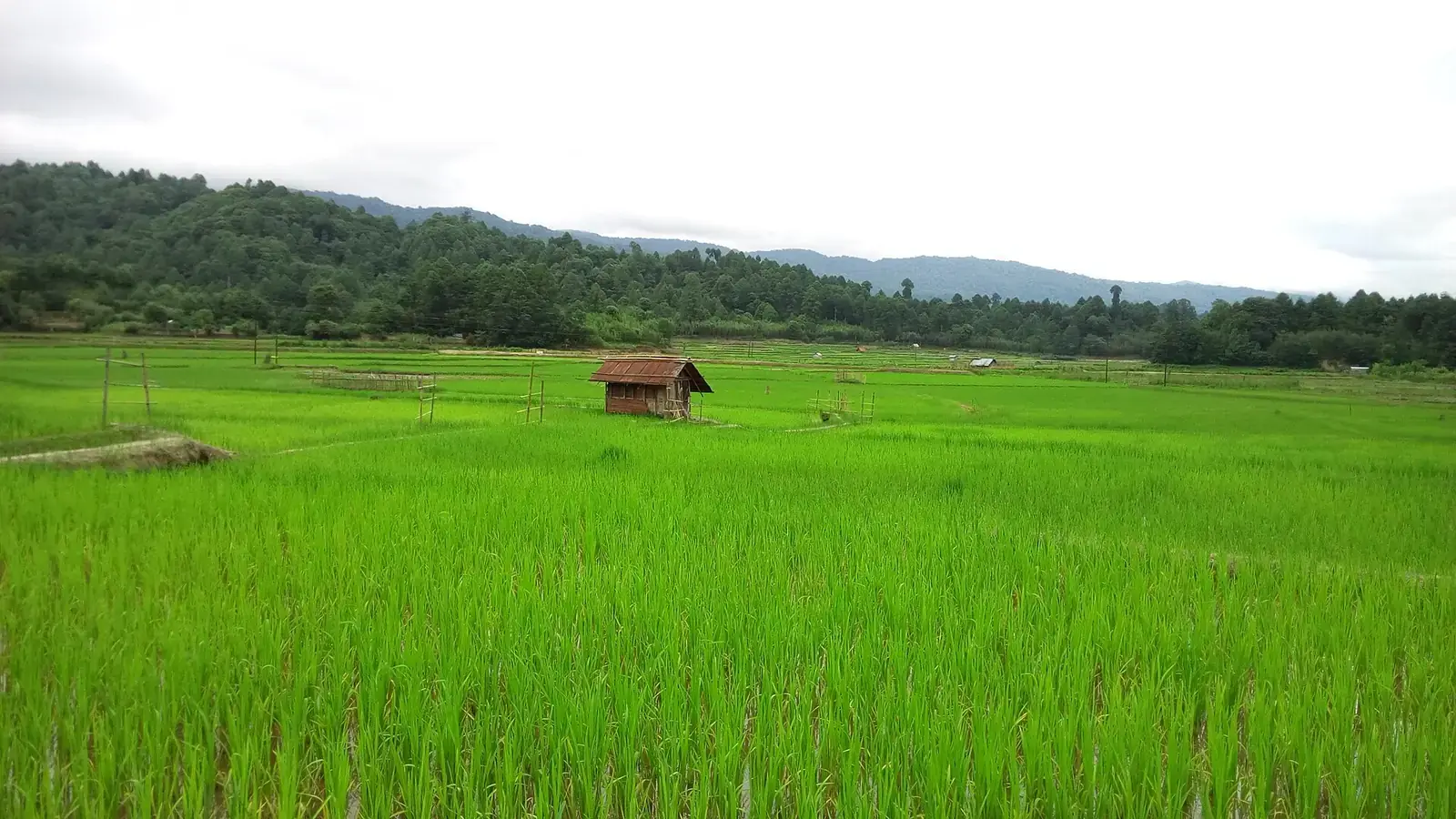 Offbeat nature destinations in IndiaA guide to offbeat nature destinations in India: quieter valleys such as Mechuka, Dzongu, Gurez and Tirthan; forests and hills such as Meghamalai, Valparai, Kanger valley and Mainpat; lakes and rivers such as Satkosia and Shnongpdeng; and how to travel responsibly to less-visited places, with permits and seasons.Read the guide →
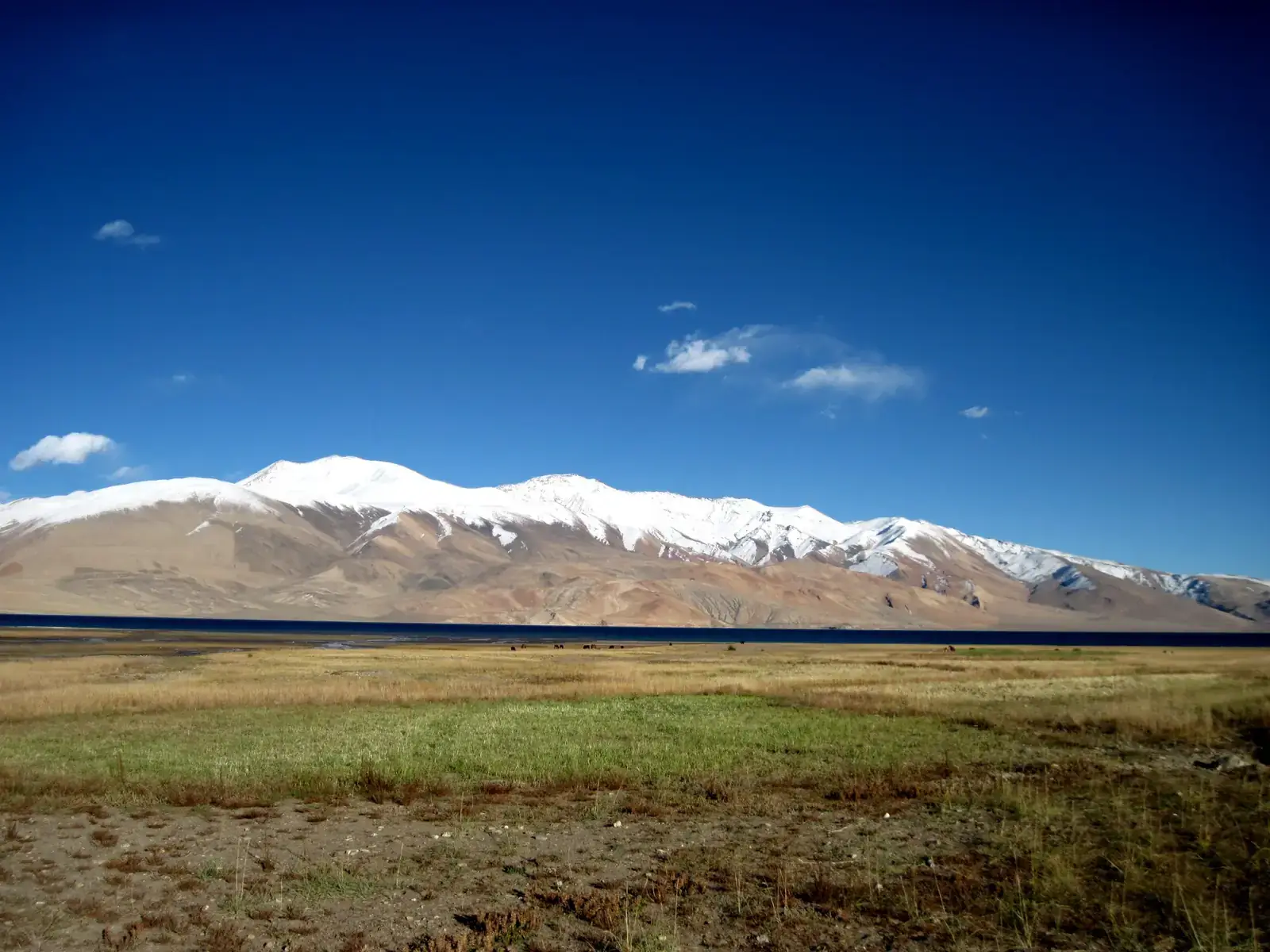 Nature photography in IndiaA guide to nature photography in India: the best places and seasons for mountain and lake landscapes, waterfalls, forests, flower blooms and night skies, when the light is best, gear that copes with rain, dust and altitude, drone rules, and field ethics for photographing people and fragile places.Read the guide →
Nature destination guides
Destination guides
Each guide covers the place in depth: best time, how to reach, things to do, stays and a day plan.
- Valley of Flowers
- Dzukou Valley
- Spiti Valley
- Tirthan Valley
- Ziro Valley
- Nubra Valley
- Araku Valley
- Jog Falls
- Dudhsagar Falls
- Athirappilly
- Cherrapunji
- Nongriat
- Dawki
- Pangong Lake
- Tso Moriri
- Chilika Lake
- Loktak Lake
- Prashar Lake
- Gurudongmar Lake
- Majuli
- Kumarakom
- Munroe Island
- Borra Caves
- Belum Caves
- Gandikota
- Rann of Kutch
- Kaas Plateau
- Sundarbans
- Wayanad
- Thekkady
Itineraries
Day-by-day nature routes
Multi-stop routes with drive times, seasons and variations.
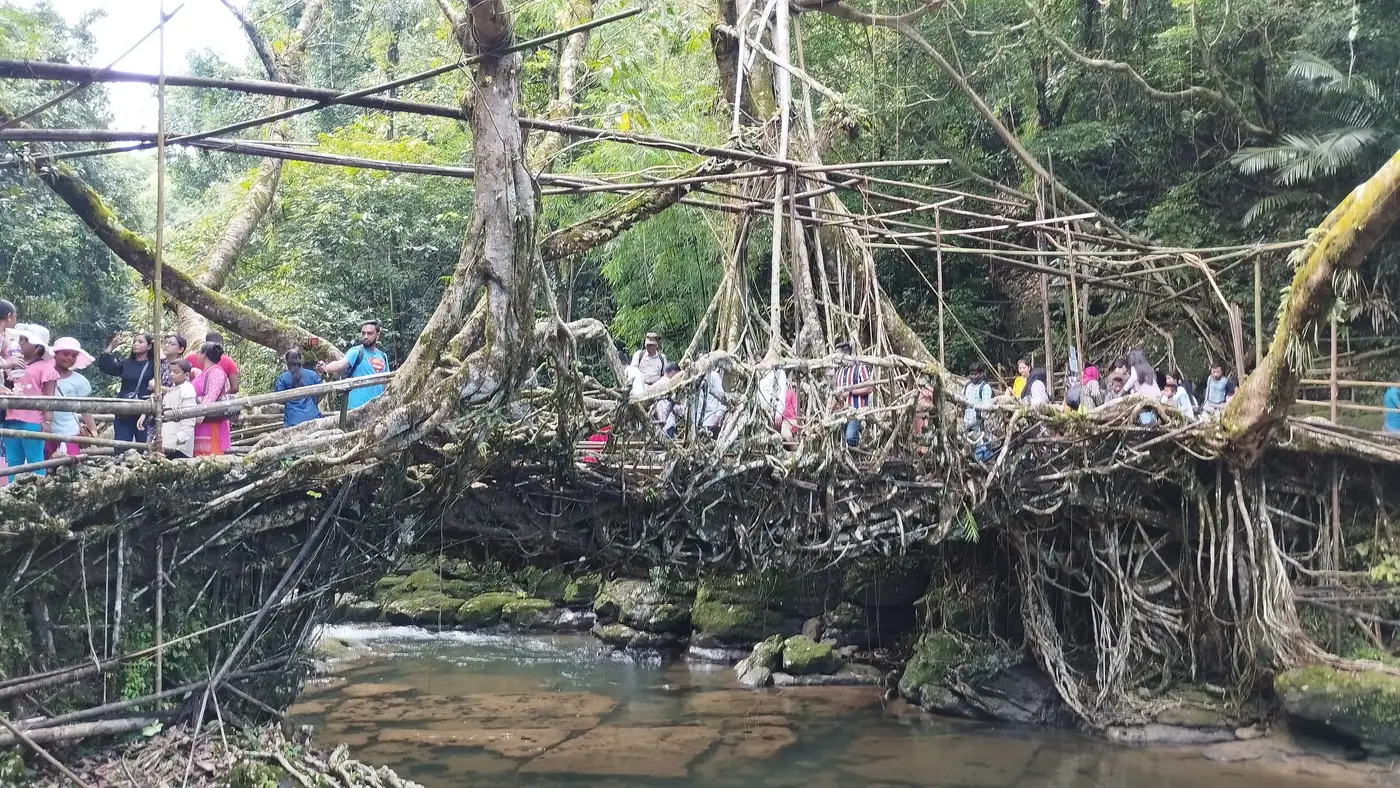
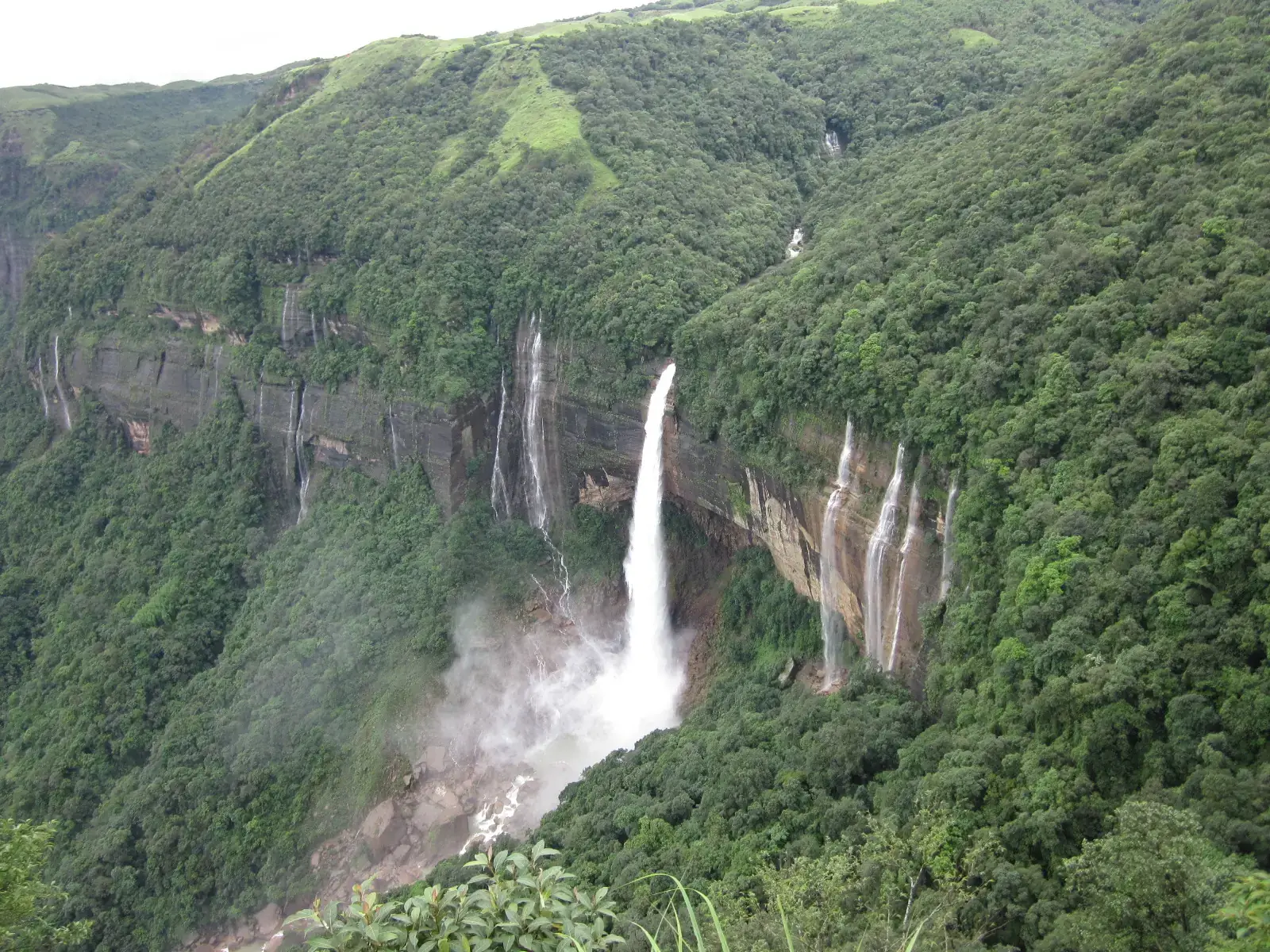 Meghalaya nature itineraryA six-day nature itinerary for Meghalaya from Guwahati: Umiam lake and Shillong, the Laitlum canyons, Sohra's waterfalls and Mawsmai cave, a night at Nongriat for the double-decker root bridge and Rainbow Falls, Mawlynnong village, and the clear Umngot river at Dawki and Shnongpdeng, with drive times, seasons and variations.Read the guide →
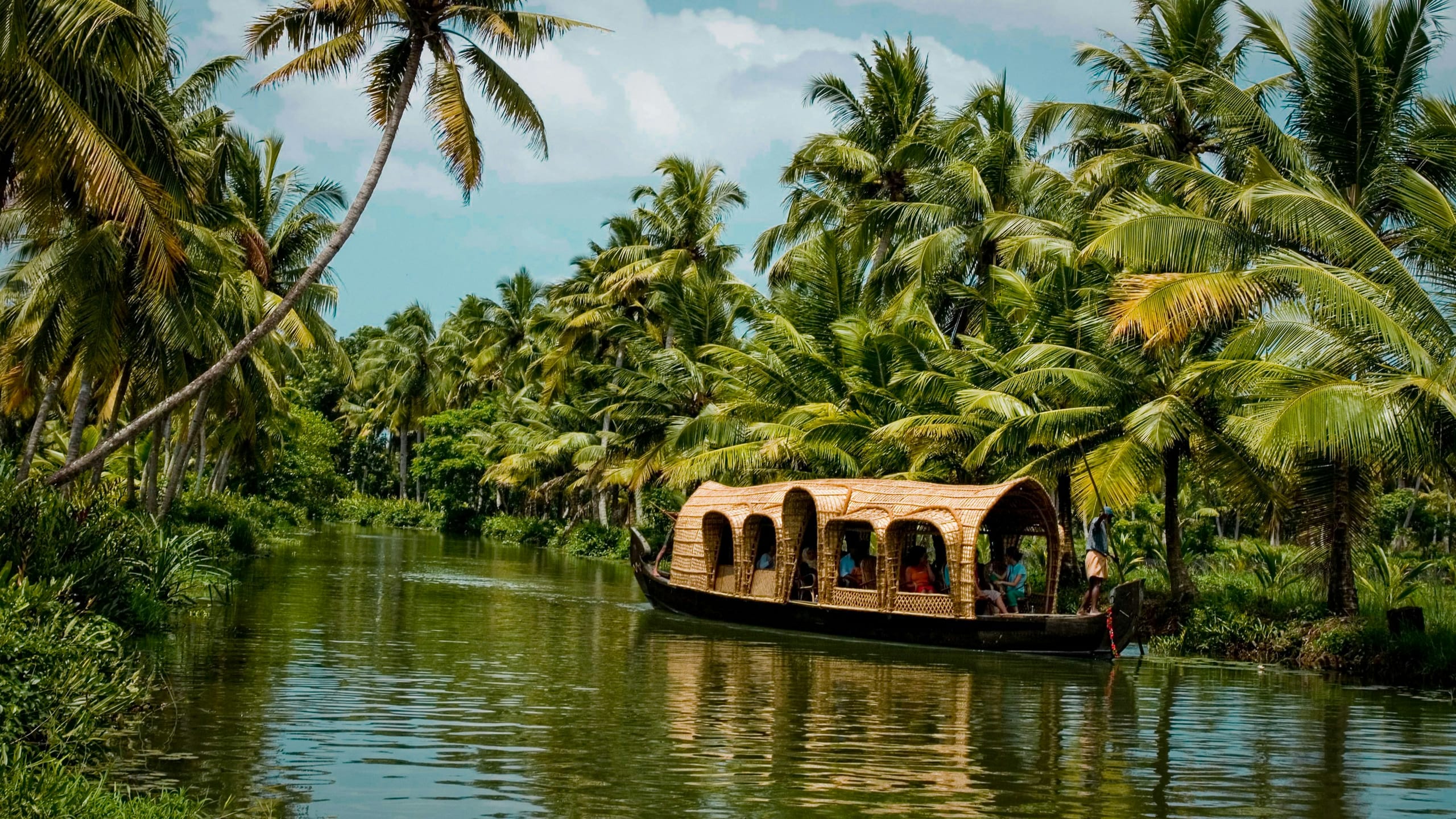
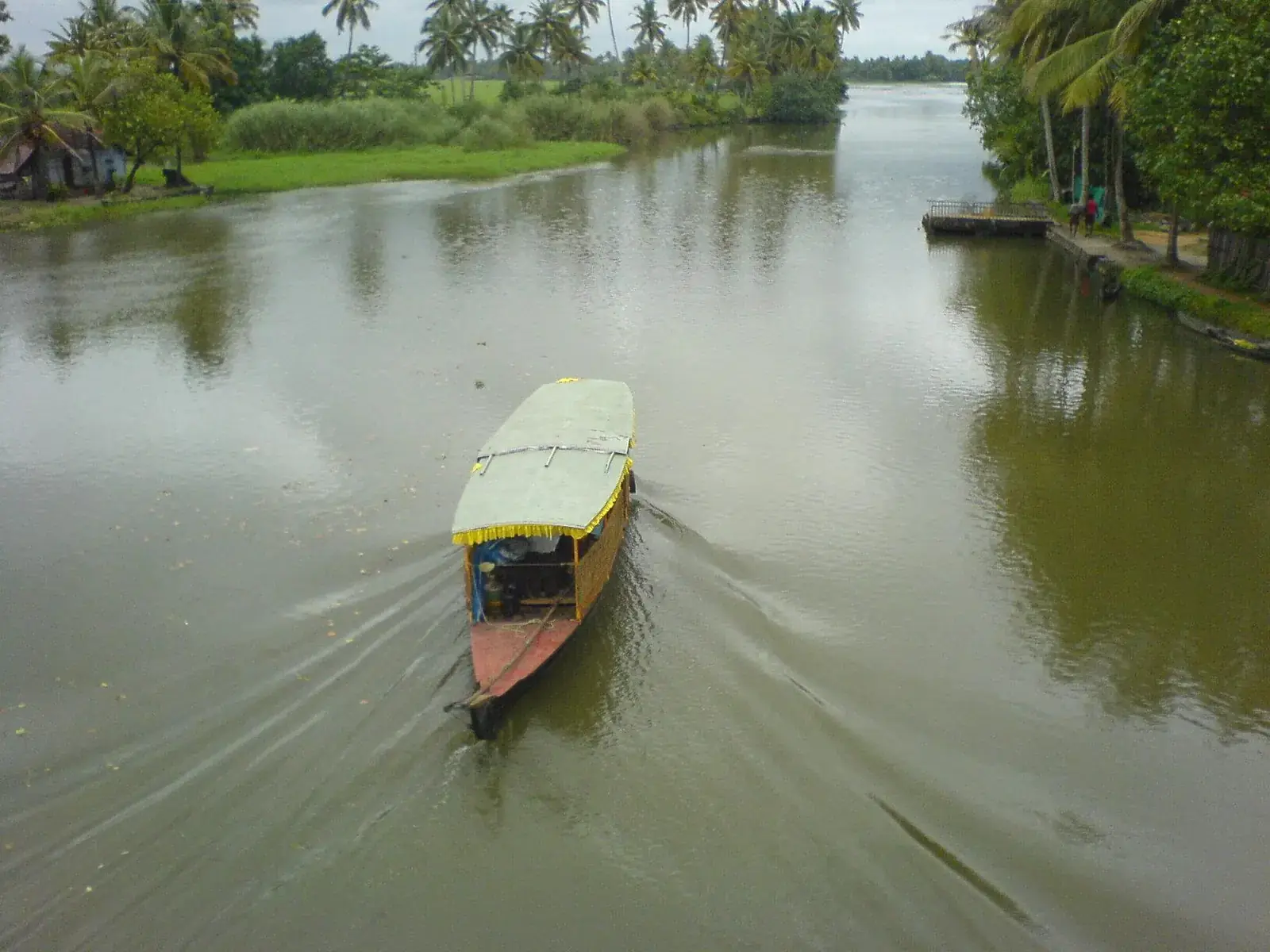 Kerala nature itineraryA seven-day nature itinerary for Kerala from Kochi: Athirappilly and Vazhachal falls, two days in Munnar with Eravikulam's grasslands and tea country, Thekkady with Periyar lake and forest walks, and the Vembanad backwaters at Kumarakom or Alappuzha, with drive times, seasons and variations for Wayanad and Vagamon.Read the guide →
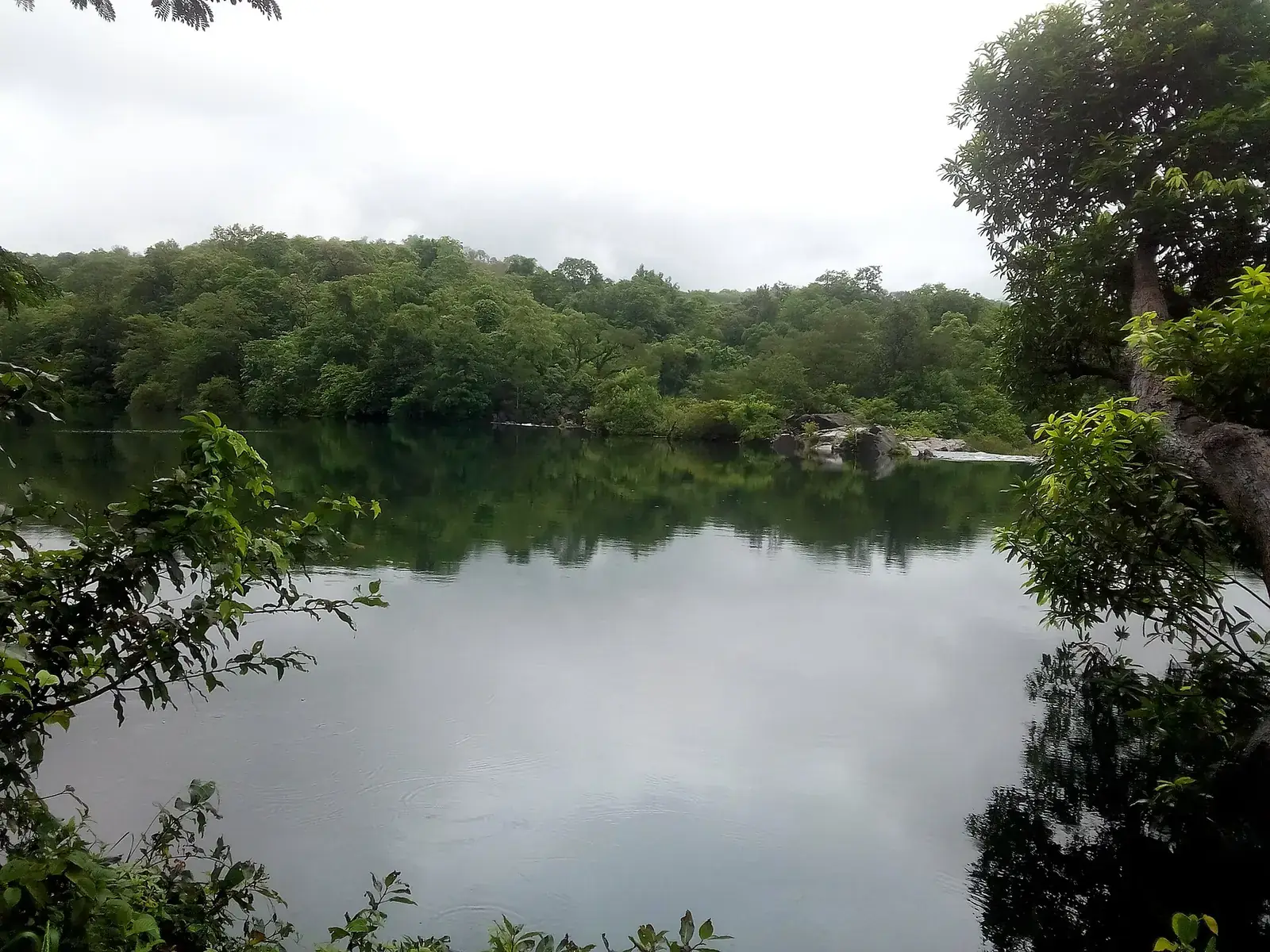 Western Ghats nature itineraryAn eight-day nature itinerary through Karnataka's Western Ghats from Bengaluru: Coorg's coffee hills and falls, Chikmagalur's peaks and grasslands, the road through Kudremukh and Agumbe's rainforest, Jog Falls, and the forests and Kali river at Dandeli, ending at Hubballi or Goa, with drive times, seasons and variations.Read the guide →
Nature tour packages
Nature holidays, planned around you
Every Kudozz Club trip is customized. Start from a state, a travel style or a circuit, and we plan the route, stays and realistic travel days around the season and your dates.
FAQs
Nature travel in India: FAQs
What are the best nature destinations in India?
The Valley of Flowers, Spiti and Ladakh's lakes in the Himalaya; Meghalaya's root bridges and waterfalls; the Western Ghats of Kerala and Karnataka; Chilika Lake; the Rann of Kutch; and valleys such as Ziro and Dzukou are among the best.
When is the best time for nature travel in India?
October to March suits most regions. April to June is best for the Himalaya, and July to September for waterfalls, the Western Ghats and the Valley of Flowers.
Where can I see waterfalls in India?
Meghalaya around Sohra, Jog Falls and the Western Ghats of Karnataka, Athirappilly in Kerala, Dudhsagar on the Goa border and Chitrakote in Chhattisgarh, best from July to October.
What is eco tourism in India?
Travel that supports conservation and local communities: village homestays, community-run forests, guided walks with local naturalists and low-impact stays. Many claims are marketing, so ask specific questions.
Which is the best state for nature lovers?
Kerala, Meghalaya, Uttarakhand, Himachal Pradesh and Karnataka are the most rewarding; Sikkim, Arunachal Pradesh and Odisha are quieter alternatives.
Plan your nature trip
Tell Kudozz Club which landscapes you want to see, your dates and who is travelling, and we’ll turn them into a practical itinerary timed for the right season.