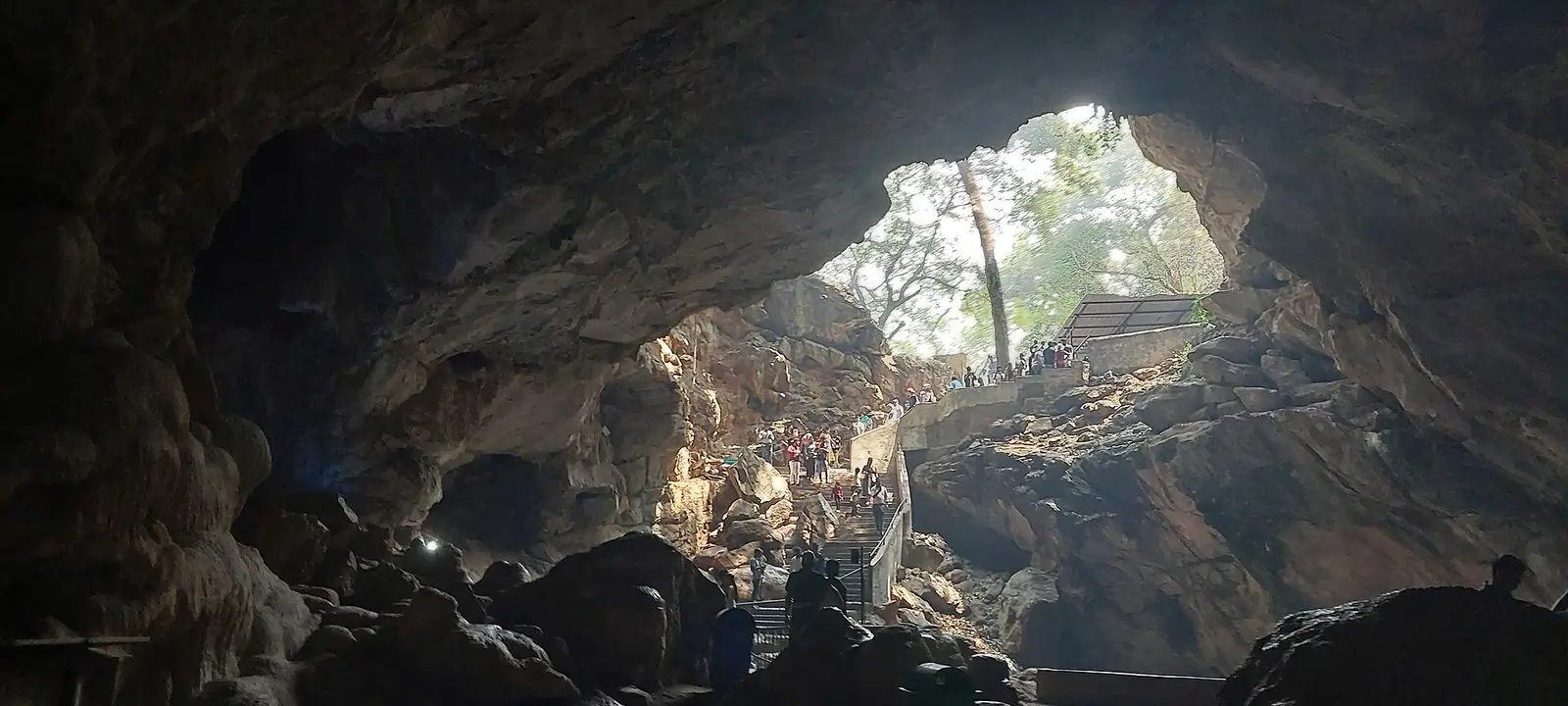
Why Borra Caves?
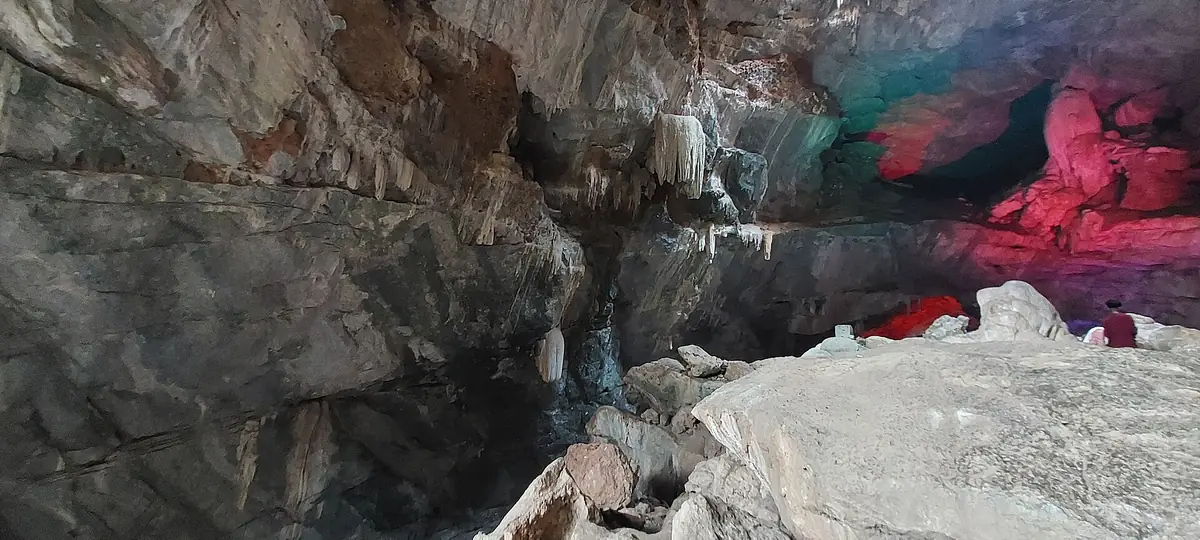
Borra Caves, set in the Ananthagiri Hills of the Eastern Ghats, are genuinely significant limestone caves widely cited among India's largest cave systems. Their stalactite and stalagmite formations — built up drop by drop through mineral deposition — are estimated by geologists to have taken over a million years to reach their current scale. Some formations have taken on shapes locals have given devotional names to over time.
A British geologist is often credited with the caves' modern "discovery" in the 19th century, though local communities certainly knew of them long before. A Shiva shrine inside the cave complex reflects that continuing local devotional use.
Unlike more remote, undeveloped cave systems, Borra has developed pathways and lighting, making it genuinely accessible to casual visitors — and it sits right on the popular Visakhapatnam-Araku Valley route, making it an easy add-on rather than a dedicated trip.
🕳️ Borra Caves at a Glance
Love the outdoors? See our guide to natural caves in India.
Interested in the history? See our guide to India's caves, carved and natural.
Best Time to Visit Borra Caves
The most comfortable window for the overall trip, especially if combining with Araku Valley by road or train.
The caves stay cool inside regardless, but the outdoor drive/wait can be uncomfortably hot.
The Eastern Ghats are lush and green, though hill roads can be affected by heavy rain.
Our pick: Combine with an October-February Araku Valley trip — the caves stay sheltered and comfortable year-round, so the seasonal call really comes down to the rest of the journey.
How to Reach Borra Caves
- By Road: On the Visakhapatnam-Araku Valley route, a straightforward stop for anyone driving between the two.
- By Train: Some travelers combine a ride on the scenic Araku train with a road detour to the caves.
- Nearest Airport: Visakhapatnam, the practical regional hub.
Top Things to See at Borra Caves
- Stalactite and stalagmite formations: The genuine highlight — mineral formations that took over a million years to build up, some with local devotional names.
- The Shiva shrine inside the cave: A working shrine reflecting the site's continued religious significance.
- Developed walking path: A lit, accessible route through the main cave chambers, suitable for most casual visitors.
- Combine with Araku Valley: The caves sit directly on the shared route, making a combined trip natural and efficient.
Where to Stay Near Borra Caves
- → Guesthouses in Araku town
- → Basic stays en route
- → Coffee-estate stays in Araku Valley
- → Mid-range hotels in Araku
- → Premium resort-style stays in Araku Valley
There's no real standalone accommodation right at the caves — most visitors stay in Araku Valley or Visakhapatnam.
What to Eat Near Borra Caves
- Snack stalls near the entrance: Simple local snacks and drinks by the cave entrance.
- Araku Valley cafes and restaurants: A wider range of food, including locally grown Araku coffee, a short drive away.
Suggested Itinerary
Borra Caves En Route to Araku
- ✓Depart Visakhapatnam early morning
- ✓Explore Borra Caves' lit walking path (1-2 hours)
- ✓Continue on to Araku Valley for the rest of the day
Budget Breakdown
| Expense | Budget | Mid-Range |
|---|---|---|
| Cave entry ticket | ₹80 | ₹150 |
| Local transport (add-on to Araku trip) | ₹300 | ₹800 |
| Snacks/refreshments | ₹150 | ₹400 |
* Excludes transport to the region and accommodation, since most visitors combine this with an Araku Valley trip.
Essential Travel Tips for Borra Caves
- Combine with Araku Valley: The most efficient way to visit, given the shared route.
- Wear grippy footwear: The cave interior can be damp and slippery.
- Bring a light jacket: The cave interior is noticeably cooler than outside.
- Allow 1-2 hours: This is an easy half-day stop, not a full-day destination.
✅ Do
- →Combine with an Araku Valley trip
- →Wear grippy, closed-toe shoes
- →Carry a light jacket for the cool interior
- →Take your time appreciating the formations
- →Respect the working Shiva shrine inside
❌ Don't
- →Wear slippery-soled footwear
- →Expect a full-day destination on its own
- →Touch or damage the formations
- →Skip a light jacket assuming the outside heat carries in
- →Rush through without appreciating the scale
Frequently Asked Questions
How old are the Borra Caves?
Geologists estimate the stalactite and stalagmite formations took over a million years to develop through gradual mineral deposition, making Borra one of India's oldest known cave systems.
How do I reach Borra Caves?
The caves sit on the Visakhapatnam-Araku Valley route, roughly on the way between the two. Most visitors combine a visit with an Araku Valley trip, either by road or via the scenic Araku train with a road detour.
Are the caves difficult to visit?
No — Borra Caves have developed pathways and lighting, making them accessible to most casual visitors, unlike more remote, undeveloped cave systems. The interior can be damp and slippery in places, so grippy footwear helps.
How much time do I need at Borra Caves?
A visit typically takes 1-2 hours, making it an easy half-day stop rather than a full-day destination on its own.
Can I combine Borra Caves with Araku Valley in one day?
Yes — this is the standard way most travelers experience it, either as a stop en route by road or combined with the Araku train journey.
What is the best time to visit Borra Caves?
October to February for the most comfortable overall trip conditions, though the caves themselves are visitable year-round given their sheltered, developed nature.
Is there a temple inside the caves?
Yes — a Shiva shrine sits within the cave complex, reflecting ongoing local devotional use of the site alongside its tourist appeal.
Published by the Kudozz Club editorial team · Last updated · How we research our guides
Want us to plan this trip for you?
Tell Kudozz Club where you want to go and what kind of trip you’re looking for. We’ll build a Borra Caves and Andhra Pradesh itinerary around your dates and budget.
Continue Exploring
View all guides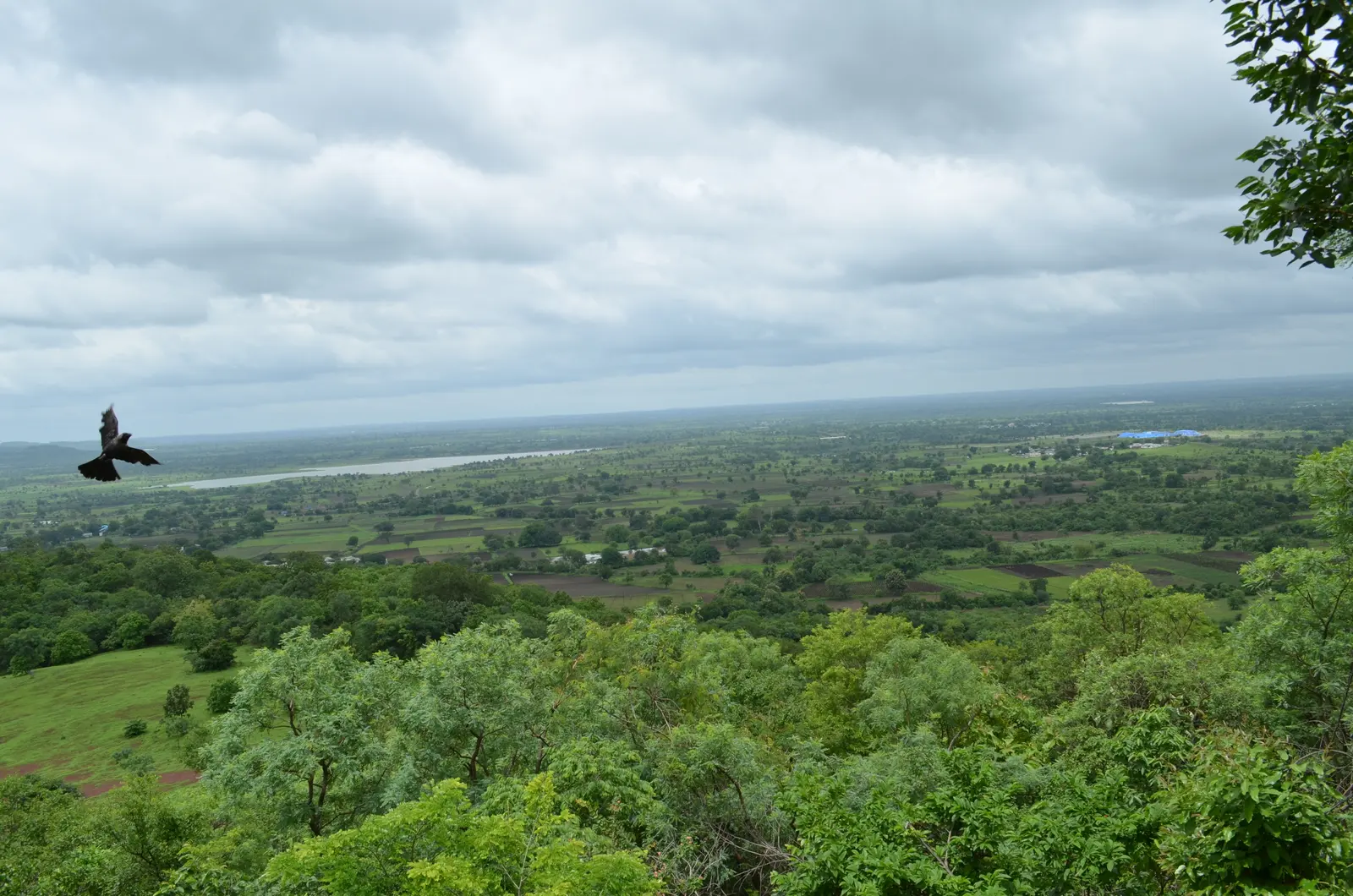 Off-beat
Ananthagiri Hills Guide: Coffee & Weekend Trip
Coffee plantations on the Deccan plateau, the birthplace of Hyderabad's own river, and a misty weekend escape — the complete Ananthagiri Hills guide.
 Off-beat
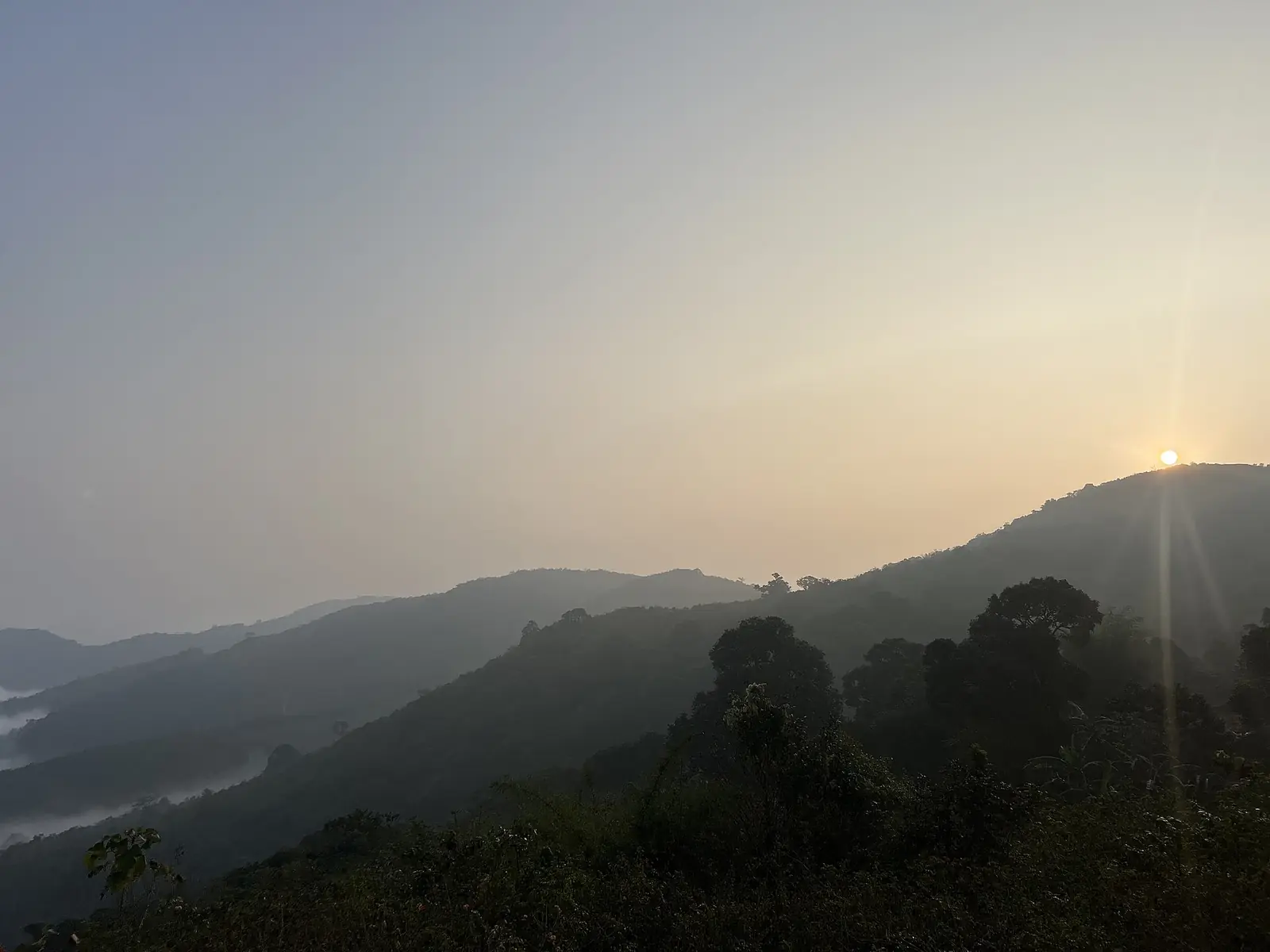
Lambasingi Travel Guide: The Kashmir of Andhra Pradesh
A high-altitude village that drops below freezing on winter mornings, earning it the nickname 'Kashmir of Andhra Pradesh' — the complete guide to Lambasingi.
 Off-beat
Maredumilli Travel Guide: Rainforest Eco-Tourism in the Eastern Ghats
A genuinely dense rainforest pocket of the Eastern Ghats, with waterfalls, hot springs, and tribal eco-tourism camps largely undiscovered by mainstream travelers — the complete guide to Maredumilli.
 Off-beat
Araku Valley Travel Guide: Coffee Hills & the Train Journey Through 58 Tunnels
A coffee-growing tribal valley in the Eastern Ghats, reached by a train ride through 58 tunnels and dozens of bridges — the complete guide to Araku Valley.