Why Andhra Pradesh?
Stretched along one of India's longest coastlines, Andhra Pradesh is best known to most travelers for one reason — Tirupati, home to the Sri Venkateswara Temple, among the richest and most-visited religious sites anywhere in the world. But the state has far more going for it than pilgrimage alone.
Visakhapatnam and the surrounding Eastern coast offer some of India's most underrated beach and hill scenery, with the Eastern Ghats rising almost straight out of the Bay of Bengal. Inland, Araku Valley's coffee plantations and the Borra Caves make for a genuinely scenic detour, while ancient Buddhist sites at Amaravati and the Vijayanagara-era temple at Lepakshi add real historical depth.
Add a cuisine widely considered among the spiciest in India — built around Guntur chilies, tangy gongura, and tamarind-laced pulihora — and Andhra Pradesh offers a trip that's equal parts pilgrimage, coastline, and food.
🛕 Andhra Pradesh at a Glance
Planning a beach holiday? Explore our guide to the best beaches in Andhra Pradesh.
Best Time to Visit Andhra Pradesh
Andhra Pradesh's coastal and inland climates both push toward the same window — the coast is hot and humid for much of the year, and the Bay of Bengal carries a real cyclone risk between October and December.
Cooler, drier weather (18–30°C) across both the coast and inland — the most comfortable window for Tirupati, Vizag, and Araku Valley alike.
Coastal humidity and inland heat both climb sharply — manageable in Araku's hills, tougher along the coast and in Tirupati.
Regular rainfall across the state, heavier inland and in the Eastern Ghats — Araku Valley turns especially lush.
The Bay of Bengal coast, including Visakhapatnam, faces genuine cyclone risk in this window — track forecasts before coastal travel.
Our pick: November to February — comfortable temperatures for temple queues, beach walks, and the drive up to Araku Valley, with the cyclone season safely behind you.
How to Reach Andhra Pradesh
- By Air: Visakhapatnam Airport and Vijayawada Airport handle most general travel, while Tirupati Airport is the natural choice for pilgrimage trips, with frequent connections from major Indian cities.
- By Rail: Andhra Pradesh sits on an extensive rail network — Visakhapatnam, Vijayawada, and Tirupati are all major junctions with strong long-distance connectivity.
- By Road: National highways connect the coastal cities well, though the inland route up to Araku Valley through the Eastern Ghats is scenic but slow.
Tirupati & Tirumala: The Temple of Lord Venkateswara
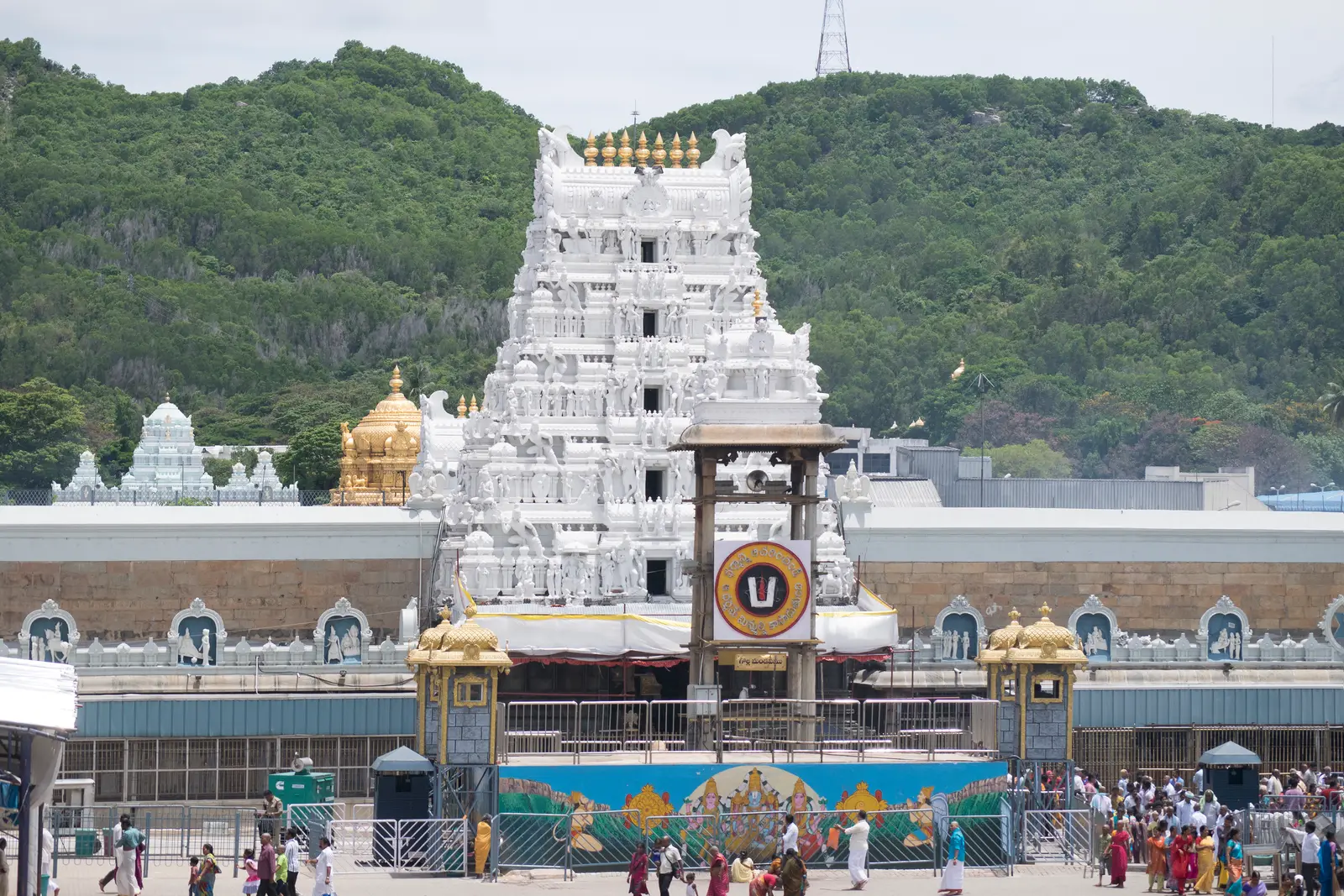
Perched atop the Tirumala hills, the Sri Venkateswara Temple is widely considered one of the most visited religious sites on Earth, drawing tens of thousands of pilgrims daily and among the wealthiest temple trusts in the world through devotee donations.
- The darshan queue system: Pilgrims pass through a network of queue complexes before reaching the sanctum — free darshan can mean several hours' wait, while paid Seva and special darshan tickets, bookable online in advance, cut this significantly.
- Hair-tonsuring tradition: Thousands of devotees shave their heads daily at Tirumala's dedicated tonsure halls as an offering to Lord Venkateswara — one of the temple's most distinctive rituals.
- Seva bookings: Special rituals and accommodation are managed through the Tirumala Tirupati Devasthanams (TTD) portal — booking ahead is strongly advised, especially in peak season and around festivals like Brahmotsavam.
- Tirupati town: The base town below the hills, with the Sri Govindaraja Swamy Temple and practical logistics for onward pilgrimage travel.
Visakhapatnam (Vizag): Beaches & the Eastern Coast

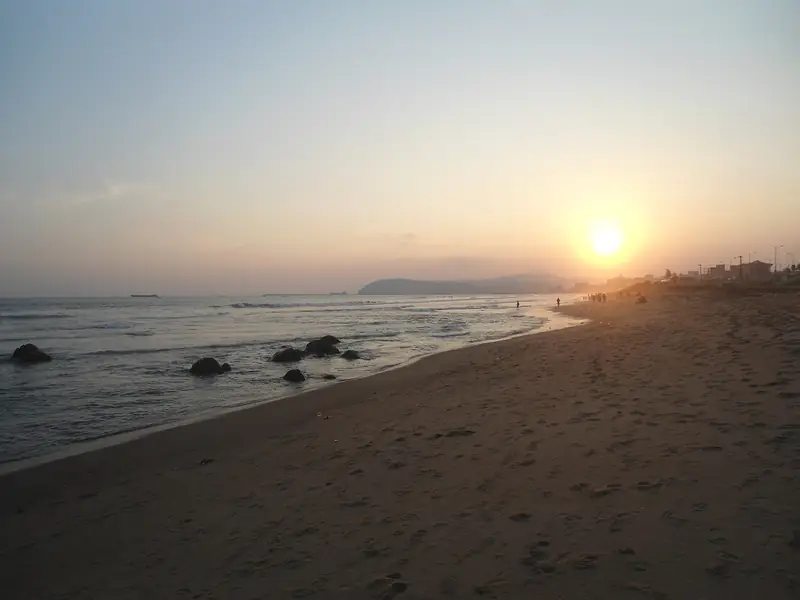
Visakhapatnam, or Vizag, is where the Eastern Ghats meet the Bay of Bengal — a working port city with a genuinely scenic coastline and easy access to hill country that most visitors to India never see.
- RK Beach: Vizag's main urban beachfront promenade, popular for evening walks, a lit-up submarine museum, and views along the city's curved coastline.
- Kailasagiri: A hilltop park overlooking the city and coast, reachable by cable car, with large statues of Shiva and Parvati and some of Vizag's best sunset views.
- Araku Valley: A hill station roughly three hours inland, known for coffee plantations, tribal culture, and a scenic train journey through dozens of tunnels and viaducts across the Eastern Ghats — often compared to a toy-train experience.
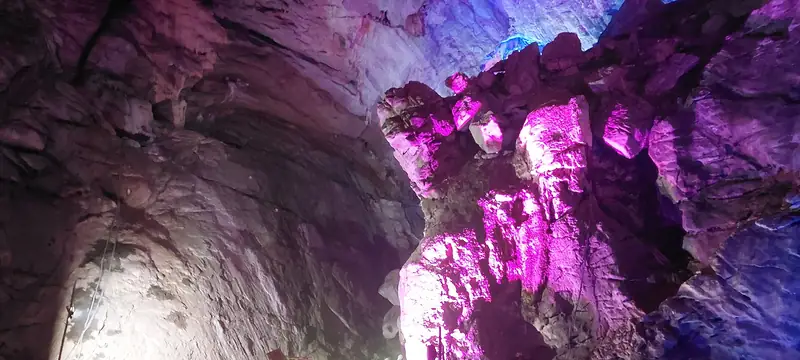
- Borra Caves: Enroute to Araku, one of India's largest limestone cave systems, with dramatic stalactite and stalagmite formations lit for visitors.
Amaravati, Lepakshi & Srisailam
- Amaravati: An ancient Buddhist site centered on a 2,000-year-old stupa, and today also the seat of Andhra Pradesh's newer planned capital region along the Krishna River.
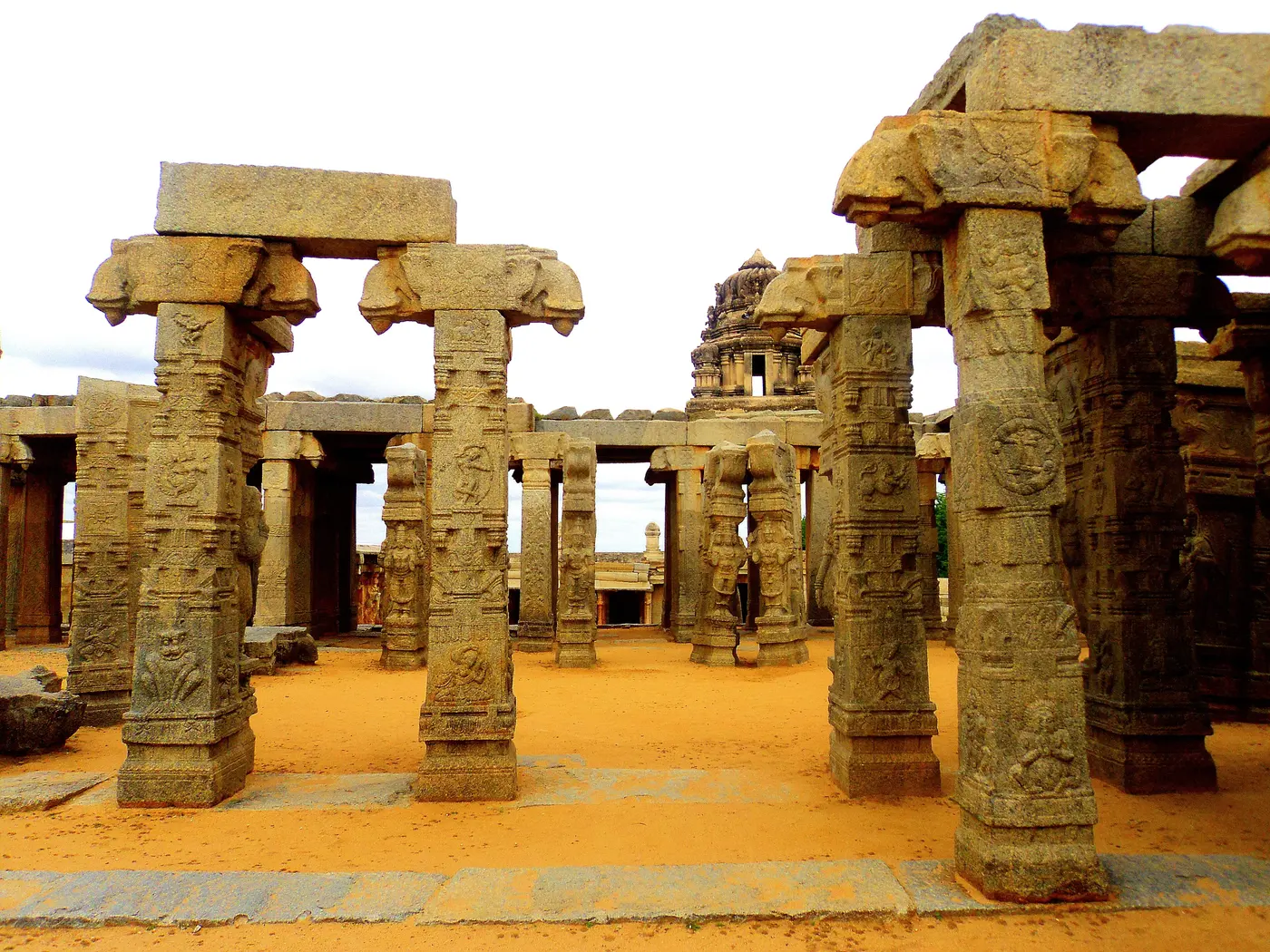
- Lepakshi: A Vijayanagara-era temple complex famous for its intricate murals and the Hanging Pillar — a stone pillar that appears to float just above its base, a source of enduring fascination for visitors.
- Srisailam: Home to one of India's twelve Jyotirlinga temples, dramatically set within the forested Nallamala Hills and Srisailam Tiger Reserve — a striking combination of pilgrimage and wilderness.
Where to Stay
Plan to base yourself in 2–3 hubs — Tirupati, Vizag, and Araku Valley — rather than trying to cover the state from one location. Tirupati accommodation logistics are unusually structured: a large share of rooms near the temple are TTD-run guesthouses booked directly through the Devasthanams, rather than standard hotel platforms.
- → TTD guesthouses, Tirumala
- → Budget lodges, Tirupati town
- → Beachside guesthouses, Vizag
- → Business hotels, Tirupati & Vizag
- → Coffee-estate stays, Araku Valley
- → Seafront hotels, Vizag beach road
- → 5-star chains, Visakhapatnam
- → Premium TTD cottages, Tirumala
- → Resort stays, Araku Valley
For Tirumala, book TTD accommodation directly through the Devasthanams portal alongside your darshan slot — private hotel options near the temple are limited and fill up fast around festivals.
What to Eat in Andhra Pradesh
Andhra cuisine is widely considered among the spiciest in India, built around Guntur's famously fiery chilies, tamarind, and a distinct sour-tangy flavor profile that's harder to find elsewhere in the country.
- Andhra Thali: A full spread served on banana leaf — multiple curries, a fiery gongura or chili pickle, rasam, sambar, and rice — the definitive way to experience the cuisine's range and heat in one sitting.
- Guntur Chili: Grown around the city of Guntur, one of India's most widely traded chili varieties, and the backbone of Andhra cuisine's characteristic heat.
- Andhra-Style Biryani & Pulihora: While Hyderabadi biryani belongs to neighboring Telangana today, Andhra has its own spicier biryani tradition alongside pulihora — tangy tamarind rice often served as prasadam at temples, including Tirupati.
- Gongura Pachadi: A tart, sour chutney made from sorrel leaves, distinctly Andhra and a staple alongside rice and ghee.
- Vizag Seafood: Visakhapatnam's coastal location means fresh catch — prawns, pomfret, and crab cooked in Andhra-style tangy, chili-forward curries, best found along the beach road.
7-Day Andhra Pradesh Itinerary
Seven days is a reasonable minimum to combine Tirupati, Visakhapatnam, and Araku Valley without excessive rushing, though the two regions require a flight or long train transfer between them.
Tirupati & Tirumala
- ✓Arrive, check into TTD guesthouse or Tirupati hotel
- ✓Tirumala darshan (booked slot)
- ✓Sri Govindaraja Swamy Temple, Tirupati town
Travel to Visakhapatnam
- ✓Fly or train to Visakhapatnam
- ✓RK Beach evening walk
- ✓Seafood dinner along the beach road
Visakhapatnam
- ✓Kailasagiri hilltop park & cable car
- ✓Submarine museum, RK Beach
- ✓Rushikonda Beach in the afternoon
Araku Valley
- ✓Scenic train journey through the Eastern Ghats
- ✓Borra Caves enroute
- ✓Coffee plantations & tribal museum, Araku
Return & Departure
- ✓Travel back to Visakhapatnam
- ✓Last-minute shopping or beach time
- ✓Departure
Budget Breakdown
| Expense | Budget | Mid-Range | Luxury |
|---|---|---|---|
| Accommodation/night | ₹1,000 | ₹3,500 | ₹8,500 |
| Food/day | ₹400 | ₹900 | ₹2,200 |
| Local transport/day | ₹450 | ₹1,200 | ₹2,800 |
| Darshan/Seva & entry fees/day | ₹300 | ₹1,500 | ₹4,000 |
| Daily total | ₹2,150 | ₹7,100 | ₹17,500 |
| 7-Day trip total | ₹15,050 | ₹49,700 | ₹122,500 |
* Excludes flights. Special/VIP darshan tickets at Tirumala are the biggest swing factor in daily cost — free darshan brings this down significantly at the cost of a longer queue wait.
Essential Travel Tips for Andhra Pradesh
- Book your Tirumala darshan slot in advance: The TTD's online booking system for darshan and Seva tickets is the single biggest factor in how smooth your visit is — book weeks ahead where possible.
- Follow the temple dress code: Tirumala enforces traditional dress for certain darshan lines — dhoti/kurta or sarees are recommended, and some entry points restrict Western clothing.
- Track coastal weather in Oct–Dec: Visakhapatnam and the Bay of Bengal coast face real cyclone risk in this window — check forecasts before finalizing coastal travel dates.
- Take the train to Araku Valley: The journey through the Eastern Ghats, with its tunnels and viaducts, is a genuine highlight — don't default to the faster road option.
- Pace yourself with the food: Andhra cuisine's heat can catch first-time visitors off guard — order a milder version if you're unsure, and keep yogurt or rice on hand.
- Carry cash for Tirumala and smaller towns: Card acceptance is inconsistent outside major hotels and chains in Vizag and Tirupati town.
✅ Do
- →Book Tirumala darshan/Seva slots online in advance
- →Follow the temple's traditional dress code
- →Take the scenic train to Araku Valley
- →Check cyclone forecasts before coastal travel
- →Carry cash for Tirumala and smaller towns
- →Try the Andhra thali at least once, mild if unsure
❌ Don't
- →Show up at Tirumala without a booked darshan slot
- →Ignore the dress code at the temple entrance
- →Underestimate the heat of Andhra cuisine
- →Plan coastal travel during active cyclone warnings
- →Rely on cards outside major hotels and chains
- →Rush the Araku train ride by taking the road instead
Places to Explore in Andhra Pradesh
Every Andhra Pradesh guide on Kudozz Club, in one place — 14 destinations covered so far, from cities and towns to individual attractions. Use this index to plan beyond the highlights above.
Frequently Asked Questions
How many days do I need for Andhra Pradesh?
Seven days is a reasonable minimum to combine Tirupati, Visakhapatnam, and Araku Valley without excessive rushing, though the two regions require a flight or long train transfer between them. Cutting Araku Valley can bring it down to 4-5 days for Tirupati and Vizag alone.
What is the best time to visit Andhra Pradesh?
October to March is the best window, with cooler, drier weather (18–30°C) across both the coast and inland — the most comfortable time for Tirupati, Vizag, and Araku Valley alike. October to December carries genuine cyclone risk along the Bay of Bengal coast, so track forecasts before finalizing coastal travel.
How do I reach Tirupati?
Tirupati Airport is the natural gateway for pilgrimage trips, with frequent connections from major Indian cities. Tirupati is also a major railway junction with strong long-distance connectivity, and national highways connect it well by road.
Do I need to book my Tirumala darshan in advance?
Yes, strongly recommended. Free darshan can mean several hours' wait, while paid Seva and special darshan tickets, bookable online through the Tirumala Tirupati Devasthanams (TTD) portal, cut this significantly — book weeks ahead, especially in peak season and around festivals like Brahmotsavam.
What is the budget for a trip to Andhra Pradesh?
A daily budget runs roughly ₹2,150 on a budget trip, ₹7,100 mid-range, or ₹17,500 luxury, covering accommodation, food, local transport, and darshan/entry fees. A 7-day trip totals about ₹15,050–₹1,22,500 depending on tier, excluding flights.
Is Andhra Pradesh worth visiting beyond Tirupati?
Yes — Visakhapatnam and the surrounding Eastern coast offer some of India's most underrated beach and hill scenery, Araku Valley's coffee plantations and Borra Caves make for a scenic detour, and ancient sites at Amaravati and Lepakshi add historical depth well beyond the state's pilgrimage reputation.
How do I get to Araku Valley from Visakhapatnam?
Araku Valley is roughly three hours inland from Vizag. The Kirandul Passenger train through the Eastern Ghats — passing dozens of tunnels and viaducts — is the scenic highlight of the trip and is recommended over the faster road option, which skips the experience.
Published by the Kudozz Club editorial team · Last updated · How we research our guides
Want us to plan this trip for you?
Tell Kudozz Club where you want to go and what kind of trip you’re looking for. We’ll build a Andhra Pradesh itinerary around your dates and budget.
Continue Exploring
View all guides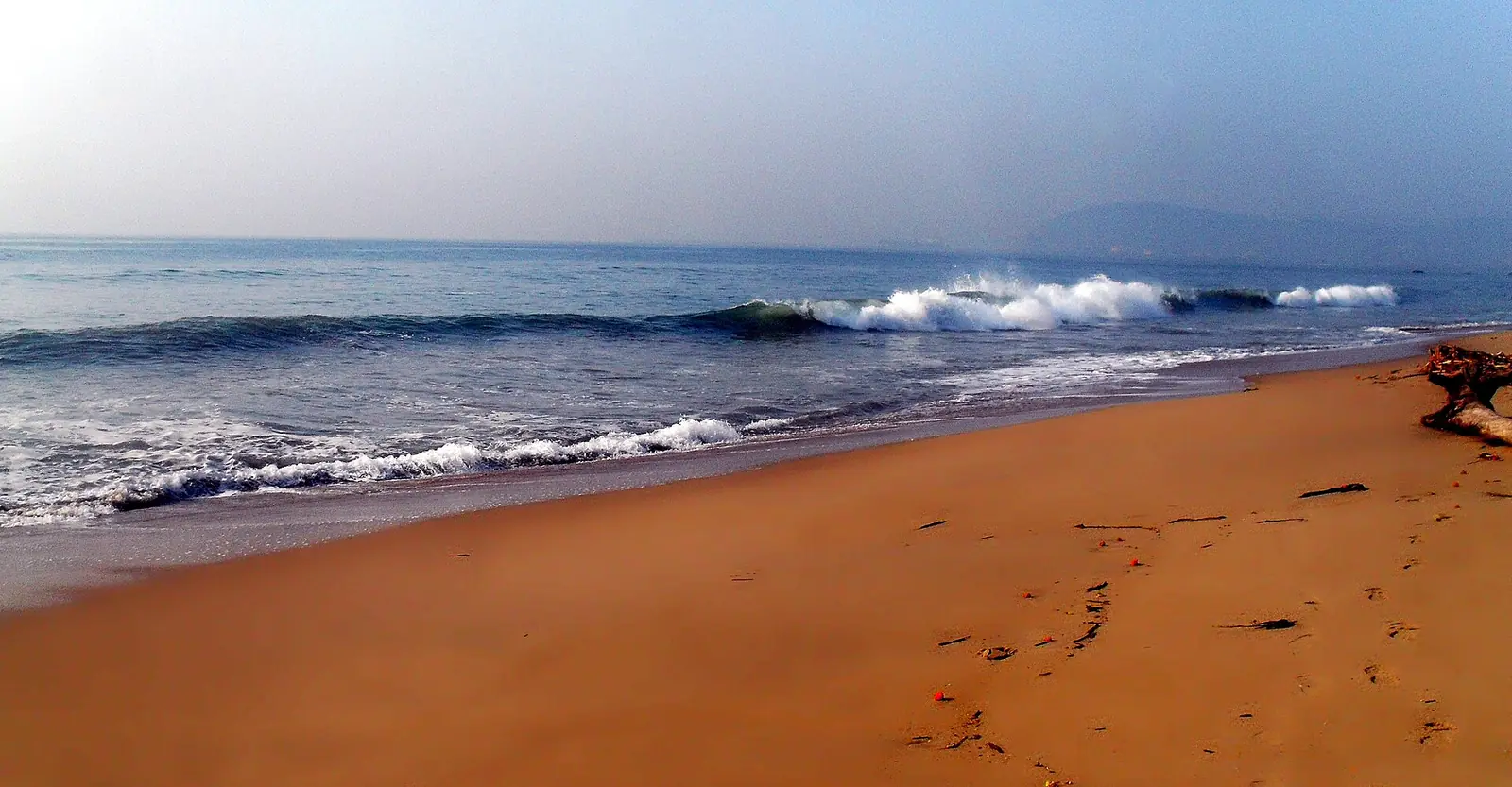 Destination Guide
Visakhapatnam Travel Guide: Beaches, Submarine Museum & Vizag City Guide
A port city where a decommissioned submarine sits beached as a museum, and the coastline curves into some of the Bay of Bengal's most underrated beaches — the complete guide to Visakhapatnam.
 Things to Do
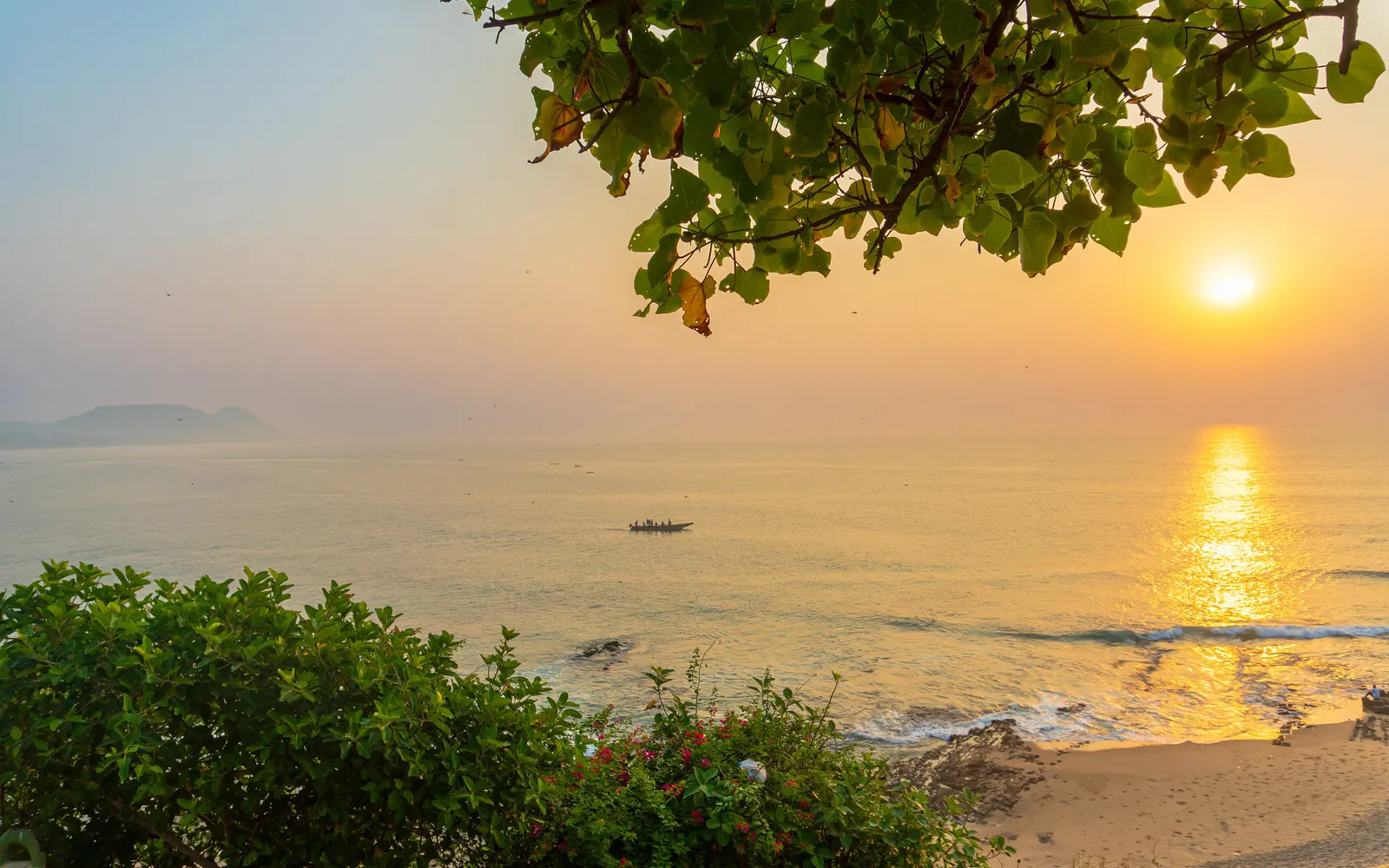
Things to Do in Vizag (Visakhapatnam): Beaches, Submarine Museum & Hills
Things to do in Vizag: RK Beach and the Submarine Museum, the TU-142 aircraft museum, Kailasagiri ropeway, Rushikonda and Yarada beaches, the Dolphin's Nose, Simhachalam Temple, the Buddhist sites of Thotlakonda and Bavikonda, Bheemili and the train to Araku.
HeritageTirupati Travel Guide: Tirumala Temple, Darshan & How to Reach
The world's most visited and richest pilgrimage temple, atop a hill where millions queue every year for a few seconds before the deity — the complete guide to Tirupati.
 Spiritual Tourism
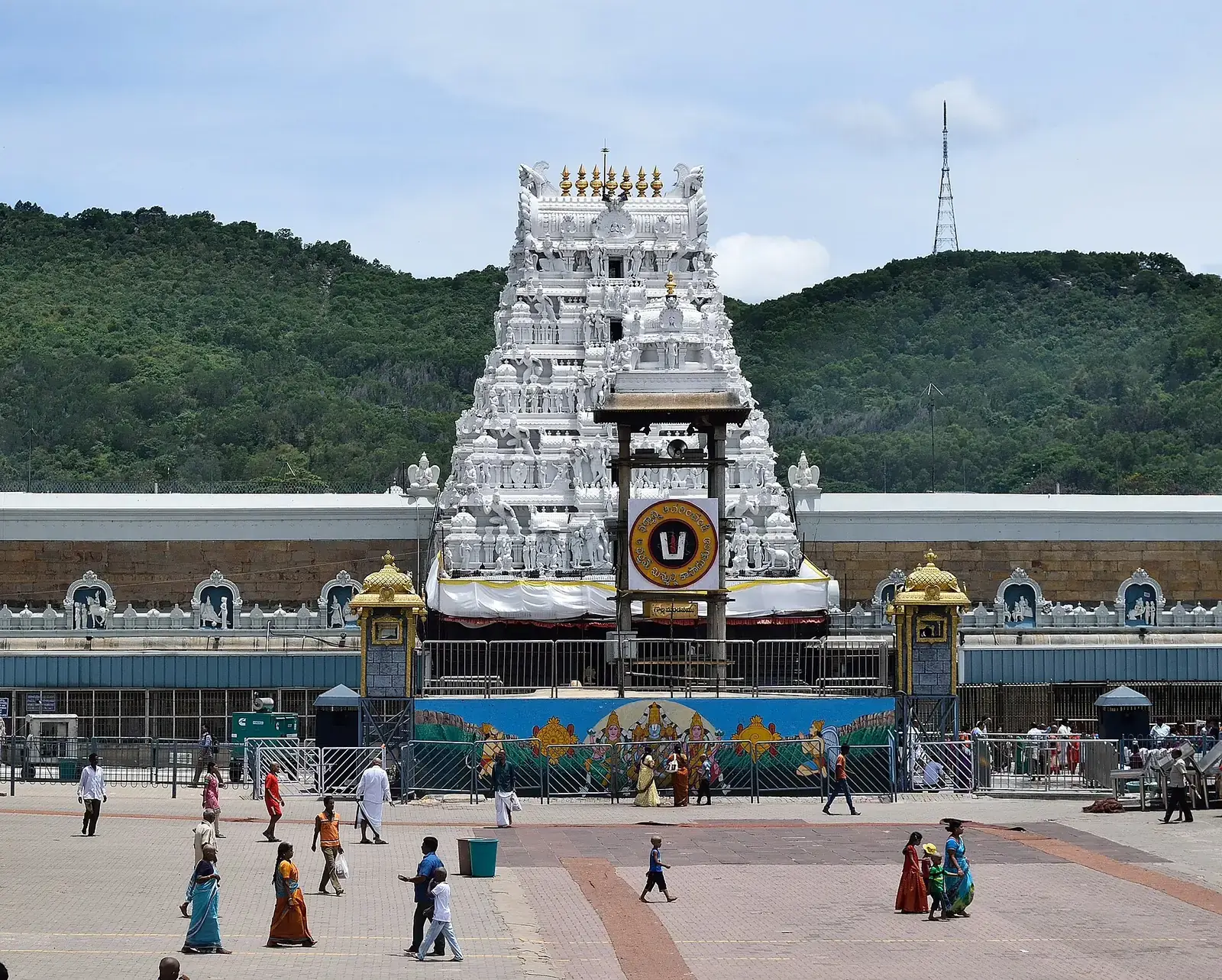
Spiritual Tourism in Andhra Pradesh: Tirupati, Srisailam and Srikalahasti
A guide to spiritual tourism in Andhra Pradesh: Tirumala and the temples of Tirupati, the footpaths up the hills, Srisailam's Jyotirlinga and Shakti Peetha, Srikalahasti, Kanaka Durga at Vijayawada, Simhachalam and Annavaram near Visakhapatnam, Ahobilam's Narasimha shrines, Lepakshi and the Buddhist site of Amaravati, with bookings, routes and seasons.