Why Delhi?
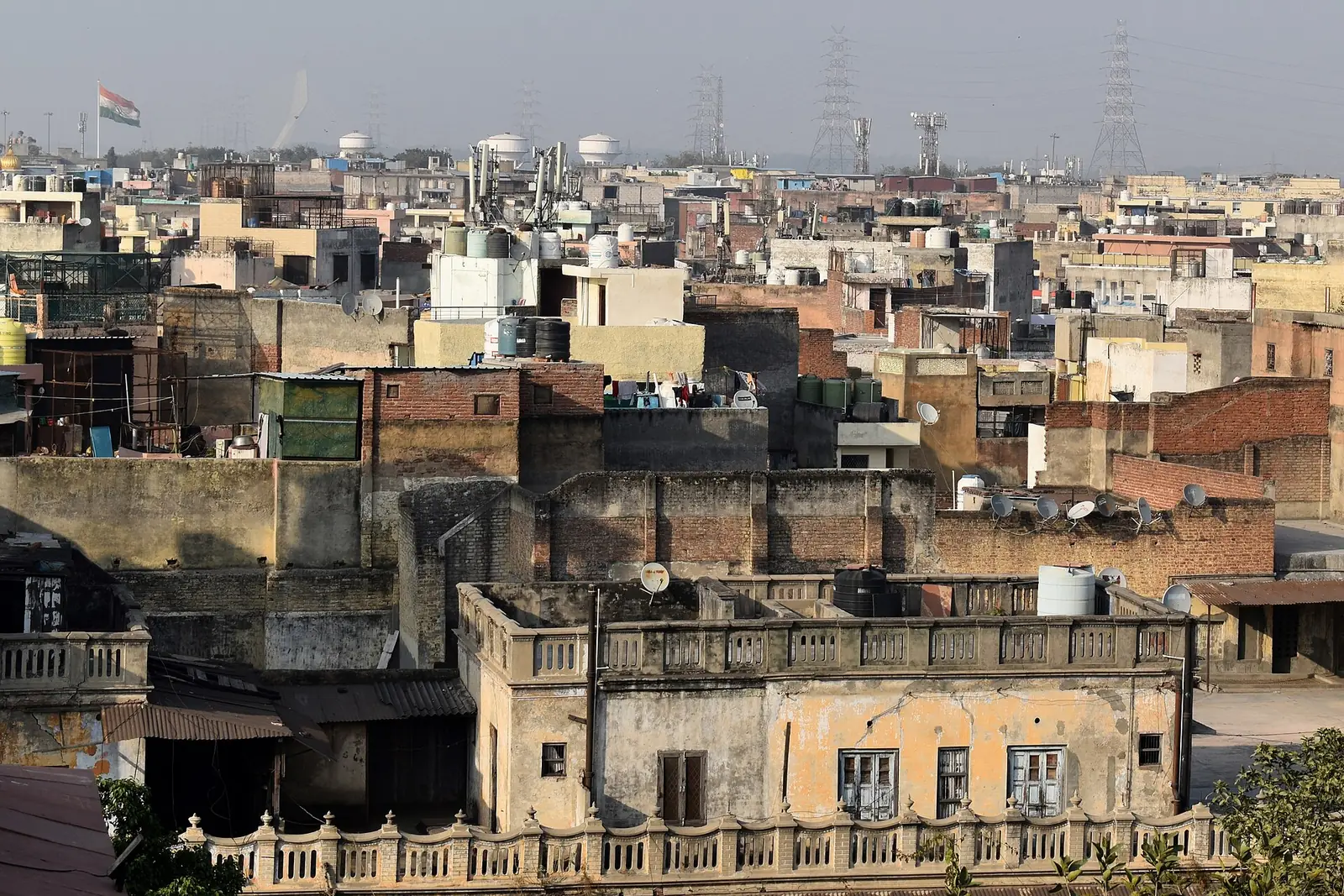
Few cities anywhere carry as much layered history as Delhi — capital of at least seven successive empires, from the Delhi Sultanate through the Mughals to the British Raj, each leaving behind monuments that still define the city's skyline today.
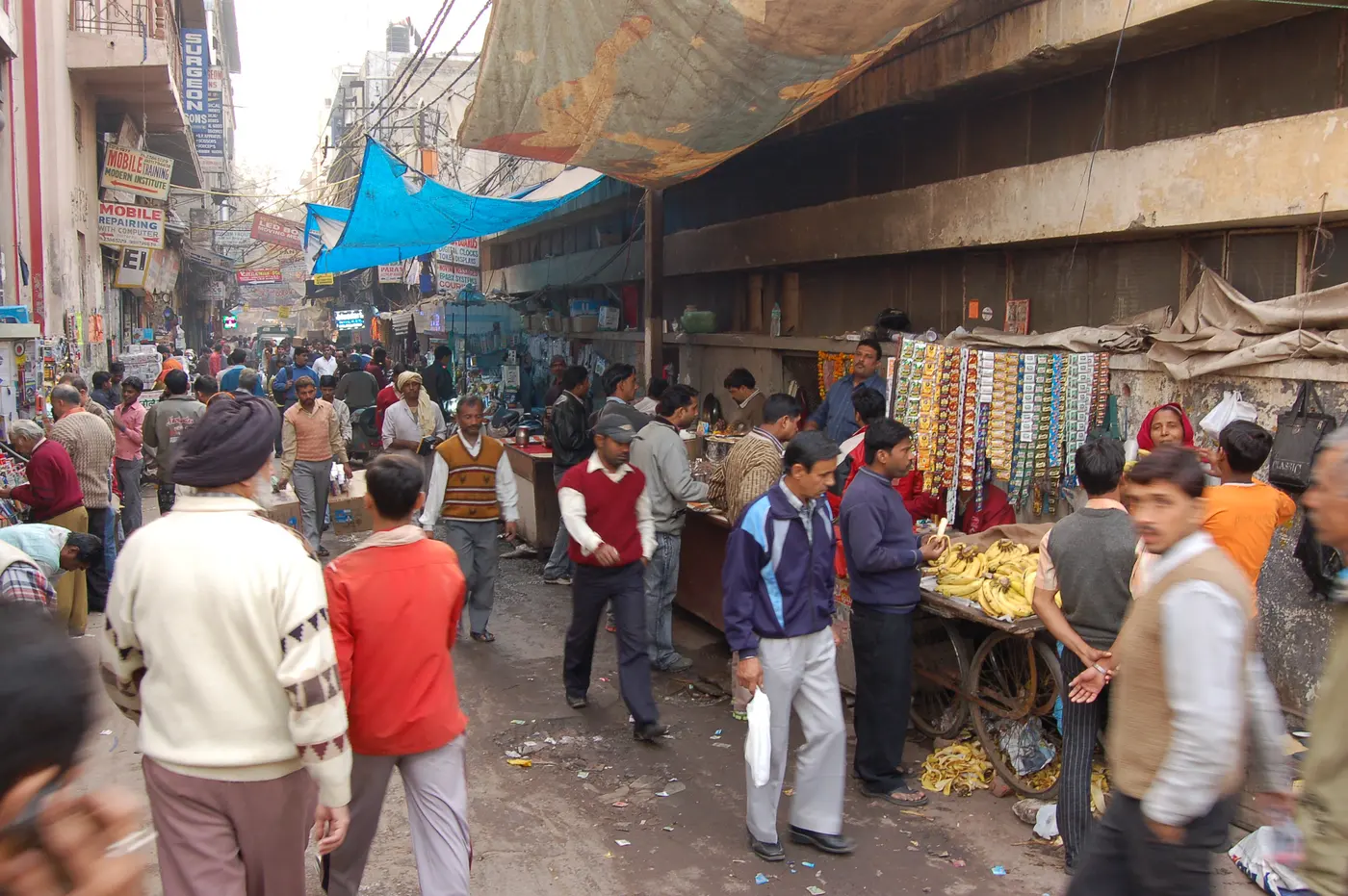
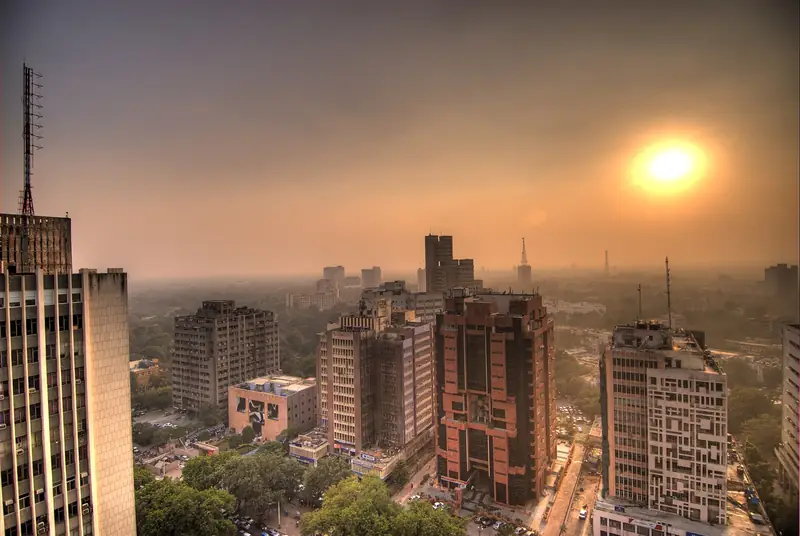
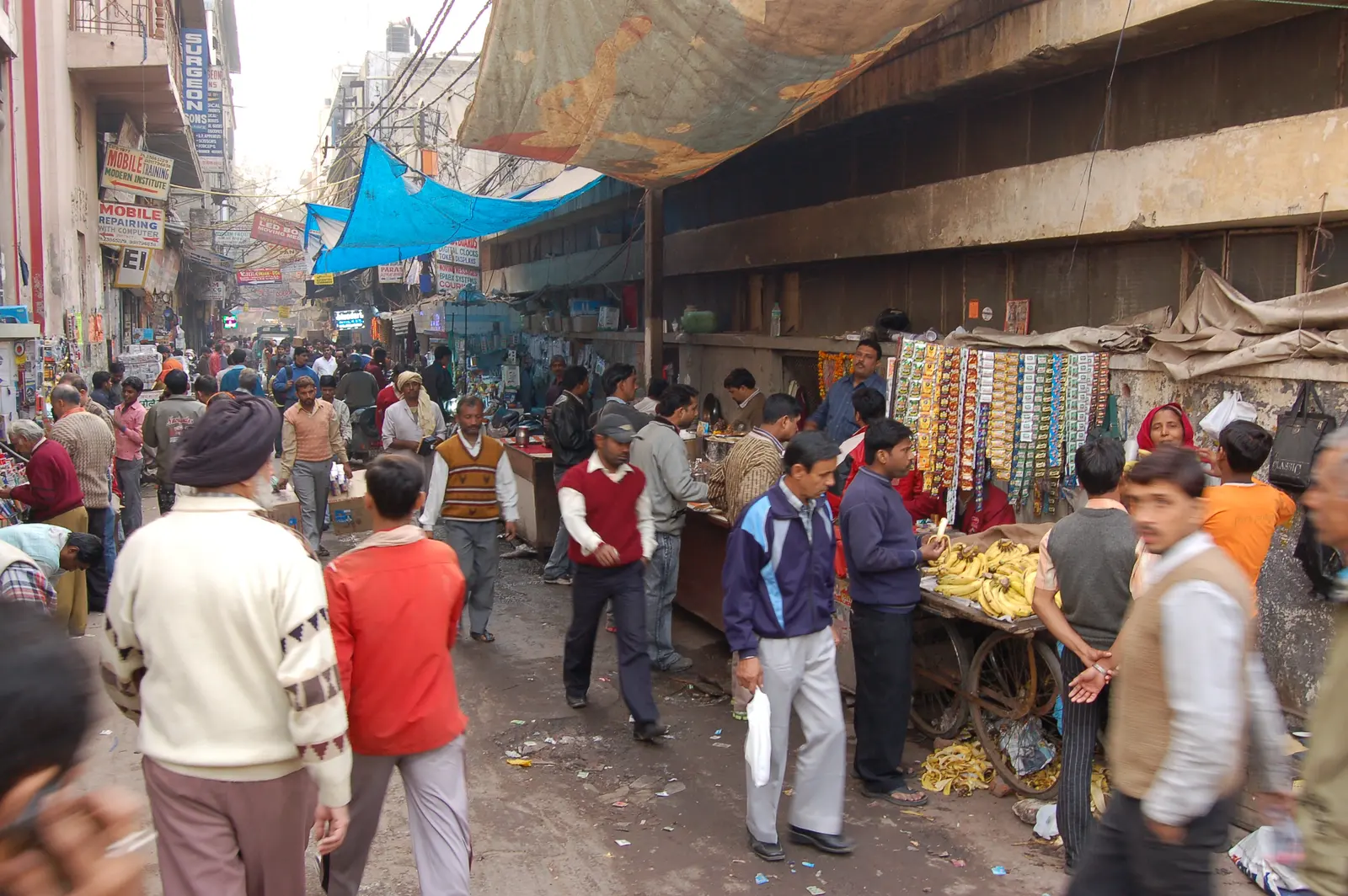
That history sits alongside a modern capital of over 30 million people: Old Delhi's dense, chaotic lanes and Mughal-era food traditions a few kilometres from New Delhi's wide colonial avenues, government buildings, and upscale neighbourhoods like Hauz Khas and Khan Market.
Delhi rewards travellers willing to embrace the chaos — the traffic, the crowds, the sensory overload of Chandni Chowk — in exchange for some of India's finest monuments, its widest range of food, and a genuinely excellent metro system that makes navigating it all more manageable than it first appears.
🕌 Delhi at a Glance
Looking for activities and experiences? See our guide to the best things to do in Delhi.
Want a day-by-day plan? Follow the Golden Triangle itinerary (Delhi, Agra and Jaipur).
Interested in the history? See our guide to heritage in Delhi.
Best Time to Visit Delhi
Delhi has one of the more extreme climates of any major Indian city — summers are brutal, winters are cold and smoggy, and the shoulder seasons are genuinely the best window to visit.
Cool, dry days (10–26°C) make monument-hopping and long walks through Old Delhi genuinely pleasant — the peak tourist season.
Temperatures regularly cross 42–45°C. Sightseeing is genuinely uncomfortable outside early morning and evening hours.
Heavy showers can cause waterlogging and traffic disruption, though the heat breaks noticeably compared to summer.
Comfortable temperatures, but Delhi's air quality drops sharply in this window — pack a mask if you're sensitive to pollution.
Our pick: late February to early April, or October to November — cool enough for full days of sightseeing, and outside the worst of the winter smog.
How to Reach Delhi
As India's capital, Delhi is the country's best-connected city by a wide margin.
- By Air: Indira Gandhi International Airport (DEL) is India's busiest, with direct flights from almost every major domestic and international city.
- By Rail: New Delhi, Old Delhi, and Nizamuddin railway stations connect to virtually every part of the country, including high-speed options like the Shatabdi and Rajdhani Expresses.
- By Road: Well connected by national highways to neighbouring states, with the Delhi–Chandigarh and Delhi–Agra expressways especially popular for road trips.
Getting Around Delhi
- Delhi Metro: Extensive, efficient, and by far the best way to cover long distances across the city, avoiding Delhi's notorious road traffic.
- Auto-rickshaws: Widely available; use app-based booking (Uber/Ola auto) or insist on the meter to avoid overcharging.
- App-based cabs: Reliable and reasonably priced, though subject to Delhi's heavy traffic during peak hours.
- Walking Old Delhi: The best way to actually experience Chandni Chowk and the surrounding lanes — too narrow and congested for vehicles in many stretches.
Things to Do in Delhi
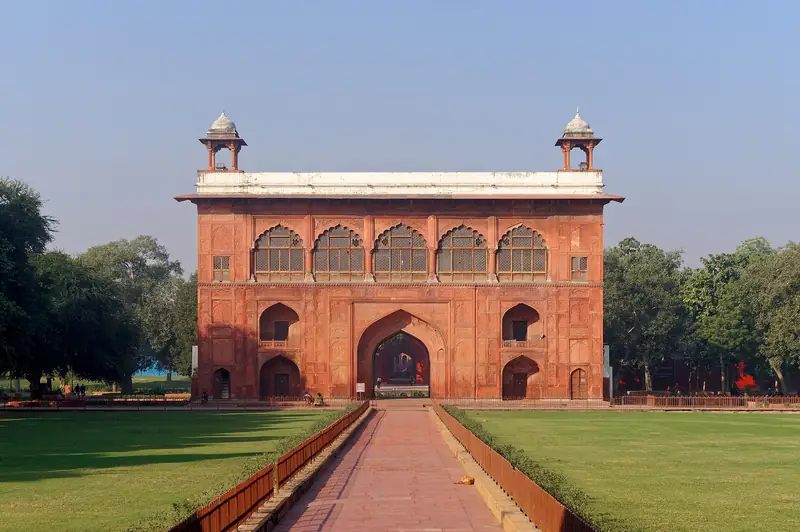
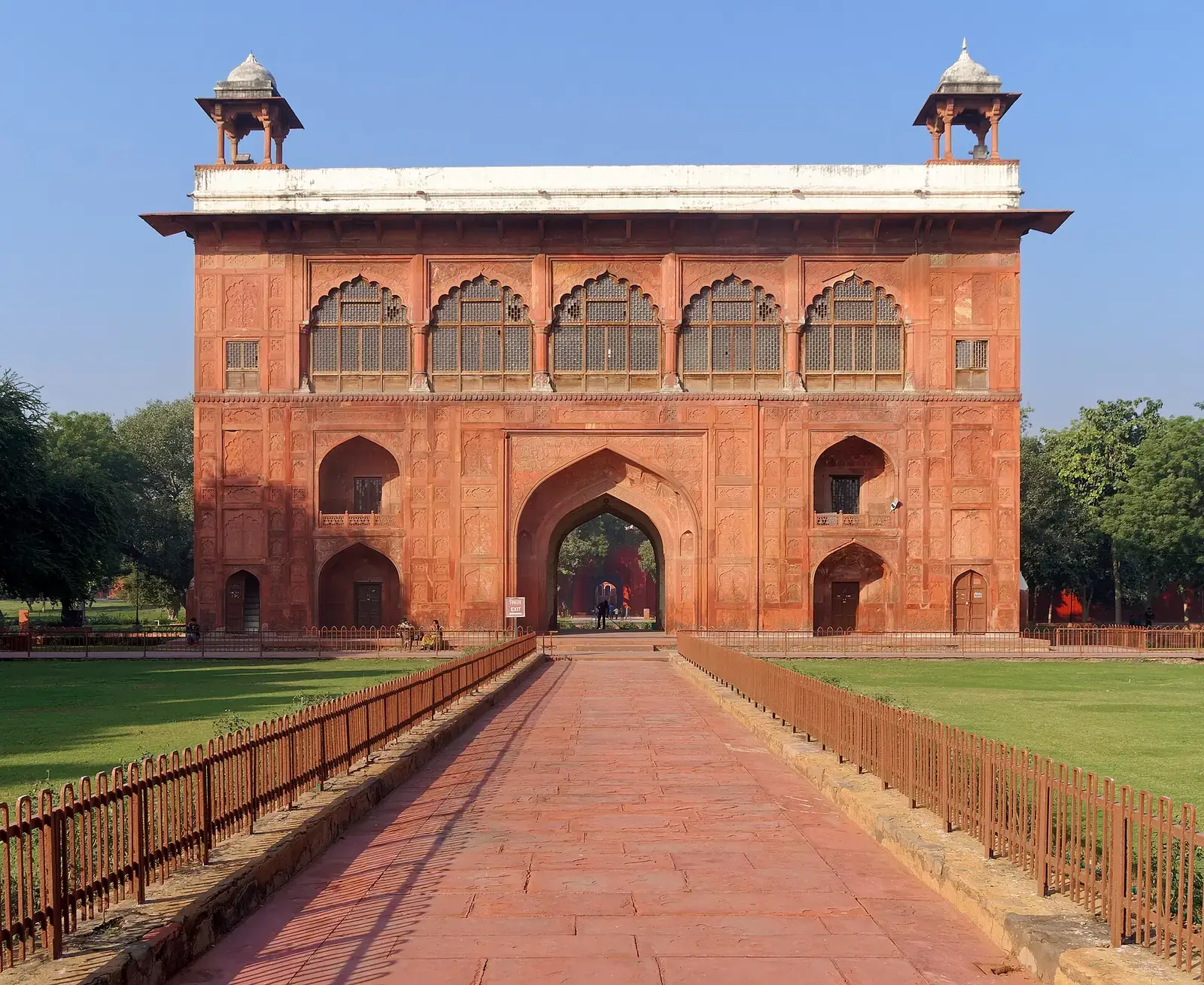
- Red Fort (Lal Qila): The Mughal emperors' seat of power for over 200 years and a UNESCO World Heritage Site — best visited early morning to avoid both heat and crowds. Closed Mondays.
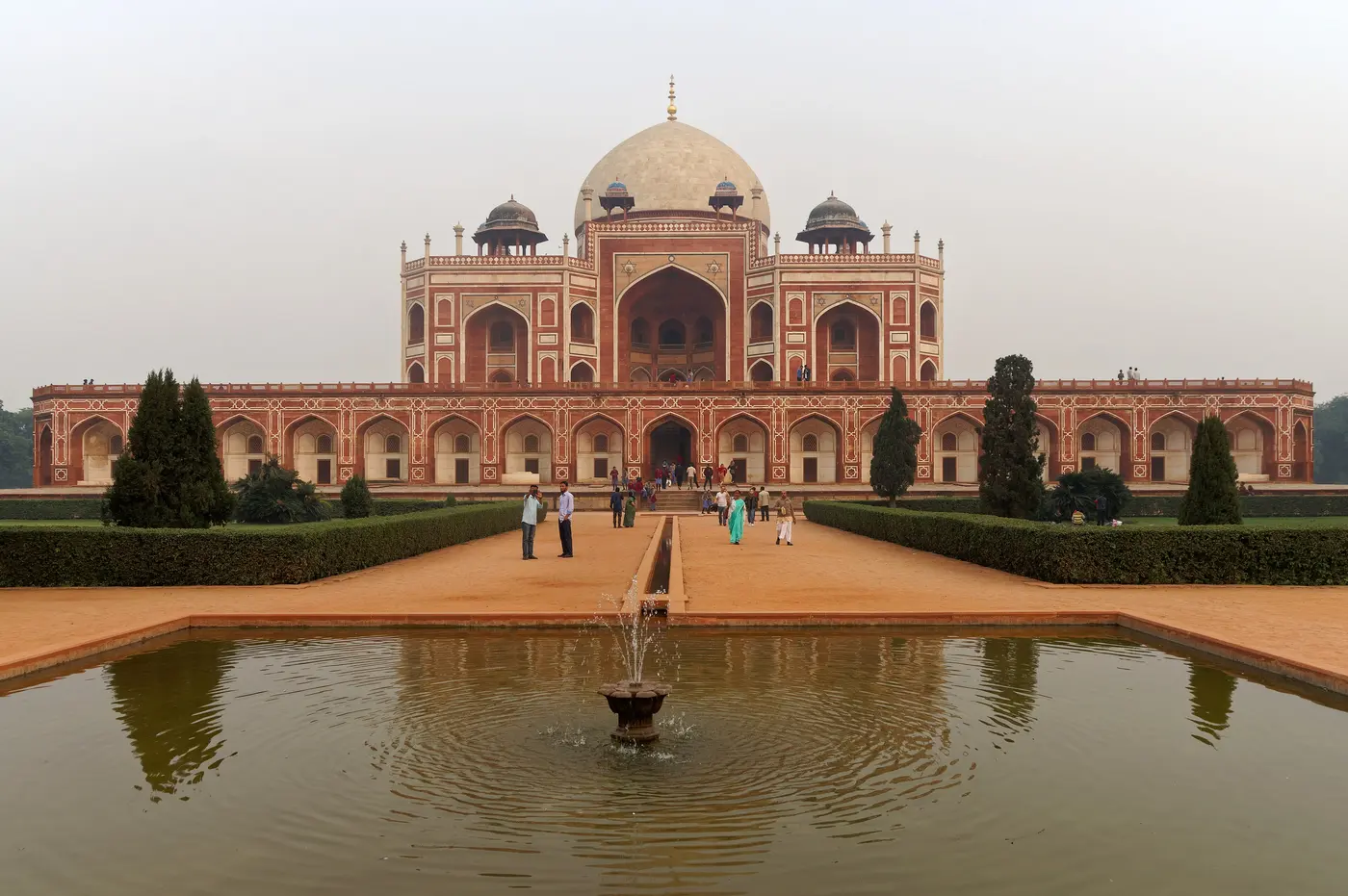
- Humayun's Tomb: The precursor to the Taj Mahal's architectural style, set in expansive Mughal gardens — often less crowded and just as impressive.
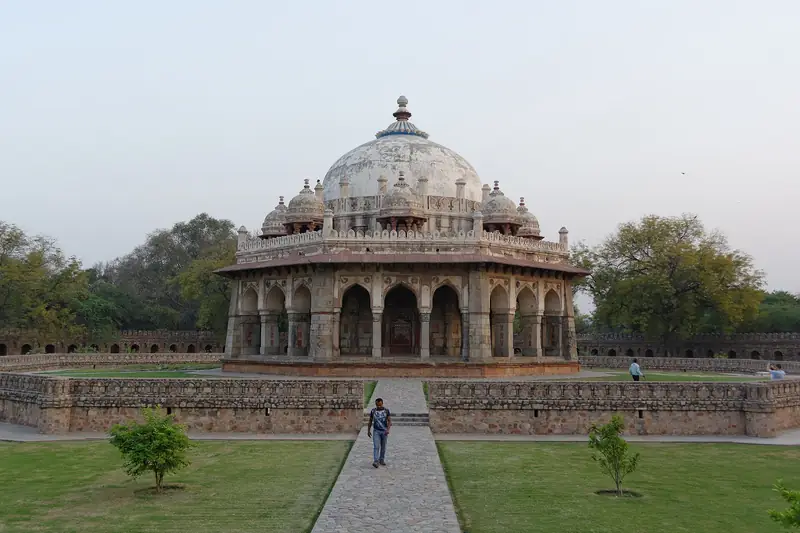
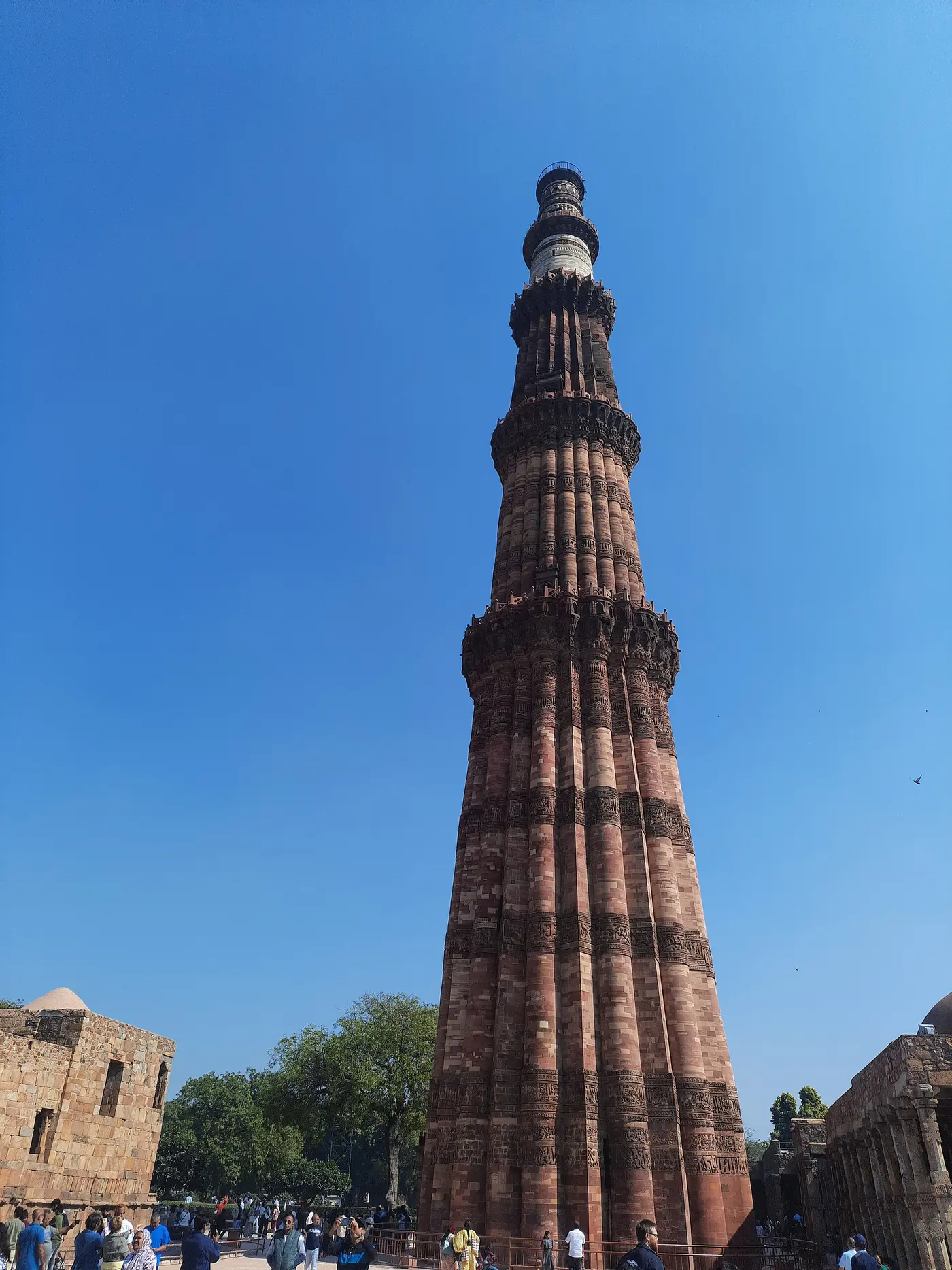
- Qutub Minar: A 73-metre Sultanate-era minaret, the tallest brick minaret in the world, set within an atmospheric complex of ruins.
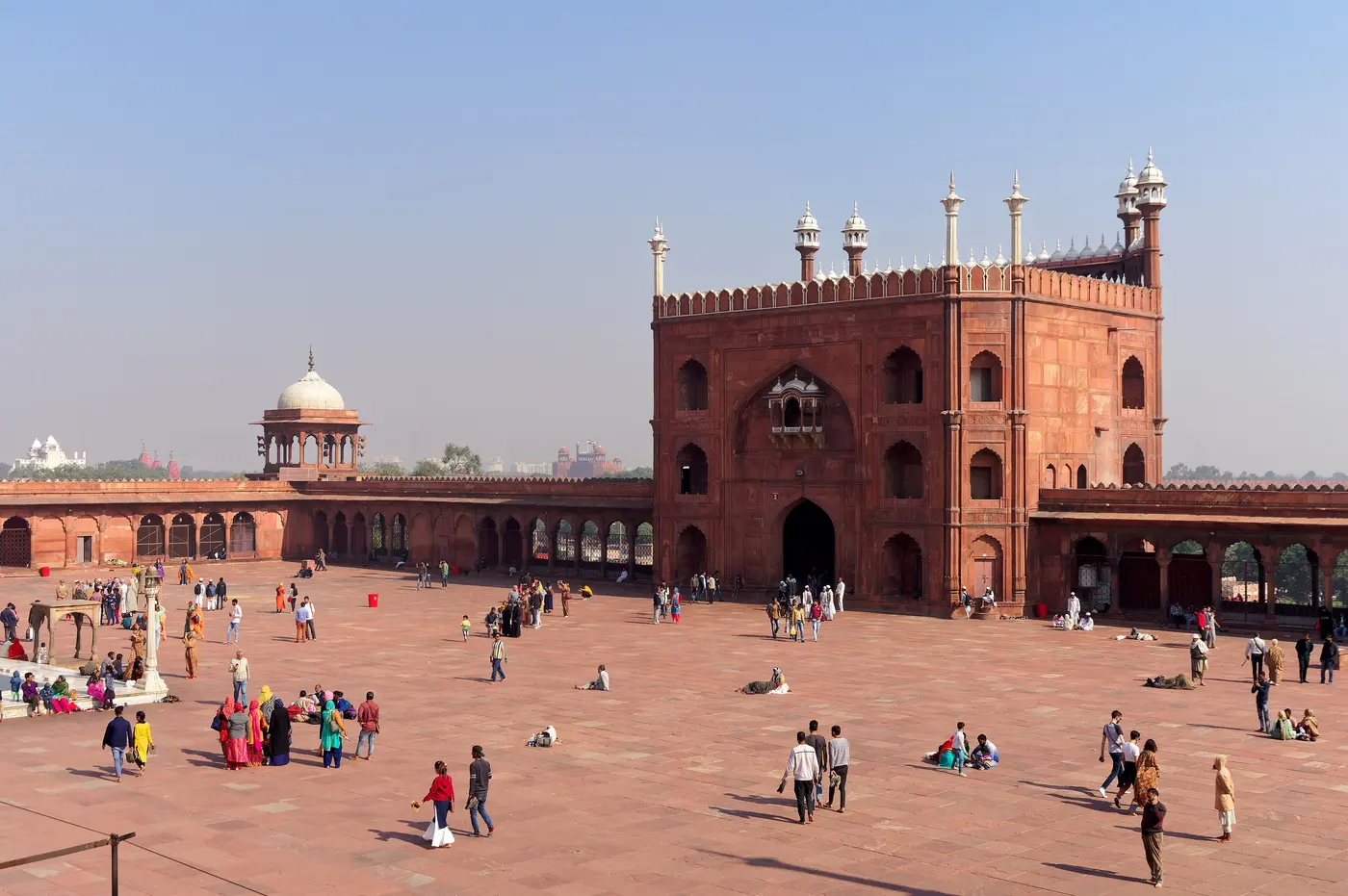
- Jama Masjid: India's largest mosque, with sweeping views over Old Delhi from its minaret (small extra fee for the climb).
- India Gate: A war memorial and popular evening gathering spot along Rajpath, especially atmospheric when lit up after dark.
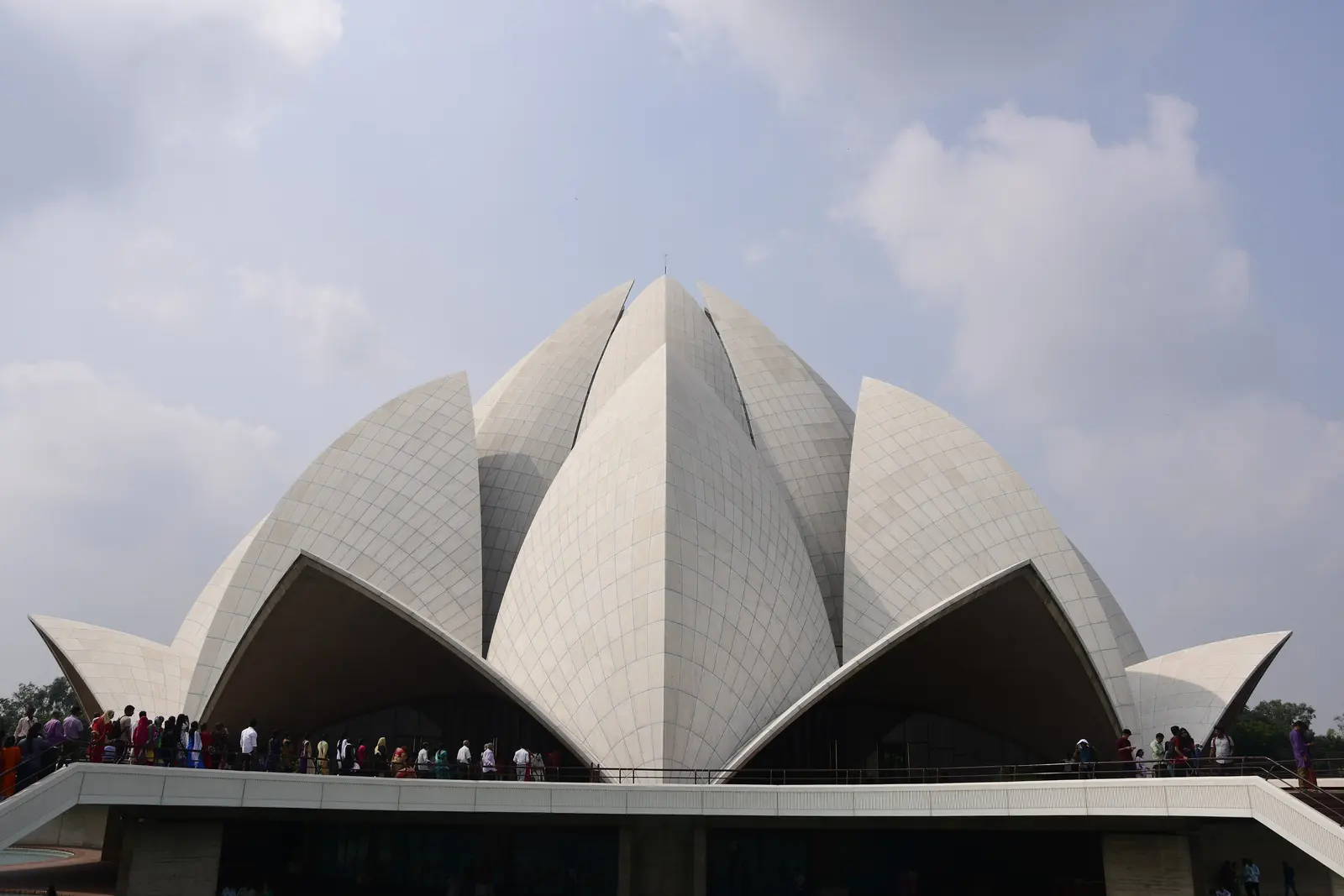
- Lotus Temple: A striking Bahá'í house of worship shaped like a lotus flower, open to all faiths for quiet reflection.
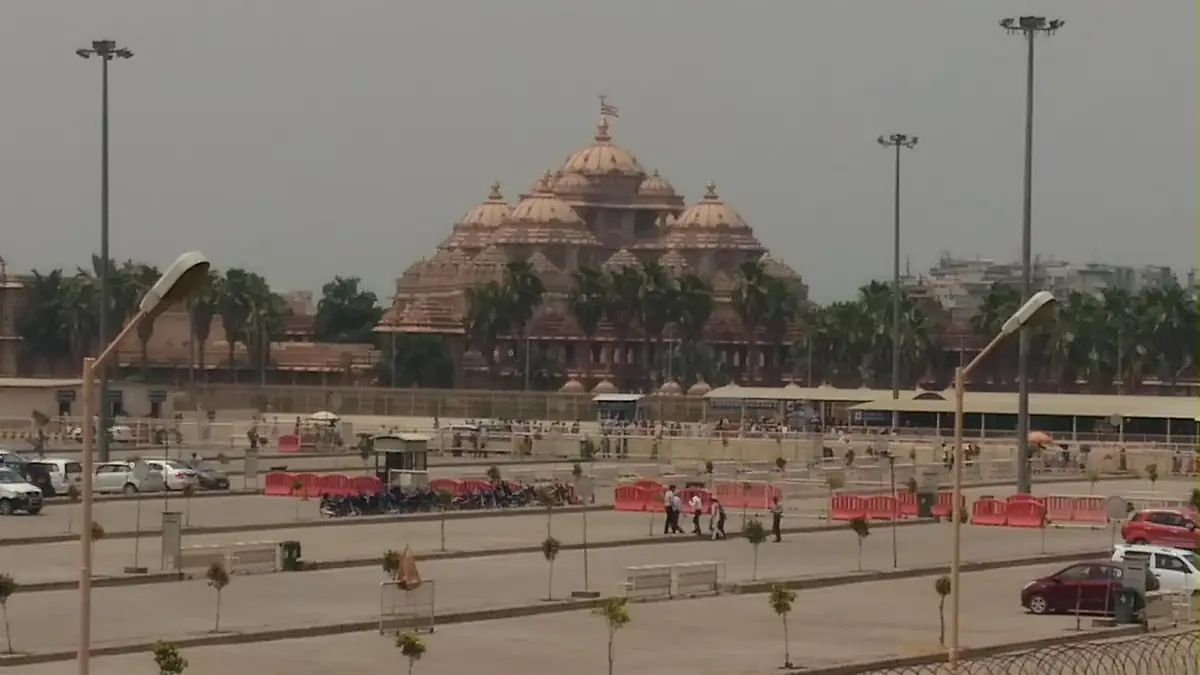
- Akshardham Temple: An enormous, ornate modern temple complex with an evening light-and-sound show — bring ID, as security is strict and no electronics are allowed inside.
- Chandni Chowk food trail: One of India's most legendary street food streets — see the food section below for specific stops.
Neighbourhoods to Explore
- Old Delhi: Dense, chaotic, and genuinely essential — home to Red Fort, Jama Masjid, Chandni Chowk, and some of the city's best food.
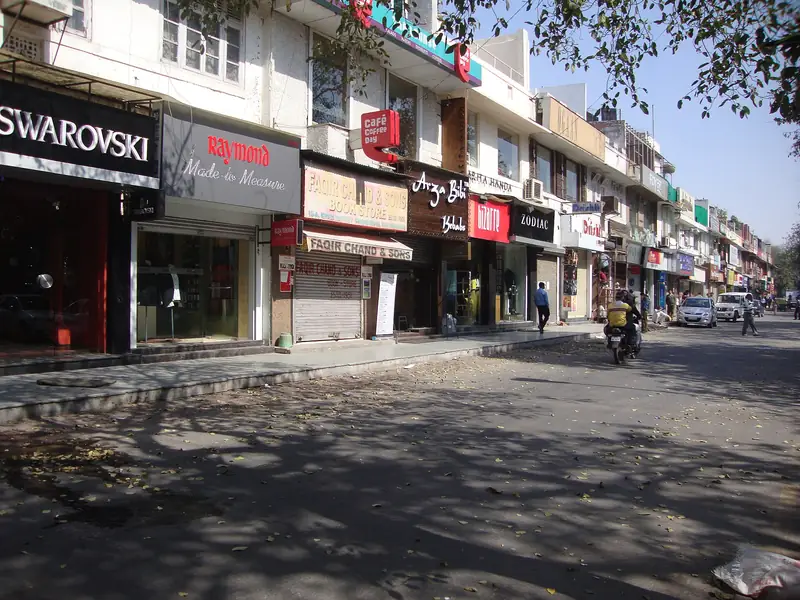
- Connaught Place: A colonial-era circular commercial hub, now a mix of shops, restaurants and bars — a good central base.
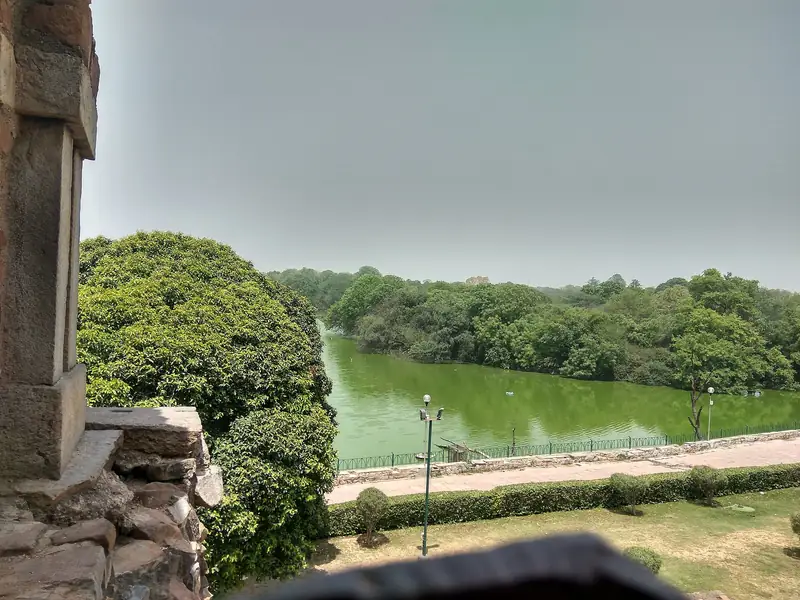
- Hauz Khas Village: A trendy arts-and-nightlife district built around a 13th-century reservoir and madrasa ruins — cafés, boutiques and bars.
- Khan Market: An upscale shopping and dining district, popular with both locals and expatriates.
- Lodhi Colony / Lodhi Art District: Delhi's open-air street art neighbourhood, worth a wander for photography.
Day Trips from Delhi
- Agra (~230 km, ~3.5 hrs by road or 2 hrs by Gatimaan Express): Home to the Taj Mahal and Agra Fort — a very doable long day trip, though an overnight stay allows more time at both sites.
- Mathura & Vrindavan (~150 km, ~3 hrs): Significant pilgrimage towns tied to Krishna's birth and childhood, especially lively during Holi and Janmashtami.
- Neemrana (~120 km, ~2.5 hrs): Home to a restored 15th-century fort-palace hotel, popular for a quieter overnight escape.
Where to Stay in Delhi
Where you base yourself matters more in Delhi than in most cities — pick based on whether you prioritise Old Delhi's monuments or New Delhi's markets and nightlife.
- → Backpacker hostels, Paharganj
- → Budget hotels near New Delhi Station
- → Guesthouses, Karol Bagh
- → Boutique hotels, Connaught Place
- → Hotel chains, South Delhi
- → Business hotels near Aerocity
- → The Imperial, New Delhi
- → The Oberoi, New Delhi
- → Taj Mahal Hotel, New Delhi
First-time visitors generally do best based near Connaught Place — central, metro-connected, and an easy reach of both Old Delhi's monuments and South Delhi's neighbourhoods.
What to Eat in Delhi
Delhi's food scene is arguably the best reason to visit — a genuinely rare mix of centuries-old street food traditions and a modern, cosmopolitan dining scene.
- Parathe Wali Gali (Chandni Chowk): A narrow lane dedicated entirely to stuffed parathas, running for over a century.
- Karim's (Jama Masjid): A legendary Mughlai restaurant serving kebabs and biryani since 1913, a short walk from Jama Masjid.
- Chaat at Chandni Chowk: Golgappe, aloo tikki, and dahi bhalla from long-standing street vendors — Old Delhi's chaat is considered among India's best.
- Butter chicken at Moti Mahal: The restaurant credited with inventing the dish, still serving it in Daryaganj.
- Khan Market and Hauz Khas Village cafés: For a completely different, cosmopolitan dining experience — everything from Italian to modern Indian fusion.
- Jalebi at Old Famous Jalebi Wala: A Chandni Chowk institution since 1884, still frying jalebis fresh through the day.
3-Day Delhi Itinerary
Three days is a comfortable minimum to cover Old and New Delhi properly without feeling rushed.
Old Delhi
- ✓Morning: Red Fort
- ✓Late morning: Jama Masjid
- ✓Afternoon: Chandni Chowk food trail on foot
- ✓Evening: Rickshaw ride through the old lanes
Mughal Monuments & New Delhi
- ✓Morning: Humayun's Tomb
- ✓Late morning: Qutub Minar
- ✓Afternoon: India Gate and Rajpath
- ✓Evening: Connaught Place for dinner
Modern Delhi & Markets
- ✓Morning: Lotus Temple or Akshardham
- ✓Afternoon: Hauz Khas Village
- ✓Evening: Khan Market for dinner and shopping
Budget Breakdown
| Expense | Budget | Mid-Range | Luxury |
|---|---|---|---|
| Accommodation/night | ₹1,200 | ₹5,000 | ₹18,000 |
| Food/day | ₹600 | ₹1,800 | ₹4,000 |
| Local transport/day | ₹200 | ₹600 | ₹2,000 |
| Monument entry fees/day | ₹500 | ₹500 | ₹500 |
| Daily total | ₹2,500 | ₹7,900 | ₹24,500 |
| 3-Day trip total | ₹7,500 | ₹23,700 | ₹73,500 |
* Excludes travel to Delhi. Monument entry fees are typically higher for foreign nationals — check current rates before visiting.
Essential Travel Tips for Delhi
- Use the metro whenever possible: It's genuinely the fastest, most reliable way to move across the city, avoiding Delhi's severe traffic congestion.
- Book Agra as an early start: Whether by road or the Gatimaan Express, an early departure gives you far more time at the Taj Mahal before the afternoon crowds and heat.
- Watch AQI in winter: If visiting November–January and sensitive to air quality, check daily AQI and carry a mask.
- Negotiate autos or use app-based booking: Meter compliance varies — Uber/Ola auto options remove most of the haggling.
- Dress modestly at religious sites: Jama Masjid, Akshardham, and the Lotus Temple all expect covered shoulders and knees.
- Stay alert with belongings in crowds: Chandni Chowk and major markets get extremely dense — keep bags zipped and valuables secure.
✅ Do
- →Use the Delhi Metro for most cross-city travel
- →Visit Red Fort and Jama Masjid early morning
- →Try the Chandni Chowk food trail on foot
- →Book an early Agra day trip for more Taj Mahal time
- →Dress modestly at religious sites
- →Check daily AQI if visiting in winter
❌ Don't
- →Underestimate Delhi's traffic when planning timings
- →Visit major monuments on a Monday (many are closed)
- →Skip carrying a mask during peak winter smog
- →Bring electronics into Akshardham — they're not allowed
- →Rush Old Delhi — it rewards slow, deliberate exploring
- →Ignore basic bag security in dense markets
Places to Explore in Delhi
Every Delhi guide on Kudozz Club, in one place — 25 destinations covered so far, from cities and towns to individual attractions. Use this index to plan beyond the highlights above.
Frequently Asked Questions
How many days do you need for Delhi?
Three days is a comfortable minimum to cover Old and New Delhi properly without feeling rushed — one day for Old Delhi (Red Fort, Jama Masjid, Chandni Chowk), one for Mughal monuments and New Delhi (Humayun's Tomb, Qutub Minar, India Gate), and one for modern Delhi and markets (Lotus Temple or Akshardham, Hauz Khas Village, Khan Market).
What is the best time to visit Delhi?
October to March is the best window, when cool, dry days (10–26°C) make monument-hopping and long walks through Old Delhi genuinely pleasant. Our pick is late February to early April, or October to November — cool enough for full days of sightseeing and outside the worst of the winter smog that settles in November–January.
How do I reach Delhi?
Indira Gandhi International Airport (DEL) is India's busiest, with direct flights from almost every major domestic and international city. New Delhi, Old Delhi, and Nizamuddin railway stations connect to virtually every part of the country, including high-speed options like the Shatabdi and Rajdhani Expresses. The Airport Express Metro Line connects IGI Airport to New Delhi Railway Station in around 20 minutes.
Is Delhi safe for solo travellers?
Delhi is generally manageable for solo travellers who take standard city precautions — use the Delhi Metro for most cross-city travel rather than unfamiliar routes, stay alert with belongings in dense crowds like Chandni Chowk and major markets, use app-based cab and auto booking to avoid overcharging, and dress modestly at religious sites like Jama Masjid, Akshardham, and the Lotus Temple.
What is the budget for a Delhi trip?
A budget traveller can expect a daily total of around ₹2,500, a mid-range traveller around ₹7,900, and a luxury traveller around ₹24,500 per day, covering accommodation, food, local transport, and monument entry fees — working out to roughly ₹7,500, ₹23,700, or ₹73,500 respectively for a 3-day trip, excluding travel to Delhi.
Can I visit Agra as a day trip from Delhi?
Yes — Agra is about 230 km from Delhi, roughly 3.5 hours by road or 2 hours by the Gatimaan Express, making it a very doable long day trip to see the Taj Mahal and Agra Fort. An early start gives you far more time at both sites before the afternoon crowds and heat; an overnight stay is worth considering if you want to linger.
What is the best way to get around Delhi?
The Delhi Metro is by far the best way to cover long distances across the city, since it avoids Delhi's notorious road traffic. Auto-rickshaws and app-based cabs (Uber/Ola) work well for shorter or local trips, while walking is the best way to actually experience Chandni Chowk and Old Delhi's narrow lanes, which are often too congested for vehicles.
Published by the Kudozz Club editorial team · Last updated · How we research our guides
Want us to plan this trip for you?
Tell Kudozz Club where you want to go and what kind of trip you’re looking for. We’ll build a Delhi itinerary around your dates and budget.
Continue Exploring
View all guides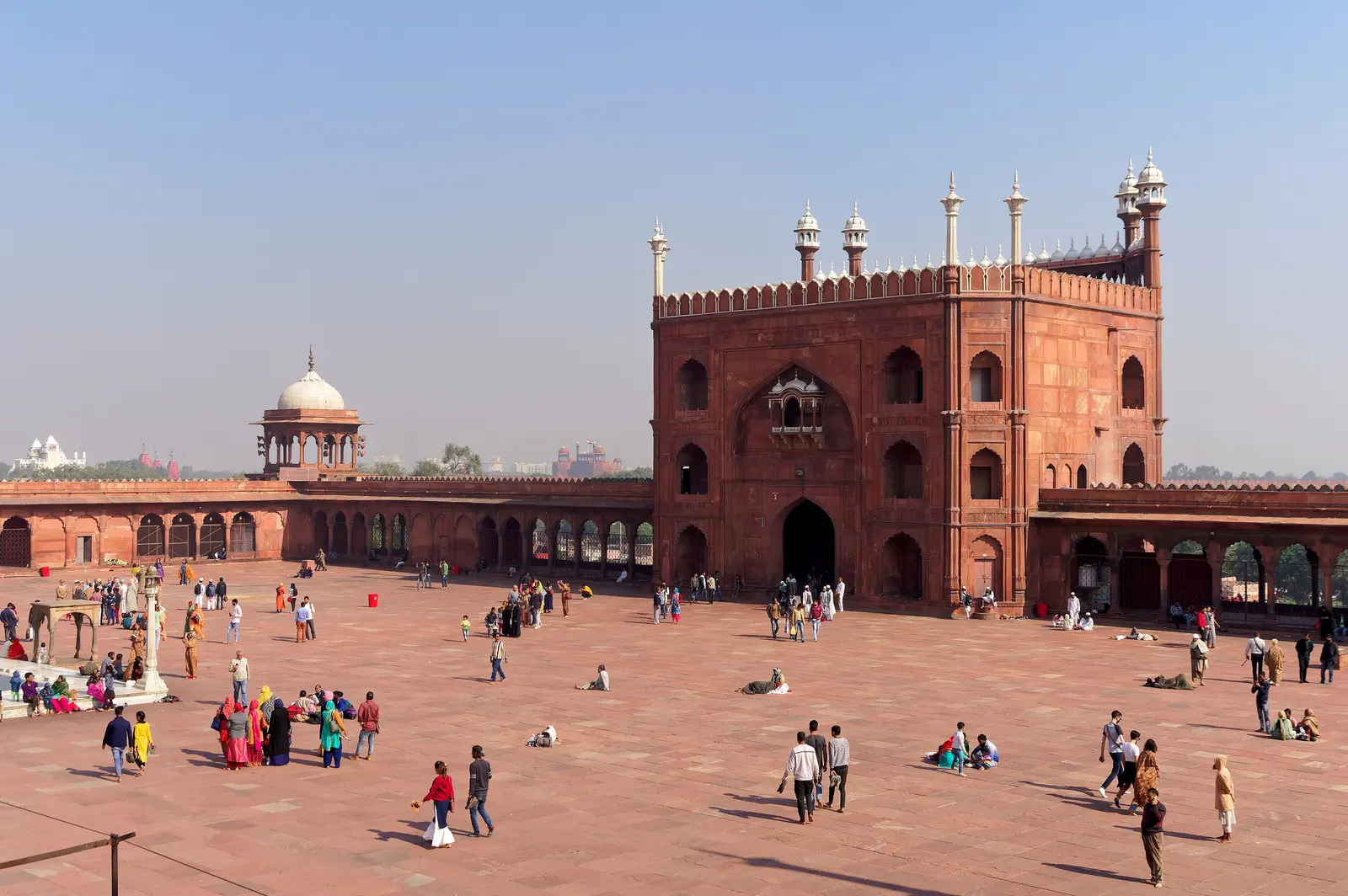 Heritage
Old Delhi Travel Guide: Red Fort, Jama Masjid & Food
Shahjahanabad, Shah Jahan's 17th-century walled capital — Red Fort, India's largest mosque, cycle-rickshaw lanes, havelis, bazaars, and a street food trail running for well over a century.
 Heritage
Chandni Chowk: Delhi's Legendary Food Walk & Bazaar Guide
A 350-year-old market built by Jahanara Begum — Kinari Bazaar, Khari Baoli's spice trade, and the legendary Chandni Chowk street food walk.
 Heritage & Culture
Red Fort, Delhi: History and Visiting Guide
A visitor's guide to the Red Fort (Lal Qila) in Delhi: built by Shah Jahan as the palace-fortress of Shahjahanabad, its role in 1857 and on Independence Day, what to see from Lahori Gate and Chhatta Chowk to the Diwan-i-Aam and Diwan-i-Khas, the museums, the Monday closure, tickets, the metro, and nearby Old Delhi.
 Destination Guide
South Delhi Travel Guide: Best Areas & Things to Do
Hauz Khas, Greater Kailash, Saket, Vasant Kunj, Mehrauli, Lodhi Garden, and Chhatarpur Temple — a guide to Delhi's most affluent, green, and heritage-dense quarter, area by area.