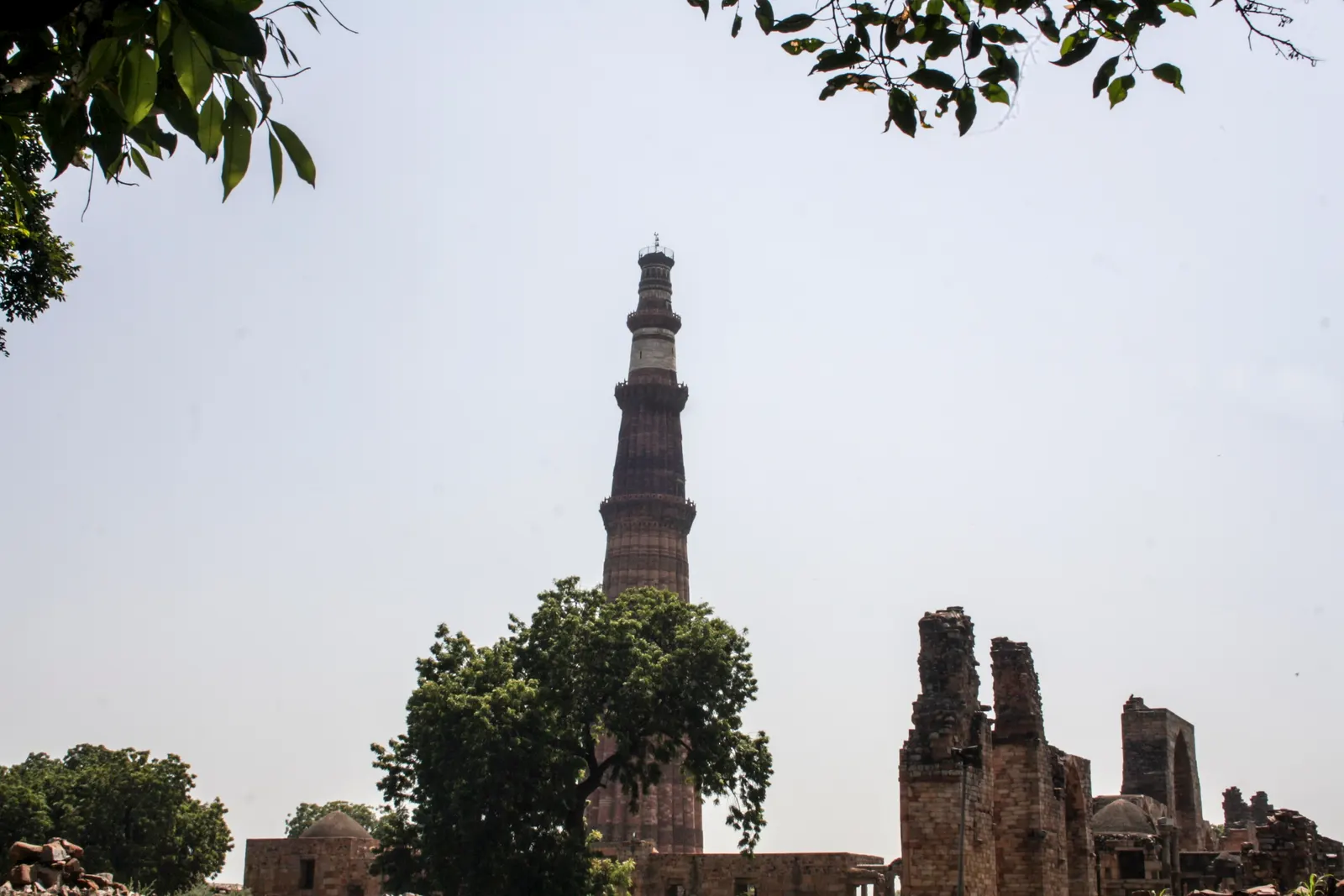
Mehrauli: Delhi's Oldest Quarter
Of all the districts folded into modern Delhi, Mehrauli makes the strongest claim to being its oldest continuously inhabited settlement — a village that predates the Mughals, predates the Delhi Sultanate, and has never gone through the kind of wholesale abandonment that emptied out Delhi's other historic cities. Tughlaqabad was built, occupied, and largely deserted within decades. Old Delhi (Shahjahanabad) is a comparatively recent 17th-century addition. Mehrauli, by contrast, has had people living in and around it more or less without interruption since at least the Tomar Rajput period, over a thousand years ago.
That unbroken thread is exactly what makes it fascinating to walk through today. A single neighbourhood holds a 4th-century iron pillar, a 12th-century minaret, 14th- and 16th-century tombs scattered through a public forest, a living dargah still drawing pilgrims, and an ordinary urban village bazaar selling vegetables a few hundred metres from all of it — 800-plus years of layered history compressed into one walkable quarter of South Delhi.
Most visitors come for one reason: the Qutub Minar, a UNESCO World Heritage Site and the tallest brick minaret in the world. That alone is worth the trip. But treating Mehrauli as a single-monument stop badly undersells it — right next door sits Mehrauli Archaeological Park, a semi-forested expanse dotted with dozens of lesser-known tombs, mosques, and stepwells that most tourists never see. This guide covers both, plus the village, the annual Qutub Festival, and a realistic half-day itinerary to tie it all together.
🕌 Mehrauli at a Glance
Interested in the history? See our guide to visiting the Qutub Minar.
Best Time to Visit Mehrauli
Mehrauli's two main draws — Qutub Minar's complex and the largely uncovered Archaeological Park — both involve extended time outdoors on stone and forest paths, so the season matters more here than in most parts of Delhi.
Cool, dry days (10–26°C) make both the Qutub Minar complex and the longer, shadeless walk through the Archaeological Park genuinely pleasant.
Temperatures regularly cross 40°C. The Archaeological Park has minimal shade, so if you must visit, go at opening time and skip the midday hours entirely.
The park turns lush and atmospheric, but stone steps and unpaved trails to outlying monuments get slick — good footwear matters more than usual.
The annual Qutub Festival brings classical music and dance performances against the complex's backdrop — atmospheric, but book accommodation and expect fuller crowds.
Our pick: a weekday morning between November and February. The Qutub Minar complex opens early and gets crowded fast with tour groups — arriving right at opening gives you a genuinely quiet first hour.
How to Reach Mehrauli
Mehrauli sits in South Delhi, close to Saket and Vasant Kunj, and is one of the more straightforward parts of the city to reach independent of where you're staying.
- By Metro: The Qutub Minar station on the Yellow Line drops you within a short walk (or a quick auto ride) of the monument complex — by far the easiest and most reliable way in, especially during peak traffic hours.
- By App-based Cab or Auto: Widely available from anywhere in Delhi; expect 30–50 minutes from Central Delhi depending on traffic, less from Hauz Khas or Saket.
- By Bus: DTC buses run to Mehrauli terminal from various points in the city, though the metro is more predictable for visitors unfamiliar with Delhi's bus routes.
Qutub Minar & Complex
The Qutub Minar is the reason most people first hear of Mehrauli, and it earns the reputation. Standing at roughly 73 metres, it's the tallest brick minaret in the world and a UNESCO World Heritage Site, its five tapering storeys carved with intricate bands of Quranic inscriptions and geometric patterning that shift subtly from red sandstone at the base to marble and sandstone near the top.
Construction began around 1192–93 CE, commissioned by Qutb al-Din Aibak, the first ruler of the Delhi Sultanate, to commemorate the start of Muslim rule in Delhi. Aibak completed only the first storey in his lifetime; his successor Iltutmish added three more, and the fifth and final storey was rebuilt in a different style by Firoz Shah Tughlaq in the 14th century after lightning damage — meaning the minaret itself is a layered construction project spanning roughly 150 years of Sultanate history, not a single building campaign.
The Iron Pillar
Standing in the courtyard just in front of the minaret is the complex's other famous attraction: the Iron Pillar, a roughly 7-metre column dating to the 4th century CE, from the Gupta era — making it nearly 800 years older than the minaret standing beside it. It was moved to this site from elsewhere and originally bore a Sanskrit inscription referencing a Gupta king, most likely Chandragupta II.
What makes it genuinely remarkable is that, after roughly 1,600 years exposed to Delhi's weather, it has barely rusted. Metallurgists attribute this to a thin protective layer — a compound called misawite — that formed naturally on its surface due to the pillar's unusually high phosphorus content and the specific forging technique used, a level of metallurgical skill that still draws researchers today. A railing now keeps visitors from touching it, both to protect the pillar and to end the old tradition of trying to encircle it with your arms behind your back for luck.
Quwwat-ul-Islam Mosque & Alai Darwaza
- Quwwat-ul-Islam Mosque: Built alongside the minaret's earliest phase, this is among the oldest surviving mosques in India, assembled partly from columns and materials taken from demolished Hindu and Jain temples — a detail that shows plainly in the carved pillars still visible in the cloisters.
- Alai Darwaza: A striking red sandstone and white marble gateway added by Alauddin Khalji in 1311, considered one of the finest examples of early Indo-Islamic architecture in India, with a genuinely elegant horseshoe-shaped arch and detailed lattice screens.
- Alai Minar: An unfinished, much stubbier tower Alauddin Khalji began nearby, intended to dwarf the Qutub Minar itself — construction stopped after his death and the stump still stands, a curious "what if" a short walk from the finished minaret.
Mehrauli Archaeological Park
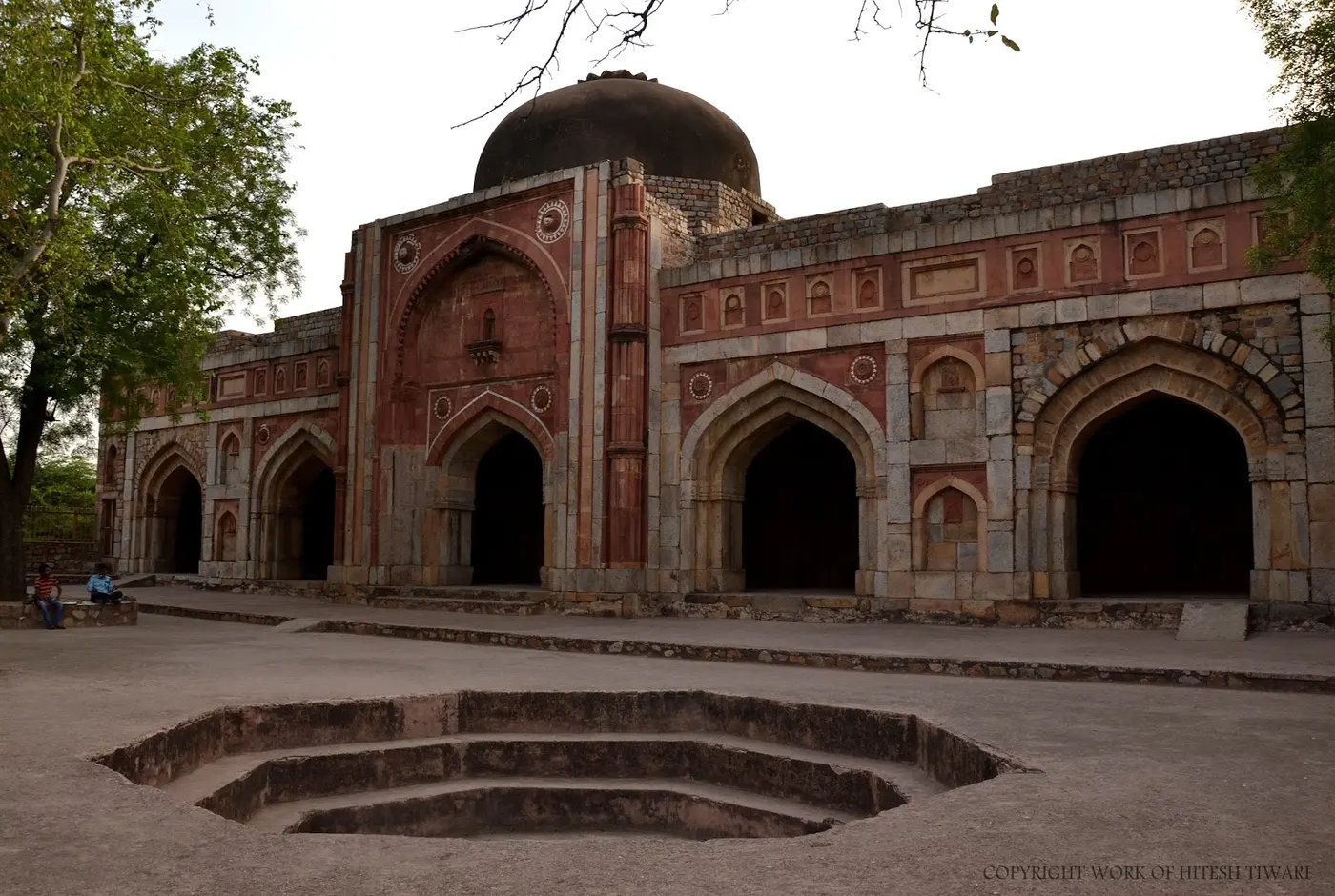
Directly adjacent to the Qutub Minar complex — and free to enter, unlike it — is Mehrauli Archaeological Park, a roughly 200-acre expanse of forest and scrubland that most tourists skip entirely, which is exactly why it's worth the detour. Scattered through the trees are somewhere between 60 and 100 structures spanning centuries: tombs, mosques, gateways, stepwells, and the ruins of a British-era country house, most with minimal signage and almost none of the crowds next door.
- Jamali Kamali Mosque & Tomb: The park's best-known structure — a 16th-century mosque and adjoining tomb built for Jamali, a Sufi poet and courtier to several Delhi Sultanate and early Mughal rulers, whose remains lie beside a mysterious "Kamali" whose identity is still debated. The tomb's ceiling retains some of the finest surviving painted plasterwork from the period.
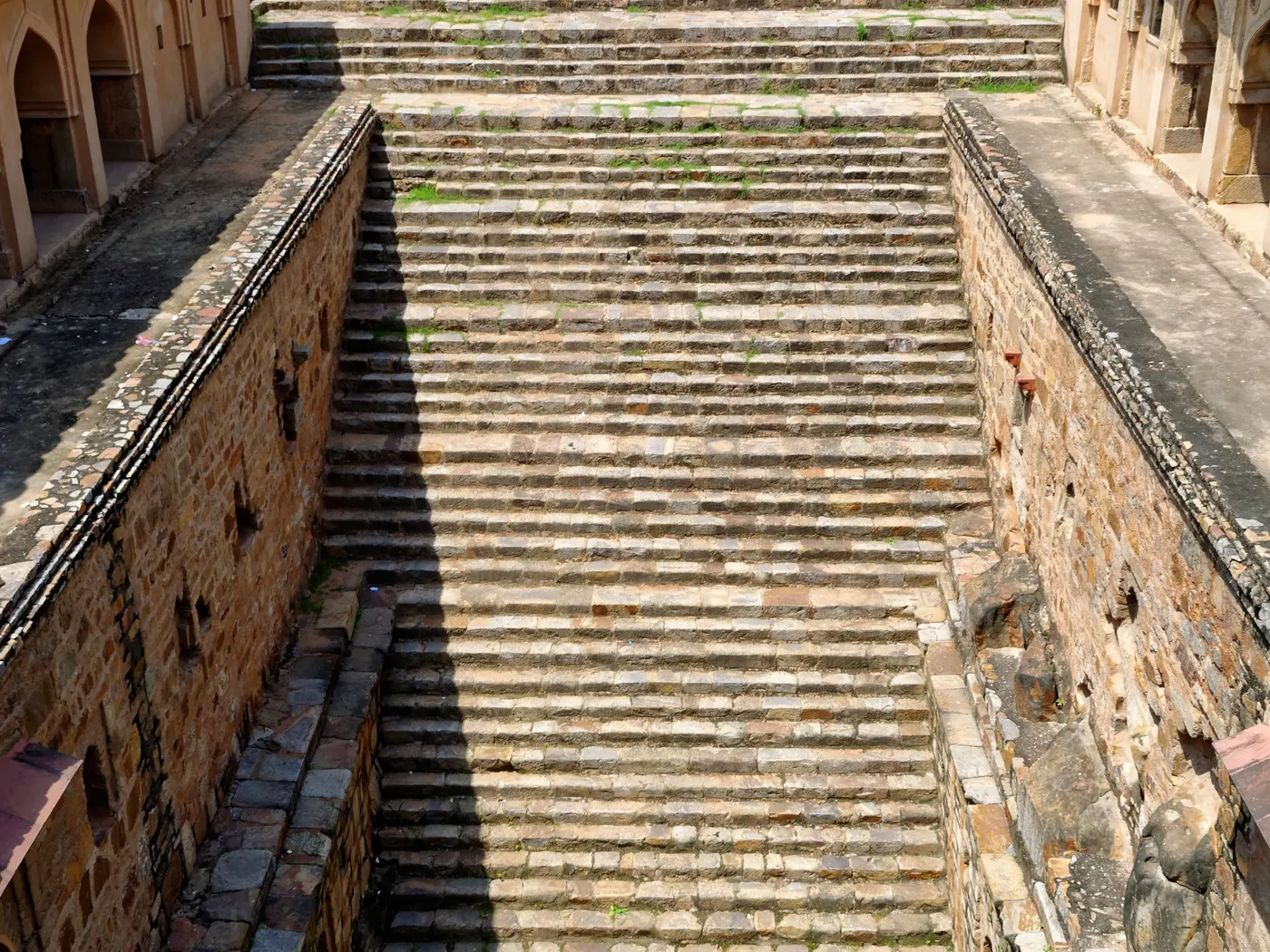
- Rajon ki Baoli: A large, beautifully preserved four-storey stepwell from the early 16th century, with arched colonnades descending toward the water — among the best-preserved baolis in Delhi and a genuinely striking piece of functional architecture.
- Balban's Tomb: The burial place of Ghiyasuddin Balban, a powerful 13th-century Delhi Sultanate ruler, and architecturally significant as one of the earliest known uses of the true arch in Indian construction, a technique later refined throughout Mughal architecture.
- Dozens of lesser-known monuments: Small unnamed tombs, gateways, and mosque ruins are scattered throughout the park's forested paths, many without identifying plaques — part of what makes exploring here feel more like discovery than sightseeing.
The Qutub Festival
Each year, typically in late November or early December, the Delhi Tourism department stages the Qutub Festival — a multi-day programme of classical Indian music and dance performances held against the floodlit backdrop of the Qutub Minar complex. Renowned classical musicians and dancers have performed here over the years, and the setting is a genuine draw in itself: watching a classical recital unfold with a 12th-century minaret lit up behind the stage is not something you get in many other places.
Exact dates shift year to year, so it's worth checking Delhi Tourism's official channels close to your travel dates if you want to time a visit around it. Expect heavier evening crowds around the complex during the festival window, and book accommodation in South Delhi a little earlier than usual if your dates overlap.
Mehrauli Village & Dargah Qutub Sahib
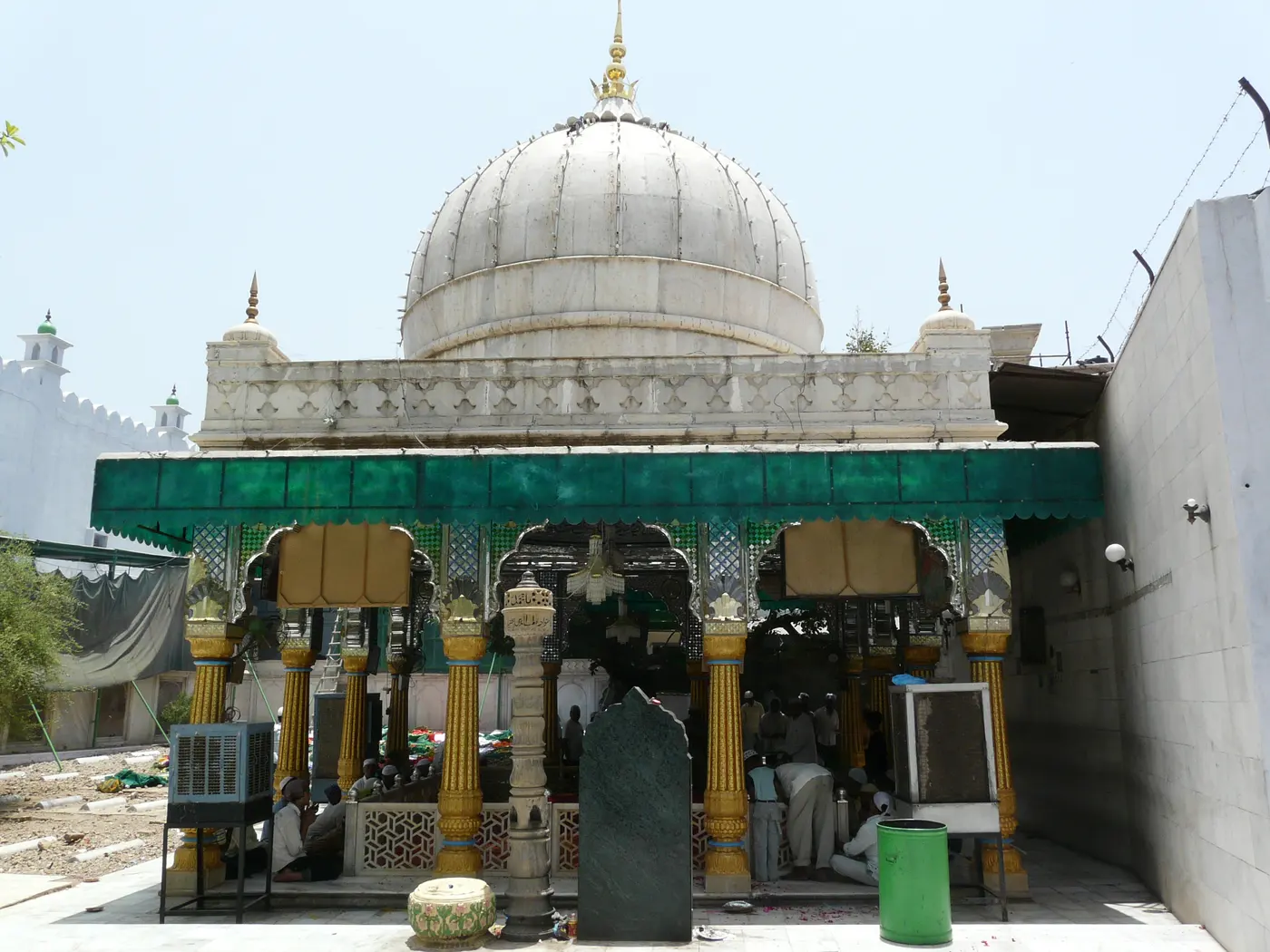
Step outside the monument complex and Mehrauli is also, simply, an ordinary Delhi urban village — narrow lanes, vegetable carts, tea stalls, and small shops that have nothing to do with tourism and everything to do with daily life continuing exactly where it has for centuries. It's a useful reminder that this isn't a museum piece; people have lived here, uninterrupted, the entire time the monuments were being built around them.
At the heart of the village bazaar sits Dargah Qutub Sahib, the shrine of the 13th-century Sufi saint Khwaja Qutbuddin Bakhtiar Kaki — one of Delhi's most revered dargahs and, notably, the saint after whom the Qutub Minar itself is popularly believed to be named. It remains an active place of worship, drawing devotees of multiple faiths, particularly dense with visitors on Thursday evenings when qawwali is often performed. Dress modestly and remove footwear before entering, as at any working shrine.
Just beyond the village, Mehrauli also borders more recognisable pockets of South Delhi — worth knowing if you're stitching together a longer day that also takes in Hauz Khas or the very different, largely abandoned fortress city of Tughlaqabad.
Half-Day Walking Itinerary
Mehrauli rewards a single, focused half-day rather than a rushed hour — here's a realistic sequence that covers the Qutub Minar complex, the Archaeological Park, and the village without feeling like a sprint.
Qutub Minar Complex
- ✓Arrive at opening time to beat tour-group crowds
- ✓The minaret, Iron Pillar, and Quwwat-ul-Islam Mosque
- ✓Alai Darwaza and the unfinished Alai Minar
Mehrauli Archaeological Park
- ✓Enter through the park's dedicated gate nearby
- ✓Jamali Kamali Mosque & Tomb
- ✓Rajon ki Baoli stepwell and Balban's Tomb
Village & Dargah
- ✓Walk into Mehrauli village bazaar
- ✓Visit Dargah Qutub Sahib (modest dress, remove shoes)
- ✓Lunch at a nearby local eatery
* If you'd rather see the lesser-known park monuments in more depth, split this across a full day, or add on a nearby stop like Hauz Khas Village for the afternoon instead of rushing the village bazaar.
Where to Eat Near Mehrauli
Mehrauli itself is fairly light on dedicated restaurants compared to Delhi's dining neighbourhoods, but a short drive in either direction fixes that easily.
- Local dhabas in Mehrauli village: Simple, inexpensive North Indian food — good for a quick, filling lunch after a morning of walking without needing to travel far.
- Saket malls (Select Citywalk, DLF Place): A short cab ride away, with a full range of restaurant chains and food courts if you want more variety.
- Hauz Khas Village cafés: A slightly longer trip, but worth it if you're extending your day there — a completely different, café-and-bar scene set around another set of ruins.
- Ambawatta One: A boutique courtyard complex a short walk from the Qutub Minar complex, with a handful of upscale cafés and restaurants — a convenient, comfortable stop right after sightseeing.
Budget Breakdown
Mehrauli is one of Delhi's more affordable half-day trips — the Archaeological Park is free, and the Qutub Minar entry fee is modest, so most of your spending goes toward transport and food.
| Expense | Budget | Mid-Range | Comfort |
|---|---|---|---|
| Qutub Minar entry (Indian national) | ₹35–₹50 | ₹35–₹50 | ₹35–₹50 |
| Mehrauli Archaeological Park | Free | Free | Free |
| Local transport (round trip) | ₹100 (metro) | ₹500 (auto) | ₹1,000+ (cab) |
| Food/meal | ₹150 | ₹500 | ₹1,200 |
| Optional guided park walk | — | ₹500–₹1,000 | ₹1,500+ |
| Half-day total | ₹300–₹400 | ₹1,500 | ₹3,500+ |
* Entry fees are typically higher for foreign nationals — check current ASI rates before visiting. Figures exclude travel to Delhi itself.
Essential Tips for Visiting Mehrauli
- Go early to beat both heat and crowds: Tour buses arrive mid-morning; an early start gives you a quieter, cooler complex before either sets in.
- Carry water into the Archaeological Park: There are no reliable vendors deep inside the park — bring your own, especially outside the winter months.
- Wear sturdy, closed footwear: The park's trails are uneven, and stepwells like Rajon ki Baoli involve descending worn stone steps.
- Watch for monkeys and stray dogs: Both are common in the park — don't carry visible food, and give animals space rather than approaching them.
- Snake caution in overgrown areas: As with any forested park in Delhi, stick to worn paths rather than pushing into thick undergrowth, particularly after monsoon.
- Consider a guide for the park: Most lesser-known monuments have no signage — a local or heritage-walk guide adds real context that's otherwise easy to miss entirely.
✅ Do
- →Arrive at opening time for a quieter Qutub Minar
- →Combine Qutub Minar with the free Archaeological Park
- →Carry water and wear closed, sturdy shoes
- →Dress modestly for Dargah Qutub Sahib
- →Book online tickets to skip the entry queue
- →Check Qutub Festival dates if visiting Nov–Dec
❌ Don't
- →Expect to climb the Qutub Minar — it's closed since 1981
- →Wander far off marked trails in the Archaeological Park
- →Visit the park after dusk — it isn't lit or patrolled
- →Skip carrying water on a summer visit
- →Approach monkeys or carry visible food near them
- →Rush the park in under an hour — it deserves more time
Frequently Asked Questions
How old is Mehrauli?
Mehrauli is widely regarded as the oldest continuously inhabited settlement in Delhi, with roots going back over a thousand years to the Tomar Rajputs, well before it became the capital of the Delhi Sultanate in 1206. Unlike Delhi's other historic quarters, which were largely abandoned and rebuilt elsewhere by successive dynasties, Mehrauli has remained a living neighbourhood — village, monuments, and modern city — for more than 800 years without a real break.
How much time do I need for Qutub Minar?
Budget 1.5 to 2 hours for the Qutub Minar complex itself — the minaret, Iron Pillar, Quwwat-ul-Islam Mosque, and Alai Darwaza are all within a compact, walkable enclosure. If you're combining it with Mehrauli Archaeological Park next door, set aside a half day (roughly 4 hours) to do both without rushing.
Can you climb Qutub Minar?
No. Public access to climb the interior staircase has been closed since 1981, following a stampede triggered by a power outage that killed several schoolchildren inside. Visitors can walk around the base and view the minaret from ground level and the surrounding complex, but the tower itself is closed to entry.
Is Mehrauli Archaeological Park safe?
Generally yes during daylight hours, but it's a genuinely different experience from the fenced, ticketed Qutub Minar complex next door — it's a semi-wild, forested area with loose dogs, monkeys, and uneven terrain, and some of the outlying monuments sit along unmarked or overgrown paths. Visit in daylight, stick to worn trails, avoid the park after dusk, and consider a guide for the lesser-known structures, since signage is minimal.
Why doesn't the Iron Pillar rust?
The 4th-century Iron Pillar owes its resistance to a naturally formed protective layer of misawite (an iron hydrogen phosphate compound) that developed on its surface over centuries, a byproduct of the high phosphorus content and specific forging technique used by Gupta-era metalworkers. It's considered a landmark achievement of ancient Indian metallurgy, roughly 800 years older than the minaret it now stands beside.
Is Qutub Minar older than the Iron Pillar?
No — it's the other way around. The Iron Pillar dates to around the 4th century CE, from the Gupta era, and was moved to its current site later. Qutub Minar itself was begun around 1192-93 CE by Qutb al-Din Aibak, making the pillar roughly 800 years older than the minaret standing next to it today.
What is the entry fee for Qutub Minar?
Entry fees are nominal for Indian nationals and higher for foreign nationals, with children under 15 typically free; tickets can be bought online through the ASI's booking portal or at the gate. Mehrauli Archaeological Park itself has no entry fee, since it's an open public park rather than a ticketed ASI monument.
Published by the Kudozz Club editorial team · Last updated · How we research our guides
Want us to plan this trip for you?
Tell Kudozz Club where you want to go and what kind of trip you’re looking for. We’ll build a Delhi itinerary around your dates and budget.
Continue Exploring
View all guides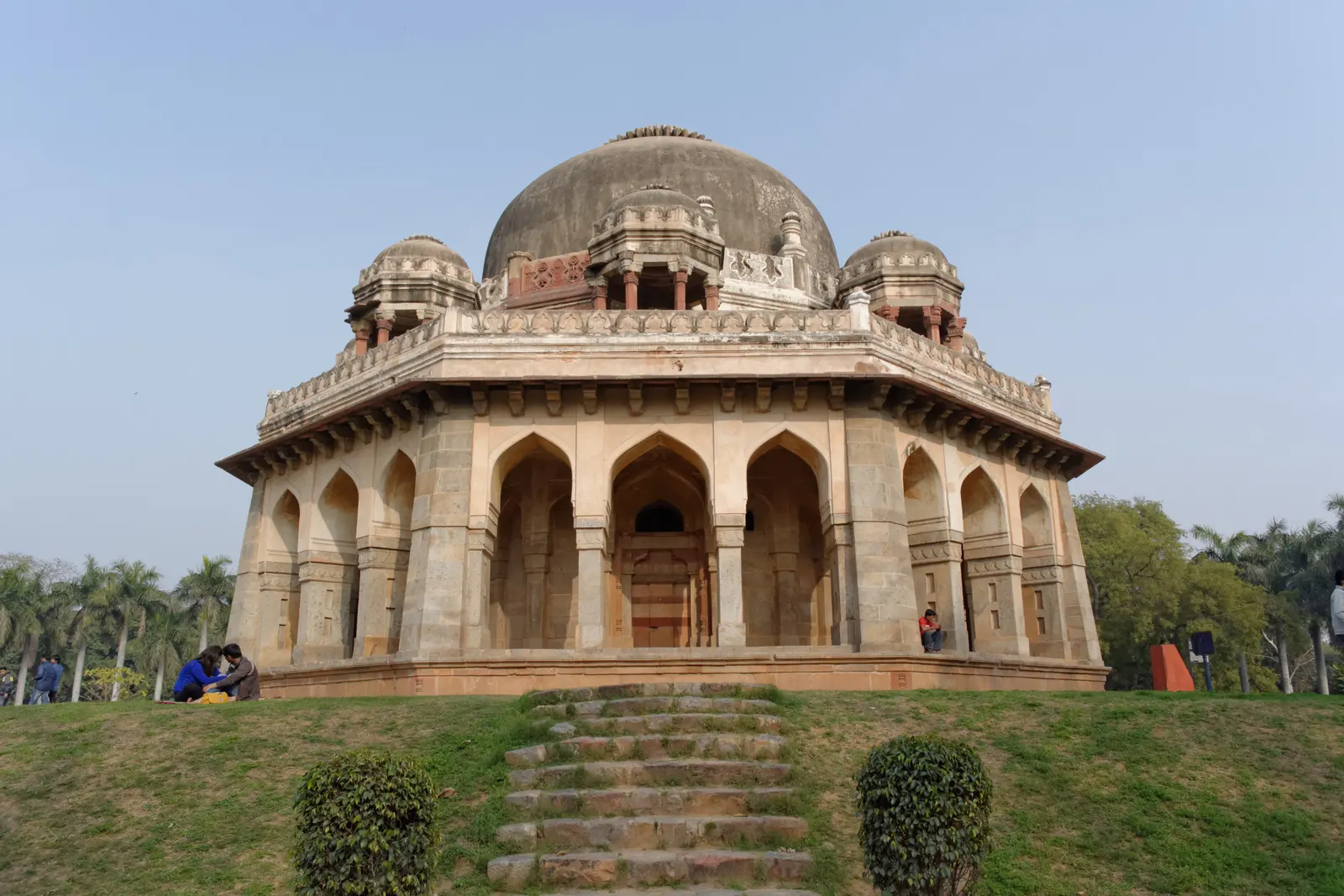 Heritage
Lodhi Garden: Delhi's Tombs, Timings & Complete Visit Guide
90 acres of landscaped green in the middle of South Delhi, dotted with 500-year-old tombs from the Sayyid and Lodi dynasties — Delhi's favourite morning-walk park doubling as an open-air museum.
 Heritage & Culture
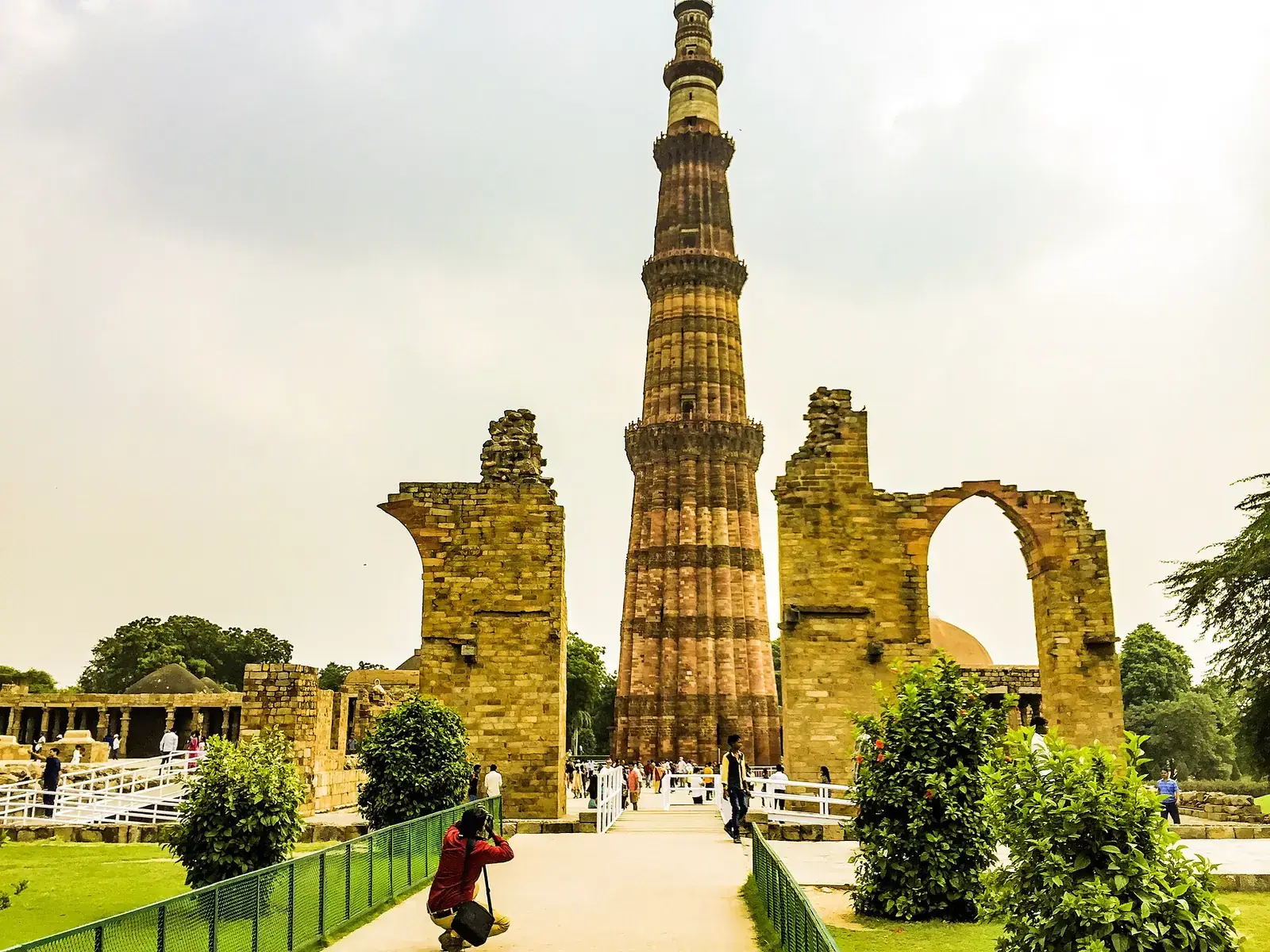
Qutub Minar: History and Visiting Guide
A visitor's guide to the Qutub Minar complex in Mehrauli, Delhi: the 72.5 m minaret begun under Qutbuddin Aibak and completed under Iltutmish, the Quwwat-ul-Islam mosque, the Gupta-era Iron Pillar, the Alai Darwaza and the unfinished Alai Minar, practicalities, the metro, and Mehrauli Archaeological Park nearby.
 Destination Guide
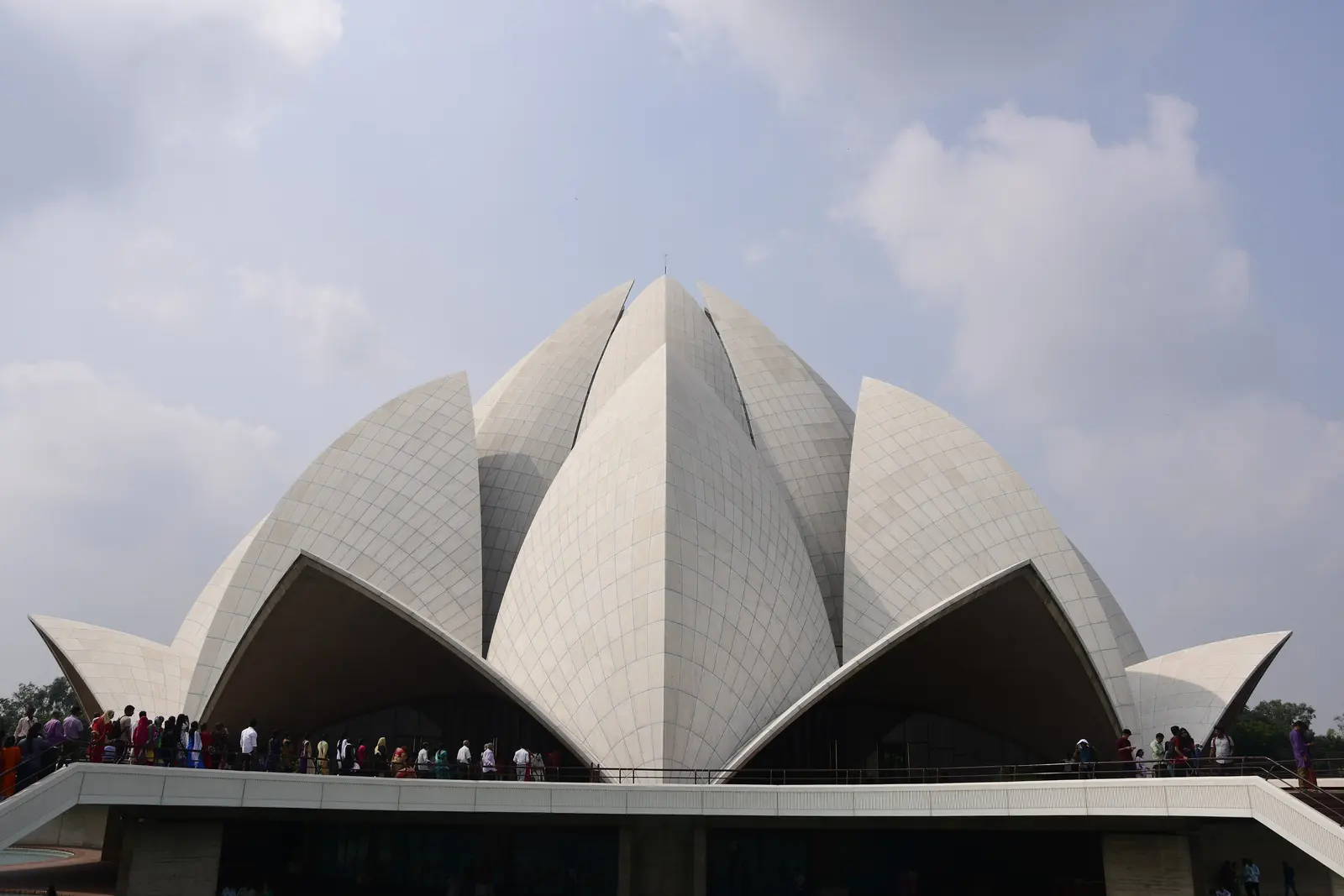
South Delhi Travel Guide: Best Areas & Things to Do
Hauz Khas, Greater Kailash, Saket, Vasant Kunj, Mehrauli, Lodhi Garden, and Chhatarpur Temple — a guide to Delhi's most affluent, green, and heritage-dense quarter, area by area.
 Heritage
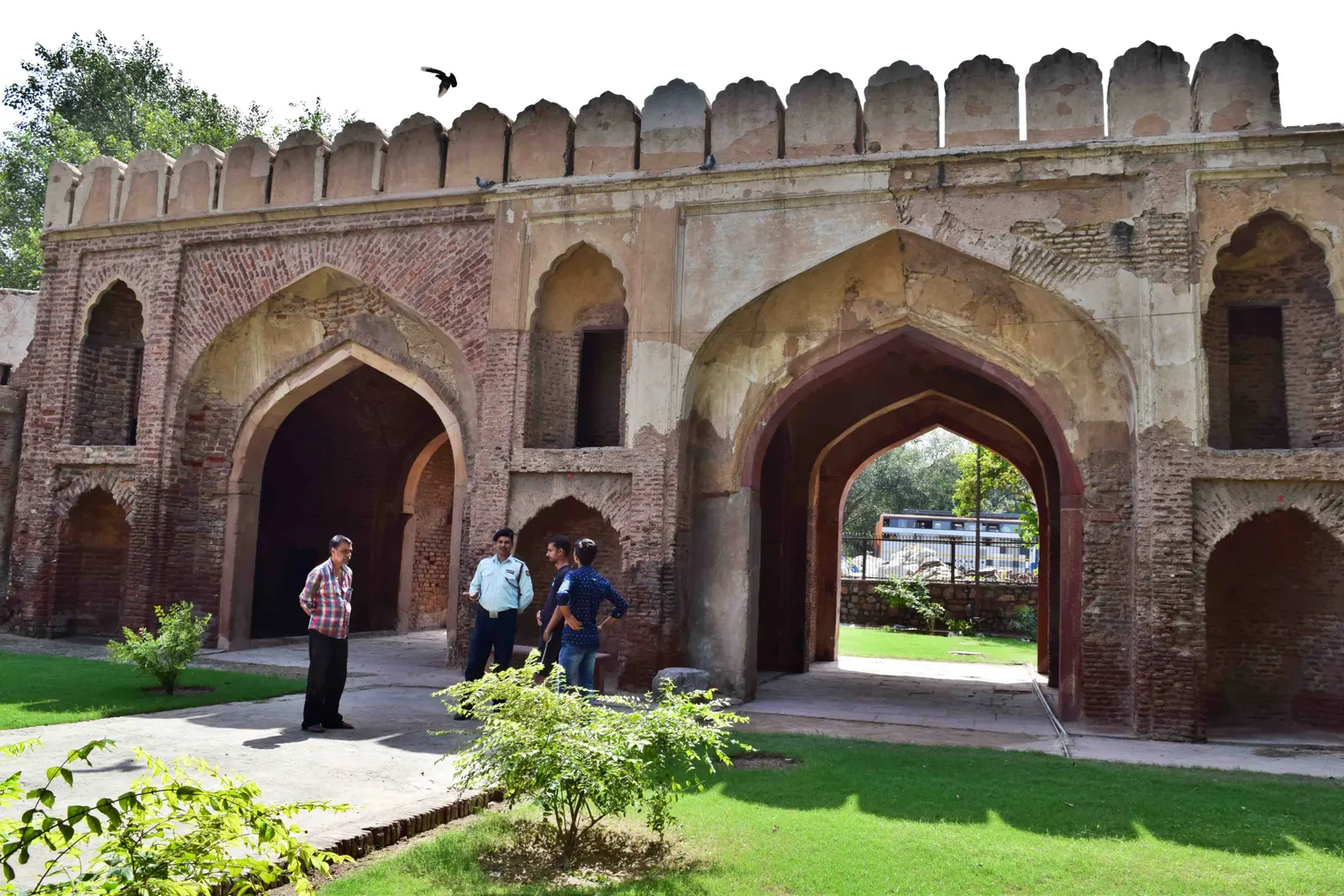
Kashmere Gate Travel Guide: History, 1857 Sites & the ISBT Hub
Shahjahanabad's northern gate, an 1857 Revolt battleground, St. James' Church, Nicholson Cemetery, and Delhi's biggest ISBT transit hub — with a suggested heritage-walk plan.