Najafgarh: A Historic Delhi Town
Najafgarh sits on Delhi's south-western edge, close to the Haryana border, and it's worth being upfront about what it is and isn't. This is not a mainstream tourist site with polished monuments and curated visitor experiences — it's a historic town that Delhi's urban sprawl gradually absorbed, named after the Mughal-era nobleman Nawab Najaf Khan, who built a fort here in the 18th century. Today it's a busy, semi-urban commercial hub, still carrying pockets of its small-town character despite the traffic, markets, and residential colonies that now define it.
What makes Najafgarh genuinely interesting isn't a single headline attraction — it's the layers. There's the Mughal-era military history behind its name, the Najafgarh Jheel, a natural wetland and drainage basin that was once ecologically significant and still draws some local interest despite decades of shrinkage, and its modern claim to fame as the hometown of former Indian cricketer Virender Sehwag, nicknamed the "Nawab of Najafgarh" in a direct nod back to the town's own history.
This guide is for travellers genuinely curious about offbeat Delhi — the parts of the city that don't show up on standard sightseeing lists but reward a bit of digging. If you're looking for a polished half-day itinerary of ticketed monuments, Najafgarh isn't that. If you're interested in how a Mughal-era outpost quietly became a Delhi suburb, and want to see the town where one of India's most famous cricketers grew up, it's a worthwhile detour — especially if you're already exploring nearby areas like Dwarka or Janakpuri.
🏘️ Najafgarh at a Glance
Best Time to Visit Najafgarh
Najafgarh shares Delhi's broader climate pattern, so the same seasonal logic applies here as anywhere else in the city — with one added consideration if a visit to the jheel is part of your plan.
- October – March: The most comfortable window, with cool, dry weather for walking through the market and any outdoor exploring around the jheel area.
- April – June: Extreme heat, often touching 42–45°C — best avoided unless you're keeping any outdoor time strictly to early morning.
- July – September: The monsoon is actually the best time to see the Najafgarh Jheel with any real water in it, since the basin fills seasonally with rain and drainage — though roads nearby can get waterlogged.
Our pick: A cool-weather morning between November and February for the town and market, or right after a good monsoon spell if the wetland itself is what draws you.
How to Reach Najafgarh
Najafgarh is well connected to the rest of Delhi, mostly thanks to the metro extension that reached it in the last decade.
- By Metro: Najafgarh Metro Station sits on the Delhi Metro's Grey Line, which connects through to Dwarka and links into the wider network from there — by far the easiest way in without dealing with South West Delhi's road traffic.
- By Road: Connected via Najafgarh Road and Dwarka to the rest of the city; expect slow-moving traffic through commercial stretches, particularly during market hours.
- By Bus: DTC buses run frequently between Najafgarh and other parts of Delhi, a cheap though slower option than the metro.
The History of Najafgarh
Najafgarh takes its name from Mirza Najaf Khan, a genuine 18th-century Mughal-era nobleman and military commander who rose to prominence as a general under Emperor Shah Alam II. Najaf Khan held territory and influence across parts of the Delhi region during a turbulent period for the declining Mughal empire, and he is credited with building a fort in this area — the origin of the town's name and its earliest identity as a fortified outpost rather than a simple village.
It's worth being honest here: little of Najaf Khan's original fort survives today in a form that draws sightseers the way Delhi's better-preserved Mughal monuments do. What remains is largely fragmentary and local rather than a maintained heritage site — the fort's real legacy is the name it left behind and the town's identity, more than a structure you can walk through.
For most of its history after that, Najafgarh existed as a fairly ordinary agricultural town on Delhi's rural fringe — a village economy of farming and small trade, well outside the boundaries of what most people would have considered "Delhi" for much of the 19th and 20th centuries. That changed as the capital's urban sprawl expanded outward through the second half of the 20th century and into the 2000s, gradually pulling Najafgarh into Delhi's administrative and physical footprint as a busy semi-urban locality rather than a distant village.
Najafgarh Jheel: A Shrinking Wetland
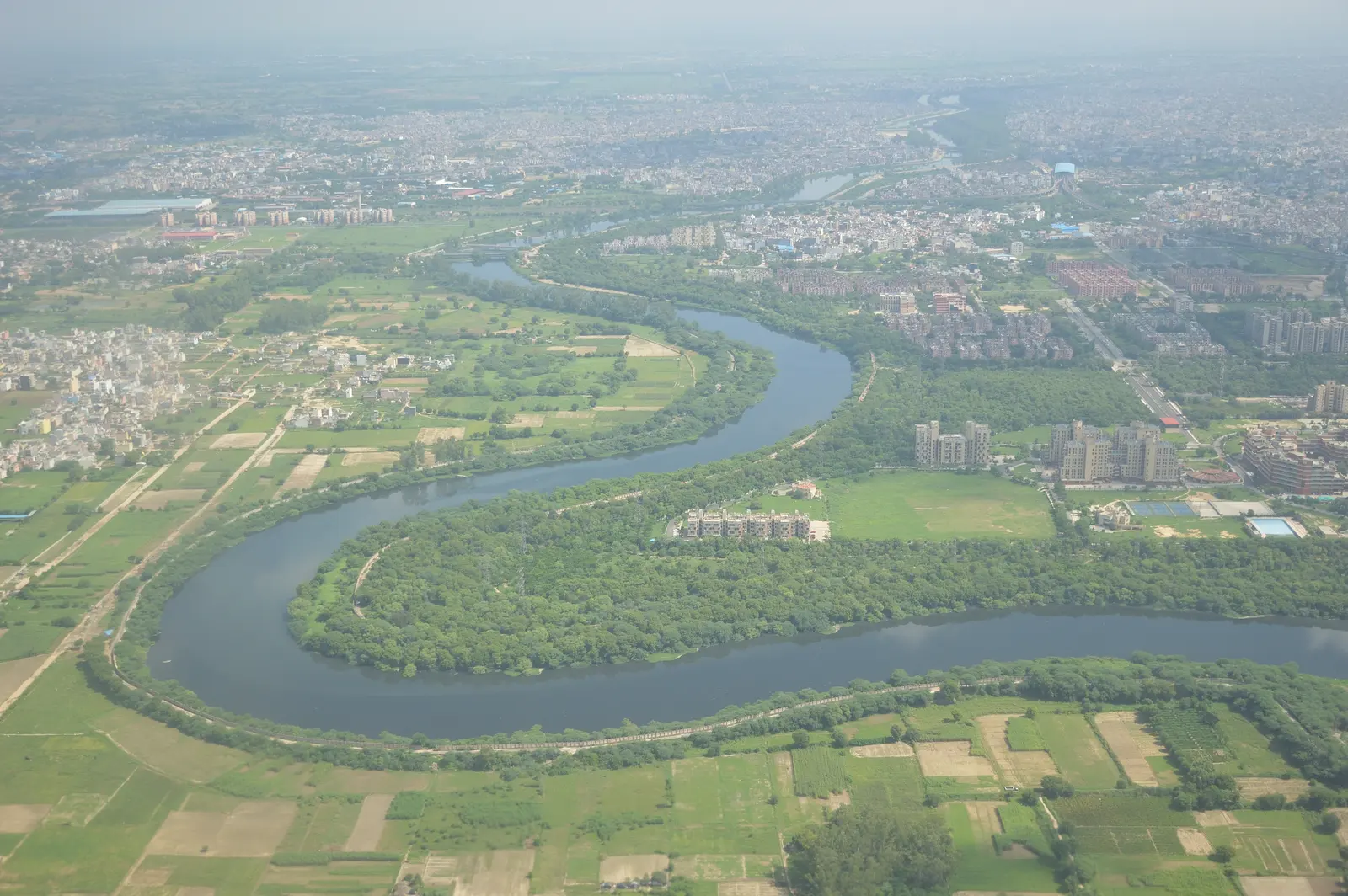
The Najafgarh Jheel is a natural depression and drainage basin straddling the border between Delhi and Haryana, historically fed by rainfall runoff and connected to the Sahibi River system. At its largest, it was a genuinely significant wetland — an important local ecosystem and a notable spot for migratory and resident birdlife in the wider Delhi-NCR region.
The honest picture today is considerably less romantic. Decades of urban expansion, agricultural encroachment, and diversion of its water sources have shrunk the jheel substantially from its historic extent, and much of what remains functions more as a drainage channel — often referred to locally as the Najafgarh drain — than as an intact wetland. Conservation and restoration efforts have been discussed and attempted at various points, but the jheel's condition varies considerably by season and by location along the basin.
We'd frame a visit here as a point of local ecological and historical interest rather than a polished tourist attraction — worthwhile if you're genuinely curious about Delhi's disappearing wetlands or interested in birdwatching outside the city's more established spots, but go in with realistic expectations rather than picturing a maintained lake or park.
The "Nawab of Najafgarh": Virender Sehwag
In modern times, Najafgarh's best-known association by far is cricket. Virender Sehwag, one of India's most explosive opening batsmen and a genuine fixture of the Indian national team through the 2000s and early 2010s, grew up in Najafgarh and trained locally before breaking into international cricket. His aggressive, attacking style of batting earned him the popular nickname the "Nawab of Najafgarh" — a direct, deliberate callback to the same Nawab Najaf Khan whose fort gave the town its name centuries earlier.
The connection is a genuine source of local pride, and it's visible on the ground — several cricket academies and coaching centres in and around Najafgarh reference Sehwag or the "Nawab" nickname directly, and the town is routinely name-checked in Indian cricket commentary and media whenever Sehwag's background comes up. For cricket fans specifically, that's arguably Najafgarh's single most tangible point of interest — more so than any formal sightseeing stop.
The Market & Everyday Town Life
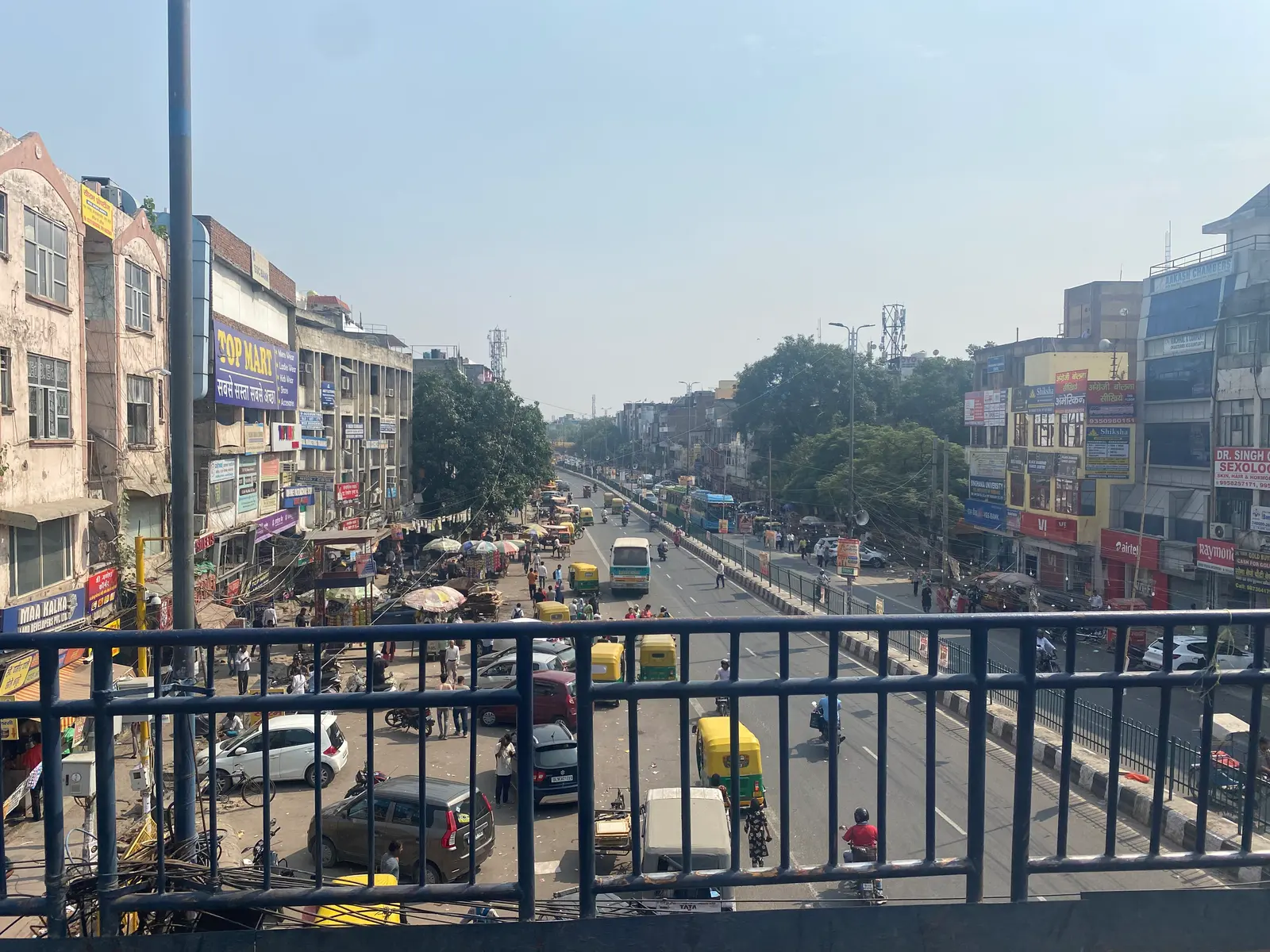
Beyond the history and the cricket connection, Najafgarh's real character today is in its everyday rhythm — a dense, functional local market strip lined with clothing shops, hardware stores, food stalls, and the kind of small businesses that serve a genuine residential population rather than tourists. It's a useful contrast to central Delhi's more curated shopping districts: busy, unpolished, and entirely built around local needs.
Traces of Najafgarh's agricultural roots are still visible on its outer edges, where fields and smaller settlements persist even as denser residential colonies encroach from the direction of Dwarka. Walking or driving through this transition — dense commercial market giving way to semi-rural outskirts within a few kilometres — is itself a useful, honest snapshot of how Delhi's urban sprawl has absorbed towns like this one over the past few decades.
A Suggested Short Visit
Najafgarh doesn't need a full day, and we wouldn't recommend building an entire itinerary around it — treat it as a focused half-day detour for travellers genuinely curious about offbeat Delhi history, ideally combined with nearby areas.
Arrive & Explore the Market
- ✓Take the Grey Line metro to Najafgarh station
- ✓Walk through the main market strip
- ✓Ask locally about any remaining fort-related landmarks
Najafgarh Jheel (Optional)
- ✓Head toward the jheel/drain area if birdwatching or wetlands interest you
- ✓Best after monsoon when water levels are higher
- ✓Go with modest expectations — this is a working basin, not a park
Cricket Connection & Onward
- ✓Pass by local cricket academies referencing Sehwag or the 'Nawab' nickname
- ✓Continue on to Dwarka or Janakpuri via the Grey Line
- ✓Wrap up before evening market traffic peaks
* There's no formal tourist infrastructure here — no ticket counters, guided tours, or English signage aimed at visitors, so this suits independent, curious travellers more than a first-time Delhi sightseeing stop.
Budget Breakdown
Najafgarh is inexpensive by design — there are no entry fees or ticketed attractions, and costs are limited to transport and food.
| Expense | Budget | Mid-Range | Comfort |
|---|---|---|---|
| Metro fare (round trip) | ₹60 | ₹60 | ₹60 |
| Local transport (auto/e-rickshaw) | ₹50 | ₹150 | ₹400 (cab) |
| Food (market stalls / dhaba) | ₹150 | ₹350 | ₹700 |
| Entry fees | ₹0 | ₹0 | ₹0 |
| Half-day total (approx.) | ₹260 | ₹560 | ₹1,160 |
* Excludes travel to Delhi. This is a low-cost, half-day local excursion rather than a multi-day trip.
Essential Tips for Visiting Najafgarh
- Set realistic expectations: This is a working Delhi suburb with historical layers, not a curated tourist attraction — go for the story, not for polished sightseeing.
- Use the Grey Line metro: By far the easiest way in and out, especially if combining with Dwarka or Janakpuri.
- Ask locally about the fort and jheel: Neither has formal signage or a visitor centre — local shopkeepers and residents are usually the best source of current, on-the-ground information.
- Visit the jheel after monsoon: Water levels and any birdlife are far more likely to be visible from July–September onward than in peak summer.
- Keep it as a half-day add-on: Pair it with a visit to nearby Dwarka or Janakpuri rather than building a standalone day trip around Najafgarh alone.
✅ Do
- →Take the Grey Line metro directly to Najafgarh
- →Go in with curiosity about local history, not a checklist
- →Ask locals about the fort and jheel's current state
- →Combine the trip with Dwarka or Janakpuri
- →Visit the jheel post-monsoon for the best chance of water
❌ Don't
- →Expect an intact, ticketed Mughal fort
- →Picture the jheel as a maintained lake or park
- →Plan a full day around Najafgarh alone
- →Expect tourist infrastructure or English signage
- →Skip checking current jheel access — it varies by season
Frequently Asked Questions
Why is Najafgarh famous?
Najafgarh is known for two very different things — its layered history as a fortified 18th-century Mughal-era outpost founded around a fort built by Nawab Najaf Khan, and, in modern times, as the hometown of former Indian cricketer Virender Sehwag, who is popularly nicknamed the 'Nawab of Najafgarh' after the same historical figure. It's also home to the Najafgarh Jheel, a natural wetland and drainage basin on Delhi's south-western edge.
Is Najafgarh Jheel worth visiting?
Only if your interest is genuinely in local ecology or Delhi's disappearing wetlands rather than a polished tourist attraction. Much of the historic jheel has shrunk and been encroached upon over the decades, and what remains is a working drainage basin straddling the Delhi-Haryana border rather than a maintained park. It can be worth a stop for birdwatchers or anyone curious about the area's ecological history, but don't expect facilities or a curated experience.
Why is Virender Sehwag called the Nawab of Najafgarh?
The nickname plays on Sehwag's hometown and the area's historical association with Nawab Najaf Khan, the Mughal-era noble after whom Najafgarh is named. Sehwag grew up in Najafgarh and trained locally before going on to become one of India's most aggressive opening batsmen, and the town takes genuine pride in the connection — several local cricket academies reference it.
How do I reach Najafgarh by metro?
Najafgarh has its own station, Najafgarh Metro Station, on the Delhi Metro's Grey Line, which connects it to Dwarka and onward to the wider network via interchange stations. It's the most straightforward way to reach the town without dealing with South West Delhi's traffic.
Is there an actual fort still standing in Najafgarh?
Only fragments and local references remain rather than an intact, visitable monument. Najaf Khan's fort dates to the 18th century, and while it shaped the town's name and early layout, much of the original structure has not survived in a state that draws sightseers the way better-preserved Delhi forts do. Treat any remaining trace as a point of historical interest rather than a monument visit.
What is Najafgarh like today?
It's a busy, semi-urban commercial hub on Delhi's south-western fringe — dense markets, residential colonies, and a still-agricultural hinterland nearby, all reflecting its shift from a village and small town into part of Delhi's urban sprawl. It isn't set up as a tourist destination, but it retains a small-town character that's genuinely different from central Delhi.
Is Najafgarh safe and easy to visit for a day trip?
Yes, as a daytime local excursion it's straightforward — it's a regular residential and commercial part of Delhi, well connected by metro and road. There isn't a dedicated tourist infrastructure (no visitor centre, curated sites, or English signage aimed at travellers), so this suits curious, independent visitors more than a first-time Delhi itinerary stop.
Published by the Kudozz Club editorial team · Last updated · How we research our guides
Want us to plan this trip for you?
Tell Kudozz Club where you want to go and what kind of trip you’re looking for. We’ll build a Delhi itinerary around your dates and budget.
Continue Exploring
View all guides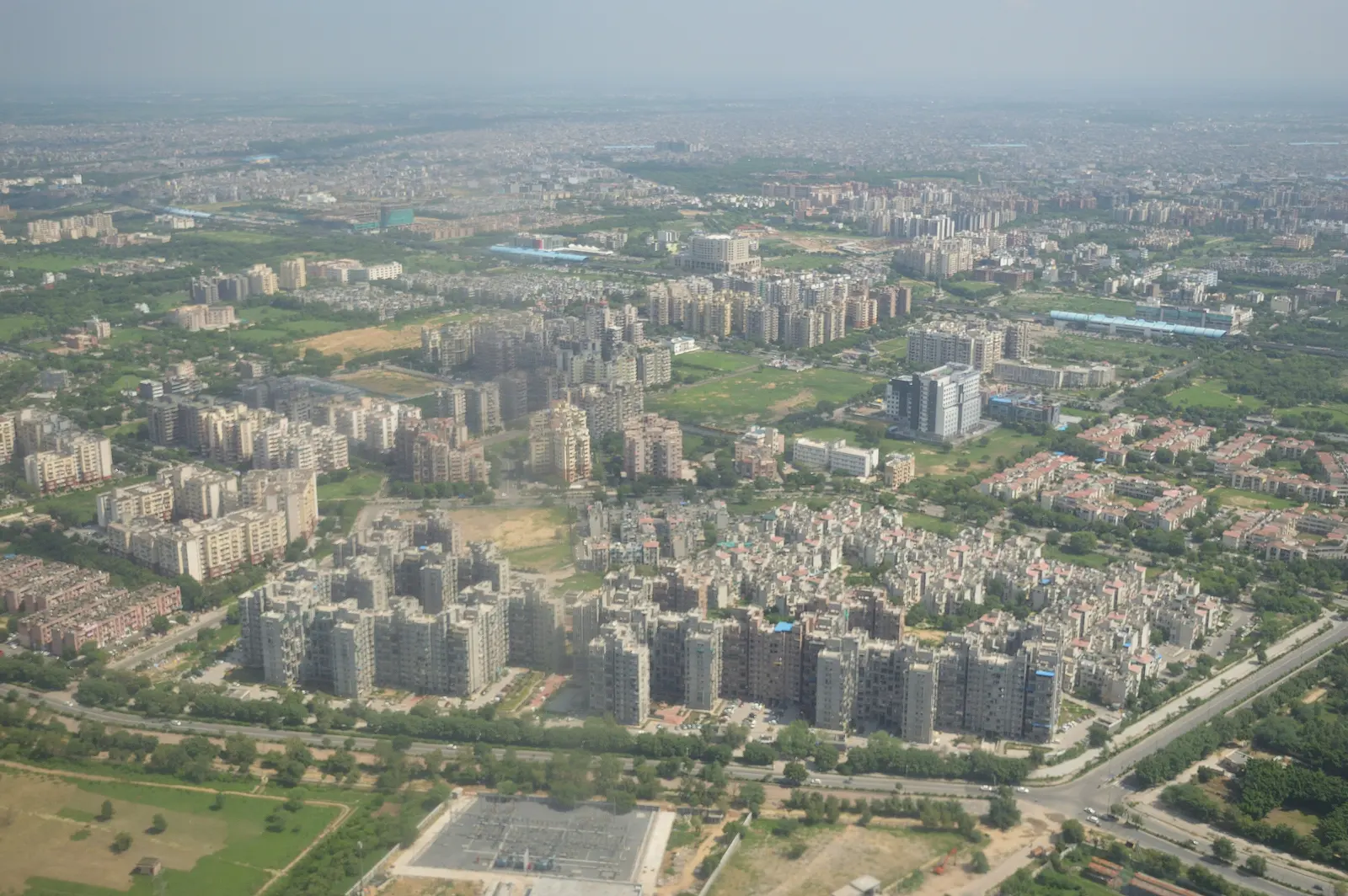 Destination Guide
Dwarka, Delhi Travel Guide: Sub-City & ISKCON Temple
One of Asia's largest planned sub-cities, minutes from IGI Airport — Dwarka's ISKCON Temple, sector markets, and metro access. Not Dwarka, Gujarat.
 Off-beat
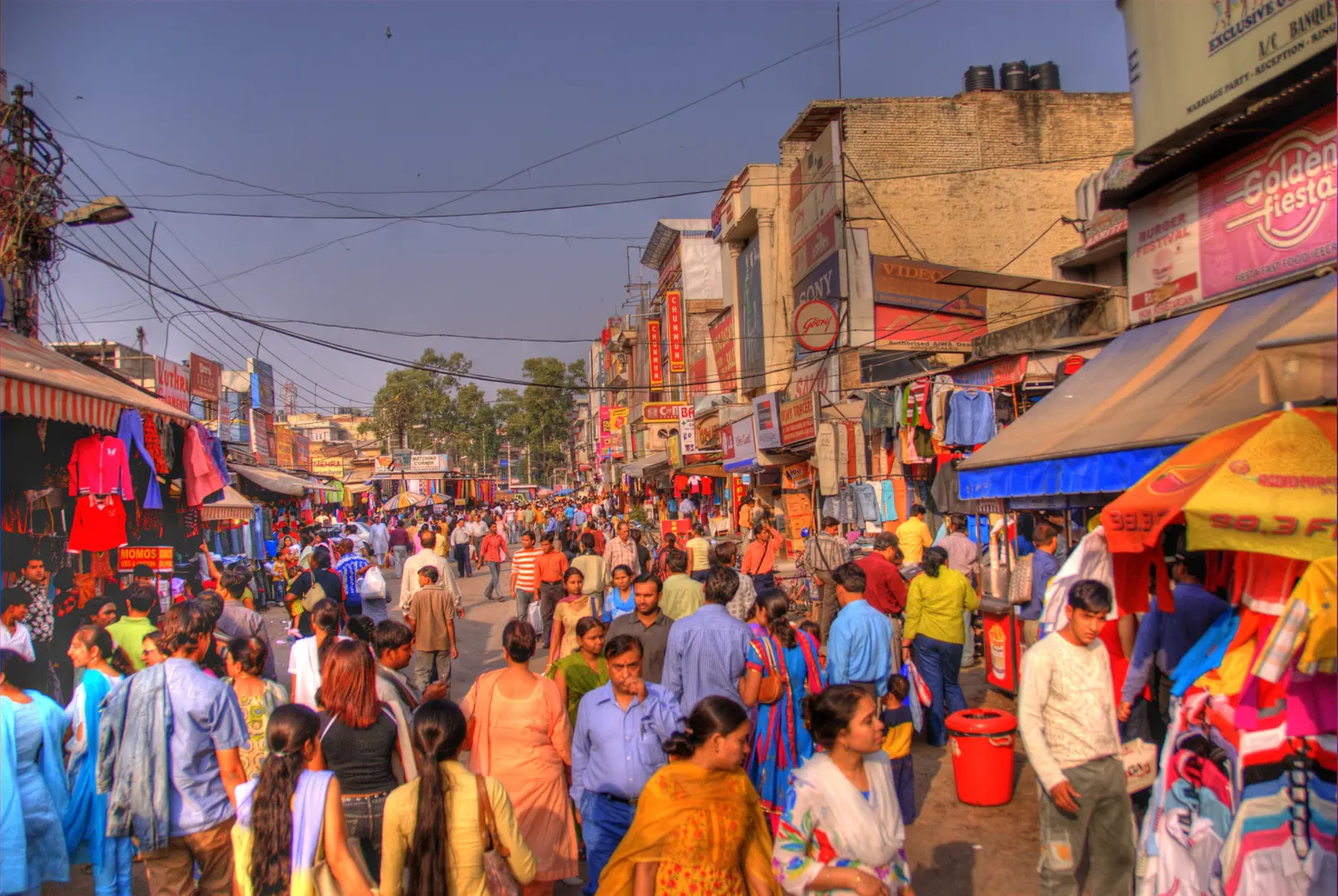
Lajpat Nagar Travel Guide: Central Market & More
One of Delhi's most beloved shopping neighbourhoods — Central Market's ethnic wear and bridal shopping, the Tibetan Market next door, bargaining etiquette, and a practical half-day plan.
 Off-beat
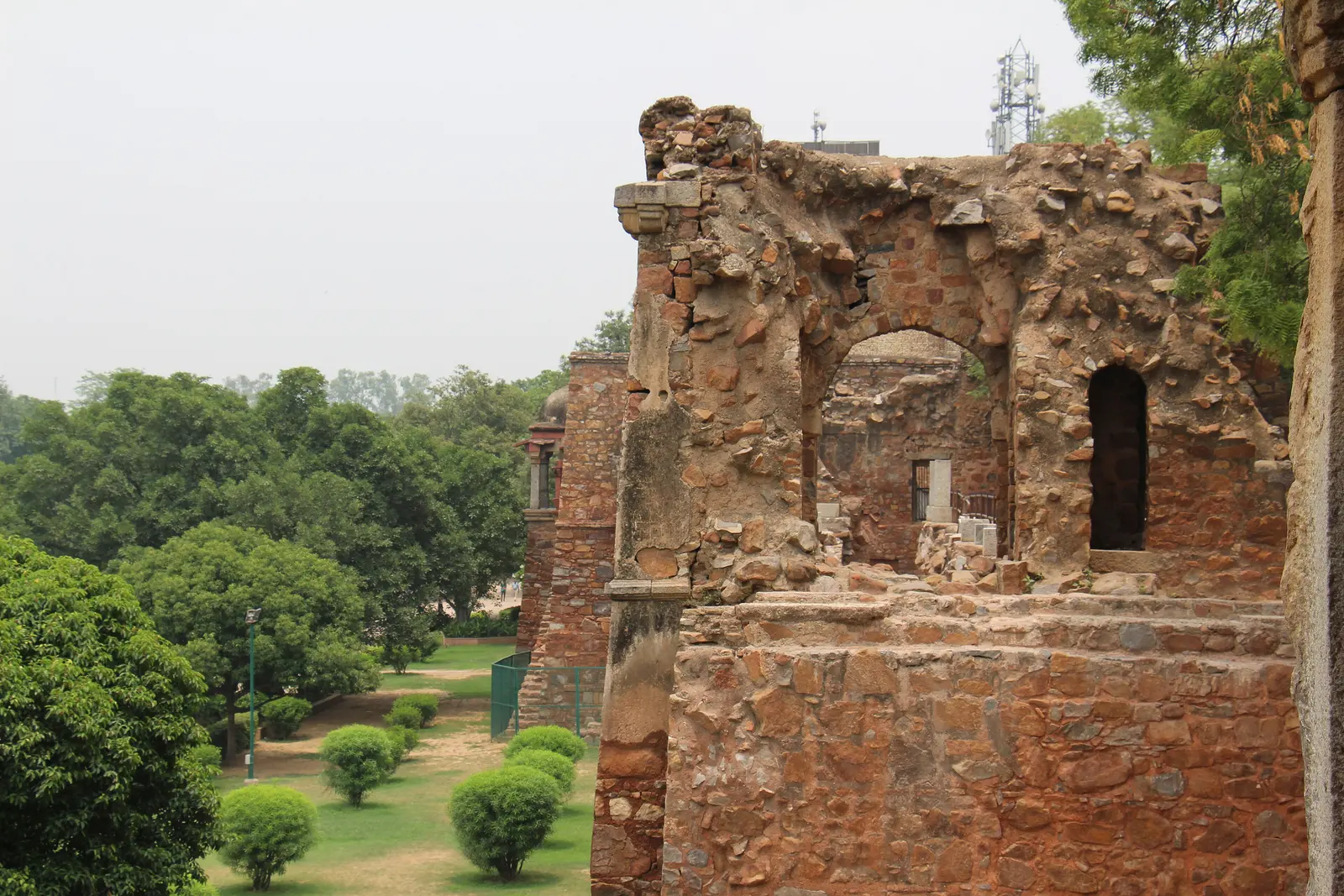
Hauz Khas Travel Guide: Village, Deer Park & Fort Ruins
A 700-year-old royal reservoir and madrasa ruins sit right beside Delhi's trendiest boutique-and-nightlife village — the complete Hauz Khas guide.
 Off-beat
Laxmi Nagar, Delhi: Market, Coaching Hub & Local Food Guide
A local's guide to Laxmi Nagar, Delhi — East Delhi's dense market-and-coaching neighbourhood, its UPSC/SSC institute ecosystem, PG accommodation, street food, and how to reach it by metro.