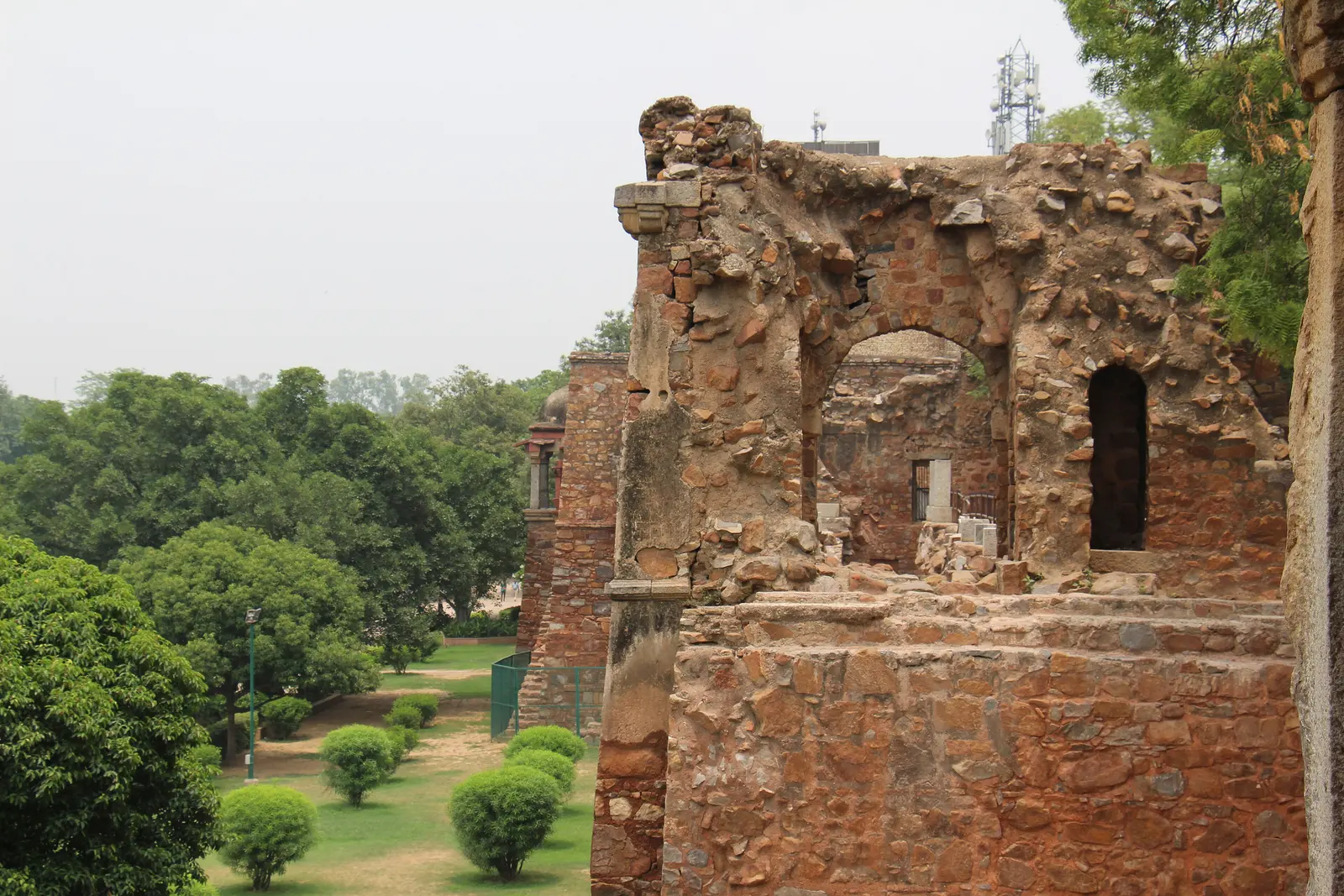
Ruins Beside the Village: Hauz Khas's Strange, Great Contrast
Few neighbourhoods in Delhi pull off a contrast quite like Hauz Khas. On one side of a tree-lined park: a 700-year-old royal reservoir, the crumbling stone arches of a medieval madrasa, and the tomb of a Sultanate-era emperor, all quiet enough that peacocks and spotted deer wander through undisturbed. On the other side, a five-minute walk away: rooftop cocktail bars, independent fashion boutiques, art galleries, and some of the city's best-regarded café food — one of Delhi's most self-consciously trendy pockets, built almost literally on top of a 14th-century ruin.
The name itself tells half the story. Hauz Khas translates to "royal tank" or "royal reservoir" — hauz meaning tank or reservoir, khas meaning royal or special. The reservoir was built around the 1290s by Sultan Alauddin Khalji to supply water to Siri Fort, his newly founded second city of Delhi. It silted up and fell out of use within a century, until Firoz Shah Tughlaq restored it in the 14th century and built a madrasa — one of the era's most important centres of Islamic learning — along with his own tomb, right on the reservoir's edge. That complex of ruins, still standing, is what most people mean when they say "Hauz Khas Fort" today.
The modern "village" layer came much later, and almost by accident — a cluster of urban-village houses that, from the 1980s onward, slowly filled with boutiques, galleries and cafés drawn by the cheap rents and the genuinely striking backdrop of the ruins and lake. The result is a neighbourhood where you can walk from silent medieval stonework into a rooftop bar in under ten minutes — and honestly, doing exactly that is the best way to spend an afternoon and evening here.
🦌 Hauz Khas at a Glance
Interested in the history? See our guide to heritage in Delhi.
Best Time to Visit Hauz Khas
Hauz Khas works on two different clocks — the ruins and park are a daytime experience, while the Village really comes alive after dark. The best visits stitch both together in a single late-afternoon-to-night outing.
Cool, dry evenings (10–26°C) make sunset walks by the reservoir and rooftop dinners genuinely pleasant — the best window for both halves of Hauz Khas.
Daytime highs regularly cross 40°C, making the Deer Park unpleasant by midday. Evenings in the Village stay bearable and busy year-round.
The Deer Park turns genuinely green and photogenic, though sudden showers can cut a walk short. Rooftop bars sometimes shift indoors.
Comfortable temperatures for walking, though Delhi's winter air quality can dull long-distance views across the reservoir on bad days.
Our pick: arrive at the Deer Park and Fort ruins about 90 minutes before sunset, any time October through March. You get the golden light over the reservoir, then walk straight into the Village as its cafés and bars switch on for the evening.
How to Reach Hauz Khas
Hauz Khas sits in South Delhi, close to Green Park and South Delhi's cluster of upscale residential colonies, and it's one of the more straightforward Delhi neighbourhoods to reach without a car.
- By Metro: Hauz Khas station is an interchange between the Yellow Line and the Magenta Line, making it directly reachable from most parts of the city without a change of line for many routes. It's by far the easiest way in.
- By Auto-rickshaw or app cab: Widely available from anywhere in South Delhi; useful for the final stretch since the walk from the metro station into the Village involves crossing a busy road.
- On foot within the neighbourhood: Once you're in, everything — the Deer Park entrance, the Fort ruins, and the Village lanes — is within a 10–15 minute walk of each other.
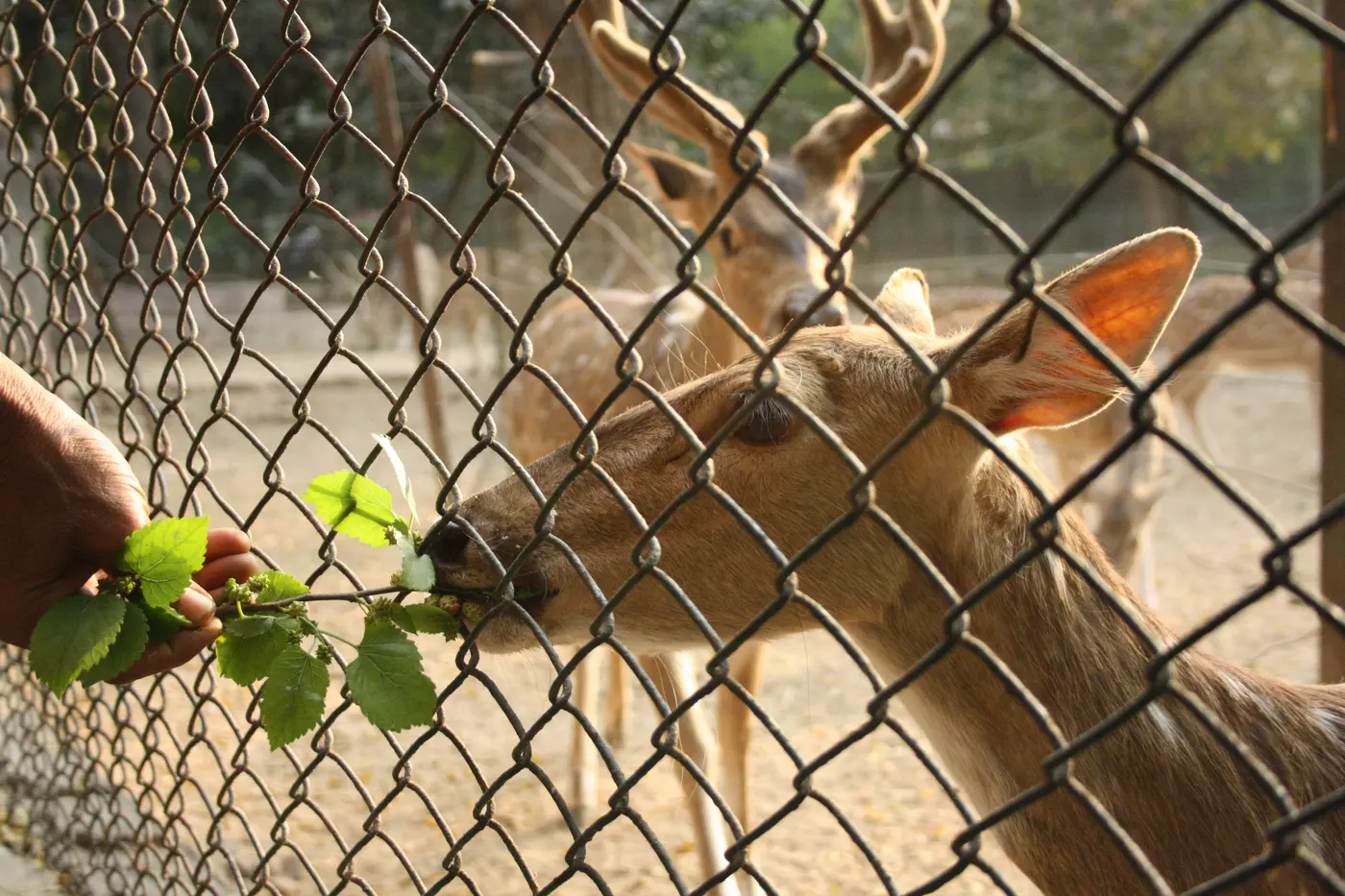
Hauz Khas Complex & Deer Park
The historical heart of the neighbourhood is the Hauz Khas Complex, an ASI-protected site spread across the reservoir's southern and eastern banks. It's genuinely one of the more atmospheric ruin complexes in Delhi, and far less crowded than heavyweights like the Qutub Minar complex in Mehrauli.
- The reservoir (hauz): Originally built by Alauddin Khalji in the 1290s to supply Siri Fort, it once covered a much larger area than the shrunken lake visible today. Walking paths now trace its surviving edge, shaded by old trees.
- The madrasa ruins: Firoz Shah Tughlaq's 14th-century Islamic seminary, its L-shaped colonnades and domed pavilions built directly into the slope overlooking the water — one of the most significant madrasas of the Delhi Sultanate era, and still strikingly intact for its age.
- Firoz Shah Tughlaq's tomb: A domed stone structure at the complex's edge, where the emperor who restored the reservoir and built the madrasa is himself buried — a fitting, slightly poignant end to the site's medieval story.
- Deer Park: The green space adjoining the ruins, home to a fenced enclosure of spotted deer alongside peacocks and a wide range of birdlife, plus jogging and walking trails used heavily by locals morning and evening.
Entry to the entire complex — ruins and park — is free, with no ticket counter, and it's open roughly sunrise to sunset. Give yourself at least an hour to actually walk through the madrasa's colonnades and along the lakeside path rather than just glancing at it from the entrance.
Hauz Khas Village: Boutiques, Galleries & Nightlife
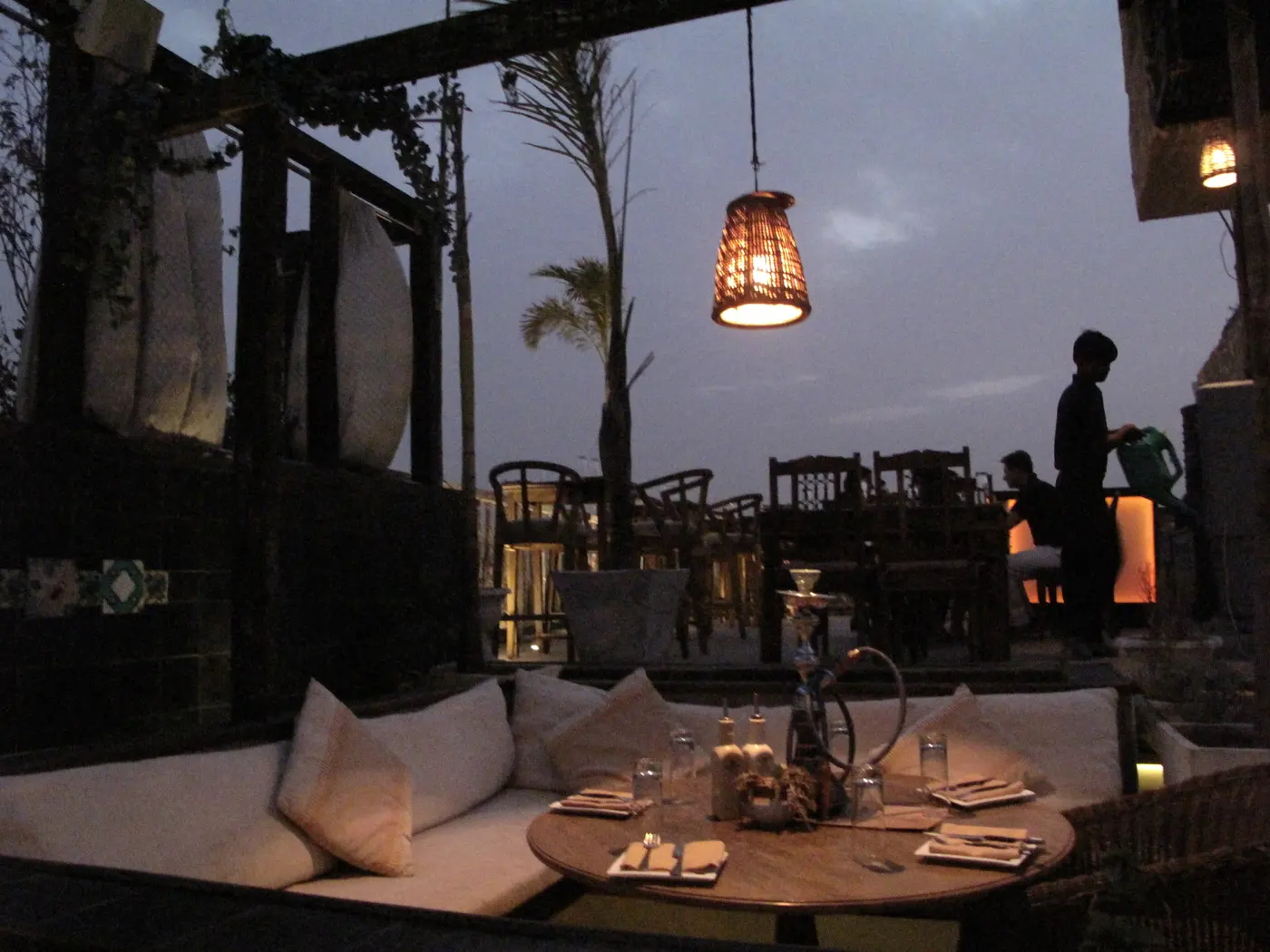
Step out of the park gate and the mood flips completely. Hauz Khas Village is a maze of narrow lanes packed into what was originally a small urban settlement, now filled almost wall-to-wall with independent fashion boutiques, art galleries, design studios, and — above all — cafés and bars, many of them stacked on multiple rooftop levels overlooking the lake and ruins.
- Boutique shopping: The Village is one of Delhi's best spots for independent Indian fashion labels, home décor, and design pieces you won't find in the city's larger malls — worth a slow browse rather than a rushed shopping trip.
- Art galleries: Several small, independent galleries are tucked into the lanes, showing contemporary Indian art in a far more relaxed, walk-in setting than the city's larger institutional spaces.
- Rooftop cafés and bars: The neighbourhood's real calling card — multi-level rooftop spaces with direct views over the reservoir and Fort ruins, especially atmospheric once the ruins are lit up after dark.
- Nightlife scene: Hauz Khas Village is one of Delhi's most established nightlife pockets, with a mix of lounge bars, live-music spots and late-night cafés drawing a young, mixed crowd well into the night, especially on weekends.
The genuinely unusual thing about Hauz Khas Village is how literally the two identities overlap — order a drink on the right rooftop and you're looking straight down at a 700-year-old madrasa while doing it.
Photography Tips
- Sunset over the reservoir: The single best shot in the neighbourhood — golden light hitting the madrasa's domes and colonnades with the lake in the foreground. Position yourself on the lakeside path roughly 30–40 minutes before sunset for the best light.
- Through the madrasa's arches: The ruins' arched doorways and window openings frame the water and far bank beautifully — worth working the structure itself rather than only shooting it from outside.
- Rooftop views after dark: Several Village cafés and bars offer direct, elevated views back over the illuminated ruins — a genuinely different, moodier version of the same scene shot in daylight.
- Street art and shopfronts: The Village's lanes have their share of murals, quirky shopfronts and design details worth a wander with a camera, especially in the softer light of late afternoon before the evening crowds fill the lanes.
- Wildlife in the Deer Park: Early morning or late afternoon give the best chance of photographing deer and peacocks active rather than resting in shade during the heat of the day.
Suggested Half-Day Hauz Khas Itinerary
Hauz Khas is best treated as a single, flowing half-day outing that moves from history into nightlife as the light fades — here's a timeline that works well for a first visit.
Deer Park & Reservoir
- ✓Enter via the Deer Park gate near the metro
- ✓Walk the lakeside path, spot deer and peacocks
- ✓Head toward the Fort ruins as light softens
Hauz Khas Complex Ruins
- ✓Explore the madrasa colonnades and pavilions
- ✓Visit Firoz Shah Tughlaq's tomb
- ✓Catch golden-hour light over the water
Into the Village
- ✓Browse boutiques and a gallery or two
- ✓Grab a window or rooftop table before it fills up
- ✓Watch the ruins light up as dusk sets in
Dinner & Nightlife
- ✓Dinner at a Village café or rooftop restaurant
- ✓Move to a bar or lounge for the evening
- ✓Metro or app cab back — station is a short walk
* Remember the Deer Park and Fort ruins close at sunset — do the historical half first, then let the evening carry you into the Village.
Where to Eat in Hauz Khas
Hauz Khas Village is one of the more cosmopolitan pockets of Delhi's dining scene — a sharp contrast to the street-food traditions of Old Delhi, and worth visiting specifically for that variety.
- Rooftop multi-cuisine restaurants: The Village's signature dining format — layered rooftop terraces serving everything from Italian and Continental to modern Indian fusion, most with direct views over the lake and ruins.
- Independent cafés: Slow-paced, design-forward cafés tucked into the lanes, popular for brunch, coffee and all-day light meals — a genuine draw for the neighbourhood's design and arts crowd.
- Craft cocktail bars: A strong, growing scene of small bars focused on craft cocktails and curated drinks menus rather than standard nightclub fare.
- Budget eats near the metro: Simple dhabas and quick-service spots near Hauz Khas metro station and along the main road, useful if the Village's café prices don't fit your budget for every meal.
Budget Breakdown
Entry to the ruins and Deer Park is free, so your spend at Hauz Khas is almost entirely a function of how much time — and money — you put into the Village's cafés, restaurants and bars.
| Expense | Budget | Mid-Range | Splurge |
|---|---|---|---|
| Fort & Deer Park entry | Free | Free | Free |
| Café meal / coffee | ₹300 | ₹700 | ₹1,500 |
| Rooftop dinner (per person) | ₹600 | ₹1,500 | ₹3,500 |
| Drinks at a bar (per person) | ₹500 | ₹1,200 | ₹3,000 |
| Local transport (metro + auto) | ₹100 | ₹300 | ₹800 |
| Total per visit | ₹1,000 – ₹1,500 | ₹2,500 – ₹3,500 | ₹6,000+ |
* Village restaurant and bar prices run noticeably higher than most of Delhi — a fair trade-off many visitors make for the setting and the view.
Essential Tips for Visiting Hauz Khas
- Visit the ruins before the Village: The Deer Park and Fort close at sunset — see them first, then let the evening flow naturally into the Village's cafés and bars.
- Wear comfortable shoes: The madrasa ruins involve steps, ledges and uneven stone surfaces; the Village's lanes are cobbled and narrow.
- Book ahead on weekends: Popular rooftop restaurants and bars fill up fast on Friday and Saturday evenings — a reservation saves a long wait.
- Carry cash for smaller shops: Most Village boutiques and cafés accept cards or UPI, but a few smaller stalls and street vendors near the metro still prefer cash.
- Combine it with nearby South Delhi: Hauz Khas pairs naturally with a wider South Delhi day that might also include Lodhi Garden or the older monuments of Mehrauli.
- Respect the wildlife: The deer are kept in a fenced enclosure — don't feed them or attempt to enter the enclosure for photos.
✅ Do
- →Visit the Fort ruins and Deer Park before sunset
- →Take the metro — Hauz Khas station is an easy interchange
- →Book rooftop restaurants ahead on weekends
- →Wear comfortable shoes for uneven ruin stonework
- →Walk the lakeside path for the best golden-hour views
- →Pair the visit with Lodhi Garden or Mehrauli nearby
❌ Don't
- →Try to visit the ruins after dark — they close at sunset
- →Feed or approach the deer in their enclosure
- →Skip a reservation for popular rooftops on weekends
- →Confuse the Fort complex with the Village — see both
- →Wander the ruins in slippery footwear on rainy days
- →Expect budget-Delhi prices inside the Village itself
Frequently Asked Questions
Is Hauz Khas Village and Hauz Khas Fort the same place?
No, but they sit right next to each other and are usually visited together. Hauz Khas Fort (also called the Hauz Khas Complex) is the ASI-protected historical site — the reservoir, madrasa ruins and tombs. Hauz Khas Village is the adjacent urban neighbourhood of boutiques, art galleries, cafés and bars, built on what was originally the village that grew up around the monument. A short walk connects the two.
Is Hauz Khas good for a day trip?
Yes — Hauz Khas works well as a half-day addition to a Delhi itinerary, or a full afternoon-into-evening outing. Most visitors spend an hour or two at the Deer Park and Fort ruins in the late afternoon, then move into the Village for shopping, dinner and drinks as the sun goes down, which is really the ideal way to experience both sides of the neighbourhood in one visit.
What is the entry fee for Hauz Khas Fort?
Entry to the Hauz Khas Complex (the fort, madrasa ruins and Deer Park) is free, with no ticket counter — it's a public ASI-protected monument and park open to all. This is unusual for a site of this historical significance, since most major Delhi monuments like Humayun's Tomb or the Qutub Minar charge an entry fee.
Is Hauz Khas safe at night?
Hauz Khas Village is generally considered one of Delhi's safer nightlife areas, well lit, busy with foot traffic, and popular with a young, mixed crowd well into the night. As with any nightlife district, stick to main lanes, use app-based cabs rather than hailing unknown vehicles late at night, and keep an eye on belongings in crowded rooftop venues. The Deer Park and Fort ruins themselves close at sunset and shouldn't be visited after dark.
What are the timings for Hauz Khas Deer Park and the Fort ruins?
The Deer Park and Hauz Khas Complex are typically open from sunrise to sunset, roughly 7 AM to 6 PM depending on the season, and closed after dark. Hauz Khas Village's cafés, bars and shops keep much later hours, with the nightlife scene often running past midnight.
How do I reach Hauz Khas by metro?
Hauz Khas metro station sits on the Yellow Line and is also an interchange with the Magenta Line, making it one of the easier neighbourhoods in Delhi to reach directly by metro. From the station, it's roughly a 10–15 minute walk to both the Village lanes and the entrance to the Deer Park and Fort complex.
Who built Hauz Khas and what does the name mean?
Hauz Khas translates roughly to 'royal tank' or 'royal reservoir'. The reservoir was originally built around the 1290s by Sultan Alauddin Khalji to supply water to Siri Fort, his newly founded second city of Delhi. Around a century later, Firoz Shah Tughlaq restored the silted-up reservoir, and added a madrasa (Islamic seminary) and his own tomb along its banks in the 14th century — the ruins that still stand today.
Published by the Kudozz Club editorial team · Last updated · How we research our guides
Want us to plan this trip for you?
Tell Kudozz Club where you want to go and what kind of trip you’re looking for. We’ll build a Delhi itinerary around your dates and budget.
Continue Exploring
View all guides Destination Guide
South Delhi Travel Guide: Best Areas & Things to Do
Hauz Khas, Greater Kailash, Saket, Vasant Kunj, Mehrauli, Lodhi Garden, and Chhatarpur Temple — a guide to Delhi's most affluent, green, and heritage-dense quarter, area by area.
 Heritage
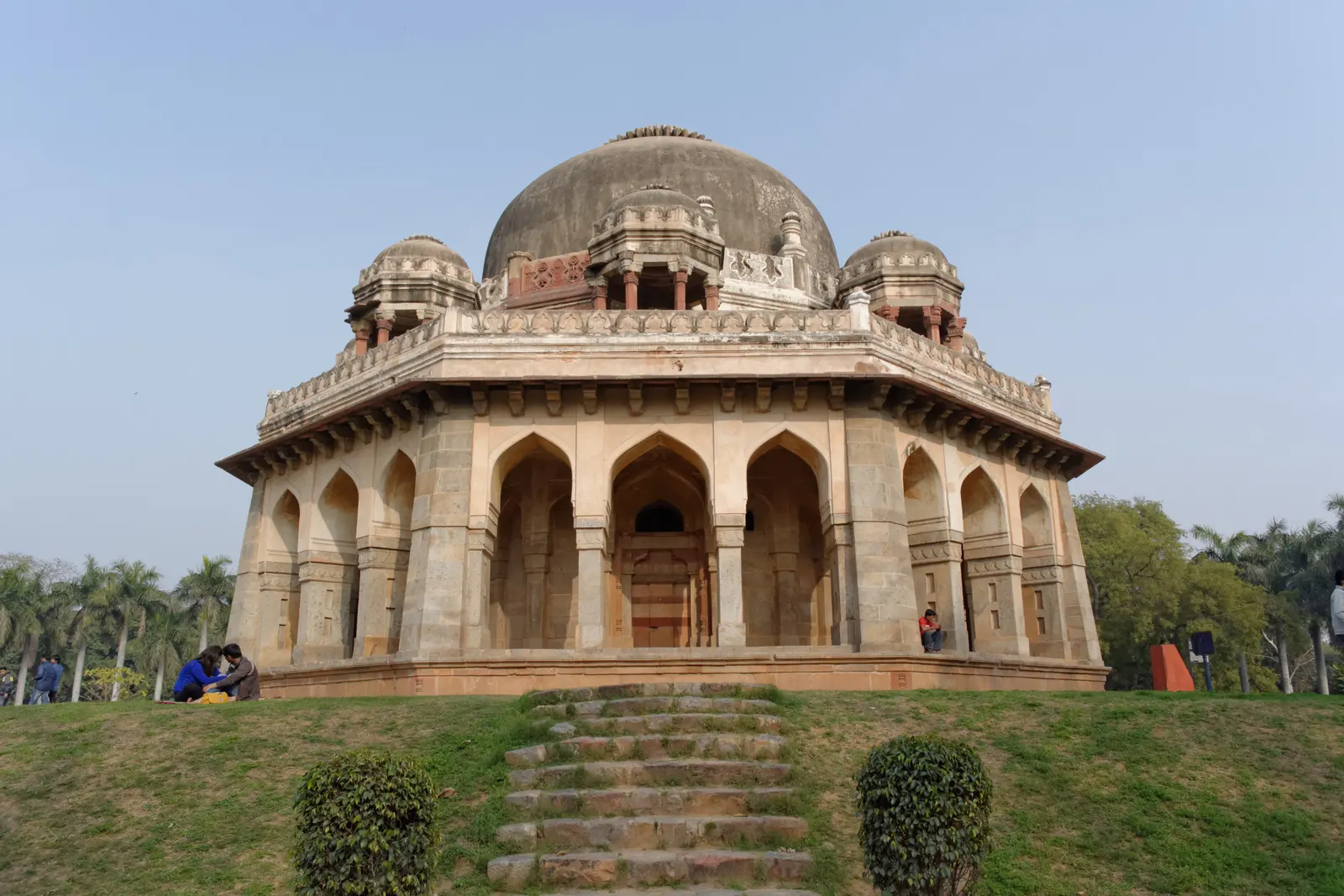
Lodhi Garden: Delhi's Tombs, Timings & Complete Visit Guide
90 acres of landscaped green in the middle of South Delhi, dotted with 500-year-old tombs from the Sayyid and Lodi dynasties — Delhi's favourite morning-walk park doubling as an open-air museum.
 Destination Guide
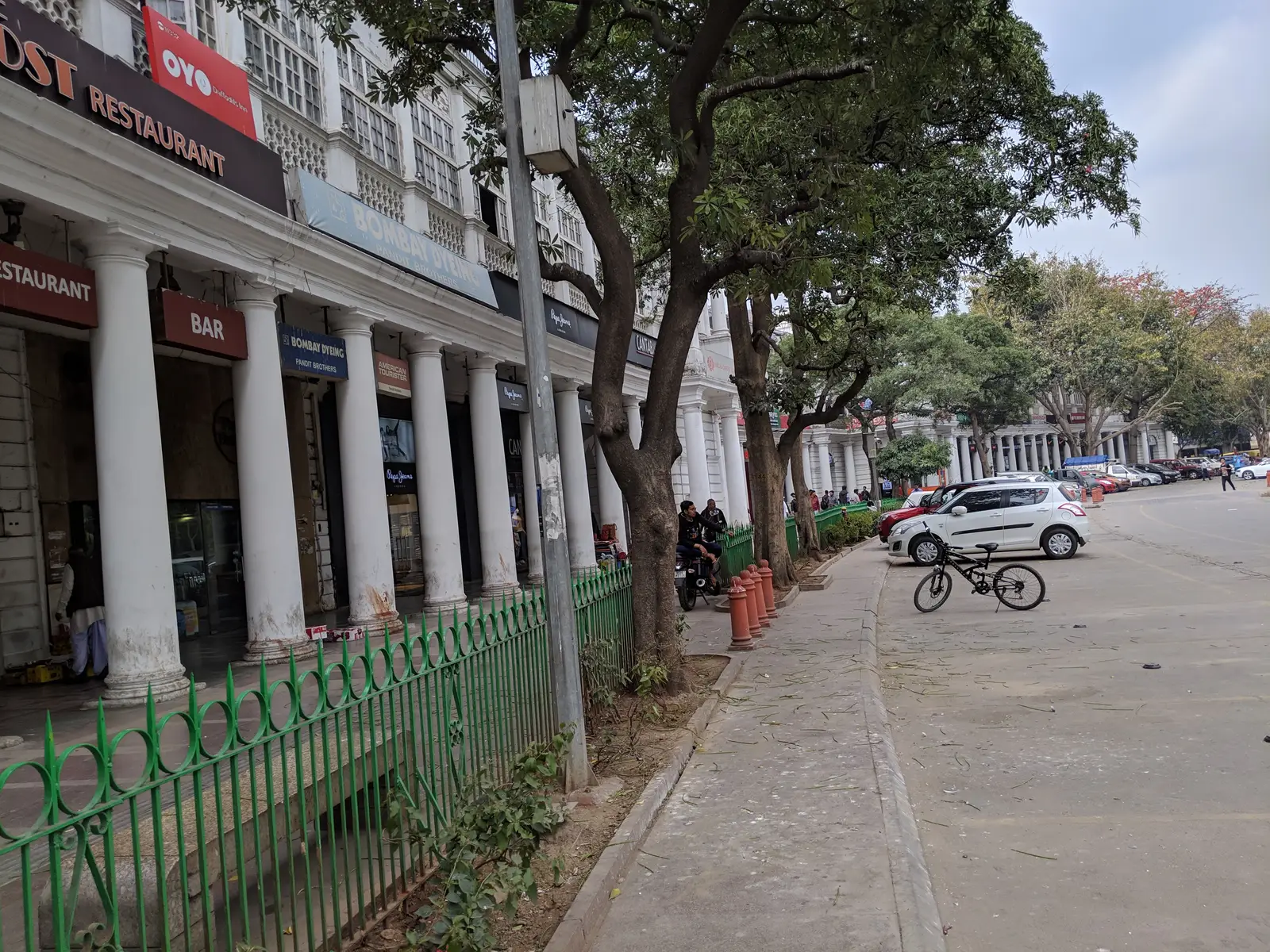
Connaught Place Guide: Shopping, Food & Nightlife
The Inner, Middle & Outer Circle layout, Central Park, Palika Bazaar, old-school eateries and nightlife — the complete guide to Delhi's Georgian-era commercial hub.
 Off-beat
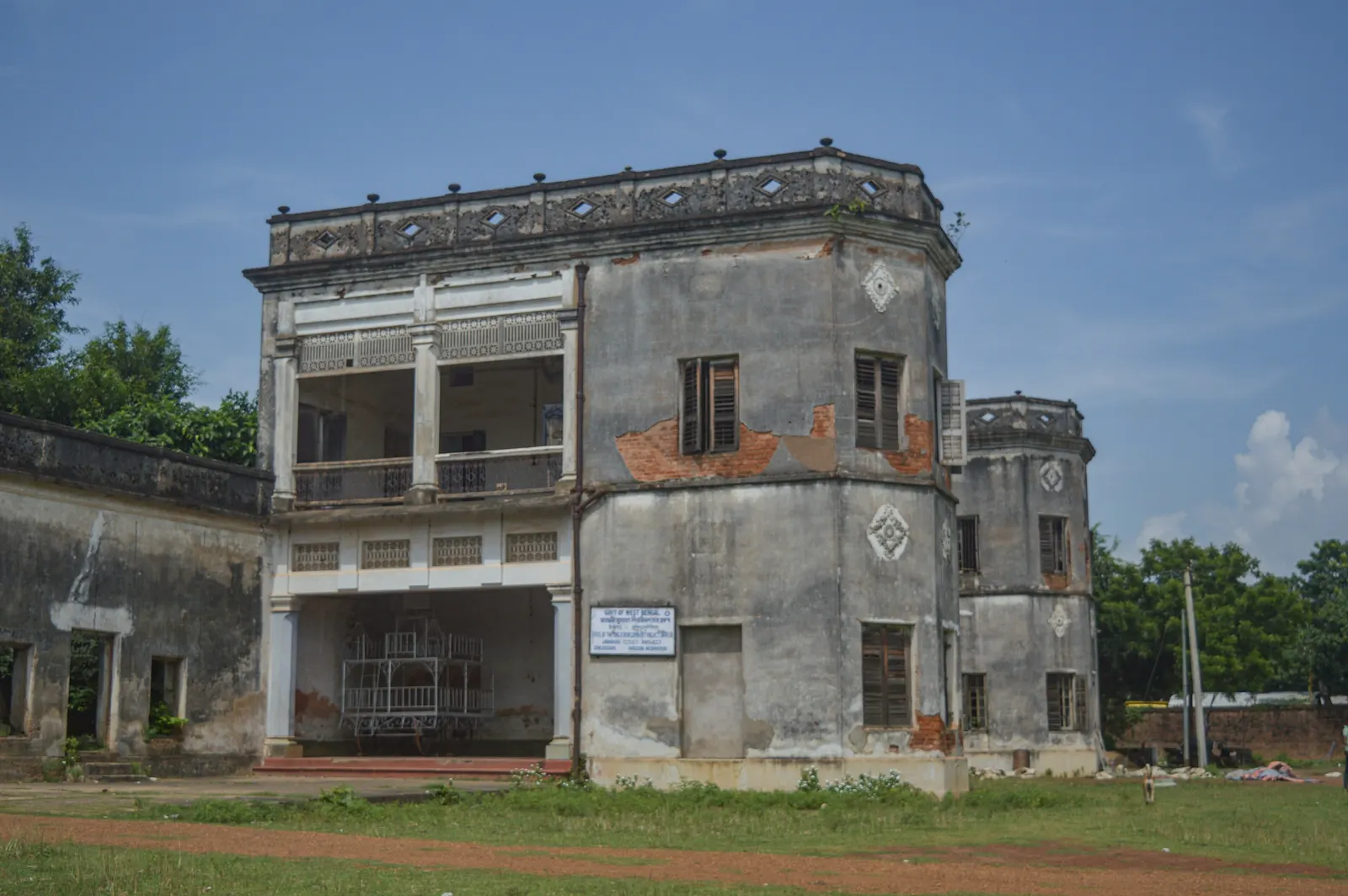
Jhargram Travel Guide: Forests, Palace & Deer Park
Complete Jhargram guide — the Raj Palace, Deer Park, Kanak Durga Temple, Belpahari's forests, how to reach from Kolkata by train, where to stay, and a full visit plan.