Dwarka, Delhi: Not to Be Confused with Gujarat's Dwarka
Not to be confused with the pilgrimage town of Dwarka in Gujarat — the ancient coastal city on the Arabian Sea associated with Krishna and counted among the Char Dham — Dwarka in Delhi is a completely different kind of place. It's a modern, purpose-built residential sub-city in South West Delhi, with no historical or religious link to its Gujarati namesake beyond sharing a name rooted in the same Sanskrit word.
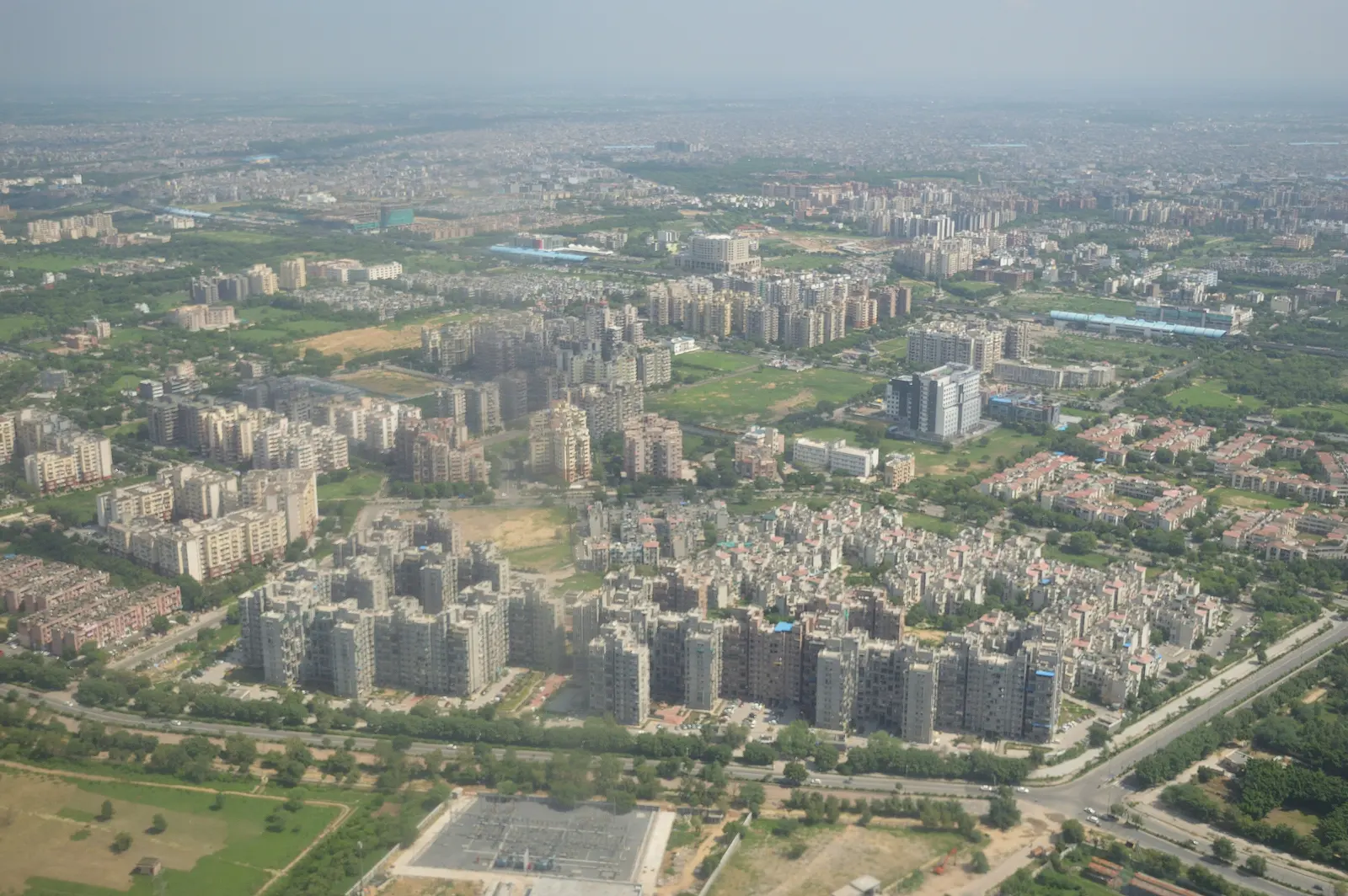
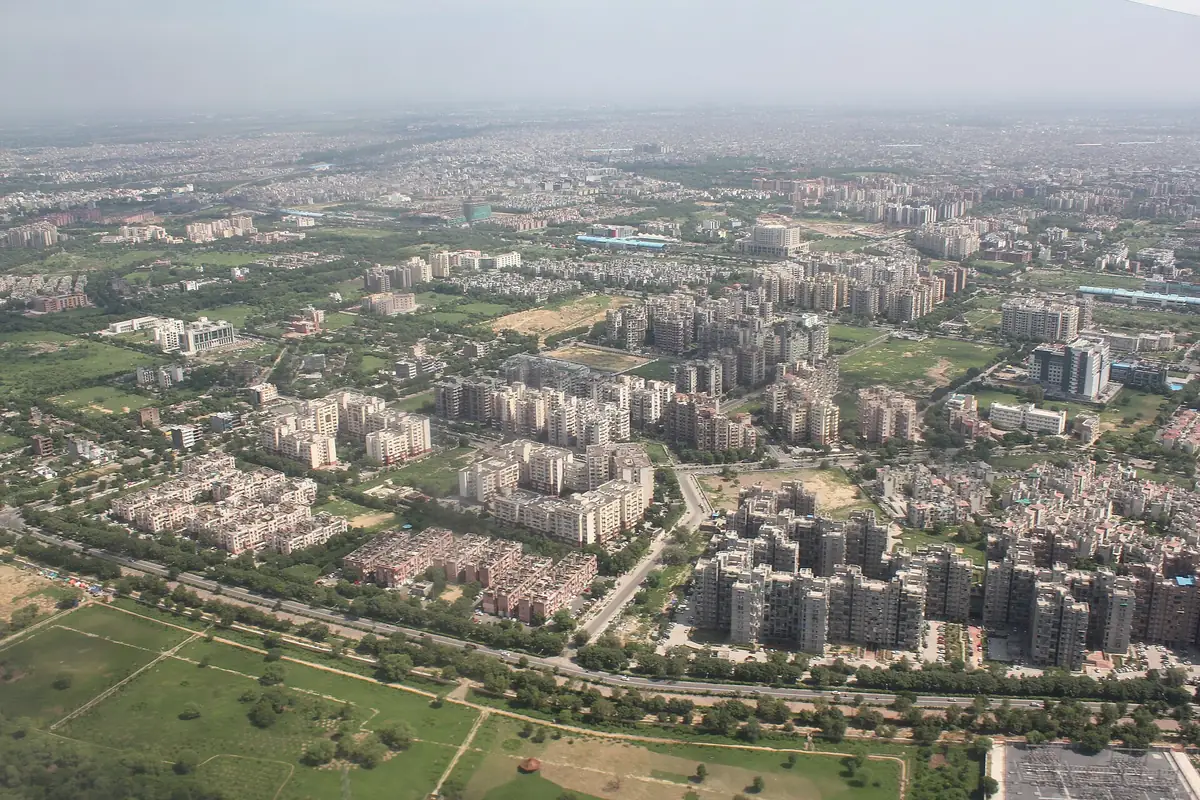
Dwarka Sub-City is one of Asia's largest planned residential sub-cities by area, developed by the Delhi Development Authority (DDA) starting in the 1990s as part of an effort to decongest central Delhi by creating a large, self-contained satellite township on the city's south-western edge. Rather than growing organically like Old Delhi's lanes or South Delhi's older colonies, Dwarka was laid out on a grid from the start — a series of numbered sectors, each designed to function as a semi-independent neighbourhood with its own housing, market, schools, and green space.
For travellers, Dwarka isn't a monument-hopping destination — there's no Red Fort or Qutub Minar here. What it offers instead is a genuinely useful mix: one of the largest ISKCON temple complexes in North India, a location just minutes from IGI Airport, dense Delhi Metro coverage, and a look at how a large, functioning, everyday Delhi neighbourhood actually operates outside the tourist circuit.
🏙️ Dwarka, Delhi at a Glance
Best Time to Visit Dwarka, Delhi
Dwarka follows the same broad climate pattern as the rest of Delhi — hot, dry summers, a wet monsoon, and cool, comfortable winters — so the best window for visiting the ISKCON Temple or exploring the sectors on foot mirrors the wider city's ideal travel season.
Cool, dry days make walking between sectors, visiting the temple, and exploring local markets genuinely pleasant.
Daytime temperatures regularly cross 40°C. Stick to early morning or evening for the temple and outdoor sector markets.
Some low-lying sector roads see waterlogging during heavy spells, though the heat breaks noticeably.
Pleasant temperatures but Delhi-wide winter smog affects Dwarka too — carry a mask if sensitive to pollution.
Our pick: October to March — comfortable enough for walking between sectors and spending unhurried time at the ISKCON Temple complex without fighting the heat.
How to Reach Dwarka
Dwarka is one of the best-connected sub-cities in Delhi, largely because it was planned with transit in mind from the outset — and its proximity to IGI Airport makes it unusually convenient for travellers passing through the city.
- By Air: Indira Gandhi International Airport (IGI) is just a few kilometres from Dwarka's outer sectors, making it one of the closest residential areas to the airport terminals — a genuinely practical choice for an overnight stay before an early flight.
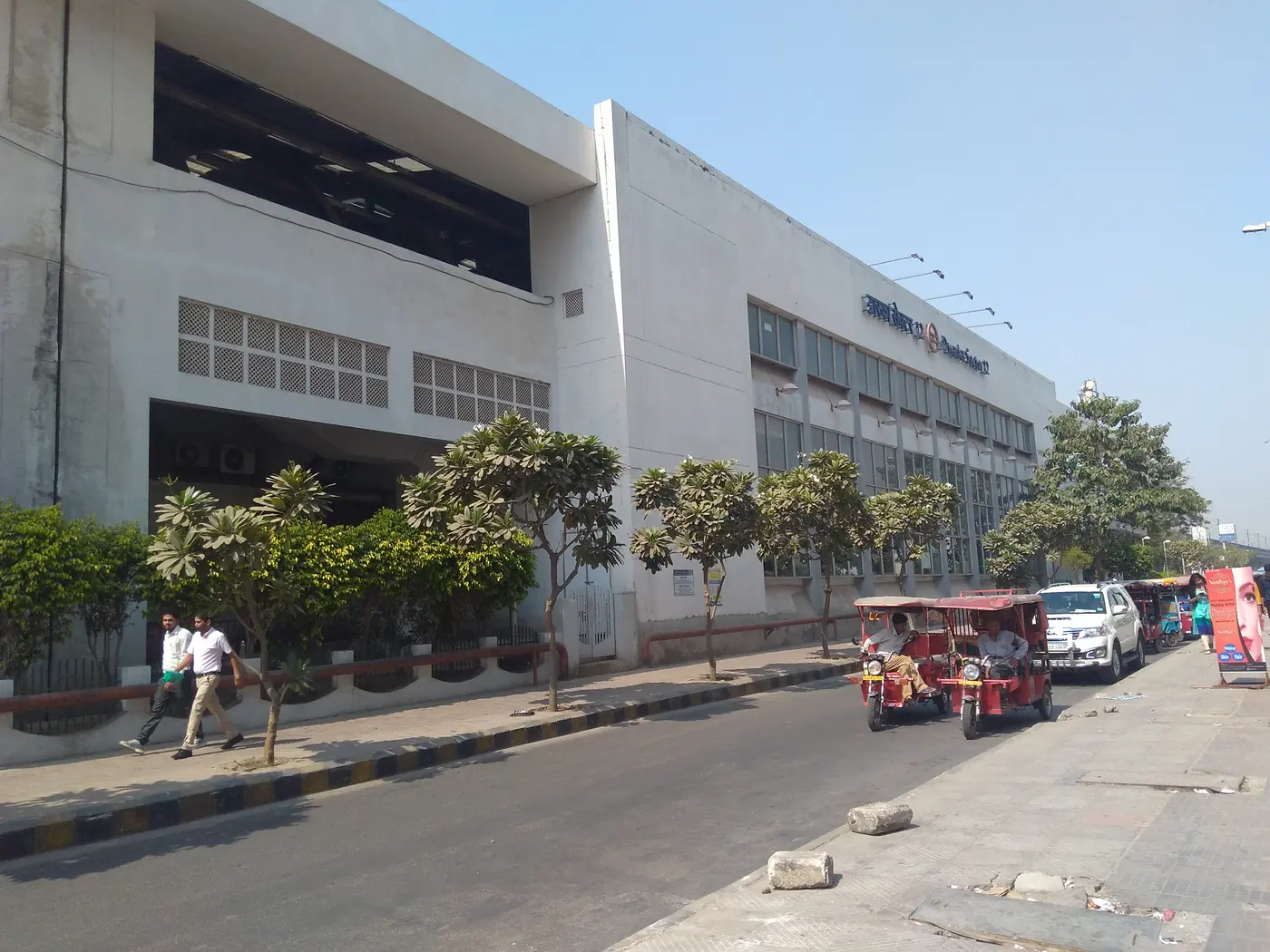
- By Metro: Dwarka sits on the Delhi Metro Blue Line, with an unusually dense run of stations through the sub-city — Dwarka, Dwarka Sector 9, Sector 10, Sector 11, Sector 12, Sector 13, and Sector 14, plus Dwarka Sector 21, which also connects to the Airport Express Line.
- By Road: The Dwarka Expressway (Northern Peripheral Road) links Dwarka directly toward Gurugram and Haryana, while National Highway 48 and well-maintained arterial roads connect it to the rest of Delhi.
ISKCON Temple Dwarka (Sri Sri Radha Parthasarathi Mandir)
The largest single draw for outside visitors to Dwarka is the ISKCON Temple in Sector 13, formally known as Sri Sri Radha Parthasarathi Mandir. It's important to note this is a separate complex from Delhi's older, more widely known ISKCON temple in East of Kailash — the Dwarka temple was built considerably later, as part of ISKCON's continued expansion in the city, and is a large, modern complex in its own right rather than an extension of the East of Kailash site.
- Scale: One of the larger ISKCON temple complexes in North India, with expansive prayer halls, gardens, and space for large congregational gatherings during festivals.
- Architecture: A modern temple design blending traditional Vaishnavite temple elements with contemporary construction — distinct in style from the older East of Kailash temple.
- Daily rhythm: Regular aarti timings, kirtan sessions, and a temple canteen/prasadam counter typical of ISKCON centres, drawing both local devotees from across Dwarka's sectors and visitors from elsewhere in Delhi.
- Festivals: Janmashtami and other major Vaishnavite festivals see significantly larger crowds and extended programming — worth timing a visit around if that interests you, or avoiding if you prefer a quieter visit.
Because the Dwarka ISKCON Temple sits inside a residential sub-city rather than a dense tourist zone, it tends to feel calmer and less crowded on an average day than some of Delhi's more famous religious sites — a genuine point in its favour for visitors who prefer a less frenetic experience.
Sectors, Local Markets & Everyday Life
What makes Dwarka worth understanding, even for travellers who aren't staying there, is how differently it functions compared to the rest of Delhi. Rather than a single dense urban core, Dwarka is a grid of numbered sectors — broadly Sectors 1 through 29 in its planned layout, though development density varies — each built to be largely self-sufficient, with its own housing blocks, local market, schools, and parks.
- Sector markets: Almost every developed sector has its own small commercial strip — grocery stores, everyday eateries, tailors, salons, and pharmacies — built for residents rather than visitors, which makes them a good, unfiltered look at ordinary Delhi life.
- Sector 12 & Sector 6 markets: Among the more established and busier local markets in Dwarka, with a wider spread of shops and food options than the smaller sector strips.
- Housing mix: A combination of DDA housing societies, private apartment complexes, and independent residential plots — reflecting Dwarka's identity as a mixed, largely middle-class residential township rather than an upscale or heritage neighbourhood.
- A practical, lived-in neighbourhood: Unlike Old Delhi or Connaught Place, Dwarka isn't designed around tourism at all — it's genuinely a residential and commercial sub-city, which is exactly what makes a walk through it interesting if you want to see how a large chunk of Delhi's population actually lives day to day.
Parks & Green Spaces
As a planned township, Dwarka was built with district parks and green belts integrated into its layout from the start — a notable contrast to the more haphazard green space distribution in older parts of the city.
- Sector-wise district parks: Most sectors include a dedicated park or green space, used heavily by residents for morning walks, evening strolls, and weekend family time.
- Wider, planned road layouts: Broad, tree-lined sector roads make Dwarka noticeably more walkable and less congested than much of central Delhi.
- A quieter pace: The combination of planned green cover and lower density than Old or Central Delhi gives Dwarka a calmer, more suburban atmosphere overall.
Why Dwarka Matters for Travellers
Dwarka isn't a sightseeing destination the way Old Delhi or Agra are — most travellers will encounter it for one of a few practical reasons, and it's worth being honest about that rather than overselling it as a monument circuit.
- Airport-adjacent stays: Its proximity to IGI Airport makes Dwarka a genuinely convenient base for late-arrival or early-departure flights, layovers, and business travel tied to the airport or nearby Gurugram.
- A transit and business hub: Good metro and expressway access make Dwarka a practical stopover point between South Delhi, Gurugram, and the airport corridor.
- Religious visit: The ISKCON Temple alone draws a meaningful number of dedicated visitors, particularly during festivals.
- A different side of Delhi: For anyone who has already covered the city's major monuments, Dwarka offers a genuinely different, modern-planned counterpoint to Old Delhi's density and chaos.
Think of Dwarka less as a "things to see" destination and more as a practical, well-connected place to stay, transit through, or visit for the ISKCON Temple — honest expectations make for a better visit.
A Short Visit Plan for Dwarka
Most visitors don't need more than a half-day to a full day in Dwarka itself — here's a simple plan that covers the highlights without padding.
ISKCON Temple, Sector 13
- ✓Arrive early for a calmer, less crowded visit
- ✓Attend morning aarti if timing allows
- ✓Prasadam at the temple canteen
Sector Markets
- ✓Walk through Sector 12 or Sector 6 market
- ✓Lunch at a local eatery
- ✓Browse everyday shops for a lived-in feel of Dwarka
District Park & Metro Loop
- ✓Relax at a nearby sector district park
- ✓Optional: short metro ride to see multiple sector stations
- ✓Head onward — to the airport, or back into central Delhi
* Combine this easily with nearby neighbourhoods like Janakpuri, Vasant Kunj, or Najafgarh if you're exploring South West Delhi more broadly.
Budget Breakdown
Dwarka is generally more affordable than Central or South Delhi for accommodation, given its residential character and distance from the main tourist circuit — a reasonable trade-off if airport proximity matters more than being close to the monuments.
| Expense | Budget | Mid-Range | Luxury |
|---|---|---|---|
| Accommodation/night | ₹1,000 | ₹3,500 | ₹9,000 |
| Food/day | ₹400 | ₹1,000 | ₹2,500 |
| Local transport/day | ₹150 | ₹400 | ₹1,200 |
| Airport transfer (one-way) | ₹150 (metro) | ₹400 (auto/cab) | ₹800 (premium cab) |
| Daily total (approx.) | ₹1,700 | ₹5,300 | ₹13,500 |
* ISKCON Temple entry is free (donations welcome). Figures are approximate and exclude travel to Delhi itself.
Essential Tips for Visiting Dwarka
- Double-check which "Dwarka" you're booking for: When booking flights, trains, or hotels, confirm you're searching Dwarka, Delhi and not Dwarka, Gujarat — the names are identical in most search results.
- Use the metro to navigate sectors: With eight-plus stations across the sub-city, the Blue Line is by far the easiest way to move between Dwarka's sectors without relying on local transport.
- Dress modestly at the ISKCON Temple: Covered shoulders and knees are expected, as at any active temple complex.
- Set realistic expectations: Dwarka is a residential sub-city, not a heritage site — visit for the temple, the airport convenience, or the neighbourhood experience, not for monuments.
- Check aarti timings in advance: If visiting ISKCON Dwarka specifically for the temple rituals, confirm current aarti and darshan timings before heading out.
✅ Do
- →Confirm you're booking Dwarka, Delhi (not Gujarat)
- →Use the Blue Line metro to move between sectors
- →Visit ISKCON Temple early for a quieter experience
- →Consider Dwarka for airport-adjacent stays
- →Walk a sector market for an authentic Delhi feel
- →Check temple aarti timings before visiting
❌ Don't
- →Confuse this ISKCON temple with the East of Kailash one
- →Expect Mughal monuments or heritage architecture
- →Book Gujarat-Dwarka travel by mistake
- →Skip modest dress at the temple complex
- →Assume every sector is equally developed
- →Ignore Delhi's winter AQI if visiting Nov–Jan
Frequently Asked Questions
Is Dwarka Delhi the same as Dwarka in Gujarat?
No, they are completely different places. Dwarka in Gujarat is an ancient pilgrimage town on the Arabian Sea coast and one of the Char Dham sites associated with Krishna. Dwarka in Delhi is a modern, planned residential sub-city in South West Delhi, developed from the 1990s onward by the Delhi Development Authority. They share only a name — there is no historical or religious connection between the two.
Is Dwarka Delhi near the airport?
Yes. Dwarka sub-city sits just a few kilometres from Indira Gandhi International Airport (IGI), making it one of the most convenient areas in Delhi for an airport-adjacent stay, a stopover between flights, or a base for early-morning departures without a long pre-dawn drive across the city.
What is Dwarka Delhi famous for?
Dwarka is best known for being one of Asia's largest planned residential sub-cities by area, for the large ISKCON Temple (Sri Sri Radha Parthasarathi Mandir) in Sector 13, for its grid of numbered sectors each with its own local market, and for its proximity to IGI Airport and Dwarka Expressway.
How do I reach Dwarka by Delhi Metro?
Dwarka is served by multiple Blue Line stations, including Dwarka, Dwarka Sector 9, Sector 10, Sector 11, Sector 12, Sector 13, Sector 14, and Dwarka Sector 21 — the last of which connects onward to the Airport Express Line. This gives Dwarka one of the densest metro-station distributions of any sub-city in Delhi.
Is the ISKCON Temple in Dwarka the same as the one in East of Kailash?
No. Delhi has two separate ISKCON temples. The older, more widely known one is in East of Kailash in South Delhi. The Dwarka ISKCON Temple — officially Sri Sri Radha Parthasarathi Mandir — is a separate, considerably newer and larger complex in Sector 13, built later as part of ISKCON's expansion in the city.
Is Dwarka a tourist destination in Delhi?
Not in the traditional sense — Dwarka has no Mughal monuments or heritage sites. It's primarily a residential and commercial sub-city, useful to travellers mainly as a practical, well-connected place to stay near the airport, visit the ISKCON Temple, or get a look at how a large, self-contained planned Delhi neighbourhood actually functions day to day.
How many sectors does Dwarka have?
Dwarka is organised into numbered sectors — broadly Sectors 1 through 29 across its planned layout — though not every sector is fully developed or populated. Each developed sector functions as a semi-self-contained neighbourhood with its own local market, parks, and residential blocks.
Published by the Kudozz Club editorial team · Last updated · How we research our guides
Want us to plan this trip for you?
Tell Kudozz Club where you want to go and what kind of trip you’re looking for. We’ll build a Delhi itinerary around your dates and budget.
Continue Exploring
View all guides Off-beat
Najafgarh Delhi Guide: History, Jheel & Sehwag
An honest guide to Najafgarh — Nawab Najaf Khan's 18th-century fort roots, the shrinking Najafgarh Jheel wetland, and its fame as Virender Sehwag's hometown.
 Destination Guide
Vasant Kunj Guide: Malls, Shopping & Nature Nearby
Delhi's upscale mall district next to IGI Airport — Ambience Mall, DLF Promenade, DLF Emporio, and the surprisingly wild Asola Bhatti forest just beyond it.
 Destination Guide
South Delhi Travel Guide: Best Areas & Things to Do
Hauz Khas, Greater Kailash, Saket, Vasant Kunj, Mehrauli, Lodhi Garden, and Chhatarpur Temple — a guide to Delhi's most affluent, green, and heritage-dense quarter, area by area.
 Destination Guide
New Delhi Travel Guide: India Gate, Kartavya Path & More
Wide colonial avenues, a president's palace, and a parliament at the centre of the world's largest democracy — the complete guide to New Delhi's Lutyens-era core.