What Chanakyapuri Actually Is
Let's be upfront: Chanakyapuri is not a conventional sightseeing district, and if you land here expecting a Delhi monument to photograph and move on from, you'll leave disappointed. It's a planned residential and diplomatic zone — quiet streets lined with embassy compounds, most of which are simply not open to the public. This guide is written honestly around that reality: what's actually worth visiting in and around Chanakyapuri, rather than overselling a district that was never designed to be a tourist attraction in the first place.
The area is named after Chanakya, the ancient strategist, economist, and author of the Arthashastra, who served as advisor to the Mauryan emperor Chandragupta. It was planned in the 1950s and 60s as independent India's purpose-built Diplomatic Enclave — a deliberate, spacious layout of wide roads and generously spaced plots designed to house the country's growing corps of foreign missions after Independence. Today, it's home to the large majority of Delhi's embassies and high commissions, from sprawling modernist compounds to more modest bungalow-style missions, giving the area a noticeably quieter, greener, more spread-out feel than almost anywhere else in Delhi.
So why write a guide to it at all? Because a handful of genuinely worthwhile things sit inside or right at the edge of Chanakyapuri — a well-loved public park, a quiet architectural walk through mid-century Delhi planning, and two significant, substantial sights (Gandhi Smriti and Teen Murti Bhavan) that most itineraries lump in with this part of the city. Combined, they add up to a solid half-day — just not the kind of half-day you'd spend inside Chanakyapuri's embassy compounds themselves.
🏛️ Chanakyapuri at a Glance
Best Time to Visit Chanakyapuri
Since the main draws here — Nehru Park and a walk along the boulevards — are entirely outdoors, the timing advice mirrors the rest of Delhi: cool, dry months make everything more pleasant, and early mornings are best for the park regardless of season.
- October – March: The most comfortable window, with cool mornings ideal for a walk through Nehru Park or the boulevards without Delhi's summer heat.
- April – June: Punishing daytime heat makes outdoor walking uncomfortable; if you must visit, stick to early morning or after sunset.
- Early morning, any season: Nehru Park is at its best between roughly 6 and 8 AM, when walkers, joggers, and yoga groups fill the lawns and the light is soft for photography.
Our pick: A weekday morning between November and February — cooler weather, an active park, and quieter roads for a boulevard walk.
How to Reach Chanakyapuri
Chanakyapuri sits in South-West Delhi, close to Race Course and Dhaula Kuan, and while it's centrally located, it isn't directly threaded through by the metro the way Connaught Place or Hauz Khas is.
- By app-based cab or auto: By far the easiest option — Uber/Ola or a metered auto will drop you at Nehru Park, a specific embassy road, or right at Gandhi Smriti's gate.
- By metro: Race Course station (Airport Express / Pink Line, depending on the section) and Dhaula Kuan (Airport Express) are the closest metro stations, both requiring a short cab or auto ride to reach the enclave itself.
- By car: Chanakyapuri sits close to major roads like Sardar Patel Marg and Shanti Path, making it an easy stop if you're already driving between South Delhi and Central Delhi.
What's Actually Worth Seeing
- Nehru Park: A large, well-kept green lawn that's genuinely the single best reason to come to Chanakyapuri. It's a favourite among Delhi locals for morning walks, jogging, and yoga sessions, and it occasionally hosts open-air concerts and cultural events on its lawns — check listings before your visit if that's the draw. It's not a landmark in the postcard sense, but it's a genuinely pleasant, well-used public space.
- The boulevards themselves: Chanakyapuri is one of the few parts of Delhi where you can take a quiet, unhurried walk or drive and simply take in the city planning — wide tree-lined roads, generous setbacks, and a mix of mid-century modernist and more traditional embassy architecture, all built to a distinctly different rhythm than the rest of the city. It's a low-key, architecturally minded way to spend an hour rather than a must-see attraction.
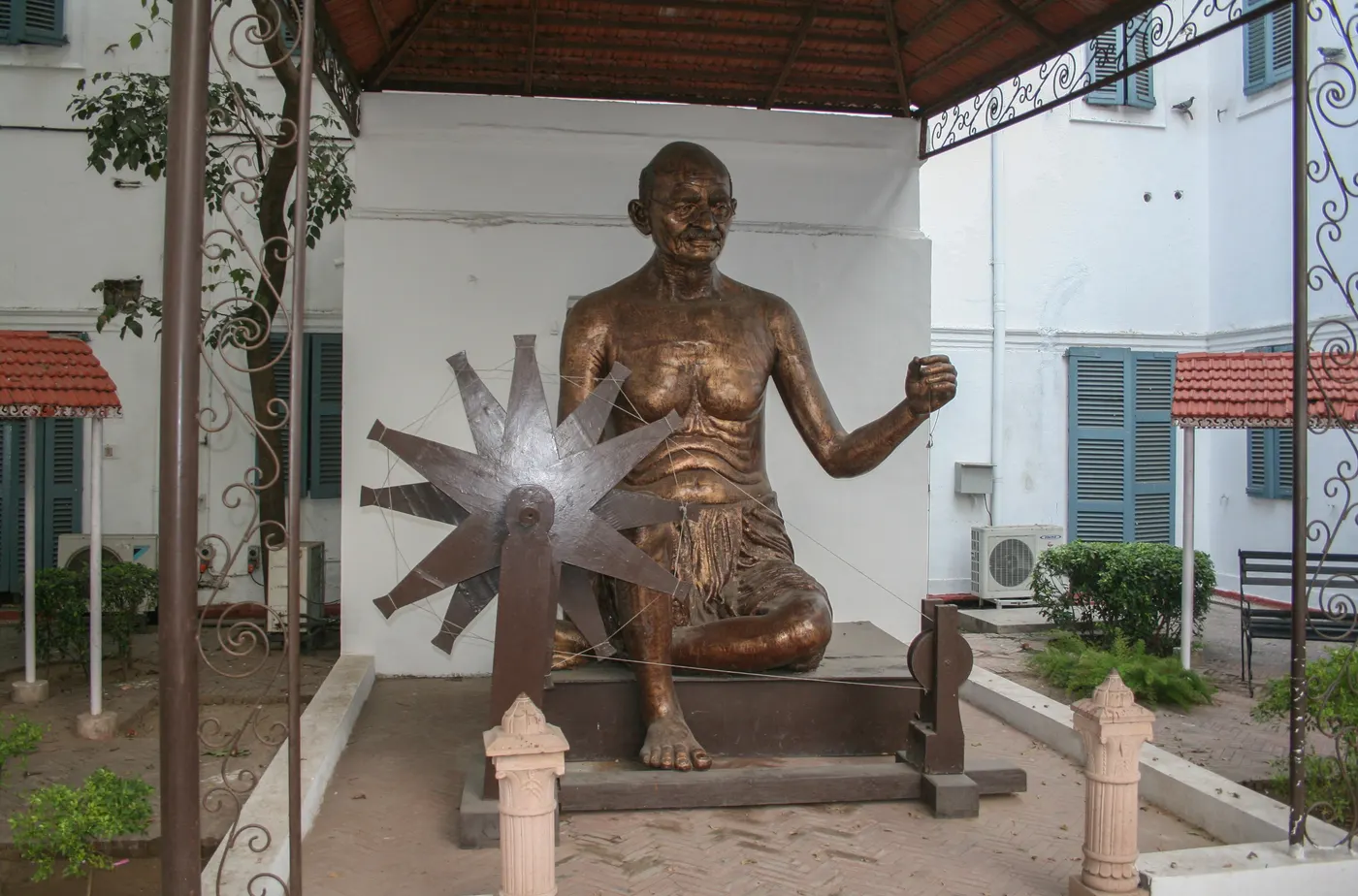
- Gandhi Smriti (National Gandhi Museum area): Sitting right at the edge of the Chanakyapuri zone, Gandhi Smriti is the house where Mahatma Gandhi spent his final months and was assassinated in 1948 — now a museum and memorial with the room he lived in preserved and a marked path tracing his final walk. This is a substantial, genuinely moving sight in its own right, not a footnote.
- Teen Murti Bhavan: Also just at the edge of the area, this was the official residence of India's first Prime Minister, Jawaharlal Nehru, and is now a museum covering his life and India's independence movement, set in expansive grounds. Like Gandhi Smriti, it's a real destination — worth combining with a Chanakyapuri visit rather than a reason to skip it.
Realistically, Gandhi Smriti and Teen Murti Bhavan are the sights that make this half of Delhi worth a dedicated visit — Chanakyapuri's own park and boulevards are a pleasant, low-effort add-on once you're already in the neighbourhood.
Visiting Embassies: Practical Notes
If you're in Chanakyapuri for an actual embassy visit — a visa application, a consular appointment, or other official business — a few practical points are worth knowing.
- Appointments are almost always required: Nearly every embassy and high commission in Chanakyapuri operates strictly by prior appointment for visa and consular services — walk-ins are rarely, if ever, entertained. Check the specific embassy's official website for booking procedures before you travel.
- Carry valid photo ID: Security screening at embassy gates is standard, and you'll need government-issued ID and, in most cases, your appointment confirmation to be let in at all.
- Electronics restrictions vary widely: Some missions don't allow phones or cameras past security; others are more relaxed. This differs embassy to embassy, so it's worth checking in advance rather than assuming.
- Cultural events are the exception, not the rule: A handful of embassies occasionally open their doors for public film screenings, exhibitions, or cultural programming — these are announced individually (often via the embassy's social media or cultural centre listings), not something you can simply show up for.
In short: don't plan a Chanakyapuri visit around getting inside an embassy unless you have specific, confirmed business there. For everyone else, the area's value is in its parks, its architecture, and its neighbours — Gandhi Smriti and Teen Murti Bhavan.
Where to Eat Nearby
Chanakyapuri isn't a dining destination in the way Khan Market or Hauz Khas Village is, but a handful of well-regarded options exist, largely attached to the area's hotels.
- Hotel restaurants: Several of Delhi's well-known five-star hotels sit in and around Chanakyapuri and Diplomatic Enclave, and their in-house restaurants are generally the most reliable, well-regarded dining options in the immediate area — worth checking current menus and reservation requirements ahead of a visit.
- Nearby markets: For a wider range of casual options, Sarojini Nagar Market and Khan Market are both a short drive away and offer everything from street food to upscale cafés — a more practical choice if you want variety rather than a single hotel dining room.
A Suggested Half-Day Plan
Given Chanakyapuri's limited standalone draw, the most sensible way to visit is to combine its park and boulevards with Gandhi Smriti and Teen Murti Bhavan, both just at the edge of the zone.
Nehru Park & the Boulevards
- ✓Start early — walk the lawns while it's cool and active
- ✓A slow drive or walk along the embassy boulevards
- ✓No photography of embassy gates or guards
Gandhi Smriti
- ✓Visit the preserved room and memorial
- ✓Walk the marked path of Gandhi's final steps
- ✓Allow 45–60 minutes for a thoughtful visit
Teen Murti Bhavan
- ✓Explore Nehru's former residence and museum
- ✓Walk the grounds — expansive and shaded
- ✓Allow 45–90 minutes depending on interest
Lunch & Onward
- ✓Lunch at a nearby hotel restaurant or Khan Market
- ✓Combine with a Lodhi Garden or New Delhi itinerary
* If you'd rather build a bigger day around Central Delhi's parks and gardens, pair this with our Lodhi Garden guide or read up on the broader New Delhi area first.
Budget Breakdown
Chanakyapuri itself costs almost nothing to visit — the park and boulevards are free — so your main expenses are transport, museum entry (where applicable), and food.
| Expense | Budget | Mid-Range | Luxury |
|---|---|---|---|
| Nehru Park entry | Free | Free | Free |
| Gandhi Smriti / Teen Murti entry | Free – nominal | Free – nominal | Free – nominal |
| Local transport (cab/auto, half-day) | ₹300 | ₹800 | ₹2,000 |
| Meal nearby | ₹300 | ₹1,200 | ₹4,000+ |
| Half-day total (approx.) | ₹600 | ₹2,000 | ₹6,000+ |
* Museum entry fees for Gandhi Smriti and Teen Murti Bhavan are minimal to free for Indian nationals; check current rates before visiting. Figures exclude accommodation, since Chanakyapuri is typically visited as a half-day trip rather than a base for staying.
Essential Tips for Chanakyapuri
- Carry ID: Security checks are routine near embassy areas and at Gandhi Smriti / Teen Murti Bhavan entrances — carry a government-issued photo ID.
- Don't photograph embassy buildings or gates: Security is genuinely tight in this part of Delhi — photographing embassy compounds, gates, or guards can draw unwanted attention. Stick to the park and general streetscape.
- Don't loiter near embassy compounds: Standing around or lingering outside a mission's gates without clear purpose is likely to attract security personnel — keep moving unless you're at the park or a public sight.
- Book any embassy business in advance: If your visit includes an actual consular appointment, confirm booking requirements on the relevant embassy's official website well before you go.
- Pair the visit, don't isolate it: Chanakyapuri alone is a short visit — combine it with Gandhi Smriti, Teen Murti Bhavan, or a wider South Delhi itinerary to make the trip worthwhile.
✅ Do
- →Visit Nehru Park early morning for the best atmosphere
- →Combine the trip with Gandhi Smriti and Teen Murti Bhavan
- →Carry a valid photo ID at all times
- →Book embassy appointments in advance if you have official business
- →Keep a cab on call — distances are longer than they look
- →Check for public cultural events at embassies before assuming entry
❌ Don't
- →Photograph embassy buildings, gates, or security personnel
- →Loiter near embassy compounds without clear purpose
- →Expect to walk into an embassy without an appointment
- →Plan a full day around Chanakyapuri alone
- →Assume metro connectivity — a cab or auto is needed
- →Skip carrying ID, even for a casual park visit
Frequently Asked Questions
Can tourists visit Chanakyapuri?
Yes — Chanakyapuri's public roads, parks, and green spaces are open to everyone, and there's no restriction on walking or driving through the area. What you can't do is walk into the embassies themselves; those are working diplomatic missions, not sightseeing stops. Think of it as a place to visit for a park stroll or a quiet drive, not a monument-hopping destination.
What is Chanakyapuri famous for?
Chanakyapuri is known as Delhi's Diplomatic Enclave — planned in the 1950s and 60s as independent India's purpose-built district for foreign embassies and high commissions, and named after Chanakya, the ancient strategist and author of the Arthashastra. It's recognisable for its wide, tree-lined boulevards, spaced-out mid-century compounds, and a noticeably quieter, greener atmosphere than most of Delhi.
Are embassies in Chanakyapuri open to visitors?
Almost never for casual sightseeing. Embassies and high commissions in Chanakyapuri operate by appointment for visa applications, consular services, and official business — they are not tourist attractions and don't offer walk-in tours. A small number occasionally hold public cultural events (film screenings, exhibitions) that are announced in advance, but you shouldn't plan a visit around the assumption of getting inside one.
Is Nehru Park worth visiting?
Yes, if you enjoy a genuinely peaceful green space — it's one of Delhi's larger, better-maintained public lawns, popular in the early morning with walkers, joggers, and yoga groups, and it occasionally hosts open-air concerts and cultural events. It's not a must-see landmark in the way Lodhi Garden or India Gate is, but it's a pleasant stop if you're already in the area or want a quiet break from the city.
How do I get to Chanakyapuri from central Delhi?
The easiest way is by app-based cab or auto-rickshaw — Chanakyapuri isn't directly served by a metro station within the enclave itself, though Race Course and Dhaula Kuan stations on the Delhi Metro are within a short drive. If you're combining the visit with Gandhi Smriti or Teen Murti Bhavan, a single cab covering all three makes far more sense than trying to walk between them, since distances are longer than they look on a map.
Can I take photographs in Chanakyapuri?
General street photography of the boulevards and parks is fine, but avoid photographing embassy buildings, gates, boundary walls, or security personnel directly — this is treated seriously given the area's diplomatic and security status, and doing so can draw the attention of guards or police. Photograph the greenery and the park, not the compounds.
How much time should I plan for a Chanakyapuri visit?
An hour or two is enough for the enclave itself — a walk or drive through the boulevards plus some time at Nehru Park. Most visitors extend this into half a day by combining it with nearby Gandhi Smriti and Teen Murti Bhavan, both of which sit just at the edge of the zone and are genuine, substantial sightseeing stops in their own right.
Published by the Kudozz Club editorial team · Last updated · How we research our guides
Want us to plan this trip for you?
Tell Kudozz Club where you want to go and what kind of trip you’re looking for. We’ll build a Delhi itinerary around your dates and budget.
Continue Exploring
View all guides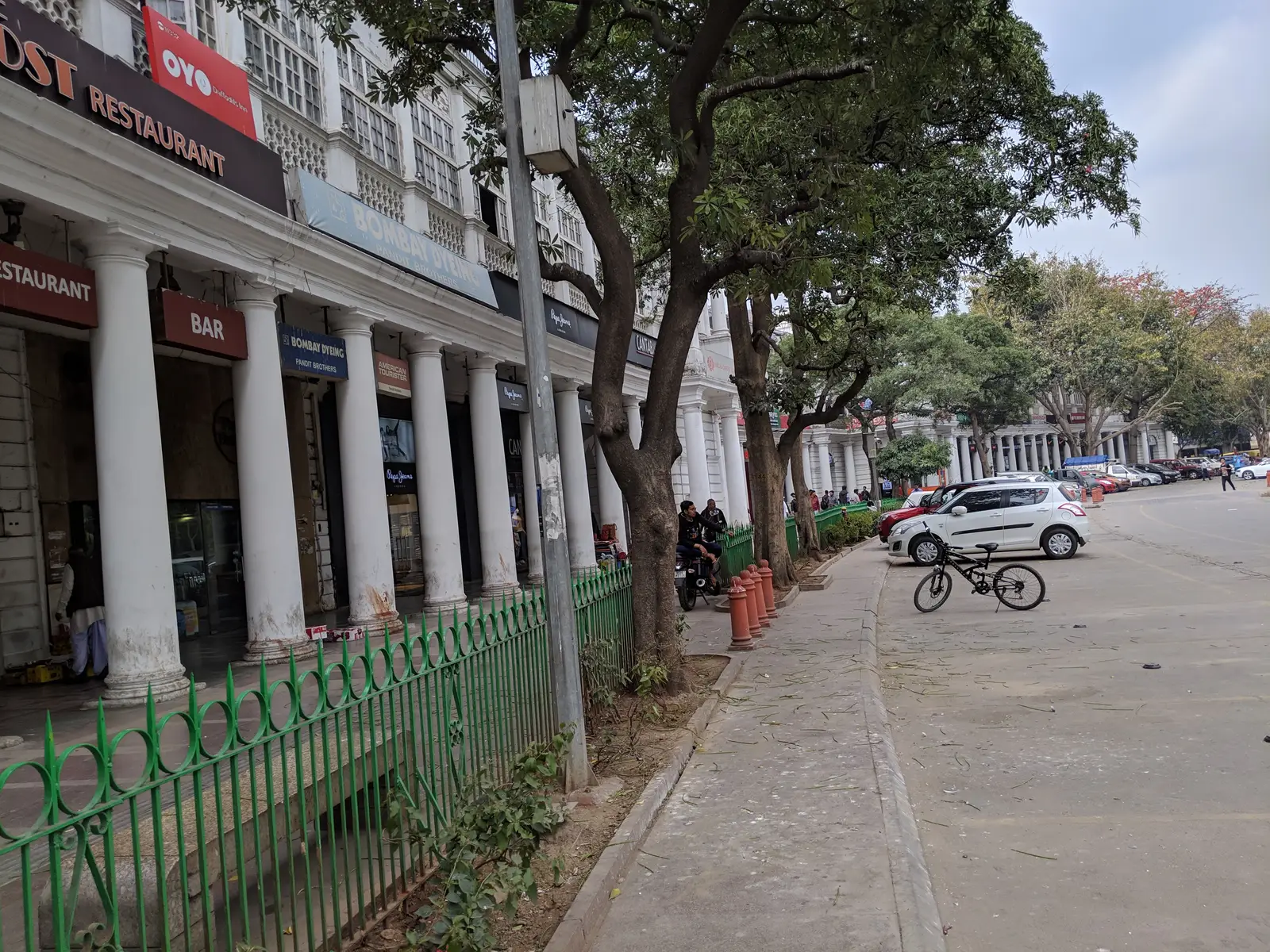 Destination Guide
Connaught Place Guide: Shopping, Food & Nightlife
The Inner, Middle & Outer Circle layout, Central Park, Palika Bazaar, old-school eateries and nightlife — the complete guide to Delhi's Georgian-era commercial hub.
 Destination Guide
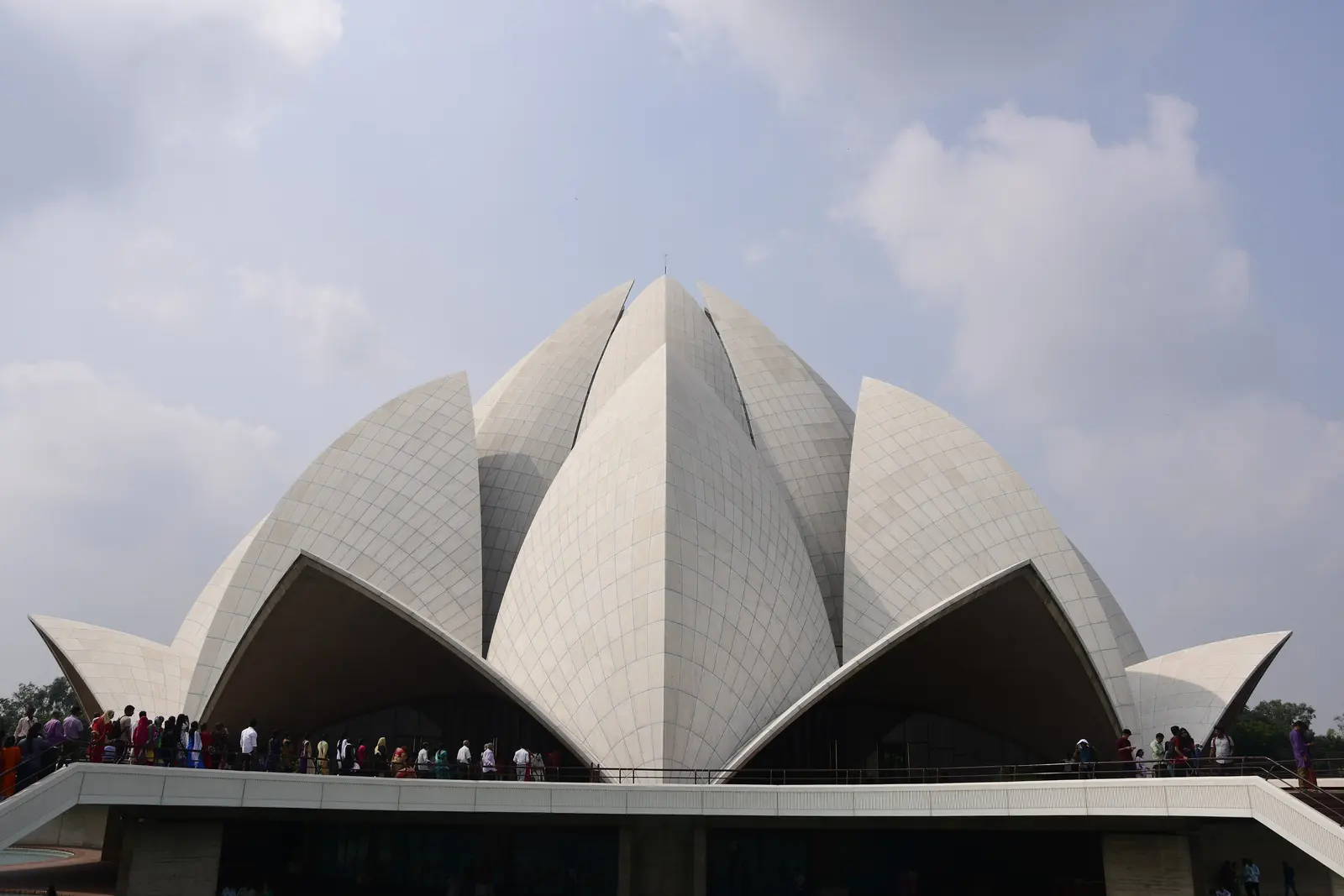
South Delhi Travel Guide: Best Areas & Things to Do
Hauz Khas, Greater Kailash, Saket, Vasant Kunj, Mehrauli, Lodhi Garden, and Chhatarpur Temple — a guide to Delhi's most affluent, green, and heritage-dense quarter, area by area.
 Destination Guide
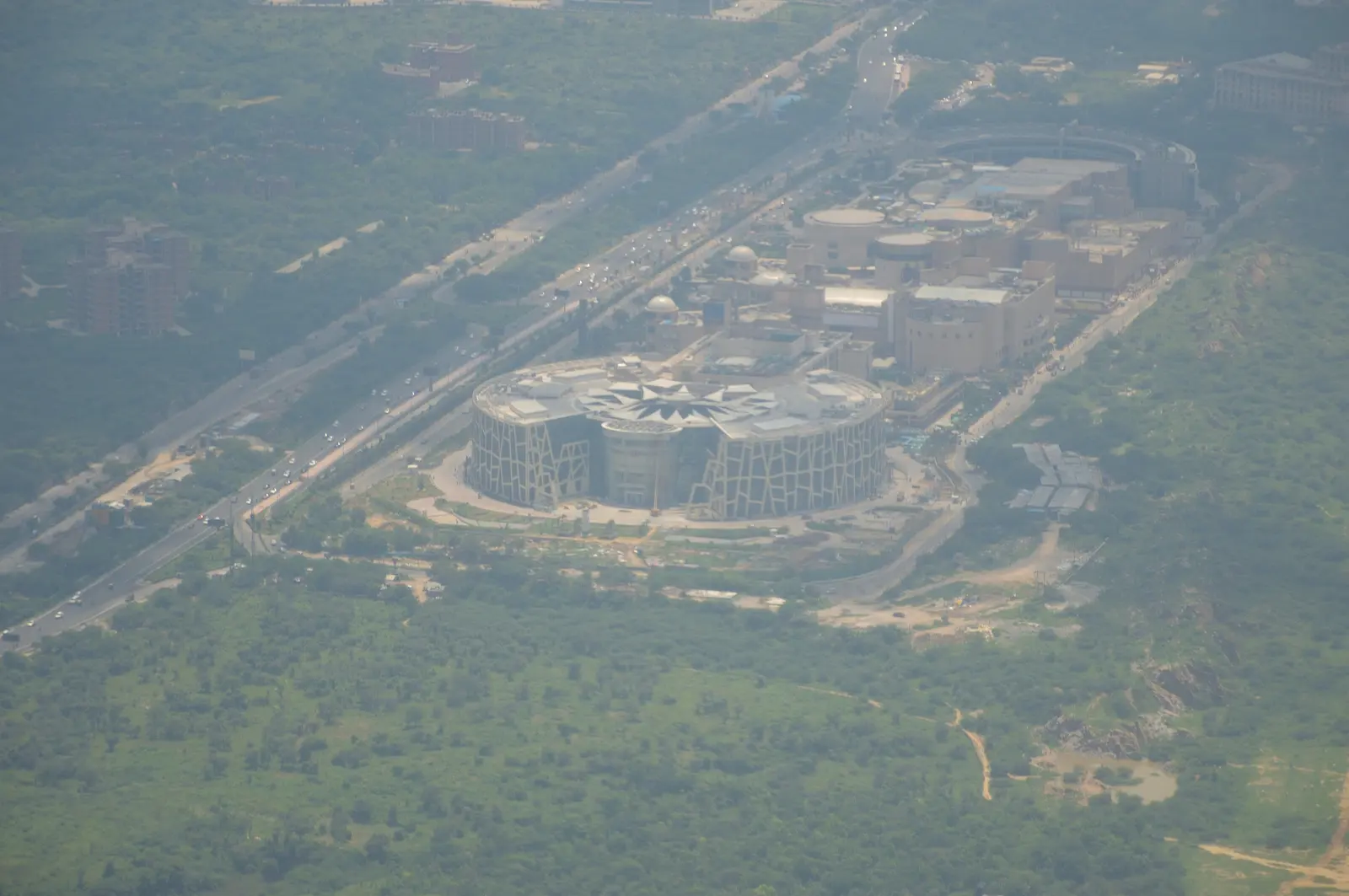
Vasant Kunj Guide: Malls, Shopping & Nature Nearby
Delhi's upscale mall district next to IGI Airport — Ambience Mall, DLF Promenade, DLF Emporio, and the surprisingly wild Asola Bhatti forest just beyond it.
 Destination Guide
Janakpuri Delhi Guide: Parks, Markets & Transport
A practical guide to Janakpuri, West Delhi's planned residential colony — District Park, local markets, the Janakpuri West Metro interchange, and why it's worth knowing about.