Why Rajasthan?
No other Indian state has turned its history into quite as complete an experience as Rajasthan — former Rajput kingdoms that built hilltop forts, lake palaces, and walled cities so distinctive that each major city has its own signature colour: Jaipur's pink, Jodhpur's blue, Jaisalmer's gold.
The classic Rajasthan circuit strings these cities together — Jaipur's Amber Fort and City Palace, Jodhpur's Mehrangarh Fort towering over the Blue City, the sacred lake town of Pushkar, and onward to the desert forts of Jaisalmer and the lake palaces of Udaipur (both covered in dedicated guides linked below).
It's a genuinely large state, and the classic circuit involves real driving distances between cities — but few trips in India deliver this much consistent visual and historical payoff for the time invested.
🏰 Rajasthan at a Glance
Want a day-by-day plan? Follow our 10 to 14 day Rajasthan heritage itinerary.
Interested in the history? See our guide to heritage in Rajasthan.
Planning a wildlife trip? See our guide to wildlife tourism in Rajasthan.
Best Time to Visit Rajasthan
Rajasthan's desert climate makes seasonal timing genuinely important — summer is extreme, and the difference between peak and off-season is significant.
Cool, dry days (10–28°C) make fort climbs and desert safaris genuinely comfortable — the peak tourist season across all major cities.
Jaisalmer and Jodhpur regularly cross 42-45°C. Sightseeing is genuinely dangerous outside early morning and evening hours.
Rajasthan's monsoon is lighter than most of India's, but it does bring welcome relief from the heat, plus green landscapes rare for the desert region.
One of India's most spectacular livestock fairs, drawing thousands of camels and traders to Pushkar — book accommodation many months ahead.
Our pick: late October to February — comfortable temperatures across the whole circuit, and the only realistic window for a Sam Sand Dunes camel safari.
How to Reach Rajasthan
- By Air: Jaipur International Airport (JAI) is the main gateway, with regular domestic flights from Delhi, Mumbai and other major cities. Jodhpur and Udaipur also have their own airports.
- By Rail: Jaipur, Jodhpur, Jaisalmer and Udaipur are all well connected by rail to Delhi and other major cities — a popular option for the inter-city legs of the circuit.
- By Road: Jaipur is roughly 5-6 hours from Delhi by road via NH48 — a common starting point for a self-drive Rajasthan circuit.
Jaipur: The Pink City
Rajasthan's capital and most visited city, Jaipur earned its nickname from the terracotta-pink buildings of its walled old city, painted that colour in 1876 to welcome the Prince of Wales.
- Amber Fort: A hilltop fort-palace roughly 11 km from the city centre, with elephant rides (or jeep) up to the entrance and one of Rajasthan's most impressive interiors, including the mirrored Sheesh Mahal.
- City Palace: Still partly home to the Jaipur royal family, with museum sections open to the public showcasing royal artefacts and costumes.
- Hawa Mahal: The iconic "Palace of Winds," a five-storey pink sandstone facade with 953 small windows, originally built for royal women to observe street life unseen.
- Jantar Mantar: A UNESCO-listed astronomical observatory with giant stone instruments, still functional and remarkably accurate.
- Jaipur bazaars: Johari Bazaar for jewellery, Bapu Bazaar for textiles — some of India's best traditional shopping.
Jodhpur: The Blue City
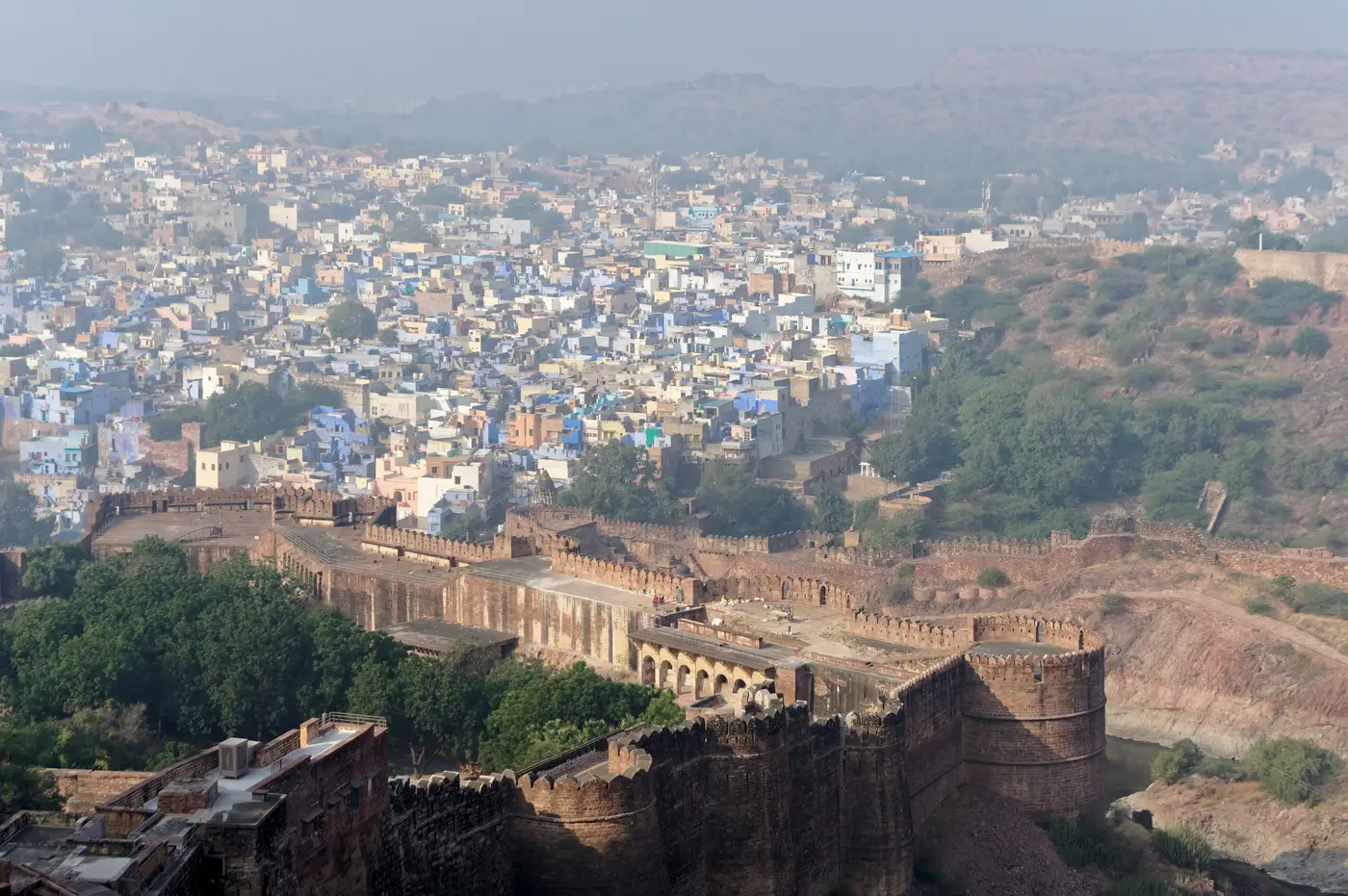
Named for the indigo-washed houses that cover its old city, Jodhpur is dominated by one of India's most imposing forts, visible from almost anywhere in town.
- Mehrangarh Fort: Rising 125m above the city on a sheer rock face, this is one of India's largest and best-preserved forts, with an excellent audio guide and sweeping views over the Blue City.
- The Blue City: The old town's indigo-washed houses, originally colour-coded to Brahmin residences, now cover most of the walled city — best viewed from the fort ramparts.
- Jaswant Thada: A white marble memorial near the fort, built for Maharaja Jaswant Singh II, with peaceful gardens.
- Sardar Market & Clock Tower: The city's bustling commercial heart, good for spices, textiles and street food.
Pushkar: Sacred Lake & Camel Fair
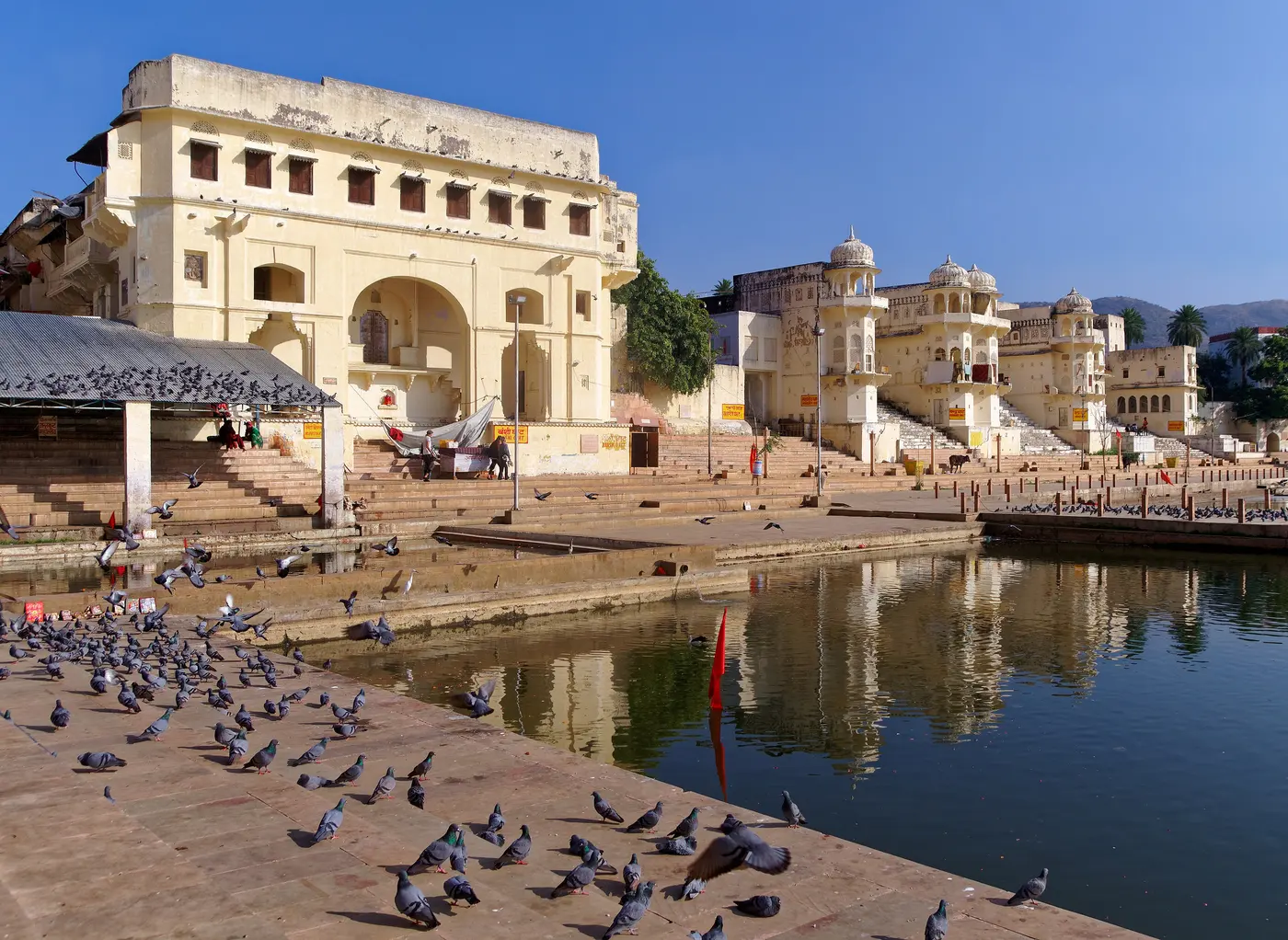
A small, holy town built around Pushkar Lake, believed to have been created by a lotus flower dropped by Lord Brahma — one of the few Brahma temples in the world sits here.
- Pushkar Lake: Ringed by 52 ghats, considered one of Hinduism's holiest lakes — respectful behaviour (no leather, modest dress) is expected at the ghats.
- Brahma Temple: One of very few temples dedicated to Brahma anywhere in the world, making Pushkar a significant pilgrimage site.
- Pushkar Camel Fair: Held annually around November (Kartik Purnima), this is one of the world's largest camel and livestock fairs, with thousands of animals, traders, and a genuine carnival atmosphere.
- Pushkar bazaar: A relaxed, hippie- trail-adjacent market street, good for a slow evening wander.
Udaipur & Jaisalmer
Both cities are essential stops on a full Rajasthan circuit — each has enough depth for a dedicated guide, linked below.
- Udaipur — the City of Lakes: Palaces that appear to float on Lake Pichola, whitewashed havelis, and the most romantic skyline in Rajasthan. See our full Udaipur travel guide for details.
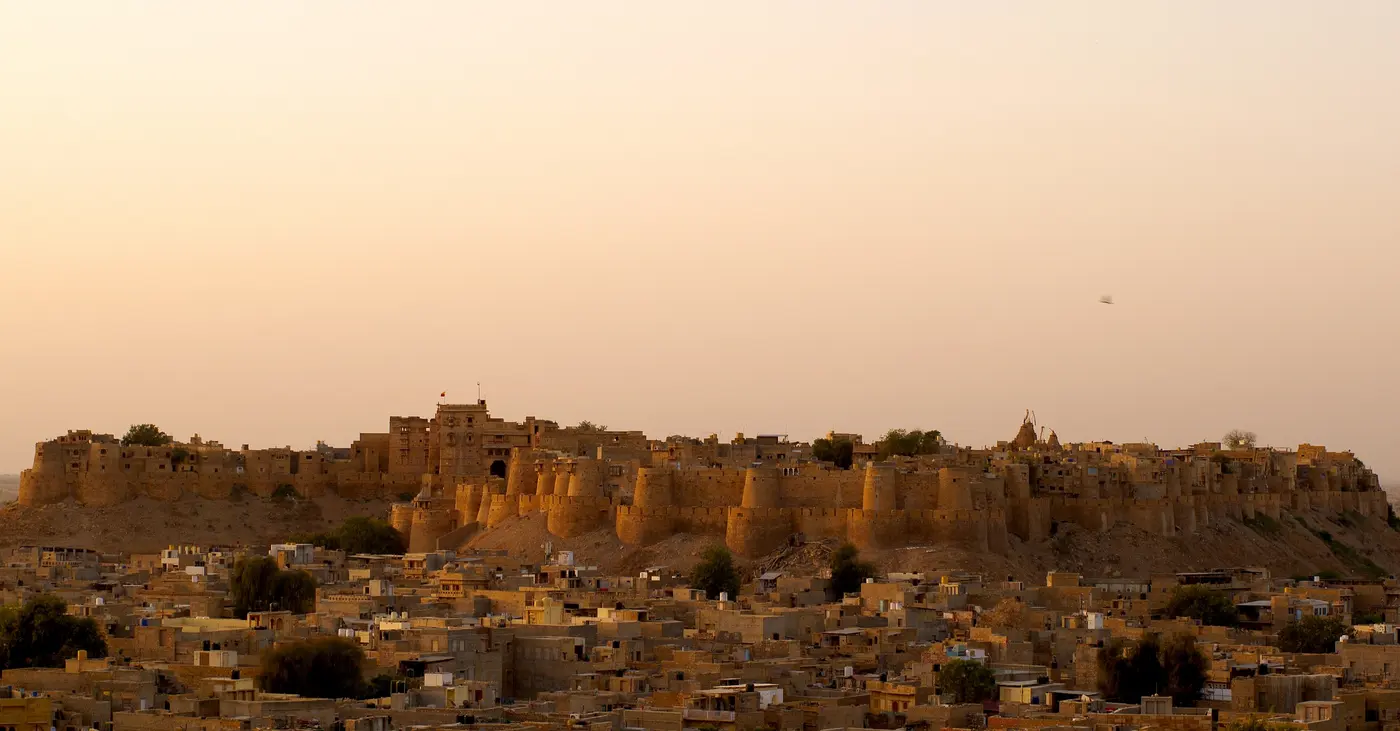
- Jaisalmer — the Golden City: A living medieval fort rising from the Thar Desert, with camel safaris into the Sam Sand Dunes. See our full Jaisalmer & Thar Desert guide for details.
Ranthambore & Chittorgarh
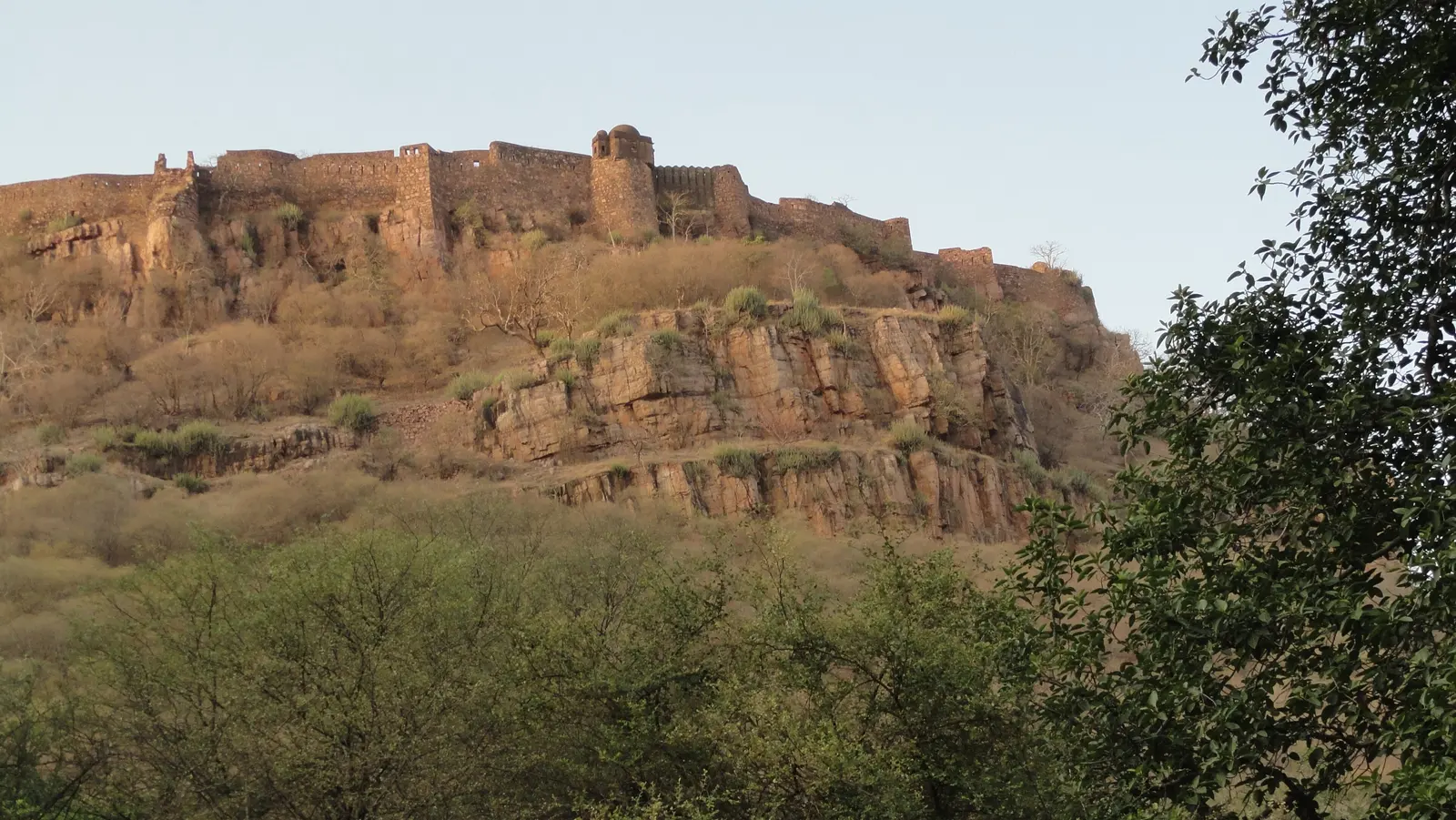
- Ranthambore National Park: One of India's best tiger reserves, roughly midway between Jaipur and the rest of the circuit — a strong add-on if wildlife safaris interest you.
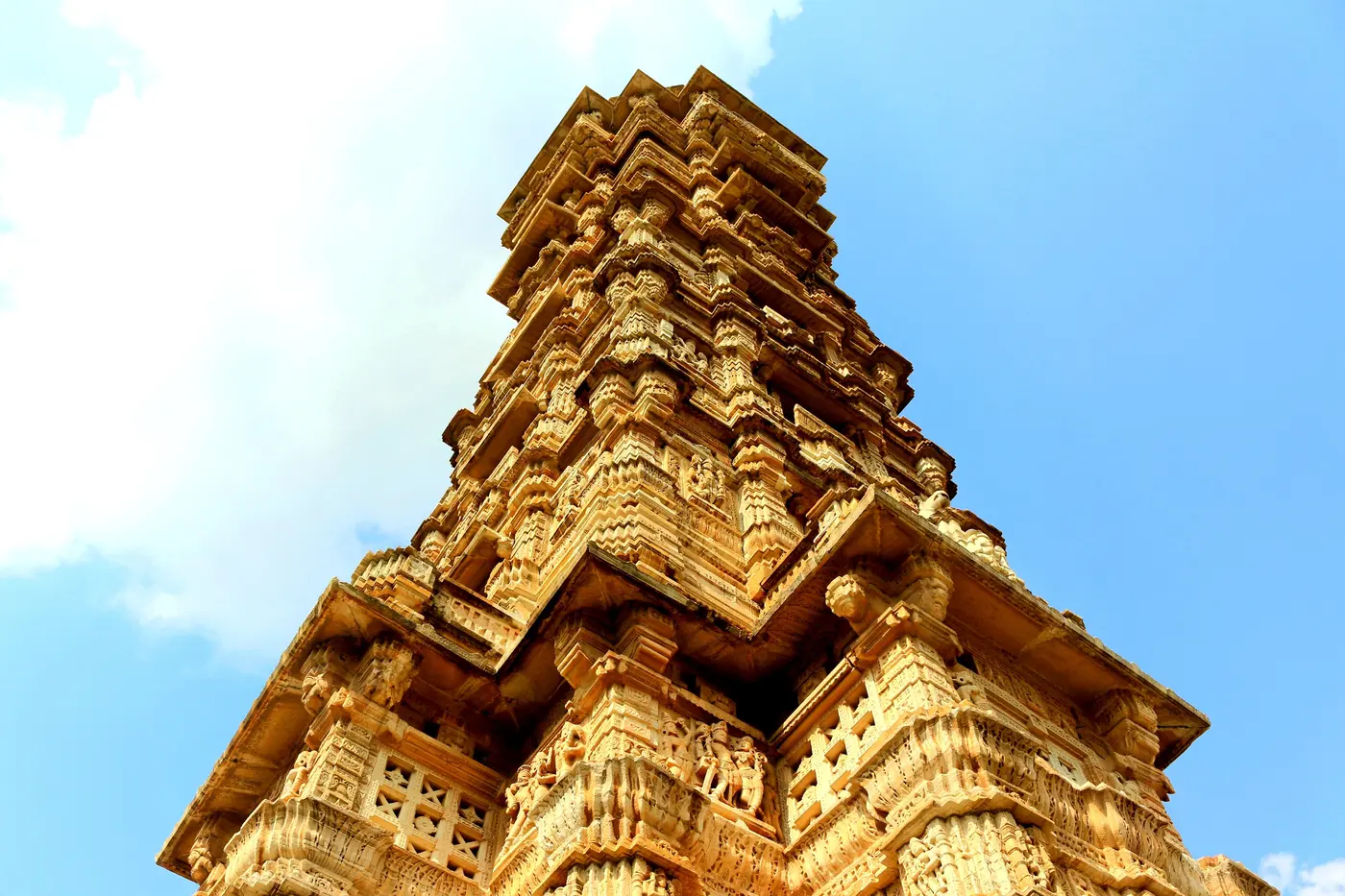
- Chittorgarh Fort: India's largest fort complex and a UNESCO World Heritage Site, with a history of dramatic sieges and legendary tales of Rajput valour — worth a dedicated half-day.
Where to Stay
Rajasthan offers some of India's finest heritage hotel conversions — actual former palaces and havelis turned into stays, alongside plenty of budget and mid-range options.
- → Guesthouses, Jaipur old city
- → Budget havelis, Jodhpur
- → Backpacker stays, Pushkar
- → Boutique havelis, Jodhpur old city
- → Heritage hotels, Jaipur
- → Lake-view stays, Pushkar
- → Rambagh Palace, Jaipur
- → Umaid Bhawan Palace, Jodhpur
- → Taj Lake Palace, Udaipur
A heritage haveli stay in Jodhpur's old city — even a mid-range one — is worth prioritising; many offer rooftop views directly onto Mehrangarh Fort and the Blue City.
What to Eat in Rajasthan
- Dal Baati Churma: Rajasthan's signature dish — baked wheat balls served with lentils and a sweet crumbled wheat dessert, found everywhere across the state.
- Laal Maas: A fiery, red-chilli mutton curry, a Rajput hunting-tradition specialty — best tried in Jodhpur or Udaipur.
- Gatte ki Sabzi: Gram flour dumplings in a spiced yoghurt gravy, a distinctive vegetarian staple reflecting the desert's limited fresh produce historically.
- Pyaaz Kachori (Jodhpur): A crisp, onion-stuffed fried pastry, best eaten fresh and hot from Jodhpur's old city stalls.
- Ghewar: A disc-shaped, honeycomb- textured sweet, especially popular during festivals — widely available in Jaipur's sweet shops.
8-Day Rajasthan Circuit Itinerary
Eight days is a reasonable minimum to cover the classic circuit — add more time if extending into Jaisalmer or Udaipur in real depth (see the dedicated guides).
Jaipur
- ✓Amber Fort, City Palace
- ✓Hawa Mahal, Jantar Mantar
- ✓Bazaars: Johari, Bapu
Pushkar
- ✓Drive to Pushkar (~2.5 hrs)
- ✓Pushkar Lake, Brahma Temple
- ✓Evening market walk
Jodhpur
- ✓Drive to Jodhpur (~3.5 hrs)
- ✓Mehrangarh Fort, Blue City walk
- ✓Jaswant Thada, Sardar Market
Jaisalmer
- ✓Drive to Jaisalmer (~5-6 hrs)
- ✓Jaisalmer Fort, havelis
- ✓Sam Sand Dunes camel safari
Udaipur (optional extension)
- ✓Fly or drive to Udaipur
- ✓Lake Pichola boat ride, City Palace
- ✓See our dedicated Udaipur guide for a full 3-day extension
Budget Breakdown
| Expense | Budget | Mid-Range | Luxury |
|---|---|---|---|
| Accommodation/night | ₹1,200 | ₹5,000 | ₹20,000 |
| Food/day | ₹500 | ₹1,500 | ₹3,500 |
| Local transport/day | ₹500 | ₹1,200 | ₹3,000 |
| Monument entry fees/day | ₹500 | ₹500 | ₹500 |
| Daily total | ₹2,700 | ₹8,200 | ₹27,000 |
| 8-Day trip total | ₹21,600 | ₹65,600 | ₹2,16,000 |
* Excludes inter-city car hire, which is typically quoted separately at ₹10-15/km for the full circuit if self-arranged rather than through a tour package.
Essential Travel Tips for Rajasthan
- Hire a car with driver for the full circuit: Long inter-city distances make this far more practical than piecing together public transport.
- Book Pushkar Camel Fair accommodation months ahead: Rooms sell out well in advance for this annual event.
- Avoid the April–June heat if possible: Fort visits and desert safaris are genuinely uncomfortable and can be risky in peak summer.
- Dress modestly and remove leather at Pushkar's ghats: Local custom is strictly observed here.
- Negotiate fixed prices for camel safaris and guides: Confirm the full itinerary and price upfront, especially in Jaisalmer.
- Carry cash for smaller towns: Card and UPI acceptance drops off outside major hotels and shops in Pushkar and rural stops.
✅ Do
- →Hire a car with driver for the multi-city circuit
- →Book Pushkar Camel Fair stays months in advance
- →Visit forts early morning to beat heat and crowds
- →Try Dal Baati Churma and Laal Maas along the way
- →Negotiate fixed prices for safaris and guides upfront
- →Carry cash for smaller towns and rural stops
❌ Don't
- →Travel the desert circuit during peak summer heat
- →Wear leather items at Pushkar's sacred ghats
- →Underestimate driving distances between cities
- →Skip fixing safari/guide prices before starting
- →Rush the circuit in under a week
- →Rely on cards outside major hotels and shops
Places to Explore in Rajasthan
Every Rajasthan guide on Kudozz Club, in one place — 19 destinations covered so far, from cities and towns to individual attractions. Use this index to plan beyond the highlights above.
Frequently Asked Questions
How many days do I need for a Rajasthan trip?
Eight days is a reasonable minimum to cover the classic circuit — Jaipur, Pushkar, Jodhpur, and Jaisalmer — as outlined in our suggested itinerary. Add more time if you want to extend into Udaipur or Jaisalmer in real depth.
What is the best time to visit Rajasthan?
Late October to February is the best window, with cool, dry days (10–28°C) that make fort climbs and desert safaris genuinely comfortable across the whole circuit. April to June brings extreme heat, with Jaisalmer and Jodhpur regularly crossing 42-45°C.
How do I reach Jaipur from Delhi?
Jaipur is roughly 5-6 hours from Delhi by road via NH48, a common starting point for a self-drive circuit. Jaipur International Airport (JAI) also has regular domestic flights from Delhi, Mumbai, and other major cities, and Jaipur is well connected by rail as well.
Is Rajasthan safe for solo travellers?
Rajasthan is one of India's most visited and well-set-up states for independent travel, with an established tourism infrastructure across Jaipur, Jodhpur, Pushkar, and Jaisalmer. As with any trip, negotiate fixed prices for safaris and guides upfront and carry cash for smaller towns where card acceptance drops off.
What is the budget for a Rajasthan trip?
An 8-day circuit runs around ₹21,600 total on a budget, ₹65,600 mid-range, or roughly ₹2,16,000 for a luxury trip, covering accommodation, food, local transport, and monument entry fees — inter-city car hire is typically quoted separately.
What is the distance between Jaipur and Jodhpur?
Jodhpur is roughly a 3.5-hour drive from Jaipur, making it a comfortable next stop on the classic circuit after Jaipur and a Pushkar stopover.
Is Rajasthan worth visiting?
Yes — few states in India deliver as much consistent visual and historical payoff. Pink-walled Jaipur, the indigo-washed Blue City of Jodhpur, the sacred lake town of Pushkar, and onward extensions to Udaipur's lake palaces and Jaisalmer's desert fort make it India's most theatrical road trip.
Published by the Kudozz Club editorial team · Last updated · How we research our guides
Want us to plan this trip for you?
Tell Kudozz Club where you want to go and what kind of trip you’re looking for. We’ll build a Rajasthan itinerary around your dates and budget.
Continue Exploring
View all guides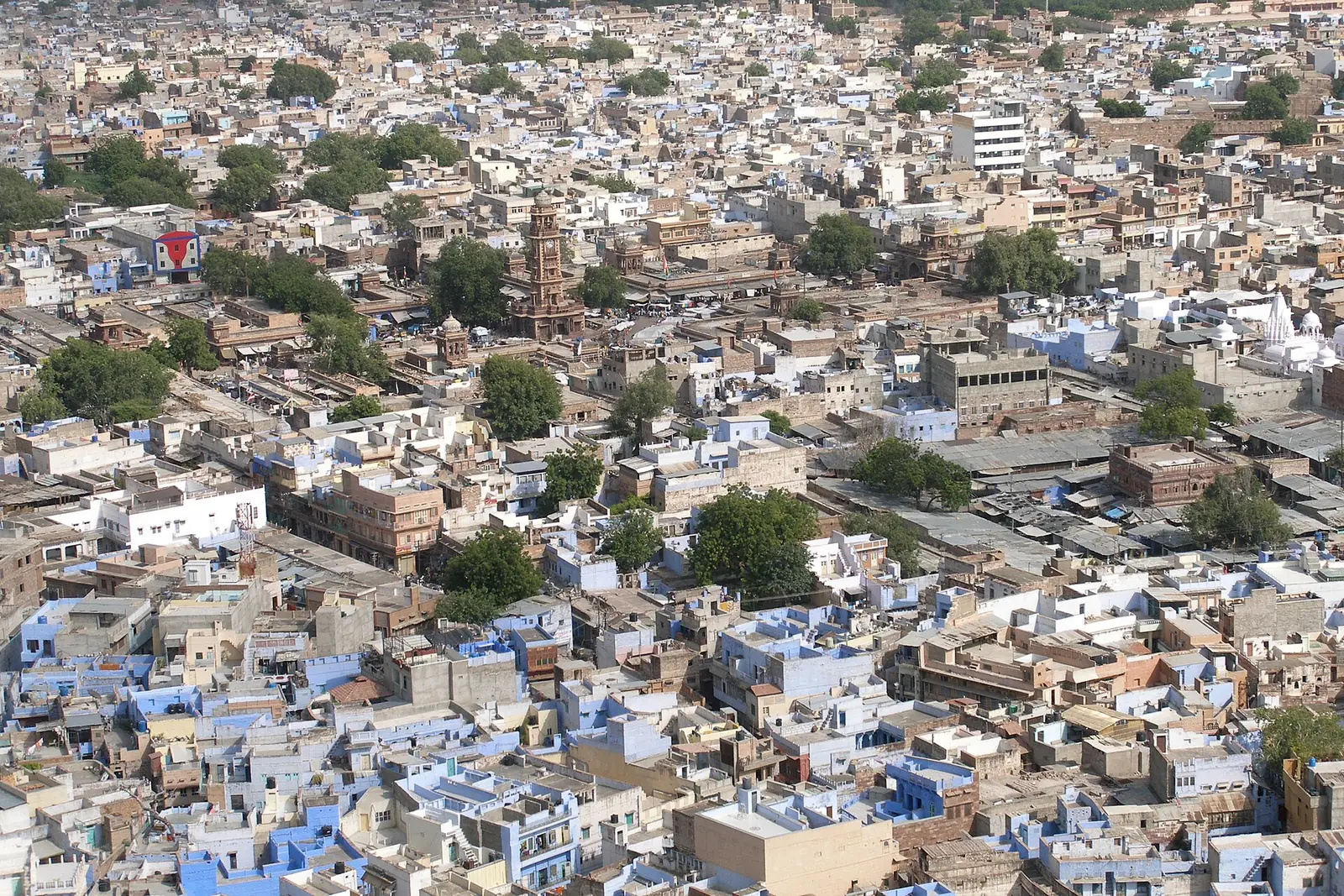 Destination Guide
Jodhpur Travel Guide: Mehrangarh Fort & Blue City
One of India's largest, best-preserved forts rises over a sea of indigo-washed houses — the complete guide to Jodhpur, the Blue City of Marwar.
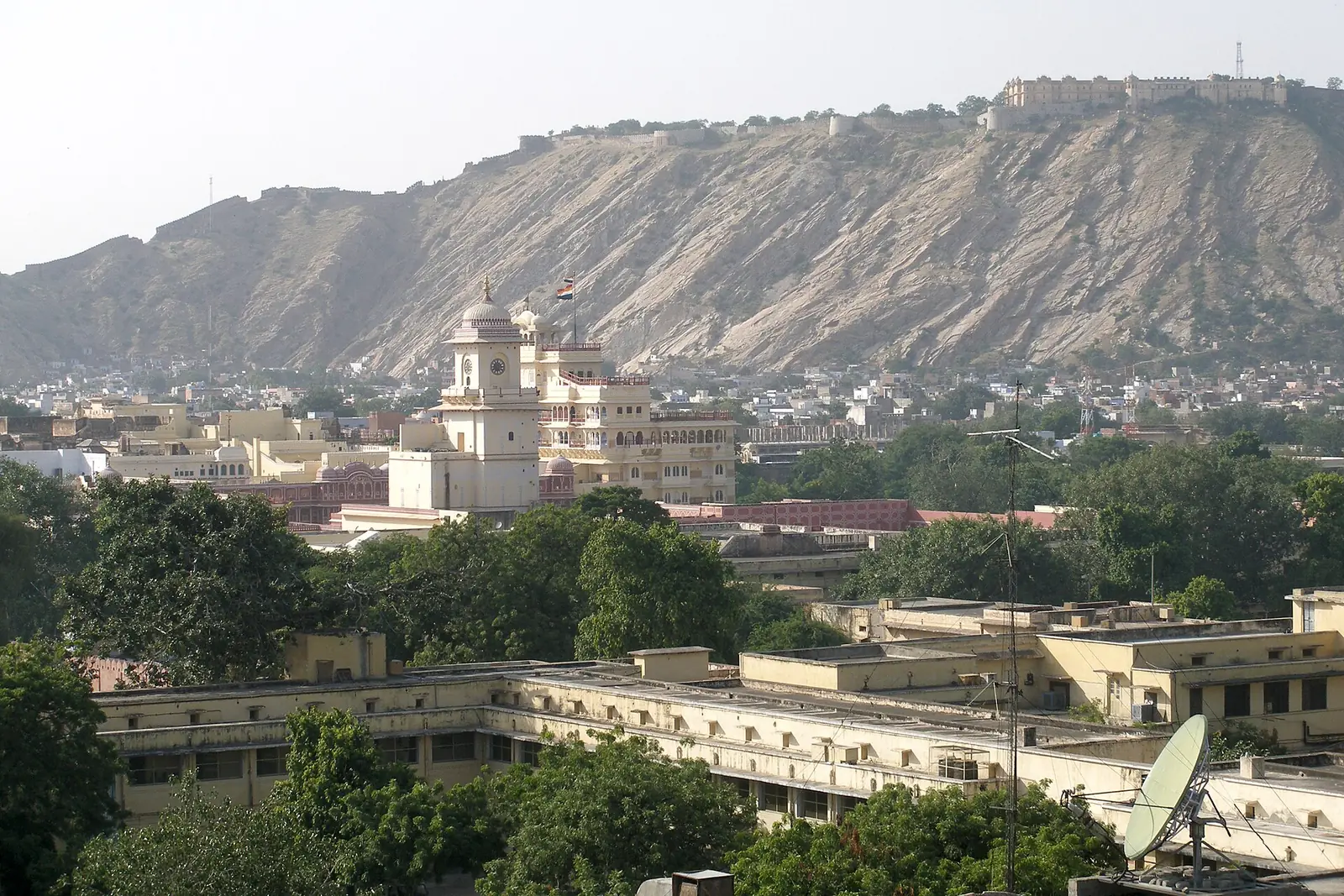 Destination Guide
Jaipur Travel Guide: Amber Fort, Hawa Mahal & Tips
A pink-washed old city, a hilltop fort reached by elephant, and a honeycombed palace built so royal women could watch the streets unseen — the complete Jaipur guide.
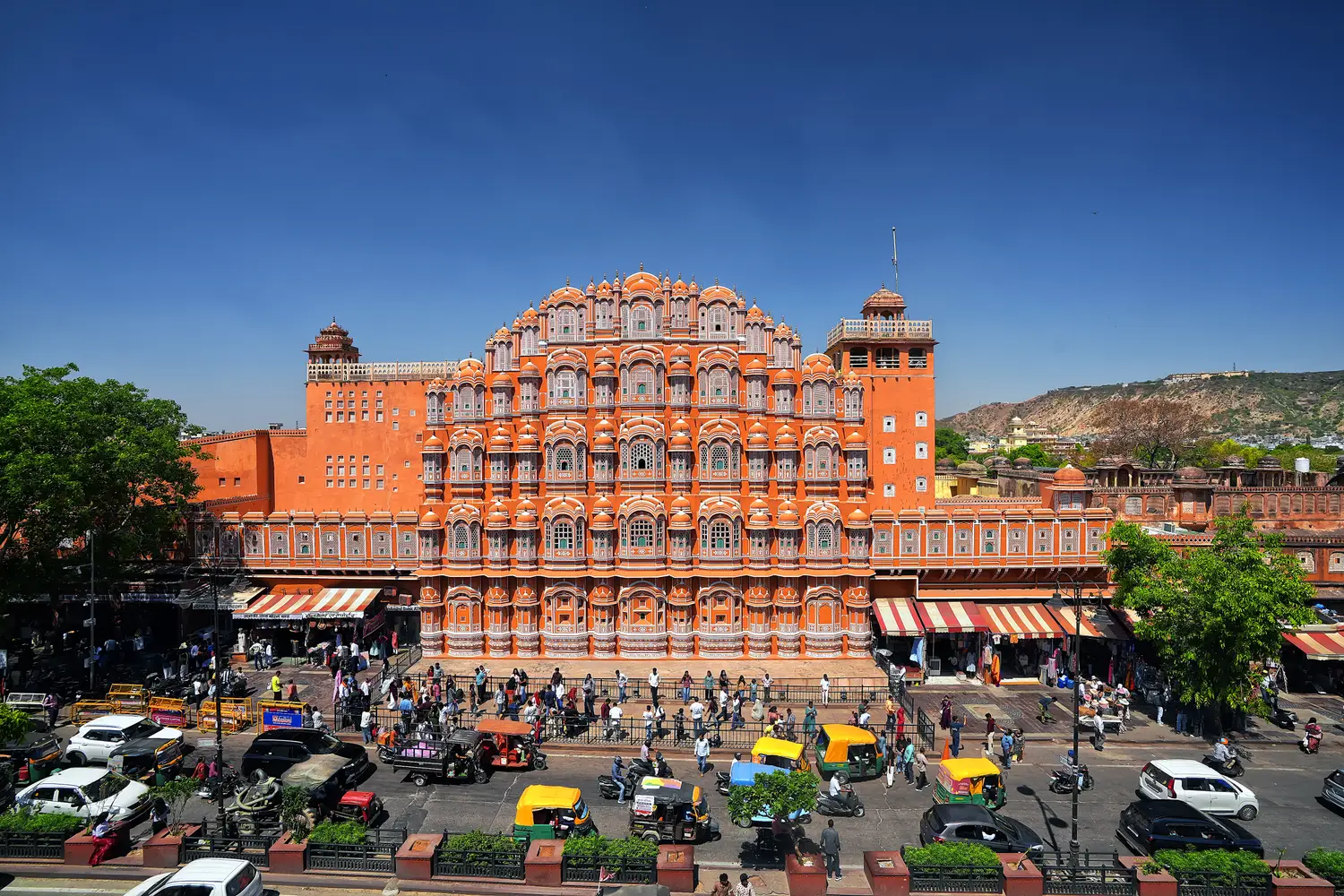 Things to Do
Things to Do in Jaipur: Forts, Bazaars, Food & Heritage Experiences
The best things to do in Jaipur, from Amber Fort and Hawa Mahal to bazaar walks, block-printing villages, sunset at Nahargarh and Rajasthani food, with practical tips.
Things to DoThings to Do in Jodhpur: Mehrangarh, the Blue City & Marwar Experiences
Things to do in Jodhpur: explore Mehrangarh Fort, walk the blue lanes of Brahmpuri, see Jaswant Thada and Umaid Bhawan, eat mirchi bada at the Clock Tower and try a zipline over the fort walls.