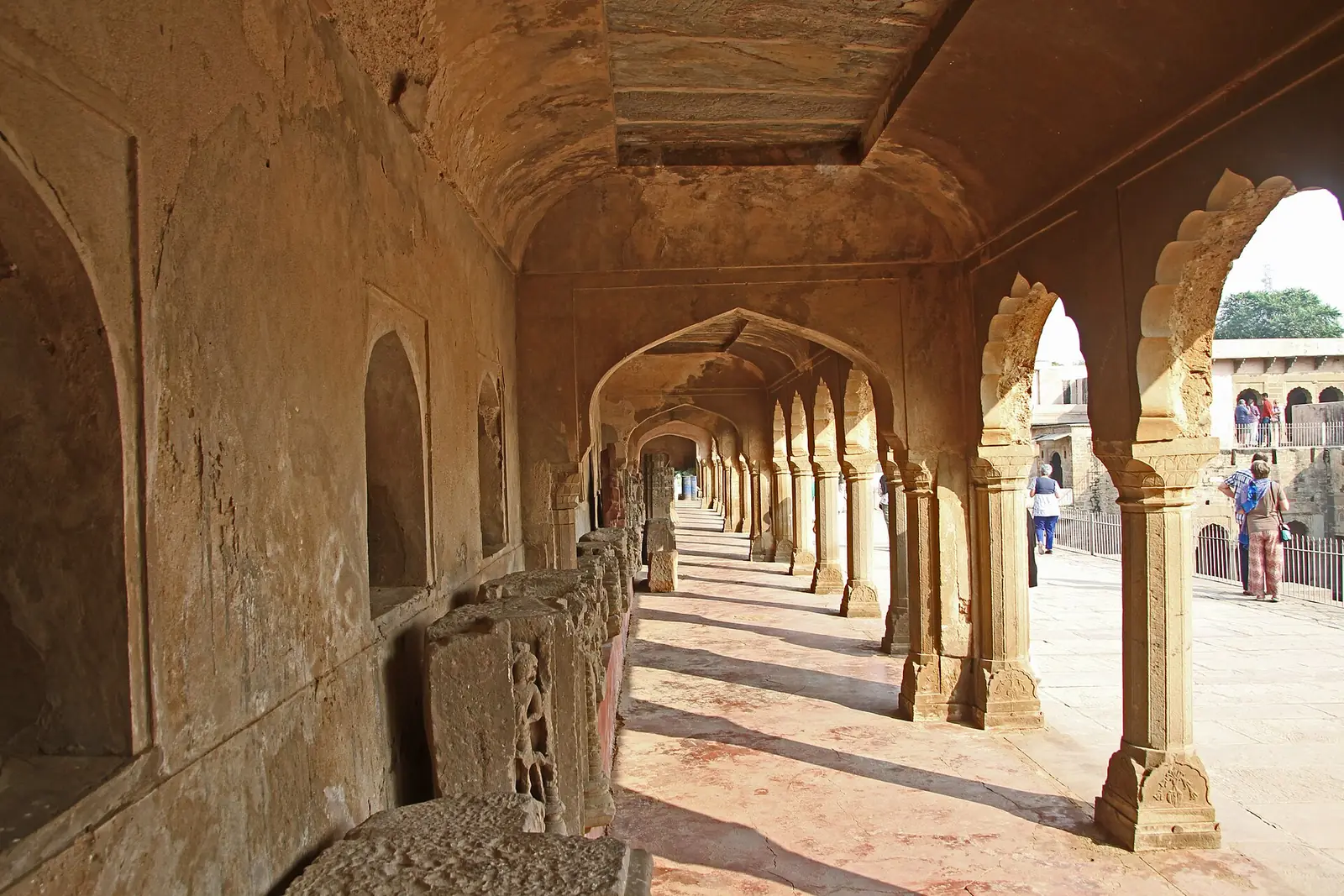
A Geometric Marvel in the Desert
Abhaneri is a small village whose name is inseparable from one structure: Chand Baori, one of the largest and deepest stepwells in the world, built roughly in the 8th-9th century CE.
Its defining feature is a dramatic geometric arrangement of symmetrical zigzagging steps descending some 13 stories — roughly 30 metres — into the earth on three sides, while the fourth side holds a multi-story pavilion. It's an extraordinarily photogenic and visually mesmerizing structure, drawing photographers and heritage travellers from well beyond Rajasthan.
Harshat Mata Temple stands directly adjacent to the stepwell, adding a religious dimension to the site — but beyond these two landmarks, Abhaneri itself remains a small, rural village, typically visited as a stop on a longer journey rather than a standalone destination.
🏛️ Abhaneri at a Glance
Best Time to Visit Abhaneri
Weather aside, Chand Baori photographs well at almost any time of day given how the light plays across its stepped geometry.
Cool, dry conditions make the stop comfortable, especially if you're on a longer driving day.
The stepwell offers some shade lower down, but the surrounding area gets genuinely hot for lingering.
Manageable for a short stop, though the stepwell's base may hold some water after heavy rain.
Soft morning light brings out the strongest shadow patterns across the zigzagging steps.
Our pick: Any time October through March works well — build Abhaneri into your route between Jaipur and Ranthambore or Agra rather than planning around a specific season.
How to Reach Abhaneri
- From Jaipur: Roughly 90 minutes to 2 hours by road — the most common approach.
- En route to Ranthambore: Abhaneri sits conveniently on the way, making it an easy stop without a detour.
- En route to Agra/Fatehpur Sikri: Similarly positioned as a natural break on this longer eastward journey.
Chand Baori & Harshat Mata Temple
Chand Baori
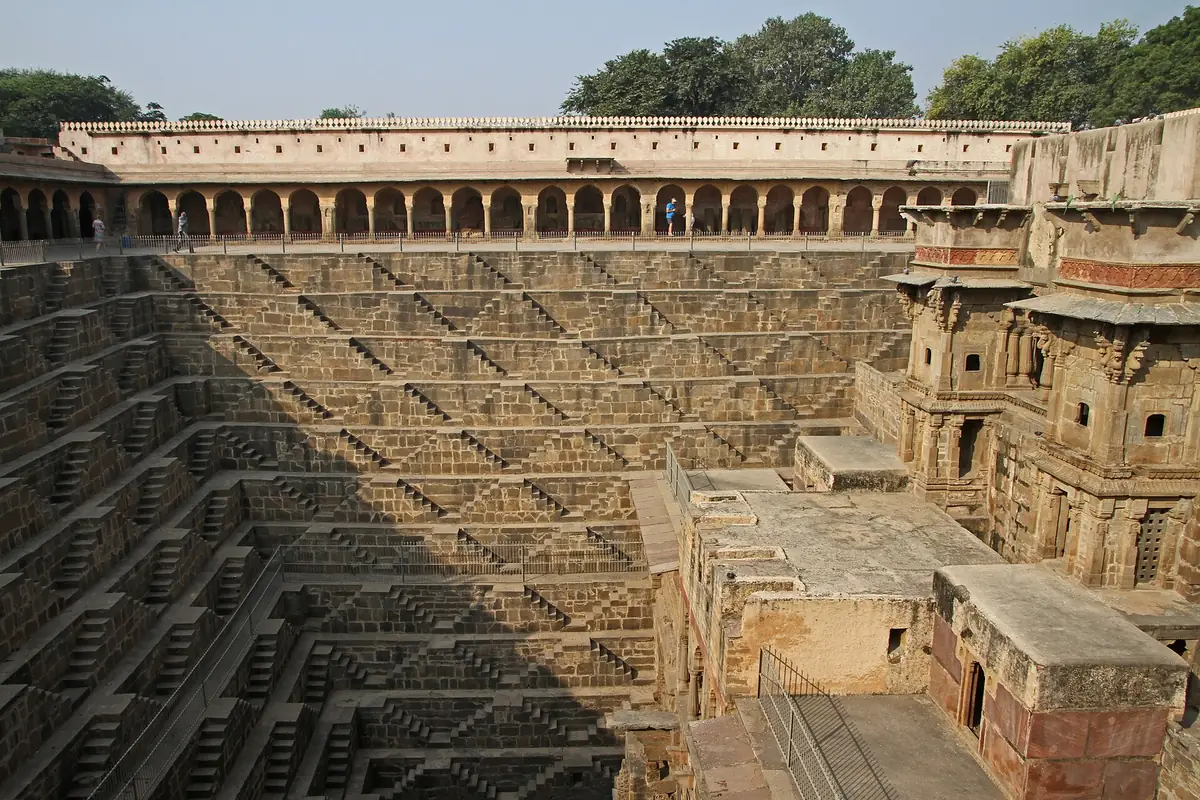
The stepwell was originally built for practical purposes — water storage and a cool community gathering space in the desert heat — but it's the sheer geometric drama of the design that draws visitors today. Walk the designated viewing areas slowly; the pattern of shadows shifts noticeably as the sun moves.
Harshat Mata Temple
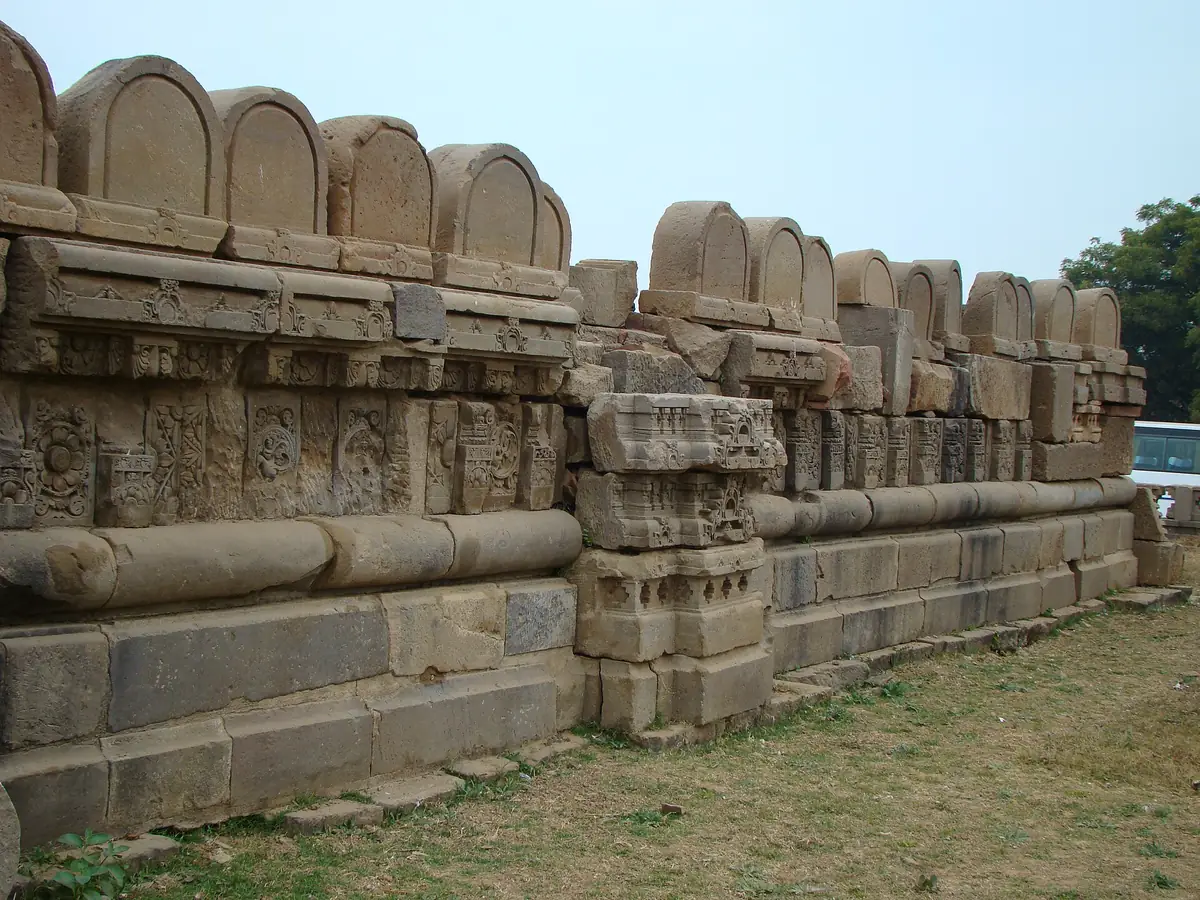
Set directly beside the stepwell, this temple adds a quieter, devotional counterpoint to Chand Baori's architectural spectacle — worth ten to fifteen minutes after you've explored the stepwell itself.
The Reality of Abhaneri as a Stop
Beyond these two sites, there isn't much else to see in the village — treat Abhaneri honestly as a focused, high-impact stop rather than a place to linger for a full day.
Where to Stay
Abhaneri doesn't need accommodation — it's a day-trip or en-route stop, not an overnight destination. Base yourself in Jaipur before or after, or continue on to your next stop the same day.
- → Budget hotels in Jaipur
- → Guesthouses near Jaipur bus stand
- → Simple stays en route to Ranthambore
- → Business hotels in Jaipur
- → Boutique stays in the Pink City
- → Mid-range Ranthambore resorts
- → Heritage hotels in Jaipur
- → Premium resorts near Ranthambore
- → Palace-style properties
Suggested Visit Plan
Chand Baori
- ✓Arrive from Jaipur (~90 min – 2 hrs)
- ✓Explore the stepwell's viewing areas
- ✓Photograph the geometric step patterns
Harshat Mata Temple & Onward
- ✓Brief visit to the adjoining temple
- ✓Grab a quick snack or tea nearby
- ✓Continue toward Ranthambore or Agra
* Best treated as a 1–2 hour stop within a longer Jaipur–Ranthambore or Jaipur–Agra journey, not a standalone day.
Where to Eat
- Roadside dhabas: A handful of simple eateries near the stepwell entrance for tea and light snacks.
- Eat before or after in Jaipur: Given Abhaneri's limited food options, plan proper meals at either end of your journey.
Budget Breakdown
| Expense | Approx. Cost |
|---|---|
| Entry fee (Chand Baori) | ₹25–200 depending on nationality |
| Snacks/tea nearby | ₹100–200 |
| Shared transport add-on (Jaipur route) | ₹500–1,500 |
* A genuinely low-cost stop — the main expense is the transport you're already paying for on your wider route.
Essential Tips for Visiting Abhaneri
- Build it into a longer route: Don't plan a dedicated Jaipur round trip — combine it with Ranthambore or Agra travel.
- Allow enough time for angles: The geometric patterns look different from each viewing point — don't rush the photography.
- Respect temple photography norms: Check for any restrictions near Harshat Mata Temple before photographing.
- Carry water and snacks: Food options right at the site are minimal.
✅ Do
- →Combine Abhaneri with a Jaipur–Ranthambore or Jaipur–Agra route
- →Visit Harshat Mata Temple alongside the stepwell
- →Take time to view the steps from multiple angles
- →Carry water and a snack for the stop
- →Visit in cooler months for a more comfortable walk
- →Respect designated viewing areas at the stepwell
❌ Don't
- →Plan a dedicated overnight stay in Abhaneri
- →Expect a wide choice of restaurants at the site
- →Improvise a route down the historic steps
- →Rush the stop without appreciating the geometry
- →Visit at peak midday heat in summer if avoidable
- →Skip Harshat Mata Temple next door
Frequently Asked Questions
How deep is Chand Baori?
Chand Baori descends roughly 13 stories, about 30 metres, into the ground via a dramatic symmetrical arrangement of zigzagging steps on three sides, with a multi-story pavilion on the fourth — making it one of the largest and deepest stepwells in the world.
How far is Abhaneri from Jaipur?
Roughly 90 minutes to 2 hours by road, making it an easy stop on the way to Ranthambore or Agra/Fatehpur Sikri rather than requiring a dedicated round trip.
Is Abhaneri worth an overnight stay?
No — Abhaneri is a small village best treated as a day-trip stop or an en-route break on a longer journey, not a standalone overnight destination. An hour or two is enough to properly see the stepwell and adjoining temple.
Can Abhaneri be combined with Ranthambore or Agra?
Yes — it sits conveniently between Jaipur and both Ranthambore and Agra/Fatehpur Sikri, making it a natural stop to break up either journey rather than a separate trip.
Is it safe and accessible to walk down into the stepwell?
Visitors typically view Chand Baori from designated viewing areas and walkways rather than descending the full historic steps, which are steep and were built for utilitarian access rather than tourist safety — follow posted access points rather than improvising a route down.
What else is there to see besides the stepwell?
Harshat Mata Temple stands directly adjacent to Chand Baori, adding a religious dimension worth a short visit alongside the stepwell itself.
Published by the Kudozz Club editorial team · Last updated · How we research our guides
Want us to plan this trip for you?
Tell Kudozz Club where you want to go and what kind of trip you’re looking for. We’ll build a Abhaneri and Rajasthan itinerary around your dates and budget.
Continue Exploring
View all guides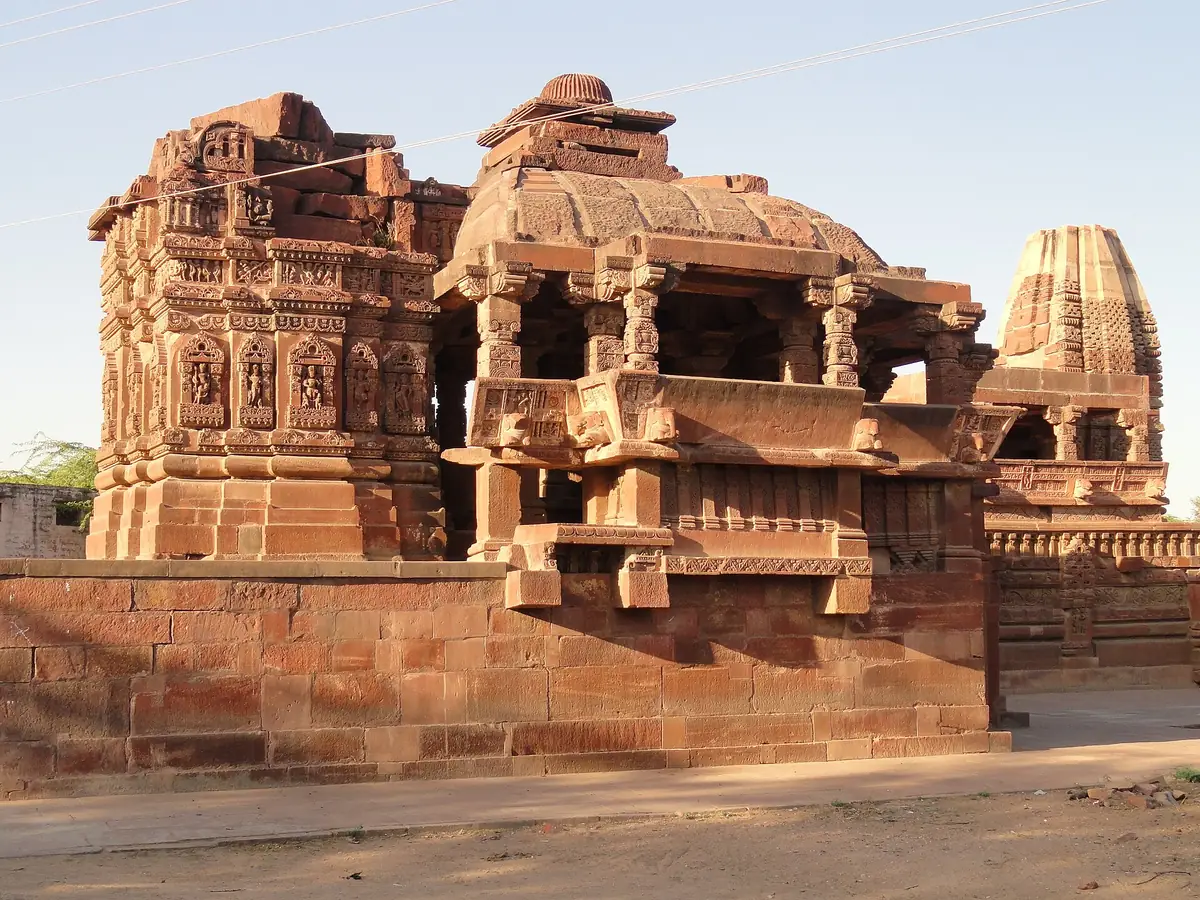 Heritage
Osian Travel Guide: Desert Temples & Tips
Ancient Hindu and Jain temples rise straight out of the Thar Desert near Jodhpur — the complete guide to Osian's 8th-12th century heritage and quieter dunes.
 Heritage
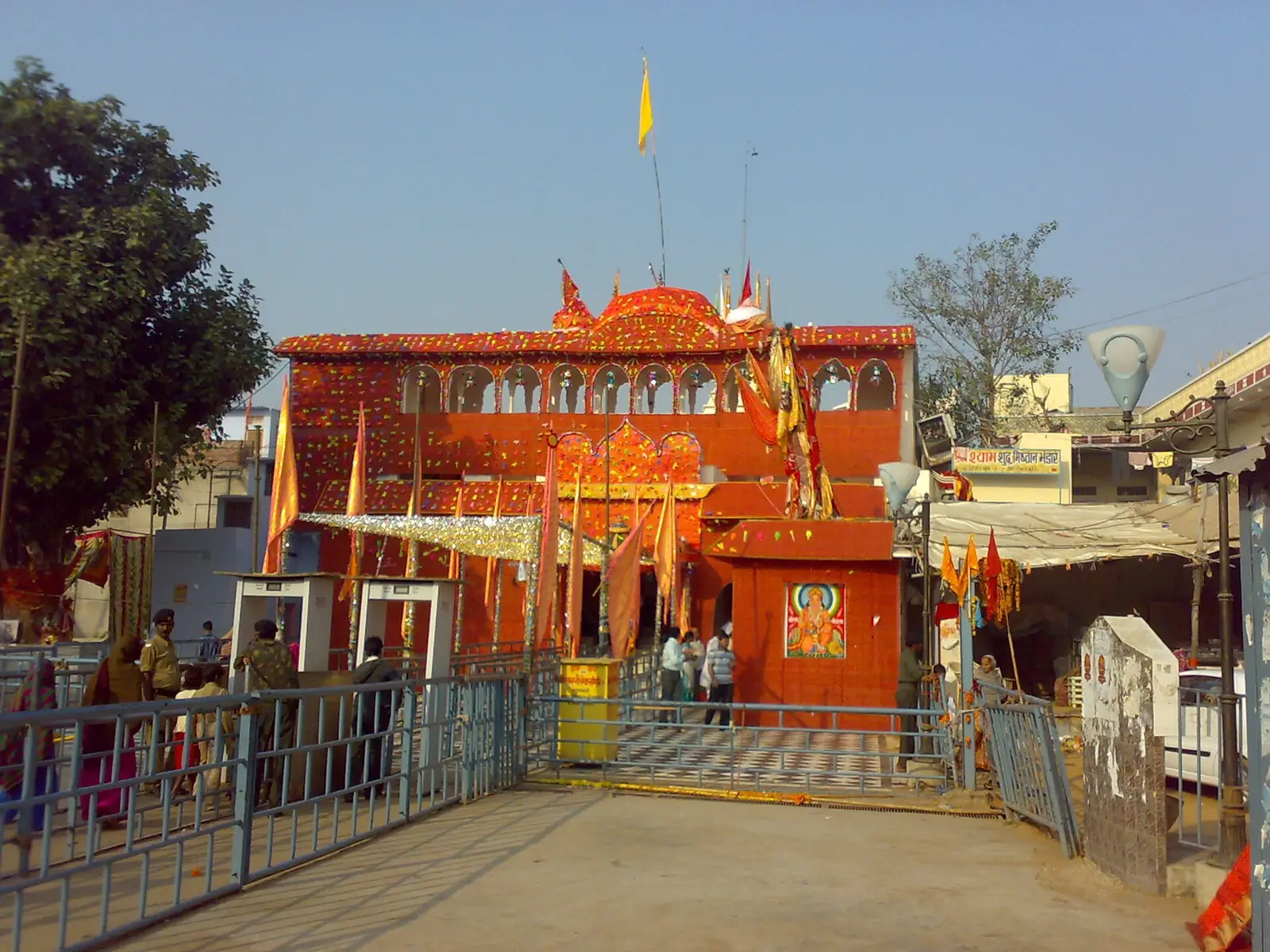
Khatu Shyam Ji Guide: Temple & Best Time
A legend of ultimate sacrifice, waves of devotional song, and one of Rajasthan's most intensely visited pilgrimage towns — the complete Khatu Shyam Ji guide.
 Heritage
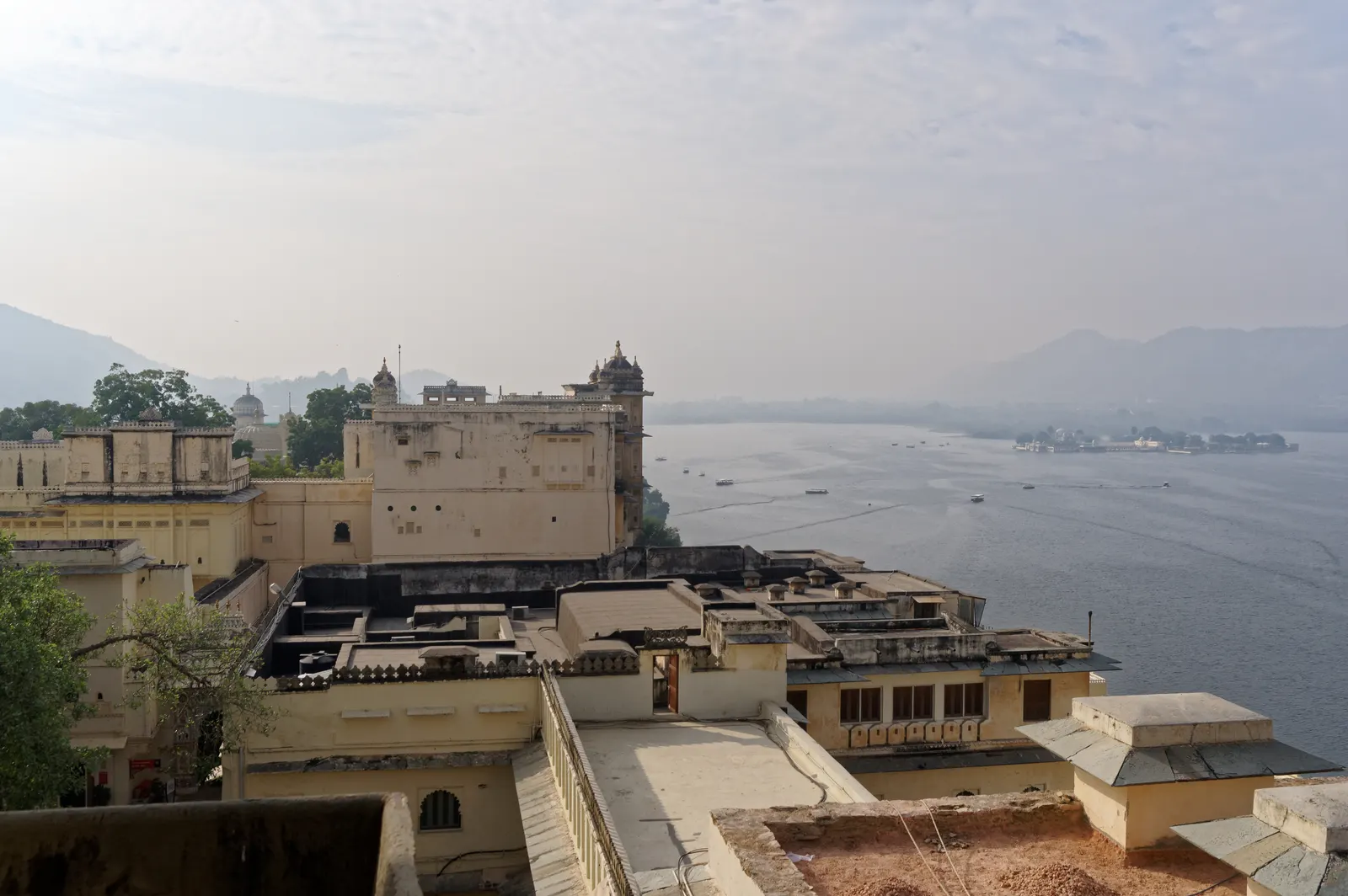
Udaipur Travel Guide: City Palace, Lake Pichola & Itinerary
Palaces that appear to float on still water, whitewashed havelis and the most romantic skyline in Rajasthan — the complete guide to the City of Lakes.
 Heritage
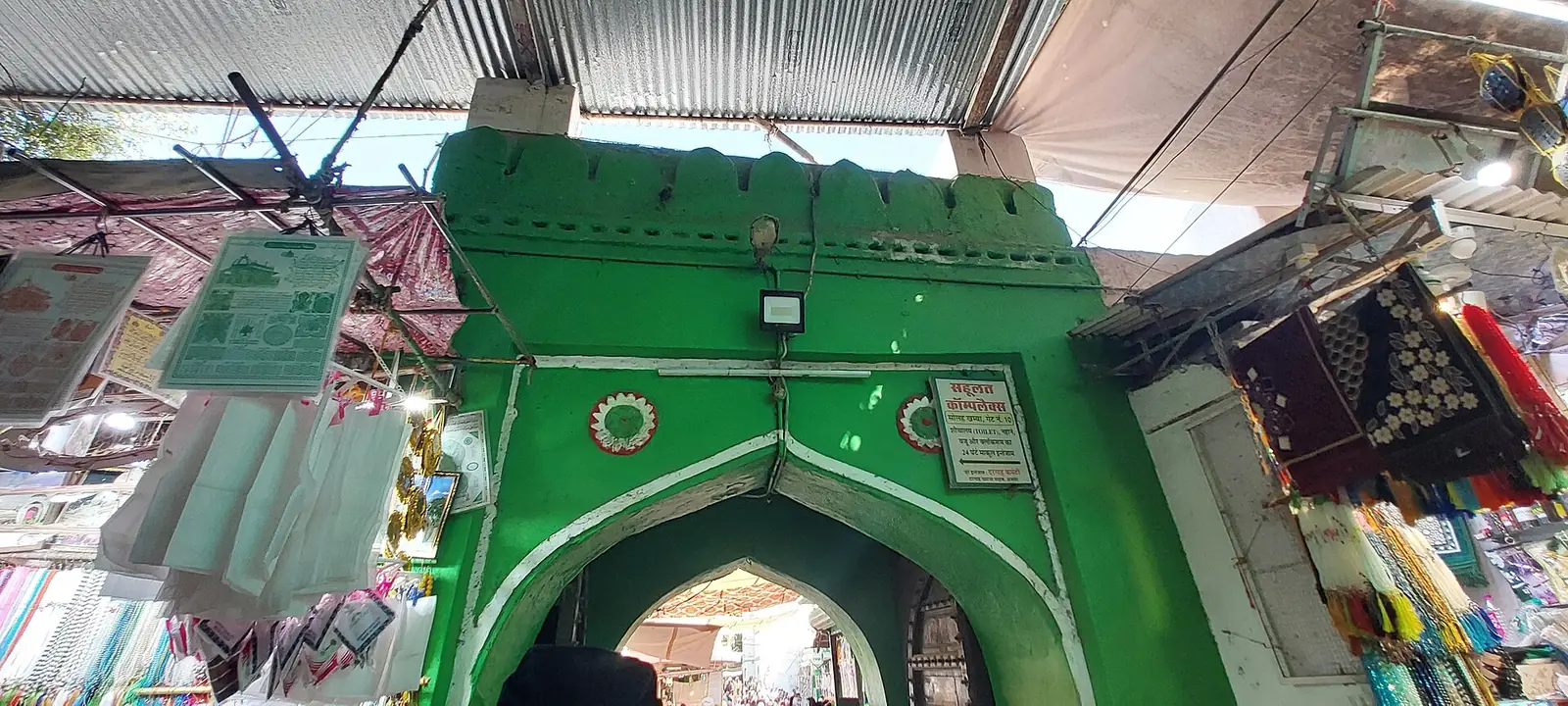
Ajmer Travel Guide: Dargah Sharif & Ana Sagar
One of India's most important Sufi shrines, a 12th-century lake, and a mosque built from a repurposed Sanskrit college — the complete Ajmer guide.