
Tigers & a Ruined Fort
Ranthambore National Park, roughly 180 km from Jaipur, is one of India's premier tiger reserves — and a former hunting ground of the Jaipur maharajas before it became a protected park. What sets it apart from almost every other Indian tiger reserve is a dramatic ruined 10th-century fort standing within the park itself.
Tigers photographed against Ranthambore Fort's ancient gates and ramparts have become some of the most iconic images in Indian wildlife photography — a combination of heritage and wilderness that few other parks can offer.
Beyond tigers, the park's lakes and forest support leopards, sloth bears, crocodiles, and significant birdlife, making it a rewarding destination even on a safari without a tiger sighting.
🐅 Ranthambore at a Glance
Looking for activities and experiences? See our guide to the best things to do in Ranthambore.
Planning a wildlife trip? See our guide to tiger safaris across India.
Best Time to Visit Ranthambore
Park closure dates and sighting odds both shape when to plan a Ranthambore trip.
Summer heat concentrates wildlife around the park's shrinking water sources, genuinely improving sighting odds — despite temperatures often crossing 40°C.
Pleasant daytime temperatures make the safari experience itself more comfortable, though sighting odds are somewhat lower than peak summer.
Ranthambore closes for the monsoon — no safaris run during this window, so plan around it entirely.
A reasonable middle ground between comfort and sighting odds, before the extreme summer heat of April-May fully sets in or just as it eases.
Our pick: April to June, if you can handle the heat — water scarcity concentrates wildlife and genuinely improves your odds of a tiger sighting.
How to Reach Ranthambore
- By rail to Sawai Madhopur: The railway station that serves the park directly, well connected to Jaipur, Delhi, and Mumbai — the most convenient option for most travelers.
- By road from Jaipur: Roughly 180 km, a 3-4 hour drive.
- By road from Agra/Delhi: A longer drive, often combined with a wider Rajasthan or Golden Triangle itinerary.
Safaris, Zones & the Fort
Tiger Safaris & the Zone System
Ranthambore is divided into multiple numbered safari zones, each booked separately for a morning or afternoon slot. Some zones have historically shown higher tiger-sighting rates than others, though this shifts as tiger territories change over time — a good local operator's current advice is worth more than any fixed "best zone" list you'll find online.
Ranthambore Fort
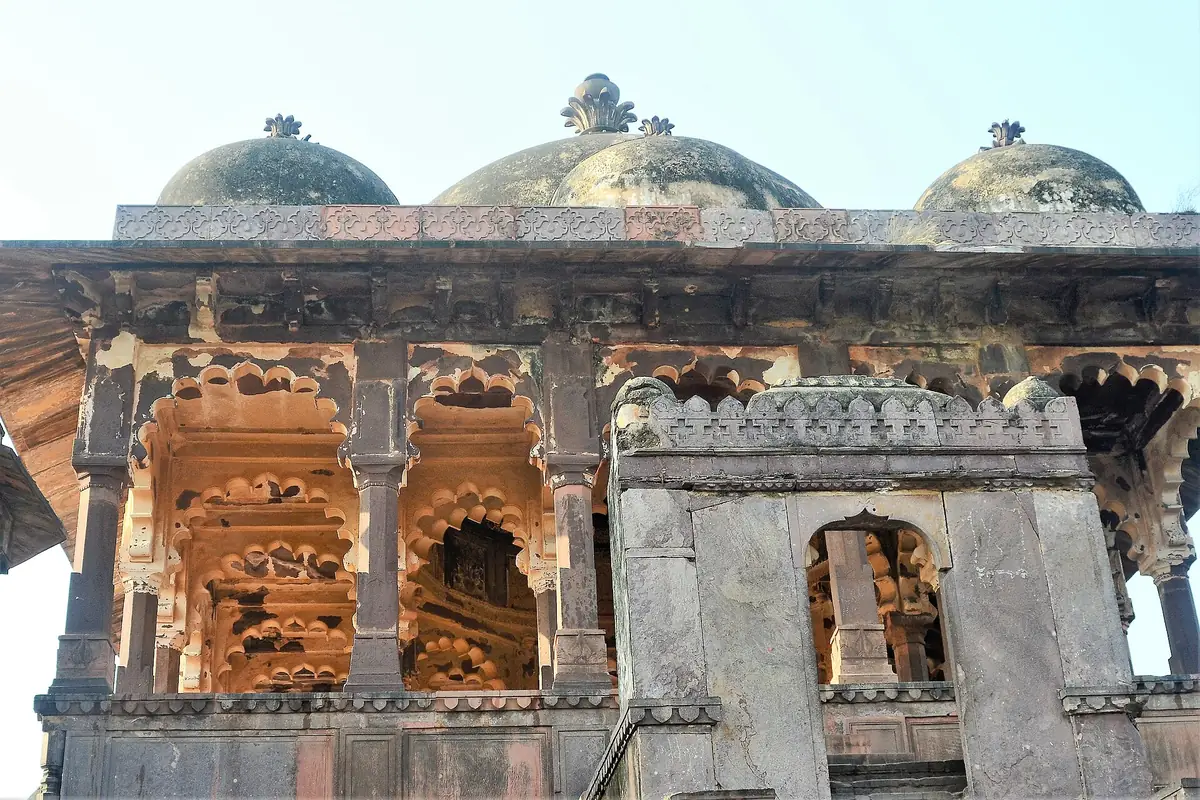
The ruined 10th-century fort stands within the park itself, visible from several zones and safari routes, and can also be visited separately as a heritage site. Tigers photographed near its ancient gates and walls have become some of the most recognizable images in Indian wildlife photography.
Beyond Tigers
Padam Talao and the park's other lakes support leopards, sloth bears, crocodiles, and rich birdlife — genuinely rewarding even on a safari without a tiger sighting.
Where to Stay Near Ranthambore
Accommodation is concentrated near Sawai Madhopur and the park's main entrance, ranging from simple budget lodges to high-end wildlife resorts.
- → Budget guesthouses, Sawai Madhopur
- → Simple lodges near the park gate
- → Homestays in town
- → Mid-range wildlife resorts
- → Boutique jungle lodges
- → Hotels near Ranthambore Road
- → Premium wildlife resorts
- → Heritage-style luxury camps
- → All-inclusive safari packages
Suggested Visit Plan (2 Days)
Arrival & First Safari
- ✓Arrive, check in
- ✓Afternoon safari, first zone
- ✓Evening at leisure near the resort
Two More Safaris
- ✓Early-morning safari, second zone
- ✓Rest through the heat of the day
- ✓Afternoon safari or Ranthambore Fort visit
* 2-3 safaris is a reasonable minimum for a realistic — though never guaranteed — chance of a tiger sighting.
Where to Eat Near Ranthambore
- Resort dining: Most wildlife resorts and lodges serve full meals to guests, often the most convenient option given the limited standalone dining scene near the park.
- Sawai Madhopur town: A range of simple local restaurants and dhabas for Rajasthani thalis and everyday meals.
- Packed breakfasts: Many stays offer an early packed breakfast for morning safaris, given the pre-dawn departure times.
Budget Breakdown
| Expense | Budget | Mid-Range | Luxury |
|---|---|---|---|
| Accommodation/night | ₹2,000 | ₹6,000 | ₹25,000 |
| Safari (per person, per drive) | ₹1,500 | ₹2,500 | ₹4,000 |
| Food/day | ₹600 | ₹1,500 | ₹3,000 |
| Park/permit fees (per safari) | ₹500 | ₹500 | ₹500 |
* Safari costs vary by vehicle type (shared canter vs. private gypsy) and zone — figures above are indicative per-safari costs.
Essential Tips for Visiting Ranthambore
- Book safaris well in advance: Popular zones and peak-season slots sell out weeks ahead through the Forest Department's portal.
- Morning safaris are generally better: Cooler temperatures tend to mean more wildlife activity, though afternoon safaris can also produce sightings.
- Dress in neutral colors: Avoid bright clothing on safari, and stay quiet to avoid disturbing wildlife.
- Set realistic expectations: Tiger sightings are never guaranteed — go in with an appreciation for the wider ecosystem, not just the tiger.
- Carry water and sun protection: Especially for the hotter summer months when sighting odds are best.
✅ Do
- →Book safaris well ahead of your trip
- →Plan 2-3 safaris for a realistic sighting chance
- →Dress in neutral, muted colors
- →Carry water, sun protection and binoculars
- →Stay quiet and patient during safaris
- →Consider April-June for the best sighting odds
❌ Don't
- →Expect a guaranteed tiger sighting
- →Book safaris at the last minute in peak season
- →Wear bright colors or make loud noise on safari
- →Travel during the Jul-Sep monsoon closure
- →Skip sun protection if visiting Apr-Jun
- →Ignore your naturalist/guide's instructions
Frequently Asked Questions
What is the best time and zone for tiger sightings in Ranthambore?
April to June generally sees the highest sighting odds, as the summer heat concentrates wildlife around the park's remaining water sources, despite temperatures often crossing 40°C. Zone allocation is partly luck-based — some zones have historically shown higher sighting rates, but this shifts as territories change, so a good local operator's current advice matters more than any fixed 'best zone' list.
How far is Ranthambore from Jaipur?
Roughly 180 km, about a 3-4 hour drive or train ride. Sawai Madhopur railway station serves the park directly and is well connected to Jaipur, Delhi, and Mumbai.
How do I book a Ranthambore safari?
Safaris are booked through the Rajasthan Forest Department's online portal or through your hotel/a local operator, generally well in advance — popular zones and peak-season dates can sell out weeks ahead. Bookings are tied to specific zones and time slots (morning or afternoon).
Is Ranthambore Fort accessible during a safari?
The fort stands within the park and is visible from several zones and safari routes, and can also be visited separately as a heritage site (it's technically open to the public outside safari hours in parts). Tigers are sometimes photographed near or against its walls, which is part of what makes Ranthambore visually distinct from other tiger reserves.
How many safaris should I plan for a realistic chance of seeing a tiger?
2-3 safaris across 2 days is a reasonable minimum for a realistic (though never guaranteed) chance. Sightings depend on season, zone, and luck — some visitors see a tiger on their first safari, others need several attempts.
Is Ranthambore open year-round?
No — the park closes during the monsoon, roughly July to September, and reopens in October. The main safari season runs October through June.
Published by the Kudozz Club editorial team · Last updated · How we research our guides
Want us to plan this trip for you?
Tell Kudozz Club where you want to go and what kind of trip you’re looking for. We’ll build a Ranthambore Safari and Rajasthan itinerary around your dates and budget.
Continue Exploring
View all guides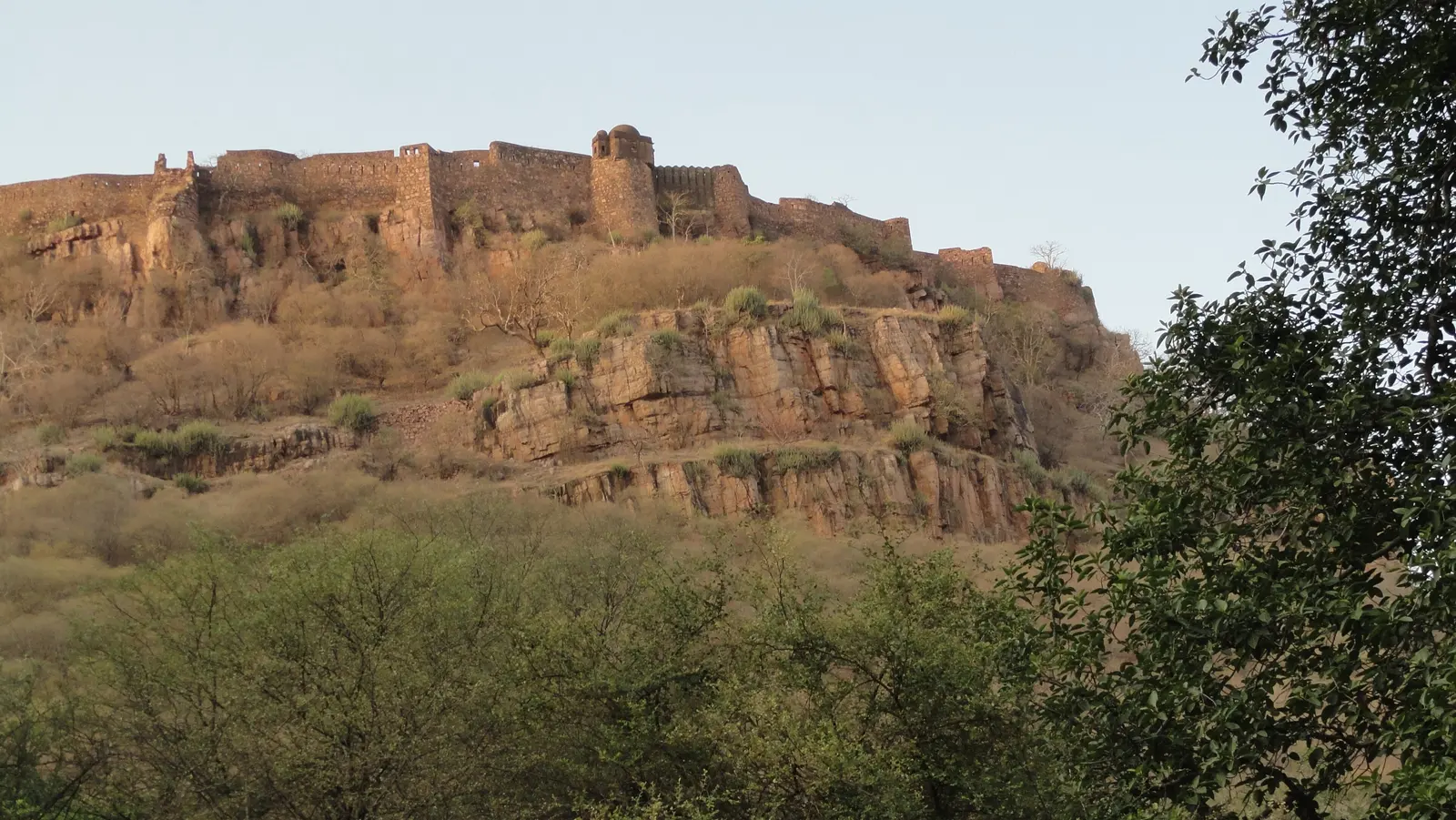 Adventure
Things to Do in Ranthambore for First-Time Visitors
A first-timer's honest account of Ranthambore — the safari that finally delivered a tigress near Padam Talao, the climb up Ranthambore Fort almost skipped, and a half-day at Chambal Gharial Sanctuary.
 Wildlife Tourism
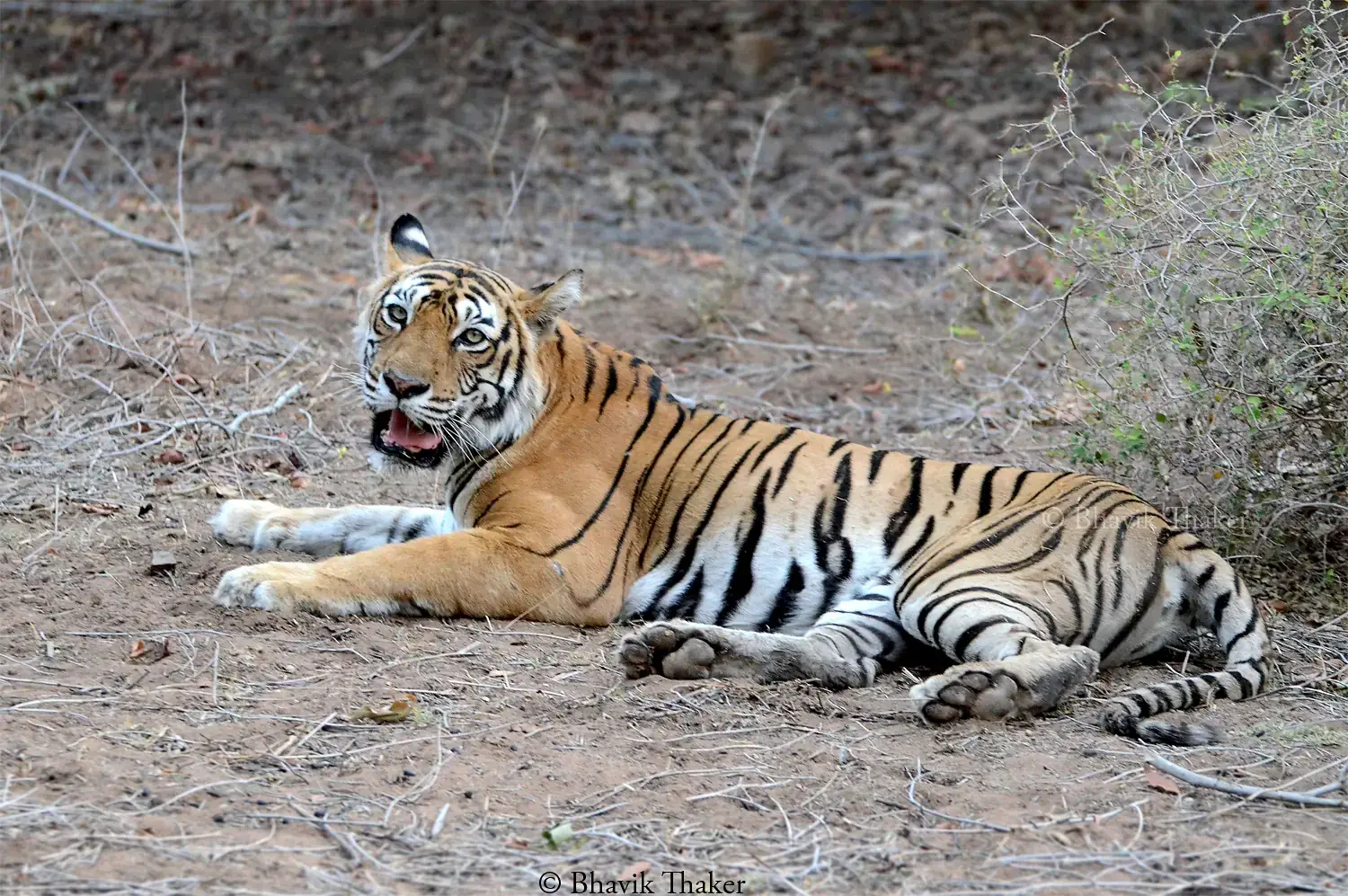
Wildlife Tourism in Rajasthan: Ranthambore, Sariska, Leopards and Birds
A guide to wildlife tourism in Rajasthan: the tiger reserves of Ranthambore, Sariska and Mukundra Hills, leopards at Jhalana and Jawai, winter birds at Keoladeo and Khichan, the great Indian bustard in the Desert National Park, gharials on the Chambal, blackbuck at Tal Chhapar, seasons and a sample route.
 Wildlife Tourism
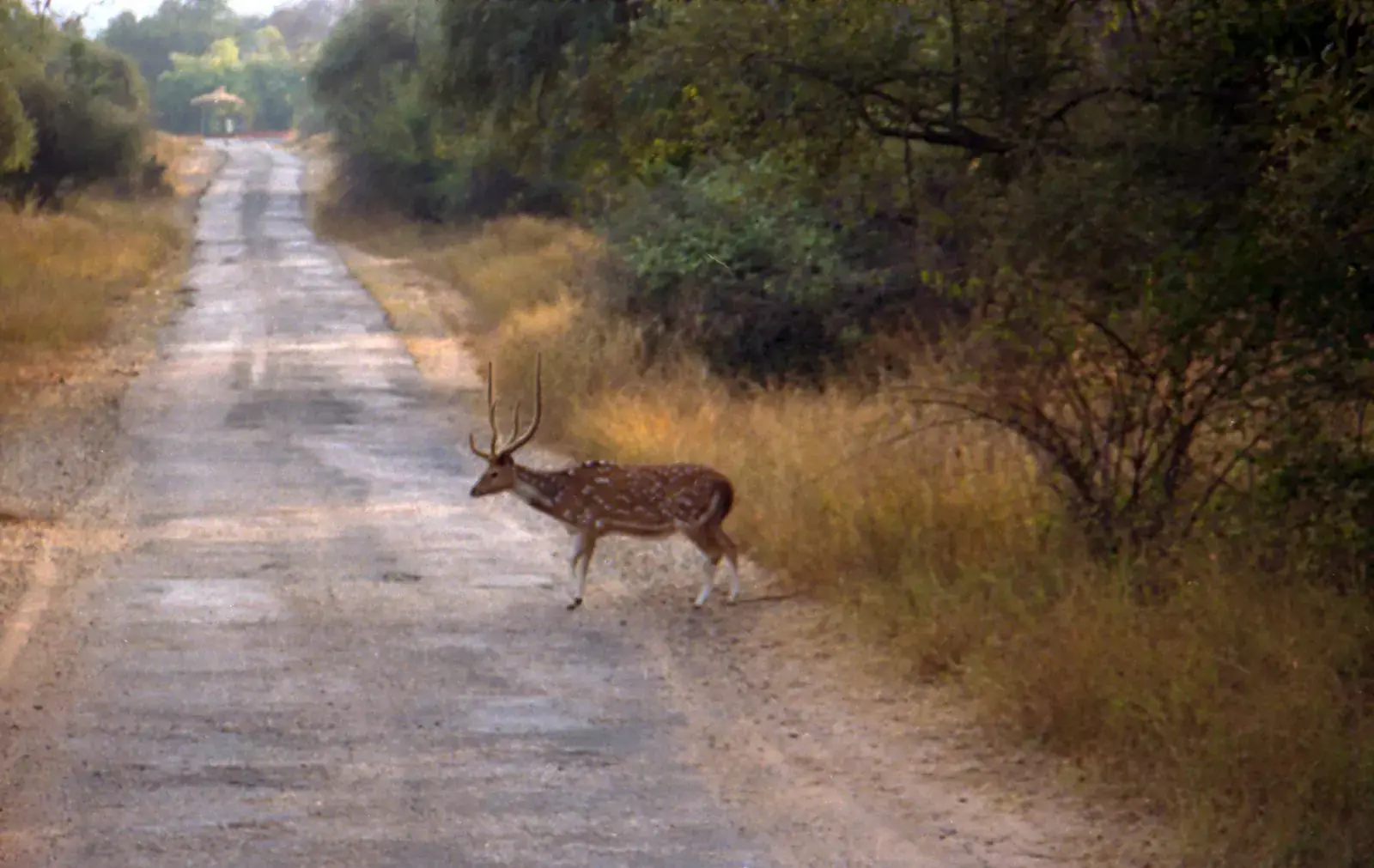
Sariska Tiger Reserve: Safari, Zones, Best Time and Travel Guide
A guide to Sariska Tiger Reserve in Rajasthan's Alwar district: the story of its tigers and their reintroduction, safari gates and zones, the season and monsoon closure, the forts, temples and Bhangarh nearby, how to get there from Delhi and Jaipur, and a weekend plan.
 Adventure
Bharatpur Guide: Keoladeo Bird Sanctuary & Tips
A former royal hunting reserve turned UNESCO-listed wetland, explored by cycle-rickshaw rather than jeep — the complete Bharatpur guide.