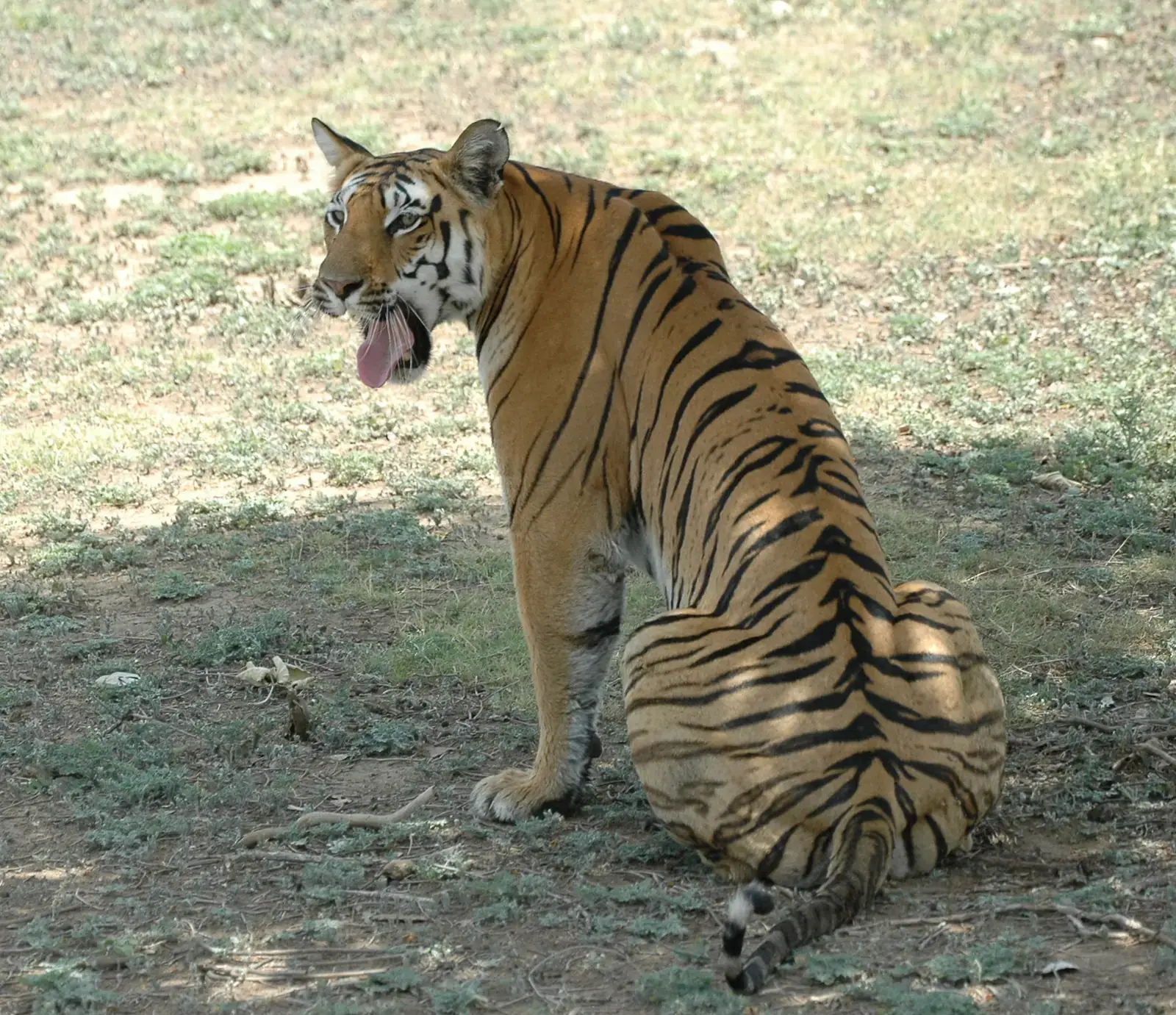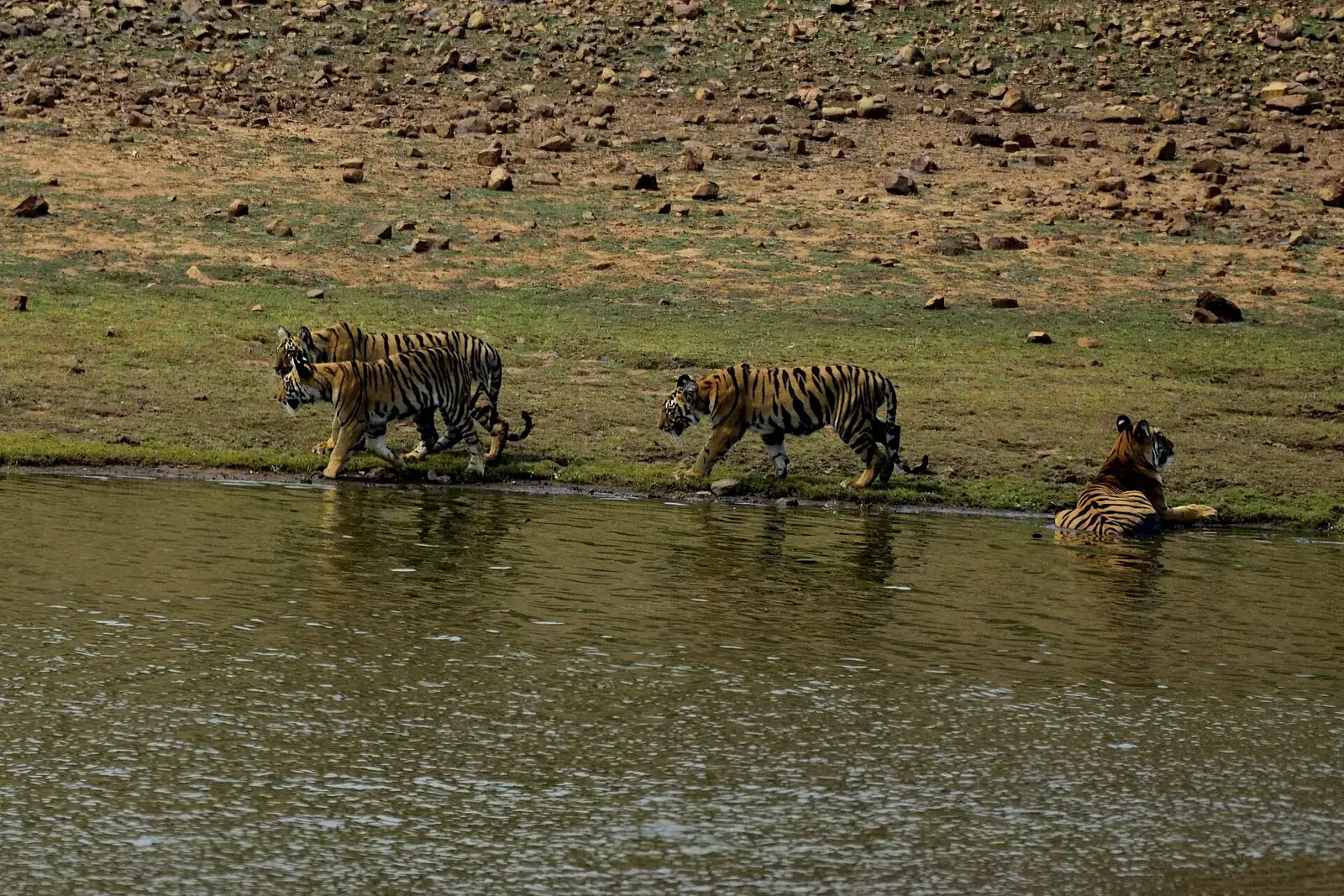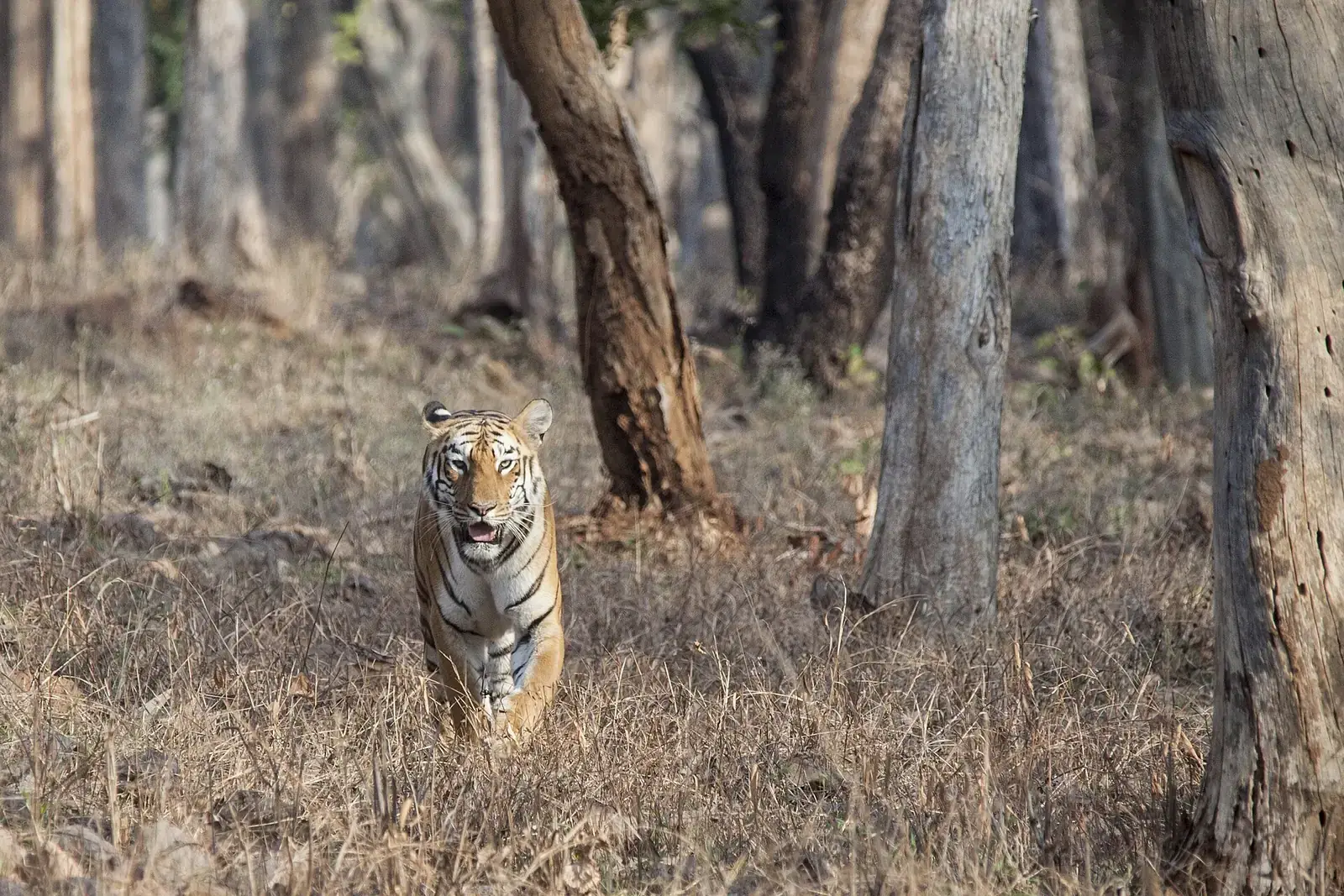
India holds roughly three-quarters of the world's wild tigers. The 2022 All India Tiger Estimation put the population at about 3,682 (a range of 3,167 to 3,925), with Madhya Pradesh, Karnataka, Uttarakhand and Maharashtra holding the most. Most visitors see them from an open jeep in one of the country's tiger reserves, on a morning or afternoon drive along set routes with a forest guide.
Some reserves are much better known for sightings than others, and the season makes a big difference. This guide compares the main tiger safari destinations and explains when to go. For booking, zones and costs, see how to plan a tiger safari in India; for the reserve system itself, see best tiger reserves in India.
Quick answer
The best places for a tiger safari in India include Bandhavgarh, Kanha, Pench and Satpura in Madhya Pradesh, Tadoba-Andhari in Maharashtra, Ranthambore in Rajasthan, Jim Corbett in Uttarakhand and Kabini (Nagarhole) in Karnataka. Most core zones close from July to September. Sightings are often best from March to June, when animals visit waterholes, while October to February is cooler and greener. No safari can guarantee a tiger.
Key takeaways
- India had an estimated 3,682 wild tigers in 2022, about three-quarters of the world's wild population.
- Bandhavgarh, Tadoba, Kanha and Ranthambore are among the reserves best known for regular sightings.
- Core zones of most central Indian reserves close from 1 July to 30 September; some buffer zones stay open.
- March to June is hot but often best for sightings; October to February is more comfortable.
- Book early through the official forest department portals, and plan several drives rather than one.
Tiger safari destinations compared
| Reserve | State | Known for | Best months | Access |
|---|---|---|---|---|
| Bandhavgarh | Madhya Pradesh | High tiger density, Tala zone, fort ruins | October to June | Jabalpur, Umaria station |
| Kanha | Madhya Pradesh | Sal forest, meadows, barasingha | October to June | Jabalpur, Nagpur |
| Pench | Madhya Pradesh and Maharashtra | Teak forest, the Jungle Book landscape | October to June | Nagpur |
| Satpura | Madhya Pradesh | Walking and boat safaris, fewer crowds | October to June | Pipariya, Bhopal |
| Tadoba-Andhari | Maharashtra | Frequent sightings, lakes | October to June; buffers longer | Nagpur, Chandrapur |
| Ranthambore | Rajasthan | Tigers among fort ruins and lakes | October to June | Sawai Madhopur, Jaipur |
| Jim Corbett | Uttarakhand | India's oldest national park, Dhikala grasslands | November to June (Dhikala) | Ramnagar, Delhi by road |
| Kabini and Nagarhole | Karnataka | Elephants, leopards, riverside tigers | Year-round, best October to May | Mysuru, Bengaluru |
| Bandipur | Karnataka | Dry forest next to Nagarhole and Mudumalai | Year-round, best October to May | Mysuru |
| Sundarbans | West Bengal | Mangrove tigers seen from boats (rarely) | September to March | Kolkata |
The main tiger reserves
Bandhavgarh, Madhya Pradesh
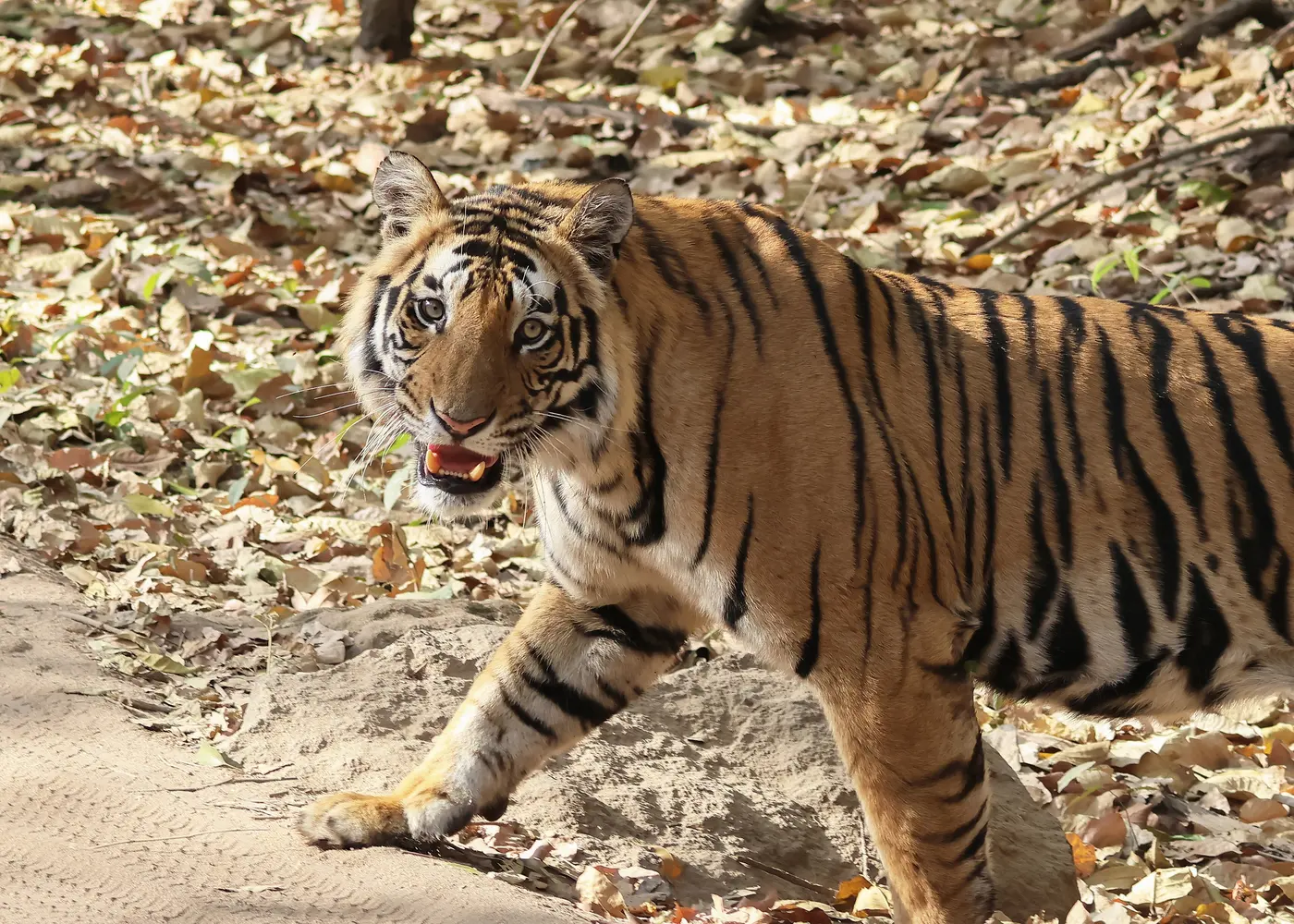
A compact reserve of hills, meadows and sal forest around the ancient Bandhavgarh fort, long known for one of the highest densities of tigers in India. Tala is the best-known core zone; Magadhi and Khitauli are the others.
- Safari
- Jeep, morning and afternoon
- Base
- Tala village
Kanha, Madhya Pradesh
Large sal forests and open meadows, home to the hard-ground barasingha, which Kanha saved from near-extinction. Excellent for all-round wildlife as well as tigers, with Kisli, Kanha, Mukki and Sarhi core zones.
- Safari
- Jeep
- Base
- Mukki, Khatia, Sarhi
Pench, Madhya Pradesh and Maharashtra
Teak forest along the Pench river, split between two states. Turia is the busiest gate on the Madhya Pradesh side.
- Safari
- Jeep; canter at Turia
- Base
- Turia, Khawasa
Tadoba-Andhari, Maharashtra
Maharashtra's oldest and largest national park, with lakes and bamboo forest, and a reputation for frequent sightings. Buffer zones often run safaris when the core is closed.
- Safari
- Jeep, core and buffer
- Base
- Moharli, Kolara
Ranthambore, Rajasthan
Dry forest, lakes and a clifftop fort in the Aravalli and Vindhya hills; tigers are photographed around the lakes and ruins. Zones are allotted by the booking system, and some are more productive than others.
- Safari
- Jeep and canter
- Base
- Sawai Madhopur
Jim Corbett, Uttarakhand
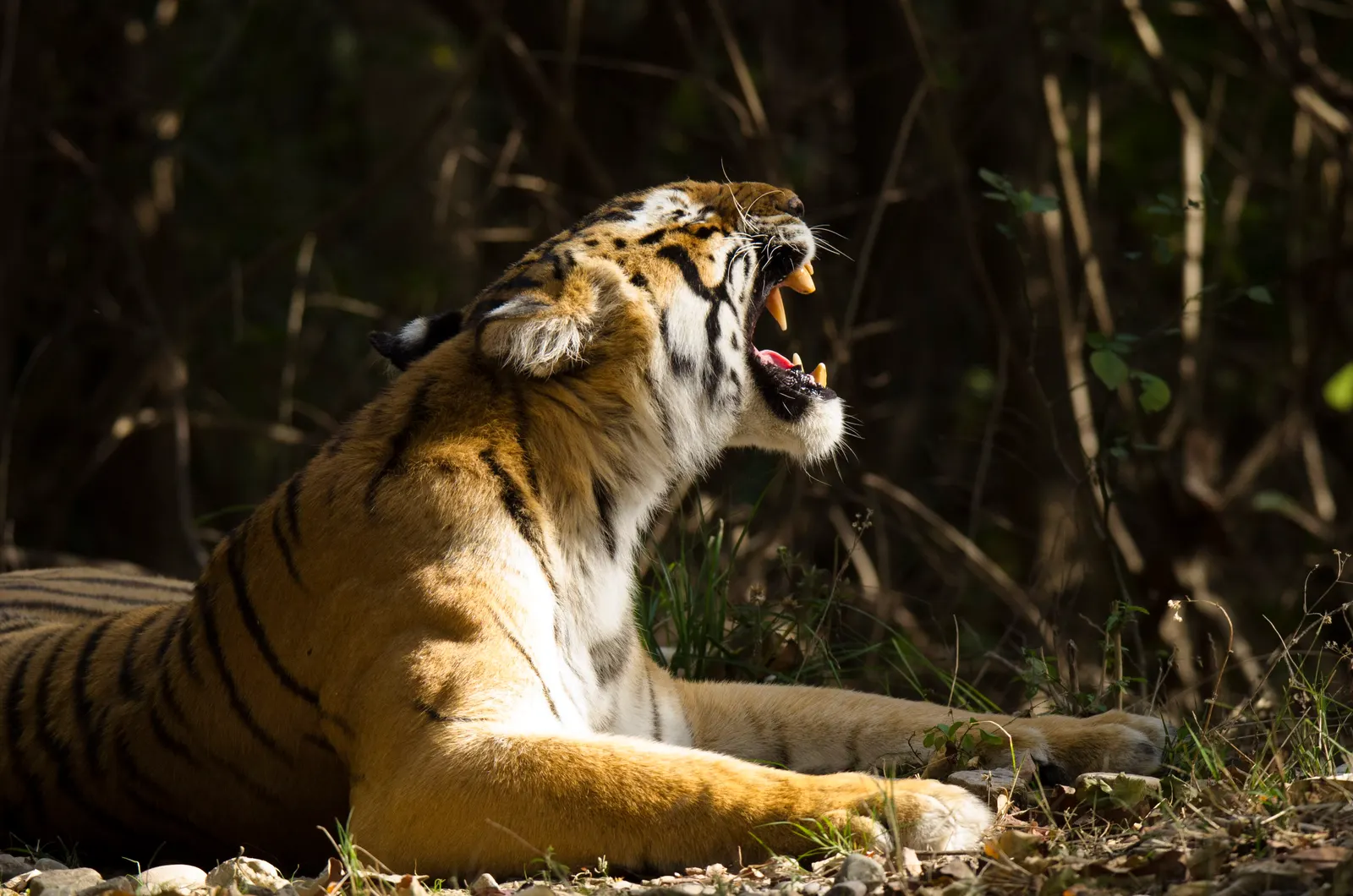
India's oldest national park, where Project Tiger was launched in 1973. Dhikala's grasslands along the Ramganga are the highlight; zones such as Bijrani, Jhirna and Dhela are closer to Ramnagar.
- Safari
- Jeep, canter; forest lodge stays
- Base
- Ramnagar
Kabini, Nagarhole and Bandipur, Karnataka
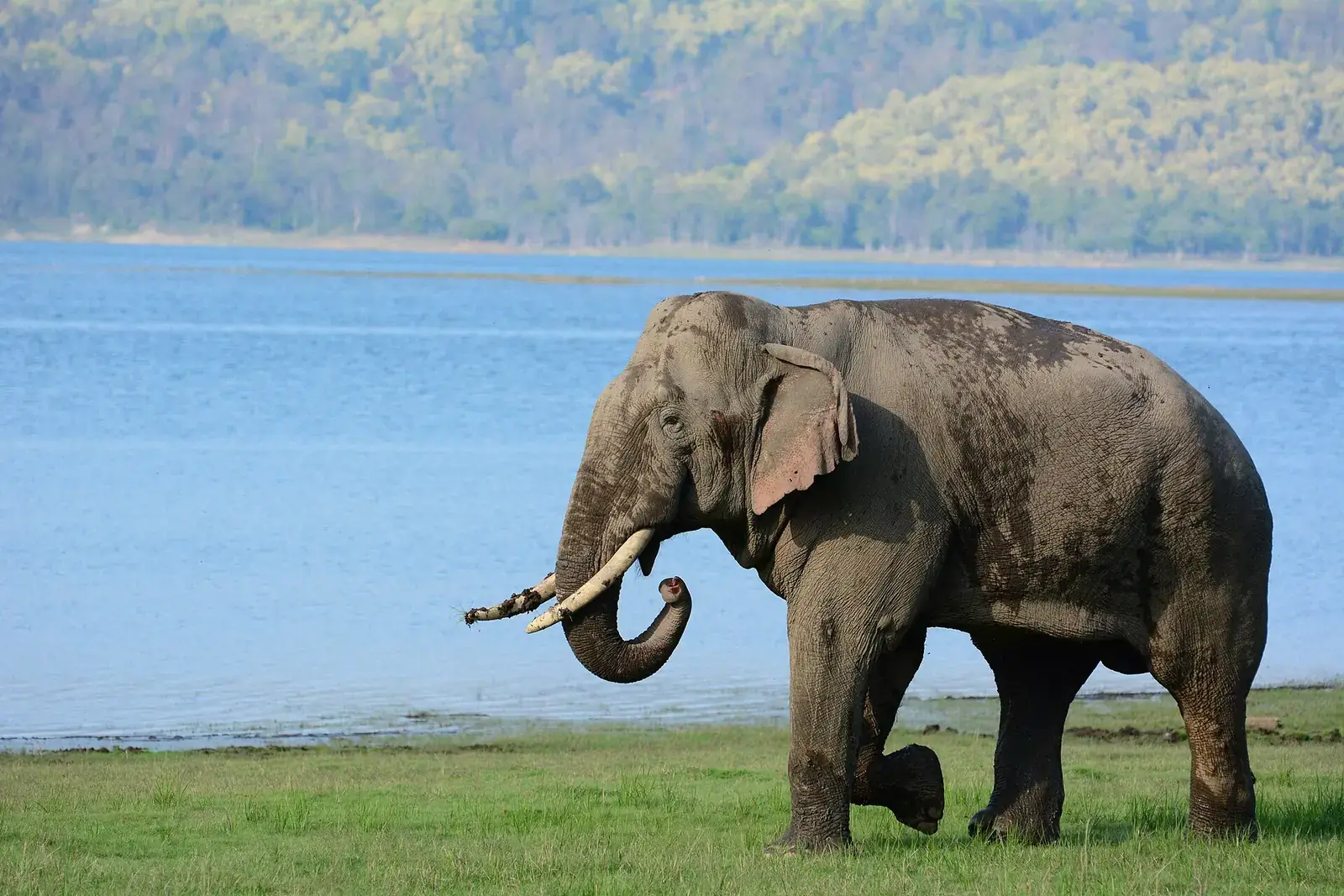
Karnataka holds one of India's largest tiger populations. Kabini, on the edge of Nagarhole, is known for tigers, elephants and leopards along the reservoir; Bandipur adjoins it to the south.
- Safari
- Jeep, canter; boat at Kabini
- Base
- Kabini, Bandipur
Panna and Satpura, Madhya Pradesh
Panna lost its tigers by 2009 and was repopulated through reintroduction, a notable recovery. Satpura is quieter, with walking and boat safaris alongside jeep drives.
Sundarbans, West Bengal
The world's largest mangrove forest holds tigers adapted to tidal creeks. Visits are by boat from watchtowers along the channels; sightings are rare, and the experience is the landscape.
When to go
Most central Indian reserves open around 1 October (or 15 or 16 October in some places) and close their core zones from 1 July to 30 September for the monsoon. Some buffer zones stay open. Corbett's Dhikala zone runs from about 15 November to 15 June, while Jhirna and Dhela can stay open year-round, subject to conditions. Karnataka's parks often run safaris year-round.
For sightings, many naturalists prefer March to June, when the forest thins, temperatures rise and tigers visit waterholes. The trade-off is heat: afternoons can pass 40 degrees Celsius. October to February is cooler and greener, with foggy winter mornings in north and central India.
See best time for wildlife safari in India for a month-by-month calendar.
Improving your chances, responsibly
- Plan several drives (four to six over two or three days) rather than a single safari.
- Combine core-zone and buffer-zone safaris; buffers can be productive and are often easier to book.
- Listen for alarm calls from deer and langurs, which your guide will read.
- Stay quiet, seated and patient; tigers that are not disturbed stay in view longer.
- Do not pressure drivers to speed, crowd or leave the track; this is against park rules and harms the animals.
More than tigers
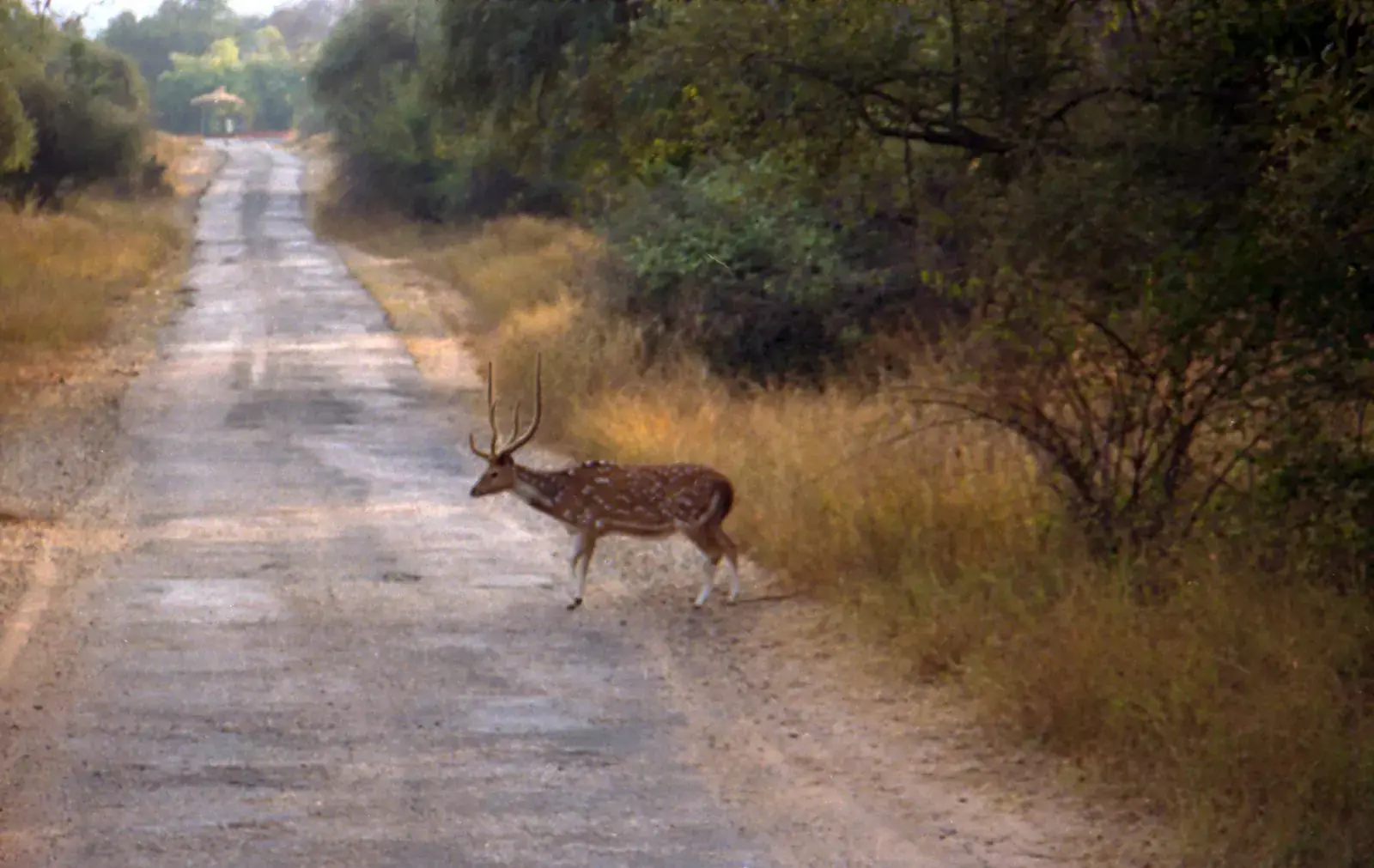
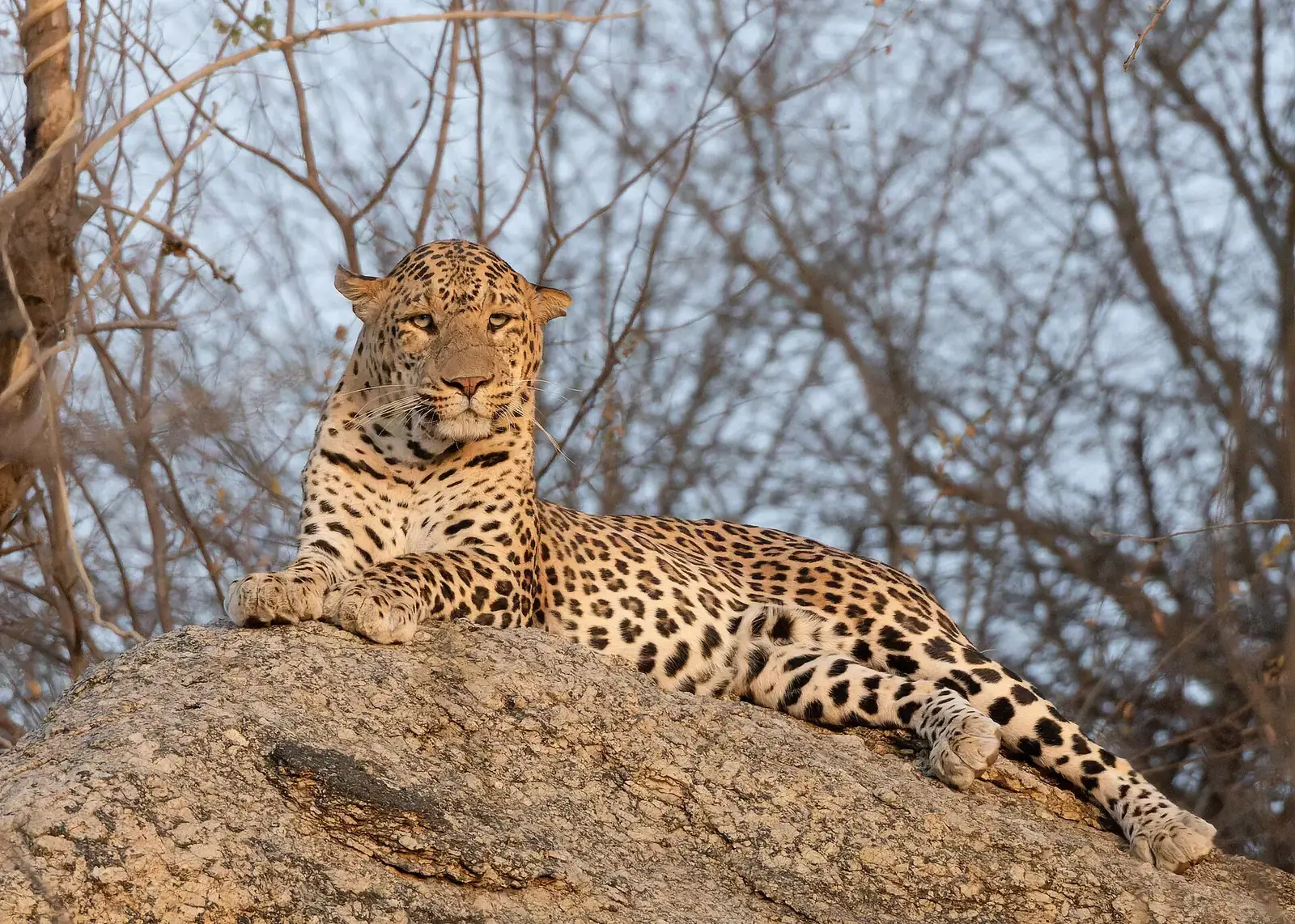
A good tiger safari is also a chance to see leopards, sloth bears, gaur, wild dogs (dhole), sambar, chital and hundreds of bird species. Parks such as Kanha, Tadoba and Kabini are rewarding even on days without a tiger. See where to see wildlife in India for the other species.
Safety
- Sightings are never guaranteed: tigers are wild and range widely, and even the best reserves have days without a sighting.
- Stay seated inside the vehicle at all times; standing and leaning out are not allowed.
- Never get off the vehicle except at designated points.
- Keep noise down and never feed or call to animals.
- Follow your guide's and driver's instructions; they know the park rules.
What to pack
- Neutral-coloured clothes (greens, browns, khaki)
- Warm layers for winter mornings; a hat and scarf for summer dust
- Binoculars and a camera with a zoom lens
- Sunscreen and water
- Printed or digital safari permit and the ID used to book
Ready to plan your wildlife escape?
FAQs
Where is the best tiger safari in India?
Bandhavgarh, Kanha, Tadoba, Ranthambore, Corbett, Pench and Kabini are among the best known for regular sightings. The best choice depends on season and zone.
When is the best time for a tiger safari in India?
Sightings are often best from March to June. October to February is more comfortable. Most core zones close from July to September.
Can I be sure of seeing a tiger?
No. Sightings are never guaranteed. Planning several drives improves the odds.
How many tigers are there in India?
About 3,682 according to the 2022 All India Tiger Estimation, within a range of 3,167 to 3,925. A new estimation cycle began in 2026.
Are tiger reserves open in the monsoon?
Most core zones close from 1 July to 30 September. Some buffer zones and parks such as Corbett's Jhirna and Dhela, and several Karnataka parks, may operate, subject to conditions.