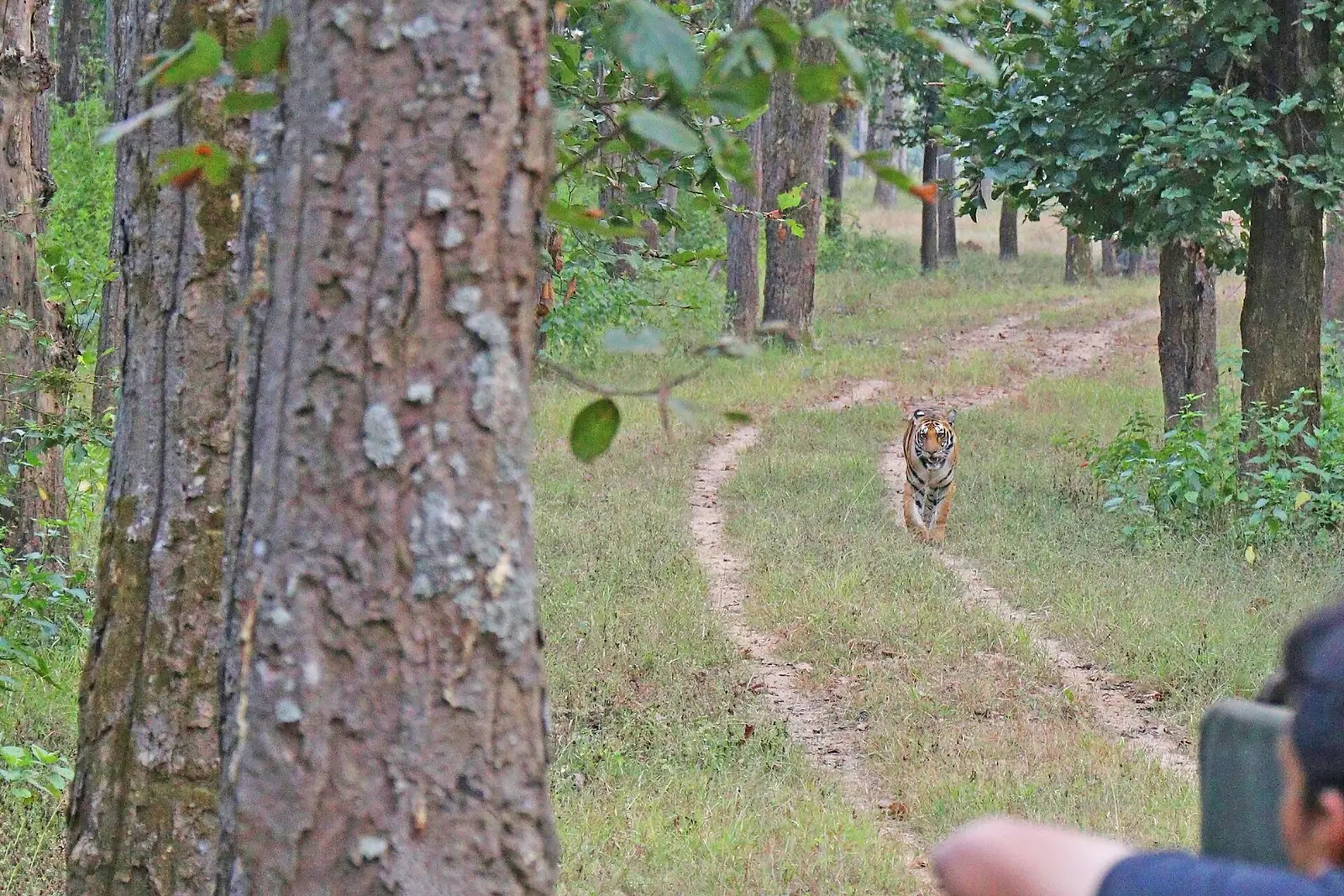
Why Kanha?
Spread across the Maikal range of the Satpura hills in central Madhya Pradesh, Kanha National Park is one of India's largest and most consistently well-managed tiger reserves — a mix of dense sal and bamboo forest opening onto wide grassy meadows locally called maidans. It's often said, informally and without firm historical proof, that this landscape inspired Rudyard Kipling's The Jungle Book; true or not, the terrain genuinely does feel like it stepped out of the story.
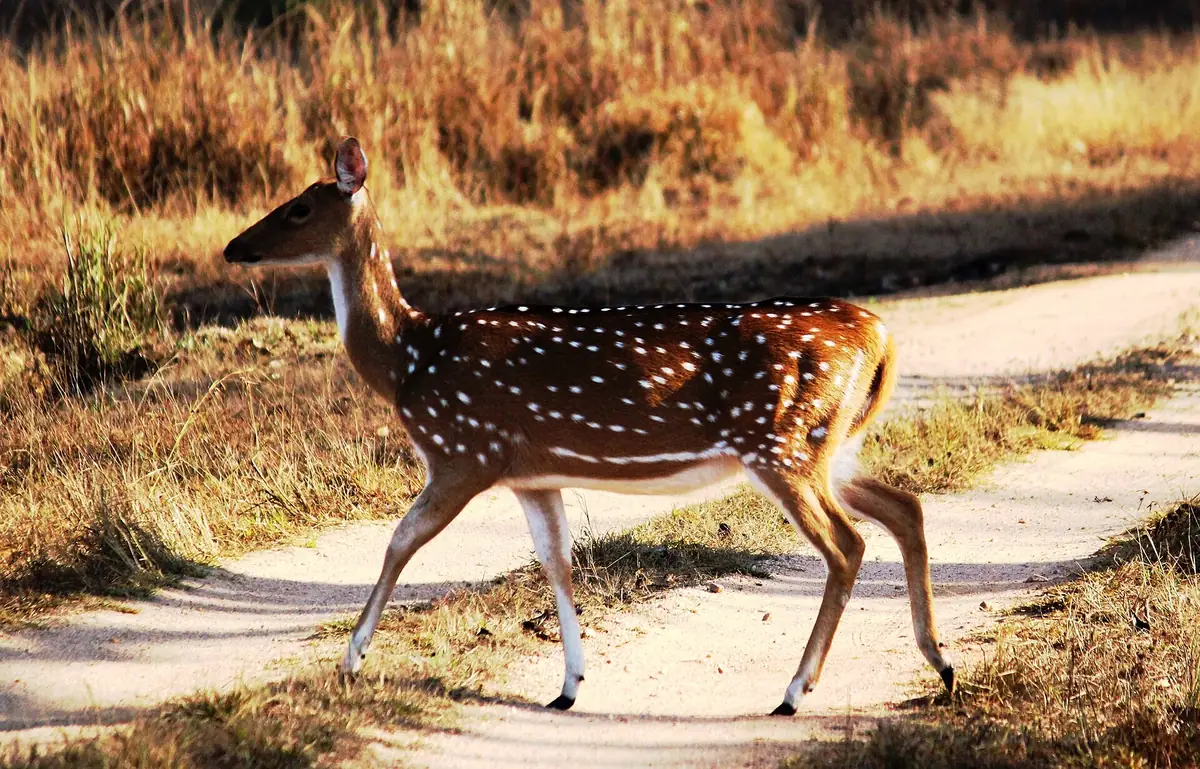
Kanha is also home to one of Indian conservation's genuine good-news stories: the barasingha, or swamp deer, was reduced to a tiny remnant population here decades ago and rebuilt through sustained breeding efforts to the point where it's now considered the park's mascot species. Add strong tiger, leopard, and dhole populations and it's easy to see why Kanha ranks among the country's most respected reserves for both wildlife density and park management.
🐅 Kanha at a Glance
Going by road? See our guide to wildlife road trips in India.
Planning a wildlife trip? See our guide to wildlife tourism in Madhya Pradesh.
Best Time to Visit Kanha
Kanha's core zone is typically closed to tourism during the monsoon for breeding and forest regeneration, roughly July to September — always confirm current-year closure dates before booking travel.
Water sources shrink and animals concentrate around the remaining waterholes and meadows, making this a strong window for tiger and barasingha sightings — despite daytime temperatures regularly crossing 38-40°C.
Cool mornings, pleasant days, and lush post-monsoon greenery. Sightings are slightly less guaranteed than peak summer but conditions are far more comfortable for early starts and long safaris.
The park reopens right after monsoon closure, still lush and green from the rains, with far fewer crowds than peak winter months.
Monsoon breeding season closure across the core zone. Verify current-year dates directly before planning a visit in this window.
Our pick: April–May for the best odds of a tiger sighting, or November–February if you'd rather trade a slightly lower probability for genuinely comfortable safari mornings.
How to Reach Kanha
- By Air: Jabalpur Airport (JLR) is the nearest major airport, roughly 160 km / 4-4.5 hours by road. Nagpur (NAG) is a second option at around 260 km.
- By Train: Jabalpur and Gondia are the closest railway stations with reasonable onward road connectivity to the park's gates.
- By Road: Well-connected via Jabalpur or Nagpur; most visitors hire a car for the final stretch to Kisli or Mukki.
Safari Zones & Gates
Kanha is split into core zone gates (inside the original protected reserve, higher sighting density, pricier and faster-selling permits) and buffer zone gates (surrounding forest, more accessible, easier to book, still genuine sighting chances).
- Kisli Gate (core): The most established and best-connected core zone gate, close to the park's interpretation centre — a common first choice for visitors.
- Mukki Gate (core): Known for strong recent sighting records and a quieter feel than Kisli, with its own cluster of nearby lodges.
- Sarhi Gate (core): A less crowded core option with its own resident tiger territories.
- Khatia Gate (buffer): A more accessible buffer entry — good for last-minute bookings or an additional safari after a core zone slot.
- Bamni Dadar ("Sunset Point"): A scenic plateau viewpoint inside the park, often visited at the end of an afternoon safari for the view over the forest canopy.
Wildlife Beyond Tigers
- Barasingha (swamp deer): Kanha's signature conservation success — a small remnant population was rebuilt into a healthy herd through dedicated breeding efforts, and the species is now found almost nowhere else in the wild at this density.
- Leopards: Present throughout the reserve, though generally more elusive than tigers.
- Gaur (Indian bison): Large herds are a common and impressive sighting even on a tiger-less safari.
- Dhole (wild dogs): Kanha is one of the better reserves in India to spot these endangered pack hunters.
- Birdlife: Over 300 recorded species across forest, meadow, and wetland habitats within the park.
Where to Stay Near Kanha
Most accommodation clusters around Kisli, Mukki, and Khatia gates, right at the park boundary.
- → MP Tourism (MPT) Baghira Log Huts
- → Khatia gate guesthouses
- → Basic gate-side lodges
- → Kanha Jungle Lodge
- → Van Vihar-style resorts
- → Mukki gate mid-range resorts
- → Taj Banjaar Tola
- → Singinawa Jungle Lodge
- → Premium safari resorts near Mukki
What to Eat Near Kanha
- Resort meal plans: Most jungle lodges near Kanha operate on full-board plans — simple vegetarian and non-vegetarian home-style Central Indian thalis built around dal, seasonal sabzi, and roti.
- Mahua and forest-produce dishes: Some lodges serve dishes built around local forest produce and the mahua flower, distinctive to this belt of Madhya Pradesh.
- Limited standalone restaurants: Kisli, Mukki, and Khatia are small settlements — plan around your resort's meals rather than expecting a wider dining scene.
2-Day Kanha Itinerary
Arrival & First Safaris
- ✓Arrive from Jabalpur, check in near Kisli or Mukki gate
- ✓Afternoon safari (core or buffer zone)
- ✓Evening at the resort, review the day's sightings with your naturalist
Prime Safari Day & Departure
- ✓Pre-dawn morning safari in a different zone from Day 1
- ✓Rest through the midday heat
- ✓Optional second afternoon safari, ending at Bamni Dadar for sunset
- ✓Depart for Jabalpur
Budget Breakdown
| Expense | Budget | Mid-Range | Luxury |
|---|---|---|---|
| Accommodation/night | ₹1,500 | ₹6,000 | ₹20,000 |
| Safari permit + gypsy (per safari) | ₹2,500 | ₹4,500 | ₹7,000 |
| Guide/naturalist fee | ₹300 | ₹600 | Included |
| Meals/day | ₹500 | Included | Included |
| Daily total (2 safaris) | ₹7,300 | ₹15,600 | ₹34,000 |
| 2-Day trip total | ₹14,600 | ₹31,200 | ₹68,000 |
* Excludes flights/trains to Jabalpur. Core zone permits cost noticeably more than buffer and sell out faster in peak season.
Essential Travel Tips for Kanha
- Book core zone permits early: 4-8 weeks ahead for weekends and the Mar-May peak season, via the MP Forest Department's official online booking system.
- Wear neutral colours: Khaki, olive, and brown are expected on safari; bright colours and white are discouraged.
- Carry binoculars: Most sightings, tiger or otherwise, happen at a distance across open meadows.
- Safaris start pre-dawn: Be at the gate by the designated early-morning slot — latecomers can be turned away.
- Verify monsoon closure dates: The core zone typically shuts July-September; confirm current-year dates before booking.
- Book multiple safaris if possible: No single safari guarantees a tiger — 2-3 safaris across different zones meaningfully improves your odds.
✅ Do
- →Book core zone permits well in advance for peak season
- →Carry binoculars and a telephoto-capable camera
- →Ask locally which gate has had recent sightings
- →Dress in neutral tones and layer up for cold mornings
- →Book 2-3 safaris across different zones for better odds
- →Visit Bamni Dadar for sunset if your gate permits it
❌ Don't
- →Expect a guaranteed tiger sighting on any single safari
- →Wear bright colours or white on safari
- →Book only one safari and treat it as your only shot
- →Show up late to a gate — vehicles leave on schedule
- →Plan around exact monsoon dates without verifying current closures
- →Ask drivers to leave the marked safari track for a closer view
Frequently Asked Questions
How many days do I need for a Kanha safari trip?
Two days with two or three safaris gives you a realistic shot at a tiger sighting and lets you cover more than one zone. Serious wildlife photographers often stay 3-4 days to hedge against any single safari coming up empty.
What is the best time to visit Kanha for tiger sightings?
The safari season runs roughly November to June. March to May are often cited as the strongest months for sightings, since shrinking water sources concentrate wildlife around the remaining waterholes and meadows, even though the heat itself is uncomfortable.
Is Kanha open all year round?
No. Like most Indian tiger reserves, Kanha's core zone is typically closed to tourism during the monsoon for breeding and forest regeneration, roughly July to September. Always verify current-year closure dates before booking travel.
Did Kanha really inspire The Jungle Book?
It's a widely repeated and popular claim locally and in tourism marketing — the terrain and wildlife do closely match Kipling's setting — but there's no definitive historical proof Kipling visited Kanha himself before writing the book. Treat it as part of the park's folklore rather than a confirmed fact.
What's the difference between core and buffer zone safaris at Kanha?
Core zone gates (like Kisli and Mukki) sit inside the original protected reserve and generally offer higher tiger density and sighting odds, but permits are limited, pricier, and sell out faster. Buffer zones are more accessible, cheaper, and easier to book last-minute, with somewhat lower but still real sighting chances.
How do I reach Kanha?
Jabalpur Airport (JLR) is the nearest major airport, about 160 km / 4-4.5 hours by road. Nagpur (NAG) is a second option at roughly 260 km. Jabalpur and Gondia are the closest railway stations with reasonable onward road connectivity.
What wildlife can I see at Kanha besides tigers?
Leopards, gaur (Indian bison), dhole (wild dogs), and the barasingha (swamp deer) — a genuine conservation success story, since the Kanha population was rebuilt from a small remnant group through dedicated breeding efforts and is now something of the park's mascot species. Over 300 recorded bird species round out the sightings.
Published by the Kudozz Club editorial team · Last updated · How we research our guides
Want us to plan this trip for you?
Tell Kudozz Club where you want to go and what kind of trip you’re looking for. We’ll build a Kanha National Park and Madhya Pradesh itinerary around your dates and budget.
Continue Exploring
View all guides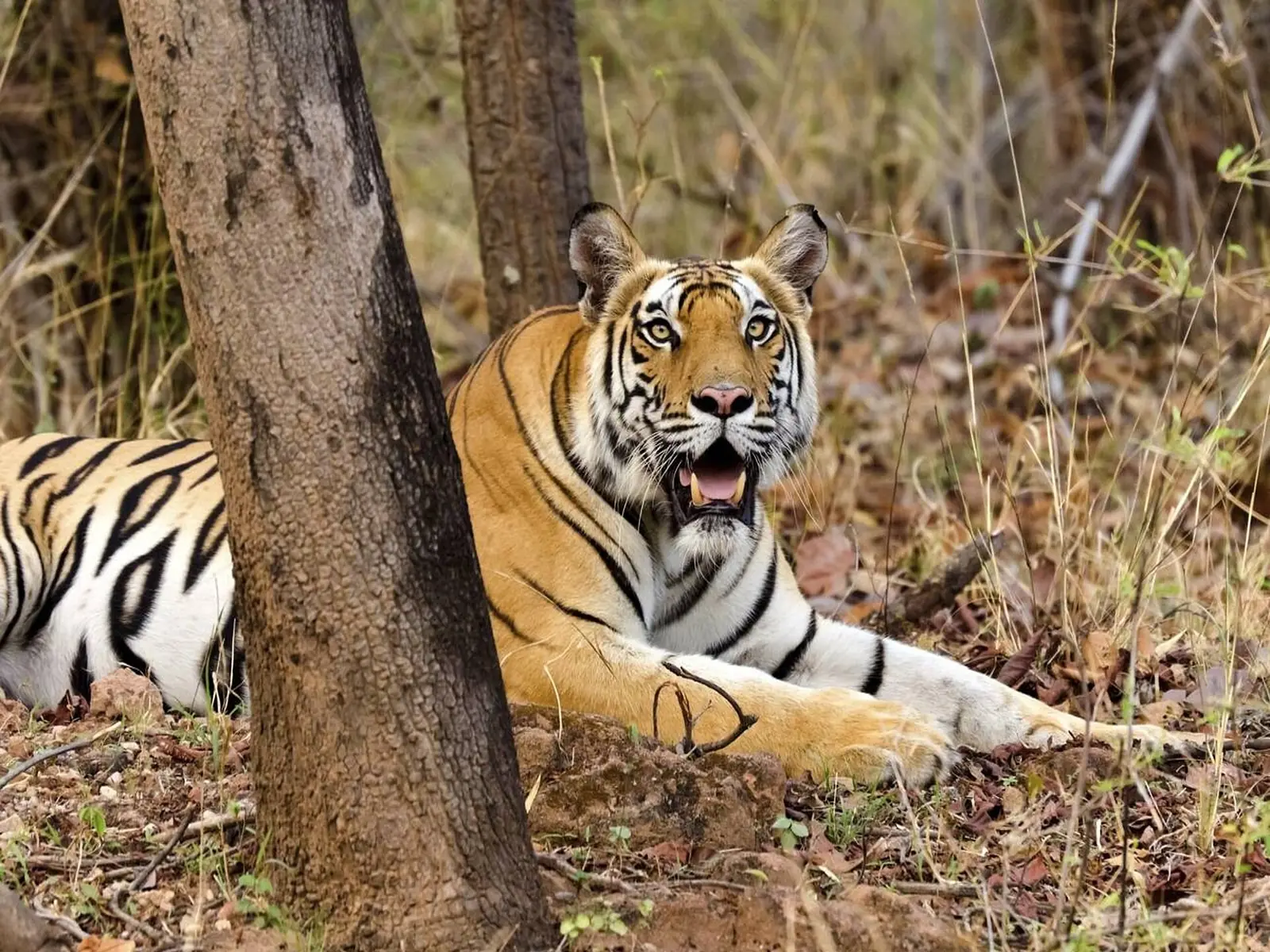 Adventure
Bandhavgarh National Park: Tiger Safari Guide, Zones & Best Time
The highest tiger density of any reserve in India, ringed by a 2,000-year-old hilltop fort — the complete safari guide to Bandhavgarh.
 Adventure
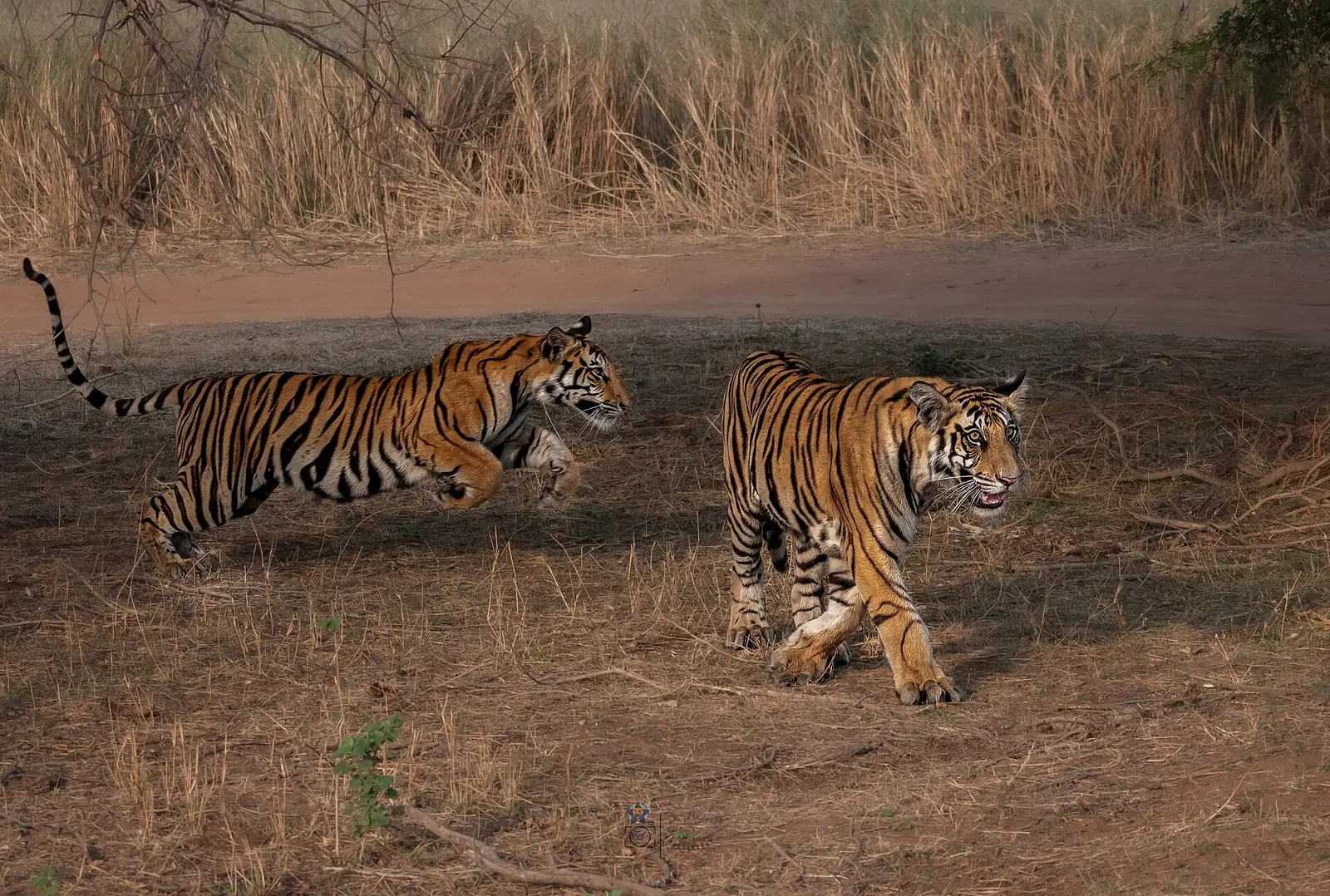
Panna National Park Travel Guide: Tiger Safari & Ken River Gorge
A tiger reserve rebuilt from zero after a poaching crisis, cut through by the dramatic Ken River gorge — the complete guide to Panna.
 Wildlife Tourism
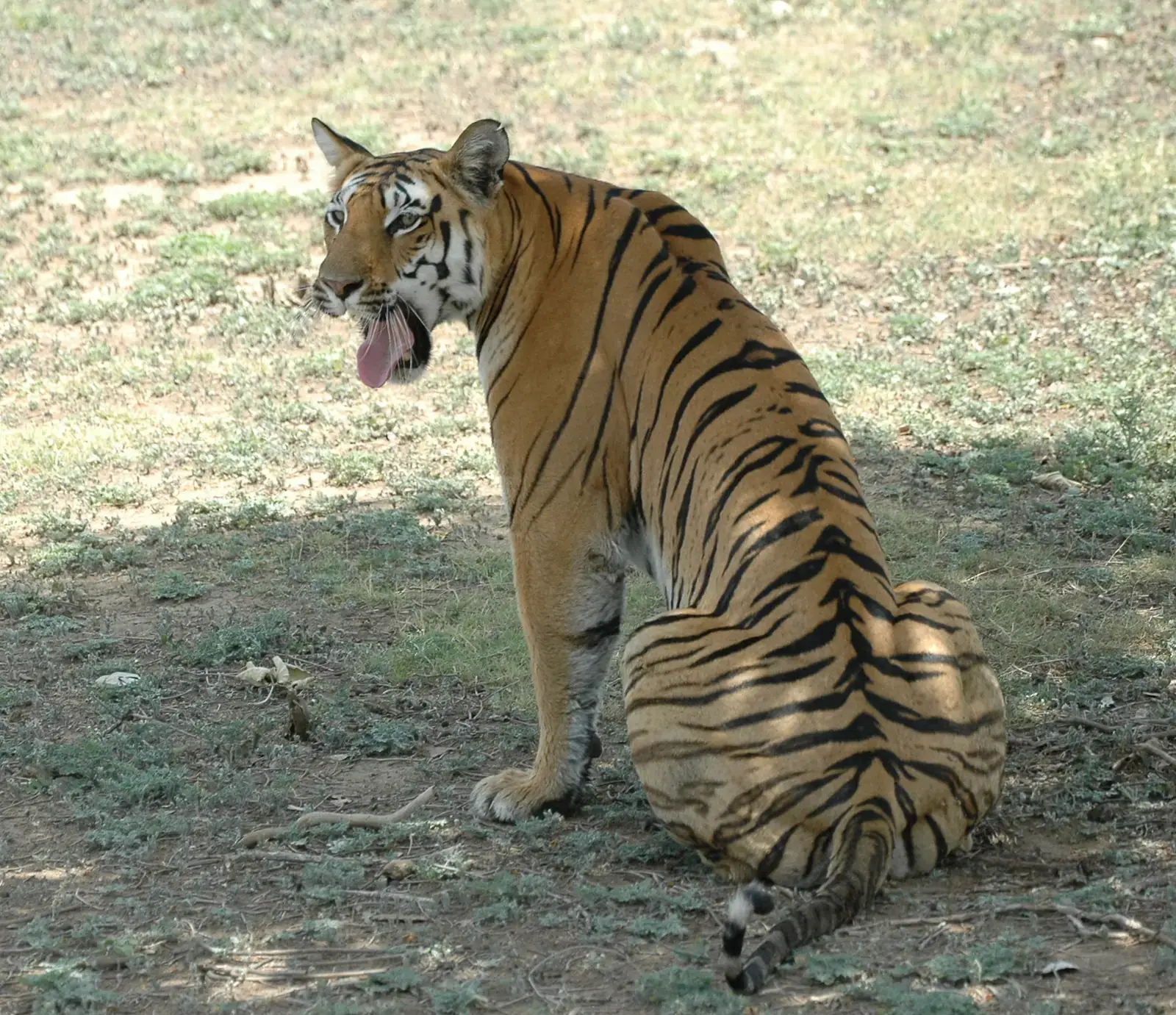
Pench Tiger Reserve: Safari Gates, Zones, Best Time and Travel Guide
A guide to Pench Tiger Reserve on the Madhya Pradesh and Maharashtra border: the teak forests of the Jungle Book country, safari gates and zones (Turia, Karmajhiri and Jamtara in the core, and buffer gates), the Maharashtra side, how to book, when to go, where to stay, getting there from Nagpur and a two-day plan.
 Adventure
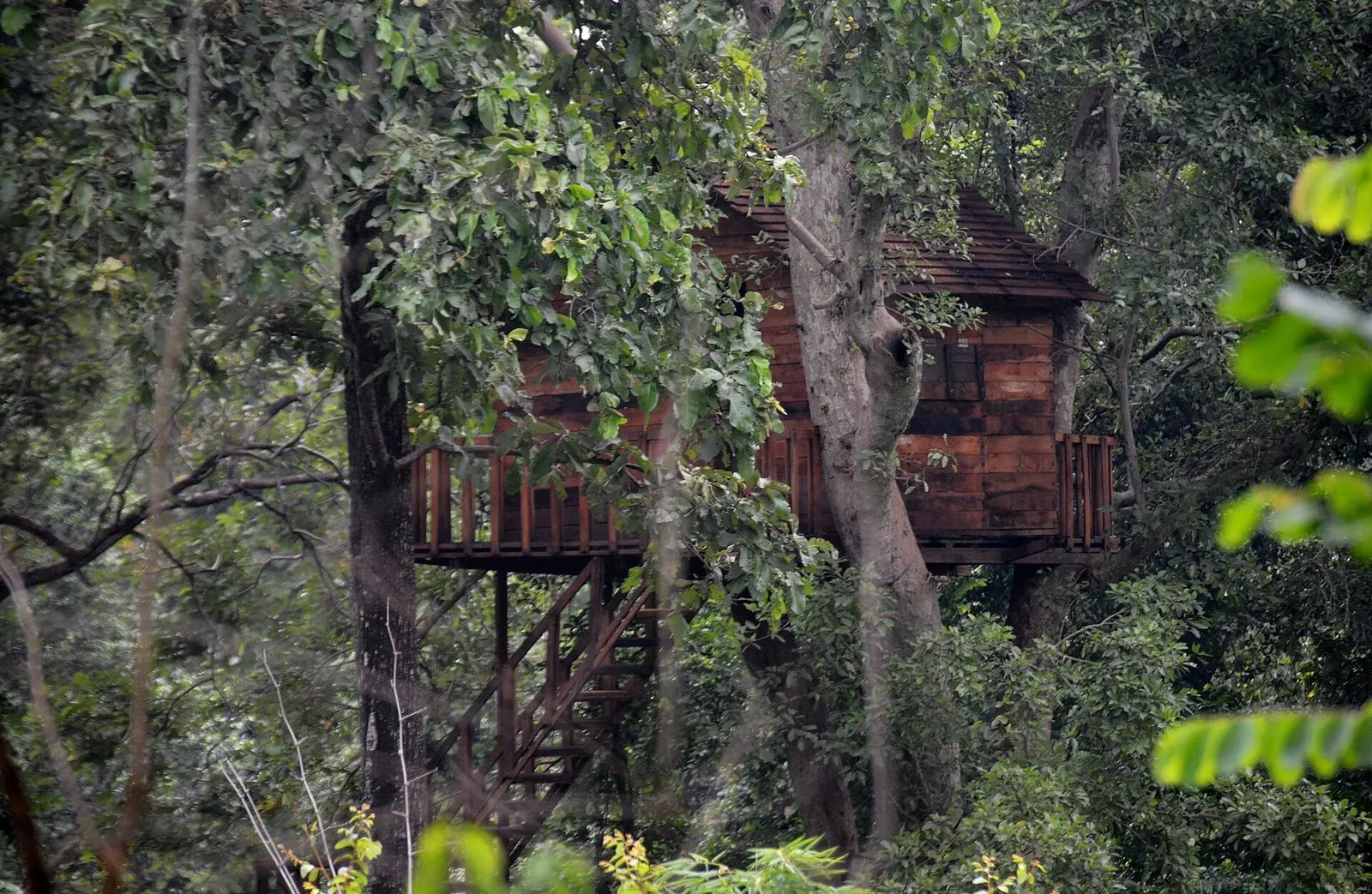
Achanakmar Tiger Reserve Travel Guide: Safari & Best Time
A tiger reserve inside the Achanakmar-Amarkantak Biosphere Reserve, bordering Madhya Pradesh's forested plateau country — the complete guide to Achanakmar.