Why Mandu?
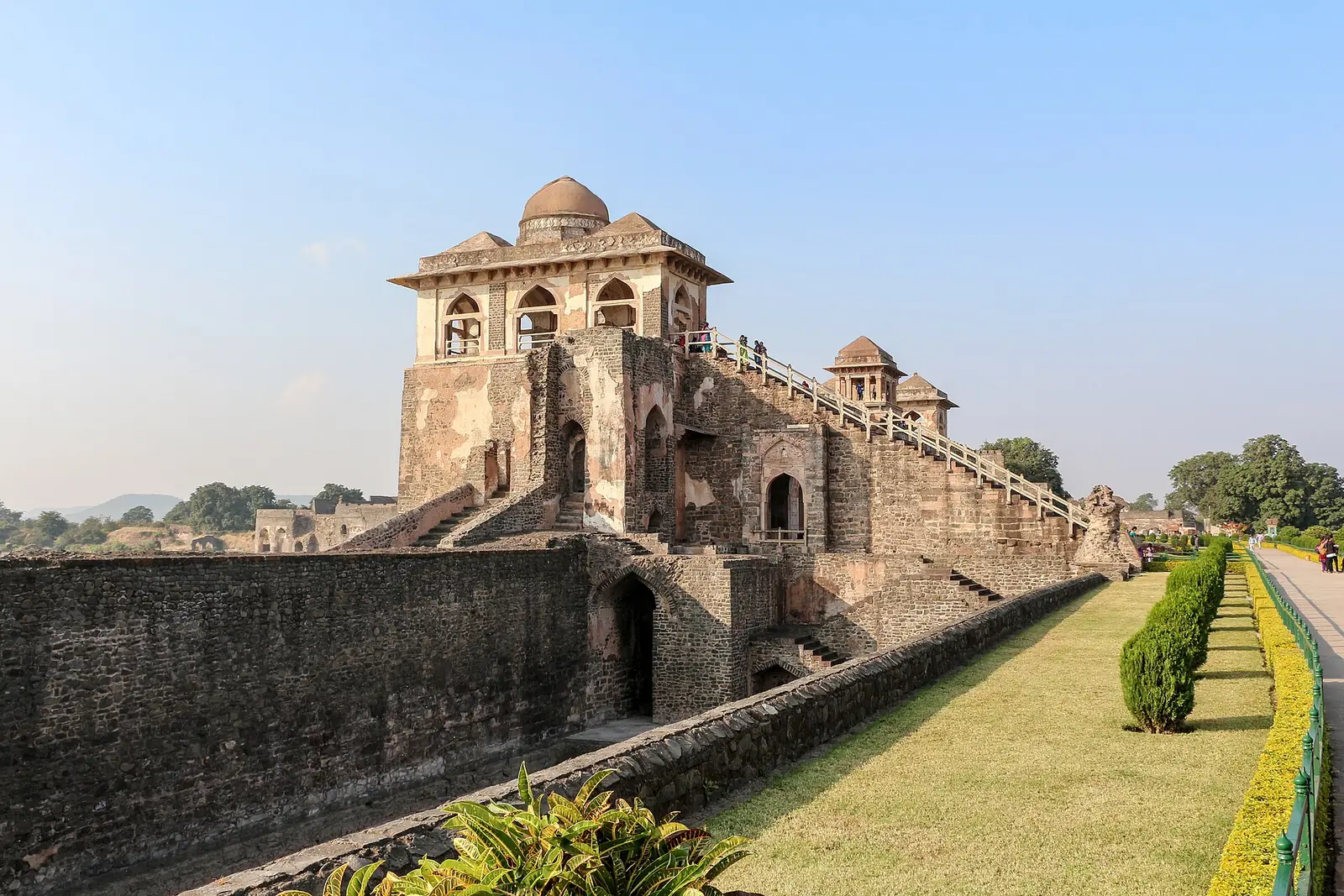
High on a ridge of the Malwa Plateau, roughly 100 km from Indore, sits one of India's more unusual heritage sites — a fortified city built primarily during the 15th century by the Malwa Sultanate, and deliberately designed to be at its most beautiful in the rain. Mandu (also spelled Mandav) earned itself the nickname "monsoon capital" because its Afghan-influenced architects built palaces, water tanks, and pavilions meant to be experienced with the plateau green and the reflecting pools full.
Its signature monument, Jahaz Mahal (Ship Palace), sits on a narrow strip of land between two artificial lakes and appears to float like a ship when the water is high — a striking piece of design for a 5th-century pleasure palace. Beyond it, Mandu holds a romantic legend (Sultan Baz Bahadur and queen Roopmati), India's first marble mausoleum, and a grand mosque modeled on Damascus's Great Mosque — all spread across a wide, walkable plateau that gets a fraction of the visitors Khajuraho or Orchha see.
🏰 Mandu at a Glance
Looking for activities and experiences? See our guide to the best things to do in Mandu.
Love the outdoors? See our guide to nature travel in Madhya Pradesh.
Interested in the history? See our guide to heritage in Madhya Pradesh.
Best Time to Visit Mandu
The plateau turns lush and the tanks around Jahaz Mahal fill up, matching what Mandu was actually designed for. Expect intermittent rain and muddier paths between clusters.
Cool, dry weather makes covering the spread-out monument clusters far more comfortable than the rains, though the landscape is browner.
Daytime heat on the exposed plateau makes extended walking tough — plan sightseeing for early morning if visiting this window.
Rains taper off, greenery lingers a little longer, and paths start drying out — a reasonable middle ground.
Our pick: Choose based on what you value more — the monsoon (Jul–Aug) for the famous "green Mandu" look the city was actually designed around, or November–February if comfortable, dry walking matters more to you.
How to Reach Mandu
- By Air: Devi Ahilyabai Holkar Airport in Indore (IDR) is the nearest, roughly 100 km away — about a 2.5-hour drive to Mandu.
- By Train: Ratlam and Indore are the nearest railway stations with meaningful long-distance connectivity, both requiring a road transfer onward.
- By Road: The Indore–Mandu drive is the most common route, and a reasonably scenic one as the road climbs onto the Malwa Plateau.
Top Things to See in Mandu
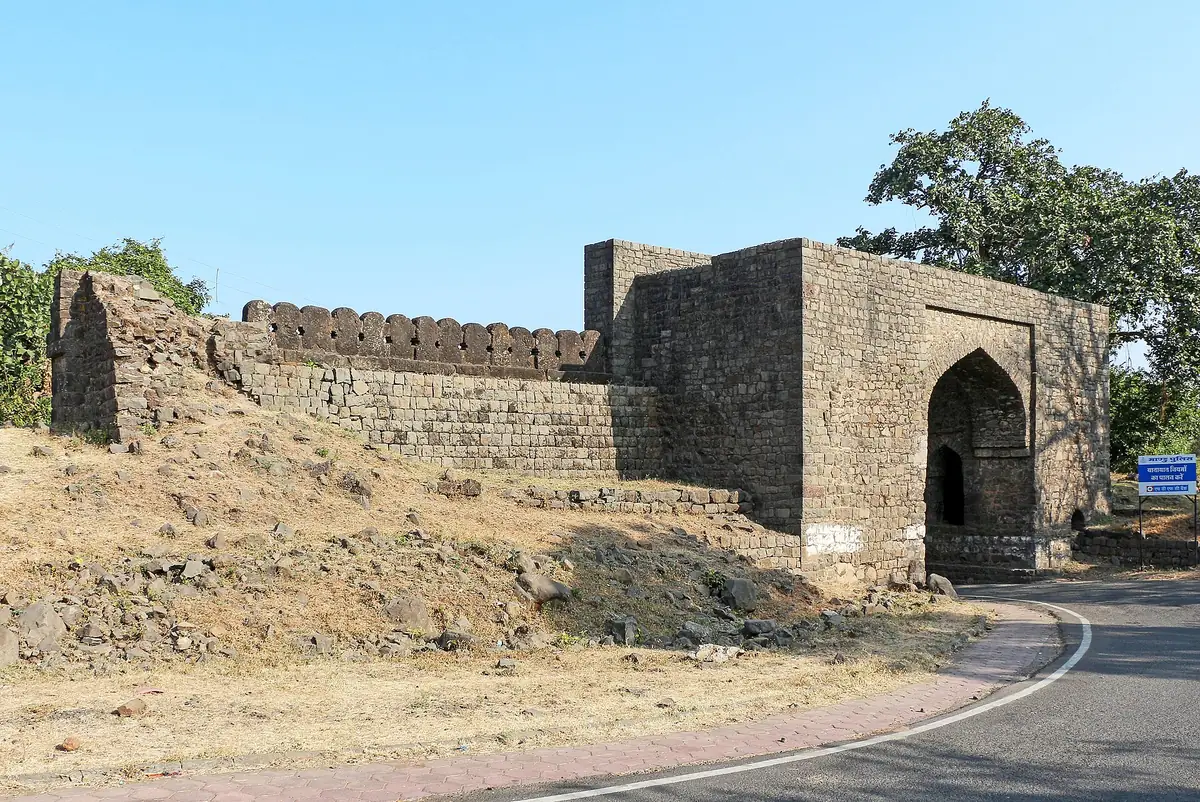
- Jahaz Mahal (Ship Palace): Mandu's signature monument, built between two artificial tanks — Munj Talao and Kapur Talao — so that it appears to float when the water is high. Widely considered the city's most photogenic structure.
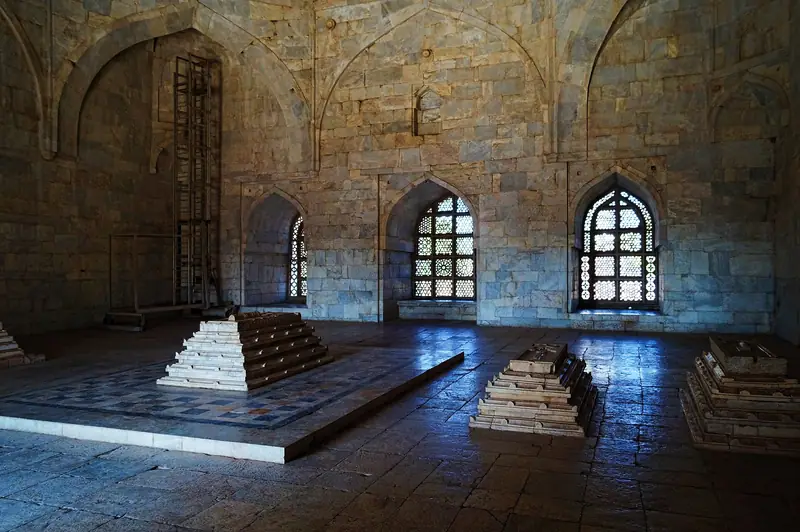
- Hoshang Shah's Tomb: India's first marble mausoleum, and by local tradition a structure that reportedly influenced the architects who later designed the Taj Mahal.
- Rani Roopmati's Pavilion & Baz Bahadur's Palace: Linked to the romantic legend of Sultan Baz Bahadur and queen Roopmati, with sweeping views over the Narmada valley — Mandu's best sunset spot.
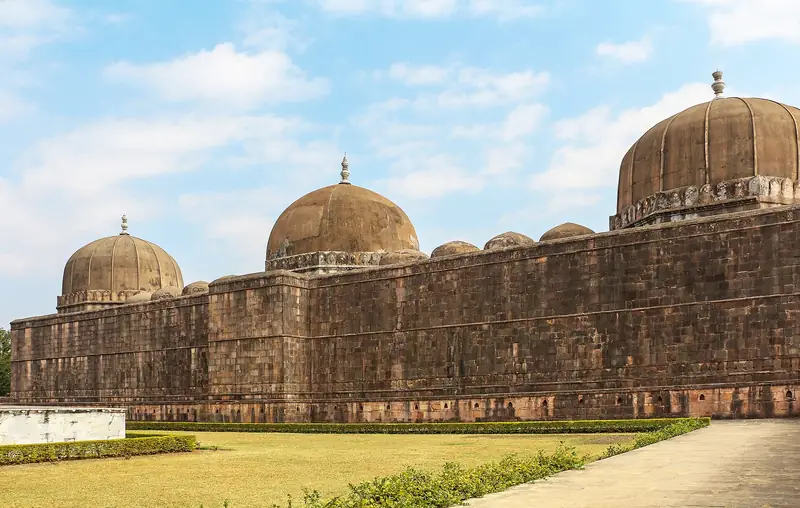
- Jami Masjid: A grand mosque modeled on the Great Mosque of Damascus, with a large open courtyard and simple, monumental scale.
Where to Stay in Mandu
- → MP Tourism guesthouses
- → Simple lodges near the bus stand
- → Basic homestays in Mandu village
- → MPT Malwa Resort
- → Heritage-style guesthouses
- → Mid-range hotels near Jahaz Mahal
- → Boutique heritage resorts
- → Premium stays with plateau views
- → Well-reviewed private villas
What to Eat in Mandu
- Dal Bafla: A Malwa-region specialty — baked wheat rolls dunked in ghee, served with dal, a heartier cousin of Rajasthan's dal baati.
- Bhutte ki kees: A savoury grated-corn dish common across Madhya Pradesh, worth trying at local eateries.
- Local thalis: Simple vegetarian thalis at guesthouse restaurants and small local eateries are the most reliable option in Mandu's limited dining scene.
- Corn-based street snacks: The Malwa Plateau region is known for corn, and roadside stalls near Jahaz Mahal serve simple roasted-corn snacks.
2-Day Mandu Itinerary
Central Monuments
- ✓Morning: Jahaz Mahal and the surrounding tanks
- ✓Continue to Hoshang Shah's Tomb and Jami Masjid
- ✓Afternoon: rest or explore Mandu village
- ✓Evening: sunset drinks/tea overlooking the tanks
Roopmati's Pavilion & Ruins Loop
- ✓Morning: rent a scooter and ride out to Rani Roopmati's Pavilion
- ✓Continue to Baz Bahadur's Palace nearby
- ✓Explore any further outlying ruins on the loop back
- ✓Evening: sunset at Roopmati's Pavilion before departure
Budget Breakdown
| Expense | Budget | Mid-Range | Luxury |
|---|---|---|---|
| Accommodation/night | ₹800 | ₹3,000 | ₹10,000 |
| Food/day | ₹400 | ₹900 | ₹2,000 |
| Scooter rental/day | ₹300 | ₹300 | ₹300 |
| Entry fees | ₹300 | ₹300 | ₹300 |
| Daily total | ₹1,400 – ₹1,800 | ₹4,500 | ₹12,600 |
| 2-Day trip total | ₹3,500 | ₹11,300 | ₹31,000 |
* Excludes transport to Indore. Entry fees are approximate — confirm current rates locally before you go.
Essential Travel Tips for Mandu
- Rent a scooter or bike locally: Mandu's ruins are too spread out to comfortably cover entirely on foot in a day.
- Stay overnight rather than day-tripping: A same-day round trip from Indore leaves too little time on the ground.
- Carry water: Facilities thin out fast once you leave the Jahaz Mahal area.
- Visit in monsoon for the "green Mandu" look: If you don't mind occasional rain, June–September shows Mandu at its most atmospheric.
- Time Roopmati's Pavilion for sunset: The Narmada valley views are best in the late-afternoon light.
- Bring cash: Card acceptance is patchy outside the main hotels.
✅ Do
- →Rent a scooter to cover the spread-out ruins
- →Time Roopmati's Pavilion for sunset
- →Stay overnight rather than day-tripping
- →Carry your own water for the day
- →Visit in monsoon if you want Mandu's famous green look
- →Carry cash for local transactions
❌ Don't
- →Try to walk between every monument cluster
- →Day-trip from Indore and expect to see everything
- →Rely on card payments outside main hotels
- →Visit at midday in peak summer without shade breaks
- →Skip Roopmati's Pavilion — it's the best sunset spot
- →Assume road conditions are dry-season quality in monsoon
Frequently Asked Questions
How many days do I need in Mandu?
One full day covers the highlights (Jahaz Mahal, Hoshang Shah's Tomb, Jami Masjid, Rani Roopmati's Pavilion, Baz Bahadur's Palace), but two days lets you explore at a relaxed pace and catch the ruins at both sunrise and sunset light.
Why is Mandu called the 'monsoon capital'?
Mandu's Afghan-influenced architects deliberately designed the city's palaces and pavilions to be at their most spectacular during the rains — reflecting pools fill, the plateau turns green, and structures like Jahaz Mahal were built specifically to be admired between two monsoon-fed tanks.
How do I reach Mandu?
Indore is the nearest city with an airport (Devi Ahilyabai Holkar Airport, IDR), about 100 km away — a roughly 2.5-hour drive to Mandu. The nearest railway station is Ratlam or Indore, with road transfer from either.
What is the best time to visit Mandu?
Mandu is unusual among Indian heritage sites in that the monsoon (June–September) is genuinely its most atmospheric season, when the ruins turn lush green — though roads and walking can be muddy. October to March is more comfortable for extensive walking if weather matters more to you than the greenery.
Is Hoshang Shah's Tomb connected to the Taj Mahal?
Local tradition holds that Shah Jahan's architects visited Hoshang Shah's Tomb — India's first marble mausoleum — while planning the Taj Mahal, drawing inspiration from its proportions and marble work. It's a widely repeated claim in Mandu's history, though not something that can be verified with documentary certainty.
Is Mandu worth visiting as a day trip from Indore?
It's possible but rushed — Mandu's ruins are spread across a wide plateau, and a same-day round trip from Indore leaves limited time on the ground. An overnight stay lets you see the sunset from Rani Roopmati's Pavilion and start the next morning early, before the heat builds.
What is the budget for a trip to Mandu?
A budget traveller can manage on roughly ₹1,400–₹1,800 a day (stay, food, local transport, entry fees), a mid-range trip runs closer to ₹4,000–₹5,000 a day, excluding transport to the region.
Published by the Kudozz Club editorial team · Last updated · How we research our guides
Want us to plan this trip for you?
Tell Kudozz Club where you want to go and what kind of trip you’re looking for. We’ll build a Mandu and Madhya Pradesh itinerary around your dates and budget.
Continue Exploring
View all guidesThings to DoThings to Do in Mandu: Jahaz Mahal, Rupmati's Pavilion & Afghan Architecture
Things to do in Mandu: Jahaz Mahal and Hindola Mahal, Hoshang Shah's marble tomb, the Jami Masjid, Rupmati's Pavilion and Baz Bahadur's Palace, Rewa Kund, the Nilkanth Mahal, baobab trees, monsoon views and the Mandu festival.
 Heritage & Culture
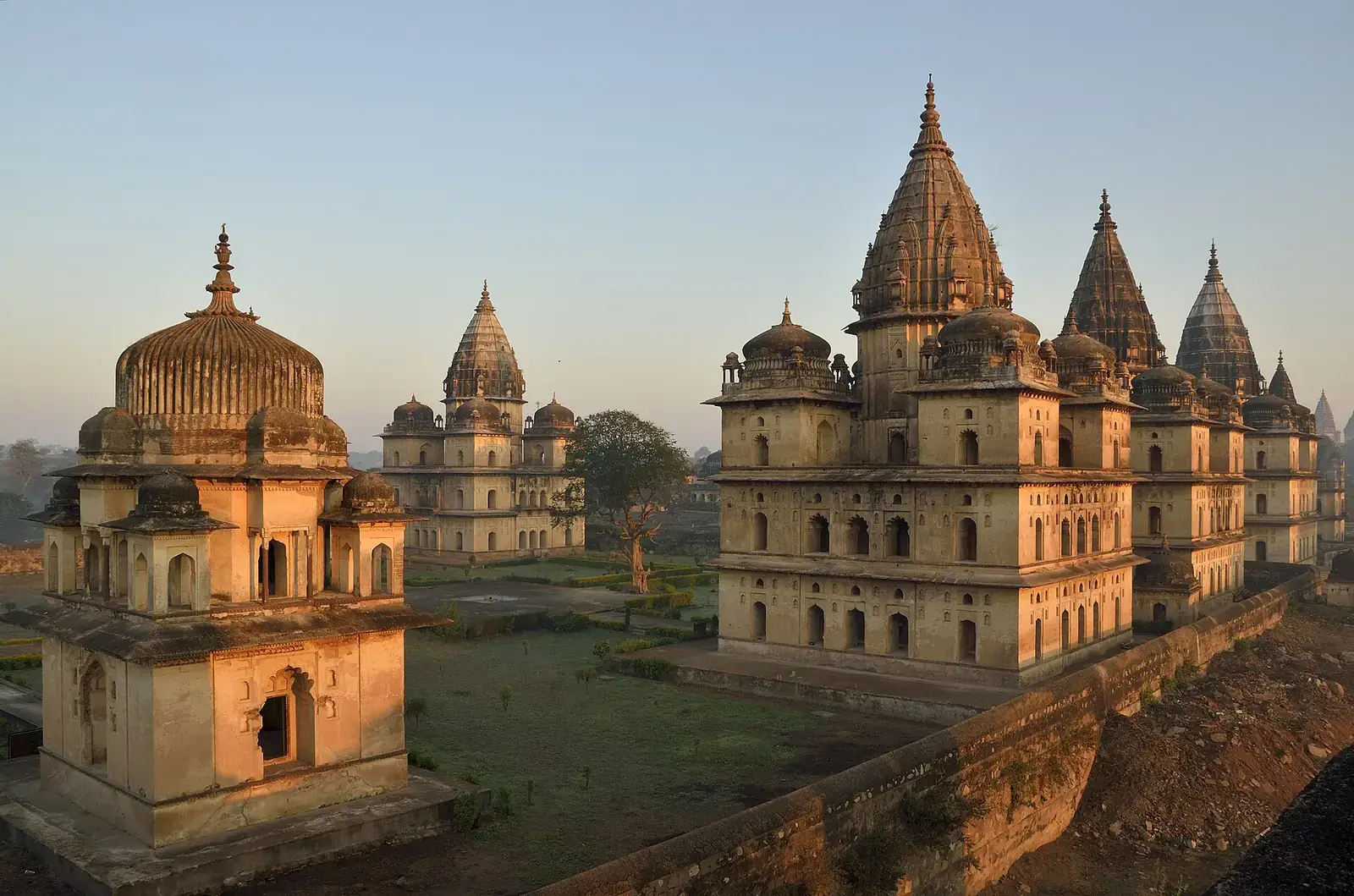
Madhya Pradesh Heritage Itinerary: Gwalior, Orchha, Khajuraho, Sanchi and Mandu
An 11-day Madhya Pradesh heritage itinerary: Gwalior's hilltop fort, Orchha's palaces and cenotaphs, the temples of Khajuraho, Bhopal with day trips to Sanchi, Udayagiri and Bhimbetka, and the Malwa plateau's Mandu and Maheshwar, reached from Indore, with travel times and seasonal tips.
 Heritage
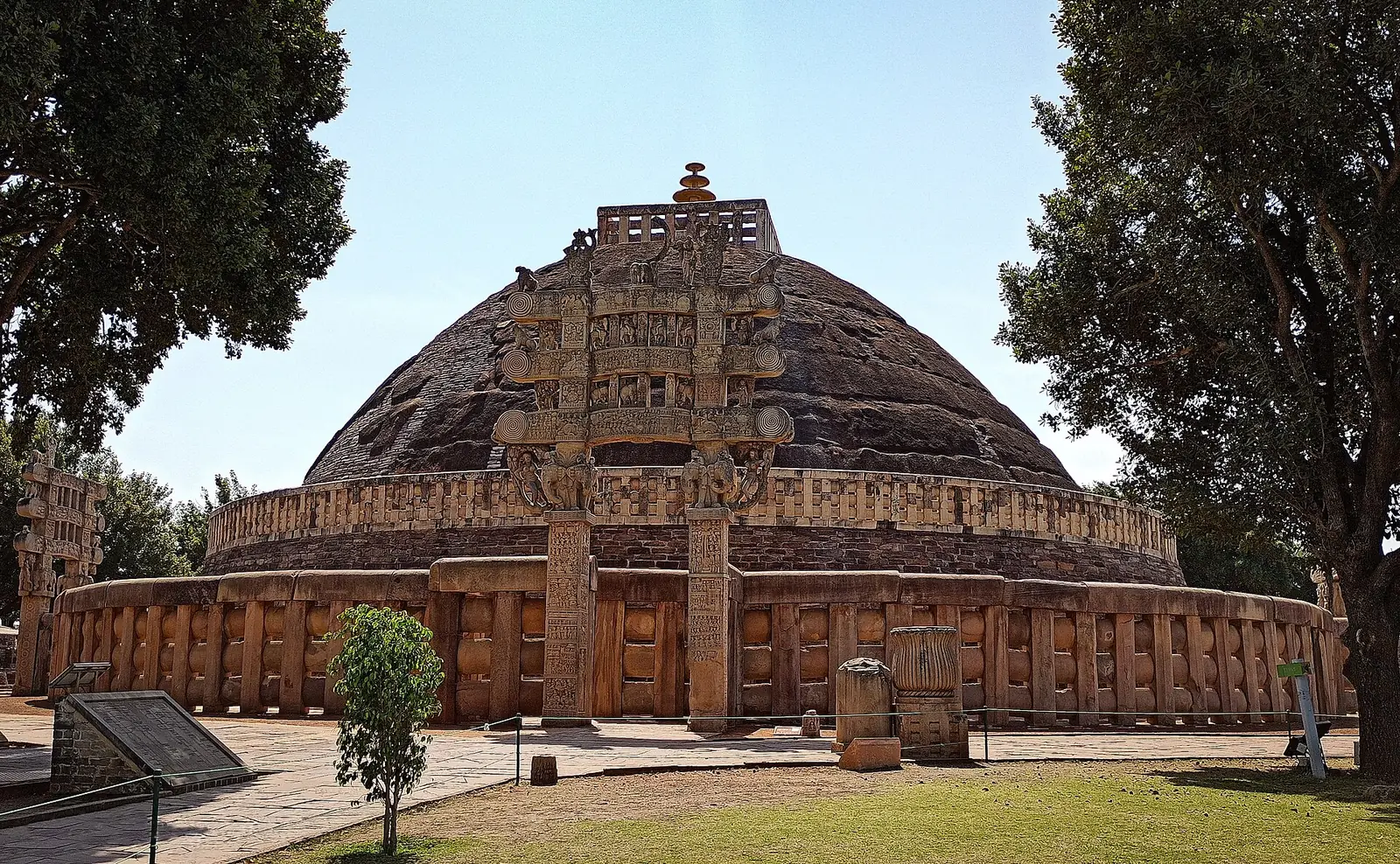
Sanchi Stupa Travel Guide: Buddhist Monuments & History
The oldest stone structure in India still standing, and one of Buddhism's most important surviving monument complexes — the complete guide to Sanchi.
 Heritage
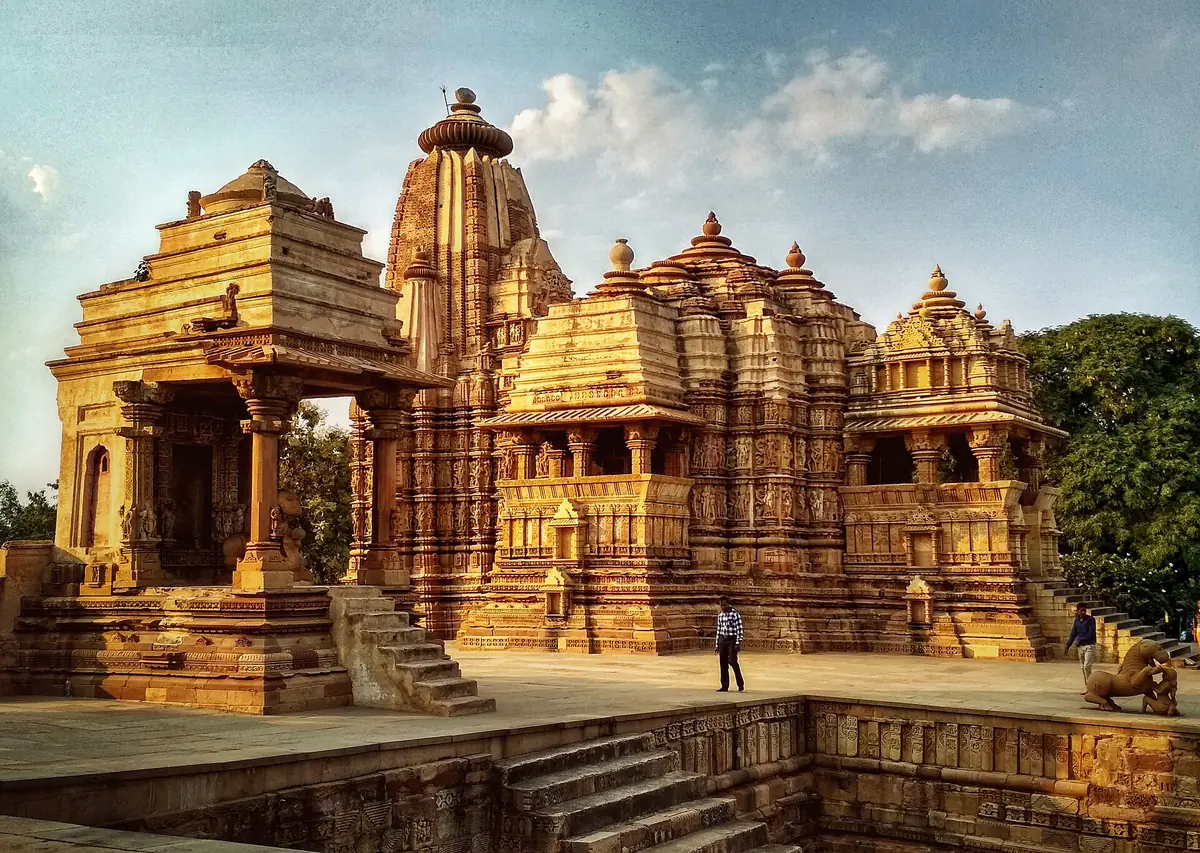
Khajuraho Temples Travel Guide: History, Timings & Best Time to Visit
UNESCO-listed temples covered in some of the most intricate stone carving in India, built by the Chandela dynasty over a thousand years ago — the complete guide to Khajuraho.