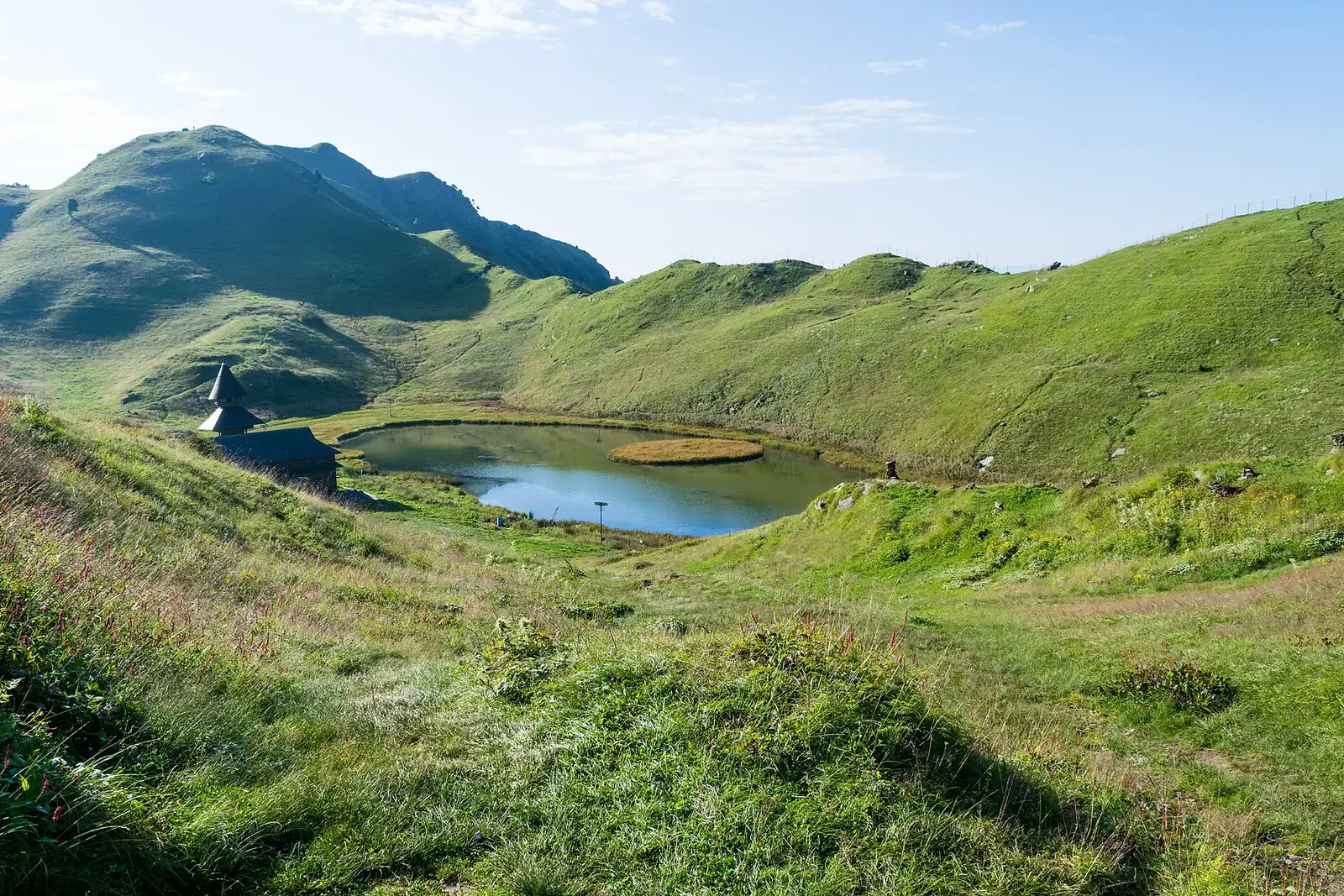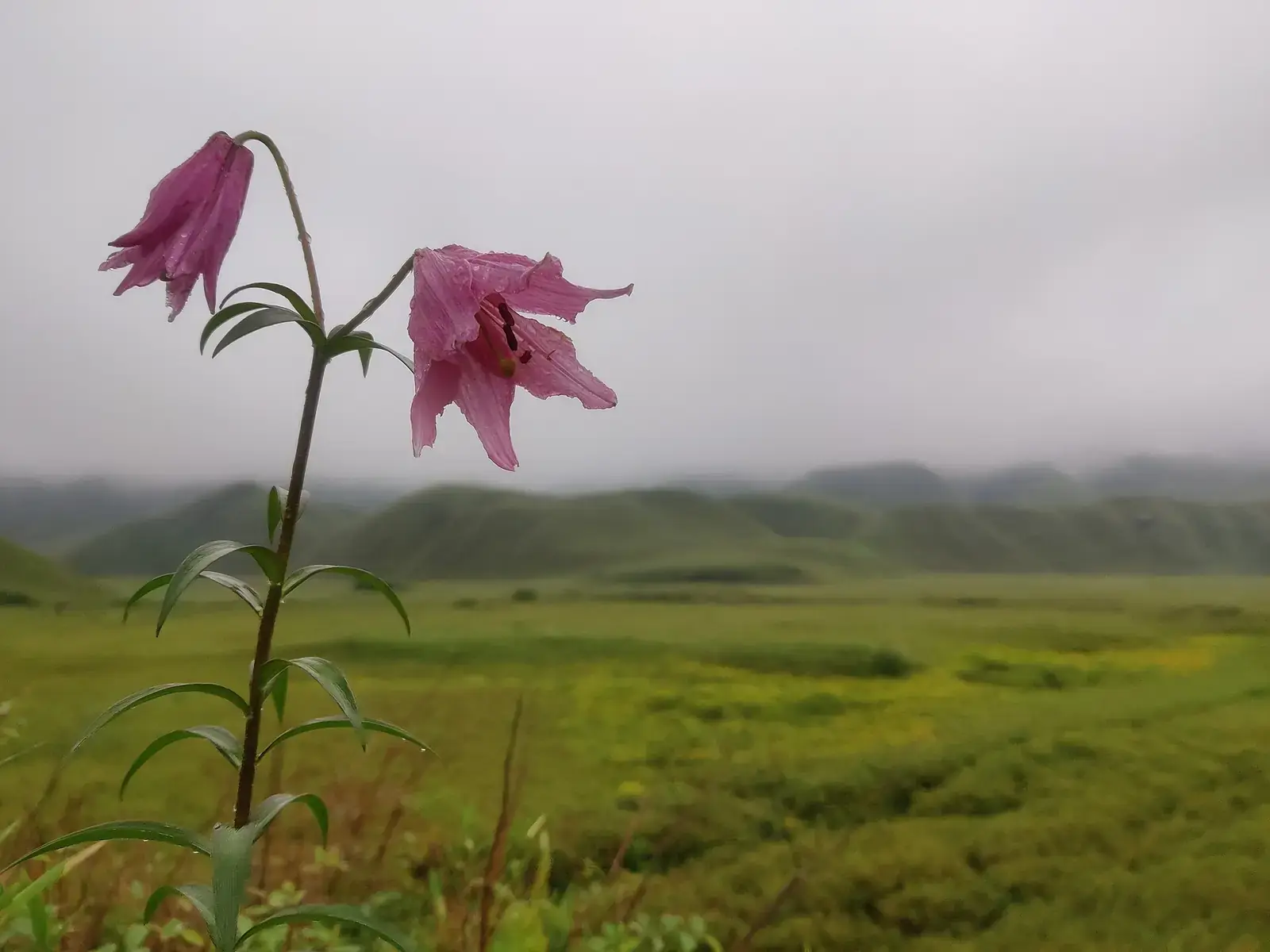
Madhya Pradesh sits between the Vindhya and Satpura ranges, with the Narmada flowing west through a rift valley between them. Much of the state is forest, and its tiger reserves are among the best known in India. Beyond the safaris, there are river gorges, sandstone plateaus, waterfalls and quiet valleys.
Distances are long and summers are fierce, so most nature trips here are planned for the cooler months or the monsoon, when the plateaus turn green.
Quick answer
The best places for nature travel in Madhya Pradesh are the Narmada's marble gorge and Dhuandhar falls at Bhedaghat near Jabalpur, Pachmarhi in the Satpura hills, Amarkantak at the Narmada's source, the Patalkot valley, Mandu's plateau in the monsoon, and the sal forests of Kanha, Pench, Bandhavgarh and Satpura. October to March is best overall; July to September suits Pachmarhi and Mandu.
Key takeaways
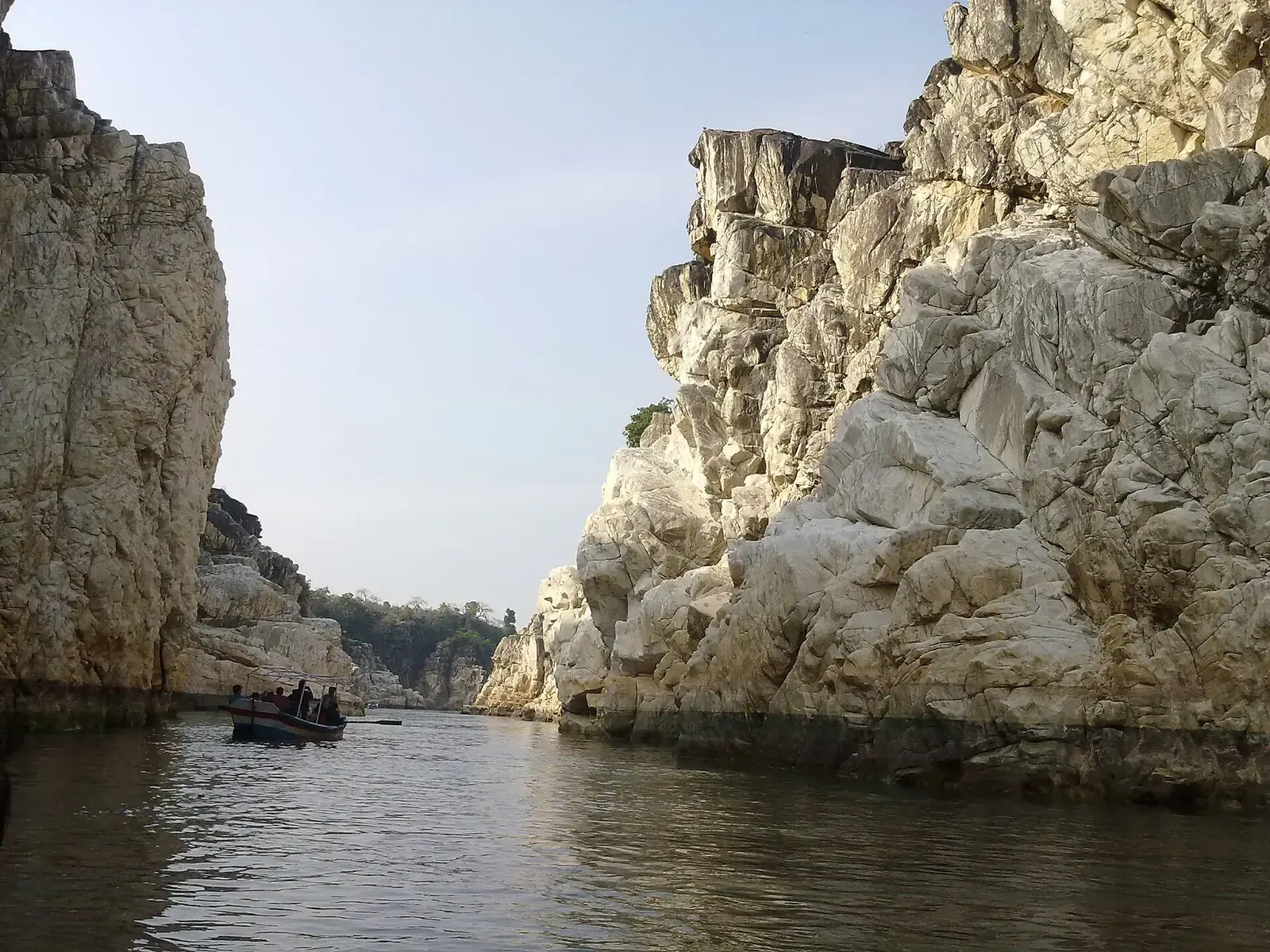
- The Bhedaghat boat ride runs through marble cliffs on the Narmada; it usually stops in the monsoon.
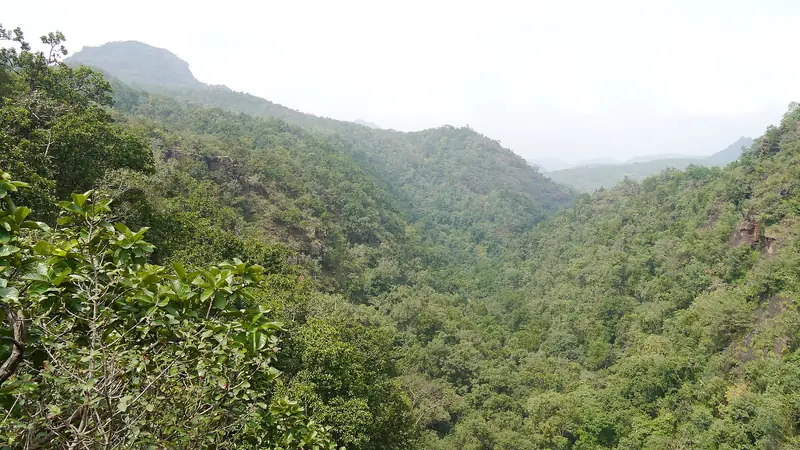
- Pachmarhi is MP's only hill station and the base for the Satpura range's waterfalls and viewpoints.
- Dhoopgarh, near Pachmarhi, is the highest point in Madhya Pradesh.
- Core zones of the tiger reserves close during the monsoon, usually from July to September.
- Summers (April to June) are very hot across the state.
Madhya Pradesh's nature highlights at a glance
| Place | Landscape | Best time |
|---|---|---|
| Bhedaghat, Jabalpur | Marble gorge, Dhuandhar falls | October to March |
| Pachmarhi | Satpura hills, falls, gorges | July to March |
| Amarkantak | Narmada's source, forest plateau | October to March |
| Patalkot | Deep valley, tribal villages | October to February |
| Mandu | Plateau and ravines in the monsoon | July to September |
| Kanha, Pench, Bandhavgarh, Satpura | Sal forest and meadows | October to June (core zones) |
Bhedaghat and the Narmada
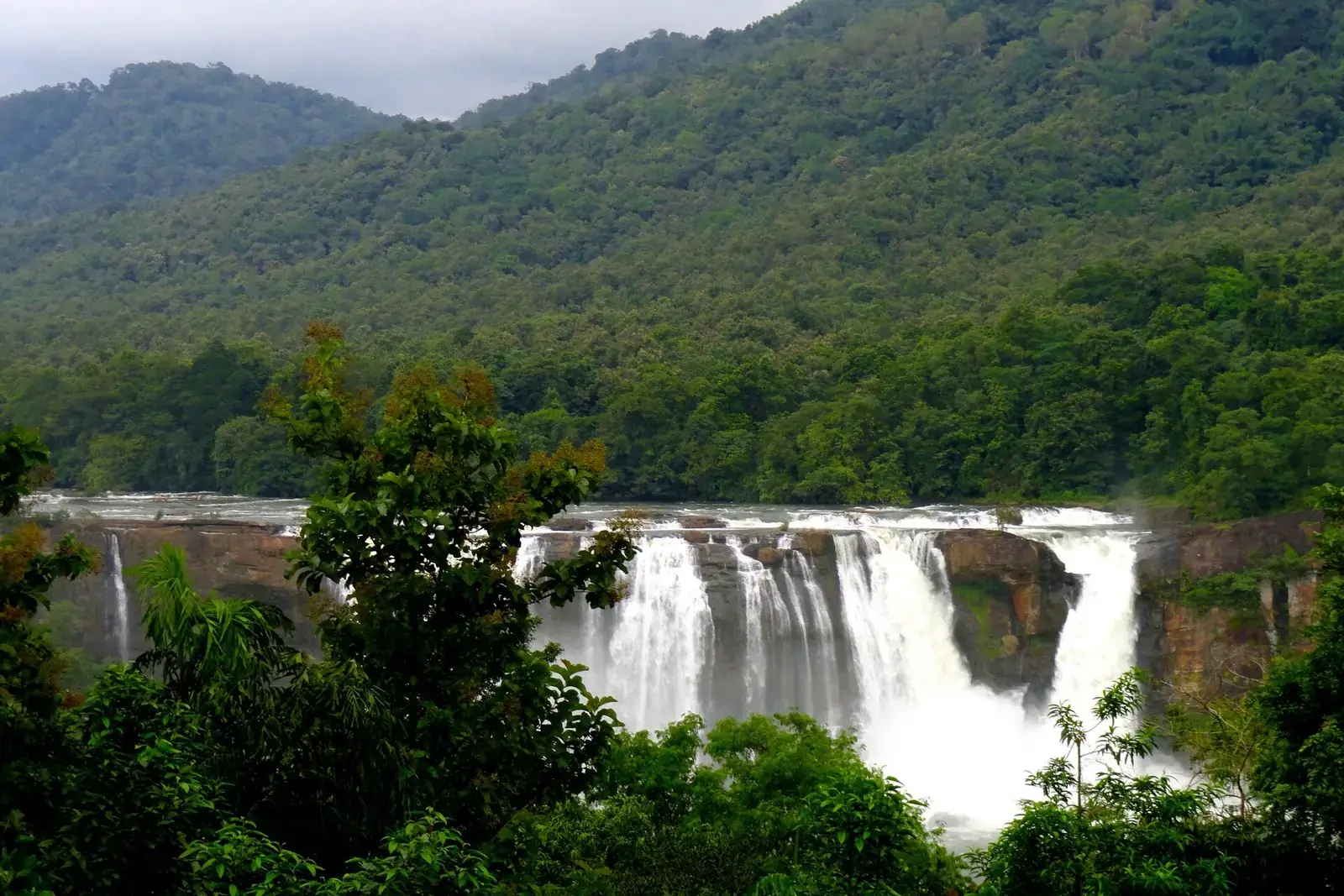
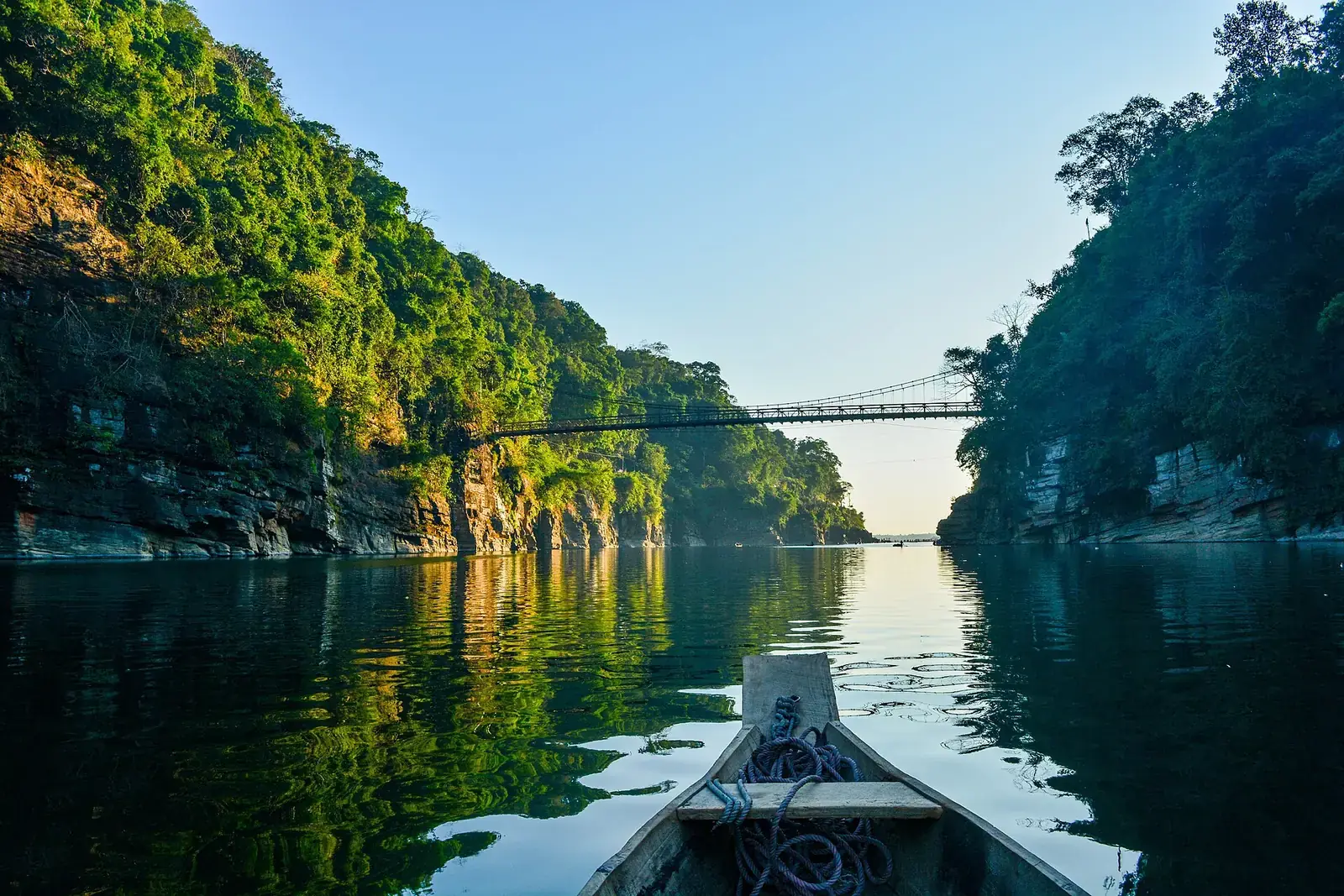
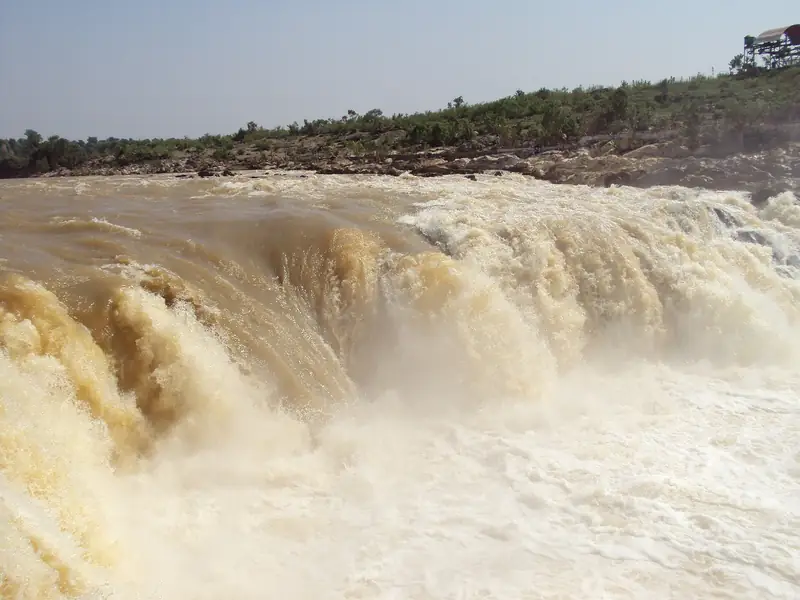
Near Jabalpur, the Narmada flows through a gorge of white and grey marble cliffs. Boats run through the gorge from Panchvati ghat, and a short walk leads to Dhuandhar, where the river plunges in a cloud of spray. Boat rides usually stop during the monsoon, when the river runs high.
Jabalpur
Our guides.
Jabalpur guide · Things to do in Jabalpur · Natural wonders of India
Pachmarhi and the Satpura range
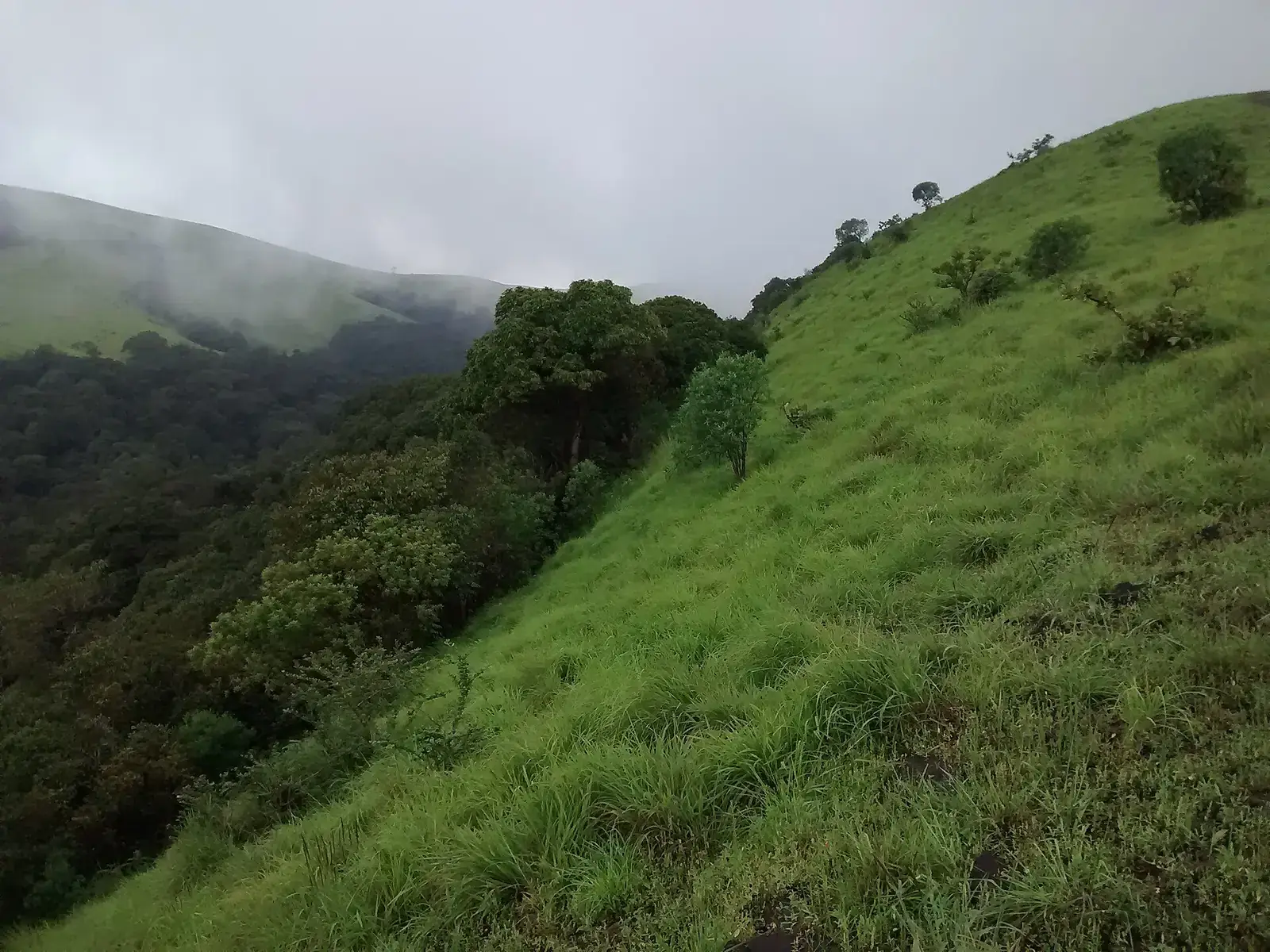
Pachmarhi sits on a sandstone plateau inside the Satpura Tiger Reserve and the Pachmarhi Biosphere Reserve. Bee Falls, Apsara Vihar, the Jata Shankar gorge and the Handi Khoh ravine are short walks or drives, and Dhoopgarh is the favourite sunset point. Some trails and viewpoints need a forest pass and a registered vehicle.
Pachmarhi
Our guides.
Pachmarhi guide · Things to do in Pachmarhi · Satpura Tiger Reserve
Amarkantak and Patalkot
Amarkantak
A forested plateau where the Maikal hills meet the Vindhyas and Satpuras, and the traditional source of the Narmada and the Son. Kapildhara falls lies a short walk from the town.
Patalkot
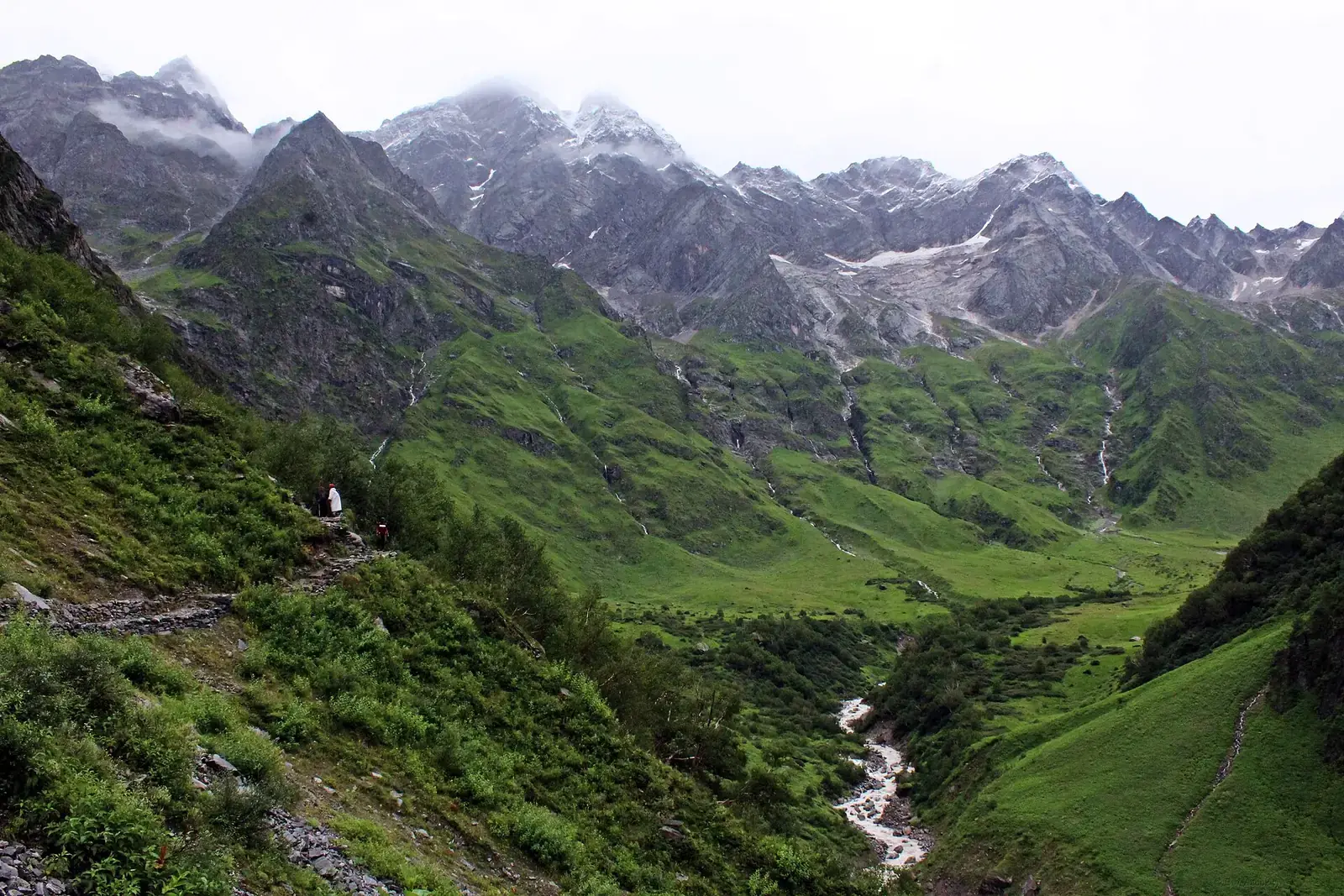
A deep, horseshoe-shaped valley in Chhindwara district, home to Bharia tribal villages. Visit respectfully with a local guide.
Mandu in the monsoon
Mandu's ruined palaces stand on a plateau edged by ravines. In the monsoon, the plateau turns green and the ravines fill with mist and small waterfalls, which makes it one of the best monsoon trips in central India.
The tiger forests
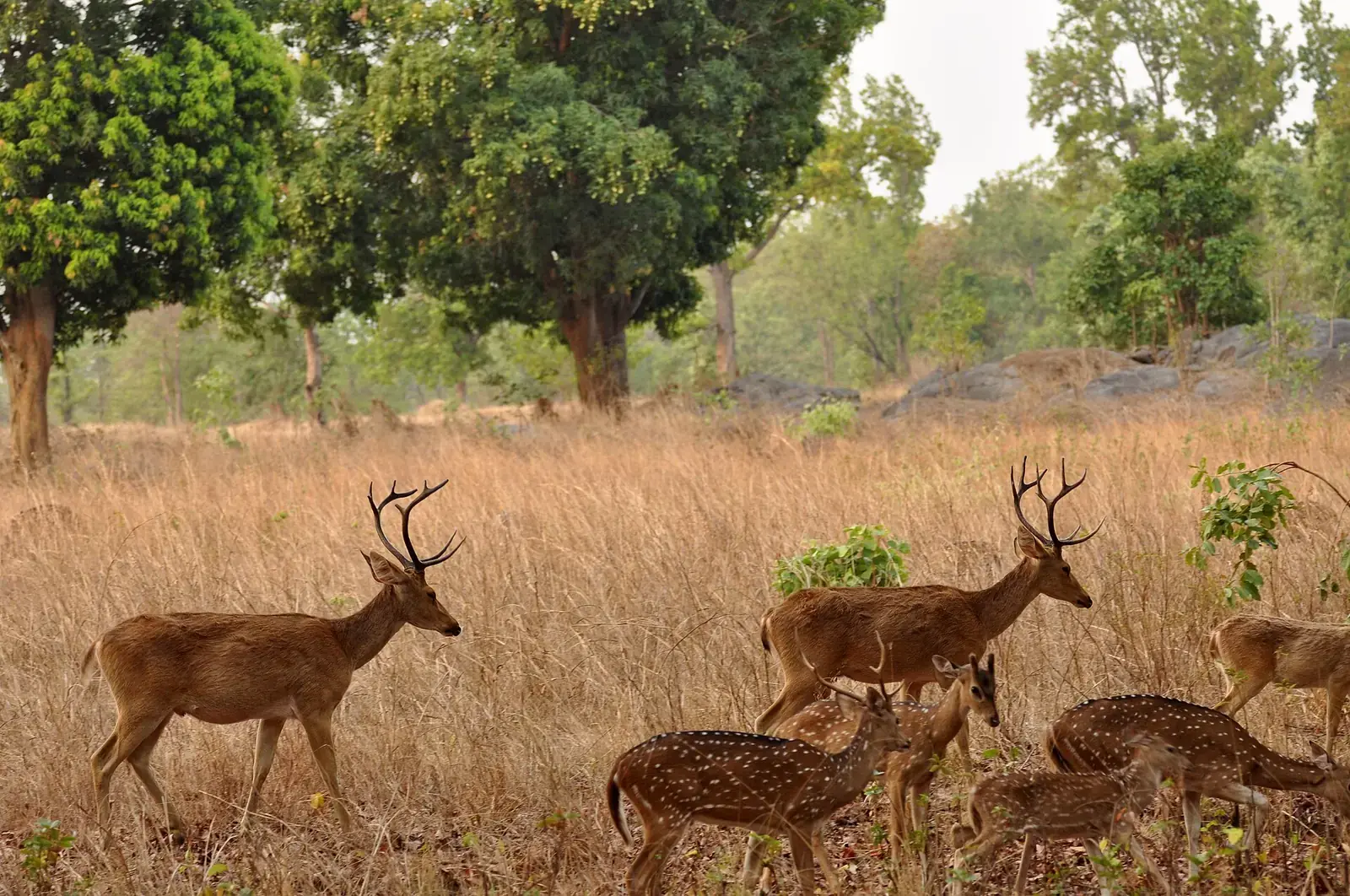
Kanha's meadows, Bandhavgarh's hills, Pench's teak forest and Satpura's gorges make MP one of India's best states for forest travel. Safaris are booked through the official MP forest portal, and core zones usually close from July to September. Satpura is unusual in allowing walking and canoe safaris in some zones. Sightings are never guaranteed.
Wildlife
Our wildlife guides.
Wildlife tourism in Madhya Pradesh · Kanha guide · Pench Tiger Reserve
Getting around
Jabalpur is the best base for Bhedaghat and a gateway to Kanha and Bandhavgarh; Pachmarhi is reached from Pipariya station, about two hours by road. Indore serves Mandu, and Pendra Road station is closest to Amarkantak. Distances between the parks are long, so a hired car with a driver is the most practical way to combine them.
When to go
October to March is pleasant across the state, with cold nights in December and January. April to June is very hot, though it is the best time for tiger sightings in the parks. The monsoon (July to September) turns Pachmarhi and Mandu green and fills the waterfalls, but the park core zones close and the Bhedaghat boats usually stop.
Safety
- Carry water and avoid midday walks from April to June.
- Waterfalls and pools in Pachmarhi can flood suddenly in the monsoon; follow forest staff instructions.
- Stay on marked trails and viewpoints, and heed local closures after heavy rain.
- Permits, entry rules, seasonal closures and timings change; check official sources before you go.
- Carry your waste back, avoid loud music and never feed wildlife.
What to pack
- Light cotton clothes and a warm layer for winter nights
- Hat and sunscreen
- Walking shoes
- Binoculars for the parks
Want the forests, waterfalls and viewpoints woven into one trip?
FAQs
What are the best nature places in Madhya Pradesh?
Bhedaghat, Pachmarhi, Amarkantak, Patalkot, Mandu and the tiger reserves of Kanha, Pench, Bandhavgarh and Satpura.
When can I take the boat ride at Bhedaghat?
Usually from October to June. Boats typically stop in the monsoon when the river runs high.
Is Pachmarhi good in the monsoon?
Yes. The waterfalls are full and the hills green, but some trails close after heavy rain.
What is the highest point in Madhya Pradesh?
Dhoopgarh, near Pachmarhi.
Are MP's tiger reserves open in the monsoon?
Core zones usually close from July to September; some buffer zones stay open.
How many days do I need?
Two days for Jabalpur and Bhedaghat, three for Pachmarhi, and two or three per tiger reserve.