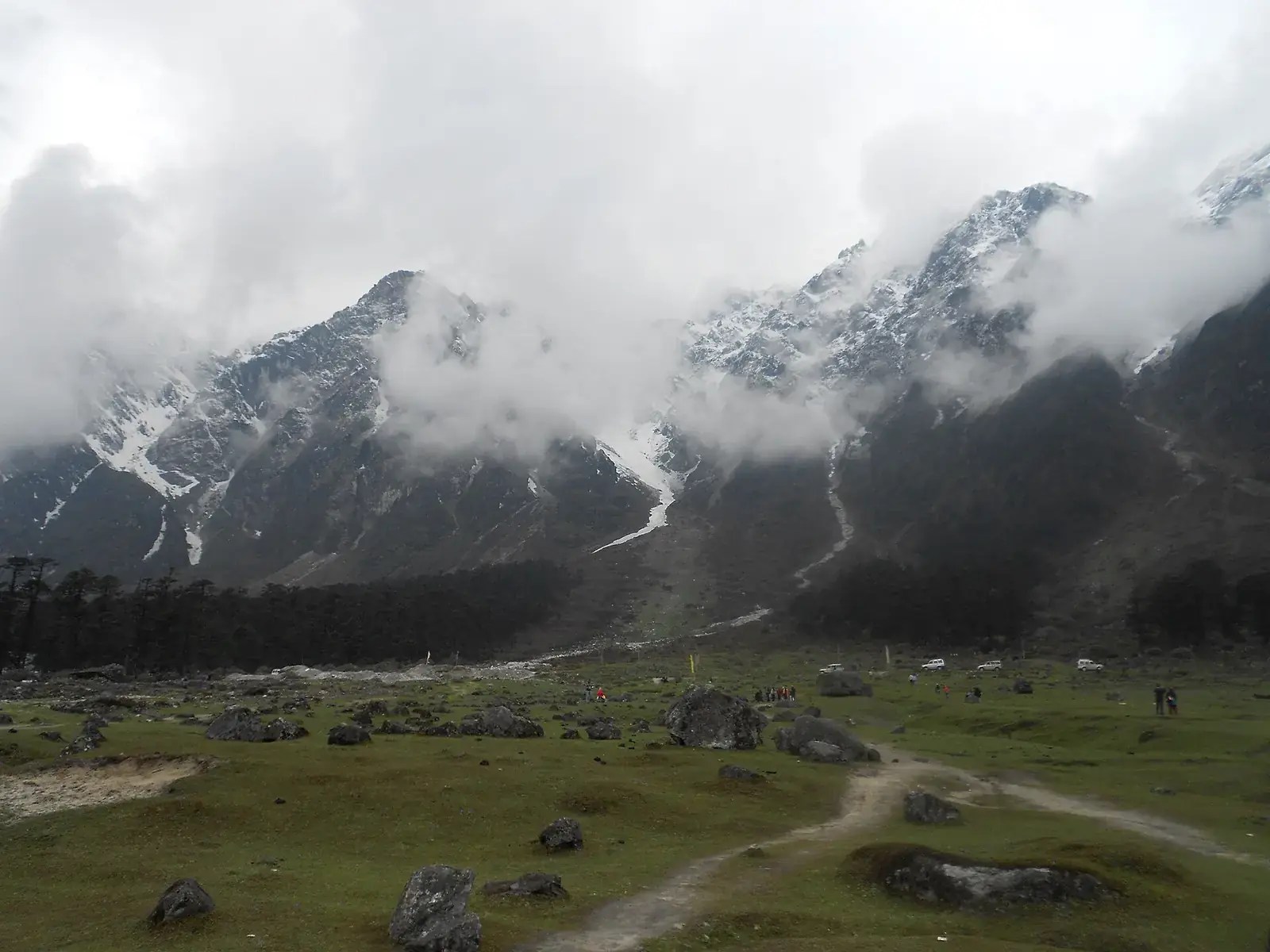
Valleys are where many of India's most memorable landscapes are found: meadows of wildflowers, river valleys lined with orchards and deodar, cold deserts under bare peaks, and rice terraces in the Northeast. Some are easy to reach; others need a trek or permits.
This guide lists valleys across India by region. For hill towns, see our hill-station guides; for high-altitude road trips, our mountain destinations guide.
Quick answer
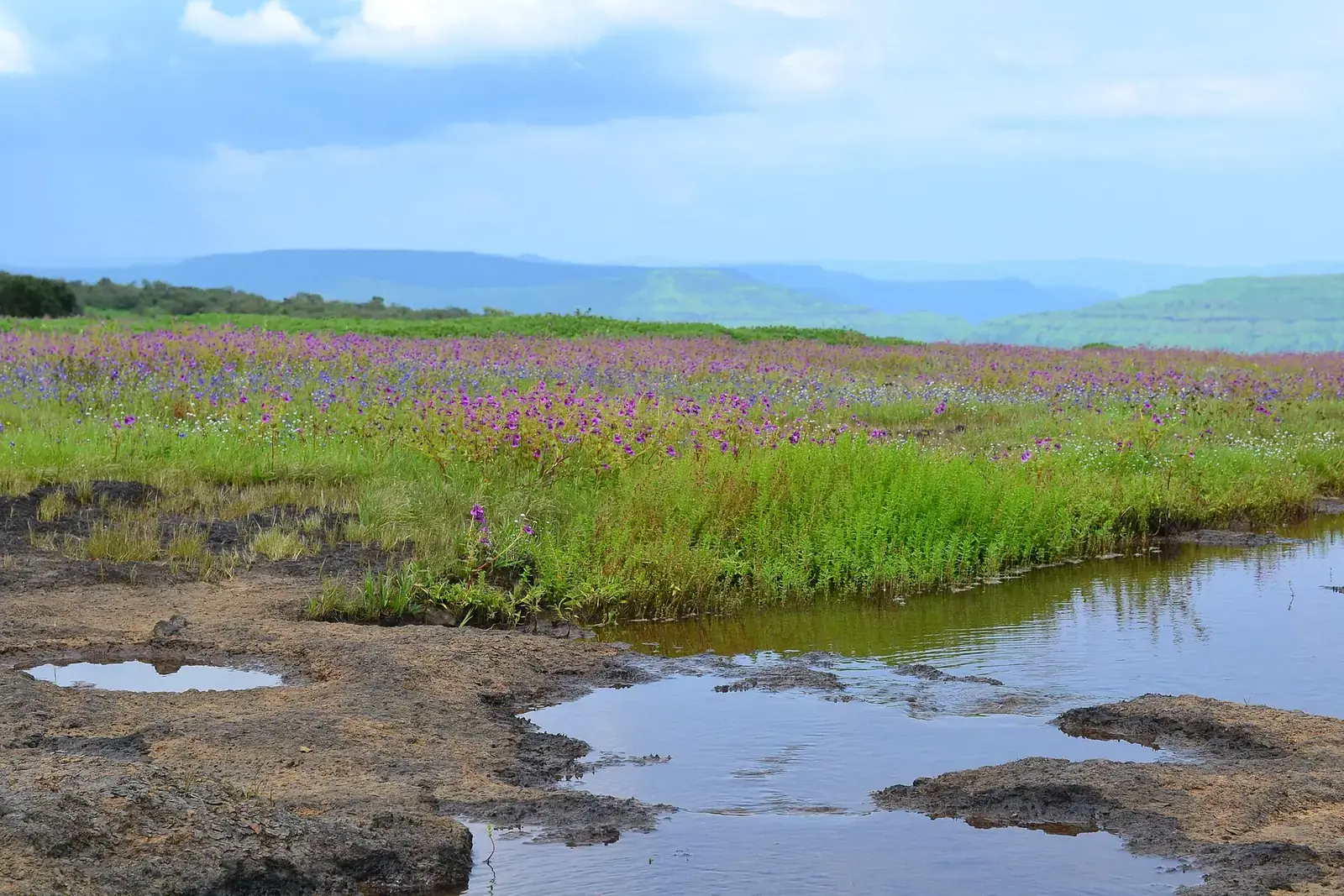
The most beautiful valleys in India include the Valley of Flowers in Uttarakhand, Spiti, Sangla and Tirthan in Himachal Pradesh, Gurez and the Lidder valley in Kashmir, Yumthang in Sikkim, Ziro and Mechuka in Arunachal Pradesh, the Dzukou Valley on the Nagaland-Manipur border, and Araku and Silent Valley in the south. Himalayan valleys are best from June to October; Dzukou's lilies bloom around June and July.
Key takeaways
- The Valley of Flowers is open from about June to October, with the best blooms in July and August.
- Spiti and Sangla are high valleys; allow time to acclimatise.
- Yumthang (Sikkim) and Mechuka and Ziro (Arunachal) need permits for Indian visitors in protected or ILP areas.
- Dzukou is reached on foot, a steep few hours' walk from the road.
- Silent Valley and Kanger Valley are forest valleys, visited with forest-department rules.
Valleys at a glance
| Valley | State | Character | Best time |
|---|---|---|---|
| Valley of Flowers | Uttarakhand | Alpine flower meadows | July to August (open about June to October) |
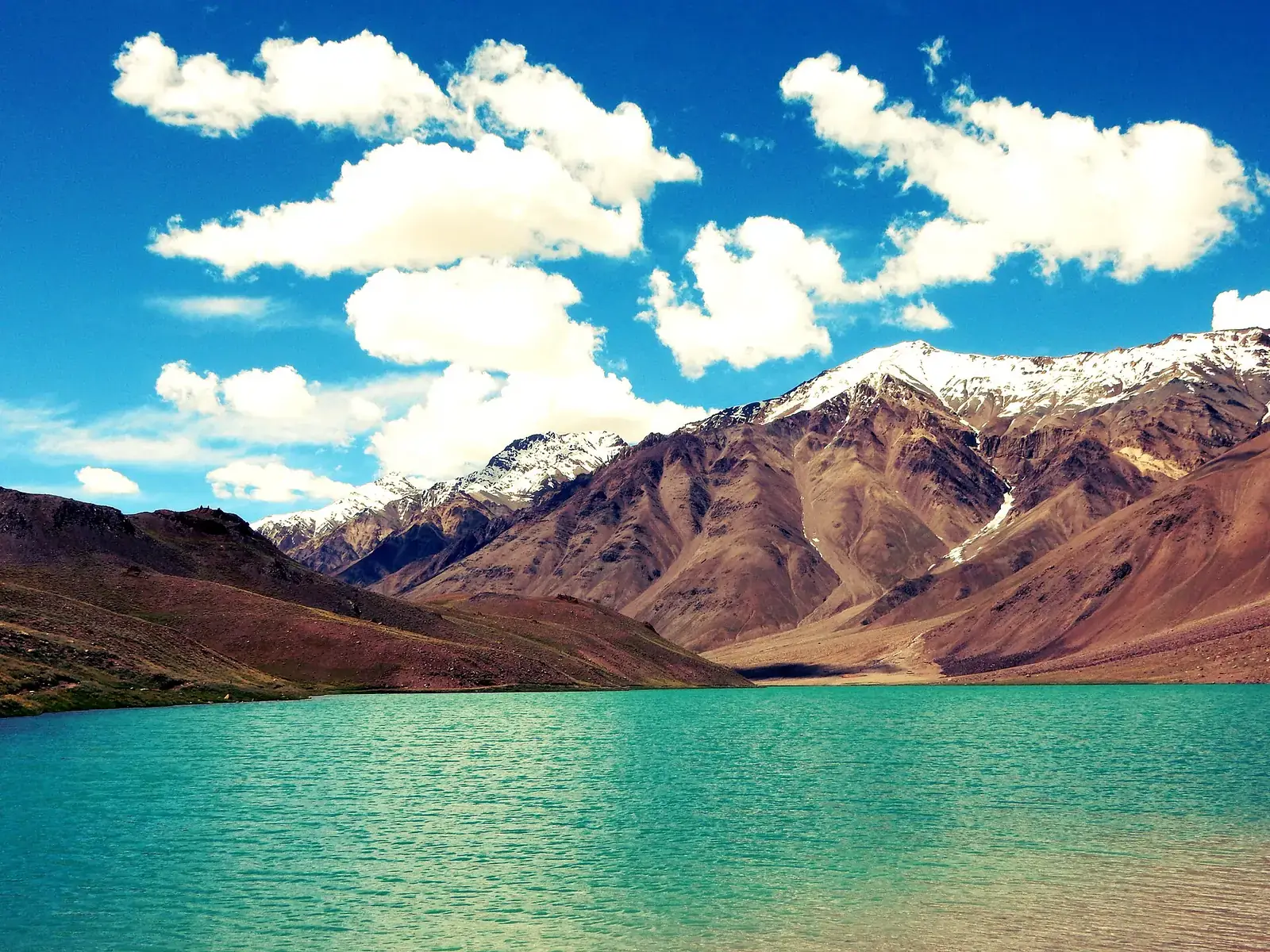
| Spiti | Himachal Pradesh | Cold desert valley | June to October |
| Sangla (Baspa) | Himachal Pradesh | Orchards and forests | April to June, September to October |
| Tirthan | Himachal Pradesh | Forested river valley | March to June, September to November |
| Gurez | Jammu and Kashmir | Remote river valley | May to October |
| Yumthang | Sikkim | Rhododendron valley | April to May |
| Dzongu | Sikkim | Lepcha reserve | October to May |
| Mechuka and Ziro | Arunachal Pradesh | Remote valley; rice terraces | October to May |
| Dzukou | Nagaland and Manipur | Highland grass valley | June to September for flowers; October to March |
| Araku | Andhra Pradesh | Coffee valley in the Eastern Ghats | October to March |
| Silent Valley | Kerala | Rainforest valley | December to April |
| Kanger Valley | Chhattisgarh | Forest, caves and waterfalls | November to March |
The Himalaya
Valley of Flowers
A high meadow of wildflowers in Chamoli, reached on foot from Ghangaria.
Spiti, Sangla and Tirthan
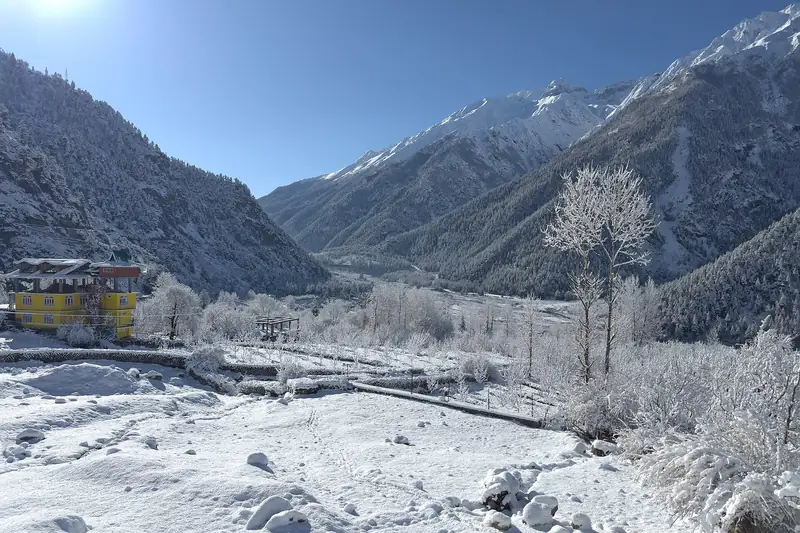
A cold desert, an orchard valley ending at Chitkul, and a forested river valley near the Great Himalayan National Park.
Kashmir's valleys
Gurez near the Line of Control, and the Lidder valley around Pahalgam.
The eastern Himalaya
Yumthang, Dzongu and Mechuka
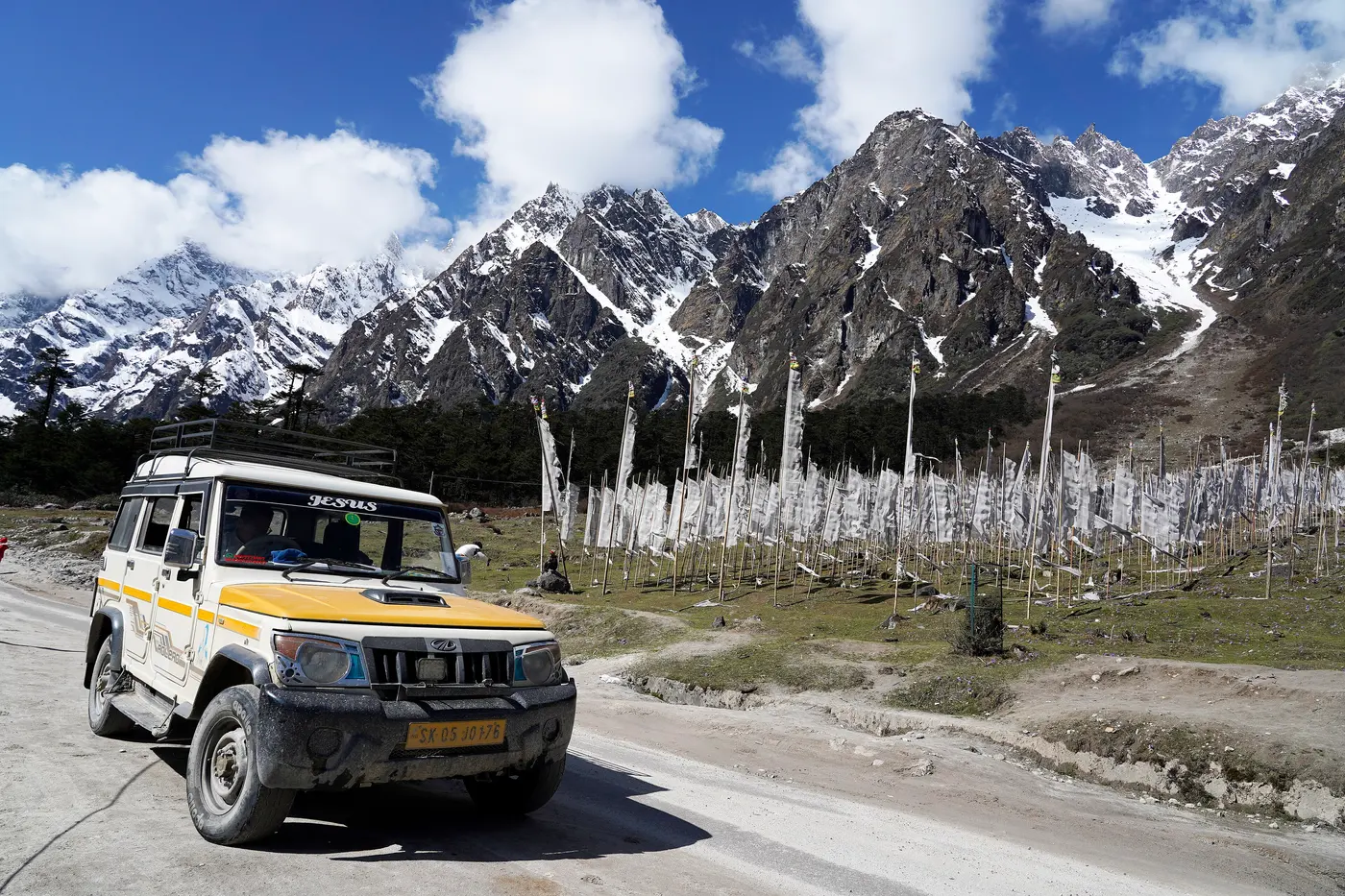
Sikkim's rhododendron valley, the Lepcha reserve of Dzongu, and Arunachal's remote Mechuka.
Northeastern highlands
Dzukou and Ziro
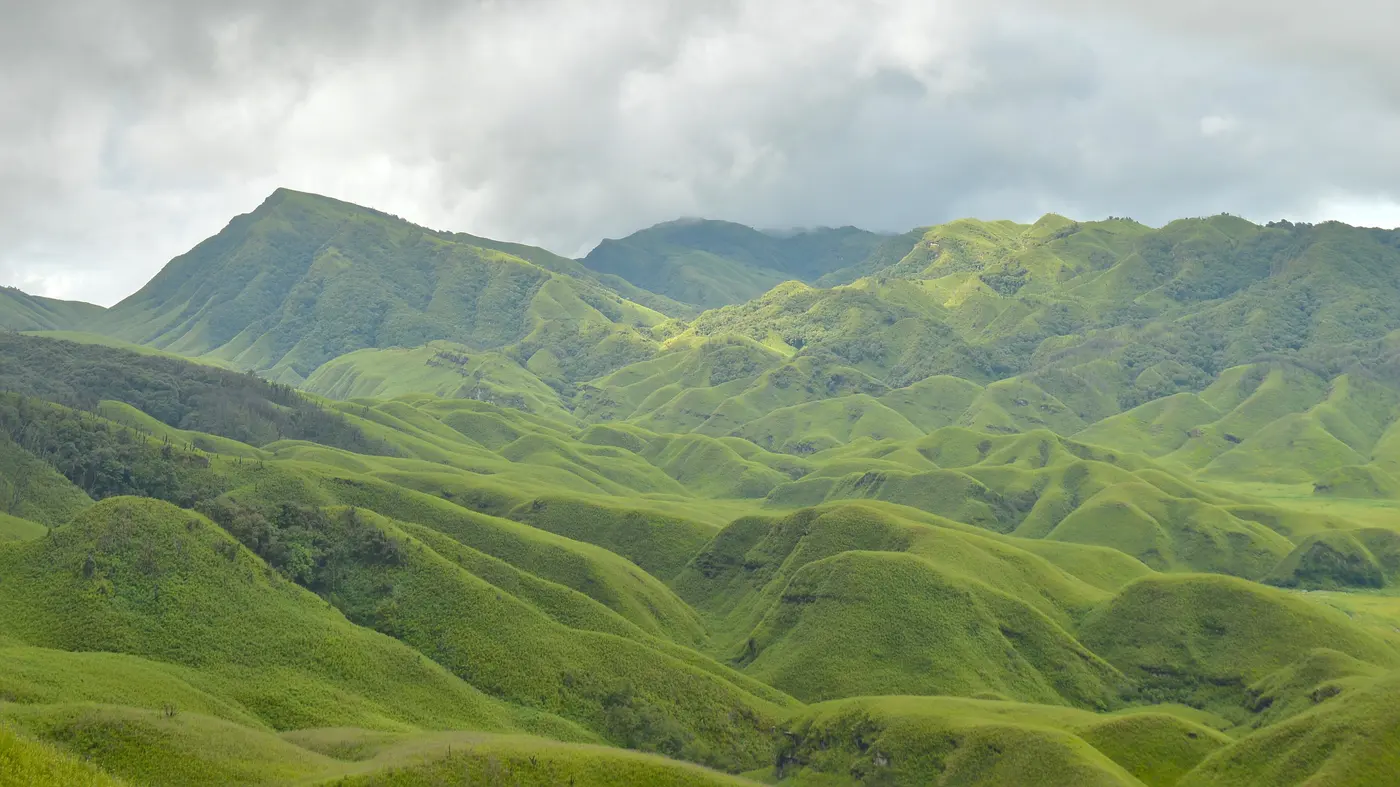
Dzukou's rolling grass valley, known for its lilies, and Ziro's Apatani rice fields.
Southern and central valleys
Araku, Silent Valley and Kanger Valley
Coffee and tribal villages in the Eastern Ghats, one of the last undisturbed rainforests of the Western Ghats, and Kanger's caves and waterfalls in Bastar.
Permits and access
- Yumthang and North Sikkim: Protected Area Permits via registered operators.
- Arunachal Pradesh (Ziro, Mechuka): Inner Line Permit for Indian visitors.
- Gurez: road and security checks apply; check current rules.
- Valley of Flowers: forest-department entry fee and fixed daily hours; no overnight stays inside the park.
Combining valleys
- Spiti and Kinnaur as a loop from Shimla, returning via Manali in summer.
- Tirthan and Jibhi with Manali.
- Yumthang with Gangtok and Lachung.
- Dzukou with Kohima and Khonoma.
- Araku with Visakhapatnam and Borra Caves.
Where to stay
Most valleys have village homestays and small guesthouses rather than hotels; in Spiti, Sangla, Tirthan and Ziro these are part of the experience. Inside national parks, such as the Valley of Flowers, overnight stays are not allowed, so you base yourself outside (Ghangaria for the Valley of Flowers).
Visiting valleys responsibly
- Stay in village homestays and hire local guides.
- Keep to paths in flower meadows; never pick flowers in protected valleys.
- Carry out all plastic from remote valleys.
Safety
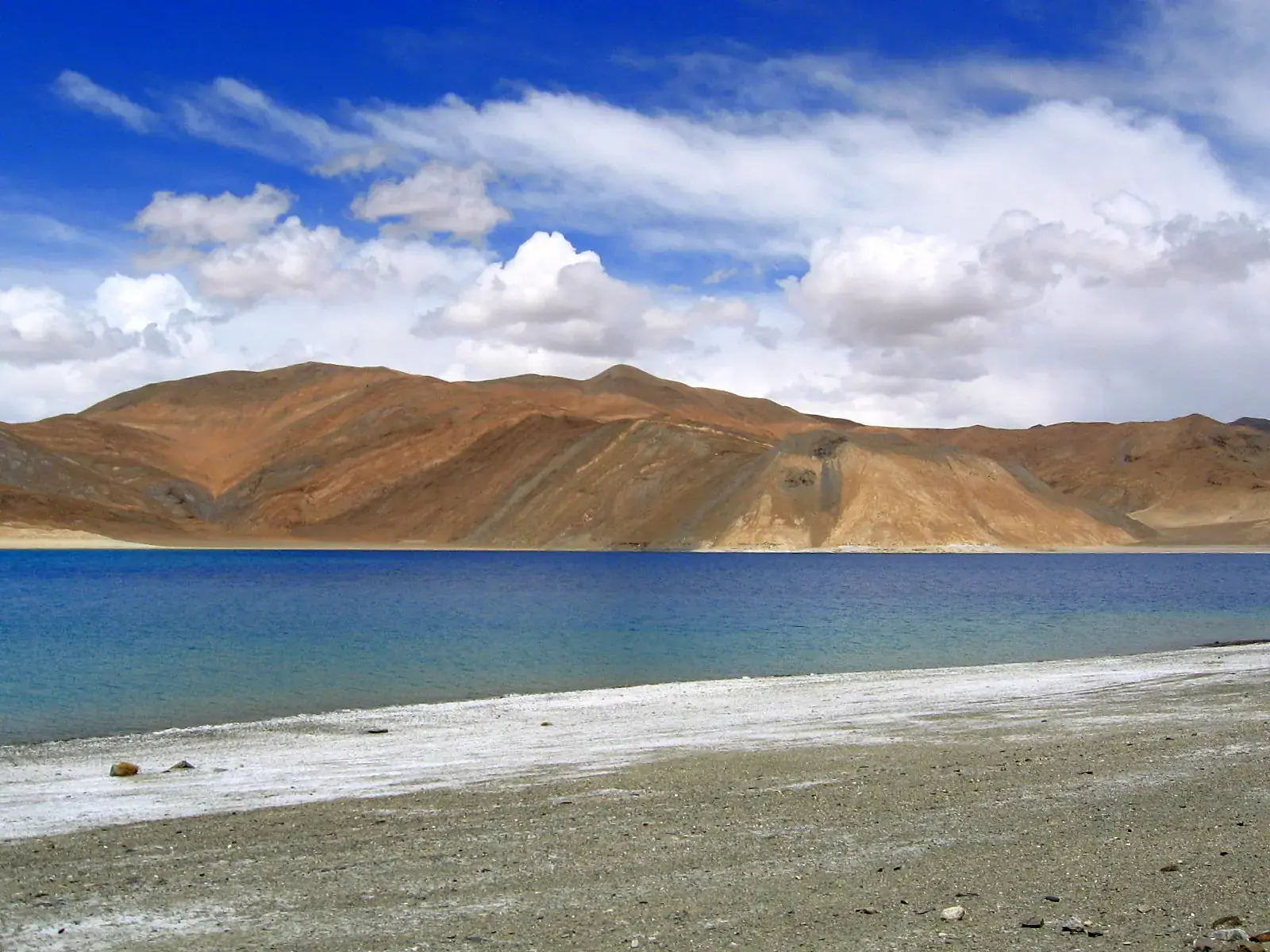
- High lakes and valleys in Ladakh, Spiti and North Sikkim are at altitude; acclimatise and descend if symptoms worsen.
- Stay on marked trails and viewpoints, and heed local closures after heavy rain.
- Permits, entry rules and seasonal closures change; check the forest department or official site before you go.
What to pack
- Layers and a rain jacket
- Trekking shoes
- Sun protection
- Permits and ID
Want the forests, waterfalls and viewpoints woven into one trip?
FAQs
Which is the most beautiful valley in India?
The Valley of Flowers, Spiti, Yumthang, Dzukou and Gurez are often named.
When is the Valley of Flowers open?
From about 1 June to October; the best blooms are usually from mid-July to mid-August.
Which valleys need permits?
Yumthang and North Sikkim, and valleys in Arunachal Pradesh such as Ziro and Mechuka, among others.
Which valley is easiest to visit?
Tirthan, Araku and Sangla have good road access.
How do I reach the Dzukou Valley?
On foot, from the road near Viswema or Zakhama in Nagaland, a steep climb of a few hours.
Which valleys are best in winter?
Silent Valley, Araku and Kanger Valley in the south and centre; Himalayan valleys are snowbound and many are hard to reach.
Can I visit Spiti in winter?
The Kinnaur route usually stays open, but it is very cold and services are limited; most visitors go from June to October.