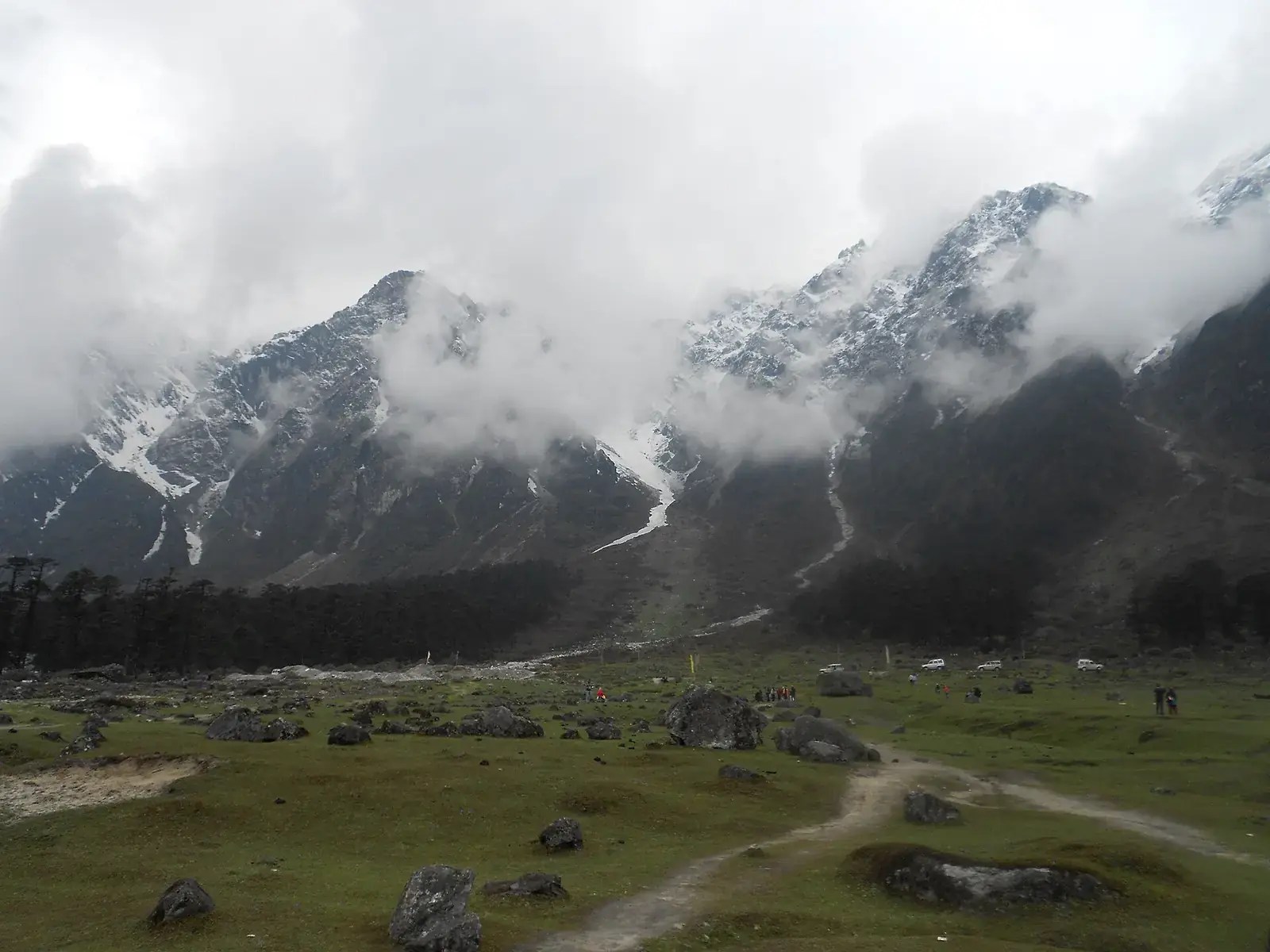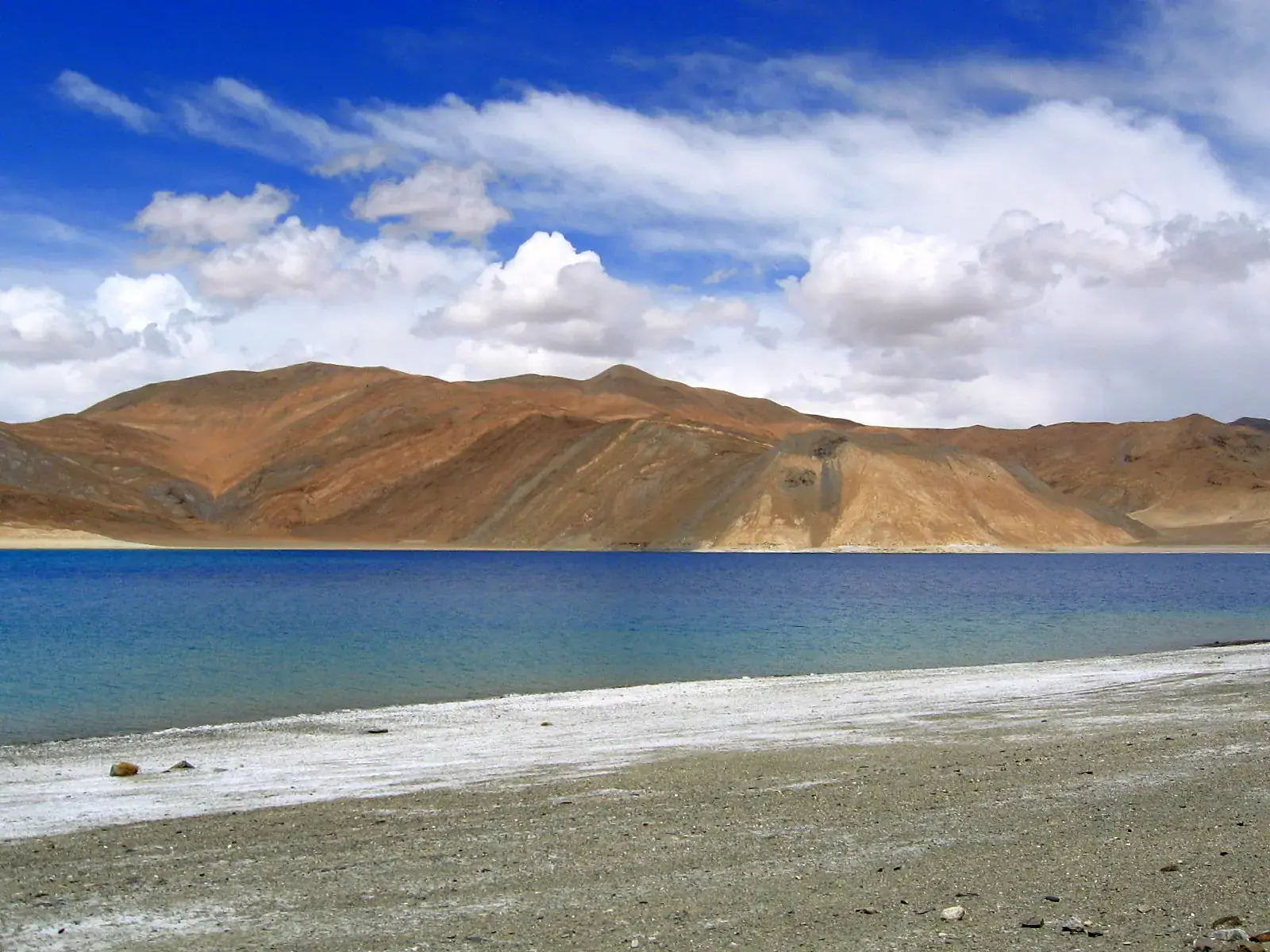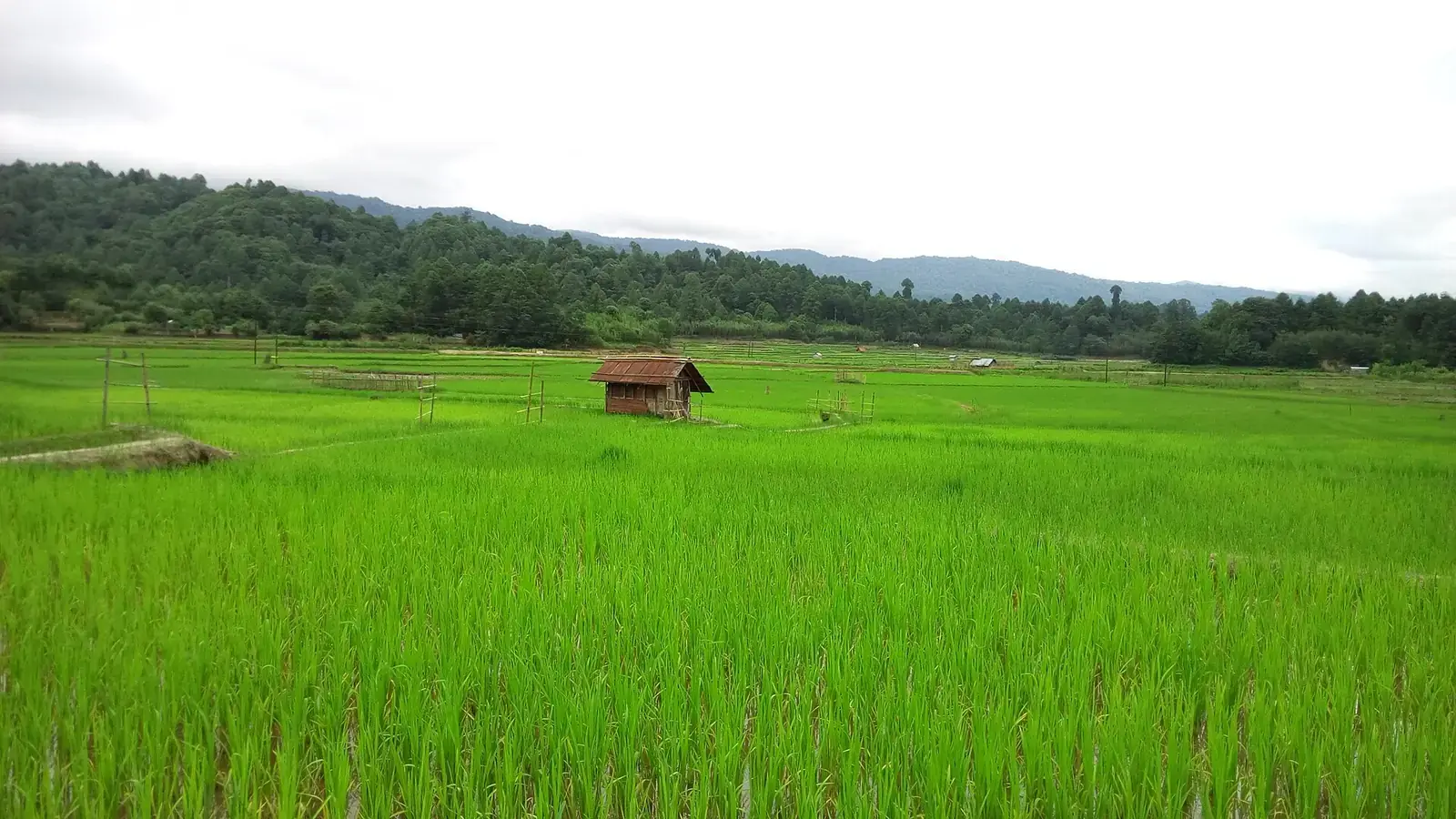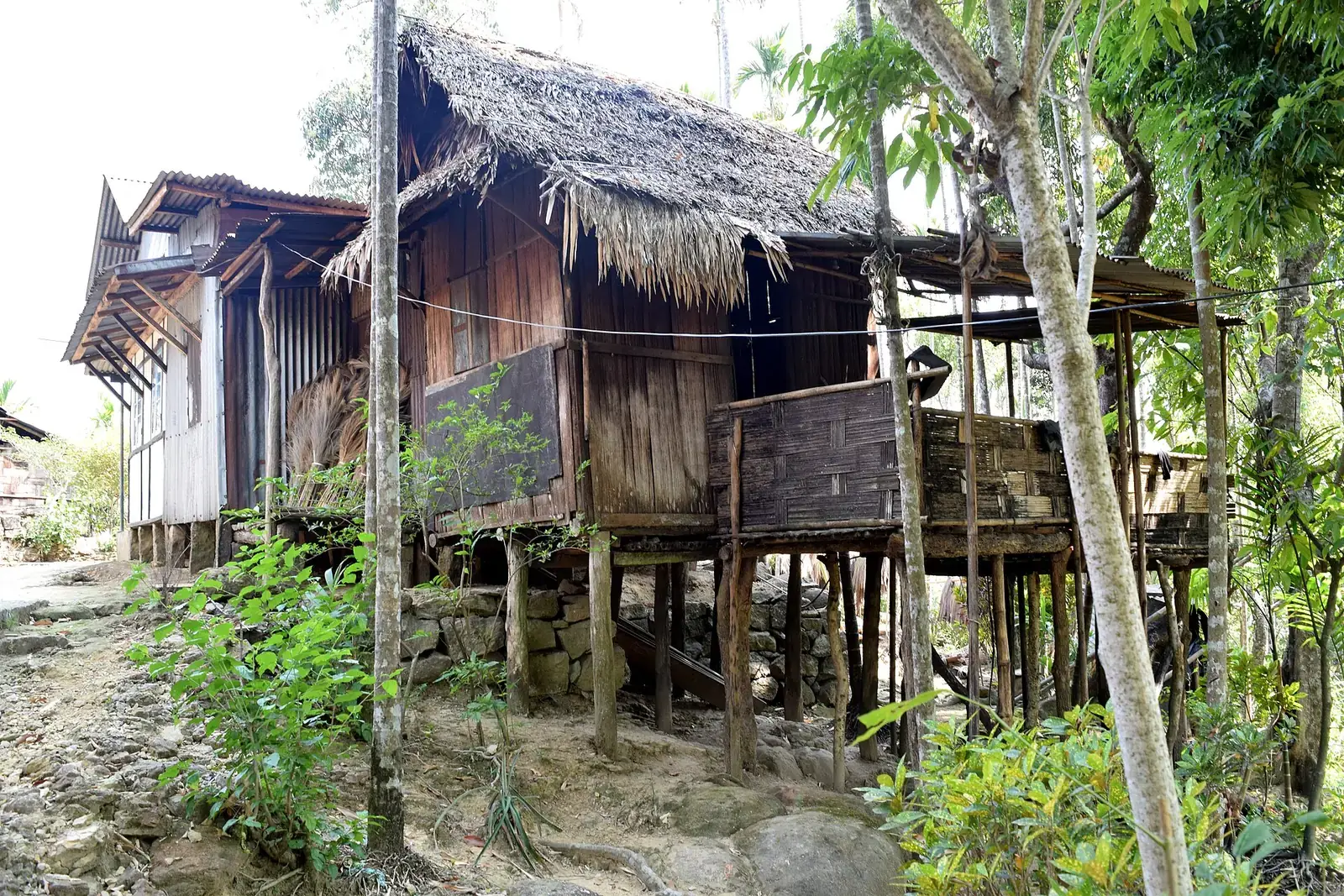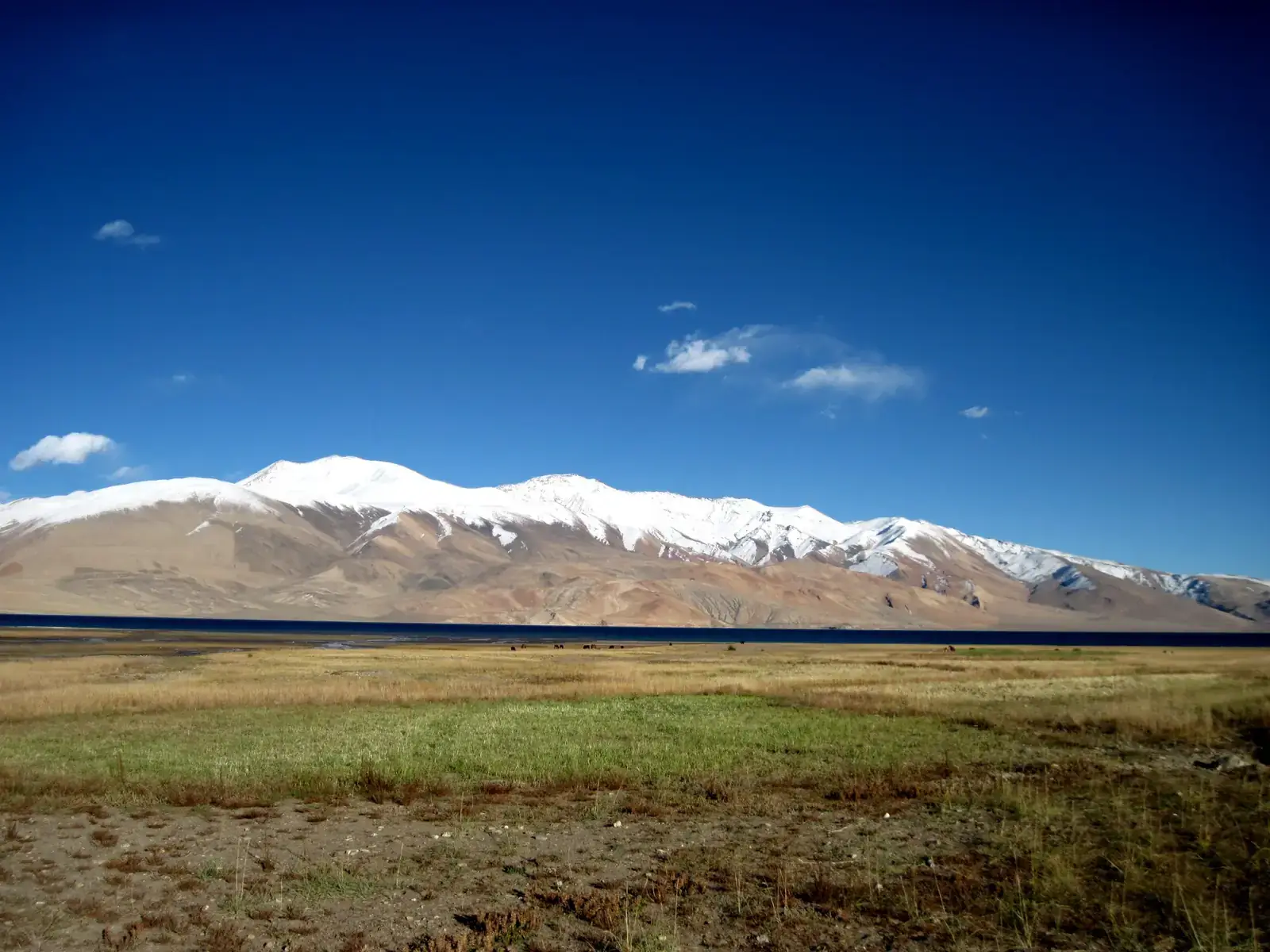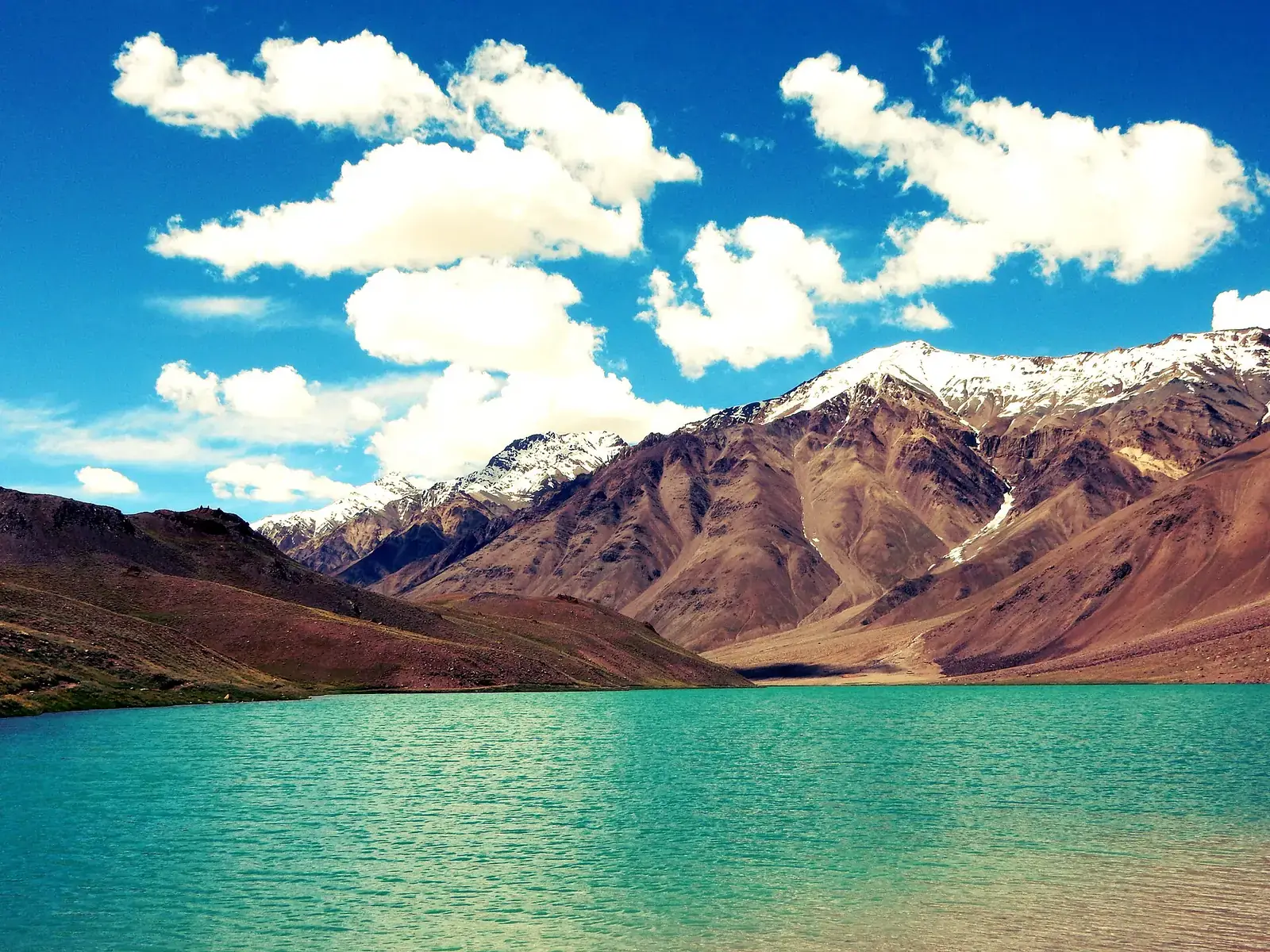
The Indian Himalaya rises from subtropical foothill forests through oak, deodar and rhododendron to alpine meadows, glaciers and, behind the main range, the cold deserts of Ladakh and Spiti. Each zone has its own season and its own way to be enjoyed.
This guide is for nature travellers: meadows, forests, lakes and river valleys. For hill towns, see our hill-station guides; for high-altitude road trips, our mountain destinations guide.
Quick answer
Himalayan nature travel in India covers alpine meadows (bugyals) such as the Valley of Flowers and Dayara, glacial lakes such as Pangong, Tso Moriri, Chandratal and Gurudongmar, rhododendron and oak forests in Sikkim and Uttarakhand, and cold deserts in Ladakh and Spiti. Protected areas include the Nanda Devi and Valley of Flowers and Great Himalayan National Park UNESCO sites. The best months are May to October for high areas and March to May for rhododendron forests.
Key takeaways
- The Himalaya's zones run from foothill forest to alpine meadow and cold desert.
- Nanda Devi and Valley of Flowers, the Great Himalayan National Park and Khangchendzonga are UNESCO sites.
- Alpine meadows (bugyals) are best from June to September.
- Rhododendron forests bloom around March to May.
- Acclimatise above about 3,000 m, and never trek high alone.
Himalayan landscapes at a glance
| Zone | Where to see it | Best time |
|---|---|---|
| Foothill forest | Corbett, Rajaji, Dooars, Namdapha foothills | November to April |
| Oak, deodar and rhododendron forest | Tirthan, Kumaon, Chopta, West Sikkim | March to June, September to November |
| Alpine meadows (bugyals) | Valley of Flowers, Dayara, Tungnath, Yumthang | June to September |
| Glacial and high lakes | Chandratal, Pangong, Tso Moriri, Gurudongmar | June to September |
| Cold desert | Ladakh, Spiti, Lahaul | June to October |
UNESCO natural sites
Protected Himalayan landscapes
Nanda Devi and Valley of Flowers National Parks in Uttarakhand, the Great Himalayan National Park in Himachal Pradesh, and Khangchendzonga National Park in Sikkim, a mixed natural and cultural site.
Valley of Flowers guide · Tirthan Valley guide · UNESCO sites in India
Meadows and lakes
Bugyals and glacial lakes
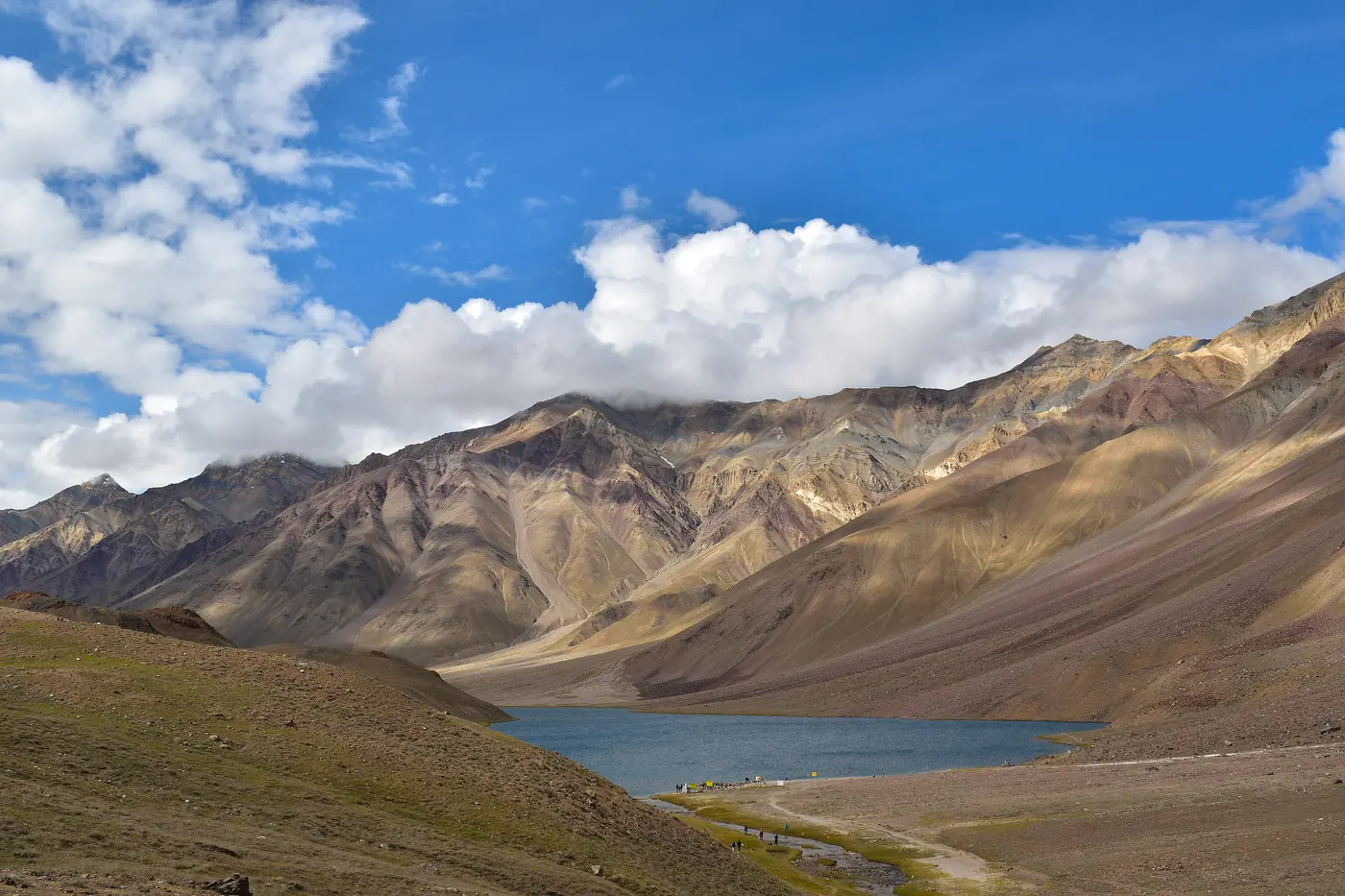
The Valley of Flowers and Hemkund, Tungnath's meadows, Chandratal in Spiti and the lakes of Ladakh and Sikkim.
Forests
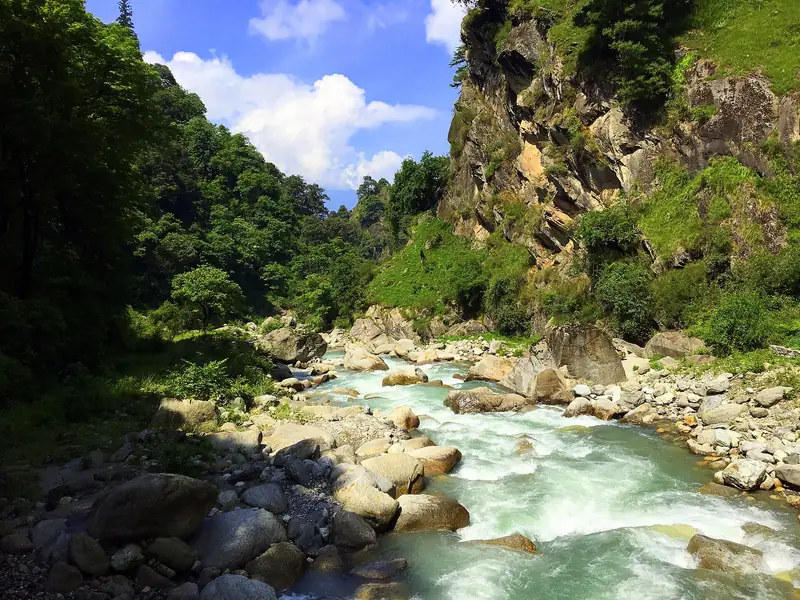
Oak, deodar and rhododendron
The forests around Tirthan and Jibhi, the Kumaon ridges, and Sikkim's rhododendron sanctuaries in spring.
Cold deserts
Ladakh and Spiti
Stark valleys, monasteries and high passes behind the main range, with wildlife such as blue sheep and, in winter, snow leopards.
Things to do in Ladakh · Spiti Valley guide · Snow leopard tours
Nature trips versus hill-station holidays
Hill stations are towns with hotels, markets and promenades. Himalayan nature trips usually mean simpler stays in villages, forest rest houses or camps, more walking, and more planning for weather and altitude. Many travellers combine the two, for example Manali with Tirthan, or Mussoorie with a meadow trek from Chopta.
Seasons in the Himalaya
| Months | What to expect |
|---|---|
| March to May | Rhododendrons, spring flowers, clear mornings; high passes still snowbound |
| June to September | Alpine meadows in bloom and high roads open; monsoon rain and landslides on the southern slopes |
| October to November | The clearest skies and best views; cold nights |
| December to February | Snow at altitude; lower forests are quiet and cold |
Planning a Himalayan nature trip
- Pick one valley or region and give it time; distances are slow.
- Base yourself in a village or forest stay rather than a busy town.
- Combine a road-accessible valley with one short trek.
- Add rest days at altitude.
- Hire local guides for meadows and forest trails; they know the weather and the paths.
Responsible Himalayan travel
High meadows and lakes recover slowly from damage. Camp only where allowed (several state courts and forest departments have restricted camping on bugyals), use toilets or dig cat-holes well away from water, and carry all plastic back. Support village homestays and local guides.
Himalayan wildlife and birds
Himalayan forests and meadows are home to monal and other pheasants, Himalayan tahr, musk deer and, higher up, blue sheep and snow leopards. Sightings are never guaranteed; early mornings with a local guide give the best chance. For species-focused trips, see our wildlife guides.
Safety
- Acclimatise gradually and descend if altitude symptoms worsen.
- Weather changes fast; carry rain and warm layers and turn back in storms.
- Trek with registered guides in remote areas, and register where required.
- Permits and seasonal closures change; check before you go.
What to pack
- Warm and waterproof layers
- Trekking shoes
- Sun protection
- Water purification
Want the forests, waterfalls and viewpoints woven into one trip?
FAQs
What are the best places for Himalayan nature?
The Valley of Flowers, Tirthan and the Great Himalayan National Park, Chopta, Spiti, Ladakh's lakes and North Sikkim.
Which Himalayan national parks are UNESCO sites?
Nanda Devi and Valley of Flowers, the Great Himalayan National Park, and Khangchendzonga (mixed).
When do Himalayan meadows bloom?
Mostly from July to August, varying with altitude and the year's weather.
Do I need to be fit for Himalayan nature travel?
Many places are reachable by road, but meadows and lakes often need a trek; a basic level of fitness helps.
How is this different from a hill-station trip?
Nature trips focus on landscapes and ecosystems, with simpler stays and more walking.
Can I camp in Himalayan meadows?
Only where it is permitted; several bugyals restrict or ban camping to protect the grasslands, so check with the forest department.