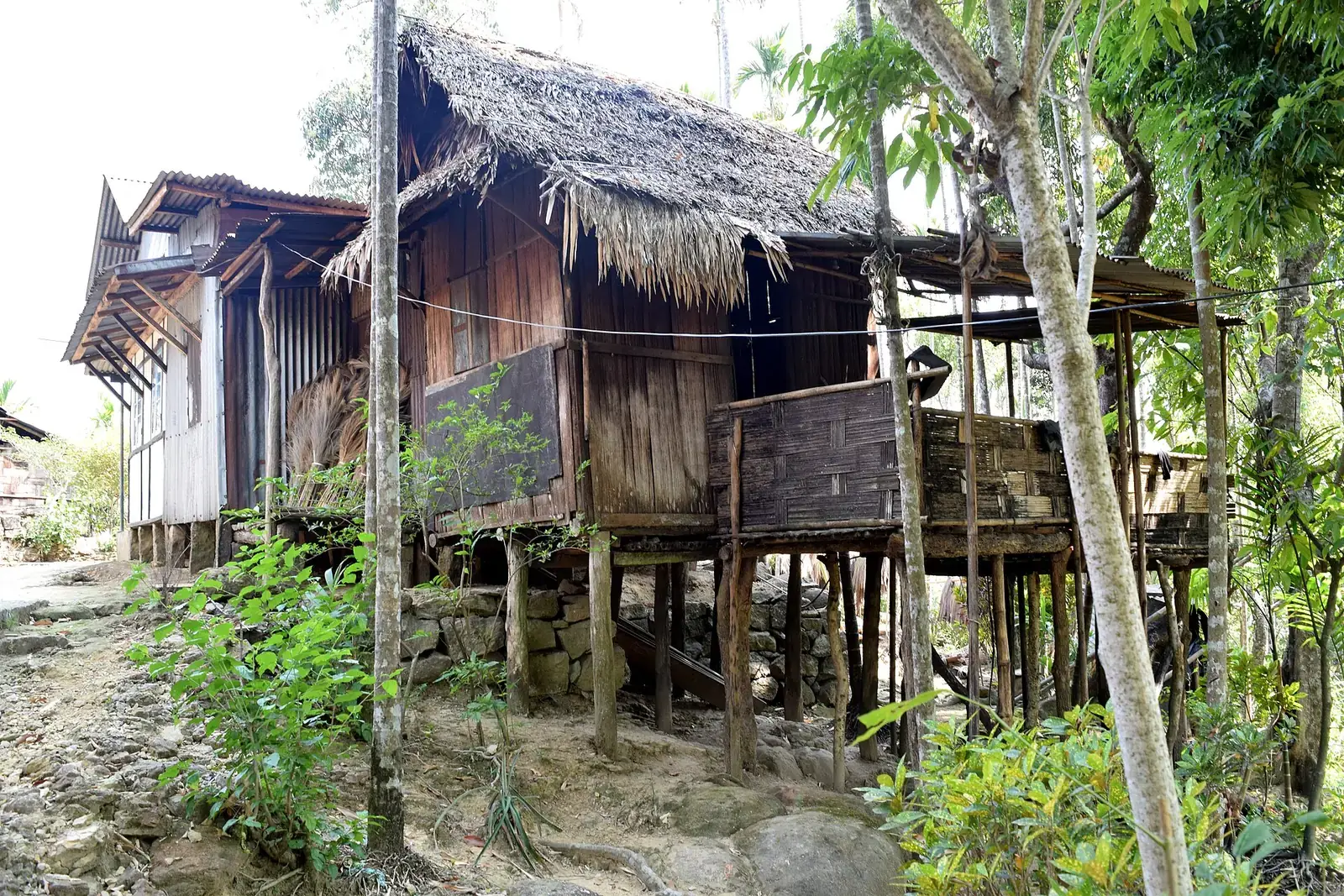
Eco tourism is usually defined as responsible travel to natural areas that conserves the environment, supports the well-being of local people, and involves learning. In practice the term is widely used for marketing, so it helps to look at what a place or operator actually does rather than what it calls itself.
In India, some of the most convincing examples are community-run: villages that protect their own forests and host visitors, forest departments that employ local people as guides, and homestay networks in the Himalaya.
Quick answer
Eco tourism in India means travelling to natural areas in ways that protect nature and benefit local communities. Good examples include community-run villages such as Khonoma in Nagaland and Mawlynnong in Meghalaya, homestay networks in Ladakh, Sarmoli near Munsiyari in Uttarakhand, and forest-department programmes such as those at Periyar in Kerala, which employ local people as guides. Choose small, locally owned stays, hire local guides, and judge operators by what they do, not what they claim.
Key takeaways
- Eco tourism should conserve nature, benefit local people and involve learning.
- Community-run villages and homestays are often the most genuine options.
- Forest-department eco tourism usually employs local people as guides and trackers.
- Be sceptical of 'eco' labels without evidence; ask specific questions.
- Your own choices (transport, waste, water, stays) matter as much as the label.
Community-led examples
| Place | State or UT | What makes it notable |
|---|---|---|
| Khonoma | Nagaland | Community conservation of forests and wildlife; village homestays |
| Mawlynnong | Meghalaya | Village-managed tourism, cleanliness drives, root bridge nearby |
| Ladakh village homestays | Ladakh | Homestays in remote villages, often linked to conservation |
| Sarmoli | Uttarakhand | Village homestays near Munsiyari run by local women |
| Periyar | Kerala | Forest-department eco tourism with local community guides |
| Dzongu | Sikkim | Lepcha reserve with village homestays; permits apply |
The Northeast
Khonoma and Mawlynnong
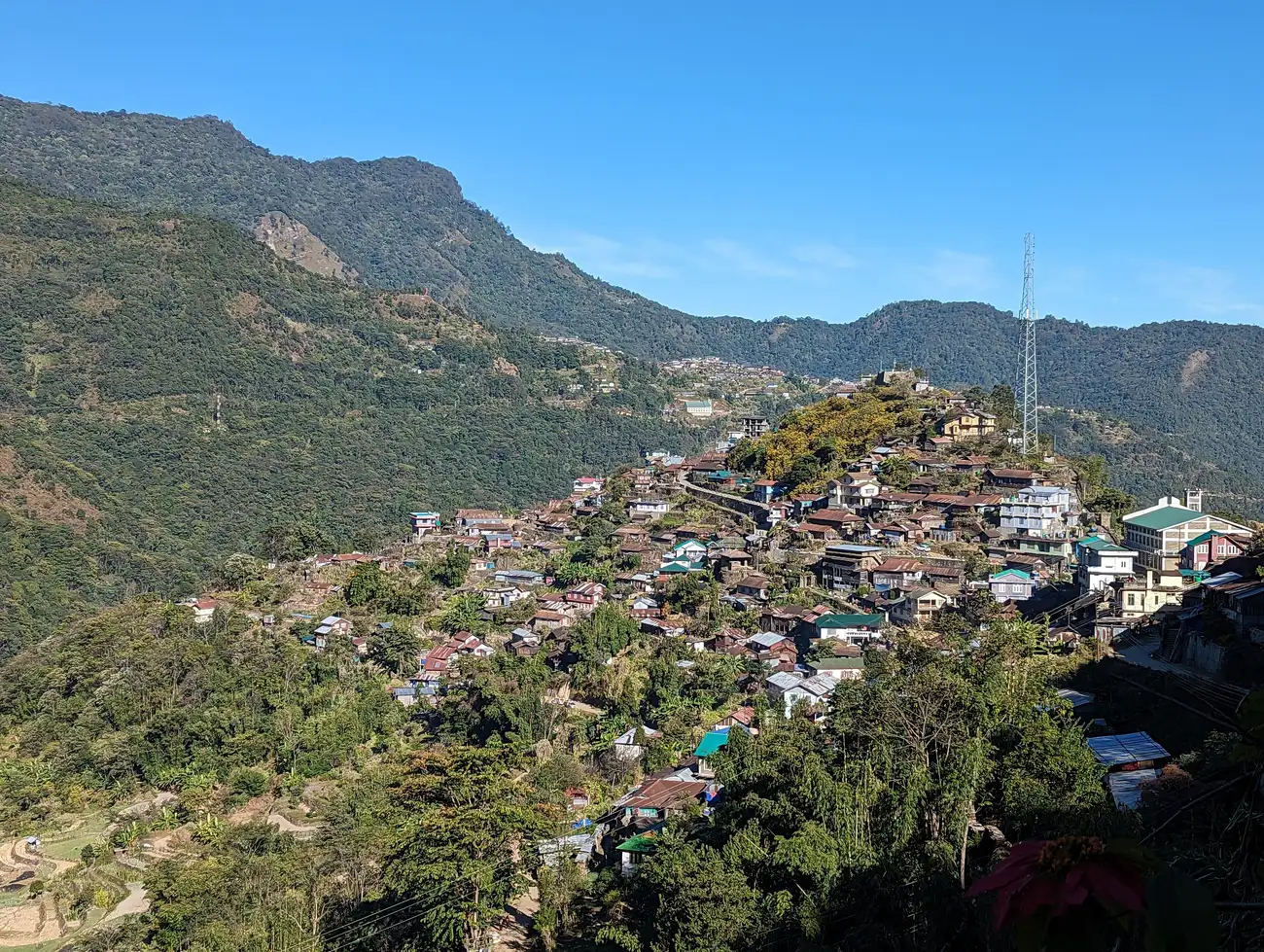
Khonoma is known for its community decision to protect forests and wildlife; Mawlynnong for village-managed tourism.
The Himalaya
Ladakh and Kumaon
Village homestays across Ladakh, and Sarmoli's women-run homestays near Munsiyari, offer a way to stay with families and walk with local guides.
Kerala and the south
Periyar and responsible tourism
Periyar's eco tourism programmes use trained local guides; Kerala has promoted a responsible tourism approach that links visitors with village producers.
How to judge eco claims
- Who owns the business, and do local people work in skilled roles such as guides?
- How is waste handled, and is single-use plastic avoided?
- Where does water come from, and is it used carefully?
- Are group sizes and wildlife interactions limited?
- Can they explain what they do, specifically, rather than using general green words?
We do not label hotels or operators as eco-friendly without clear evidence.
Lowering your own footprint
- Travel by train where practical, and share vehicles.
- Stay longer in fewer places.
- Carry a reusable bottle and refuse single-use plastic.
- Eat local food and buy from local makers.
- Keep to trails and follow park and village rules.
Forest-department eco tourism
Many state forest departments run eco tourism programmes: nature trails, bamboo rafting, camps and rest houses in or near protected areas, often staffed by eco-development committees from nearby villages. They are usually booked online through the department's own portal, have fixed timings and group sizes, and are one of the better ways to experience forests with trained local guides.
What eco tourism is not
- Feeding or touching wild animals for photos.
- Large resorts built inside fragile landscapes, however they are marketed.
- Off-road driving across meadows, dunes or beaches.
- Tours that treat villages or tribal communities as sights rather than hosts.
Choosing a community stay
Look for homestays listed by state tourism departments or village committees, and ask how income is shared. Expect simple rooms, shared meals and early nights; that is part of the experience. Stay at least two nights so the visit becomes a real exchange rather than a quick photo stop, and pay any community or conservation fees without argument.
Safety
- Permits, entry rules, booking systems and seasons change; check official sources before you go.
- Carry your waste back, avoid loud music, and never feed wildlife.
What to pack
- Reusable bottle and bag
- Modest clothing for villages
- Cash for community fees
- Torch
Want the forests, waterfalls and viewpoints woven into one trip?
FAQs
What is eco tourism?
Responsible travel to natural areas that conserves the environment, supports local people and involves learning.
What are good eco tourism destinations in India?
Khonoma, Mawlynnong, Ladakh's village homestays, Sarmoli near Munsiyari, Dzongu and Periyar are good examples.
How can I tell if a stay is genuinely eco-friendly?
Ask specific questions about ownership, local jobs, waste, water and group sizes, and look for clear answers.
Is eco tourism more expensive?
Not necessarily; many community stays are simple and good value.
How can I travel more sustainably in India?
Use trains, stay longer, avoid plastic, eat local and hire local guides.
Does eco tourism help conservation?
It can, when income reaches local people who then have reasons to protect forests and wildlife, as in several community-run villages.
Are forest-department eco camps good?
Many are simple but well located, with trained local guides; book through the official portals.