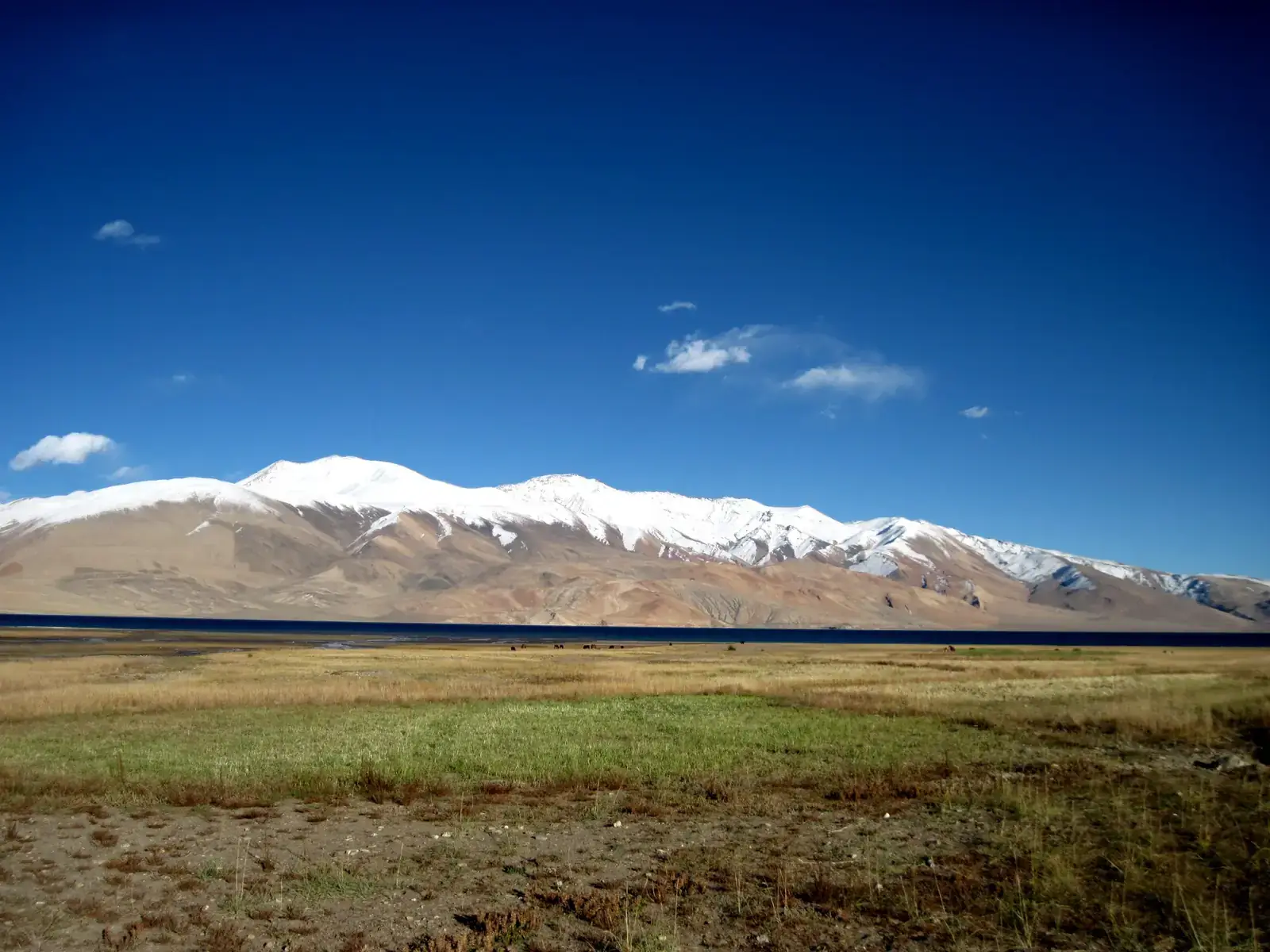
India's range of landscapes, from high-altitude deserts to rainforests and salt flats, makes it a rich country for nature photography. The catch is that each subject has a narrow best season: waterfalls in the monsoon, clear mountain views in autumn, blooms for a few weeks, and dark skies only in dry, remote places.
This guide is about landscapes and nature. Our wildlife photography guide covers animals and birds.
Quick answer
The best places for nature photography in India are Ladakh and Spiti for mountains, lakes and night skies; Meghalaya and the Western Ghats for monsoon waterfalls and mist; the Valley of Flowers and Kaas for blooms; Kerala's backwaters for water and light; the Rann of Kutch for salt flats under a full moon; and Kumaon and Sikkim for Himalayan panoramas. October to March brings the clearest light in most regions.
Key takeaways
- Match the place to its season: waterfalls in the monsoon, clear peaks in autumn, blooms for a few weeks.
- Ladakh, Spiti and the Rann are the best places for dark skies; check the moon phase.
- Protect gear from rain and dust; carry spare batteries in the cold.
- Drones need permission under India's drone rules and are banned in many sensitive areas.
- Ask before photographing people, and never damage plants or disturb wildlife for a shot.
Where to go by subject
| Subject | Where | Best season |
|---|---|---|
| Mountain lakes | Pangong, Tso Moriri, Chandratal | June to September |
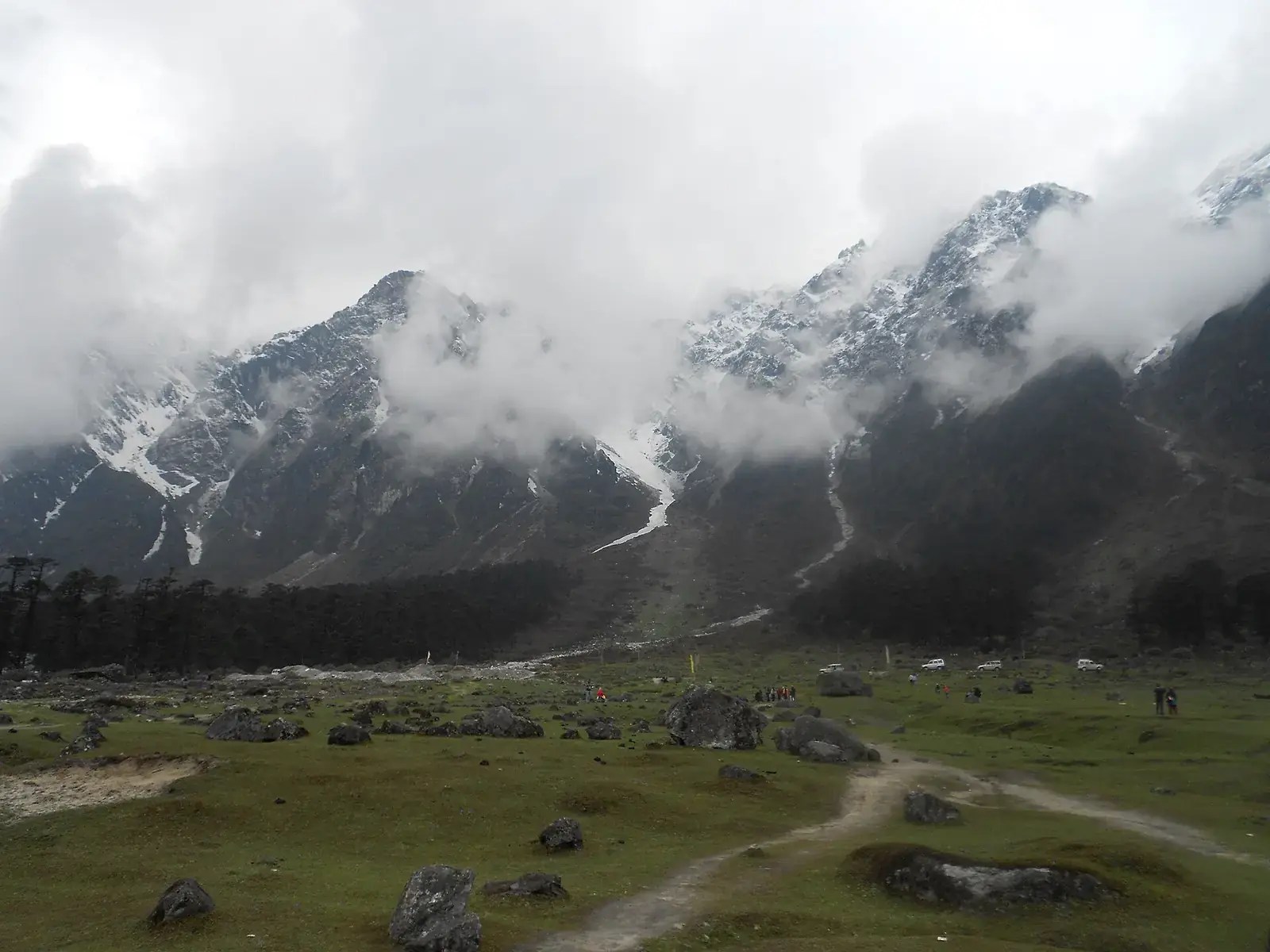
| Himalayan panoramas | Kausani, Munsiyari, Sikkim, Darjeeling | October to December |
| Waterfalls and mist | Sohra, Jog, Athirappilly, Dudhsagar | July to October |
| Forests | Silent Valley, Agumbe, Mawphlang, Kanha | Monsoon for mood, winter for light |
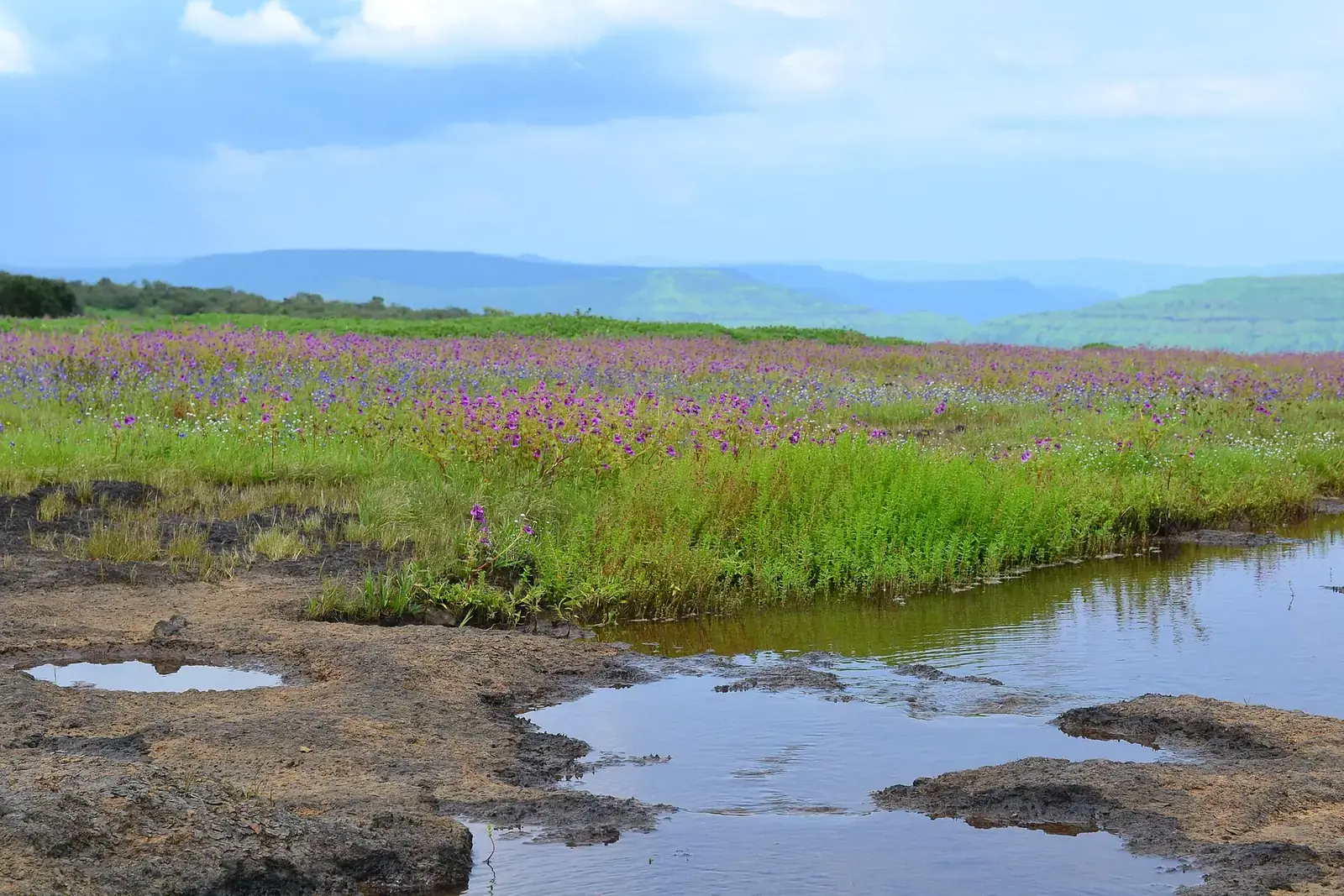
| Blooms | Valley of Flowers, Kaas, Yumthang, Dzukou | July to October (varies) |
| Night skies | Hanle, Spiti, Rann of Kutch | October to March (new moon) |
| Backwaters and water light | Alappuzha, Kumarakom, Munroe Island | November to February |
Mountains and high lakes
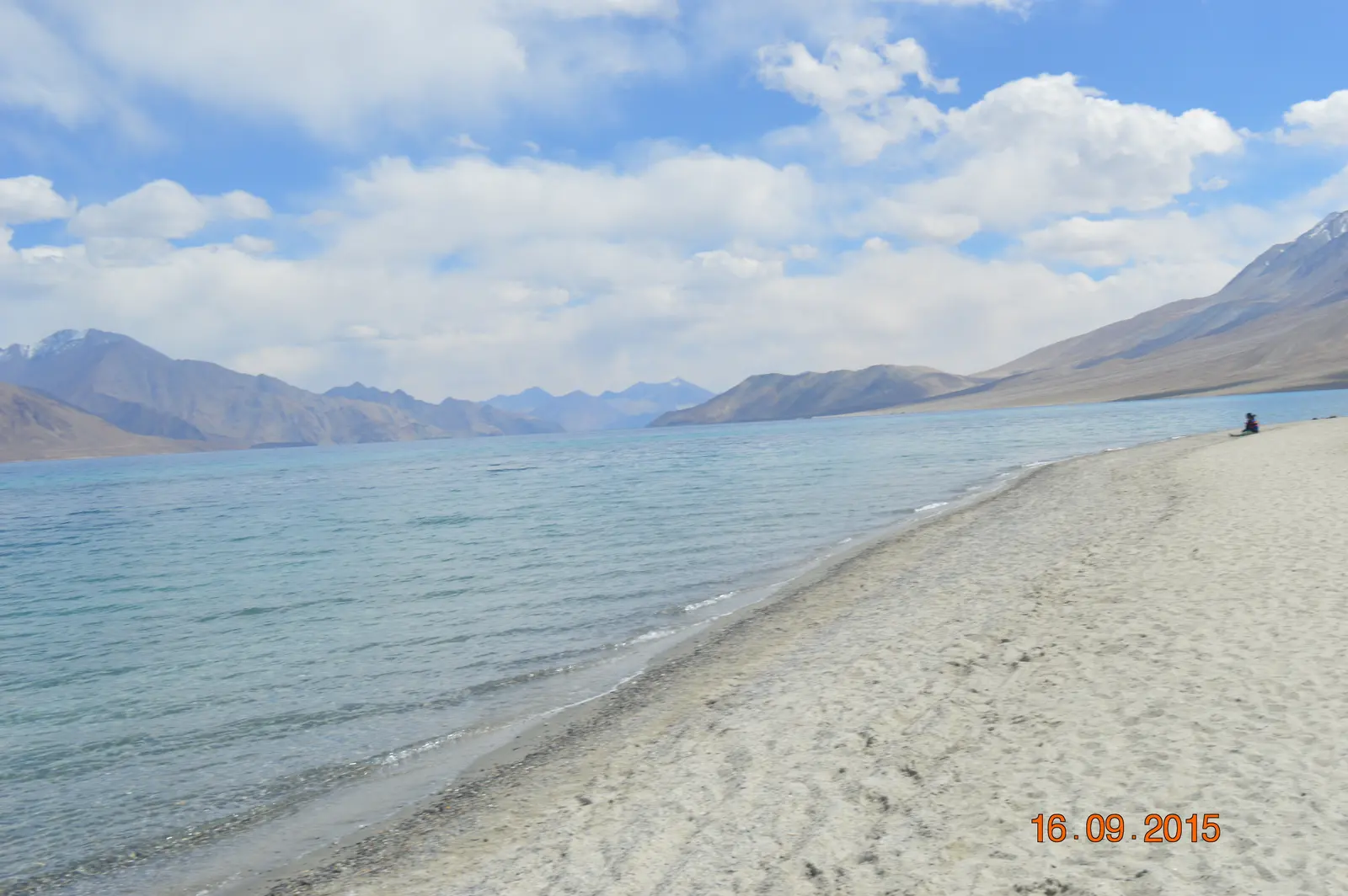
Ladakh and Spiti combine clear air, bare mountains and colourful lakes. Pangong and Tso Moriri change colour with light and cloud; Chandratal is best at dawn before the wind rises. Hanle, in eastern Ladakh, is home to the Indian Astronomical Observatory and a designated dark sky reserve, and night photography is excellent across these high deserts.
Monsoon waterfalls and mist
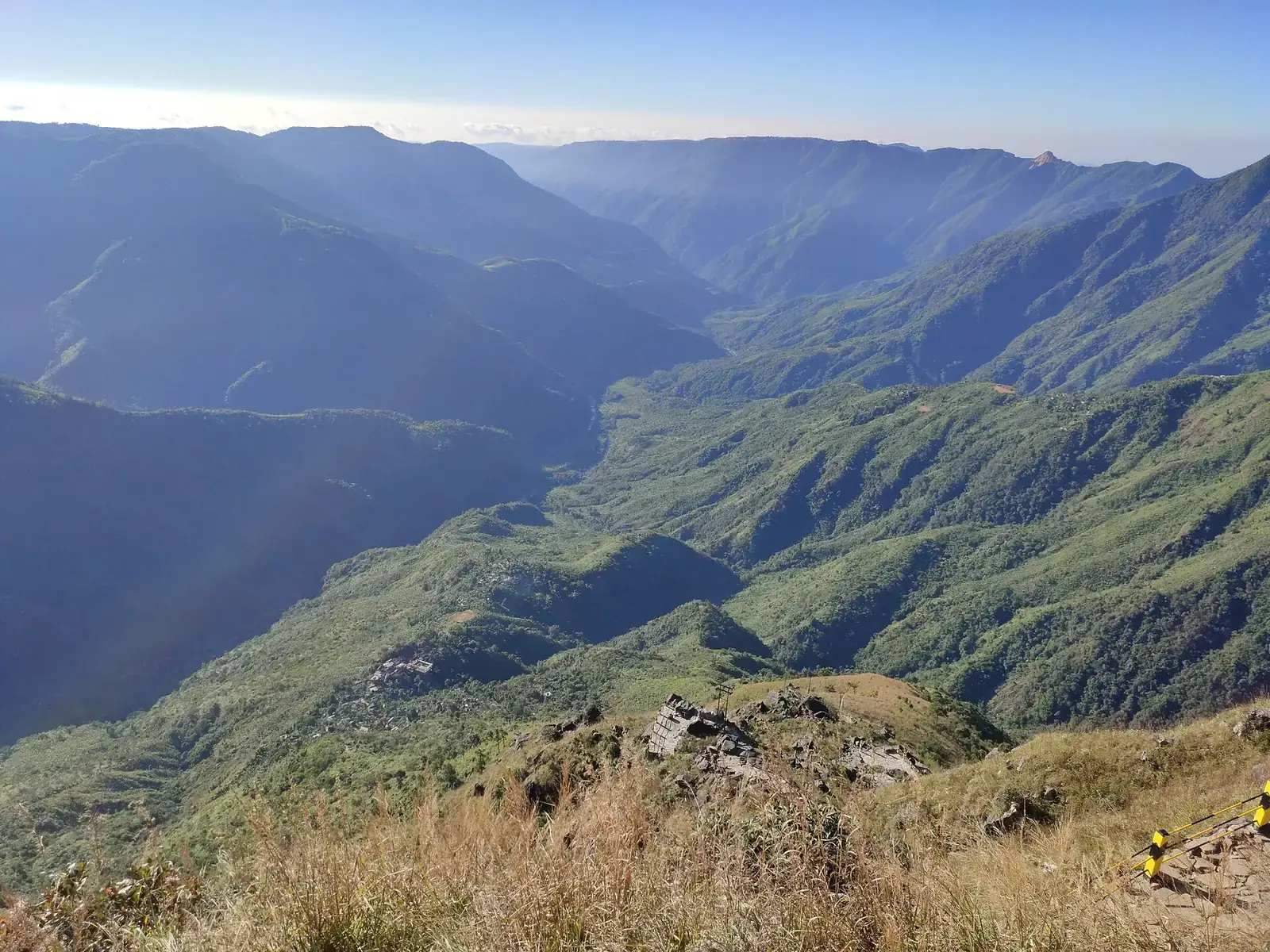
The monsoon is the best season for waterfalls and moody forest light, but also the hardest for photography: rain, spray, fog and slippery viewpoints. Meghalaya's Sohra plateau and Laitlum canyons, and the Western Ghats from Kaas to Athirappilly, are the main areas. Early morning often gives short clear windows.
Blooms and salt flats
The Valley of Flowers and the Kaas plateau bloom in the monsoon and just after, but the timing shifts year to year. The White Rann of Kutch, in winter, gives vast, flat compositions, most striking under a full moon.
Light and timing
- Shoot in the first and last hours of light; midday light at altitude is harsh.
- In the Himalaya, autumn and early winter give the clearest views of distant peaks.
- Check moon phases for night skies; a new moon gives the darkest sky.
- Allow buffer days for cloud, especially in the monsoon and in the Northeast.
Gear that copes with Indian conditions
- A rain cover and silica gel packs for the monsoon.
- A lens cloth and blower for dust in Ladakh and the Rann.
- Spare batteries kept warm inside your jacket at altitude.
- A light tripod for waterfalls, low light and night skies.
- A polariser for water and foliage.
Drones, permits and ethics
Flying a drone in India requires registration and permission under the Drone Rules, and drones are prohibited near borders, airports, military areas and in many protected areas; parts of Ladakh and the Northeast are sensitive. Some monuments and parks charge camera fees. Always ask before photographing people, especially in tribal and religious settings, and never trample meadows, climb on fragile formations or bait wildlife.
Wildlife photography
For animals and birds.
Wildlife photography in India · Responsible wildlife tourism
When to go
October to March is the best general season for clear light across most of India. The monsoon suits waterfall and forest work in the Western Ghats and Meghalaya. The high Himalaya is best from June to October, when roads are open, with autumn giving the clearest air.
Safety
- Stay on marked trails and viewpoints, and heed local closures after heavy rain.
- Permits, entry rules, seasonal closures and timings change; check official sources before you go.
- Carry your waste back, avoid loud music and never feed wildlife.
- Do not step past barriers at cliffs and waterfalls for a better angle.
What to pack
- Rain cover and dry bags
- Spare batteries and memory cards
- Tripod and headtorch
- Warm layers for night shoots
Want the forests, waterfalls and viewpoints woven into one trip?
FAQs
Which is the best place in India for landscape photography?
Ladakh and Spiti for mountains and lakes, Meghalaya and the Western Ghats in the monsoon, and Kumaon and Sikkim for Himalayan views.
When is the best time for nature photography in India?
October to March for clear light; the monsoon for waterfalls; June to October for the high Himalaya.
Where can I photograph the night sky in India?
Hanle and other parts of Ladakh, Spiti and the Rann of Kutch, ideally near a new moon.
Can I fly a drone in India's national parks?
Generally no. Drones need permission and are banned in many protected and sensitive areas.
How do I protect my camera in the monsoon?
Use a rain cover, dry bags and silica gel, and wipe gear dry each evening.
Is it okay to photograph people in villages?
Ask first, respect a refusal, and follow any local rules on photography.