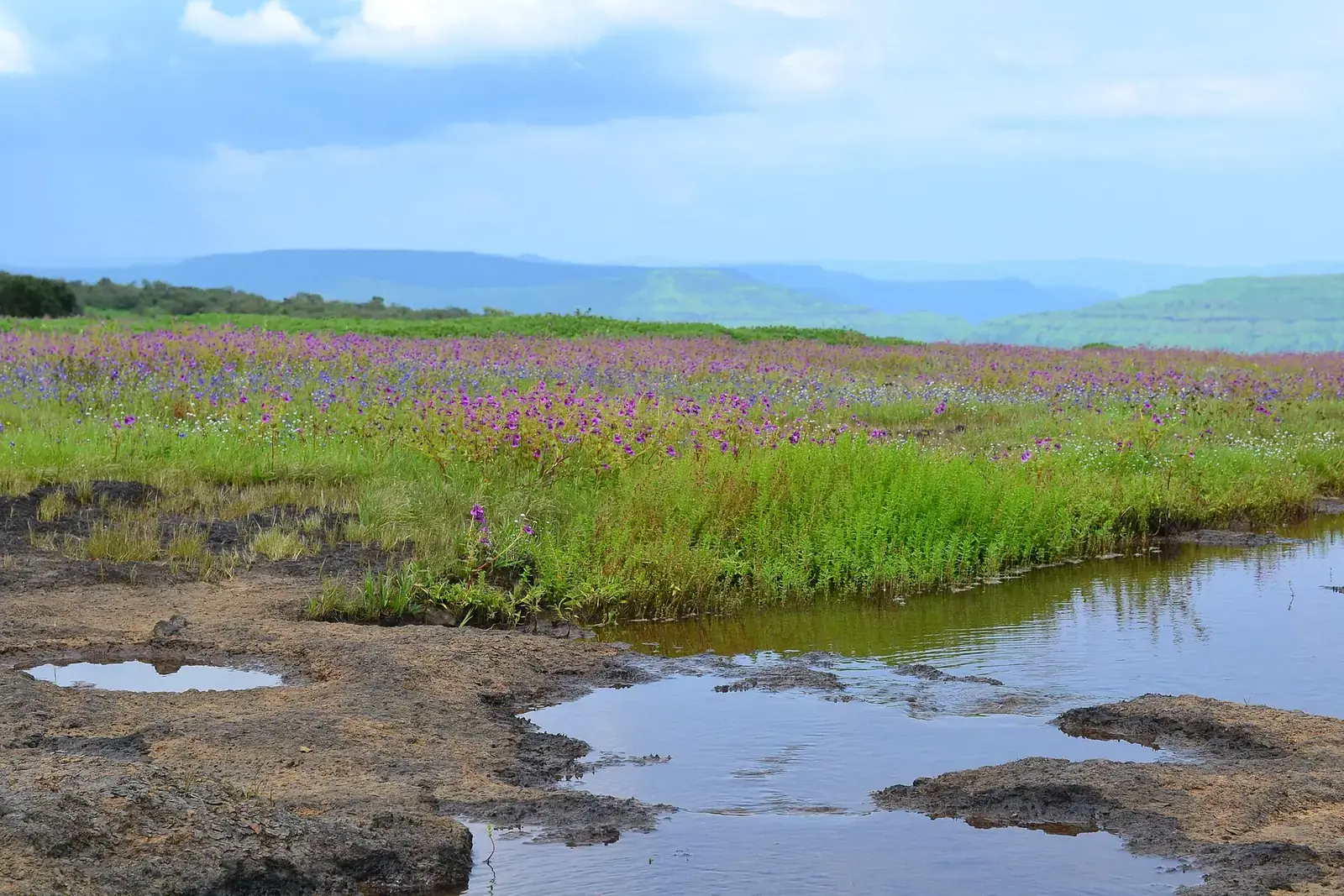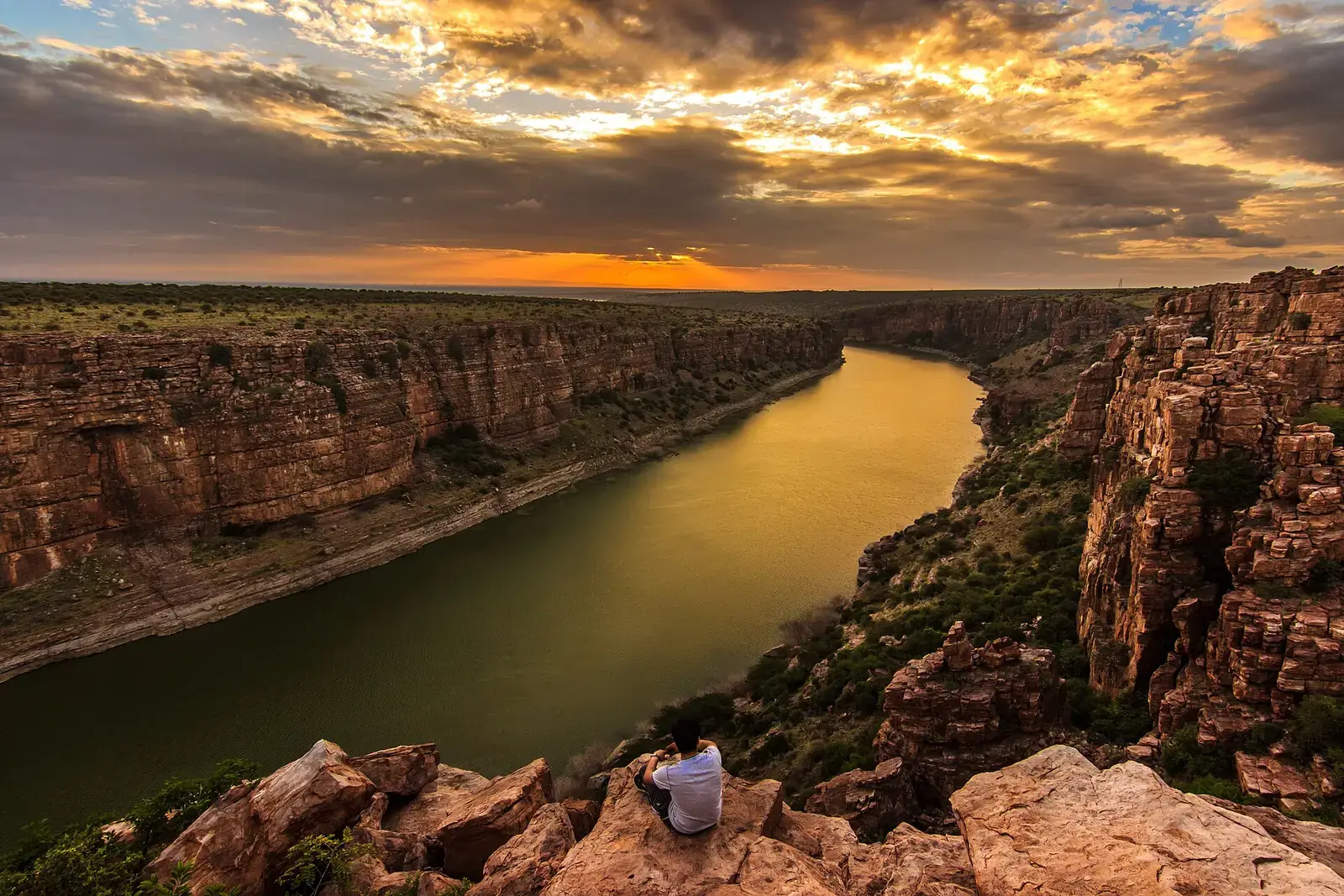
Some of India's most memorable places are the work of rivers, volcanoes, meteorites and, in Meghalaya, generations of patient villagers. They range from deep river gorges and a crater lake to a salt desert that turns white each winter.
This guide focuses on geological and living wonders you can visit. For waterfalls, lakes and caves in depth, see our dedicated guides.
Quick answer
India's natural wonders include the Gandikota gorge on the Penna river in Andhra Pradesh, the Marble Rocks gorge at Bhedaghat in Madhya Pradesh, Lonar crater lake in Maharashtra, Meghalaya's living root bridges, the white Rann of Kutch in Gujarat, Loktak Lake's floating phumdis in Manipur, the basalt columns of St Mary's Islands in Karnataka, and the Borra and Belum caves in Andhra Pradesh. Most are best visited from October to March.
Key takeaways
- Lonar is a crater lake formed by a meteorite impact, and a Ramsar wetland.
- Meghalaya's living root bridges are on UNESCO's Tentative List.
- The Rann of Kutch's white salt flats are best from about November to February.
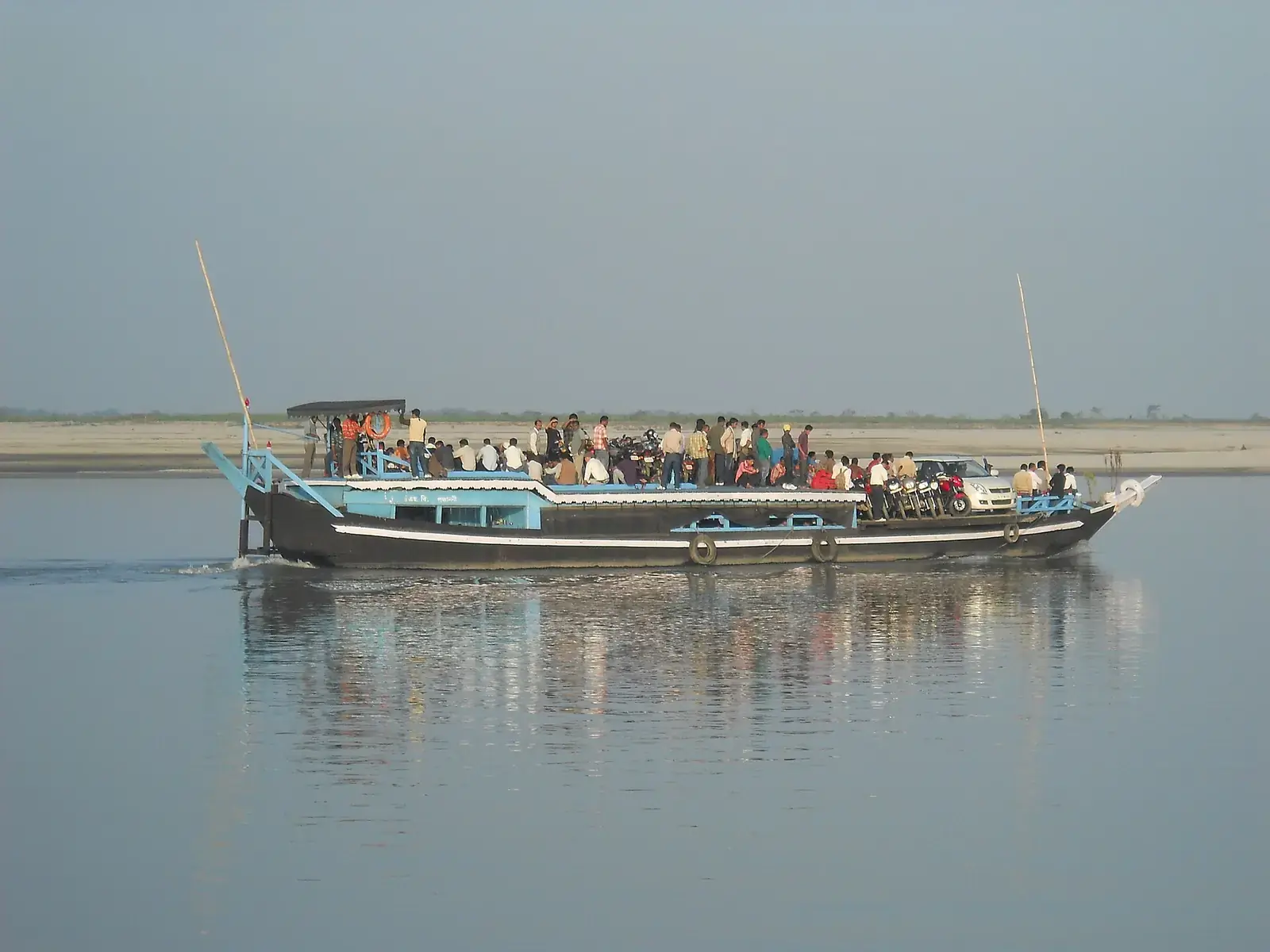
- Marble Rocks at Bhedaghat is best seen by boat, which runs outside the monsoon.
- St Mary's Islands off Udupi have striking hexagonal basalt columns.
At a glance
| Wonder | State | What it is | Best time |
|---|---|---|---|
| Gandikota | Andhra Pradesh | Red sandstone gorge of the Penna river, with a fort | October to February |
| Marble Rocks, Bhedaghat | Madhya Pradesh | Narmada gorge between white marble cliffs; Dhuandhar Falls | October to May |
| Lonar crater | Maharashtra | Crater lake from a meteorite impact | October to February |
| Living root bridges | Meghalaya | Bridges grown from the roots of rubber fig trees | October to May |
| Laitlum canyons | Meghalaya | Deep gorges near Shillong | October to April |
| Rann of Kutch | Gujarat | Seasonal white salt desert | November to February |
| Loktak Lake | Manipur | Lake with floating islands (phumdis) | October to March |
| St Mary's Islands | Karnataka | Columnar basalt islands | October to May (boats weather-dependent) |
| Baratang | Andaman | Mud volcanoes and limestone caves | November to April |
Gorges and canyons
Gandikota
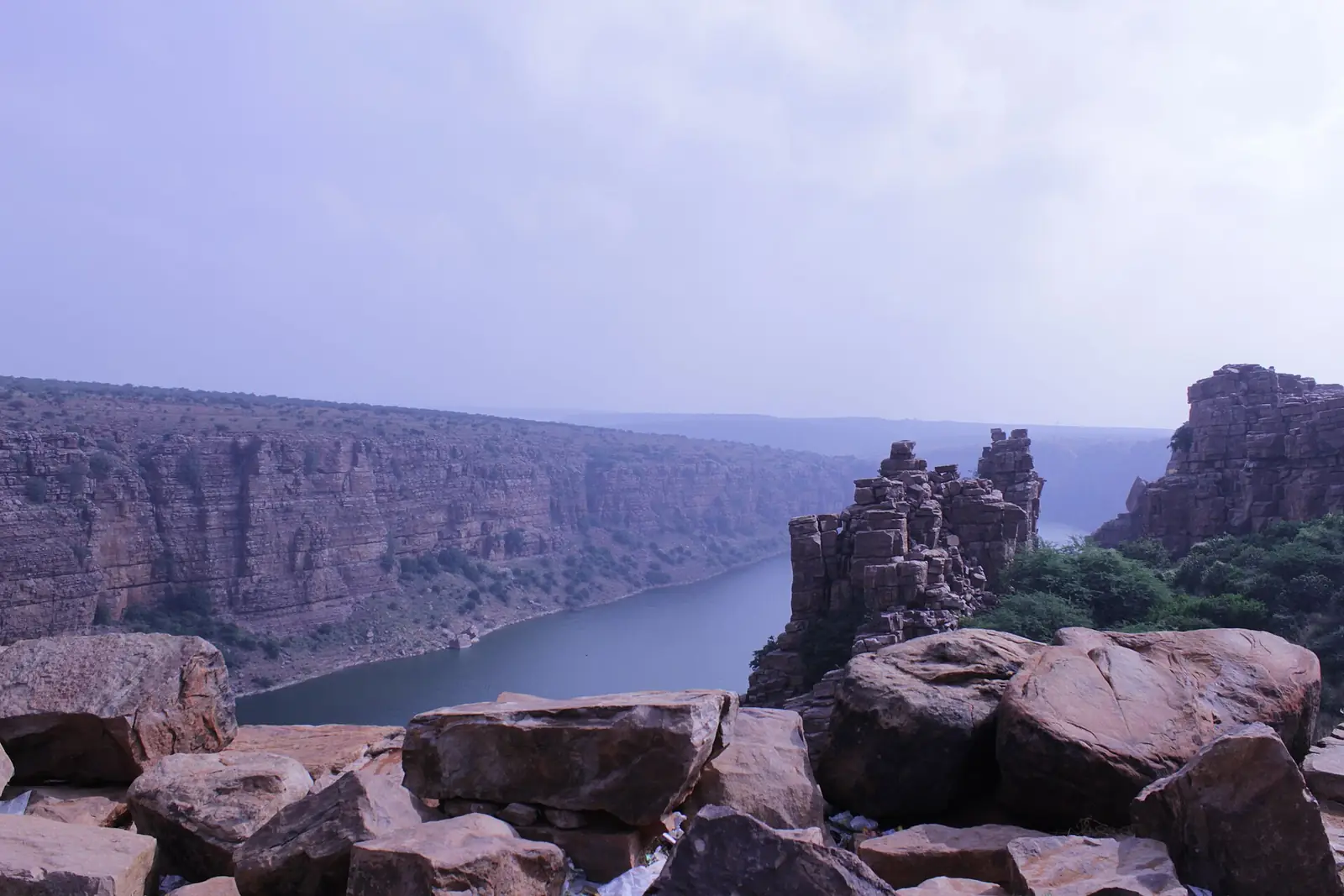
The Penna river has cut a deep gorge through red sandstone beside an old fort, often called the Grand Canyon of India.
Marble Rocks, Bhedaghat
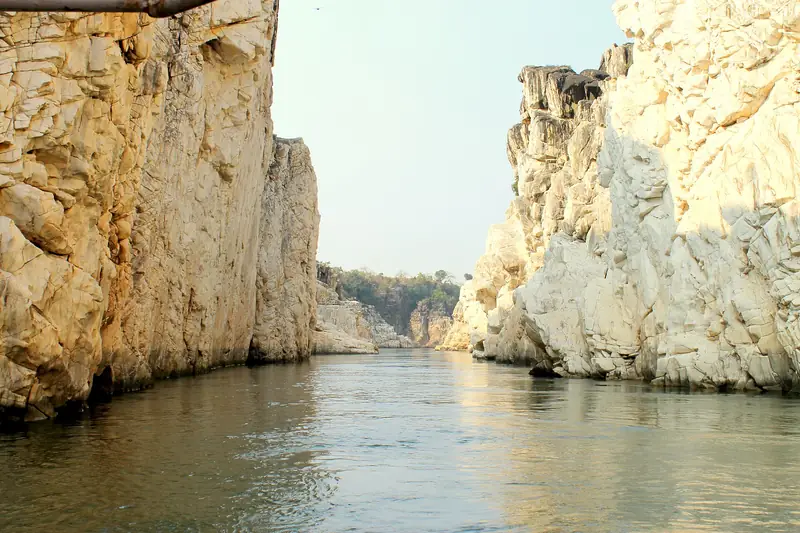
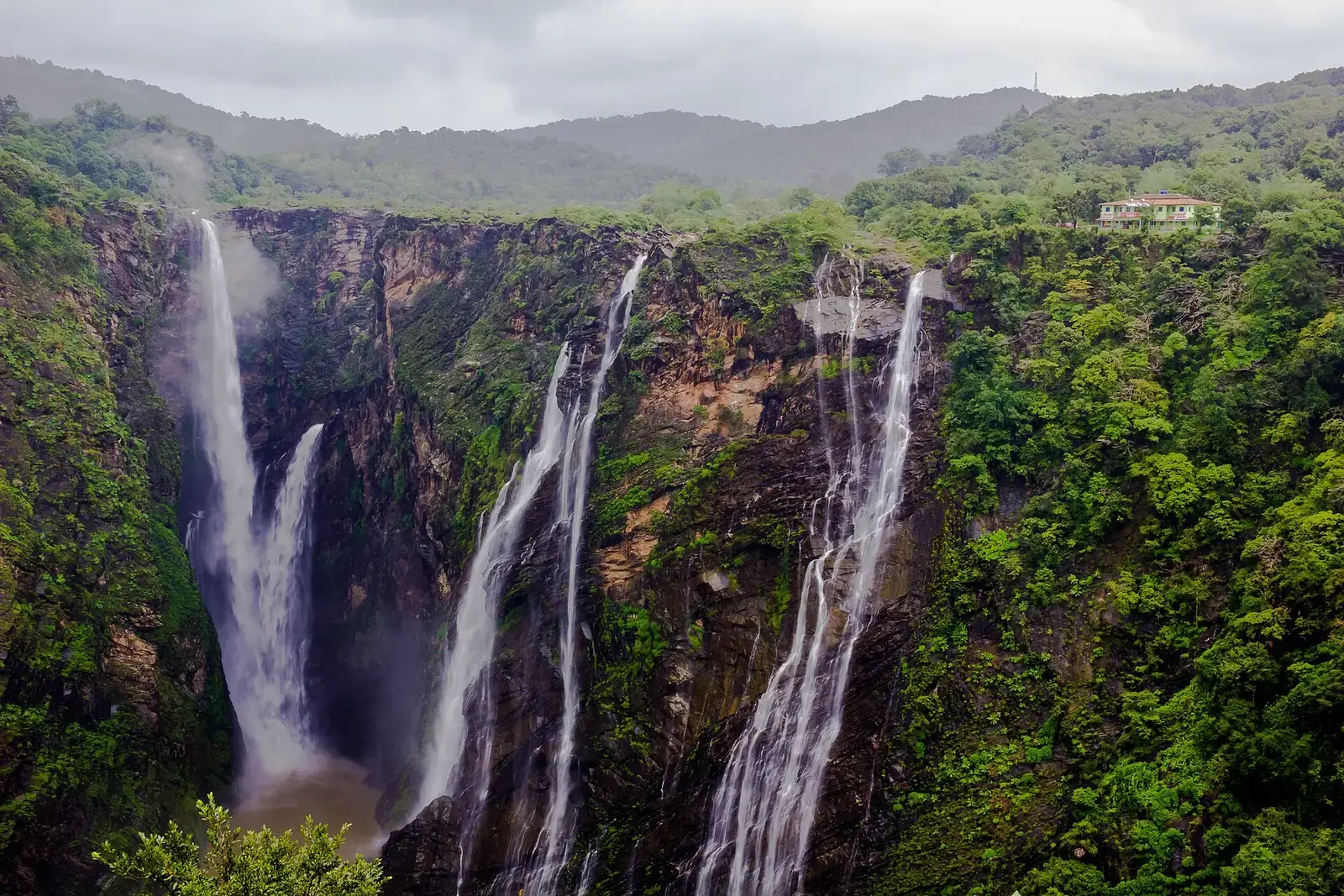
Boat rides between marble cliffs on the Narmada, and the Dhuandhar Falls nearby.
Living and water wonders
Living root bridges
Khasi and Jaintia communities train the roots of rubber fig trees across streams; the double-decker bridge at Nongriat is the best known.
Loktak Lake
A large freshwater lake in Manipur dotted with floating phumdis, including the Keibul Lamjao National Park.
Deserts, craters and islands
Rann of Kutch
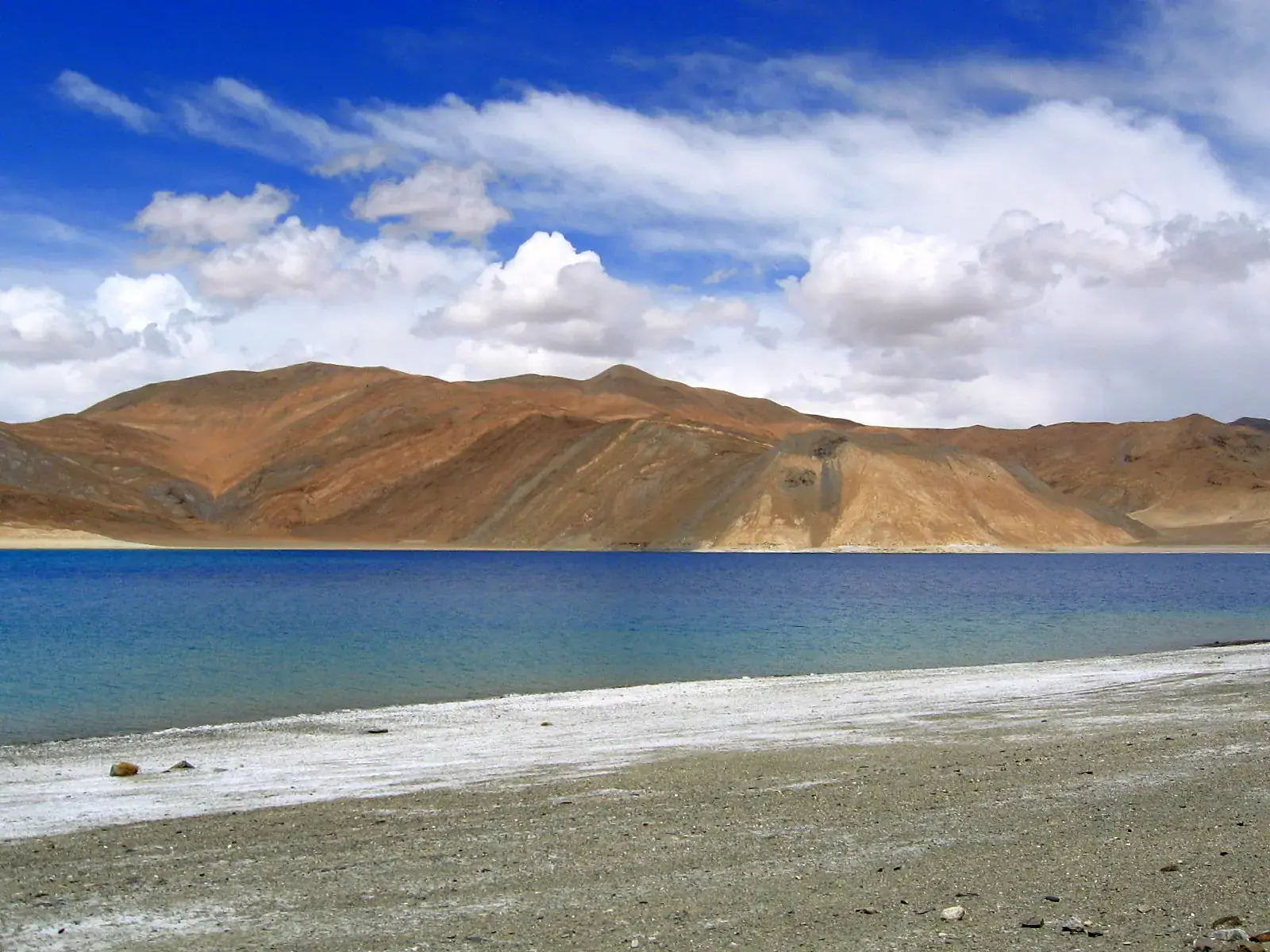
The white salt desert near the Pakistan border, at its best in winter and under a full moon.
Lonar
A crater lake formed by a meteorite impact, in Buldhana district, with old temples on its slopes.
St Mary's Islands and Baratang
Hexagonal basalt columns off Malpe near Udupi; mud volcanoes and limestone caves in the Andamans.
Caves
Borra and Belum
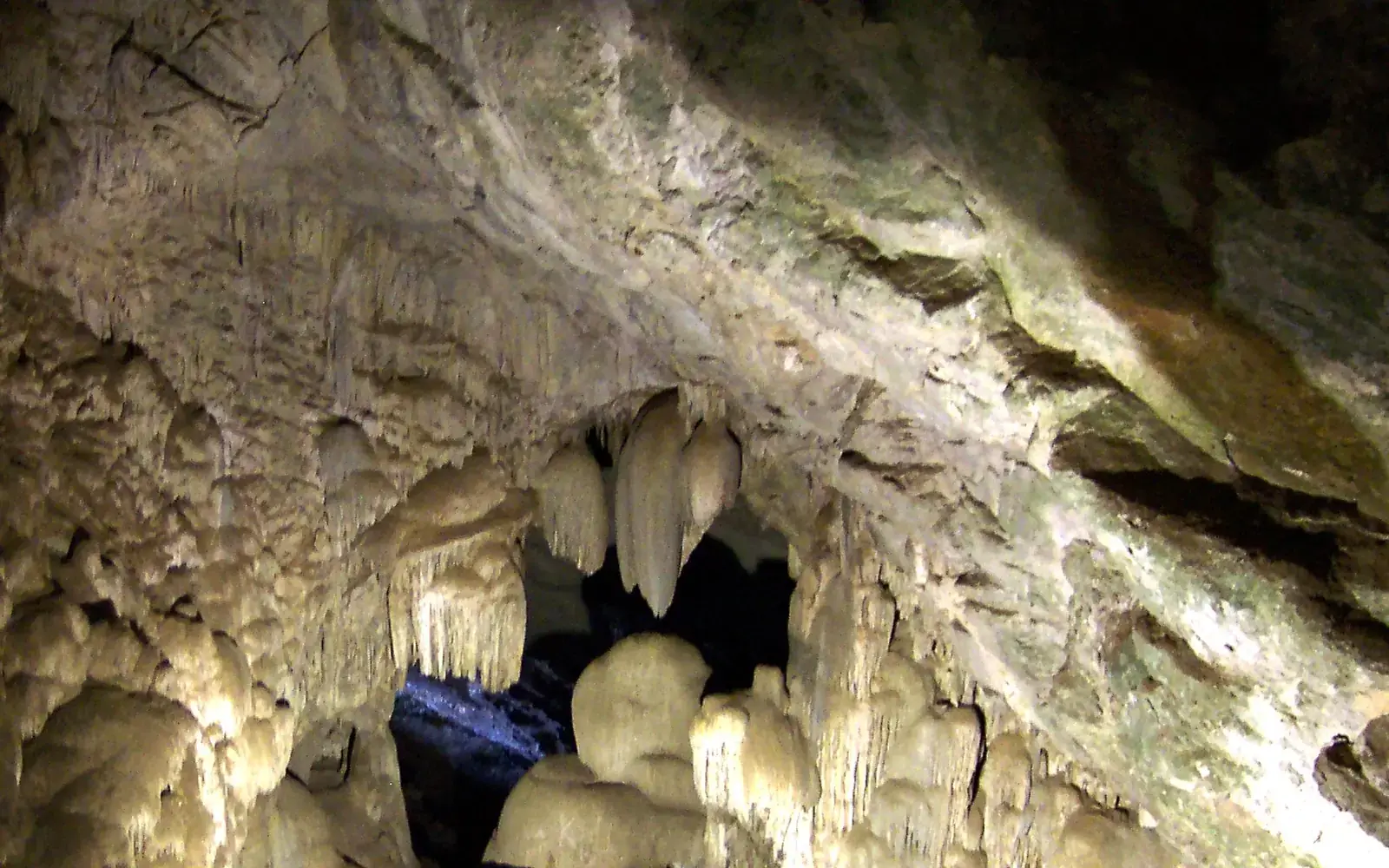
Limestone caves with stalactites in the Araku hills and near Kurnool.
Natural caves in India · Borra Caves guide · Belum Caves guide
Visiting responsibly
Many of these places are fragile. Do not climb on root bridges beyond what locals allow, stay on marked paths at Lonar and Gandikota, never break off cave formations, and carry all waste out. Some sites are community-managed and charge small fees that support maintenance.
How these wonders formed
Most of these sites record long geological histories. Gandikota and Bhedaghat are river gorges, cut over a very long time by the Penna and the Narmada through sandstone and marble. Lonar formed when a meteorite struck the Deccan basalt. St Mary's Islands' columns formed as lava cooled and cracked. The Rann of Kutch is a seasonal salt marsh, flooded in the monsoon and dried into white crust in winter. The root bridges, by contrast, are human work, grown over decades from living trees.
Seeing several on one trip
- Bhedaghat with Pachmarhi or Kanha in Madhya Pradesh.
- Gandikota with Belum Caves in Andhra Pradesh.
- Laitlum, the root bridges and Dawki in a Meghalaya loop.
- The white Rann with Dholavira and the Kutch craft villages.
Safety
- Stay on marked trails and viewpoints, and heed local closures after heavy rain; many accidents at waterfalls and cliffs happen off the path.
- Entry rules, timings, permits and seasonal closures change; check the forest department or official site before you go.
- Boat rides stop in rough weather and during the monsoon at several sites.
What to pack
- Walking shoes
- Sun protection
- Water and snacks
- Torch for caves
Want the forests, waterfalls and viewpoints woven into one trip?
FAQs
What are the natural wonders of India?
Gandikota, Marble Rocks at Bhedaghat, Lonar crater, the living root bridges, the Rann of Kutch, Loktak Lake and St Mary's Islands are among them.
Which is called the Grand Canyon of India?
Gandikota, in Andhra Pradesh.
How was Lonar Lake formed?
By a meteorite impact, which created a crater that now holds a saline lake.
Are the living root bridges a UNESCO site?
They are on UNESCO's Tentative List, and India has submitted a nomination.
When is the white Rann at its best?
From about November to February, especially on full-moon nights.