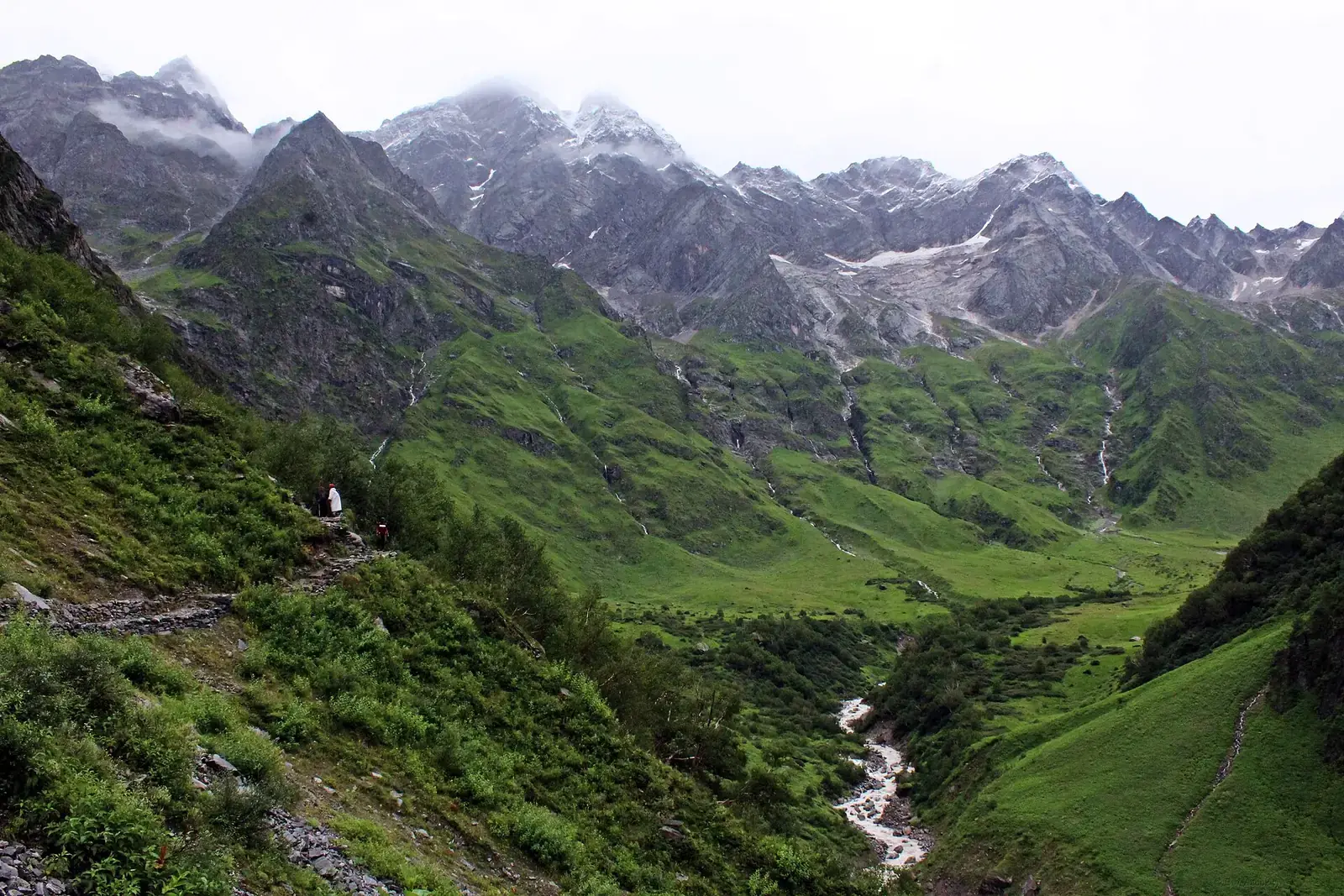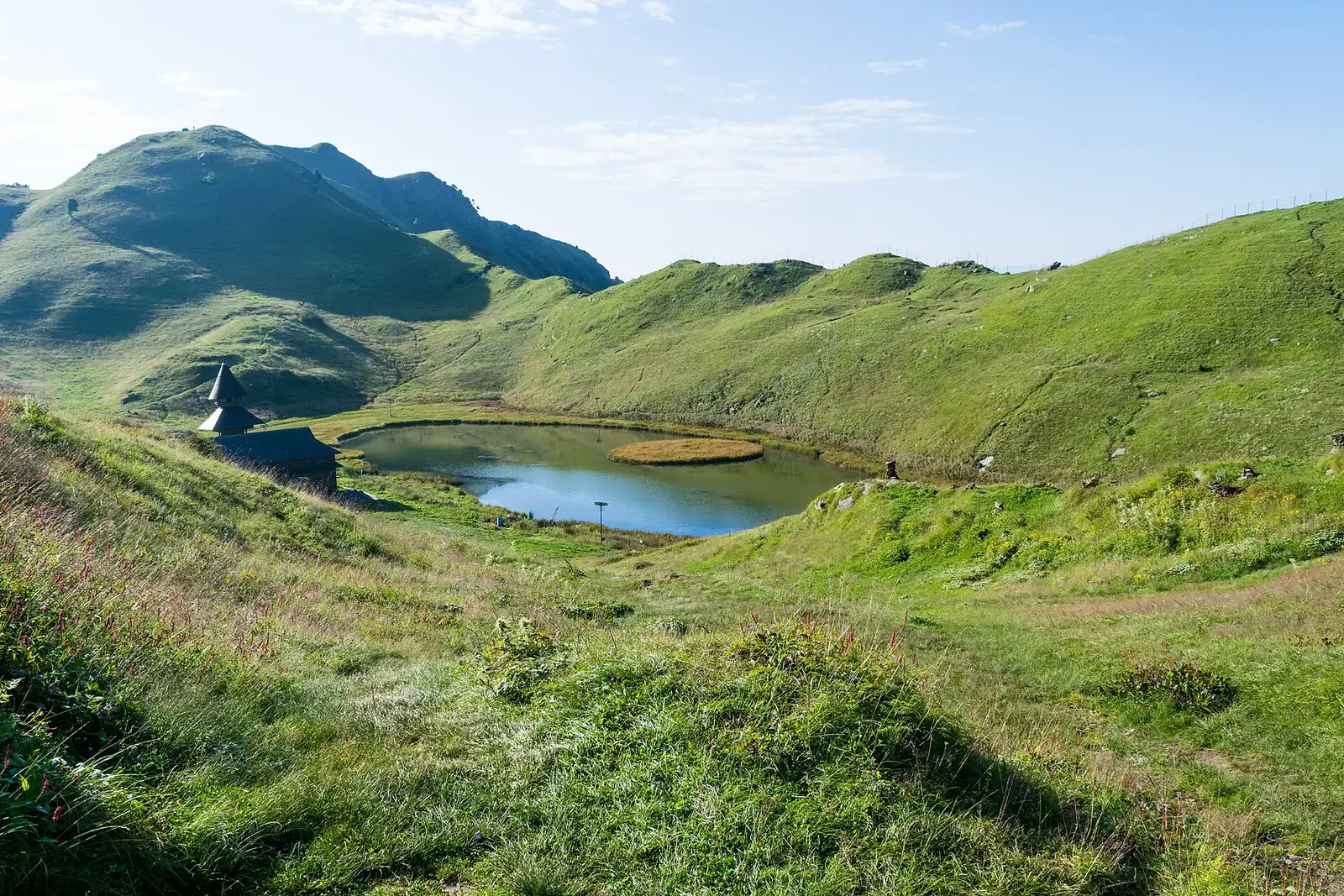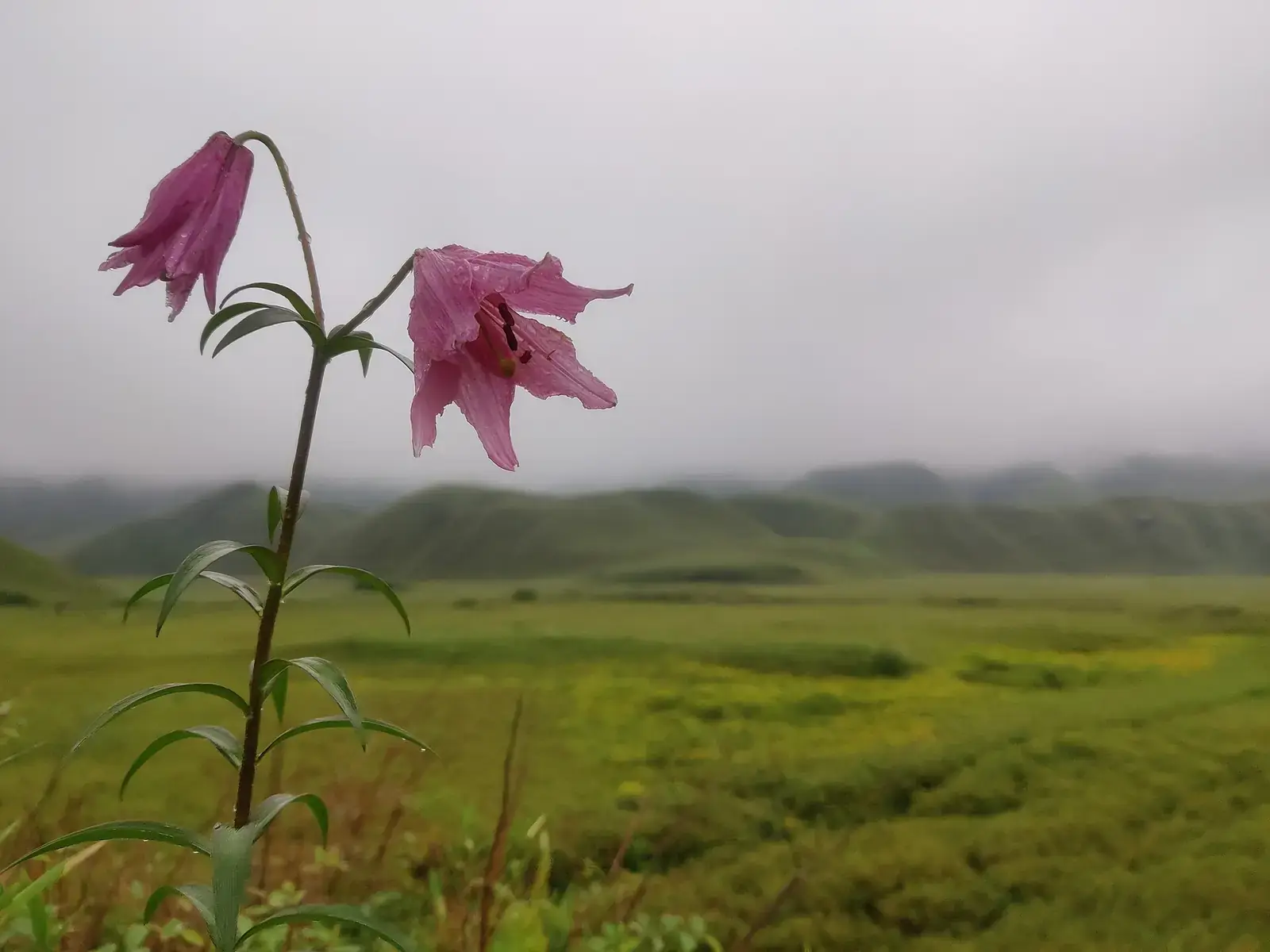
India has an unusual range of natural landscapes within one country: the high Himalaya and its cold deserts, the rain-soaked Western Ghats, the hills and river valleys of the Northeast, the mangroves of the eastern coast, and the salt desert and grasslands of the west.
Rather than listing towns, this guide groups nature destinations by landscape, with the best time for each. For hill towns, see our hill-station guides; for animals and safaris, our wildlife guides.
Quick answer
India's best nature destinations include the Valley of Flowers, Spiti and Pangong Lake in the Himalaya; the Western Ghats around Munnar, Coorg, Agumbe and Dudhsagar; Meghalaya's living root bridges and waterfalls, Ziro and Dzukou in the Northeast; Chilika and the Sundarbans on the east coast; and the Rann of Kutch and Gandikota for geology. The right choice depends on the season: monsoon for waterfalls, summer for high valleys, winter for wetlands and deserts.
Key takeaways
- Choose by landscape and season: waterfalls peak in the monsoon, high valleys open in summer, wetlands and deserts shine in winter.
- The Western Ghats and the Northeast are among India's richest regions for forests and waterfalls.
- Himalayan valleys and glacial lakes need time to acclimatise.
- Many natural sites are community- or forest-managed; follow local rules.
- Our destination guides cover each place in depth.
Nature destinations by landscape
| Landscape | Best places | Best time |
|---|---|---|
| Himalayan valleys | Valley of Flowers, Spiti, Yumthang, Tirthan, Gurez | June to October |
| High-altitude lakes | Pangong, Tso Moriri, Gurudongmar, Tsomgo | June to September (Ladakh); spring and autumn (Sikkim) |
| Western Ghats forests | Silent Valley, Agumbe, Wayanad, Coorg | September to May; monsoon for green |
| Waterfalls | Jog, Dudhsagar, Athirappilly, Nohkalikai, Chitrakote | July to October |
| Northeast hills and rivers | Meghalaya's root bridges and caves, Dzukou, Ziro, Majuli | October to May |
| Coastal wetlands and mangroves | Chilika, Sundarbans, Bhitarkanika | November to March |
| Deserts and geology | Rann of Kutch, Gandikota, Marble Rocks, Lonar | October to March |
Himalayan nature
Valleys and glacial lakes
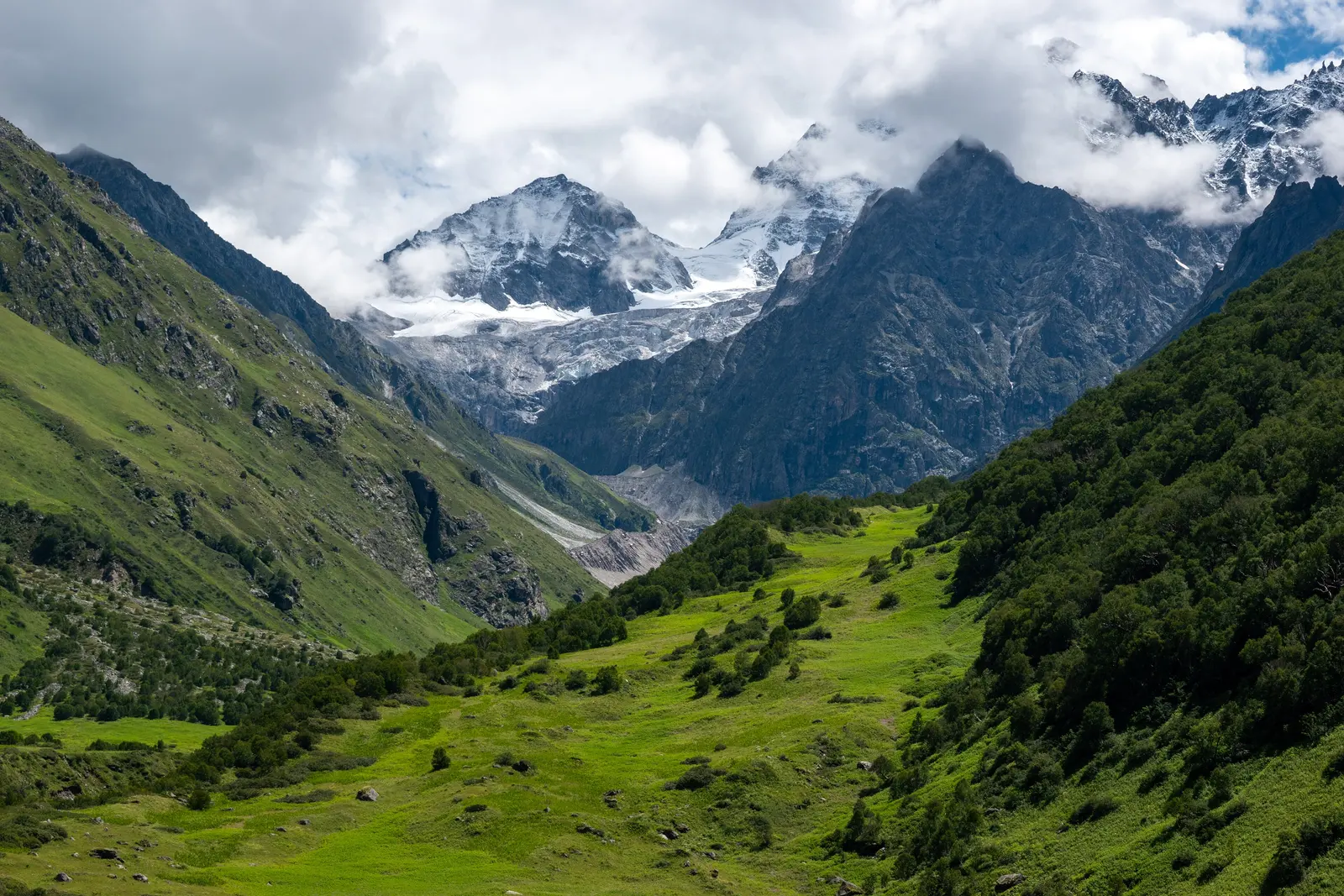
The Valley of Flowers in bloom, Spiti's cold desert, Pangong and Tso Moriri in Ladakh, and the forests of Tirthan.
Valley of Flowers guide · Spiti Valley guide · Pangong Lake guide · Himalayan nature travel
The Western Ghats
Forests, grasslands and waterfalls
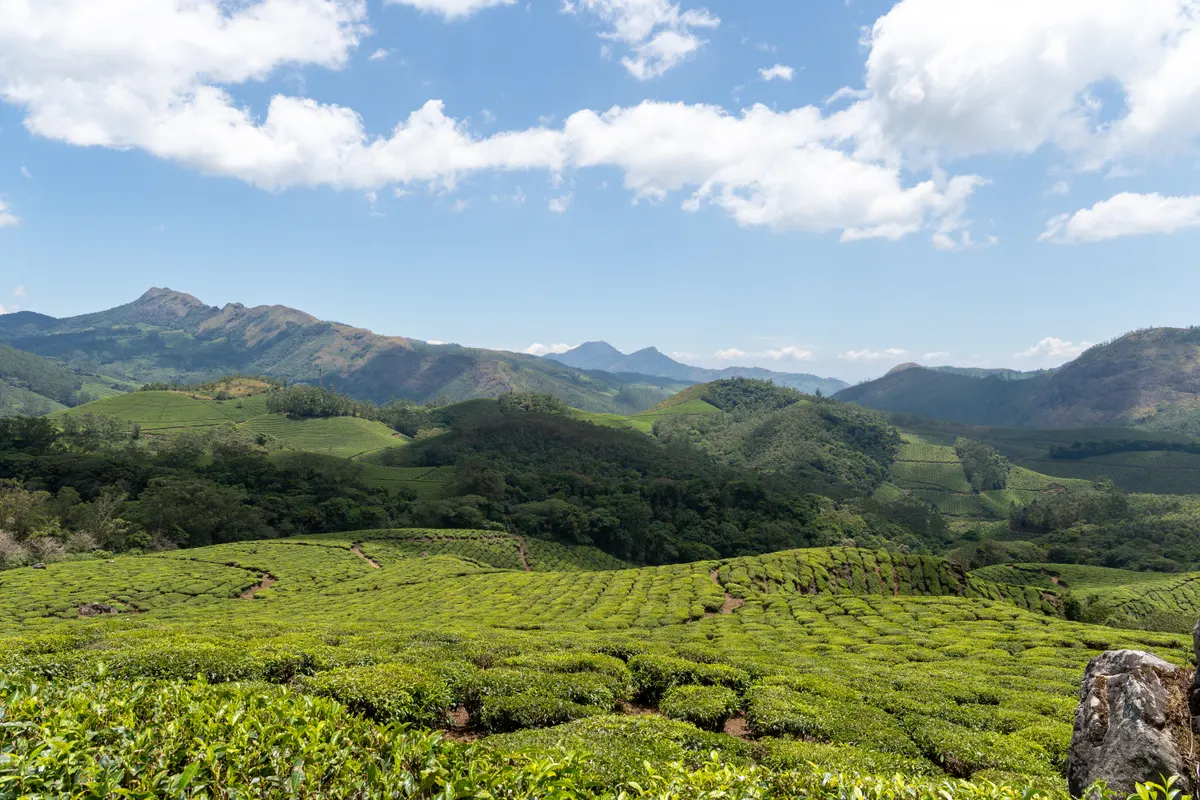
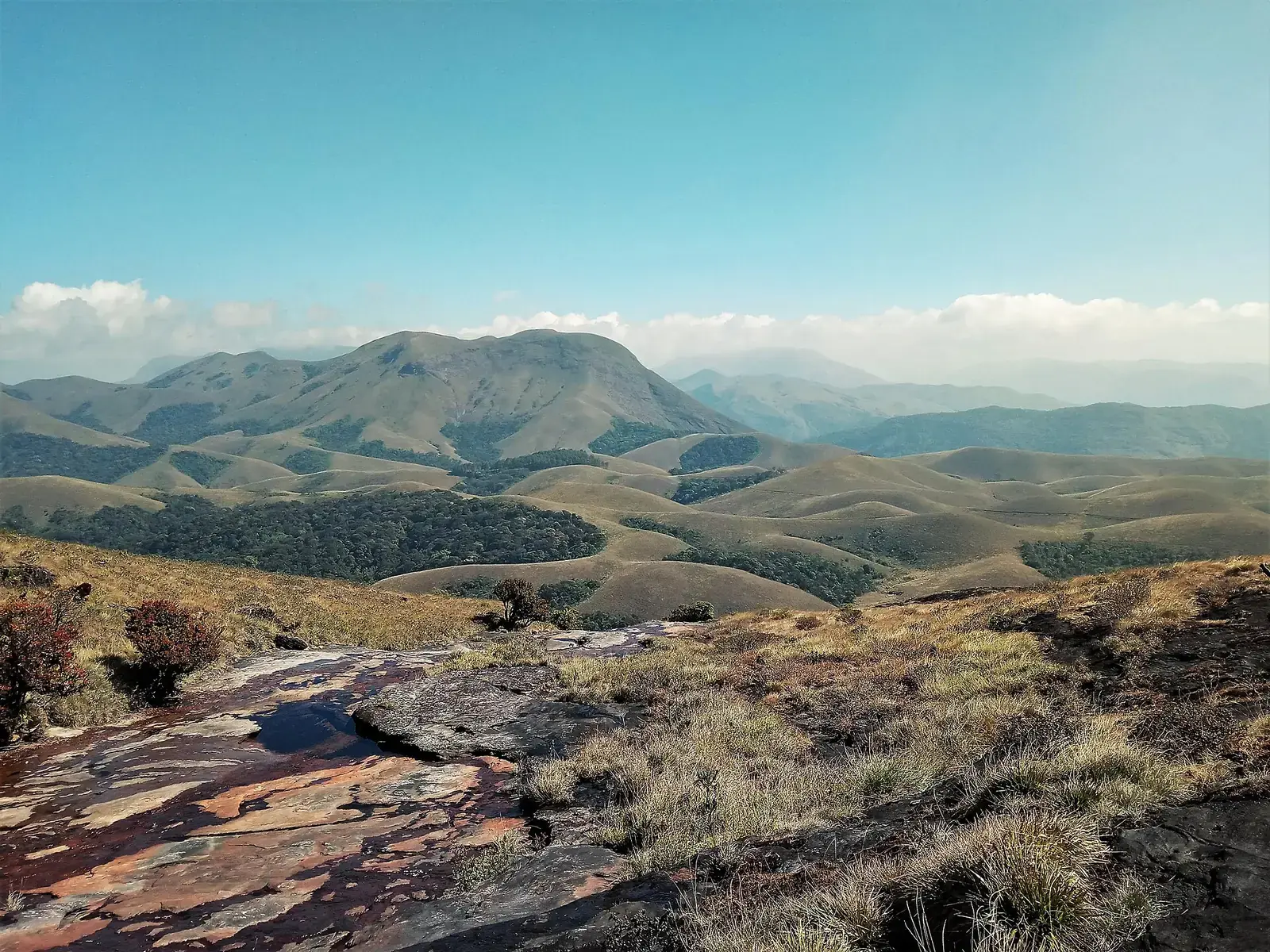
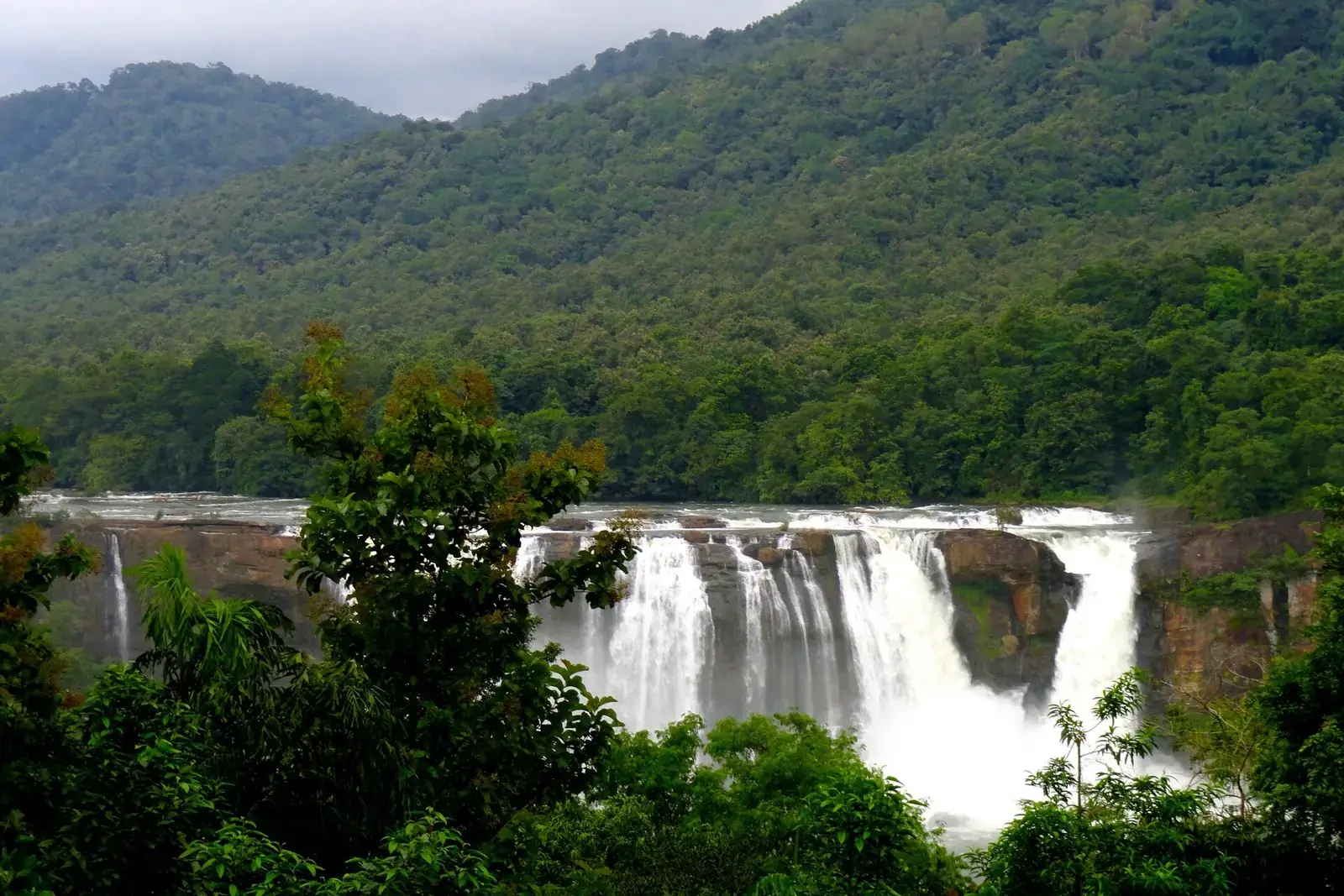
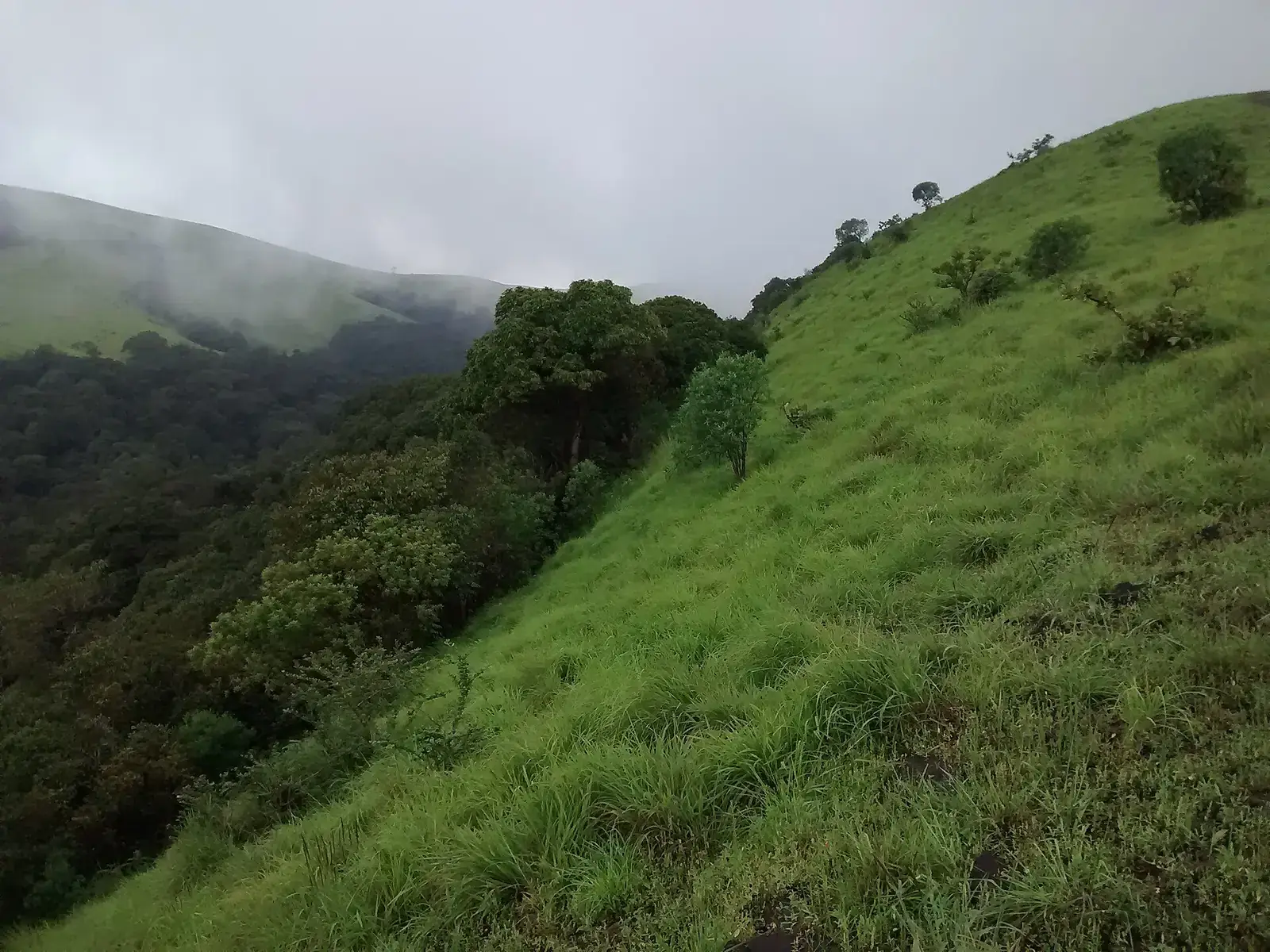
Rainforest at Agumbe and Silent Valley, shola grasslands at Eravikulam, coffee-forest in Coorg, and waterfalls such as Jog and Dudhsagar.
Western Ghats guide · Jog Falls guide · Dudhsagar Falls guide
The Northeast
Root bridges, caves and valleys
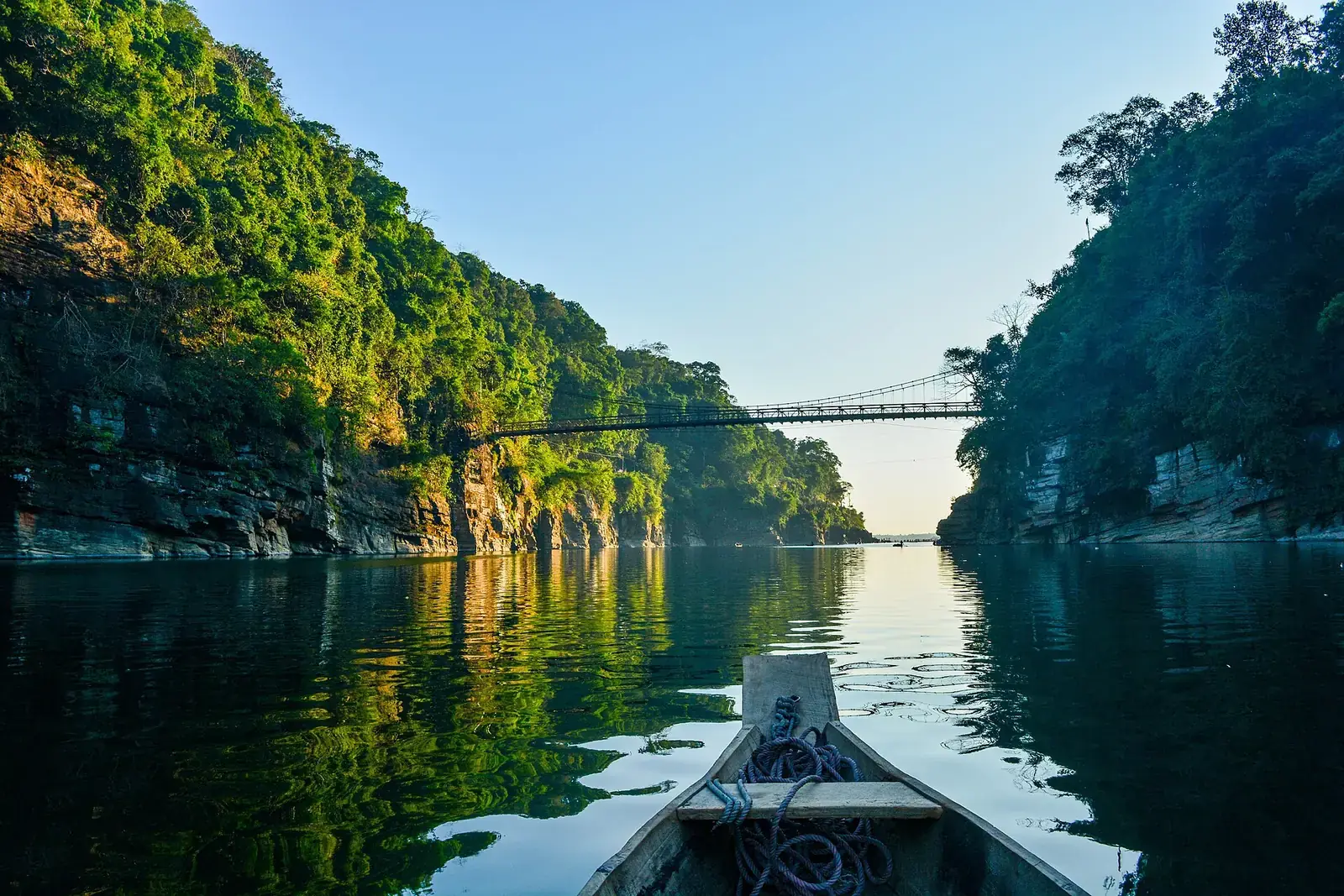
Meghalaya's living root bridges, waterfalls and caves, the clear Umngot river at Dawki, Ziro's rice valley, and the Dzukou Valley on foot.
Coastal wetlands and mangroves
Chilika, Sundarbans and Bhitarkanika
India's largest coastal lagoon, and two great mangrove forests, best in winter.
Deserts and geological wonders
The Rann, Gandikota and Marble Rocks
The white salt desert of Kutch, the Penna river gorge at Gandikota, and the Narmada's marble gorge at Bhedaghat.
Natural wonders of India · Rann of Kutch guide · Gandikota guide
How to choose
- Start with the month: see our nature travel calendar.
- Decide how remote you want to be: Munnar and Coorg are easy; Spiti and Dzukou are not.
- Consider altitude: Ladakh, Spiti and North Sikkim need acclimatisation.
- Pick one region per trip rather than crossing the country.
- Combine nature with wildlife, culture or a hill town nearby.
For different travellers
| You are | Consider |
|---|---|
| A family with children | Munnar, Coorg, Thekkady, Shillong and Sohra, Chilika |
| A couple | Tirthan, Ziro, Pelling, Wayanad, a Kerala backwater stay |
| A photographer | Pangong, Spiti, Nohkalikai, the white Rann, Dzukou |
| Short on time | The Western Ghats near Bengaluru, Pune or Kochi, or Meghalaya from Guwahati |
| Seeking quiet | Gurez, Dzongu, Mechuka, Kanger Valley |
Combining nature with other interests
Most nature trips are richer when combined: forests with a wildlife safari in the same region, a valley with a monastery or village stay, or a waterfall circuit with a coffee estate. Our regional guides for the Western Ghats, the Northeast and the Himalaya suggest natural pairings, and our itineraries join them into realistic routes.
Travelling lightly
Popular nature spots are under pressure from crowds and litter. Go on weekdays, keep to trails, carry your waste out and support local guides and homestays.
Safety
- Stay on marked trails and viewpoints, and heed local closures after heavy rain; many accidents at waterfalls and cliffs happen off the path.
- Entry rules, timings, permits and seasonal closures change; check the forest department or official site before you go.
- Carry your waste back, avoid loud music, and never feed wildlife.
What to pack
- Walking shoes with grip
- Rain jacket
- Layers for mountains and early mornings
- Reusable water bottle
Want the forests, waterfalls and viewpoints woven into one trip?
FAQs
What are the best nature destinations in India?
The Valley of Flowers, Spiti, Pangong, the Western Ghats around Munnar and Coorg, Meghalaya, Ziro, Chilika, the Sundarbans and the Rann of Kutch are among the best.
Which is the most beautiful natural place in India?
It depends on taste; the Valley of Flowers in bloom, Pangong Lake and Meghalaya's root-bridge valleys are often named.
When is the best time for nature travel in India?
It depends on the landscape: monsoon for waterfalls, summer for high valleys, winter for wetlands and deserts.
Which state is best for nature lovers?
Kerala, Meghalaya, Uttarakhand, Himachal Pradesh, Sikkim and Karnataka all have outstanding variety.
How are nature and wildlife trips different?
Nature trips focus on landscapes and ecosystems; wildlife trips focus on seeing animals in parks and reserves.