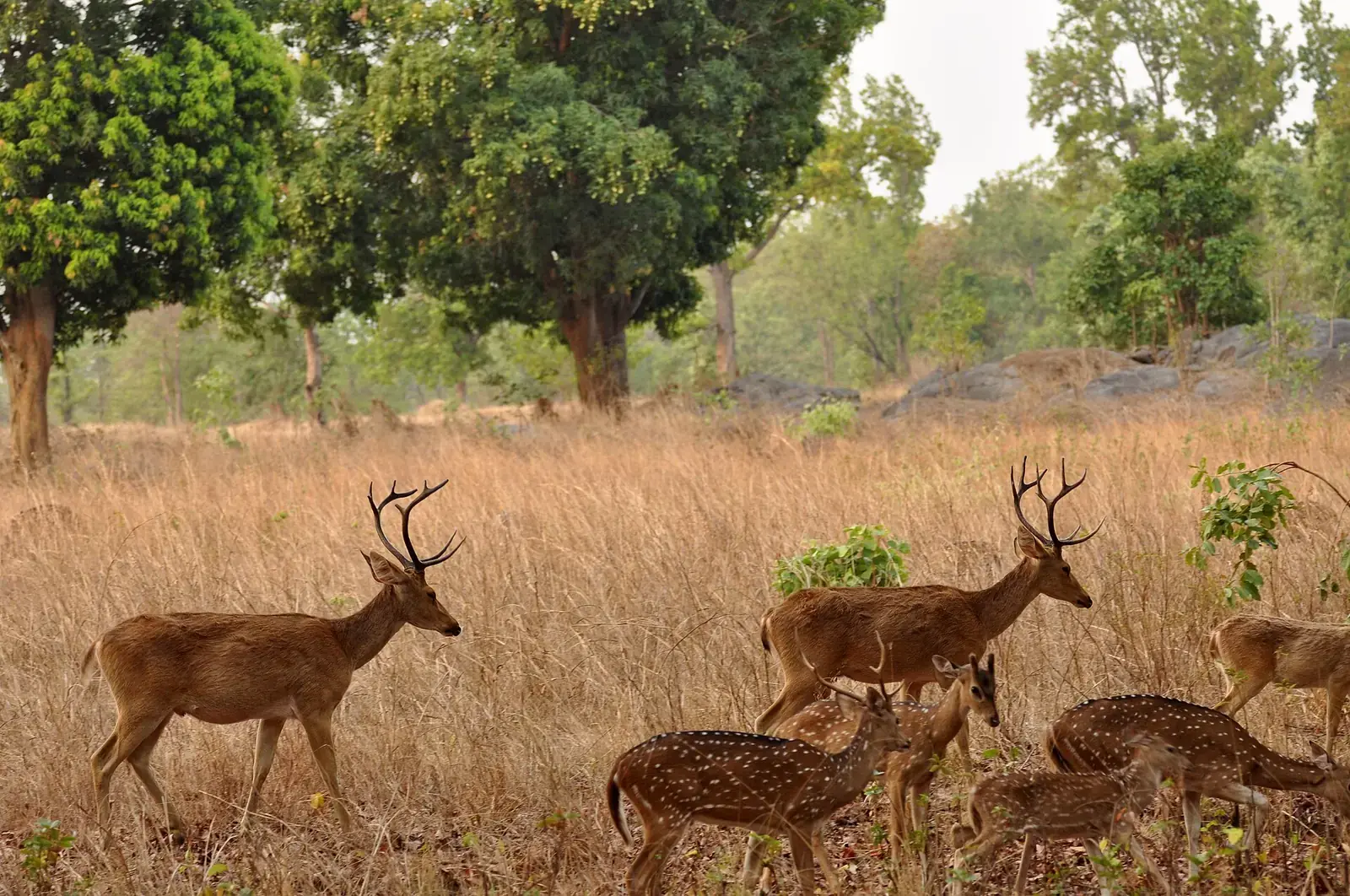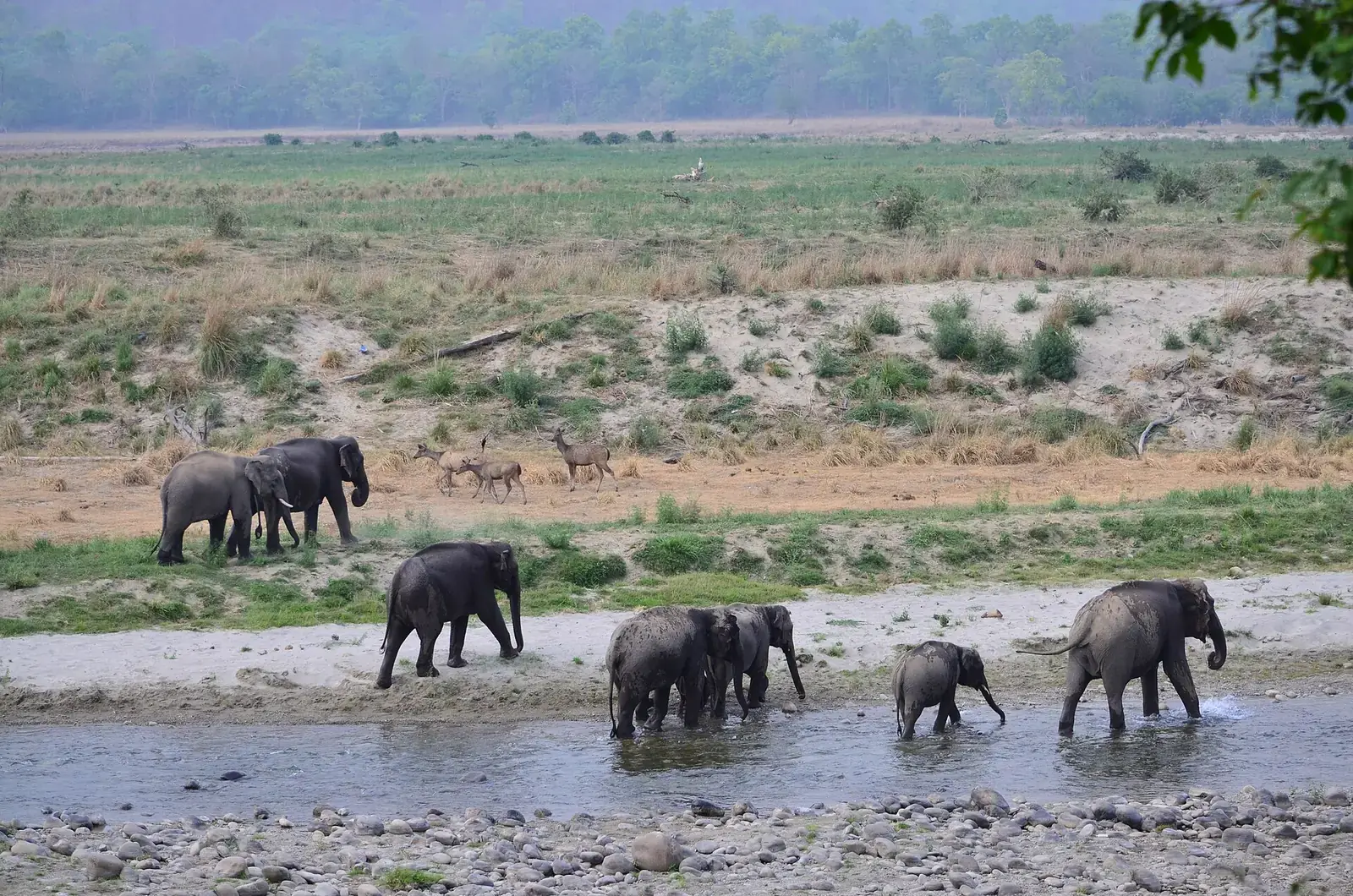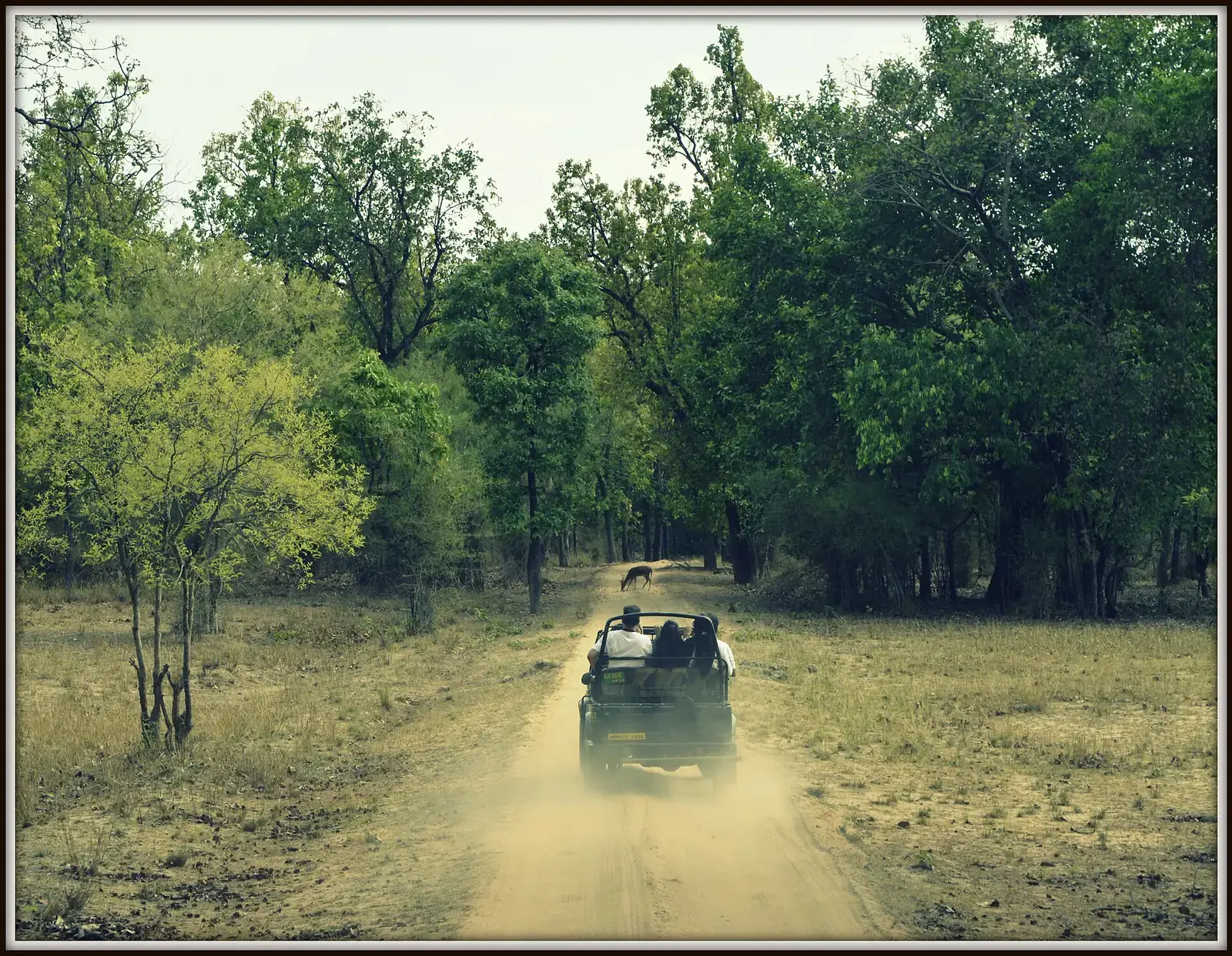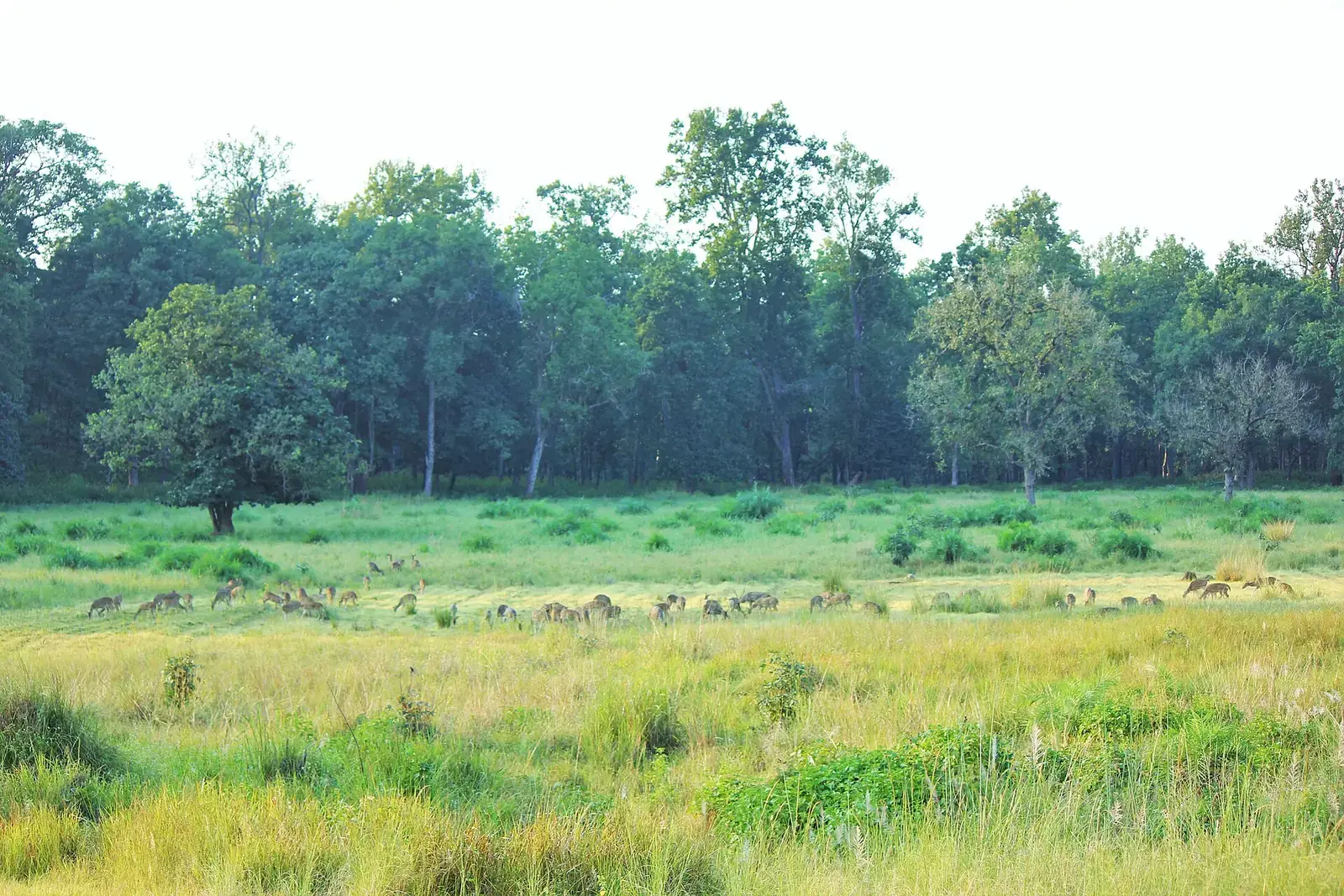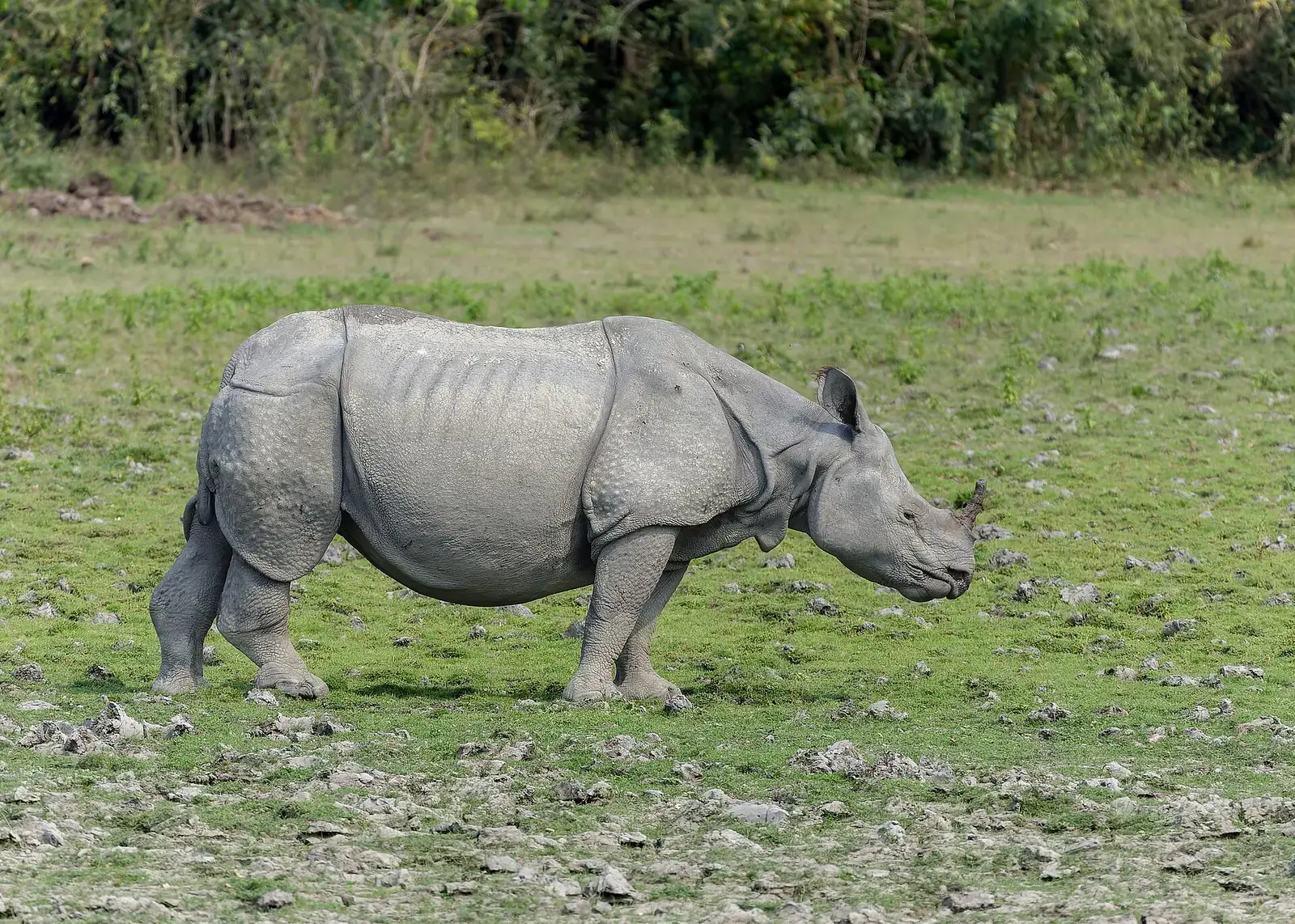
India is one of the few countries where you can see tigers, Asiatic lions, one-horned rhinos, Asian elephants, leopards and snow leopards, as well as more than 1,300 bird species. The official protected-area network includes 107 national parks, 573 wildlife sanctuaries and 58 tiger reserves, which overlap with many of the parks.
Most visitors choose a place by the animal they most want to see. This guide does the same: it groups the destinations by species and landscape, gives the usual season for each, and links to our detailed guides. Our picks are based on how accessible, well managed and rewarding each place is for a first or second trip, not on any ranking.
Quick answer
For tigers, the central Indian reserves (Bandhavgarh, Kanha, Pench, Tadoba) and Ranthambore and Corbett are the leading choices. Gir in Gujarat is the only wild home of Asiatic lions, Kaziranga is best for one-horned rhinos, Jawai for leopards, and Hemis in Ladakh for snow leopards in winter. Most parks are open from October to June and close their core zones in the monsoon.
Key takeaways
- Choose by species first: each animal has a few places where sightings are most likely.
- Most parks open around October and close core zones from July to September.
- Gir is the only place in the wild to see Asiatic lions; Kaziranga holds most of the world's one-horned rhinos.
- Snow leopard trips run in winter, roughly January to March.
- Combine two nearby parks to improve your chances and see different landscapes.
Destinations by species
| Species | Leading destinations | Usual season |
|---|---|---|
| Bengal tiger | Bandhavgarh, Kanha, Pench, Tadoba, Ranthambore, Corbett | October to June |
| Asiatic lion | Gir National Park and Sanctuary, Gujarat | 16 October to 15 June |
| One-horned rhino | Kaziranga, Pobitora, Orang, Manas (Assam); Jaldapara (West Bengal) | November to April |
| Leopard | Jawai and Jhalana (Rajasthan), Kabini (Karnataka) | October to March; Kabini all year |
| Asian elephant | Corbett, Kabini, Periyar, Kaziranga | Winter and summer |
| Snow leopard | Hemis National Park and Ulley (Ladakh), Kibber (Spiti) | January to March |
| Waterbirds and migrants | Keoladeo, Chilika, Little Rann of Kutch, Sultanpur | November to February |
Central India's tiger country
Bandhavgarh and Kanha
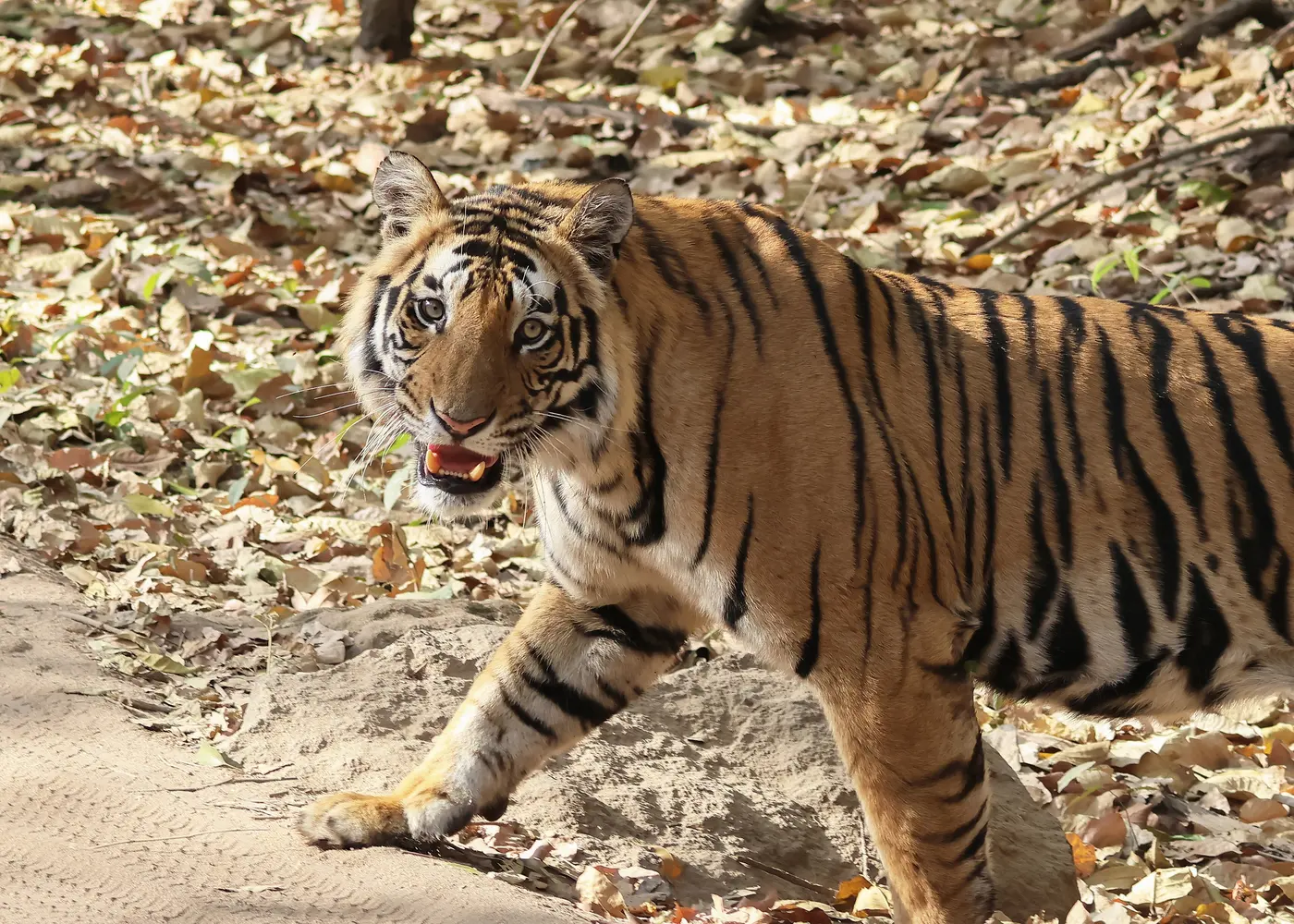
Madhya Pradesh's best-known tiger reserves: Bandhavgarh for its high density of tigers in a compact core, Kanha for its meadows, sal forest and hard-ground barasingha.
- State
- Madhya Pradesh
- Nearest cities
- Jabalpur, Katni
Pench and Satpura
Pench is a short drive from Nagpur; Satpura offers walking and boat safaris in the Satpura hills.
Tadoba
Maharashtra's oldest national park, with teak forest and lakes, reached from Nagpur or Chandrapur.
North India
Ranthambore
Tigers among the ruins of a 10th-century fort and lakes in Rajasthan, close to Jaipur and on the Delhi to Mumbai rail line.
Jim Corbett
India's first national park, in the foothills of Uttarakhand, with tigers, elephants, rivers and a stay inside the forest at Dhikala.
Dudhwa
The terai grasslands of Uttar Pradesh, with swamp deer and rhinos reintroduced from Assam and Nepal.
Gujarat and the west
Gir
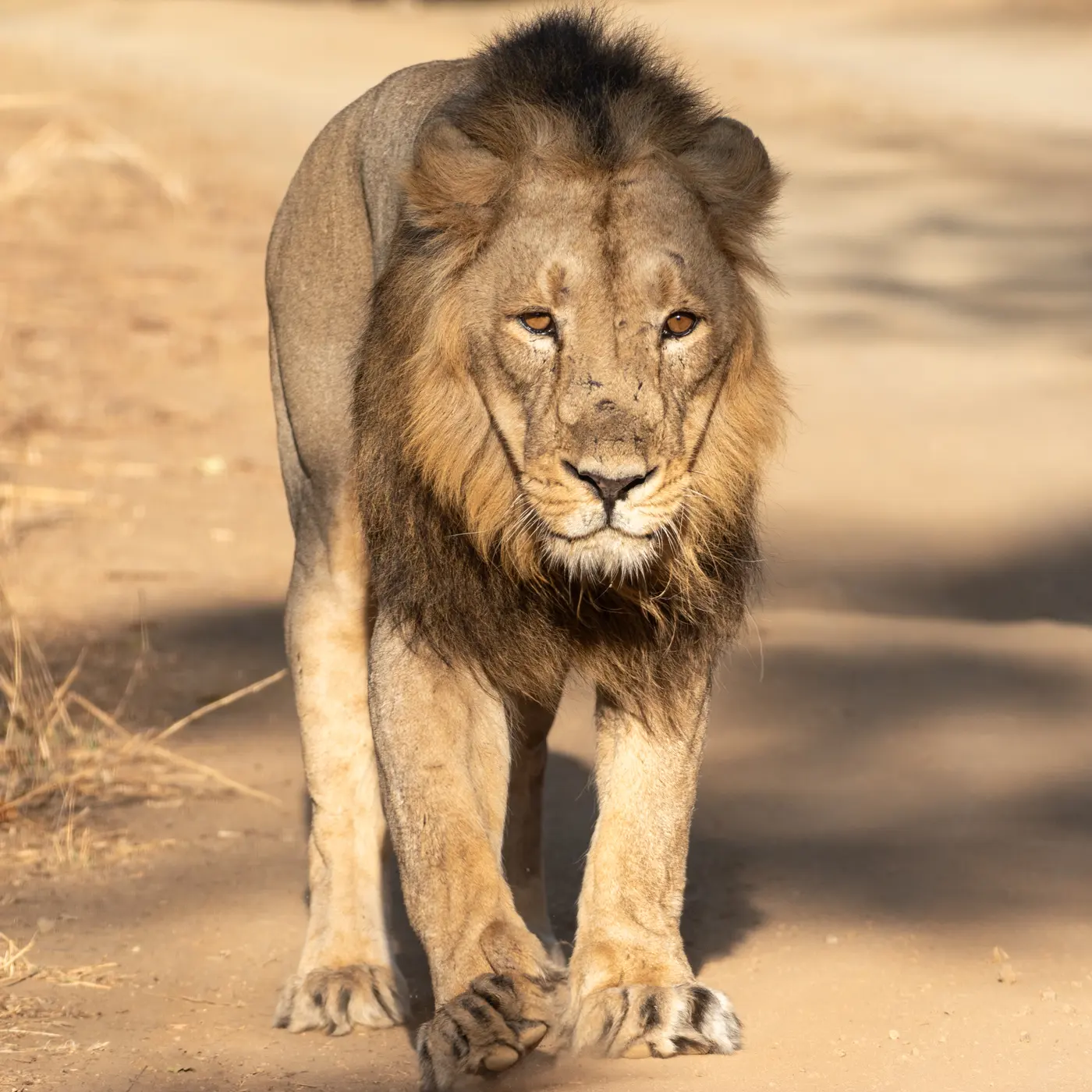
The last wild home of the Asiatic lion; the 2025 lion census counted 891 lions across Gujarat's Saurashtra region.
- Closed
- 16 June to 15 October (Devalia stays open)
Little Rann of Kutch
Salt flats and grassland that are home to the Indian wild ass, flamingos and cranes in winter.
Jawai
Granite hills in Rajasthan's Pali district where leopards live alongside Rabari herders.
The east and north-east
Kaziranga
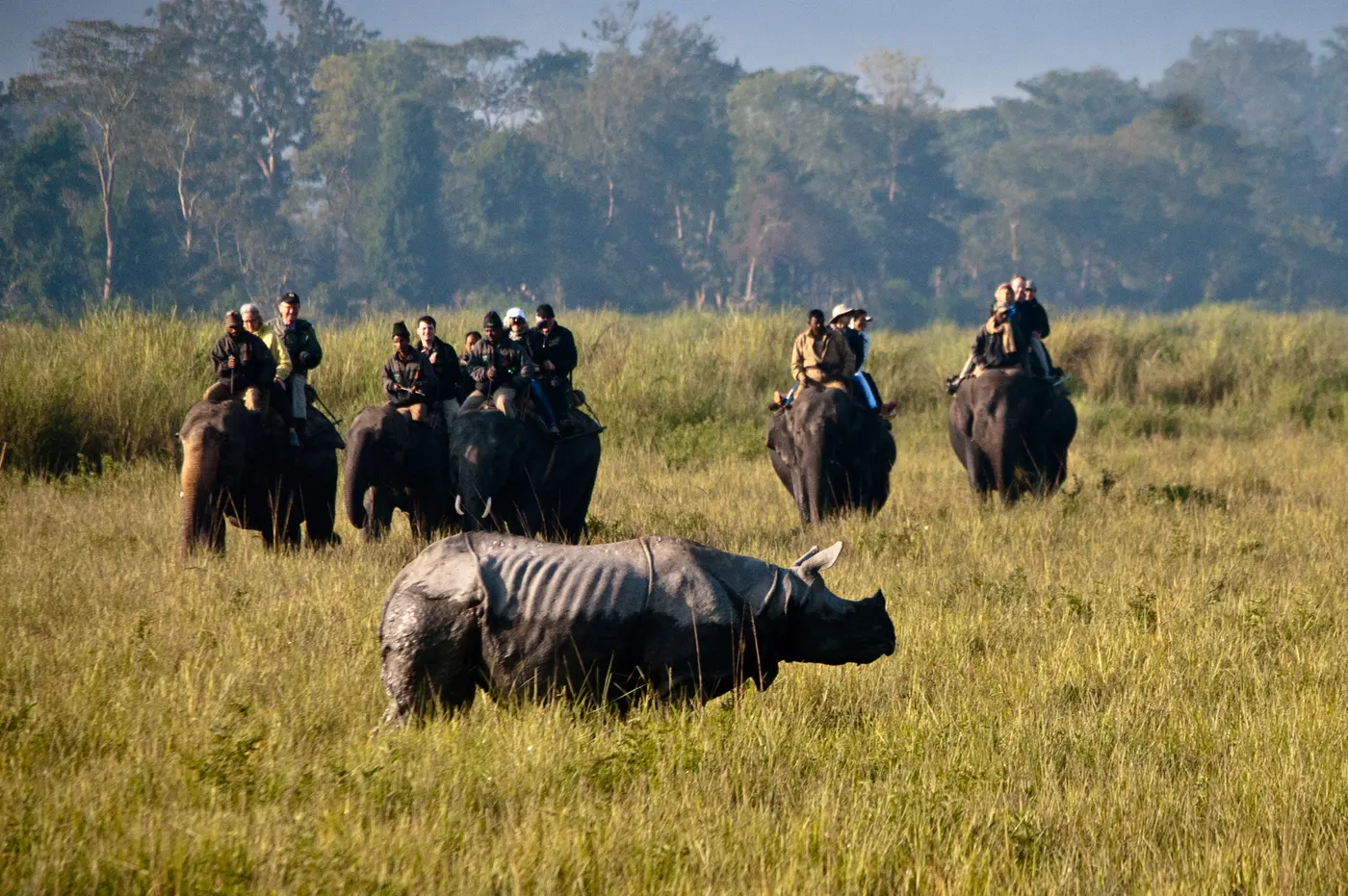
A UNESCO World Heritage Site in Assam with the world's largest population of one-horned rhinos (2,613 in the 2022 count), wild buffalo, elephants and tigers.
Manas
A UNESCO site on the Bhutan border, with golden langurs, rhinos and grassland birds.
The Sundarbans
The world's largest mangrove forest, explored by boat, home to tigers that swim between islands.
South India
Kabini and Nagarhole
Elephants on the Kabini backwaters in summer, and leopards and tigers in the forest.
Bandipur and Mudumalai
Adjoining reserves in the Nilgiri Biosphere Reserve, on the Mysuru to Ooty road.
The Himalaya
Hemis and the Ladakh valleys
Snow leopards, blue sheep and Ladakh urial in winter, with homestays in Rumbak and Ulley.
Great Himalayan National Park
A UNESCO site in Himachal's Kullu district, explored on multi-day treks from the Tirthan and Sainj valleys.
How to choose
- Pick the species you most want to see, then the nearest well-reviewed park.
- Check that the park is open in your travel month; most core zones close in the monsoon.
- Allow at least three or four drives in one park rather than one drive in many.
- For birds, time your trip to the winter migration, November to February.
Our planning guide covers permits, zones and budgets step by step.
Safety
- No park can promise a sighting; plan several drives and enjoy the forest itself.
- Stay in the vehicle and follow your guide's instructions.
- Keep noise down and never feed animals.
- Book permits only through official portals or trusted operators.
What to pack
- Neutral-coloured clothes and warm layers for winter mornings
- Binoculars
- Hat, sunscreen and water
- A camera with a zoom lens
Ready to plan your wildlife escape?
FAQs
Which is the best wildlife destination in India?
It depends on what you want to see. For tigers, central India's reserves and Ranthambore; for lions, Gir; for rhinos, Kaziranga; for snow leopards, Hemis in winter.
When is the best time for wildlife in India?
Most parks are open from October to June. Summer (April to June) is often best for sightings as animals gather at water; winter is more comfortable.
How many national parks are there in India?
The official database listed 107 national parks as of 2025, alongside 573 wildlife sanctuaries and 58 tiger reserves.
Where can I see lions in India?
Only in and around Gir National Park and Sanctuary in Gujarat.
Can I see several animals on one trip?
Yes. Kaziranga offers rhinos, elephants, buffalo and tigers; Corbett and Kabini offer tigers and elephants.