India's bird list runs to more than 1,300 species. The mix changes sharply with landscape: pheasants and laughingthrushes in the Himalaya, hornbills and endemics in the Western Ghats and the north-east, bustards and sandgrouse in the western deserts, and vast numbers of ducks, waders, cranes and flamingos on wetlands each winter.
Winter, roughly November to February, is the main season, when migrants from Central Asia, Siberia and the Himalaya arrive. Spring is good in the hills, when resident birds breed and sing. This guide lists the leading birding destinations by region.
Quick answer
The best-known birding destinations in India include Keoladeo National Park (Bharatpur) and Sultanpur for winter waterbirds; Chilika lake and Mangalajodi in Odisha; the Rann of Kutch for flamingos and cranes; Pangot and Sattal in Uttarakhand and Eaglenest in Arunachal for Himalayan birds; and Thattekad in Kerala for Western Ghats species. November to February is the main season for wetlands; March to May suits the hills.
Key takeaways
- India has more than 1,300 bird species.
- November to February is the peak for wetlands and migrant birds.
- Keoladeo, a UNESCO site, is explored on foot, by bicycle or cycle-rickshaw.
- Mangalajodi on Chilika is a community-run birding site, where former hunters now guide visitors.
- March to May is good for Himalayan birding at Pangot, Sattal and Eaglenest.
Leading birding destinations
| Place | State | Known for | Best months |
|---|---|---|---|
| Keoladeo National Park | Rajasthan | Wintering waterbirds, raptors | November to February |
| Sultanpur National Park | Haryana | Winter waterbirds near Delhi | November to March |
| Chilika and Mangalajodi | Odisha | Ducks, waders, flamingos | December to February |
| Little and Great Rann of Kutch | Gujarat | Flamingos, cranes, larks, raptors | November to March |
| Khichan | Rajasthan | Demoiselle cranes in the village | September to March |
| Desert National Park | Rajasthan | Great Indian bustard, sandgrouse | October to March |
| Pangot and Sattal | Uttarakhand | Himalayan birds | October to May |
| Eaglenest Wildlife Sanctuary | Arunachal Pradesh | Bugun liocichla, pheasants | March to May |
| Thattekad Bird Sanctuary | Kerala | Western Ghats endemics | November to April |
| Valparai | Tamil Nadu | Great hornbills, endemics | Most of the year, outside heavy monsoon |
Winter wetlands
Keoladeo, Bharatpur
A UNESCO World Heritage Site where painted storks nest in the monsoon and ducks, geese and raptors arrive in winter. Paths are explored on foot, by bicycle or by cycle-rickshaw with trained pullers.
- From Delhi
- About four hours
Chilika and Mangalajodi
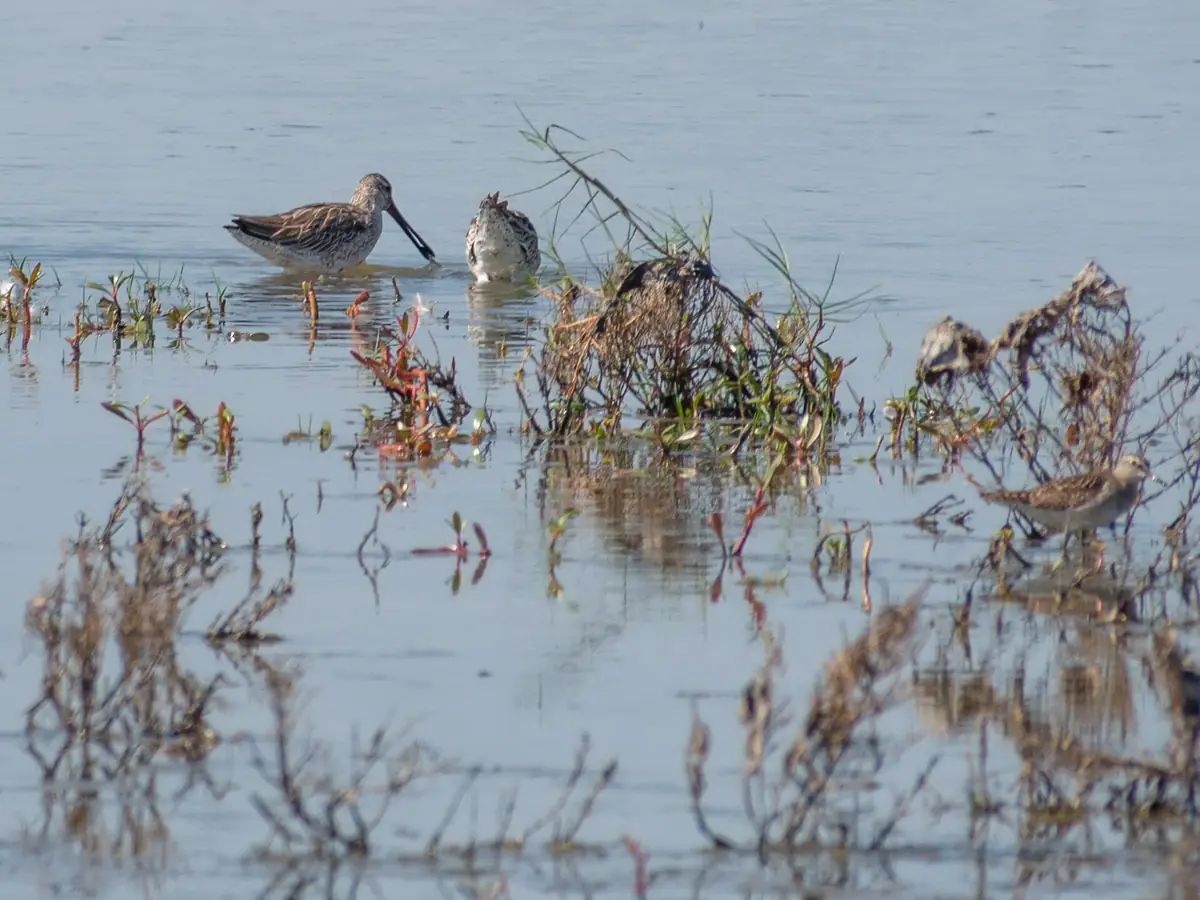
Asia's largest brackish-water lagoon, with Nalabana Bird Sanctuary at its centre. Mangalajodi, on its northern edge, is explored by small boats run by the local community.
Sultanpur
A small national park in Haryana, an easy morning trip from Delhi or Gurugram.
The Rann of Kutch
Flamingos breed in the Great Rann in good years; the Little Rann has cranes, larks and birds of prey in winter.
Himalayan and north-eastern birding
Pangot and Sattal
Oak forest and lakes near Nainital, with laughingthrushes, woodpeckers, forktails and cheer pheasant on steep slopes.
Eaglenest
A sanctuary in western Arunachal Pradesh, famous for the Bugun liocichla, described in 2006, and for its range of altitudes.
- Permits
- Inner Line Permit required
Kaziranga, Nameri and Manas
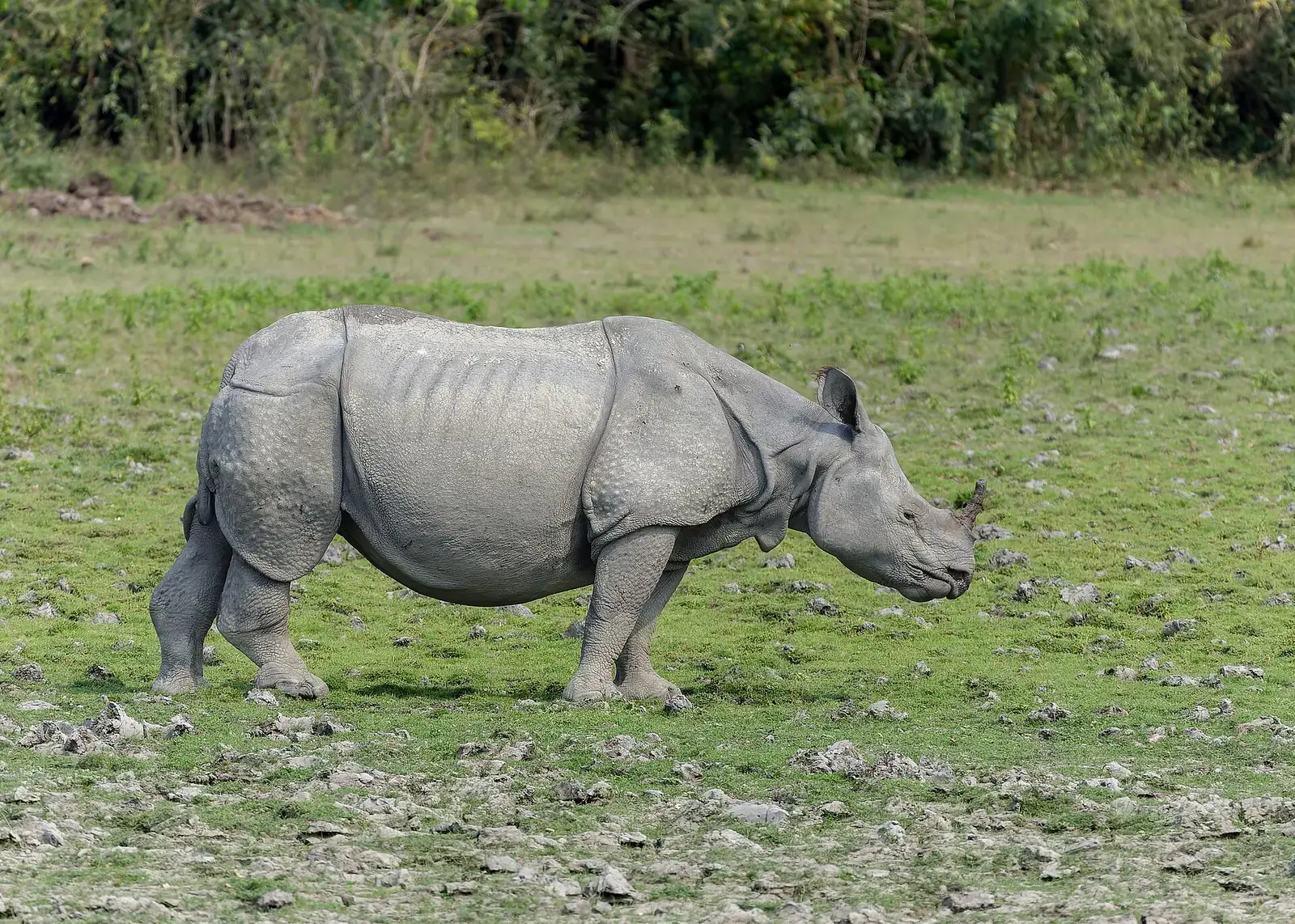
Grassland and forest birds, including Bengal florican and hornbills, alongside the big mammals.
Western Ghats and the south
Thattekad
Also called the Salim Ali Bird Sanctuary, with Sri Lanka frogmouth, Malabar trogon and many endemics.
- State
- Kerala
Valparai
Rainforest fragments in the Anamalai hills, with great hornbills and lion-tailed macaques.
Kumarakom and the backwaters
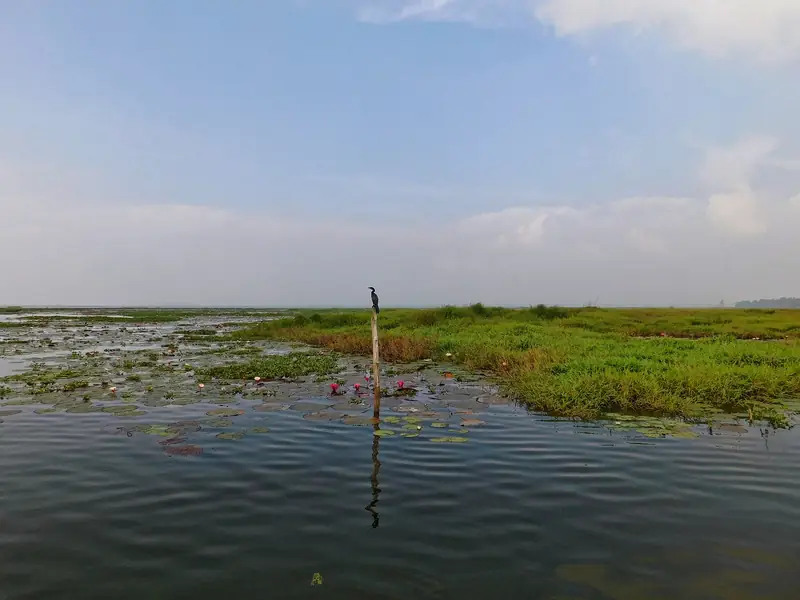
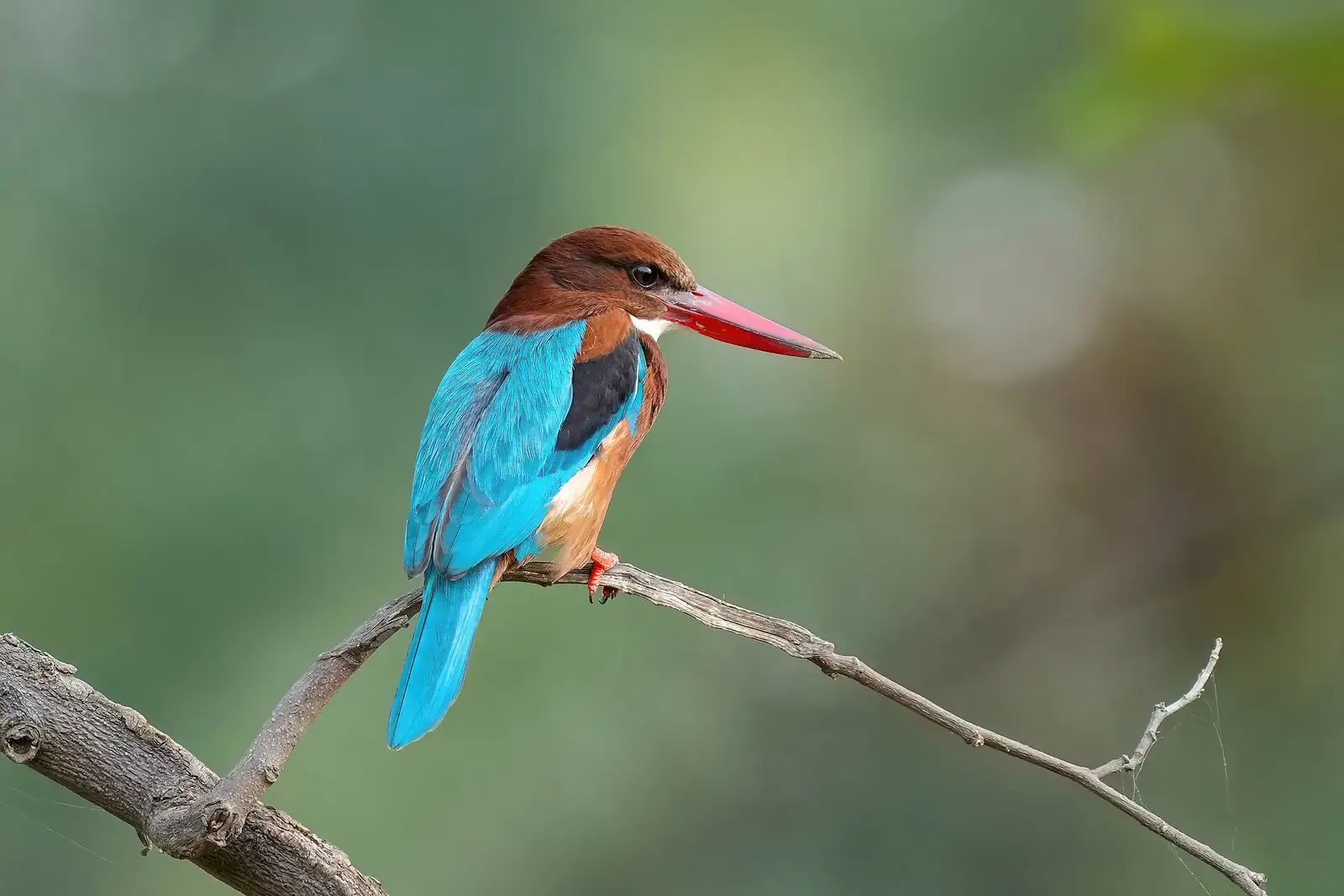
A bird sanctuary on Vembanad lake, with herons, cormorants and kingfishers.
Ranganathittu and Vedanthangal
Nesting colonies of storks, ibises and pelicans near Mysuru and Chennai.
Tips for birding in India
- Go out at dawn; the first two or three hours are the most active.
- Hire local bird guides; they know calls, nests and seasonal spots.
- Carry a field guide or a birding app, and binoculars for each person.
- Keep your distance from nests and roosts, and never use playback near breeding birds.
- Log your sightings on eBird to help citizen science.
Safety
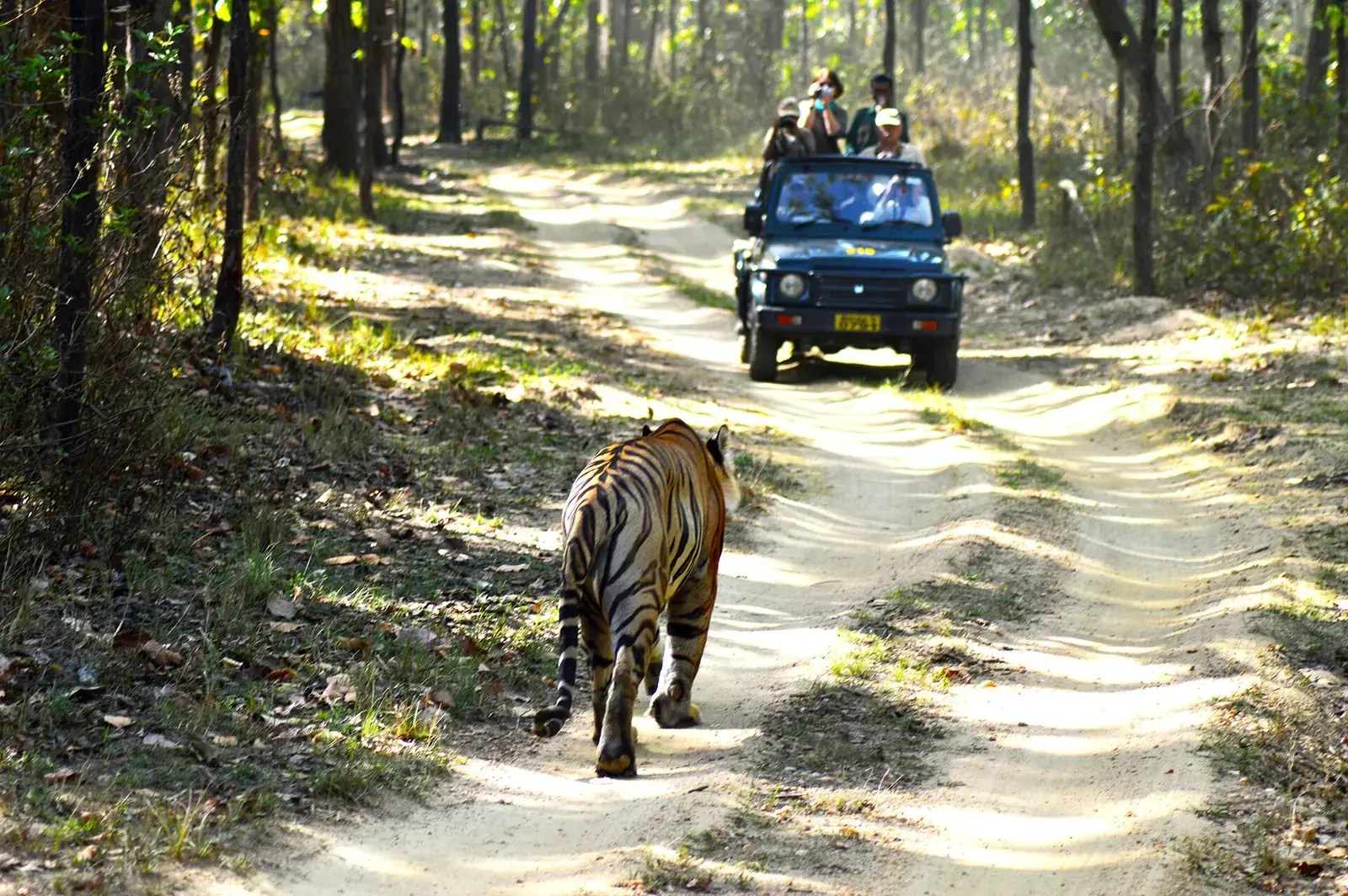
- Keep a safe distance from wild mammals in parks that also have tigers or elephants.
- Carry water and sun protection on open wetlands.
- Get the required permits, including Inner Line Permits in Arunachal.
- Wear neutral colours and move quietly.
What to pack
- Binoculars (8x42 or 10x42 suits most birding)
- A field guide or app
- Neutral clothes
- A hat, sunscreen and water
- A notebook or phone for logging
Ready to plan your wildlife escape?
FAQs
Which is the best place for birdwatching in India?
Keoladeo in Bharatpur is the best known; Chilika, the Rann of Kutch, Eaglenest and Thattekad are also excellent, depending on season.
When is the best time for birdwatching in India?
November to February for wetlands and migrants; March to May for Himalayan birds.
How many bird species are there in India?
More than 1,300.
Where can I go birding near Delhi?
Sultanpur National Park near Gurugram, Keoladeo in Bharatpur, and the Okhla Bird Sanctuary.
Do I need a guide for birding?
Not always, but a local bird guide greatly improves what you see and helps with identification, especially in forests and the hills.
Is Bharatpur a bird sanctuary?
It was once; Keoladeo is now a national park and a UNESCO World Heritage Site.