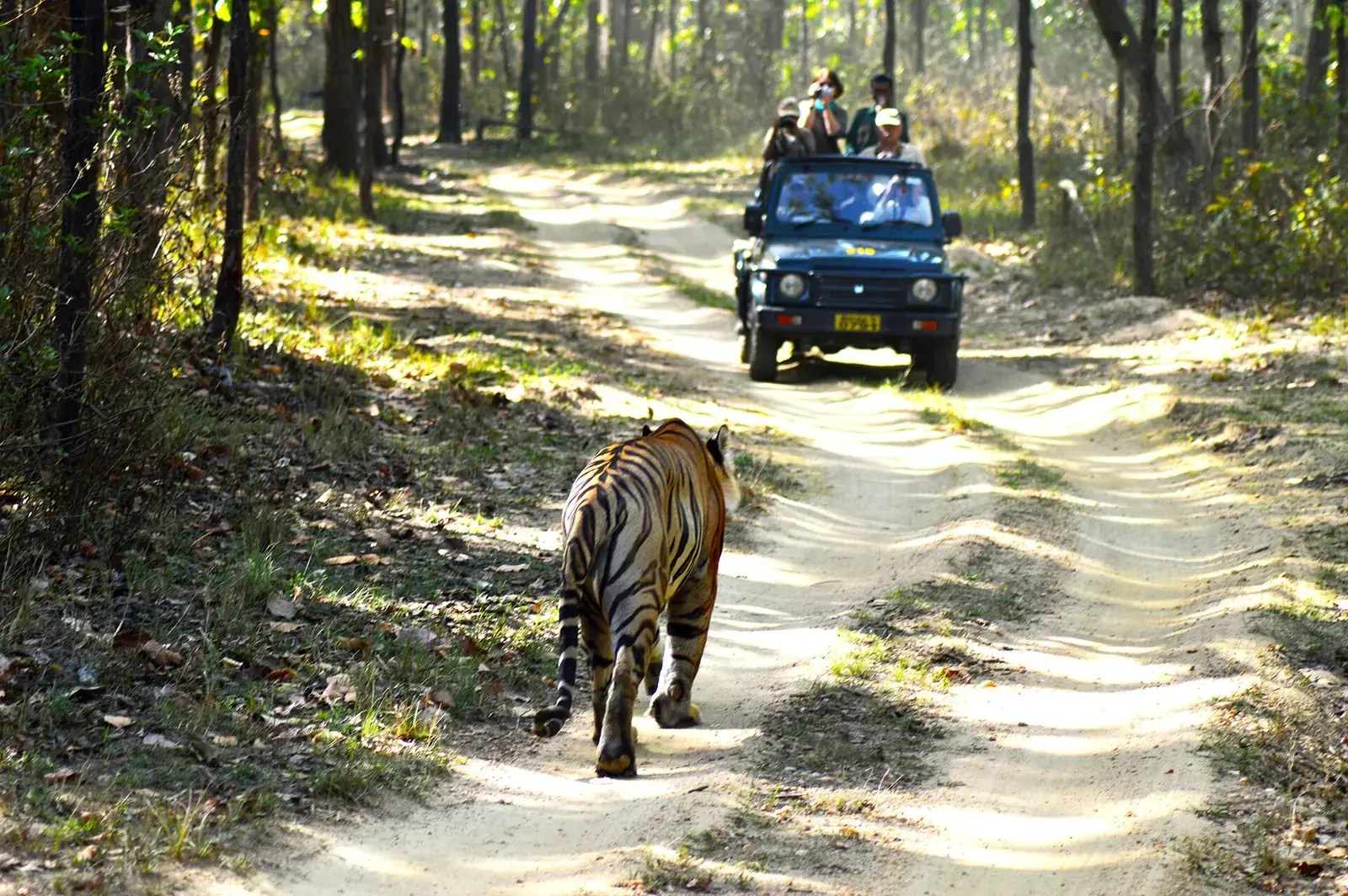
Most Indian parks allow visitors in only on official safaris along set routes, with a registered guide. The jeep safari is the standard, but the landscape decides the best way in: boats in mangroves and rivers, walks in a few reserves that allow them, and cycle-rickshaws in the wetland of Keoladeo.
The type of safari changes the experience as much as the park does. This guide explains each one, where it runs and what it suits.
Quick answer
Jeep (gypsy) safaris for up to six people are the standard in most Indian parks, with larger canters as a cheaper shared option. Boat safaris run in the Sundarbans, Periyar, Chambal and Bhitarkanika; walking safaris in Satpura and some reserves; and cycle-rickshaw tours in Keoladeo. Elephant rides still run in Kaziranga and Jaldapara, but raise welfare concerns. Most safaris need advance booking.
Key takeaways
- Jeep safaris give the most flexibility; canters are cheaper and suit groups.
- Boat safaris are the only way into the Sundarbans.
- Satpura is one of the few tiger reserves that offers walking safaris.
- Keoladeo is explored on foot, by bicycle or by cycle-rickshaw with a trained puller.
- Book early; permits in popular zones sell out months ahead.
Safari types compared
| Safari | Where | Good for | Things to know |
|---|---|---|---|
| Jeep (gypsy) | Most tiger reserves and national parks | Flexibility, photography | Up to six visitors plus driver and guide |
| Canter | Ranthambore, Corbett, Tadoba, Pench (Turia) and others | Groups and budgets | Larger shared vehicle; less flexible |
| Boat | Sundarbans, Periyar, Chambal, Bhitarkanika, Satpura | Mangroves, rivers, birds | Wear a life jacket |
| Walking | Satpura, Periyar and a few buffer areas | Tracks, birds, small wildlife | Only with an authorised guide |
| Cycle-rickshaw or bicycle | Keoladeo (Bharatpur) | Birding | Pullers are trained in bird-spotting |
| Elephant | Kaziranga, Jaldapara | Grassland rhino viewing | Welfare concerns; consider a jeep instead |
| Night safari | Some buffer zones in Madhya Pradesh and Maharashtra | Nocturnal animals | Availability changes; check |
Jeep and canter safaris
Jeep safaris
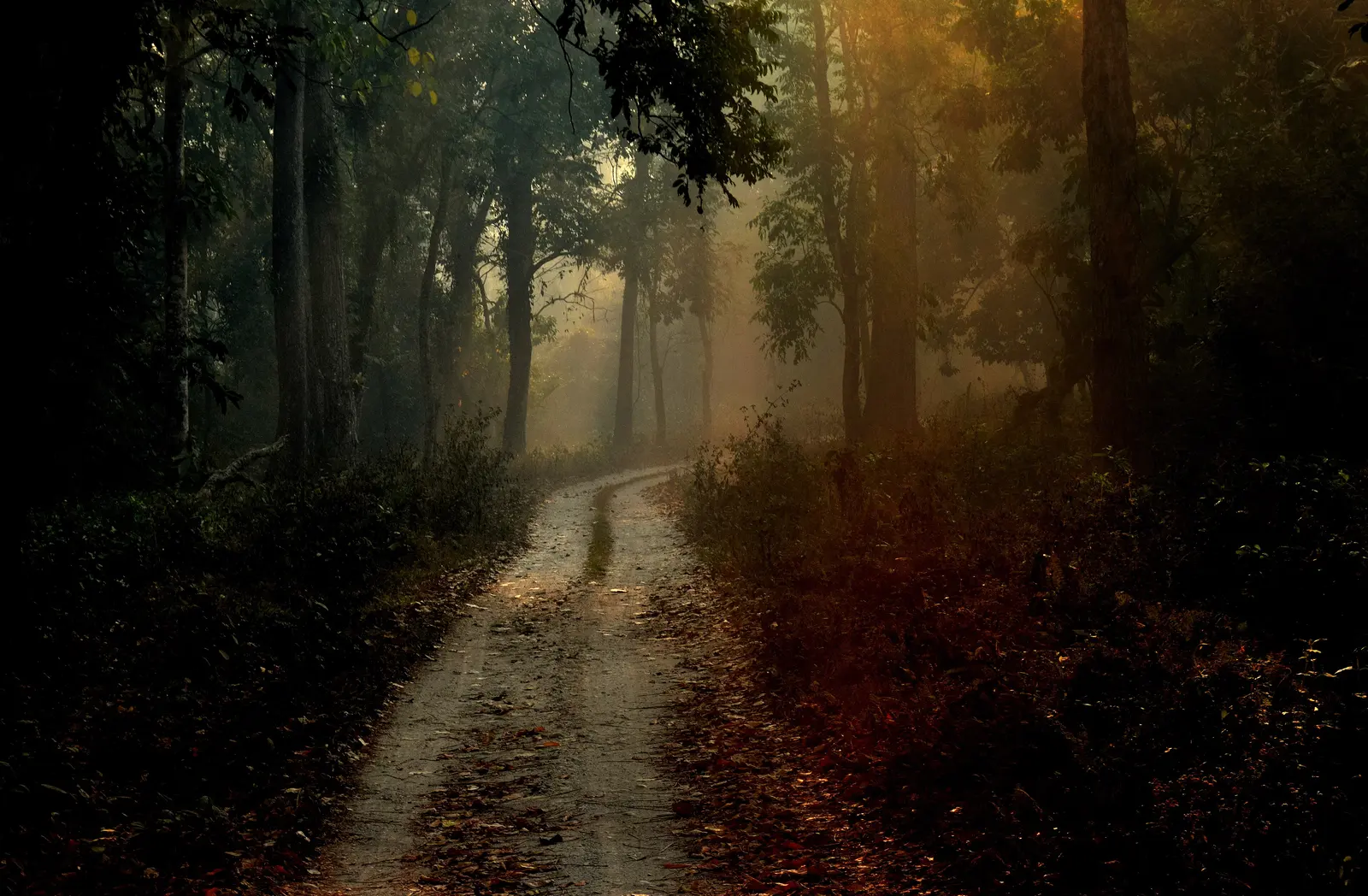
Open four-wheel-drive gypsies with a driver and a registered guide, in morning and afternoon shifts. Book the whole vehicle for privacy, or a seat in a shared jeep.
- Best for
- Photography, small groups
Canter safaris
Open buses seating around 20 people, cheaper per seat. They follow the same zones but stop less freely.
- Best for
- Budgets, families, groups
Boat safaris
Sundarbans
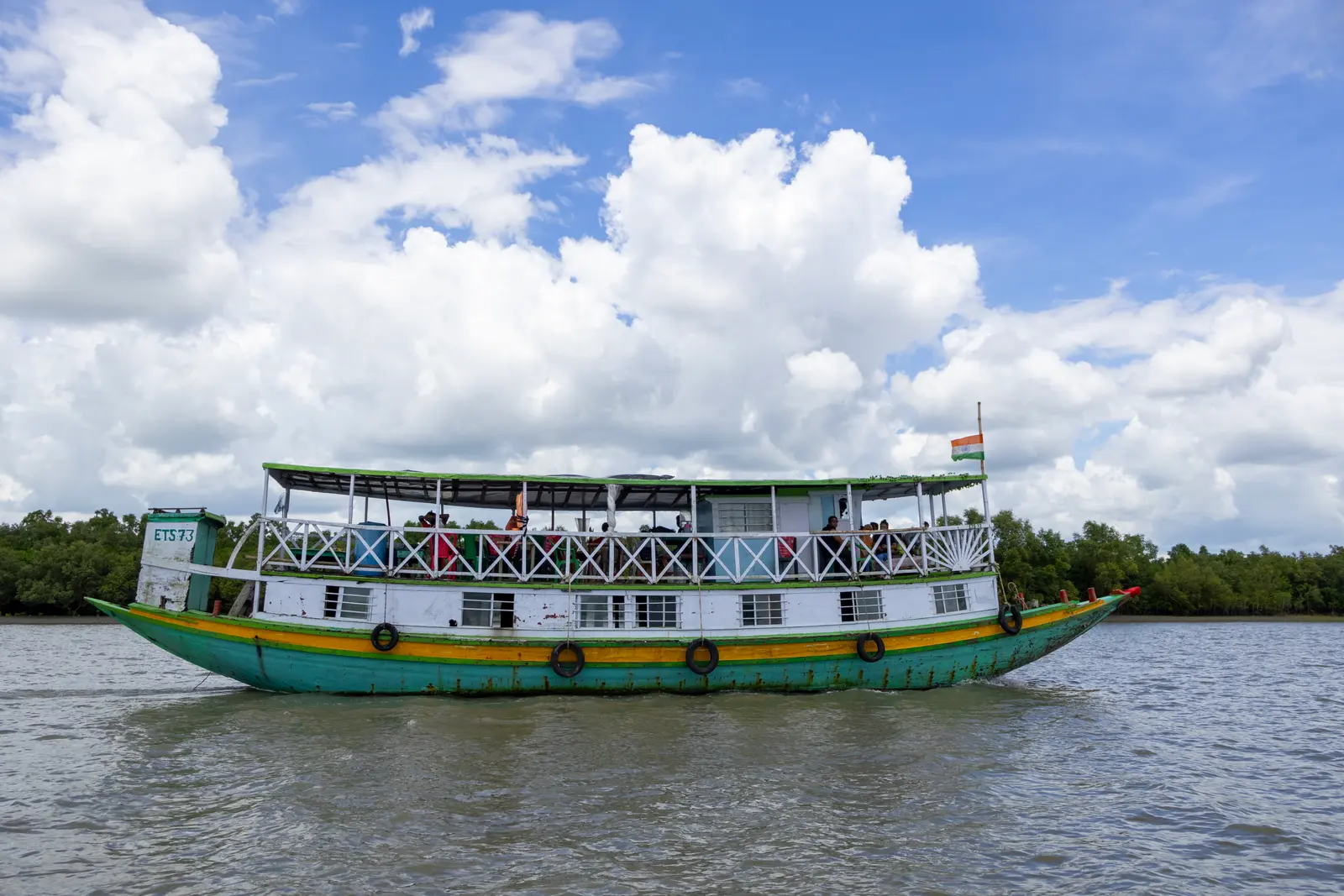
Launches and boats through the mangrove channels, with stops at watchtowers. Tigers are rarely seen; the experience is the forest and the river.
Periyar
Boat trips on Periyar lake in Kerala, with elephants, gaur and birds along the banks.
Chambal and Bhitarkanika
River boats on the Chambal for gharials and Gangetic dolphins, and in Bhitarkanika's mangroves for saltwater crocodiles.
Walking, cycling and rickshaws
Keoladeo
Paths through the wetland, explored on foot, by bicycle or in cycle-rickshaws whose pullers are trained to spot birds.
Periyar nature walks
Guided walks and treks run through Kerala's forest department and community programmes.
A note on elephant safaris
Elephant-back rides still run in Kaziranga and Jaldapara for rhino viewing. Animal welfare groups have raised concerns about the use of captive elephants, and many travellers now prefer jeep safaris. If you choose an elephant ride, use only the official forest department service.
How to choose
- First safari: a jeep in a well-known tiger reserve.
- Birding: a boat, a walk or Keoladeo's rickshaws.
- Families with young children: shorter canter or boat trips.
- Photographers: a private jeep, booked for several drives.
See also our guide to responsible wildlife tourism.
Safari timings and shifts
Most parks run two shifts a day: an early morning drive starting around sunrise and an afternoon drive ending at sunset, each lasting about three to four hours. Timings shift with the season, and some parks close for a weekly half-day. Morning drives are usually cooler and often more active; afternoon drives in summer can be productive near water. Full-day safaris are sold in a few reserves at a much higher fee.
Safety
- Stay seated and inside the vehicle unless your guide says otherwise.
- Wear a life jacket on every boat trip.
- Walk only with authorised guides.
- No park can promise a sighting; plan several drives and enjoy the forest itself.
What to pack
- Neutral clothes
- Binoculars
- A dust scarf for jeep safaris
- A waterproof bag for boat trips
Ready to plan your wildlife escape?
FAQs
What is the best type of safari in India?
A jeep safari is the most common and flexible. Boat safaris suit the Sundarbans and rivers; walking safaris suit Satpura.
What is the difference between a jeep and a canter safari?
A jeep seats up to six people; a canter is a shared open bus of about 20. Canters are cheaper but less flexible.
Can you do a walking safari in India?
Yes, in a few places such as Satpura and on guided walks in Periyar.
Are elephant safaris ethical?
Welfare groups have raised concerns. If you take one, use only the official forest department service.
How do I book a safari?
Through the official forest department portal for each park, or a trusted operator.