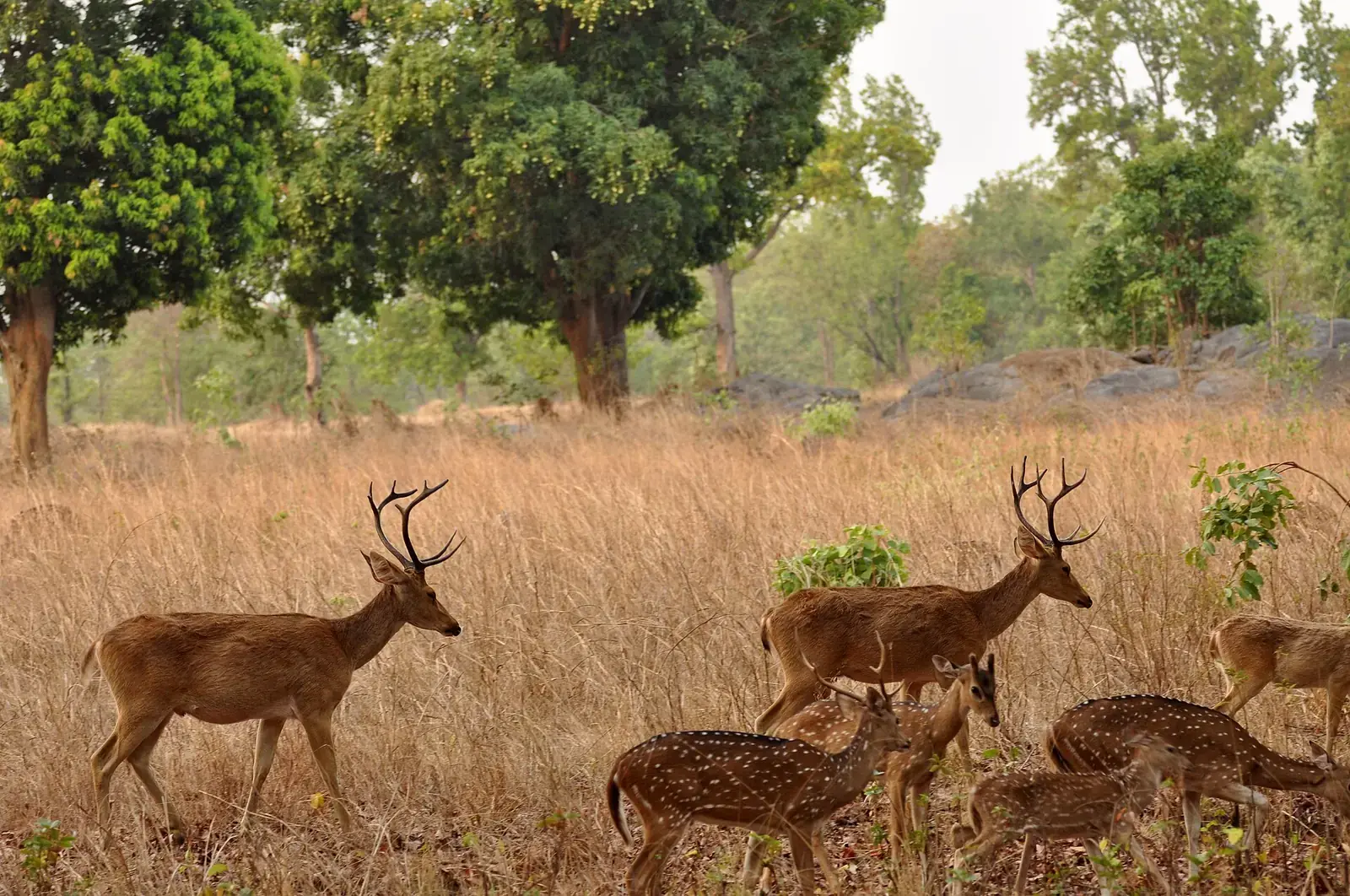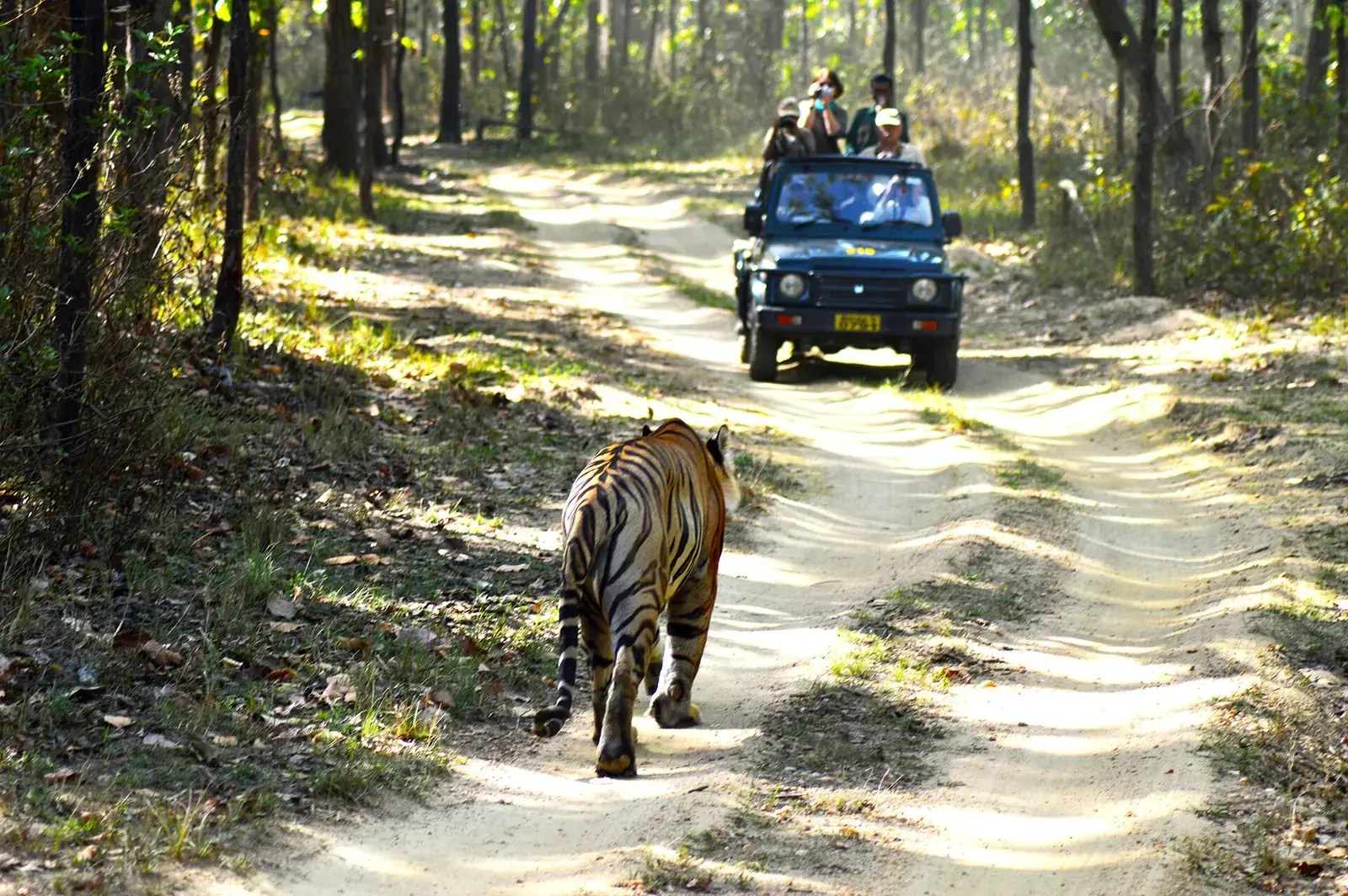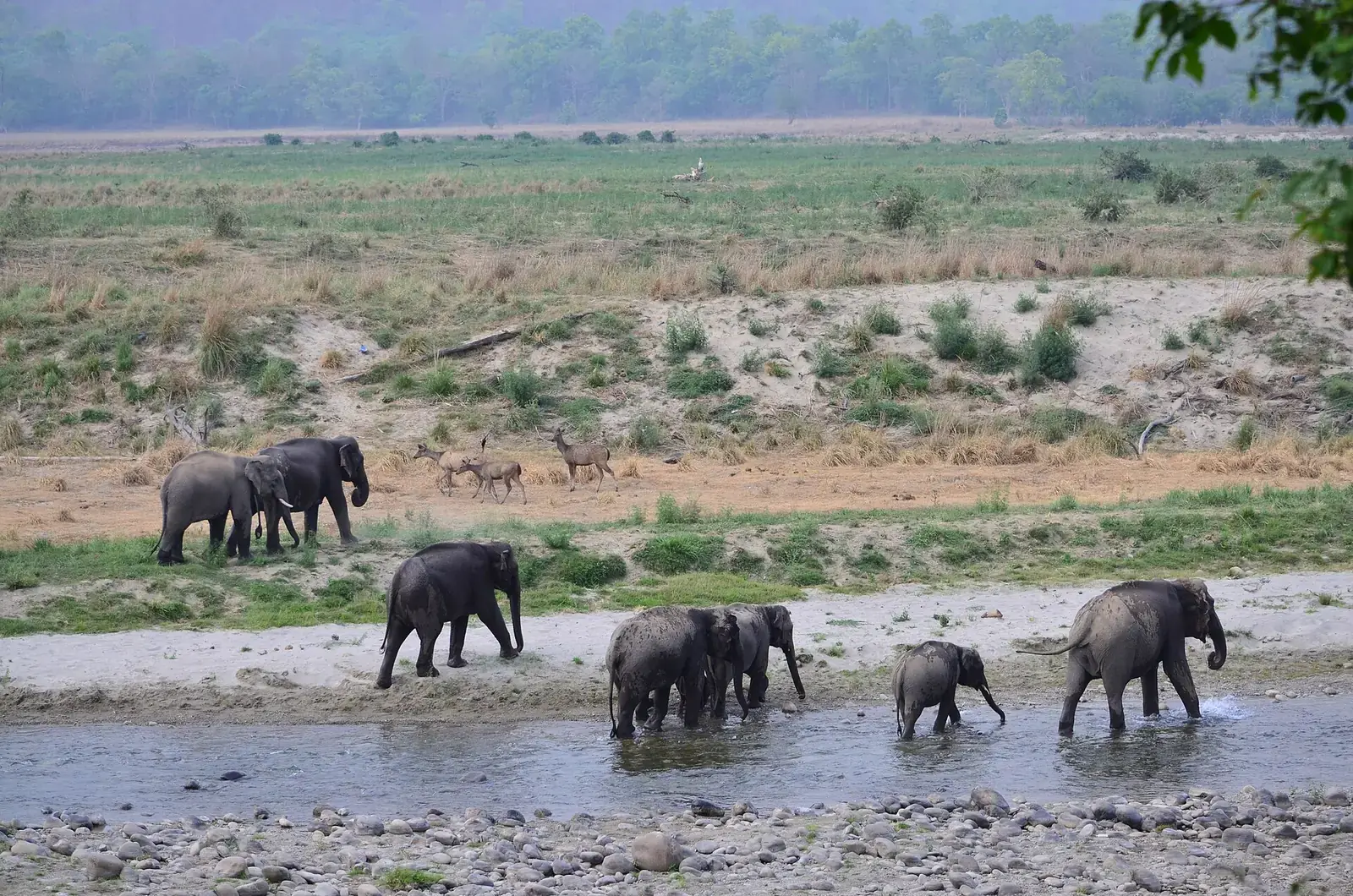
Tourism funds parks, creates local jobs and builds support for conservation. But crowding, noise, litter, speeding vehicles and unethical animal encounters can stress wildlife and damage habitats. The National Tiger Conservation Authority's guidelines limit tourism in tiger reserves for this reason.
Most of what makes a trip responsible is simple: follow park rules, choose operators who respect them, and spend money in ways that help people who live alongside wildlife.
Quick answer
Responsible wildlife tourism in India means following park rules (stay in the vehicle, keep to routes, keep quiet, no feeding, no littering), choosing operators and lodges that do not bait or chase animals, avoiding animal shows and questioning elephant rides, supporting community-run guides and homestays, and reducing plastic. Report violations to the forest department.
Key takeaways
- Stay in the vehicle, keep to routes and keep noise down.
- Never feed, bait or chase animals, or pressure guides to do so.
- Avoid animal shows and think carefully about elephant rides.
- Choose community-run guides, homestays and eco-development programmes.
- Carry reusable bottles; many parks ban single-use plastic.
Park rules
- Stay inside the vehicle except at designated points.
- Keep to marked routes and speed limits.
- No loud talk, music or phone calls near animals.
- No feeding, calling or throwing things at animals.
- No littering; carry out what you carry in.
- Carry the ID used for booking, and follow timings.
Safari etiquette
At a sighting
Keep a respectful distance, let other vehicles have a turn, and never block an animal's path.
- Remember
- The animal comes first
With your guide
Do not pressure guides or drivers to break rules or chase animals. Tip them for good conduct, not for rule-breaking.
Choosing operators and lodges
- Look for naturalists and local guides, not only drivers.
- Ask how they handle sightings and crowding.
- Avoid anyone who promises sightings or offers baiting.
- Prefer lodges that employ local people, manage waste and save water.
- Check that walks, boat trips and night drives are officially permitted.
Elephants and captive animals
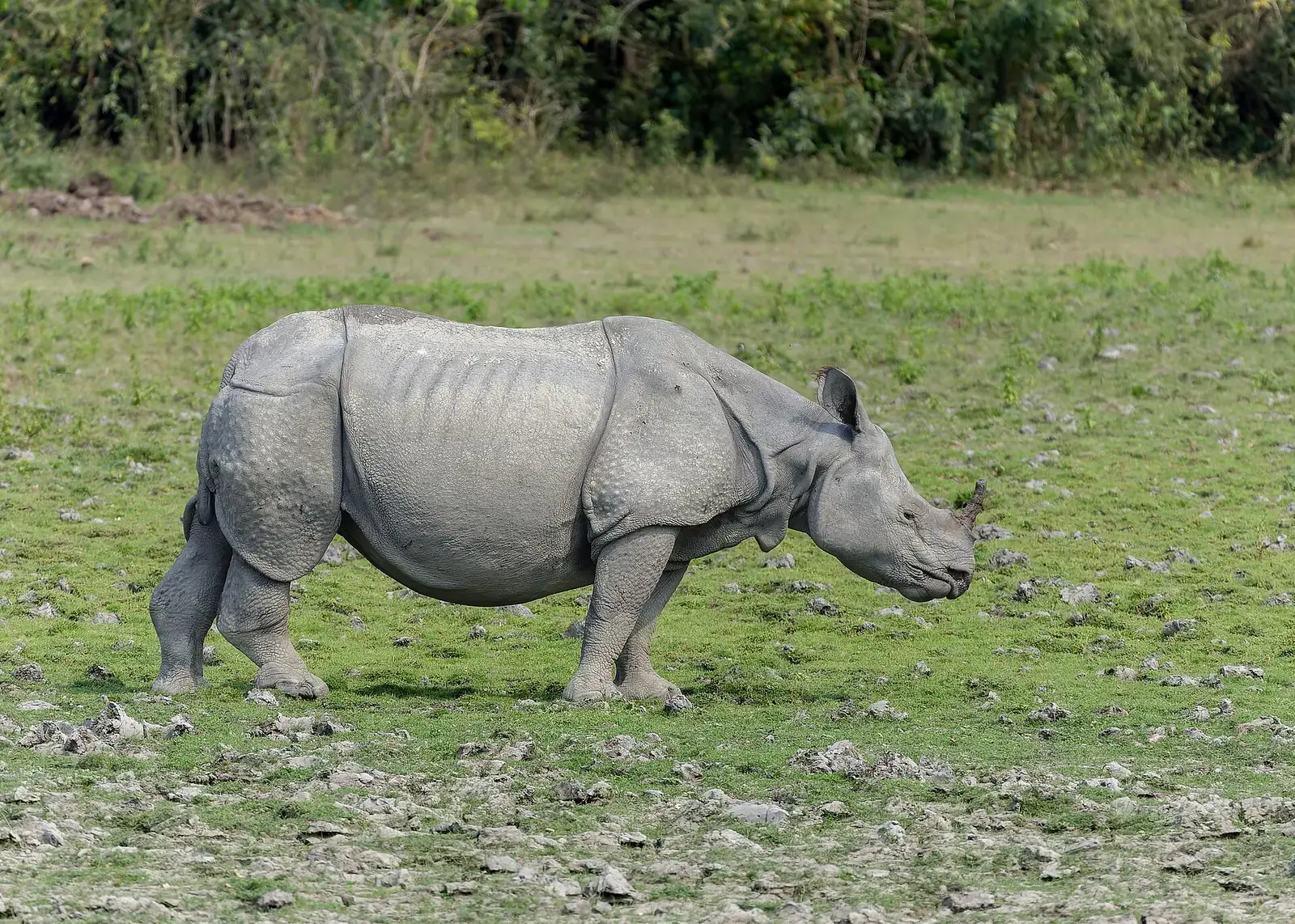
Elephant-back rides still operate in a few parks, such as Kaziranga. Welfare groups have raised concerns about keeping and training captive elephants, and many travellers now choose jeeps instead. If you ride, use the official forest department service only.
Avoid animal shows, photo sessions with wild animals, snake charmers and dancing bears (outlawed in India). Buy nothing made from wildlife, such as ivory, shells, coral or skins; trade in them is illegal.
Supporting communities
Community guides and homestays
Programmes such as Periyar's eco-development committees, Mangalajodi's community boatmen and Ladakh's snow leopard homestays give local families a stake in protecting wildlife.
Local produce and crafts
Buy local crafts and food, and use local drivers and guides where you can.
If you see rules broken
Note the vehicle number, time and zone, and report it to the park's forest department office. Many parks have helplines or email addresses listed on their official sites.
Reducing your footprint
- Carry a reusable bottle; many lodges offer filtered water refills.
- Take all rubbish back, including food wrappers and cigarette ends.
- Share vehicles where possible to reduce the number of jeeps in a zone.
- Save water and power at lodges, which often rely on limited supplies.
- Choose fewer, longer trips over many short ones.
Why it matters
Tiger reserves and other parks are small islands of forest in a crowded country. Every vehicle, voice and piece of litter adds pressure. When visitors follow the rules and choose ethical operators, tourism becomes one of the strongest arguments for keeping these forests protected, and for the people who live next to them to share in the benefits.
Safety
- Keep a safe distance from all wild animals.
- Follow your guide's instructions at every stop.
- No operator can promise a sighting; be wary of anyone who does.
- Do not walk in forests without an authorised guide.
What to pack
- Reusable water bottle
- Cloth bag for rubbish
- Neutral clothes
- Binoculars
Ready to plan your wildlife escape?
FAQs
What are the rules on a safari in India?
Stay in the vehicle, keep to routes, keep quiet, do not feed animals and do not litter.
Are elephant rides ethical?
Welfare groups have raised concerns; many travellers prefer jeeps. If you ride, use the official service only.
How can I support local communities?
Use community guides, homestays and eco-development programmes, and buy local crafts.
Should I tip safari guides and drivers?
Tipping is customary and appreciated; tip for knowledge and good conduct, never to encourage rule-breaking.
Can I use plastic in national parks?
Many parks ban single-use plastic; carry reusable bottles and bags.
Is wildlife tourism good for conservation?
It can be, when it follows the rules, funds parks and benefits local people. Crowding and rule-breaking do harm.
How do I report rule-breaking?
Note the vehicle number, time and zone, and inform the forest department office.