A Terai Wilderness on the Nepal Border
Dudhwa National Park, part of the wider Dudhwa Tiger Reserve, sits in Lakhimpur Kheri district of Uttar Pradesh, hugging the Nepal border across a landscape of tall terai grassland, riverine floodplain, and dense sal forest. It's a genuinely different kind of Indian wildlife destination — wetter, greener, and far less visited than the dry-deciduous parks of central India, which makes both the terrain and the wildlife feel distinct.
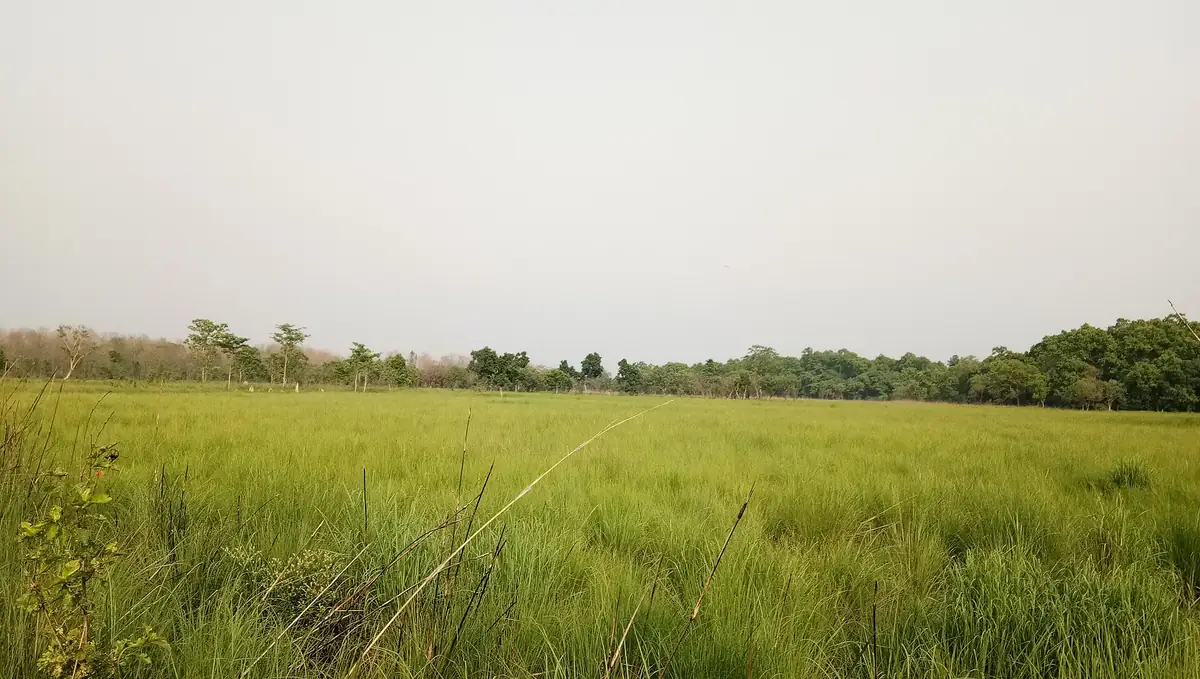
The reserve is best known for three things: a wild Bengal tiger population moving through cover so dense that sightings demand patience; one of India's most celebrated rhino reintroduction stories; and one of the country's largest surviving populations of barasingha, the swamp deer that is the park's flagship species. Together with the neighbouring Kishanpur Wildlife Sanctuary and Katarniaghat, Dudhwa forms one of the last strongholds of the north Indian terai ecosystem.
🐯 Dudhwa at a Glance
Planning a wildlife trip? See our guide to the best national parks in India.
Best Time to Visit Dudhwa
Dudhwa's visiting calendar is dictated entirely by the monsoon and the terai's floodplain terrain.
Pleasant, cool weather and the best overall wildlife visibility as grass cover thins slightly. The most reliable window for sightings and comfortable safaris.
The park opens in mid-November and closes mid-June. Late spring gets progressively hotter but water sources draw animals more predictably near forest edges.
Dudhwa shuts for roughly five months to protect the monsoon breeding season, especially for barasingha and rhino, and because much of the terai floods.
Whatever the season, the first safari slot after gate-opening gives the best chance of animals still active near grassland edges before the day heats up.
Our pick: December to March — cool, dry, and the most consistent window for both comfortable safaris and sightings across all three of Dudhwa's signature species.
How to Reach Dudhwa
Dudhwa remains genuinely off the well-worn tourist rail and air network, which is part of why it stays quiet — but it does mean planning the approach matters.
- By rail: Dudhwa and Palia have railway stations, but connectivity is limited and infrequent — workable if your route already lines up, but not the primary approach for most visitors.
- By road via Lucknow: The most practical route for most travellers — around 230 km from Lucknow, roughly a 5-6 hour drive, with Lucknow's airport and rail connections making it the natural starting point.
- Via Lakhimpur Kheri: The nearest sizeable town to the park, useful as a base for fuel, supplies, and a shorter final approach to the gates at Dudhwa, Sonaripur, or Kishanpur.
Wildlife & Safari Zones
The One-Horned Rhino Reintroduction
The greater one-horned rhinoceros had vanished from this stretch of Uttar Pradesh's terai by the early 20th century, hunted and displaced long before conservation protections existed. Starting in 1984, a dedicated, fenced rhino rehabilitation area was carved out within Dudhwa, and founder animals were translocated in from Assam's Pobitora and from Nepal's Chitwan population. Decades on, that founder group has bred successfully and grown into a stable, closely monitored population — one of the clearer conservation success stories in Indian wildlife management, and a strong reason to visit even for travellers who've already seen rhinos at Kaziranga.
Barasingha — Dudhwa's Flagship Species
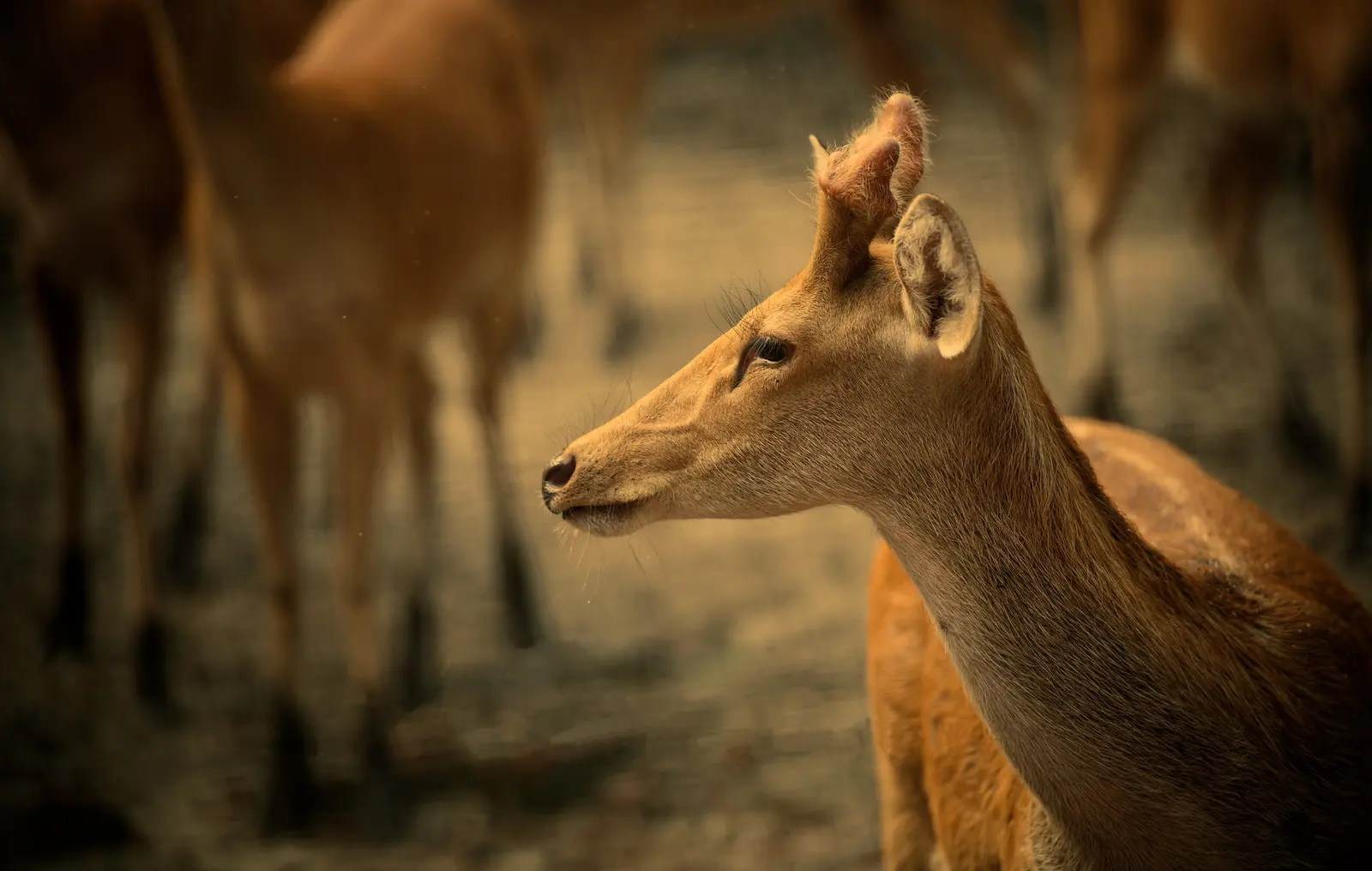
The barasingha, or swamp deer, is instantly recognisable by its many-tined, sweeping antlers — the name literally means "twelve-horned." The hard-ground subspecies found here once ranged widely across north India's terai belt but has been reduced to a handful of surviving pockets. Dudhwa holds one of the largest of these remaining wild populations, and herds are a fairly reliable sight in the park's open grassland clearings, particularly in the cooler months.
Tigers & Other Wildlife
Dudhwa's Bengal tigers move through far denser cover than the dry forests of central India, so sightings take real patience and a measure of luck. The reserve also supports leopards, sloth bears, hispid hares, Bengal florican, and a rich birdlife drawn by the wetlands and riverine tracts along the Suheli and Mohana rivers.
Safari Ranges: Dudhwa, Sonaripur & Kishanpur
Safaris run from three main zones — the core Dudhwa range around the main gate, Sonaripur, and the separate Kishanpur Wildlife Sanctuary a short drive away, each offering a slightly different mix of grassland, forest, and wetland habitat. Both jeep safaris and, seasonally, elephant-back safaris are offered, with jeep safaris the more widely available option through most of the season.
Where to Stay Near Dudhwa
Accommodation is limited and mostly forest-lodge style, reflecting Dudhwa's low-key, low-density tourism model — book ahead, especially for peak winter weekends.
- → Basic guesthouses in Palia town
- → Simple rest houses near the gate
- → Homestays around Lakhimpur Kheri
- → UPSTDC forest lodges near the park
- → Private eco-lodges bordering the buffer zone
- → Simple resorts along the Lucknow highway
- → Boutique jungle lodges near Kishanpur
- → Naturalist-led wildlife camps
- → Premium tented stays in season
Suggested Visit Plan (2-3 Days)
Arrival & Dudhwa Range Safari
- ✓Drive in from Lucknow or Lakhimpur Kheri, check in
- ✓Afternoon jeep safari in the core Dudhwa range
- ✓Evening at the lodge, briefing on next day's zones
Sonaripur & Rhino Zone
- ✓Early morning safari in Sonaripur for rhino and barasingha
- ✓Afternoon rest or a second grassland safari
- ✓Birdwatching near the wetland tracts in the evening
Kishanpur & Departure
- ✓Morning safari at Kishanpur Wildlife Sanctuary
- ✓Late morning drive back toward Lucknow
* Wildlife travellers with more time often continue on to Pilibhit Tiger Reserve for a fuller terai circuit.
Where to Eat Near Dudhwa
- Lodge dining: Most forest lodges and resorts serve simple set meals — usually North Indian vegetarian and non-vegetarian thalis — included with your stay.
- Local dhabas in Palia: Basic roadside eateries for daal, roti, and regional vegetable preparations at low prices.
- Carry your own snacks: Options thin out fast once you're inside the buffer zone, so pack water and snacks for safari mornings.
Budget Breakdown
| Expense | Budget | Mid-Range | Luxury |
|---|---|---|---|
| Accommodation/night | ₹1,500 | ₹4,500 | ₹12,000 |
| Jeep safari (per safari) | ₹2,500 | ₹3,500 | ₹5,000 |
| Food/day | ₹500 | ₹1,200 | ₹2,500 |
| Park entry & permits/day | ₹300 | ₹300 | ₹500 |
| Local transport/day | ₹500 | ₹1,200 | ₹2,500 |
* Figures are per person, per day. Jeep safari costs are usually shared across the vehicle, which typically seats 4-6 people.
Essential Tips for Visiting Dudhwa
- Book safaris and stays in advance: Vehicle numbers per zone are capped, and weekends in peak winter fill up quickly.
- Pack for cold mornings: Early winter safaris can be surprisingly chilly — carry layers even if the afternoons warm up.
- Set realistic tiger expectations: The dense terai cover means sightings are less frequent than in central India's dry forests — come for the wider ecosystem, not a guaranteed tiger photo.
- Hire a park naturalist or guide: Local guides are invaluable for spotting the barasingha herds and rhinos, and for reading terai wildlife signs that are easy to miss.
- Check the park calendar before travelling: Dudhwa is closed mid-June to mid-November — confirm opening dates before finalising any trip near these windows.
✅ Do
- →Book safari permits and lodges well ahead
- →Take the first morning safari slot for best sightings
- →Hire a local naturalist guide
- →Pack warm layers for winter mornings
- →Prioritise Sonaripur for rhino and barasingha
- →Carry water, snacks, and binoculars
❌ Don't
- →Expect guaranteed tiger sightings
- →Show up without pre-booked safari permits
- →Travel between mid-June and mid-November
- →Get out of the vehicle inside the core zone
- →Rely on rail connectivity for the final approach
- →Skip warm clothing for early winter drives
Frequently Asked Questions
When is Dudhwa National Park open?
Dudhwa is open from mid-November to mid-June. The park closes for roughly five months during the monsoon (mid-June to mid-November) to protect the breeding season of its wildlife, especially the barasingha and rhino, and because the terai grassland becomes waterlogged and largely impassable.
Will I see a tiger at Dudhwa?
Dudhwa has a genuine wild tiger population, but sightings are not guaranteed — the terai's tall grassland and dense sal forest give tigers far more cover than the open scrub of parks like Ranthambore or Bandhavgarh. Come with realistic expectations and enjoy the wider wildlife experience; a sighting is a bonus, not the baseline.
What is special about Dudhwa's rhinos?
Dudhwa is home to one of India's most successful rhino reintroduction stories. The one-horned rhinoceros had gone locally extinct in this part of Uttar Pradesh; a translocation programme starting in the 1980s brought founder animals from Assam and Nepal into a dedicated, fenced rhino sanctuary zone within the park, and the population has grown steadily since.
What is a barasingha and why is Dudhwa known for it?
Barasingha (swamp deer) are a hard-ground subspecies of deer with distinctive many-tined antlers, once widespread across north India's terai and floodplains but now highly restricted. Dudhwa holds one of the largest surviving wild barasingha populations in the country and is considered a stronghold for the species.
How do I reach Dudhwa National Park?
The park has limited direct rail connectivity at Dudhwa and Palia stations, so most visitors travel by road via Lucknow (about 230 km) or use Lakhimpur Kheri as the nearest practical gateway town, from where it's a shorter drive to the park gates.
Can I combine Dudhwa with Pilibhit Tiger Reserve?
Yes — both are terai reserves along the Nepal border, roughly a few hours apart by road via Lakhimpur Kheri and Shahjahanpur/Bareilly. Wildlife travellers with enough time often pair the two for a longer terai circuit, since the ecosystems and species overlap but the visitor experience differs quite a bit.
Published by the Kudozz Club editorial team · Last updated · How we research our guides
Want us to plan this trip for you?
Tell Kudozz Club where you want to go and what kind of trip you’re looking for. We’ll build a Dudhwa National Park and Uttar Pradesh itinerary around your dates and budget.
Continue Exploring
View all guides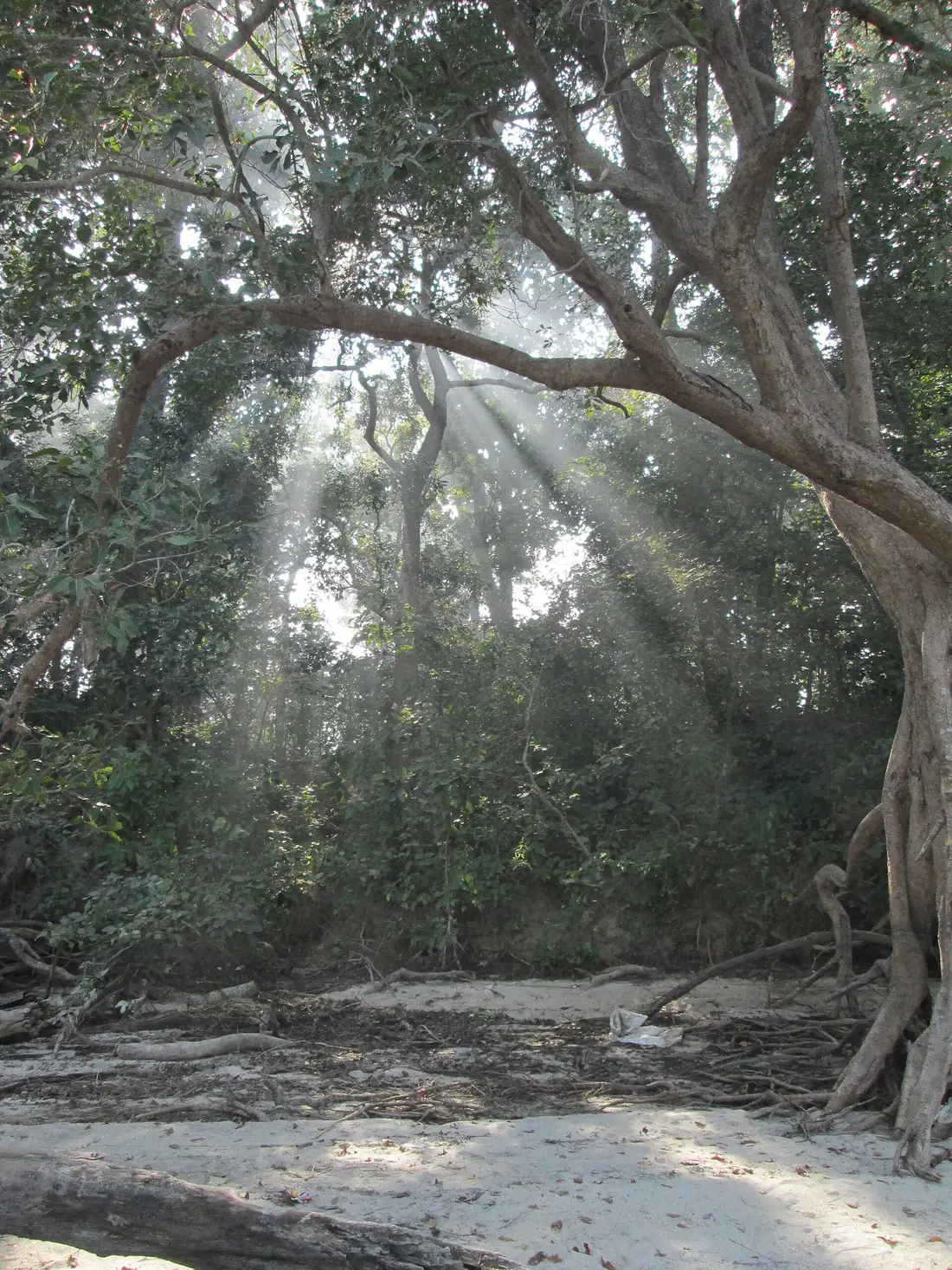 Adventure
Pilibhit Tiger Reserve: Safari & Visit Guide
Dense terai forest along the Sharda river, one of India's higher tiger densities relative to area, and a quiet, largely undiscovered reserve.
 Adventure
Gorumara National Park: Safari, Timings & Tips
Complete Gorumara National Park guide — rhino and elephant jeep safaris, watchtowers, safari timings, Murti riverside stays, Chapramari sanctuary, and how to plan your visit.
 Adventure
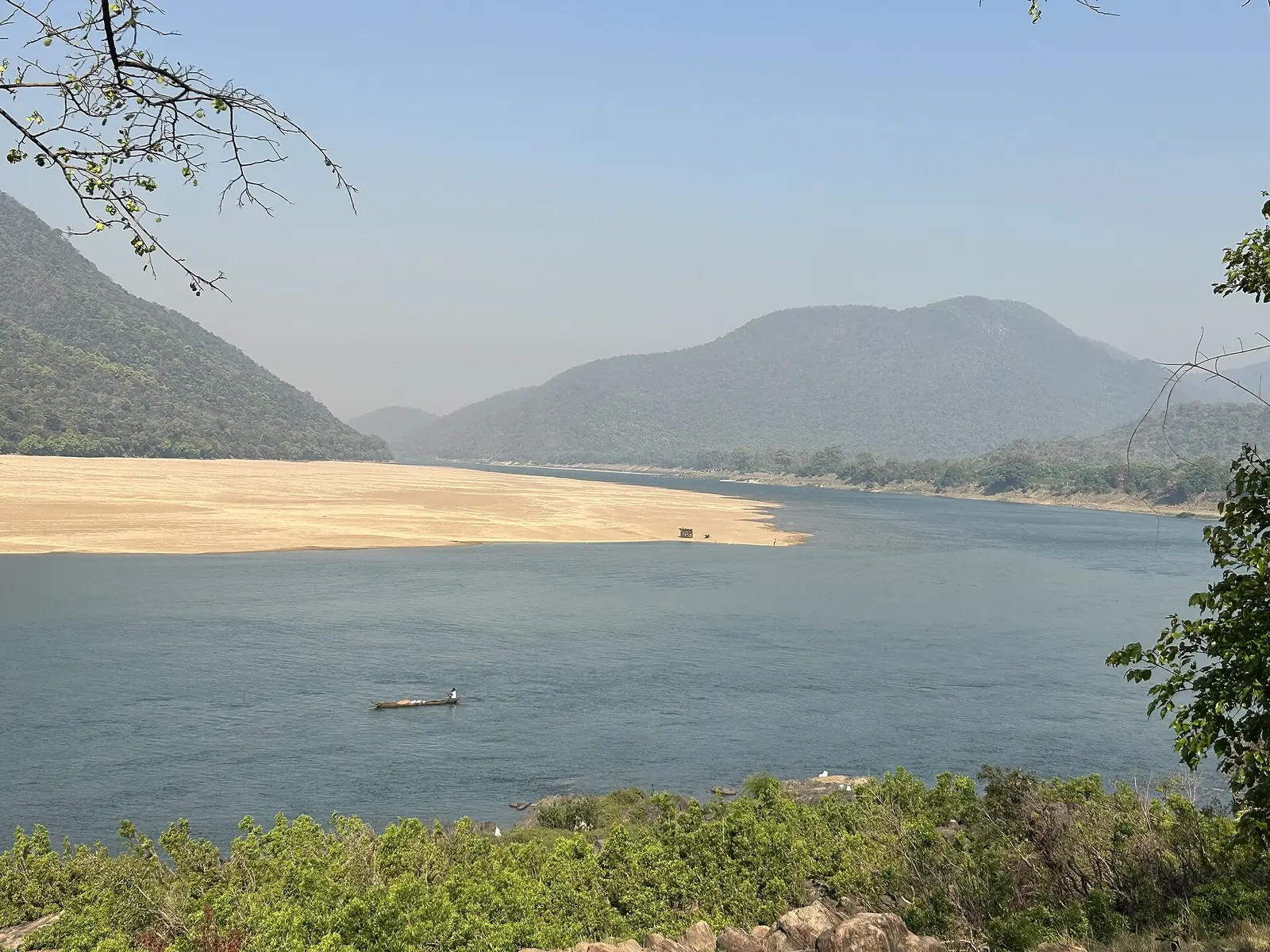
Satkosia Gorge Guide: Tiger Reserve & Safari
A dramatic gorge carved by the Mahanadi river through the Eastern Ghats, explored by boat rather than jeep — one of Odisha's quietest, most scenic reserves.
 Adventure
Dampa Tiger Reserve: Safari Guide & Tips
A bamboo-forest reserve on the Bangladesh border where hoolock gibbons and birdlife, not guaranteed tiger sightings, are the honest main draw.