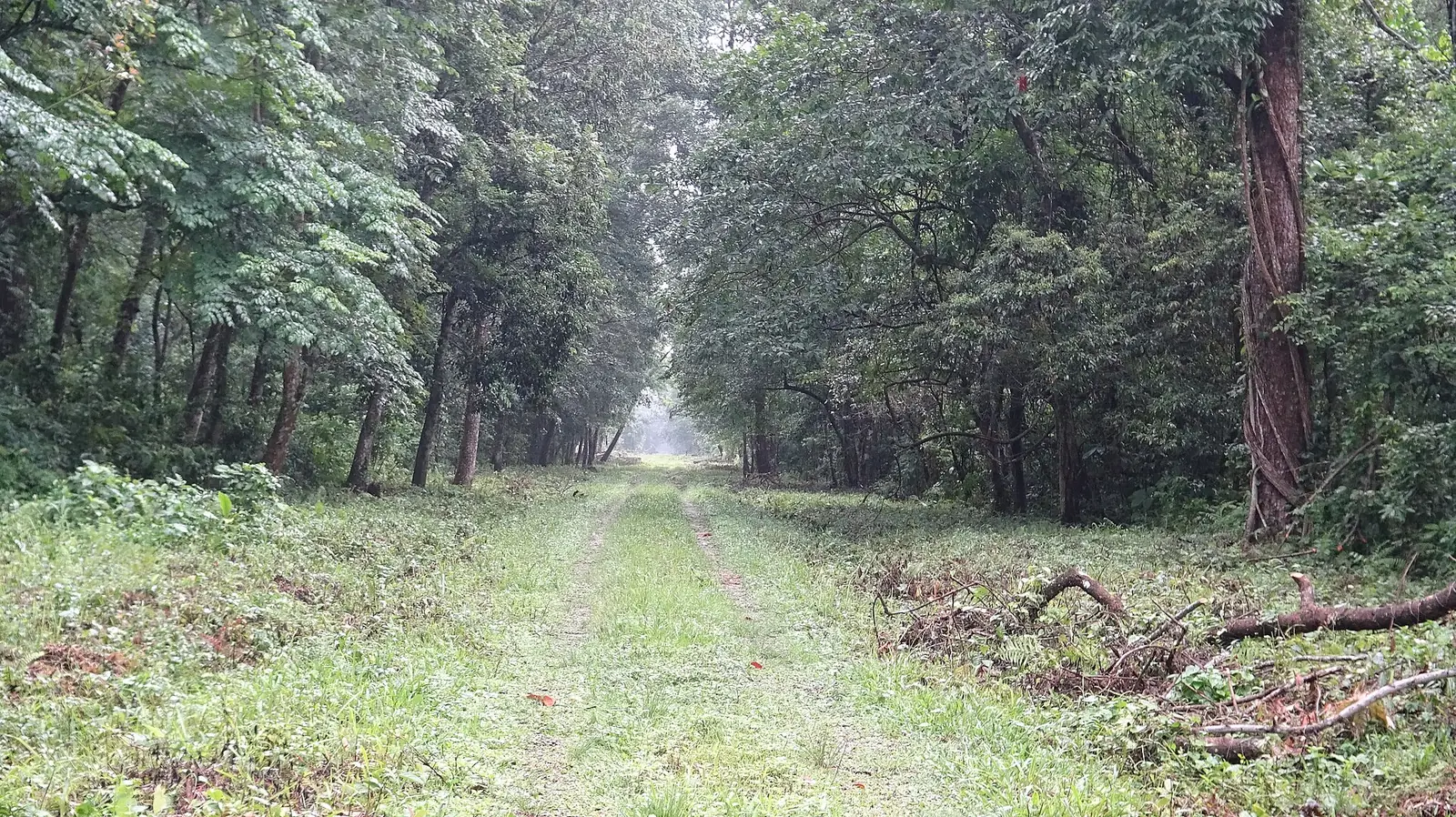
A Wildlife-Dense Park
Gorumara National Park is small by Indian national park standards — under 80 square kilometres — but that compactness works in its favour. Set in the Dooars foothill belt of northern West Bengal, its mix of tall grassland and riverine forest packs in one of the region's highest densities of one-horned rhinoceros, alongside wild elephant herds, gaur (Indian bison), and a healthy population of deer that in turn draw the occasional leopard.
The park is built around a network of watchtowers rather than sprawling drive circuits — Jatraprasad, Chukchuki, and Medla among the best known — each positioned over grassland or waterholes where sightings are most reliable. Jeep safaris move between these zones, giving a rhythm of driving and quiet watching that suits both serious wildlife photographers and casual visitors.
Gorumara sits close enough to Chapramari Wildlife Sanctuary and the Murti riverside that most visitors combine all three in one trip, based out of the small town of Lataguri — read our wider Dooars travel guide for how Gorumara fits into a longer regional itinerary.
🦏 Gorumara at a Glance
Best Time to Visit Gorumara
As with the rest of the Dooars, the park's own opening calendar shapes timing more than general weather comfort.
Cool, dry weather and freshly cut grass give the clearest sightlines of the year — the most reliable window for rhino and elephant sightings.
Temperatures rise but animals concentrate around remaining waterholes, often boosting sightings just before the park closes for the season.
Gorumara closes entirely for the monsoon and animal breeding season — no safaris are available during this window.
The park reopens gradually after mid-September; grass is initially tall, so visibility and sightings improve as the month progresses.
Our pick: December to February — low grass and cool, dry conditions make this the season's most reliable window for sightings.
How to Reach Gorumara
Lataguri, the small town bordering the park, is the practical base for all Gorumara visits.
- By Air: Bagdogra Airport (IXB) is the nearest, roughly 75 km away, with daily flights from Delhi, Kolkata, and other major cities. Taxis to Lataguri take around 2 hours.
- By Rail: New Mal Junction is the closest railhead, a short drive from Lataguri; New Jalpaiguri (NJP) is the larger, better-connected station a bit further away.
- Getting around: Jeep safaris are arranged through your lodge or the forest department gate at Lataguri itself — no separate transport is needed once you've arrived.
Safaris & Things to Do
Jeep Safaris & Core Zone
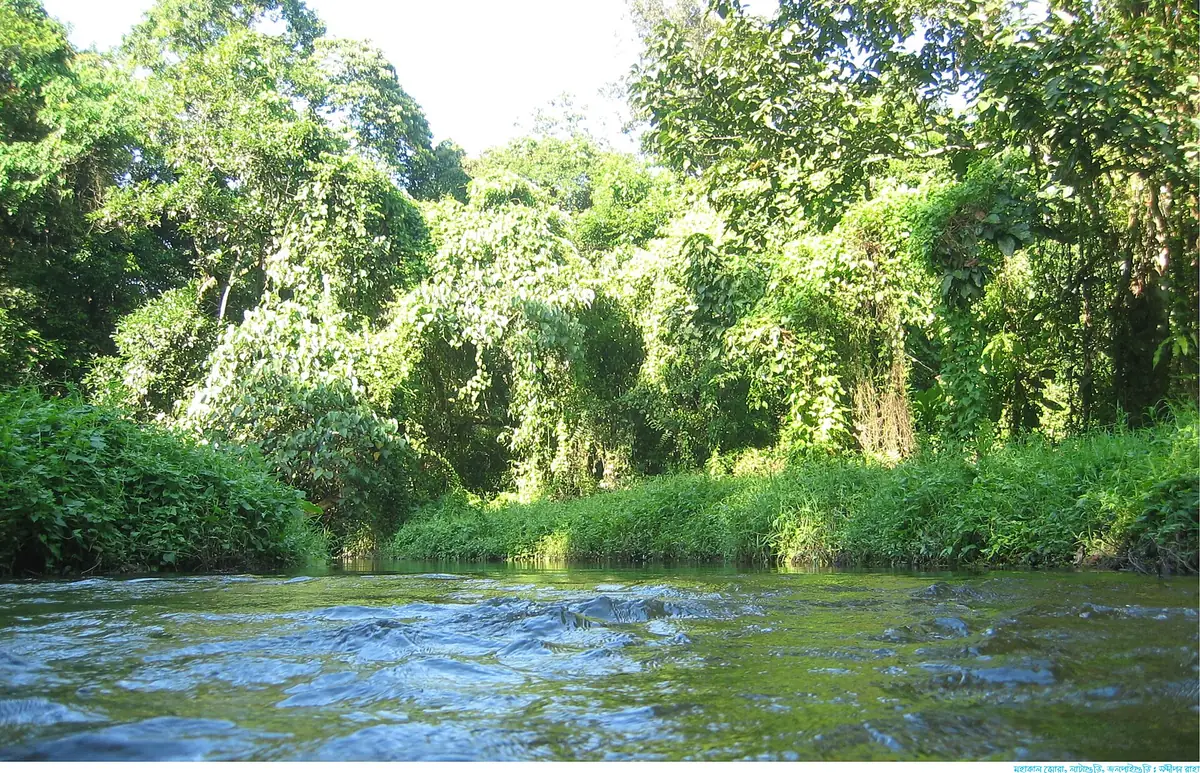
Open jeep safaris run through Gorumara's core zone in two daily windows, roughly 6-8:30 AM and 2:30-5 PM, timed around when wildlife is most active. Vehicles carry a small group plus a mandatory forest guide, moving between grassland stretches and forest trails where sightings are most likely.
Jatraprasad, Chukchuki & Medla Watchtowers
Rather than relying purely on drive-by sightings, Gorumara's safaris are built around a handful of raised watchtowers overlooking grassland and waterholes. Jatraprasad is especially known for rhino sightings, Chukchuki for birdlife and riverside views, and Medla for a mix of both — most safaris stop at two or three of these across a drive.
Chapramari Wildlife Sanctuary
Directly adjoining Gorumara, this smaller sanctuary is often paired with it as a second safari on a two-day stay, particularly known for elephant herds moving through its denser forest trails.
Murti Riverside
The Murti river runs along the park's edge near Lataguri, its wide, pebbled banks a popular spot for a picnic or a quiet evening after a safari — several riverside resorts and camping areas make the most of the setting.
Where to Stay Near Gorumara
Lataguri and the Murti riverside area hold most of the accommodation, ranging from simple lodges to riverside resorts built specifically around the safari trade.
- → Simple lodges in Lataguri town
- → Basic forest-facing guesthouses
- → Shared-facility budget stays
- → Riverside resorts near Murti
- → Mid-size wildlife lodges near the gate
- → Cottage-style forest-view stays
- → Premium safari lodges with guided packages
- → High-end riverside resort properties
- → Private forest-edge cottages
Suggested Visit Plan (2 Days)
Arrival & Gorumara Safari
- ✓Arrive in Lataguri, check in
- ✓Afternoon jeep safari through Gorumara's core zone
- ✓Evening at the Murti riverside
Chapramari & Departure
- ✓Early morning safari in Chapramari Wildlife Sanctuary
- ✓Late morning at leisure near Lataguri
- ✓Departure toward Bagdogra or onward Dooars stops
* Extend to 3-4 days by combining with Jaldapara and other stops covered in our Dooars travel guide, or continue toward Buxa Tiger Reserve and Cooch Behar.
Where to Eat Near Gorumara
- Lodge and resort kitchens: Most stays in Lataguri serve set meals — Bengali thalis and simple North Indian fare are the norm.
- Local dhabas in Lataguri: Basic, inexpensive stops for a quick meal between safari drives.
- Riverside resort dining: Properties near Murti often offer sit-down dining with river views, a pleasant end to a safari day.
Budget Breakdown
| Expense | Budget | Mid-Range | Luxury |
|---|---|---|---|
| Accommodation/night | ₹1,500 | ₹4,000 | ₹11,000 |
| Food/day | ₹500 | ₹1,200 | ₹2,800 |
| Jeep safari (per drive) | ₹1,500 | ₹2,000 | ₹2,500 |
| Entry + guide fee | ₹300 | ₹300 | ₹300 |
* Jeep safari cost is per vehicle, typically shared across 4-6 people, and priced per drive rather than daily.
Essential Tips for Visiting Gorumara
- Book your jeep the evening before: Daily safari permits are limited, especially on weekends in peak season (Nov-Feb).
- Choose the morning safari for elephants: Elephant herds are typically more active and visible in the early morning window than in the afternoon.
- Wear muted colours: Bright clothing can spook wildlife and reduce your chances of a close sighting — stick to greens, browns, and khaki.
- Carry binoculars: Watchtower sightings, especially at Chukchuki, benefit significantly from your own pair rather than relying on the guide's.
- Confirm park status near season edges: Exact opening dates in October and closing dates in June can shift slightly year to year — check ahead if travelling near those windows.
✅ Do
- →Book your safari jeep the night before
- →Take the morning safari for elephant sightings
- →Wear muted, neutral-coloured clothing
- →Carry your own binoculars
- →Pair Gorumara with a Chapramari safari
- →Confirm park status near season-edge dates
❌ Don't
- →Show up expecting a walk-in jeep permit
- →Wear bright colours on safari
- →Plan a visit during the mid-Jun to mid-Sep closure
- →Skip a watchtower stop for a quick drive-through
- →Assume a single safari guarantees a rhino sighting
- →Forget to confirm timings the evening before
Frequently Asked Questions
What animals can I see at Gorumara National Park?
Gorumara is best known for its dense population of one-horned rhinoceros, alongside wild elephant herds, gaur (Indian bison), sambar and spotted deer, and occasionally leopards. Its small size relative to other parks in the region actually helps — wildlife density is high, so sightings on a jeep safari are more likely here than in some larger, more spread-out parks.
What are the safari timings at Gorumara?
Jeep safaris typically run in two windows — early morning (roughly 6-8:30 AM) and late afternoon (roughly 2:30-5 PM) — timed around when animals are most active and light is best for viewing. Exact timings shift slightly with the season, so confirm with your lodge or the forest department gate before finalising plans.
When is Gorumara National Park closed?
Like most parks in the Dooars, Gorumara closes from mid-June to mid-September for the monsoon and the wildlife breeding season. It reopens gradually through October, with November to April generally offering the best sightings once grass has been cut low.
What is the difference between Gorumara and Chapramari?
Chapramari Wildlife Sanctuary directly adjoins Gorumara National Park and is often visited as a companion safari — smaller still, and particularly known for elephant sightings along its forest trails. Many visitors do one safari in each over a two-day stay rather than picking just one.
How do I book a Gorumara jeep safari?
Safaris can be booked through your lodge in Lataguri (the main base town) or directly at the forest department's booking counter, though advance booking is strongly recommended in peak season (November-February) since daily jeep permits are limited.
Published by the Kudozz Club editorial team · Last updated · How we research our guides
Want us to plan this trip for you?
Tell Kudozz Club where you want to go and what kind of trip you’re looking for. We’ll build a Gorumara National Park and West Bengal itinerary around your dates and budget.
Continue Exploring
View all guides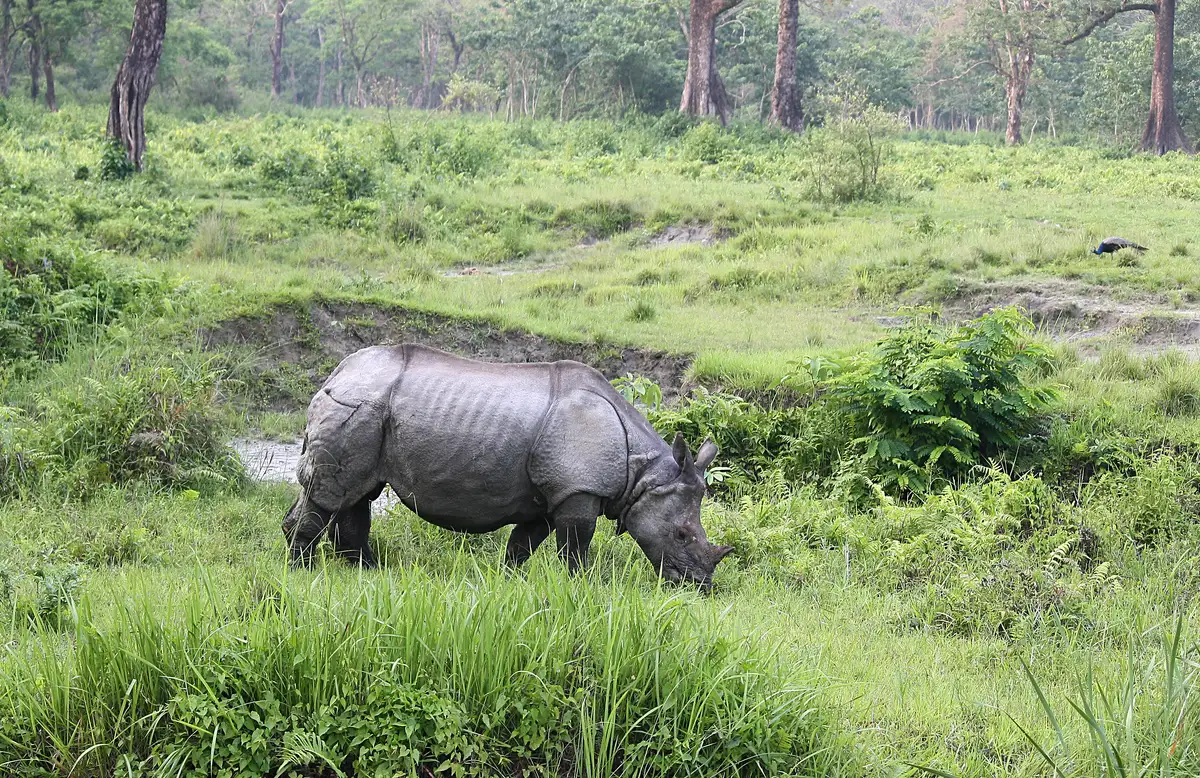 Off-beat
Dooars Travel Guide: Wildlife, Tea Gardens & Rivers
Complete Dooars guide — the foothill forests of Gorumara, Jaldapara, Chapramari and Buxa, tea gardens, jeep safaris for rhinos and elephants, base towns, and a full visit plan.
 Adventure
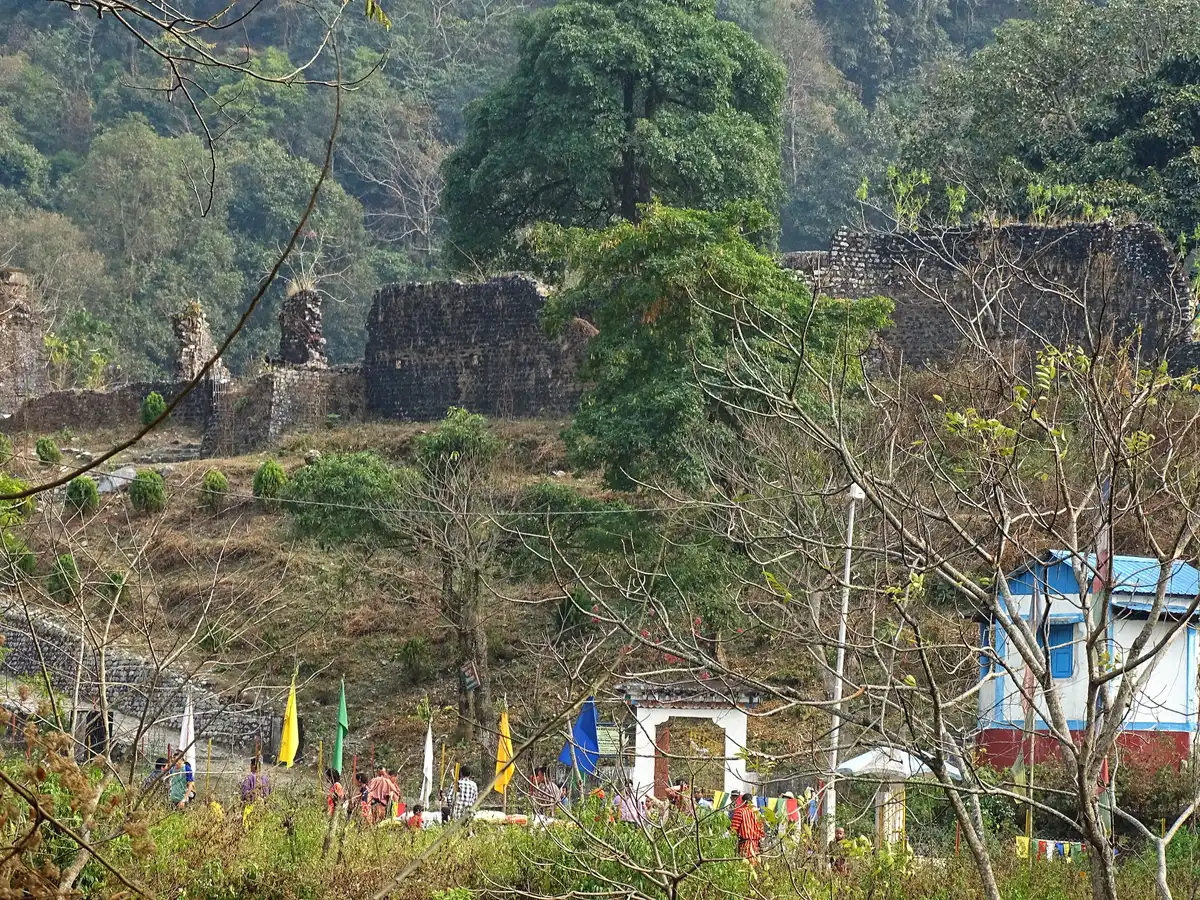
Buxa Tiger Reserve Travel Guide: Trek & Safari
Complete Buxa Tiger Reserve guide — the trek to Buxa Fort, Jayanti river & village, permits, how to reach from Alipurduar, where to stay, and a full visit plan.
 Adventure
Dudhwa National Park: Tiger & Rhino Safari Guide
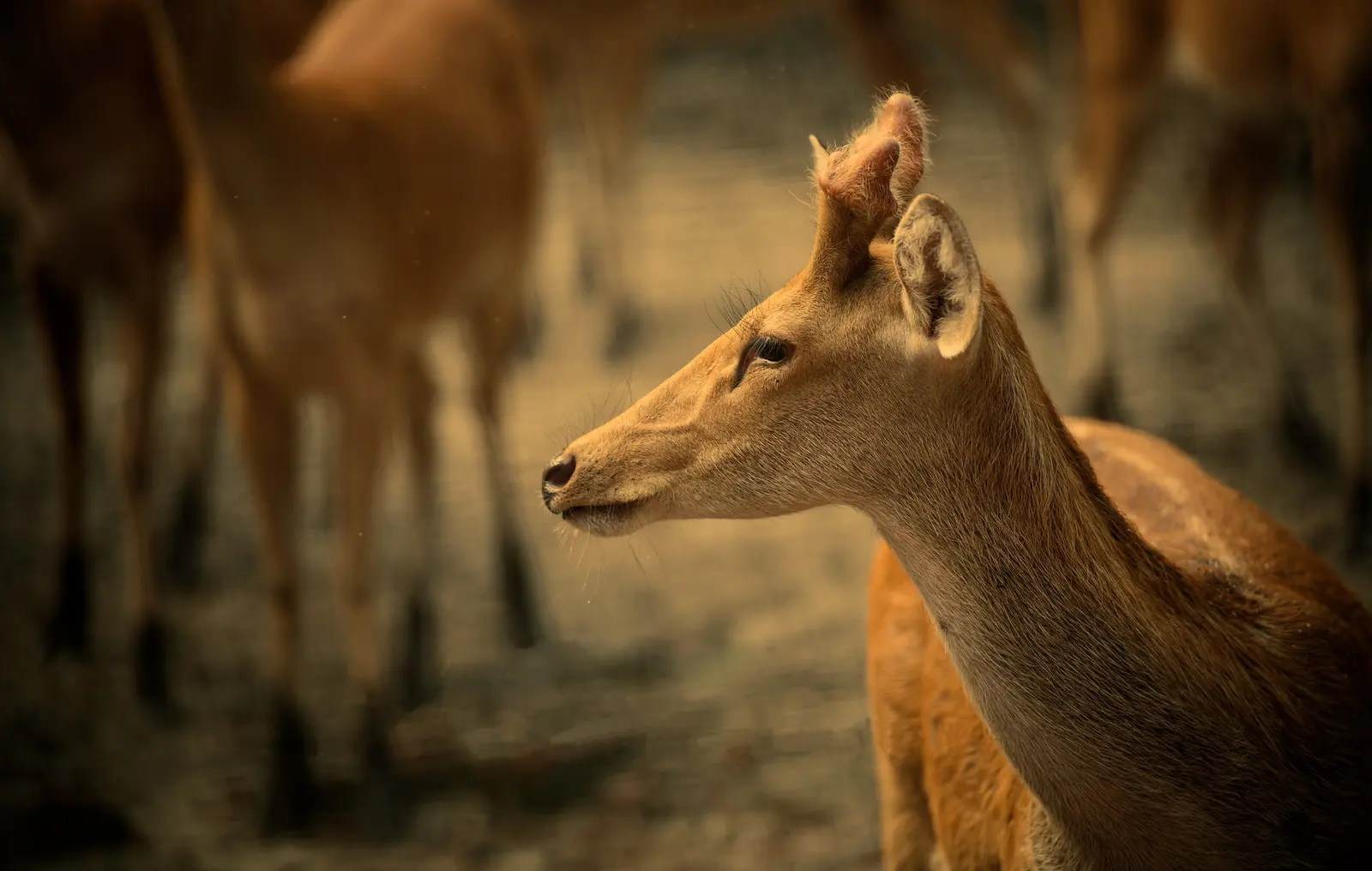
Complete Dudhwa National Park guide — Bengal tigers, the reintroduced one-horned rhinoceros, barasingha, safari ranges, and a full visit plan.
 Wildlife Tourism
Best Wildlife Safaris in India: Jeep, Canter, Boat and Walking Safaris
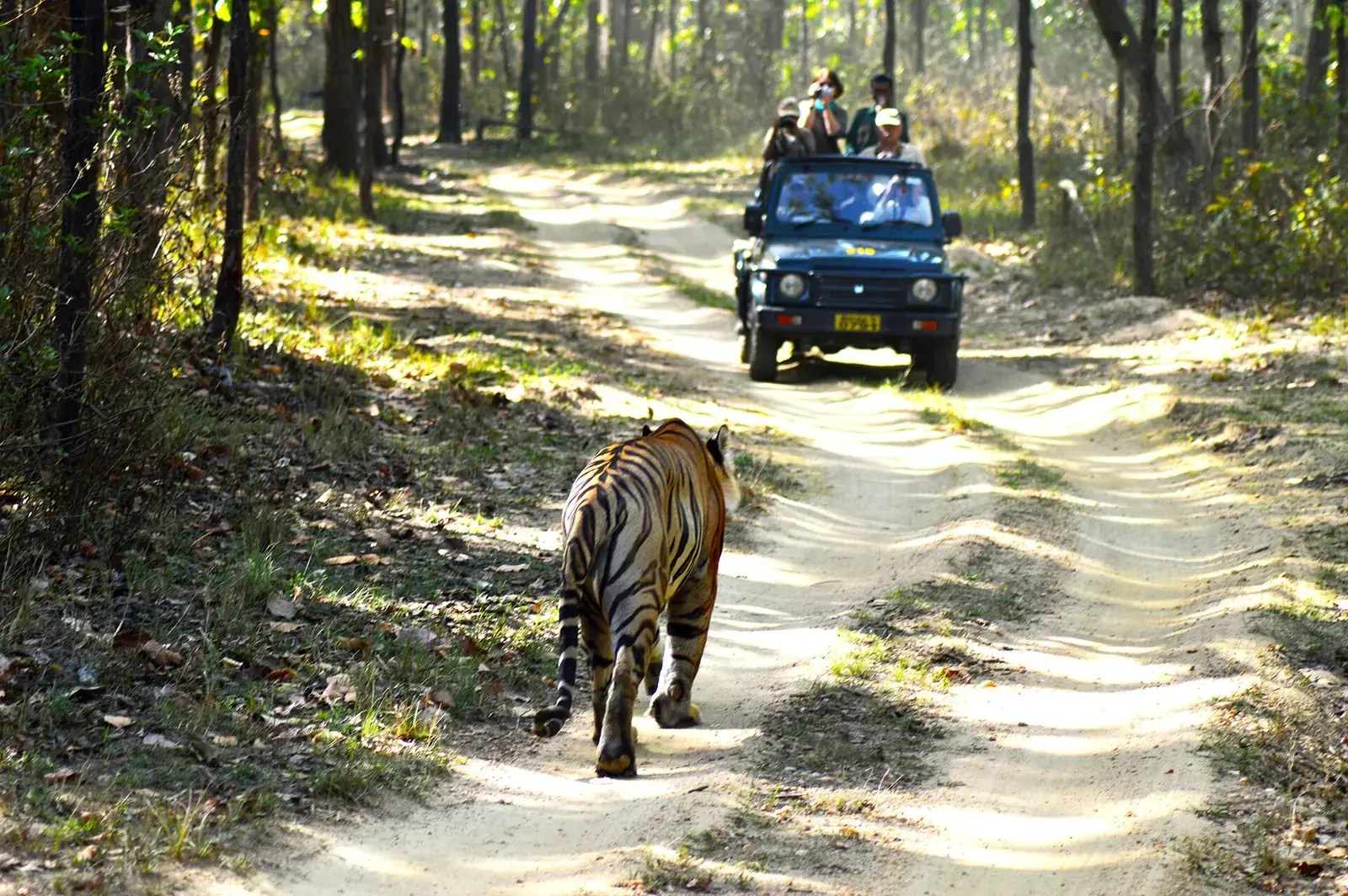
A guide to the kinds of wildlife safari in India and where to take each: jeep (gypsy) and canter safaris in tiger reserves, elephant rides in Kaziranga and their welfare questions, boat safaris in the Sundarbans, Periyar, Chambal and Bhitarkanika, walking safaris in Satpura, cycle-rickshaw and bicycle tours in Keoladeo, night safaris in some buffers, and how to choose.