The Gateway Foothills
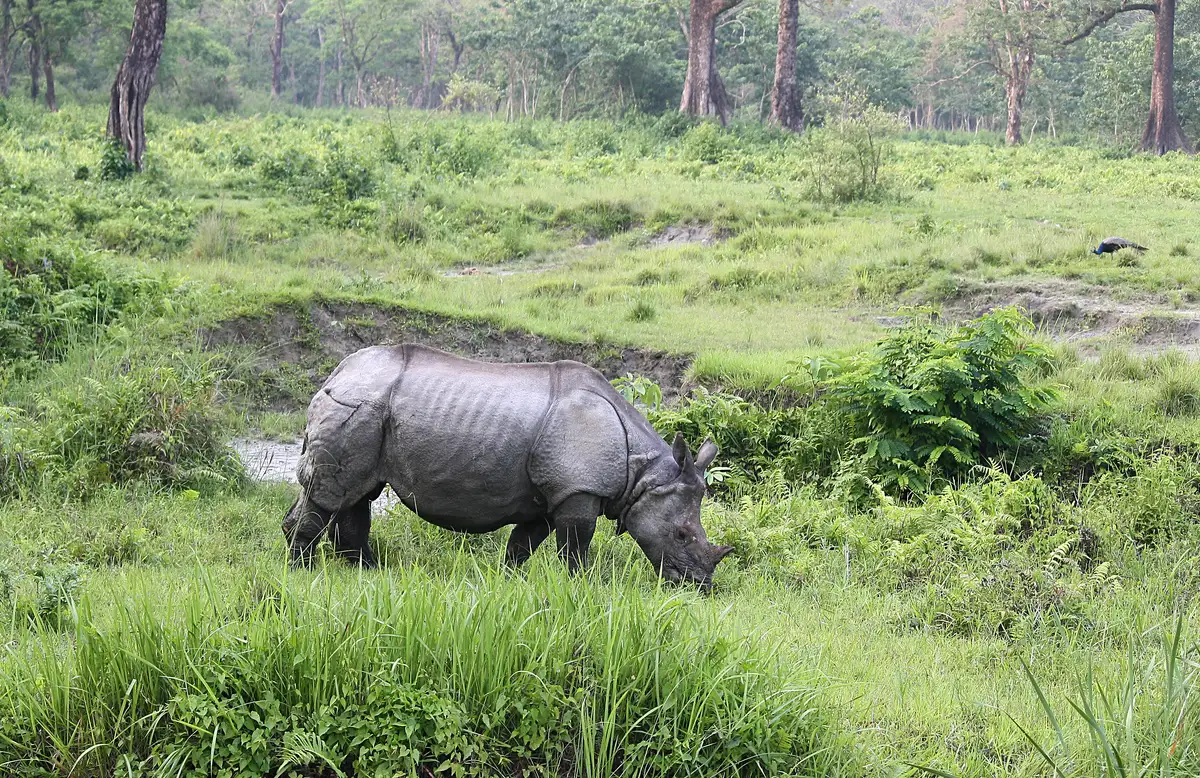
The Dooars (also spelled Duars, meaning "doors") is the wide belt of forested plains and rolling tea gardens that runs along the base of the Darjeeling and Kalimpong hills in northern West Bengal. Where the hill towns are about altitude and mountain views, the Dooars are about density — thick sal forests, grassland teeming with one-horned rhinos and wild elephants, and rivers like the Teesta, Jaldhaka, and Murti flowing straight down from the Himalayas.
The region is a patchwork of protected areas rather than one single park: Gorumara and its adjoining Chapramari Wildlife Sanctuary sit toward the west near Lataguri; Jaldapara National Park, the state's largest rhino habitat, lies further east; and Buxa Tiger Reserve sits near the Bhutan border. Each has its own character and is worth a dedicated visit rather than a rushed drive-through — our Gorumara National Park guide covers that park in full detail, and separate guides cover Buxa and Cooch Behar for those extending further east.
Beyond wildlife, the Dooars are also tea country in their own right, with estates spread across the plains rather than terraced hillsides, and a scattering of quiet border villages like Bindu and Jhalong along the Jaldhaka river that make for a slower, less touristed side of the trip.
🌳 Dooars at a Glance
Love the outdoors? See our guide to forest destinations in India.
Comparing hill stations? See our guide to tea tourism in India.
Planning a wildlife trip? See our guide to where to see rhinos in India.
Best Time to Visit the Dooars
The Dooars are essentially a safari destination, so the forest department's park calendar drives timing far more than general weather comfort.
Cool, dry weather with the grass cut low after monsoon regrowth, giving the clearest sightlines for rhino and elephant safaris.
Parks remain open until mid-June; increasingly hot but grasslands and waterholes concentrate wildlife, often improving sightings before the closure.
Most national parks and sanctuaries close entirely for the monsoon and the animals' breeding season — safaris are unavailable.
Parks reopen gradually after mid-September; grass is still tall in early October, so sightings improve as the month progresses.
Our pick: December to February — cool, dry conditions with low grass cover give the season's best wildlife visibility.
How to Reach the Dooars
Siliguri is the practical gateway to the whole region, from where roads fan out to the various parks and base towns.
- By Air: Bagdogra Airport (IXB) is the main gateway, with daily flights from Delhi, Kolkata, Guwahati and other cities. From there, base towns like Lataguri (for Gorumara) or Jaldapara are 1.5-3 hours by road.
- By Rail: New Jalpaiguri (NJP) is the main railhead, with New Mal Junction a useful secondary stop closer to the Gorumara/Lataguri area.
- Getting around the Dooars: The region is spread out, so hired taxis or self-driven vehicles work better than public transport for covering multiple parks and viewpoints in one trip.
Things to Do in the Dooars
Wildlife Parks: Gorumara, Jaldapara, Chapramari & Buxa
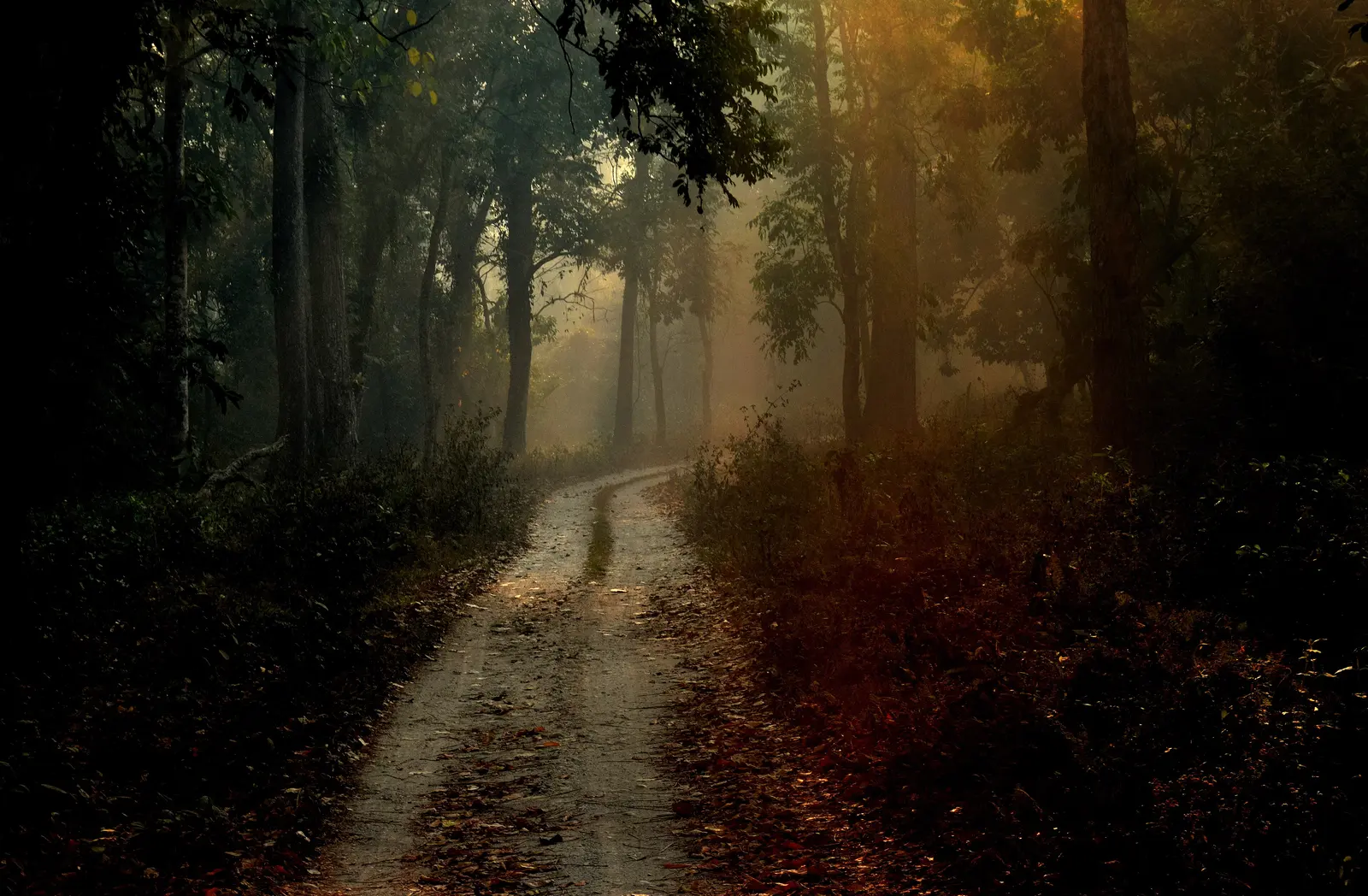
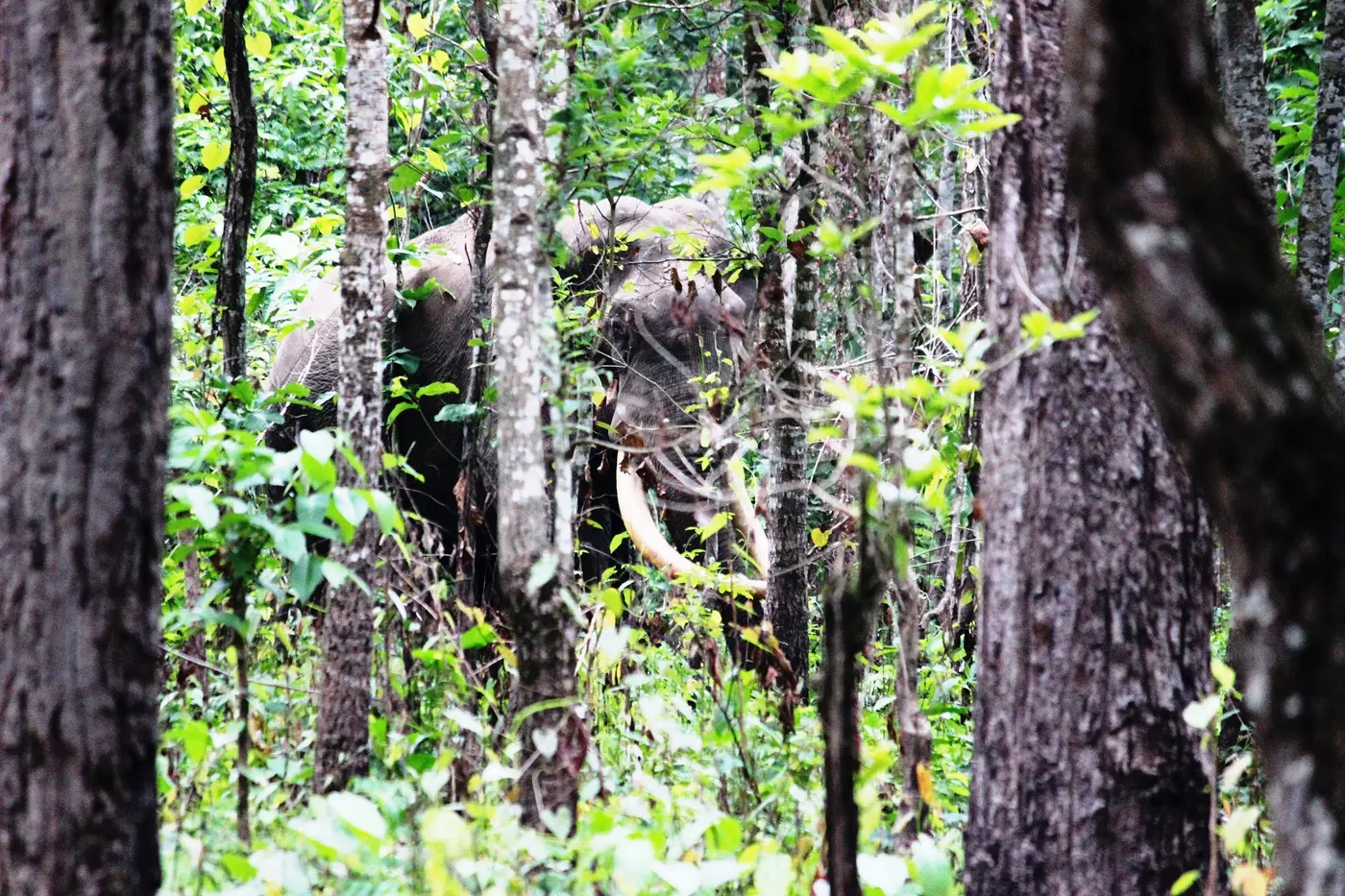
Jeep safaris across the region's protected forests are the main draw, with one-horned rhinos, wild elephants, gaur (Indian bison), and leopards among the sightings. Gorumara, compact and rhino-dense, is covered in full in our dedicated Gorumara guide; Jaldapara's wider grasslands and Chapramari's elephant corridors each deserve their own separate safari day rather than being squeezed into one park visit.
Tea Garden Visits
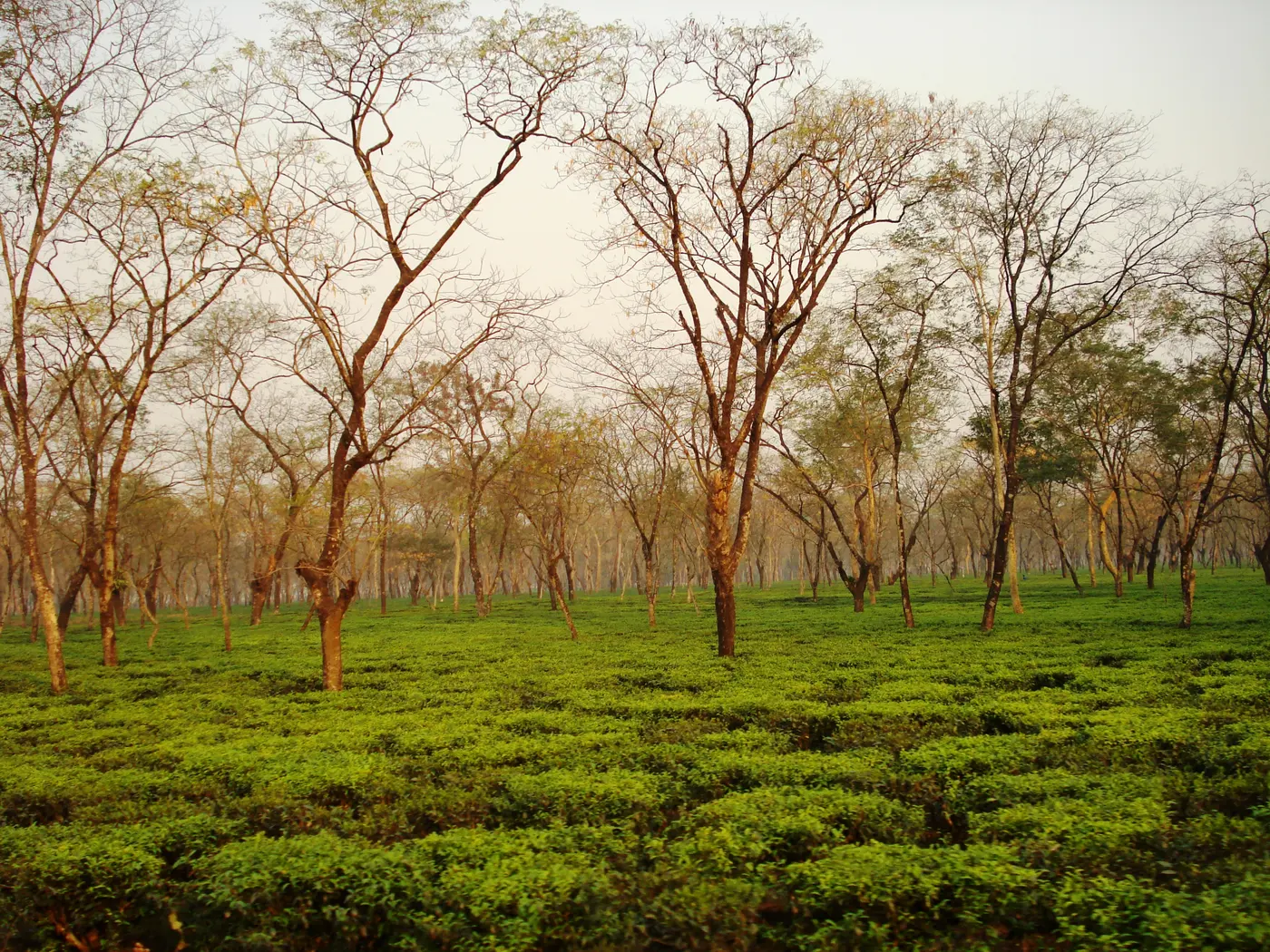
Unlike the terraced hill gardens of Darjeeling, Dooars tea estates spread across flat plains, many open for walking tours near towns like Malbazar and Chalsa — a good half-day add-on between safaris.
Rivers: Teesta, Jaldhaka & Murti
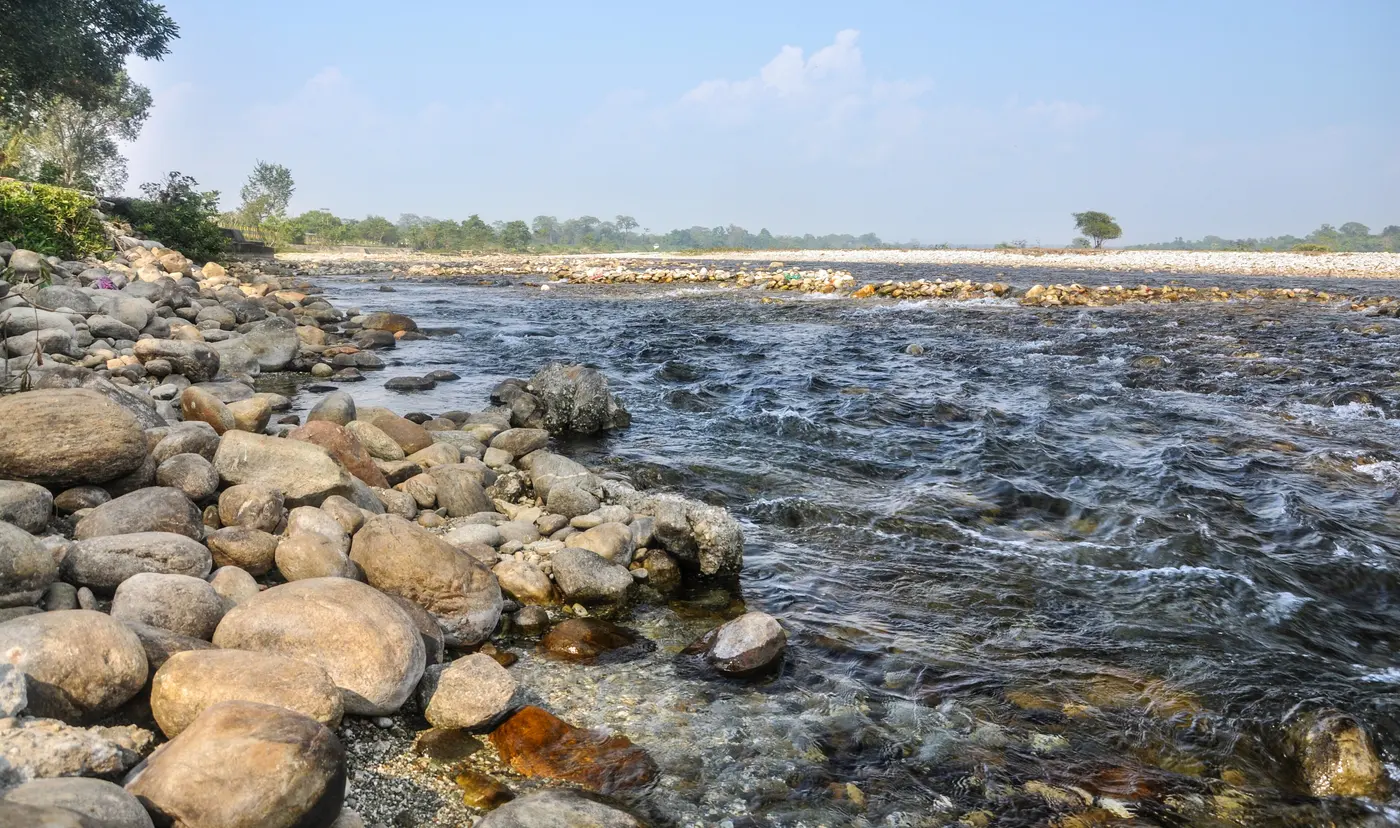
The rivers rolling down from the hills define much of the region's landscape and recreation. The Murti river near Lataguri is a popular riverside picnic and camping spot, while the Jaldhaka feeds the quiet border villages of Bindu and Jhalong further north.
Bindu & Jhalong Border Villages
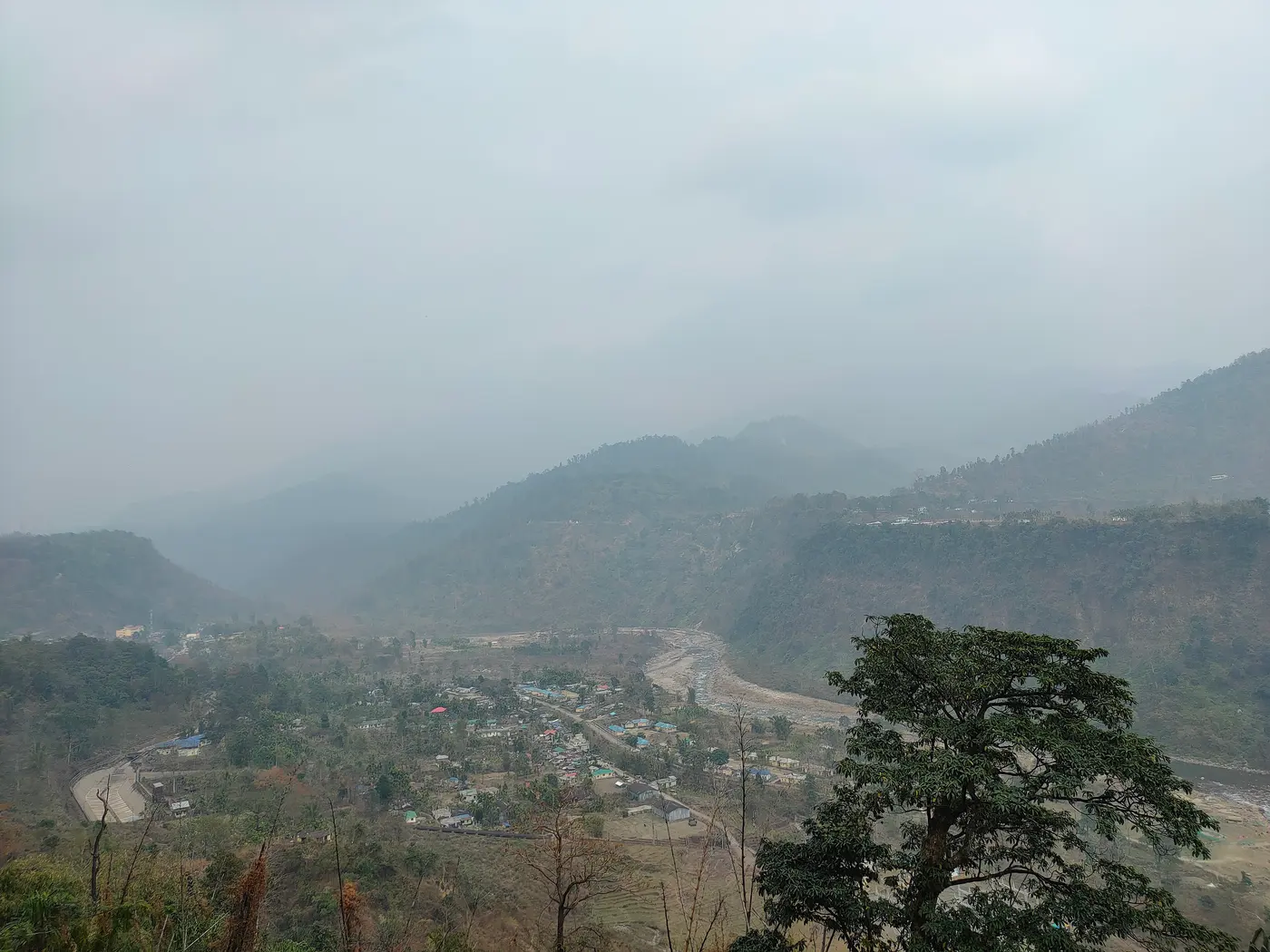
Tucked right against the Bhutan border, these small villages along the Jaldhaka river offer a slower, far-less-touristed side of the Dooars — good for a quiet overnight away from the safari circuit, with river views and forest walks.
Mahakal Dham, Samsing & Suntaleykhola
Samsing and neighbouring Suntaleykhola are small forested hamlets known for orange orchards and easy nature walks, with the Mahakal Dham temple as a notable pilgrimage stop nearby — a peaceful contrast to the safari-heavy itinerary elsewhere in the region.
Where to Stay in the Dooars
Most accommodation clusters in base towns near the parks — Lataguri for Gorumara/Chapramari, and Jaldapara's surrounding villages for that park — plus a scattering of forest rest houses and riverside resorts.
- → Simple lodges in Lataguri/Malbazar
- → Forest rest houses (advance booking needed)
- → Basic homestays near border villages
- → Riverside resorts near Murti/Jaldapara
- → Tea-estate-adjacent guesthouses
- → Mid-size wildlife lodges
- → Premium forest-view safari resorts
- → Heritage tea-estate bungalow stays
- → High-end riverside properties
Suggested Visit Plan (4 Days)
Arrival & Gorumara
- ✓Arrive via Bagdogra, transfer to Lataguri
- ✓Afternoon jeep safari in Gorumara
- ✓Evening at Murti riverside
Chapramari & Tea Gardens
- ✓Morning safari in Chapramari Wildlife Sanctuary
- ✓Afternoon tea garden walk near Malbazar
- ✓Evening at leisure
Jaldapara
- ✓Transfer to Jaldapara base area
- ✓Morning and evening safaris for rhino sightings
- ✓Overnight near the park
Border Villages & Departure
- ✓Morning at Bindu or Jhalong along the Jaldhaka
- ✓Return toward Bagdogra/NJP for departure
* Wildlife-focused travellers extending further east should add dedicated days for Buxa Tiger Reserve and Cooch Behar.
Where to Eat in the Dooars
- Lodge and resort kitchens: Most stays in base towns serve set meals — Bengali thalis, simple North Indian fare, and occasionally regional Rajbanshi dishes specific to the area.
- Local dhabas near Lataguri/Malbazar: Basic but reliable stops for rice, dal, and fish curry between safari drives.
- Fresh river fish: Where available, river fish curries are a regional specialty worth seeking out at local eateries.
Budget Breakdown
| Expense | Budget | Mid-Range | Luxury |
|---|---|---|---|
| Accommodation/night | ₹1,500 | ₹4,000 | ₹12,000 |
| Food/day | ₹500 | ₹1,200 | ₹3,000 |
| Jeep safari (per drive) | ₹1,500 | ₹2,000 | ₹2,500 |
| Local transport/day | ₹800 | ₹1,800 | ₹3,500 |
* Jeep safari cost is per vehicle, typically shared across 4-6 people, and is priced per drive rather than daily.
Essential Tips for Visiting the Dooars
- Book safaris in advance: Jeep permits for popular parks like Gorumara and Jaldapara are limited each day — book through your lodge or the forest department ahead of arrival, especially in peak season.
- Confirm park open dates each year: Exact reopening dates after the mid-June to mid-September closure can shift slightly — check before finalising a trip near those edges.
- Hire a car for the whole trip: The Dooars are spread out, and a hired vehicle for the duration is far more efficient than arranging separate transport for each park.
- Carry cash outside base towns: ATMs thin out quickly once you're near the parks or border villages.
- Pick one or two parks, not all four: Trying to cover Gorumara, Jaldapara, Chapramari, and Buxa in a short trip usually means rushed, less rewarding safaris — pick fewer and go deeper.
✅ Do
- →Book jeep safaris ahead in peak season
- →Hire a car for the whole multi-park trip
- →Visit between November and April for best sightings
- →Carry cash before heading to remote parks
- →Add a quiet day at Bindu or Jhalong
- →Focus on one or two parks rather than all four
❌ Don't
- →Show up expecting walk-in safari permits
- →Plan a visit during the mid-Jun to mid-Sep closure
- →Rely on public transport between parks
- →Assume ATM access near the border villages
- →Cram four parks into a 3-day trip
- →Skip confirming reopening dates near season edges
Frequently Asked Questions
What does 'Dooars' mean and where is it?
Dooars (also spelled Duars) means 'doors' in reference to the region's role as a gateway between the plains of Bengal and the hills of Bhutan and Sikkim. It's the flat, forested foothill belt of northern West Bengal, sitting below the Darjeeling and Kalimpong hills, running roughly from the Teesta river in the west to the Sankosh river in the east near the Assam border.
What is the difference between Gorumara, Jaldapara, Chapramari and Buxa?
All four are protected forest areas within the wider Dooars region, each with its own character. Gorumara is compact and dense with rhino sightings; Jaldapara is West Bengal's largest rhino habitat with wide grasslands; Chapramari is a smaller sanctuary adjoining Gorumara, good for elephant sightings; and Buxa Tiger Reserve, further east near Bhutan, is more forested and less about open-grassland safaris. Each deserves its own dedicated visit if wildlife is your main focus.
How do I reach the Dooars?
Bagdogra Airport and New Jalpaiguri (NJP) railway station are the main gateways, both near Siliguri. From there, base towns like Lataguri, Malbazar, and Jaldapara are reached by road, typically 1.5-3 hours depending on which part of the Dooars you're heading to. New Mal Junction is a useful secondary railhead for the Gorumara/Lataguri area.
When are the Dooars' national parks closed?
Most parks and sanctuaries in the Dooars, including Gorumara and Jaldapara, close from mid-June to mid-September for the monsoon and the animals' breeding season. Plan safari-focused visits between October and May, with November to April generally offering the best sightings.
How many days should I spend in the Dooars?
3-4 days lets you cover one or two parks properly with multiple safaris, plus a tea garden visit and perhaps a riverside stop at Bindu or Jhalong. Wildlife enthusiasts wanting to cover Gorumara, Jaldapara, and Buxa separately should budget closer to a week, since they're spread across the region rather than clustered together.
Published by the Kudozz Club editorial team · Last updated · How we research our guides
Want us to plan this trip for you?
Tell Kudozz Club where you want to go and what kind of trip you’re looking for. We’ll build a Dooars and West Bengal itinerary around your dates and budget.
Continue Exploring
View all guides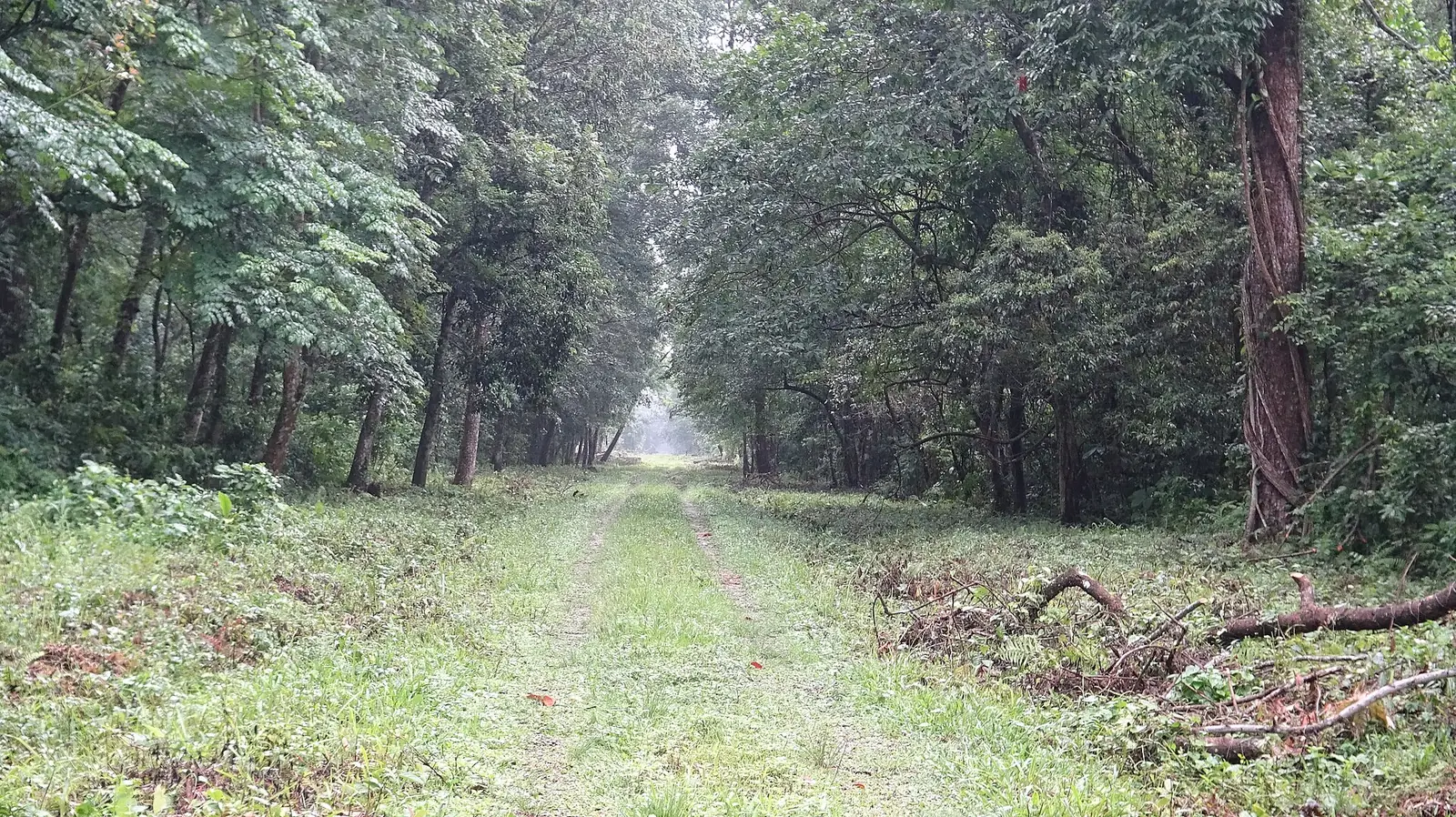 Adventure
Gorumara National Park: Safari, Timings & Tips
Complete Gorumara National Park guide — rhino and elephant jeep safaris, watchtowers, safari timings, Murti riverside stays, Chapramari sanctuary, and how to plan your visit.
 Off-beat
Mukutmanipur Travel Guide: Dam, Boating & Tips
Complete Mukutmanipur guide — one of India's largest earthen dams, reservoir boating, Bhairavi Temple, Pareshnath Hill, how to reach from Kolkata, and a full visit plan.
 Off-beat
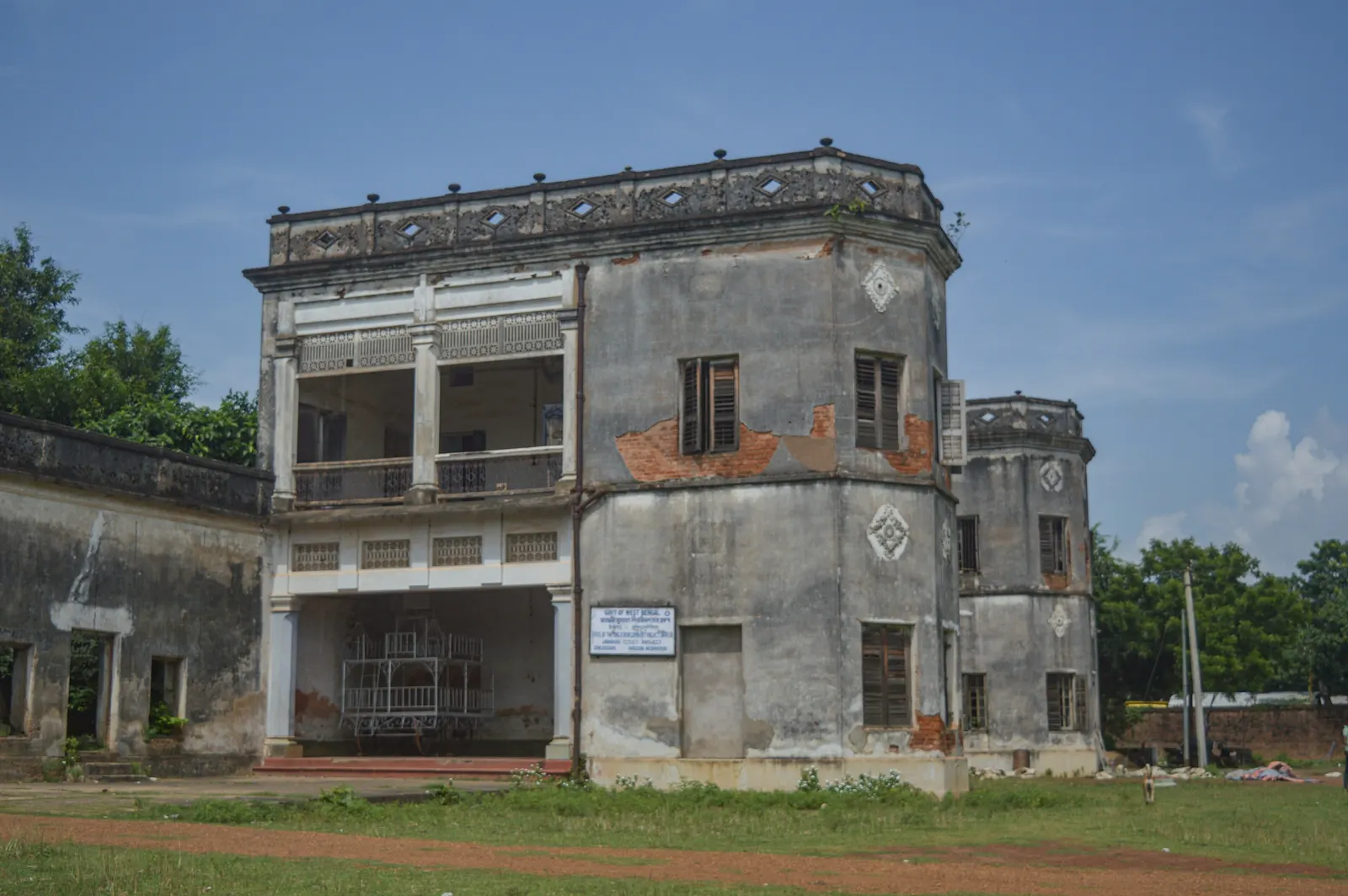
Jhargram Travel Guide: Forests, Palace & Deer Park
Complete Jhargram guide — the Raj Palace, Deer Park, Kanak Durga Temple, Belpahari's forests, how to reach from Kolkata by train, where to stay, and a full visit plan.
 Off-beat
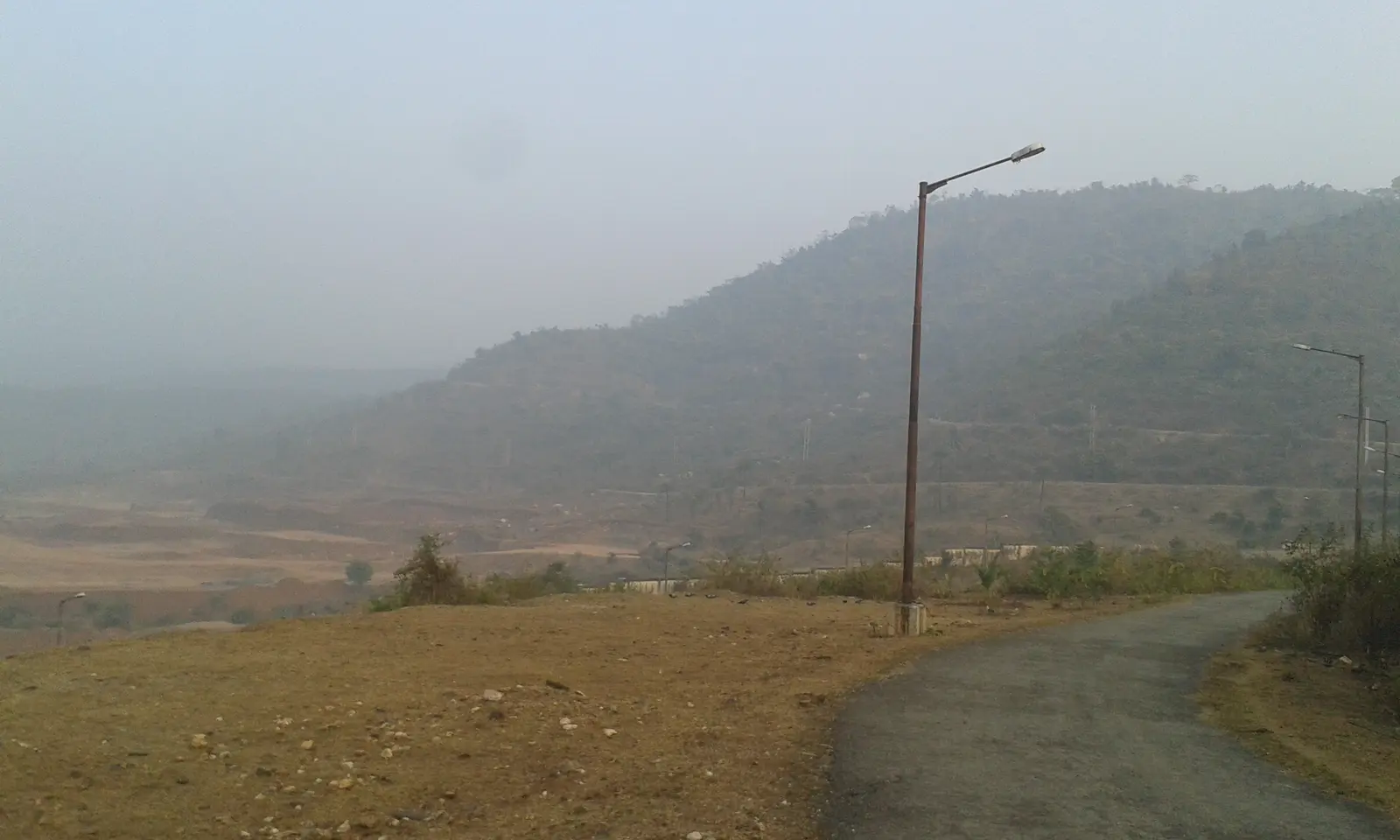
Ajodhya Hills Travel Guide: Trekking & Tribal Culture
Complete Ajodhya Hills guide — Bamni Falls, Turga Falls, Murguma Dam, Marble Lake, trekking trails, Chhau dance heritage, how to reach from Purulia, and a full visit plan.