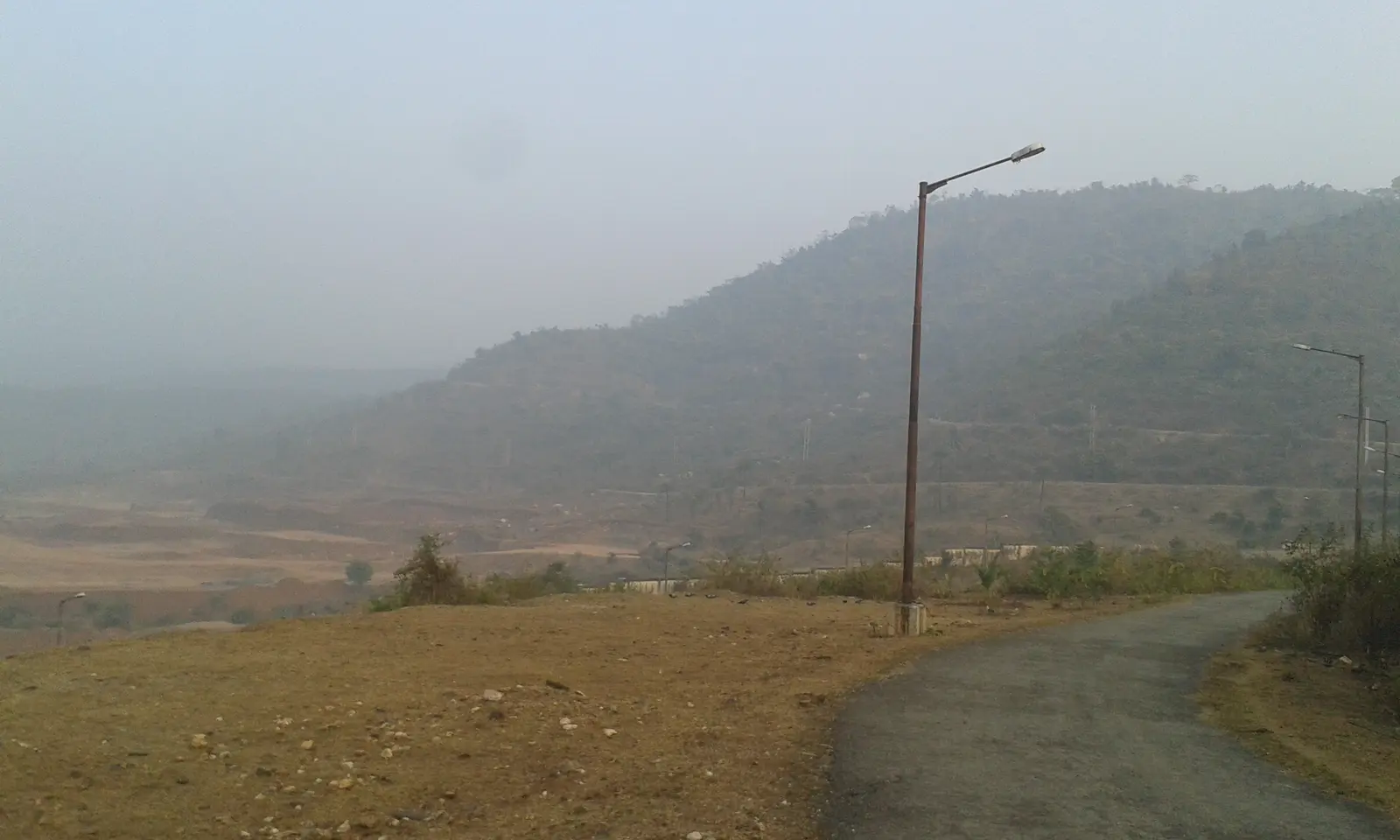
Purulia's Forested Plateau
The Ajodhya Hills rise out of the red laterite plains of Purulia district, in the far southwest of West Bengal, where the state's terrain begins folding into the edge of the Chota Nagpur plateau. It's a landscape of sal forest, granite outcrops, and seasonal waterfalls that feels closer to neighbouring Jharkhand than to the Bengal most travellers picture — quieter, drier, and largely undiscovered outside the state.
Baghmundi is the small town most people use as a base, from where roads climb toward Bamni Falls and Turga Falls, the hills' two best-known cascades, and toward Murguma Dam and Lake, a reservoir ringed by hills that's popular for its stillness and views rather than any single big attraction.
Beyond the scenery, the region is a heartland of Santhal and Munda tribal culture, and of Purulia Chhau, the masked martial-folk dance tradition recognised by UNESCO — a reason to plan a visit around a village festival if your dates allow it.
⛰️ Ajodhya Hills at a Glance
Best Time to Visit Ajodhya Hills
The hills change character sharply across the year, from dry winter clarity to a dramatically green monsoon.
Dry, cool, and comfortable for trekking, with clear views from the plateau's viewpoints. This is also the season for Chhau performances at local festivals.
Increasingly hot on the plains and the waterfalls thin out considerably — still visitable, but less rewarding than winter or monsoon.
Bamni and Turga Falls run at their fullest and the hills turn a vivid green, but trails become slippery and less safe for trekking.
The best window to catch a Chhau performance in a Purulia village, alongside the year's most comfortable weather for exploring.
Our pick: November to February — dry trails, cool weather, and the best odds of catching a Chhau performance in a nearby village.
How to Reach Ajodhya Hills
Ajodhya Hills sits well off the main rail and highway network, so most visits combine a train to Purulia with a road transfer, or a longer direct drive from Kolkata.
- By rail to Purulia Junction: The nearest major railhead, roughly 40 km from the hills, with regular trains from Kolkata (Howrah). From Purulia town, taxis and shared vehicles cover the rest of the way to Baghmundi.
- By road from Kolkata: Around 280 km and 6-7 hours by car via Bankura and Purulia town — a long but manageable day's drive, often better split with an overnight stop.
- Getting around locally: Once at Baghmundi, hired jeeps or taxis are the practical way to reach Bamni Falls, Turga Falls, and Murguma Dam, as public transport between these spots is sparse.
Waterfalls, Treks & Culture
Bamni Falls & Turga Falls
The two best-known cascades in the hills, both reached by a short walk from the nearest road point through sal forest. Bamni Falls tumbles over a series of granite steps and is the more accessible of the two; Turga Falls sits deeper into the hills and rewards a slightly longer approach with a quieter, more dramatic setting —both are at their fullest during and just after the monsoon.
Murguma Dam & Lake
A reservoir formed by an earthen dam across the Murguma river, ringed by low hills and forest. It's less about any single sight than the setting itself — a quiet spot for a picnic, a short boat ride, or simply watching the light change over the water toward evening.
Marble Lake (Khairabera) & Gorgaburu Peak
Marble Lake, near Khairabera, is a small but strikingly clear water body inside forest cover, worth the detour for its stillness. For trekkers with more time, the trail toward Gorgaburu — one of the higher points on the plateau — climbs through sal and mahua forest to open viewpoints over the surrounding countryside.
Chhau Dance & Tribal Villages
Purulia's Santhal and Munda villages around the hills keep alive traditions that predate the region's tourism entirely, chief among them Chhau — a masked, martial-arts-influenced dance form performed at village festivals, especially around Chaitra Parva in spring and during the winter tourist season. Ask locally or through your accommodation about any performances happening during your visit.
Where to Stay Near Ajodhya Hills
Accommodation is modest and mostly concentrated around Baghmundi and the forest department's own guesthouses — don't expect resort-style luxury here, and that's part of the appeal.
- → Simple lodges in Baghmundi
- → Forest department rest houses
- → Basic guesthouses near the trailheads
- → Tourist lodges with hill views
- → Small eco-resorts near Murguma
- → Government tourism department properties
- → Boutique nature resorts in the district
- → Private cottages with dedicated staff
- → Full-board packages with guided treks
Suggested Visit Plan (2-3 Days)
Arrival & Waterfalls
- ✓Travel to Baghmundi, check in
- ✓Afternoon at Bamni Falls
- ✓Evening walk around the base town
Turga Falls & Murguma Dam
- ✓Morning trek to Turga Falls
- ✓Afternoon at Murguma Dam and Lake
- ✓Sunset by the reservoir
Marble Lake & Culture
- ✓Morning visit to Marble Lake (Khairabera)
- ✓Stop at a nearby tribal village
- ✓Return journey via Purulia Junction
* Many travellers combine Ajodhya Hills with Mukutmanipur or the terracotta temples of Bishnupur, all within the same Bankura-Purulia belt of southwest Bengal.
Where to Eat Near Ajodhya Hills
- Baghmundi's local dhabas: Simple Bengali thalis — rice, dal, seasonal vegetables, and occasionally fish or chicken curry — are the mainstay here.
- Lodge and guesthouse kitchens: Most accommodation in the area serves home-style meals to guests, often the most reliable food option given how few standalone restaurants exist near the hills.
- Purulia town: If arriving or departing via Purulia Junction, the town itself has a wider spread of eateries for a proper meal before or after the hills.
Budget Breakdown
| Expense | Budget | Mid-Range | Luxury |
|---|---|---|---|
| Accommodation/night | ₹1,200 | ₹3,000 | ₹7,000 |
| Jeep hire/day | ₹1,500 | ₹2,200 | ₹3,000 |
| Food/day | ₹500 | ₹1,000 | ₹2,000 |
| Train to Purulia (round trip) | ₹300 | ₹800 | ₹1,500 |
| Local guide (trek) | ₹500 | ₹800 | ₹1,200 |
* Figures are per person, per day (except train, a round trip figure). Jeep hire is typically shared across a small group.
Essential Tips for Visiting Ajodhya Hills
- Hire a local guide for treks: Trails toward Gorgaburu and the deeper forest are not always clearly marked — a local guide from Baghmundi makes navigation and safety far easier.
- Carry cash: ATM access is limited once away from Purulia town — withdraw what you need in advance.
- Avoid the monsoon for trekking: The waterfalls are spectacular in the rains, but trails turn slippery and less safe — plan waterfall visits for just after monsoon if you want both safety and water flow.
- Pack for cool mornings and evenings: Winter temperatures on the plateau drop noticeably lower than in the plains below.
- Ask about Chhau performances in advance: These are village-scheduled events, not daily shows — check locally or through your accommodation if seeing one matters to your trip.
✅ Do
- →Hire a jeep for the full day from Baghmundi
- →Take a local guide on longer treks
- →Carry enough cash for the whole trip
- →Pack layers for cool hill mornings
- →Ask locally about Chhau performances
- →Combine the trip with Mukutmanipur or Bishnupur
❌ Don't
- →Attempt unmarked trails without a guide
- →Expect wide ATM or card access here
- →Trek to the waterfalls in heavy monsoon rain
- →Expect resort-style luxury accommodation
- →Rely on public transport between sights
- →Skip warm layers for winter evenings
Frequently Asked Questions
Where exactly are the Ajodhya Hills located?
The Ajodhya Hills sit in Purulia district in the far west of West Bengal, on the fringe of the Chota Nagpur plateau near the Jharkhand border. Baghmundi is the main base town for exploring the hills.
How do I reach Ajodhya Hills from Kolkata?
The nearest railhead is Purulia Junction, roughly 40 km from the hills, well connected to Kolkata by train. By road, it's about 280 km and 6-7 hours' drive from Kolkata via Bankura and Purulia town, or you can combine the train to Purulia with a taxi onward.
What is the best time to visit Ajodhya Hills?
October to February is the most comfortable window, with dry weather and cool temperatures ideal for trekking. The monsoon months of June to September turn the hills dramatically green and the waterfalls run full, but trails become slippery and less safe.
Is Ajodhya Hills good for trekking?
Yes — it's one of West Bengal's better trekking destinations, with trails through sal forest leading to viewpoints, waterfalls, and the Gorgaburu peak area. Most treks are moderate rather than technical, suited to reasonably fit beginners with a local guide.
What is Chhau dance and can I see it in Purulia?
Chhau is a semi-classical masked dance form with martial, tribal, and folk-theatre roots, recognised by UNESCO as an Intangible Cultural Heritage. Purulia's version — Purulia Chhau — is especially known for its elaborate masks and vigorous movement, and is performed at village festivals and, increasingly, for visitors during the winter tourist season.
How many days should I plan for Ajodhya Hills?
2 days is enough to cover the main waterfalls, Murguma Dam, and a short trek. A 3rd day lets you add a visit to Marble Lake and explore villages around Baghmundi at a slower pace.
Published by the Kudozz Club editorial team · Last updated · How we research our guides
Want us to plan this trip for you?
Tell Kudozz Club where you want to go and what kind of trip you’re looking for. We’ll build a Ajodhya Hills and West Bengal itinerary around your dates and budget.
Continue Exploring
View all guides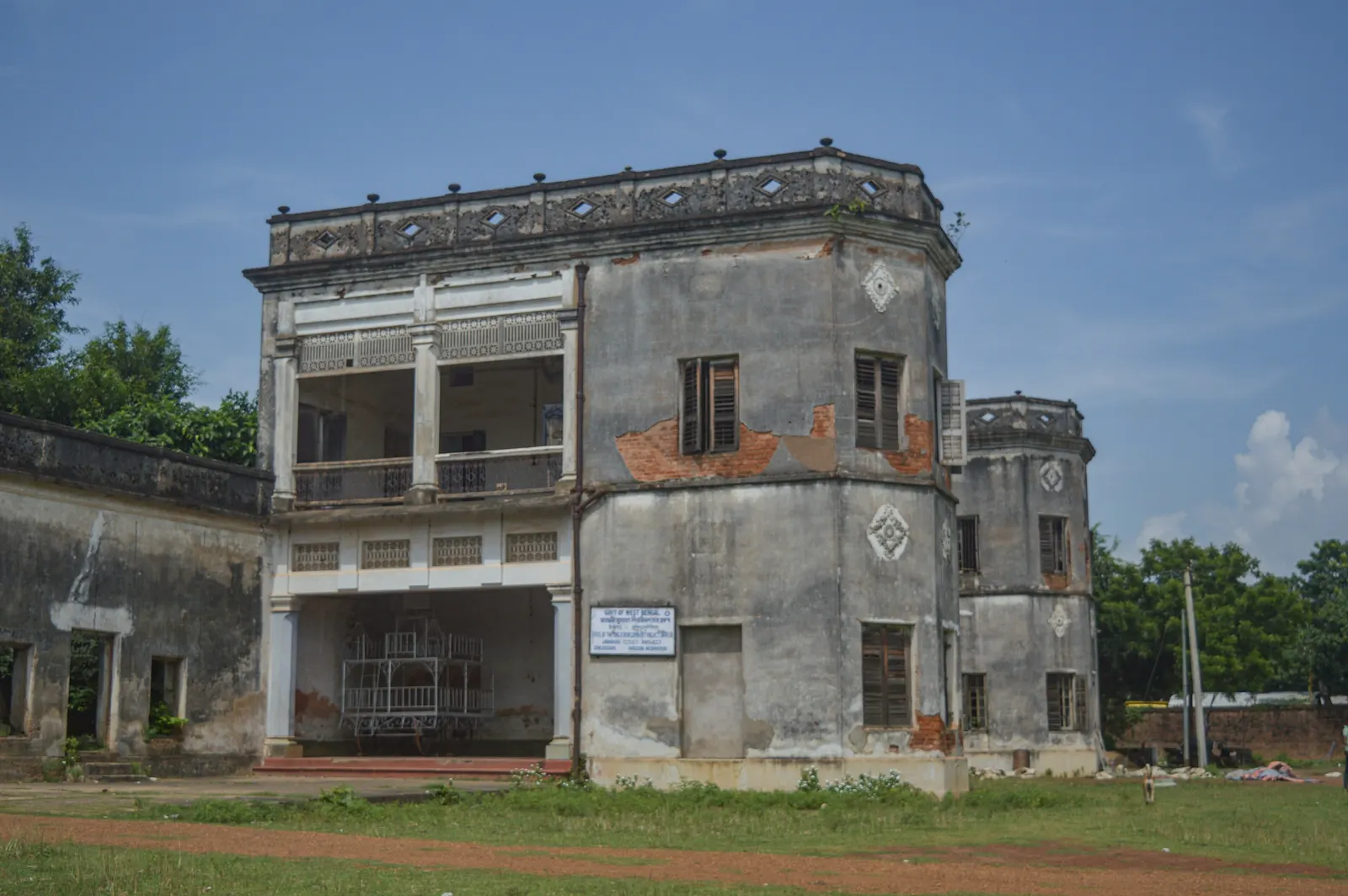 Off-beat
Jhargram Travel Guide: Forests, Palace & Deer Park
Complete Jhargram guide — the Raj Palace, Deer Park, Kanak Durga Temple, Belpahari's forests, how to reach from Kolkata by train, where to stay, and a full visit plan.
 Off-beat
Mukutmanipur Travel Guide: Dam, Boating & Tips
Complete Mukutmanipur guide — one of India's largest earthen dams, reservoir boating, Bhairavi Temple, Pareshnath Hill, how to reach from Kolkata, and a full visit plan.
 Off-beat
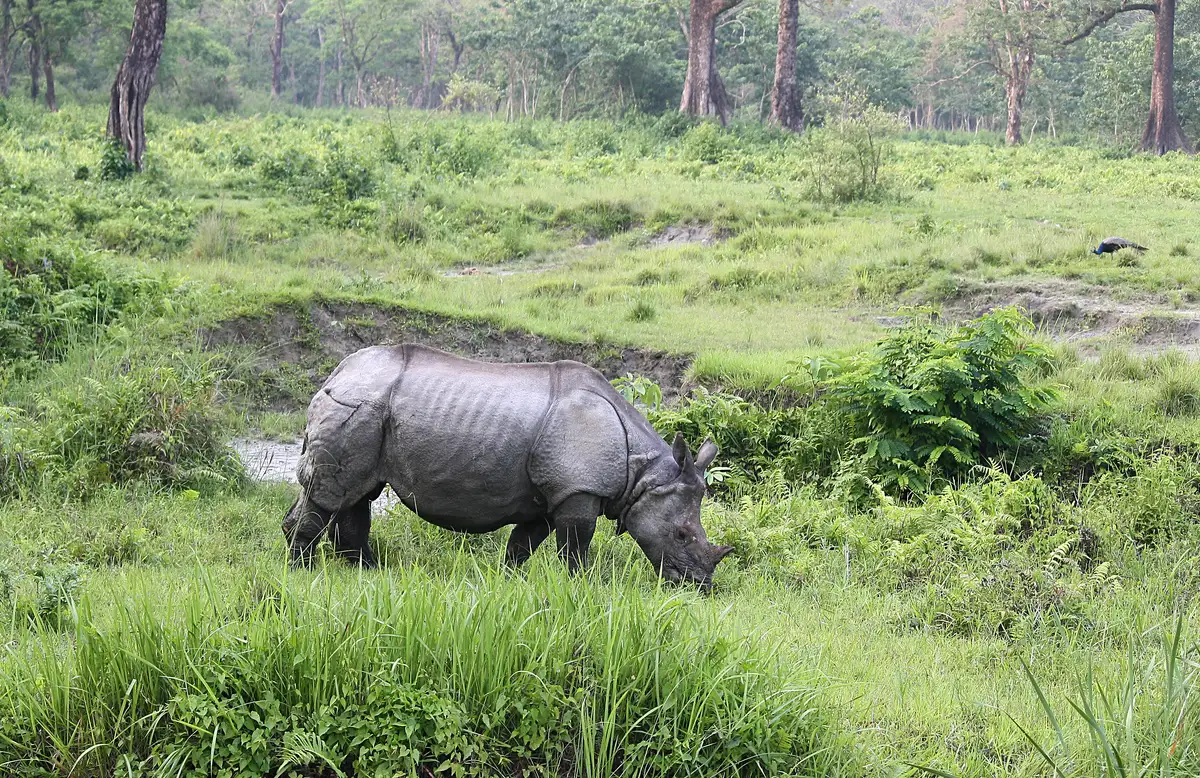
Dooars Travel Guide: Wildlife, Tea Gardens & Rivers
Complete Dooars guide — the foothill forests of Gorumara, Jaldapara, Chapramari and Buxa, tea gardens, jeep safaris for rhinos and elephants, base towns, and a full visit plan.
 Off-beat
Diglipur Travel Guide: Saddle Peak, Kalipur & North Andaman
The farthest major town from Port Blair, and the gateway to the highest point in the Andamans, a turtle-nesting beach, and a twin-island sandbar most tourists never reach.