The Malla Dynasty's Capital
Bishnupur, in Bankura district of West Bengal, served as the capital of the Malla dynasty for nearly a thousand years, reaching its cultural and architectural peak between the 17th and 18th centuries. Lacking access to stone quarries, Malla rulers built their temples from fired brick and terracotta instead — and rather than treating that as a limitation, their artisans turned it into one of India's most distinctive architectural traditions, covering entire temple facades in carved panels depicting scenes from the Ramayana, the Mahabharata, courtly hunts, and everyday rural Bengali life.
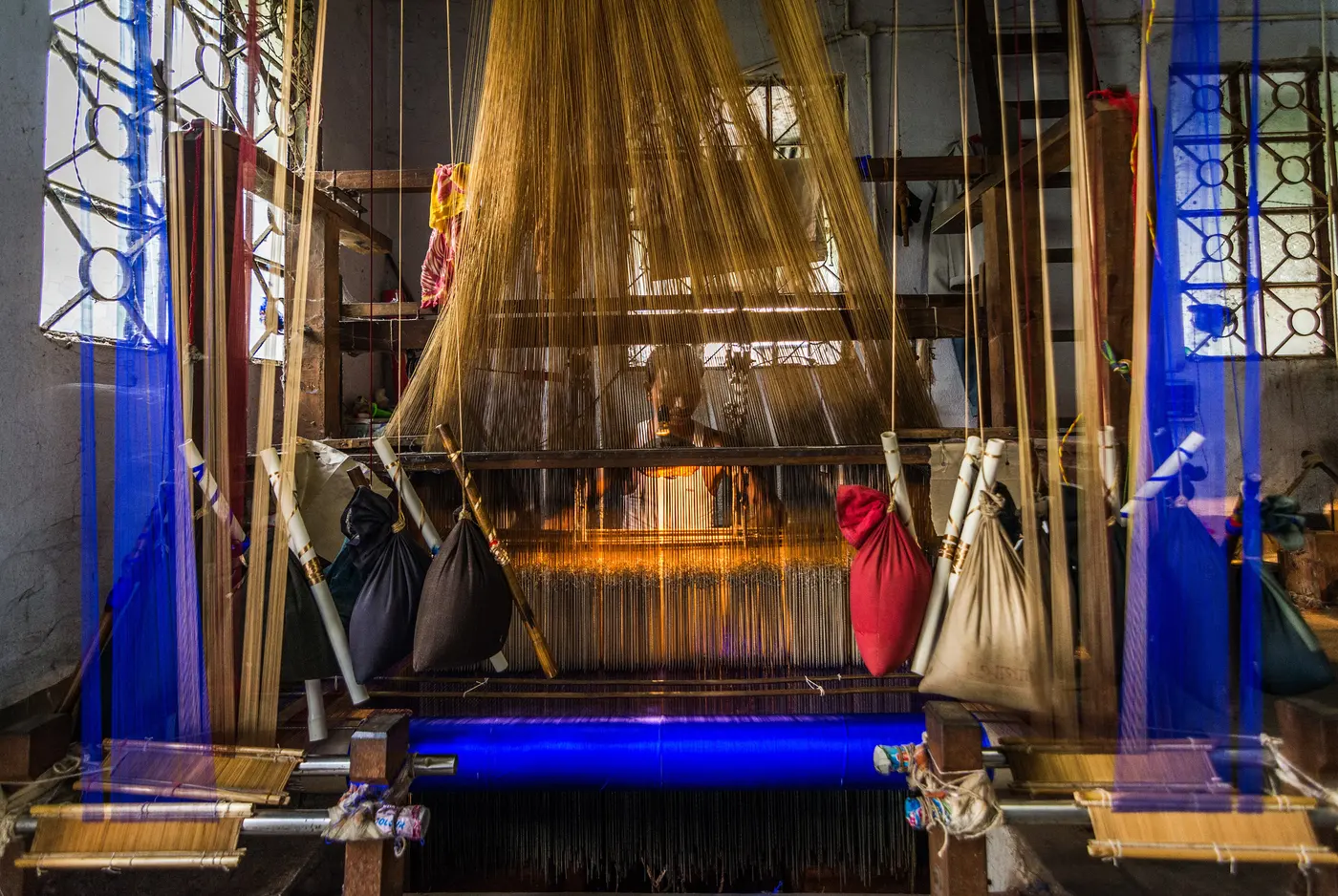
The town's legacy isn't only architectural. Bishnupur also gave rise to its own distinct classical music tradition, the Bishnupur Gharana of Hindustani classical music, and remains one of India's most important centres for Baluchari silk weaving, a GI-tagged craft producing sarees with elaborately woven mythological and courtly scenes.
Today, roughly 200km from Kolkata, Bishnupur is a compact, walkable town where temples, weaving workshops, and quiet residential lanes sit within easy reach of each other — a rewarding day trip or overnight stop for anyone interested in Bengal's pre-colonial history.
🏺 Bishnupur at a Glance
Going by road? See our guide to road trips from Kolkata.
Interested in the history? See our guide to heritage in West Bengal.
Best Time to Visit Bishnupur
Since most of the temple sightseeing happens outdoors and on foot, timing your trip around comfortable weather matters more here than in most West Bengal destinations.
Cool, dry weather makes walking between the various temple clusters comfortable, and clear light is best for photographing the terracotta carvings.
Bankura's dry plains heat up significantly, and the temples offer little shade during the midday hours.
The countryside turns lush and green, but unpaved approaches to some temple sites can get muddy, and heavy rain can disrupt a full day's plan.
Winter months often bring local cultural programmes celebrating the Bishnupur Gharana's classical music tradition — worth checking local listings before you go.
Our pick: October to March — cool enough for a full day of temple-hopping on foot, with good light for photographing the carvings.
How to Reach Bishnupur
- By Train: Bishnupur railway station sits on the Kolkata-Bishnupur-Bankura line, roughly 200km from Howrah, with express trains taking about 4-5 hours — the most comfortable option given the distance.
- By Road: A similar 4-5 hour drive from Kolkata via NH2 and NH14, though traffic through smaller towns along the way can add time.
- Getting around locally: Bishnupur's temple cluster is compact enough to explore mostly on foot, with cycle-rickshaws and autos available for longer hops or for visiting the outlying weaving villages.
The Terracotta Temples
Rasmancha
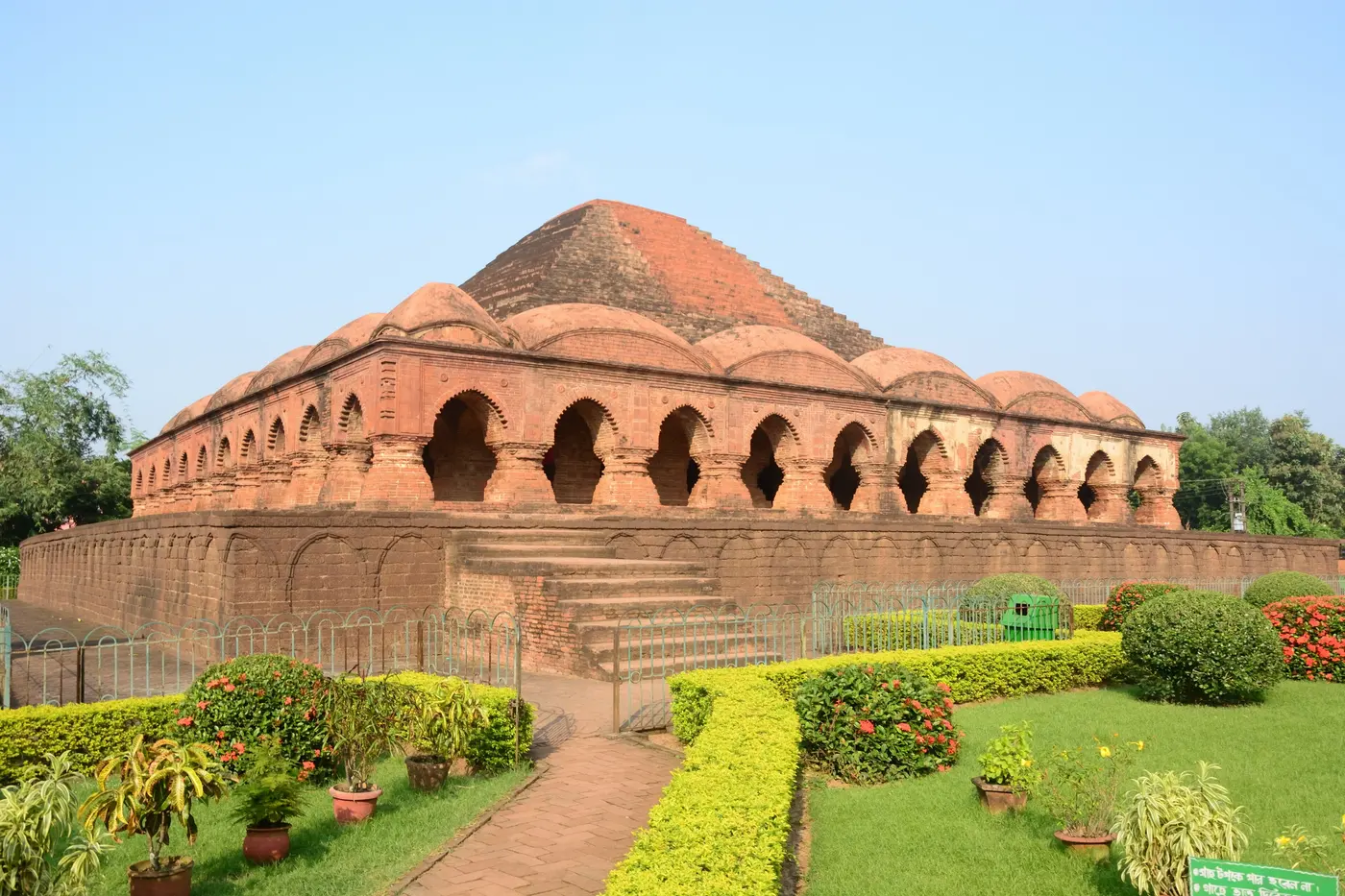
Built around 1600 by King Bir Hambir, Rasmancha is unusual among Bishnupur's monuments in being built of laterite rather than terracotta brick, with a distinctive pyramidal roof and rows of arched galleries. It was constructed to house the deities of all the town's temples during the annual Ras festival, when idols were brought together for communal worship — a practice unique to the site.
Jor Bangla Temple
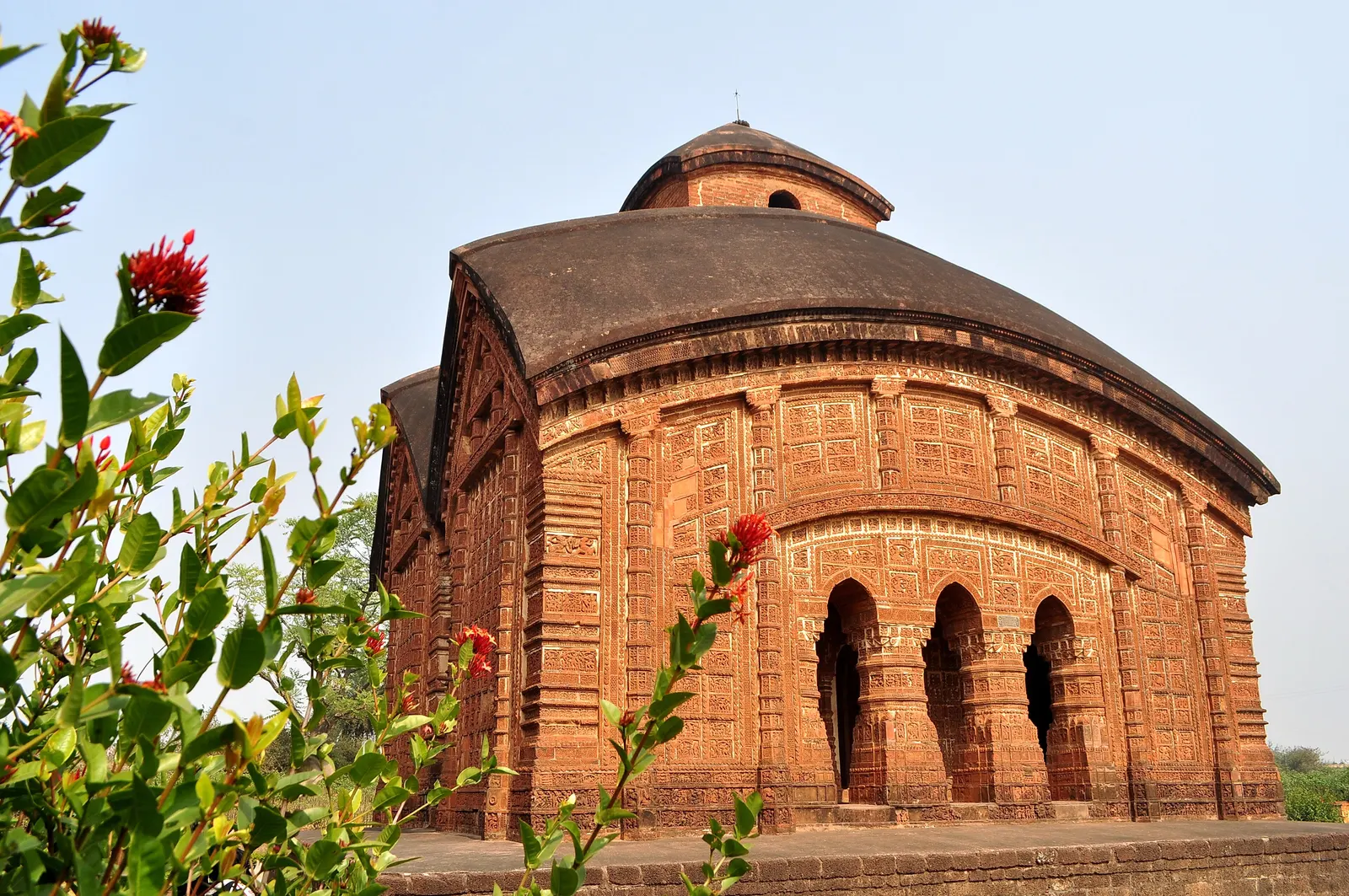
Built in 1655, Jor Bangla ("twin-hut") gets its name from its distinctive roof, mimicking the curved thatched huts of rural Bengal in fired brick. Every inch of its exterior walls is covered in relief carvings depicting battle scenes, hunting expeditions, and episodes from the Hindu epics, in some of the finest and best-preserved terracotta work in the town.
Madan Mohan Temple
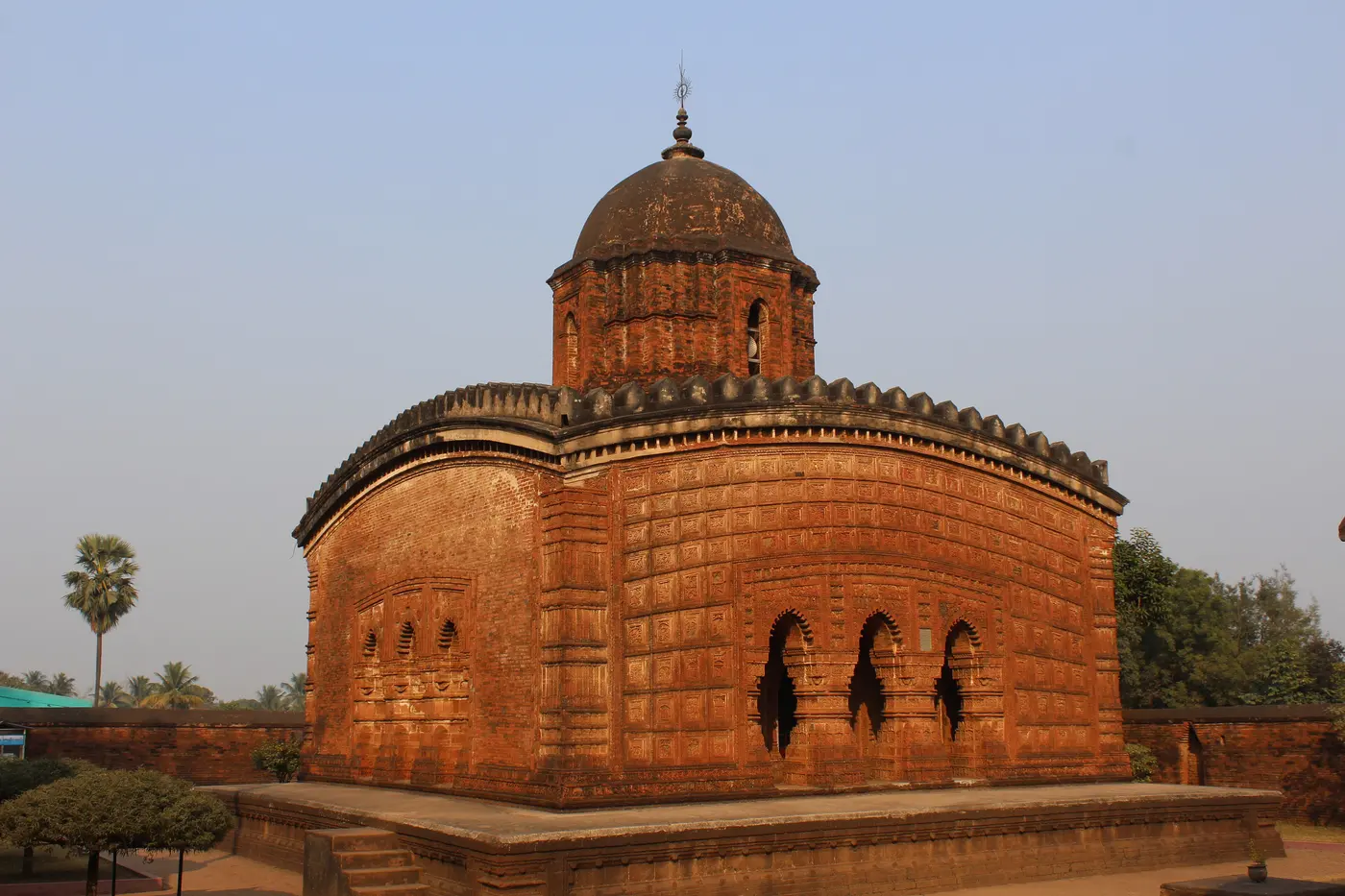
A later addition, built in 1694, dedicated to Krishna and still an active place of worship today, distinguishing it from several of the town's other temples now maintained purely as monuments. Its carved panels focus heavily on scenes from Krishna's life.
Shyam Rai & Keshta Rai Temples
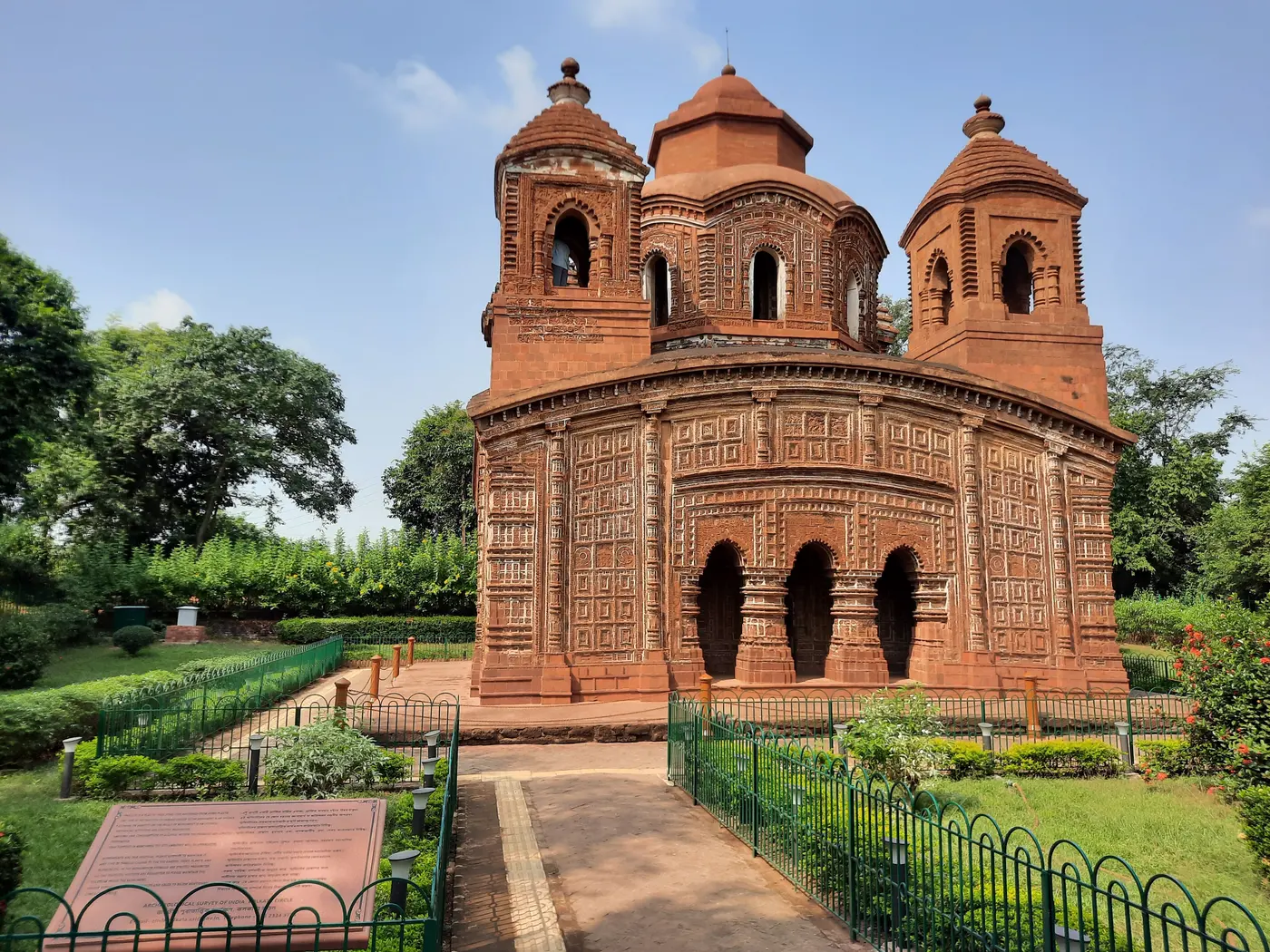
Shyam Rai, built in 1643, is notable for its distinctive pancharatna ("five-spired") architecture, a style that later influenced temple design across Bengal. Nearby, the smaller Keshta Rai temple rounds out the cluster — together, these sites are best explored slowly over a few hours, on foot, rather than rushed as a checklist.
Music & Baluchari Weaving
Bishnupur's cultural legacy extends well beyond its temples, into two living traditions still practiced in the town today.
- Bishnupur Gharana: A distinct tradition (or "school") of Hindustani classical vocal music that developed under Malla royal patronage, known for its emphasis on dhrupad-influenced singing — still taught and performed locally, particularly during winter cultural programmes.
- Baluchari sarees: Handwoven silk sarees famous for their elaborate pallu designs, depicting mythological scenes, courtly processions, or even trains and steamships, woven directly into the fabric on traditional jacquard looms. The craft carries a Geographical Indication (GI) tag tied specifically to the Bishnupur-Bankura region.
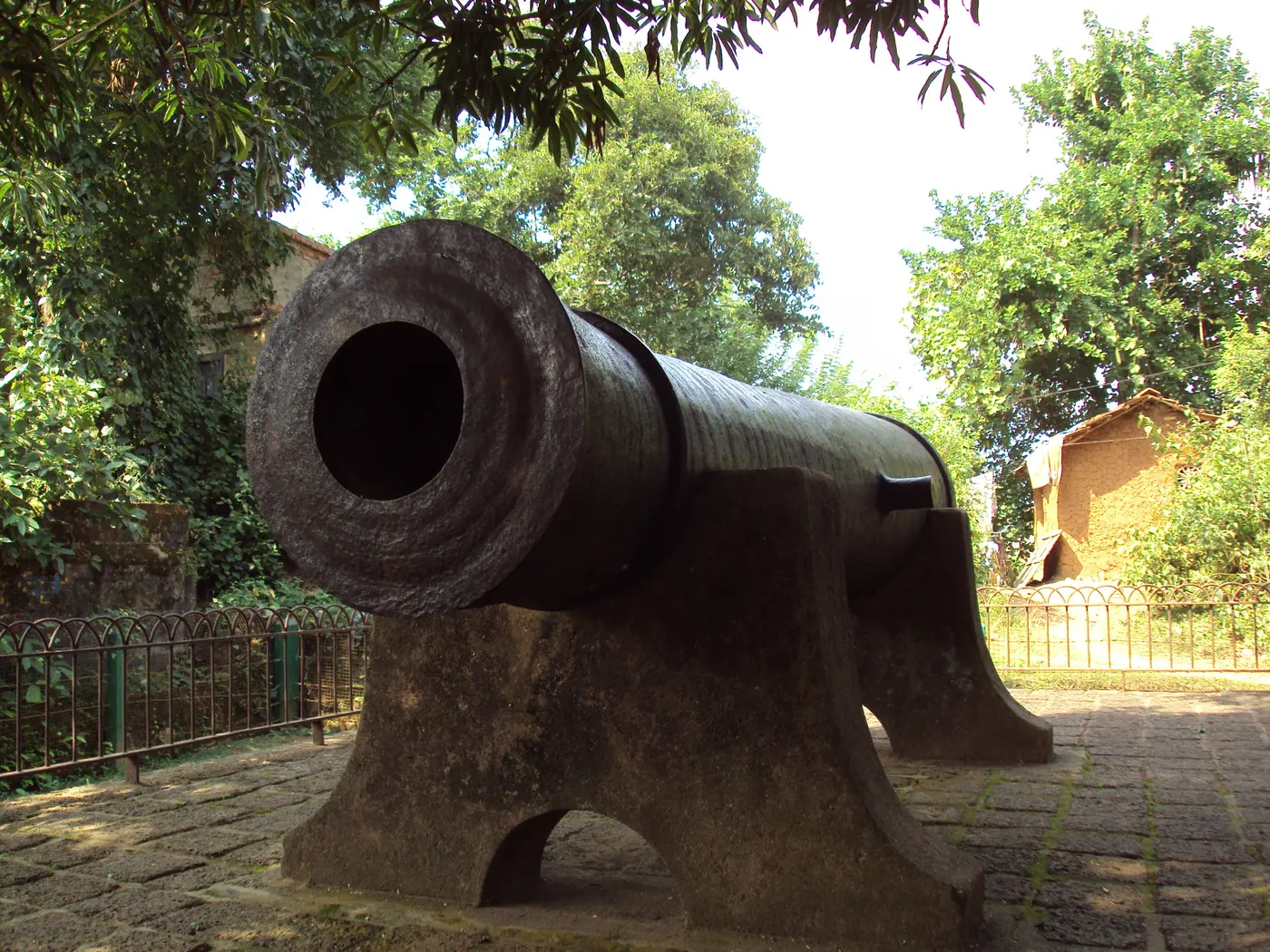
- Dalmadal Cannon: A massive 17th-century iron cannon, associated in local legend with the town's defence against Maratha raiders, still on display near the temple cluster.
Where to Stay in Bishnupur
Accommodation is modest but comfortable, concentrated in the town centre near the temple cluster and along the approach roads.
- → Simple lodges near the bus stand
- → West Bengal Tourism guesthouses
- → Family-run budget hotels
- → Heritage-style guesthouses near the temples
- → Standard hotels in the town centre
- → Riverside lodges on the outskirts
- → Boutique heritage resorts
- → Garden-set countryside properties
- → Upscale stays near Mukutmanipur
Suggested Visit Plan (1-2 Days)
The Main Temple Cluster
- ✓Rasmancha and the Dalmadal Cannon
- ✓Jor Bangla and Shyam Rai temples
- ✓Madan Mohan Temple for an active-worship visit
Weaving & Crafts
- ✓Visit a local Baluchari weaving workshop
- ✓Browse the town's silk and terracotta craft shops
Mukutmanipur Day Trip
- ✓Half-day trip to the Mukutmanipur reservoir
- ✓Return to Bishnupur or onward to Kolkata
* Many travellers combine Bishnupur with Mukutmanipur for a fuller two-day loop from Kolkata.
Where to Eat in Bishnupur
- Bengali thalis near the temple cluster: Simple, home-style rice-fish-vegetable meals at local eateries close to the main sites.
- Mud-baked sweets: Bishnupur is known for a local variety of clay-pot yoghurt and sweets sold at small shops around town.
- Roadside stalls: Simple snacks and tea stalls cluster near the bus stand and railway station, convenient between sightseeing stops.
Budget Breakdown
| Expense | Budget | Mid-Range | Luxury |
|---|---|---|---|
| Accommodation/night | ₹800 | ₹3,000 | ₹7,000 |
| Train from Kolkata (round trip) | ₹500 | ₹1,200 | ₹2,000 |
| Food/day | ₹350 | ₹900 | ₹2,000 |
| Temple composite ticket | ₹50–100 | ₹50–100 | ₹50–100 |
| Local transport/day | ₹150 | ₹400 | ₹1,000 |
* Figures are per person, per day (train fare is a round-trip figure from Kolkata). Add a saree budget separately if buying Baluchari silk.
Essential Tips for Visiting Bishnupur
- Buy the composite temple ticket: Covers entry to several ASI-protected sites in one purchase near Rasmancha.
- Wear comfortable walking shoes: The temple cluster is best explored on foot over several hours, much of it under open sky.
- Visit a weaving workshop directly: For the best prices and to see the Baluchari craft in progress, seek out local weavers rather than only shopping at retail stores.
- Check for winter music programmes: Local cultural events celebrating the Bishnupur Gharana often run in the cooler months.
- Carry cash: ATM access is limited outside the main town centre.
✅ Do
- →Buy the composite temple entry ticket
- →Explore the temple cluster slowly, on foot
- →Buy Baluchari silk directly from weavers
- →Visit Madan Mohan Temple for active worship
- →Combine with a Mukutmanipur day trip
❌ Don't
- →Visit in peak summer heat without shade breaks
- →Rush the terracotta carvings — look closely
- →Assume ATMs are widely available
- →Skip the composite ticket and pay separately
- →Forget comfortable shoes for a lot of walking
Frequently Asked Questions
How do I reach Bishnupur from Kolkata?
Bishnupur railway station is on the Kolkata-Bishnupur-Bankura rail line, roughly 200km from Howrah, with the journey taking about 4-5 hours by express train. By road, it's a similar 4-5 hour drive via NH2 and NH14 — most visitors go by train given the distance and road traffic through smaller towns.
What makes Bishnupur's temples unique?
Bishnupur's temples are built almost entirely from terracotta (fired brick and clay) rather than stone, a material choice driven by the region's alluvial soil and lack of accessible stone quarries. Malla dynasty rulers turned this practical constraint into an art form, covering entire temple facades in intricately carved panels depicting scenes from the Ramayana, Mahabharata, and everyday Bengali life — a style found nowhere else in India at this scale and density.
What is a Baluchari saree and can I buy one in Bishnupur?
Baluchari is a style of handwoven silk saree with elaborate pallu (end-piece) designs depicting mythological scenes, court life, or even trains and boats, woven directly into the fabric rather than embroidered. It carries a Geographical Indication (GI) tag as a product of the Bishnupur-Bankura region, and local weavers' cooperatives and shops in the town sell them directly, often at significantly better prices than in Kolkata.
How many days should I spend in Bishnupur?
One full day is enough to see the main temple cluster (Rasmancha, Jor Bangla, Madan Mohan, Shyam Rai, Keshta Rai) at an unhurried pace, with time left for a Baluchari weaving workshop visit. An overnight stay lets you add an early-morning temple visit before the day heats up and a side trip to Mukutmanipur.
What is the best time to visit Bishnupur?
October to March offers the most comfortable temperatures for walking between temple sites, most of which are outdoors and offer limited shade. Summers (April-June) get very hot on Bankura district's dry plains, and the monsoon, while cooling things down, can make the unpaved approaches to some temples muddy.
Published by the Kudozz Club editorial team · Last updated · How we research our guides
Want us to plan this trip for you?
Tell Kudozz Club where you want to go and what kind of trip you’re looking for. We’ll build a Bishnupur and West Bengal itinerary around your dates and budget.
Continue Exploring
View all guides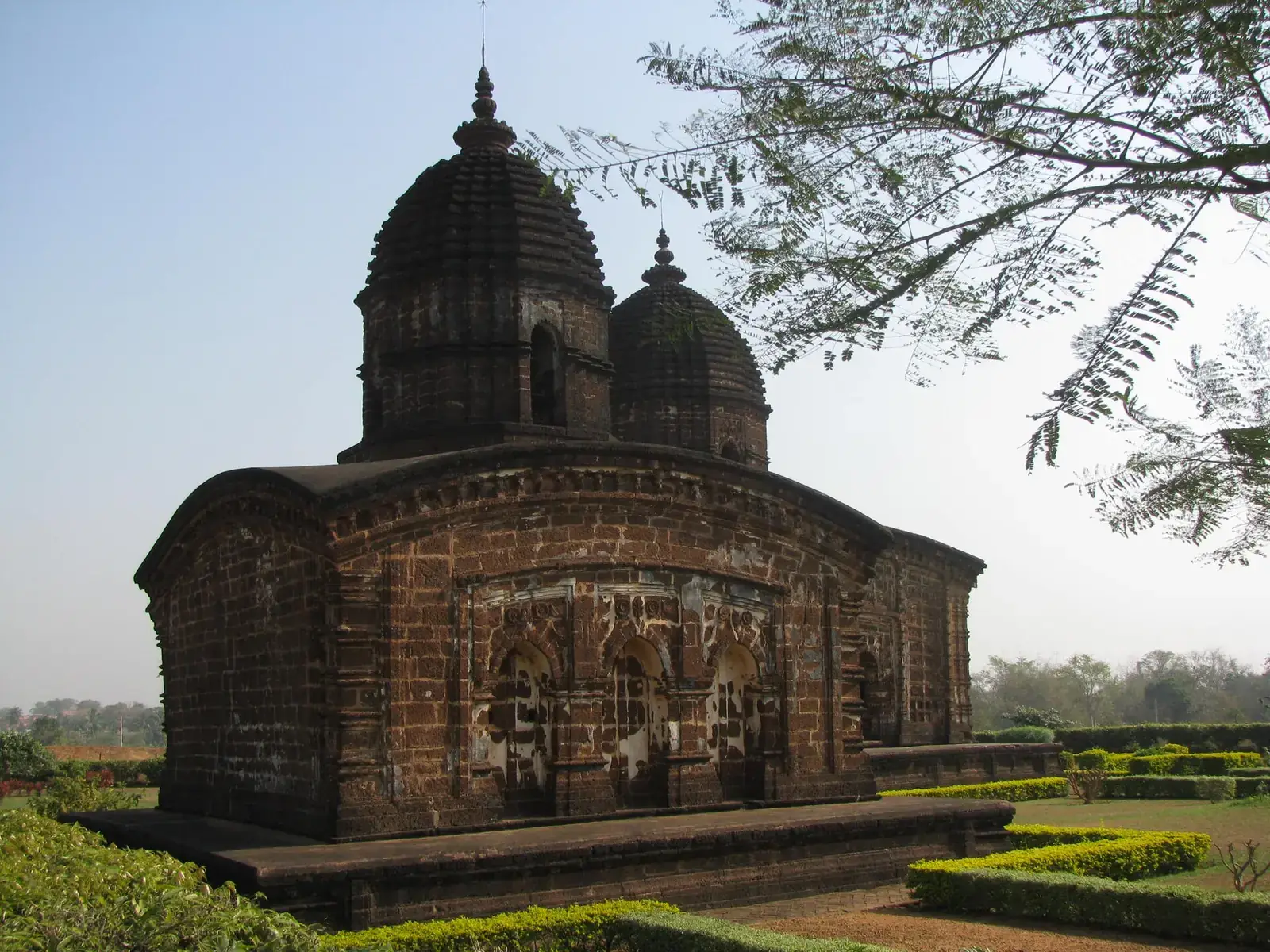 Heritage & Culture
Heritage Tourism in West Bengal: Kolkata, Bishnupur, Murshidabad and Santiniketan
A guide to heritage tourism in West Bengal: its UNESCO cultural sites (Santiniketan and the Darjeeling Himalayan Railway), Kolkata's colonial and Bengali heritage, Bishnupur's terracotta temples, Murshidabad and the Nawabs of Bengal, the European towns along the Hooghly, Gaur and Pandua, Cooch Behar, and crafts, music and festivals from kantha and Baul to Durga Puja.
 Heritage
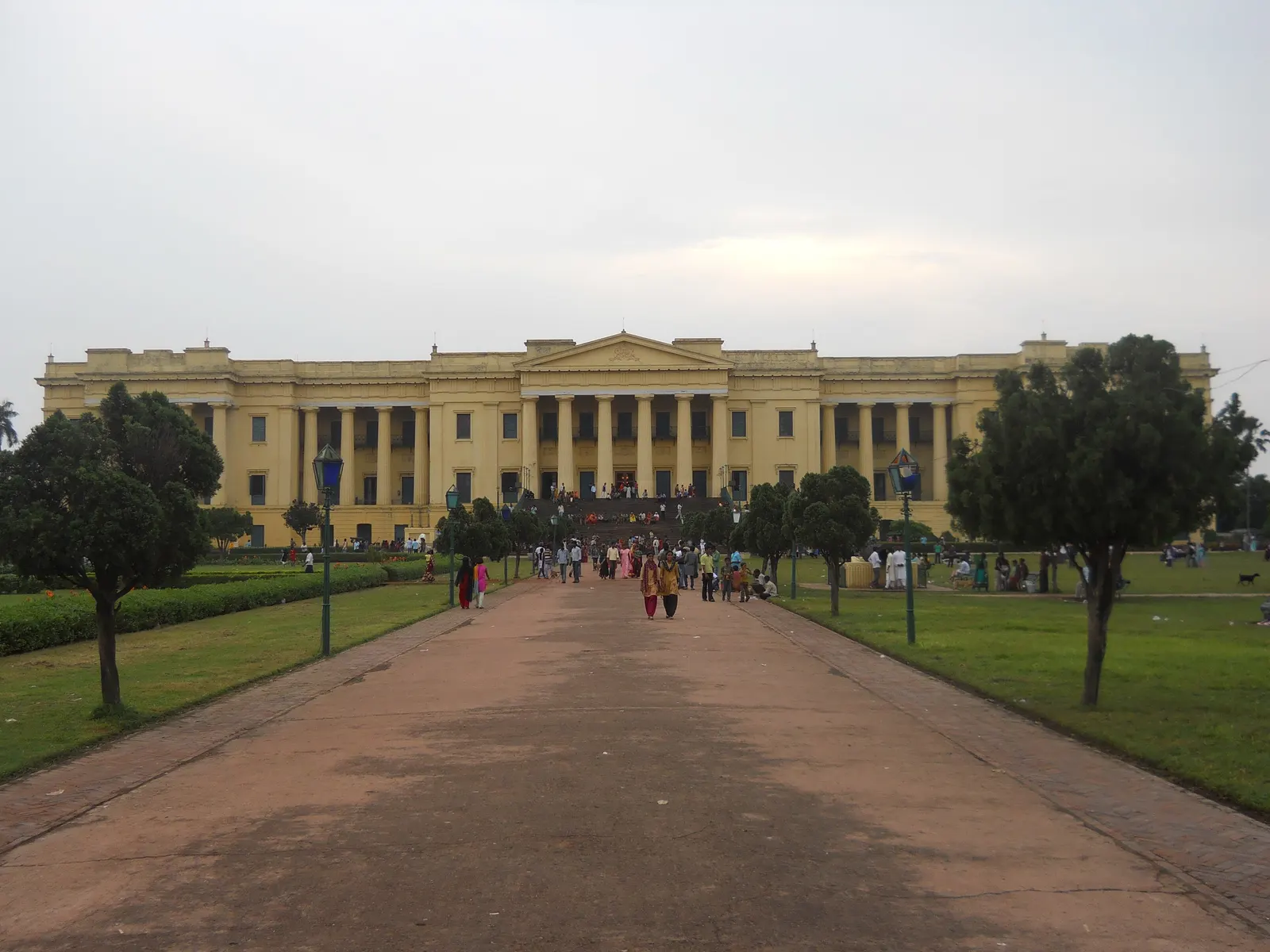
Murshidabad Travel Guide: Hazarduari & Nawabi History
Complete Murshidabad guide — Hazarduari Palace, Katra Mosque, the Battle of Plassey, Bengal's Nawabi history, silk weaving, how to reach from Kolkata, and a full visit plan.
 Heritage
Cooch Behar Travel Guide: Palace & Royal Heritage
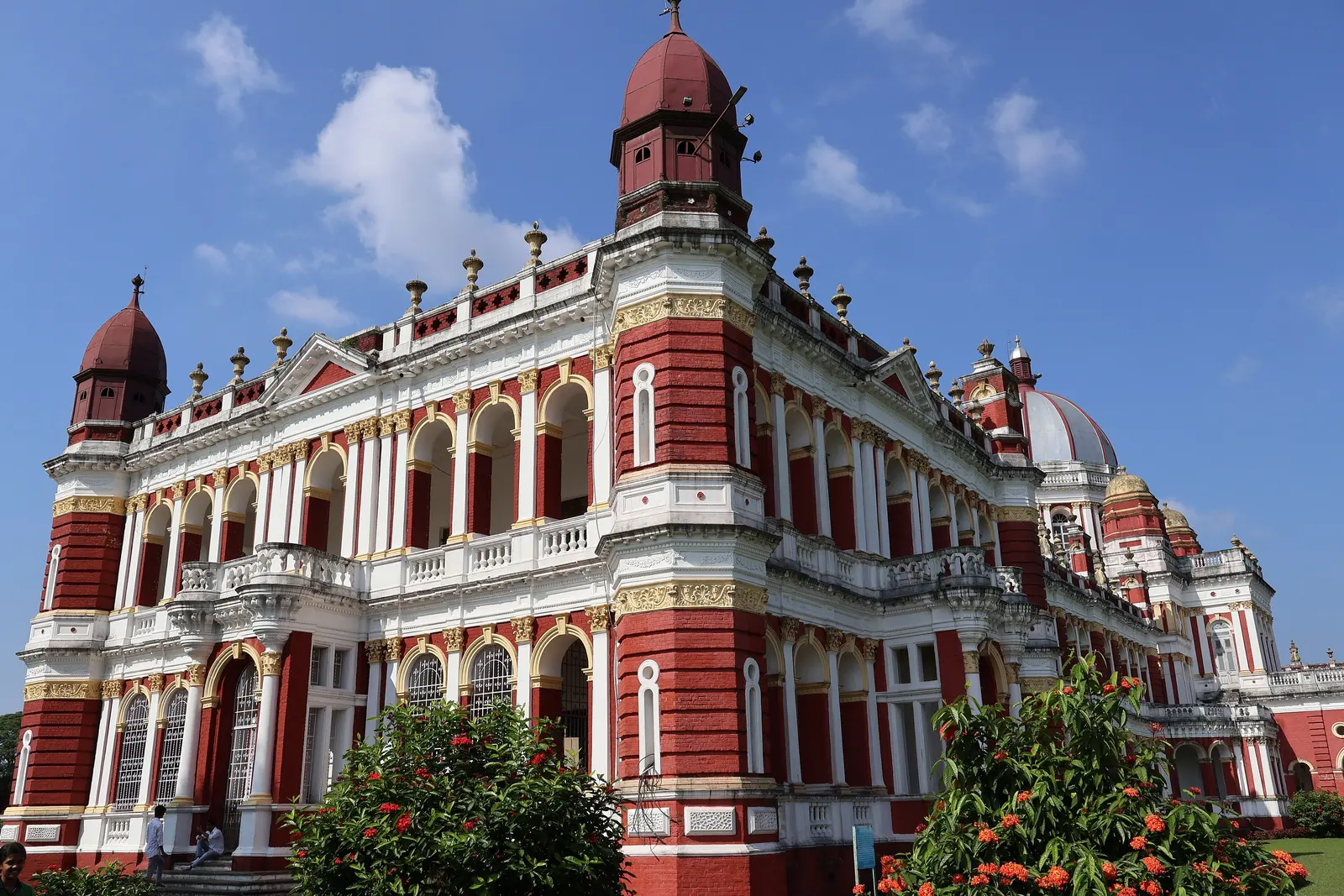
Complete Cooch Behar guide — the Buckingham Palace-inspired royal palace, Madan Mohan Temple, Sagardighi, Rasmela, how to reach from Siliguri, and a full visit plan.
 Off-beat
Mukutmanipur Travel Guide: Dam, Boating & Tips
Complete Mukutmanipur guide — one of India's largest earthen dams, reservoir boating, Bhairavi Temple, Pareshnath Hill, how to reach from Kolkata, and a full visit plan.