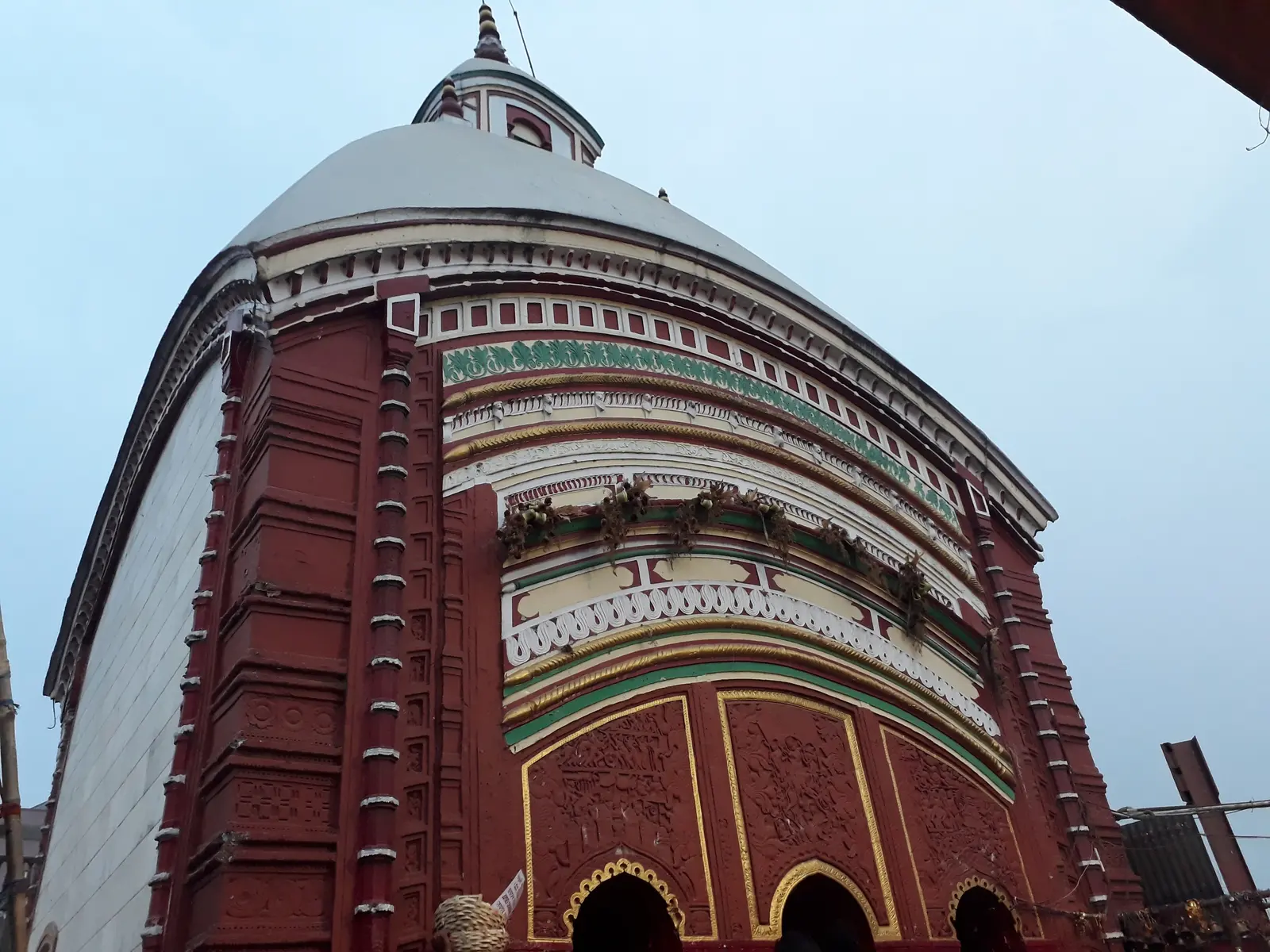
A Shakti Peeth in Birbhum
Tarapith is one of the most powerful and atmospheric pilgrimage sites in West Bengal, counted among the 51 Shakti Peethas — sacred sites across the subcontinent believed, in Hindu mythology, to mark where parts of the goddess Sati's body fell after Lord Shiva carried her remains in grief. At Tarapith, tradition holds that the third eye of Sati fell here, and the site is dedicated to Maa Tara, a fierce Tantric form of the Divine Mother.
What sets Tarapith apart from many other Shakti Peethas is its deep association with Bengal's Tantric tradition. The Mahashmashan (great cremation ground) adjoining the temple has for centuries been a site of intense spiritual practice, linked most famously with the 19th-century mystic Bamakhepa, whose unconventional devotion to Maa Tara made him one of Bengal's most revered saint-figures.
The temple town sits in Birbhum district, close to the base towns of Rampurhat and Dubrajpur, not far from Santiniketan — Rabindranath Tagore's university town, also in Birbhum — making the two an easy, if contrasting, pairing for travellers exploring this part of Bengal.
🕉️ Tarapith at a Glance
Planning a pilgrimage? See our guide to the Shakti Peethas.
Best Time to Visit Tarapith
Tarapith functions as a pilgrimage site year-round, but Bengal's seasons and the temple's festival calendar both affect comfort and crowd levels significantly.
Cool, dry weather makes temple visits and walking around the ghats and Mahashmashan far more comfortable than the rest of the year.
The single biggest event on Tarapith's calendar, drawing enormous crowds of devotees. Powerful atmosphere, but expect long queues and packed lodgings.
Daytime heat is intense; plan temple visits for early morning or evening if travelling in this window.
Heavy rain can slow road travel from Kolkata; the temple and Mahashmashan remain open and functioning throughout.
Our pick: November through February for comfortable weather and a calmer temple experience — unless you specifically want to witness Kali Puja, in which case plan well ahead for the crowds.
How to Reach Tarapith
Tarapith sits in Birbhum district, roughly 260 km from Kolkata, and is reachable comfortably by both road and rail.
- By train: The nearest railhead is Rampurhat, about 10 km from the temple, well connected to Kolkata's Howrah and Sealdah stations by regular express trains. From Rampurhat, autos and shared taxis cover the final stretch to Tarapith.
- By road: Roughly 260 km from Kolkata via NH12, taking about 5-6 hours by car or bus depending on traffic and stops en route.
- Getting around Tarapith: The temple, Mahashmashan, and most guesthouses are within easy walking distance of each other in the compact temple town.
Temple & Attractions
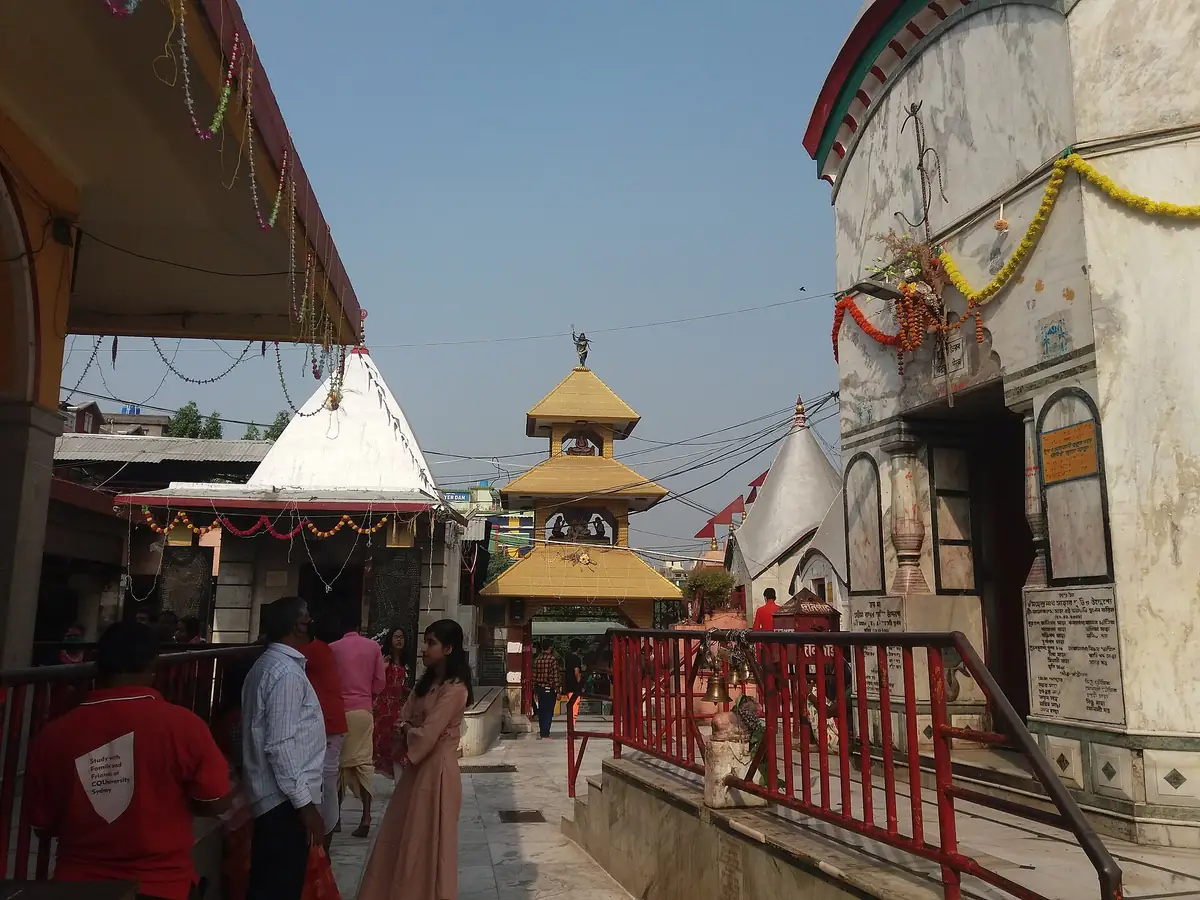
Tarapith Temple (Maa Tara Temple)
The heart of the pilgrimage — a temple dedicated to Maa Tara, worshipped here in her fierce, protective Tantric form. The idol and sanctum draw a constant stream of devotees seeking darshan, with queues lengthening considerably around major festival dates. The ritual worship here follows Shakta and Tantric traditions distinct from many other Bengal temples.
Mahashmashan (The Great Cremation Ground)
Adjoining the temple beside the Dwarka river, the Mahashmashan has for centuries been associated with Tantric sadhana — practitioners historically meditated among its ashes as part of intense spiritual disciplines aimed at transcending fear and worldly attachment. It remains an active cremation ground today, and visitors should approach it with the same respect they'd show any working religious site.
Bamakhepa's Ashram & Samadhi
A short walk from the main temple, this site commemorates Bamakhepa, the 19th-century saint whose unorthodox, deeply devoted worship of Maa Tara at the Mahashmashan made him one of the most venerated figures in Bengal's Shakta tradition. Many pilgrims consider a visit here as essential as the main temple itself.
Dwarka River Ghats
The small river flowing past the Mahashmashan has its own set of ghats where pilgrims bathe before entering the temple — a ritual considered an important part of a proper Tarapith visit.
Where to Stay in Tarapith
As a working pilgrimage town, Tarapith's accommodation is geared almost entirely toward visiting devotees — simple, functional, and clustered close to the temple.
- → Pilgrim lodges near the temple
- → Basic dormitory-style rooms
- → Dharamshala-style guesthouses
- → Private rooms with attached bath
- → Small hotels near the main road
- → Guesthouses with basic dining
- → Air-conditioned hotel rooms
- → Larger hotels in nearby Rampurhat
- → Multi-room family accommodation
* For a wider range of comfort-tier hotels, many travellers base themselves in Rampurhat, a short taxi ride from the temple.
Suggested Visit Plan (1-2 Days)
Temple & Mahashmashan
- ✓Morning arrival, check in near the temple
- ✓Bathe at the Dwarka river ghats before darshan
- ✓Darshan at the main Tarapith Temple
- ✓Visit the Mahashmashan and Bamakhepa's ashram
Onward to Santiniketan (optional)
- ✓Early morning return visit to the temple if desired
- ✓Depart for Santiniketan, roughly 1.5-2 hours away
- ✓Explore Tagore's university town for contrast
* Both towns sit in Birbhum district — see our Santiniketan guide for details on pairing the two.
Where to Eat in Tarapith
- Prasad and bhog counters near the temple: Simple, blessed vegetarian meals available close to the temple gates, popular with pilgrims wanting a quick, ritually appropriate meal.
- Local Bengali eateries: Small restaurants around the main market serve everyday Bengali thalis, both vegetarian and with fish, at modest prices.
- Rampurhat's wider dining options: For more variety, the base town of Rampurhat has a broader range of restaurants and sweets shops than Tarapith itself.
Budget Breakdown
| Expense | Budget | Mid-Range | Comfort |
|---|---|---|---|
| Accommodation/night | ₹700 | ₹2,000 | ₹4,500 |
| Train (round trip, sleeper/AC) | ₹500 | ₹1,200 | ₹2,500 |
| Food/day | ₹300 | ₹600 | ₹1,200 |
| Local transport/day | ₹150 | ₹300 | ₹600 |
| Donations/offerings | ₹100+ | ₹500+ | ₹1,000+ |
* Figures are per person, per day (except train fare, a round-trip figure from Kolkata to Rampurhat). Donations are entirely optional and vary widely.
Essential Tips for Visiting Tarapith
- Approach the Mahashmashan respectfully: It's an active cremation ground with deep spiritual significance, not a sightseeing stop — observe quietly and follow local cues.
- Expect queues at the main temple: Darshan lines can be long, especially on weekends and festival days — arrive early morning for a shorter wait.
- Dress modestly: Cover shoulders and knees, and remove footwear before entering the temple complex.
- Be cautious with unofficial guides: As at many pilgrimage sites, self-appointed guides may approach offering "special" darshan or rituals for a fee — stick to official temple procedures.
- Carry cash: ATM access is limited in the temple town itself; withdraw what you need in Rampurhat or before travelling.
✅ Do
- →Bathe at the ghats before entering the temple
- →Visit Bamakhepa's ashram alongside the main temple
- →Dress modestly and remove footwear at the complex
- →Arrive early to avoid the longest darshan queues
- →Carry enough cash for your full visit
- →Combine the trip with nearby Santiniketan
❌ Don't
- →Treat the Mahashmashan as a casual photo stop
- →Accept unofficial 'special darshan' offers from strangers
- →Wear revealing clothing inside the temple
- →Expect wide ATM access in the temple town
- →Arrive without checking the festival calendar
- →Rush the visit if you want to also see the Mahashmashan properly
Frequently Asked Questions
What is Tarapith famous for?
Tarapith is one of the 51 Shakti Peethas — sacred sites believed to mark where parts of the goddess Sati's body fell across the Indian subcontinent, according to Hindu mythology. Here she is worshipped as Maa Tara, a fierce Tantric form of the Divine Mother. Tarapith is also famous for its adjoining Mahashmashan (cremation ground), historically associated with Tantric sadhana (spiritual practice) and the revered saint Bamakhepa.
What is the Mahashmashan and can visitors go there?
The Mahashmashan is the cremation ground beside the Dwarka river next to Tarapith Temple, long associated with Tantric practitioners who traditionally meditated among its ashes as part of intense spiritual disciplines. Visitors can walk through and observe the area respectfully; it remains an active cremation ground, so appropriate conduct and sensitivity are expected.
How do I reach Tarapith from Kolkata?
By road, Tarapith is roughly 260 km from Kolkata, taking about 5-6 hours via NH12 and connecting roads through Birbhum district. By train, the nearest railhead is Rampurhat, about 10 km away, well connected to Kolkata's Howrah and Sealdah stations — from Rampurhat, autos and taxis cover the final stretch.
Who was Bamakhepa?
Bamakhepa (also spelled Bamdev or Vama Khepa) was a 19th-century mystic and devotee of Maa Tara closely associated with Tarapith, revered for his intense, unconventional spiritual practices at the Mahashmashan. He remains a deeply venerated figure in Bengal's Shakta and Tantric traditions, and his ashram and samadhi near the temple are an important stop for pilgrims.
When is the best time to visit Tarapith?
October to March offers the most comfortable weather for temple visits and walking around the ghats. Kali Puja, usually in October or November, is Tarapith's single biggest crowd event, along with other major dates on the Shakta festival calendar — visit then for the fullest atmosphere, or avoid it if you prefer a quieter experience.
Is Tarapith safe and welcoming for general tourists, not just pilgrims?
Yes. While Tarapith is first and foremost a working pilgrimage and Tantric site, it welcomes travellers interested in its history, architecture, and cultural significance. Basic courtesies apply — modest dress, respectful behaviour near the Mahashmashan, and an understanding that this is a living religious site rather than a tourist attraction.
Published by the Kudozz Club editorial team · Last updated · How we research our guides
Want us to plan this trip for you?
Tell Kudozz Club where you want to go and what kind of trip you’re looking for. We’ll build a Tarapith and West Bengal itinerary around your dates and budget.
Continue Exploring
View all guides Heritage
Gangasagar Travel Guide: Mela, Temple & How to Reach
Complete Gangasagar guide — Sagar Island, Kapil Muni Temple, the massive Gangasagar Mela at Makar Sankranti, how to reach via Kakdwip, and where to stay.
 Heritage
Mayapur Travel Guide: ISKCON Temple & Visit Tips
Complete Mayapur guide — ISKCON's global headquarters, the TOVP, Chandrodaya Mandir, Gaura Purnima, how to reach from Kolkata, where to stay, and a full visit plan.
 Heritage
Naimisharanya Travel Guide: Sacred Forest & Temples
An ancient sacred forest of the Puranas — Chakra Tirtha, the Lalita Devi Shakti Peeth, and a genuinely off-the-beaten-path pilgrimage near Lucknow.
 Heritage
Yamunotri Travel Guide: Trek, Hot Springs & Tips
The traditional first stop of the Char Dham Yatra — a forested trek from Janki Chatti to the Yamuna's source, past the Surya Kund hot-spring prasad ritual.