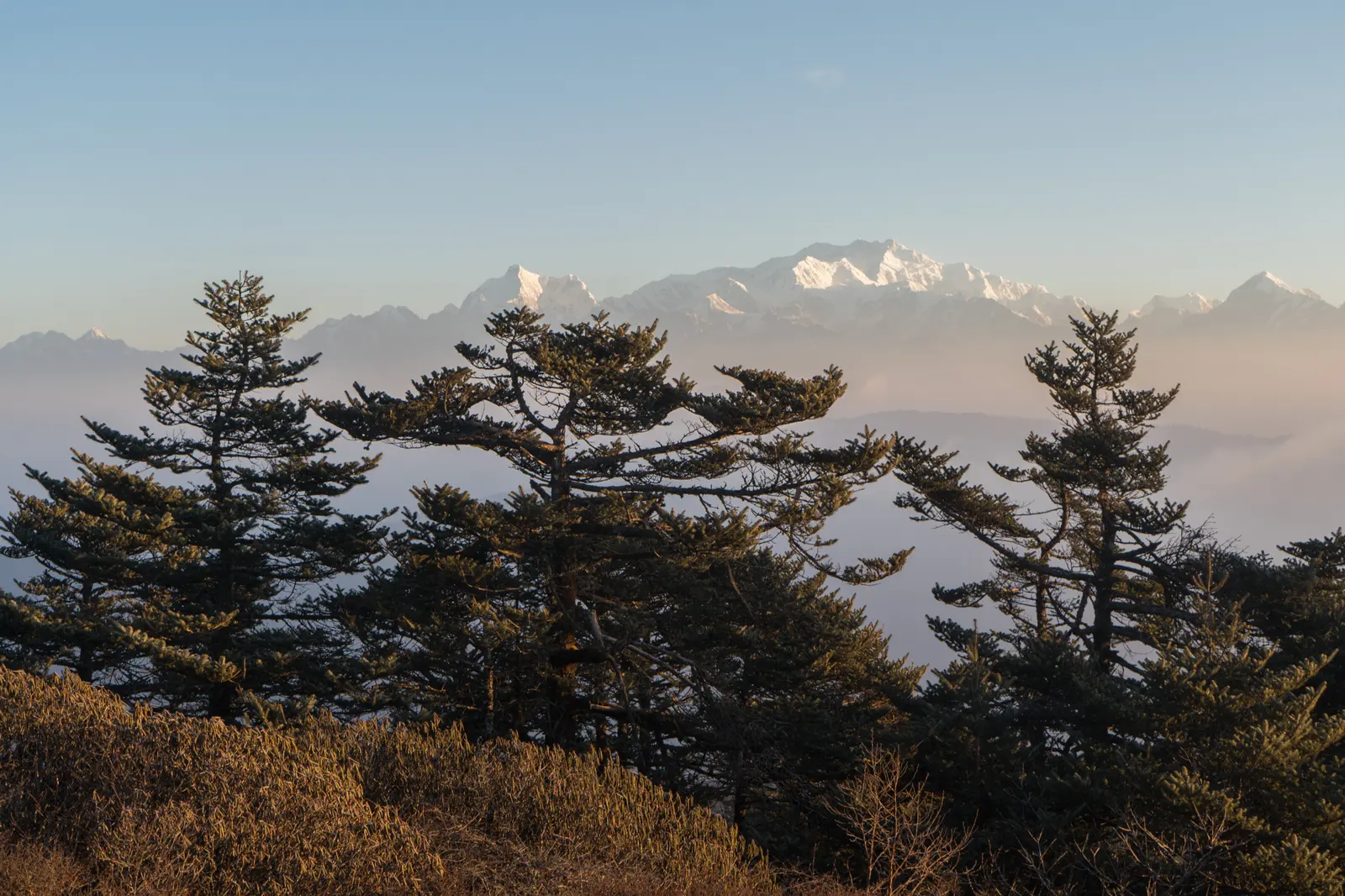
West Bengal's Highest Point
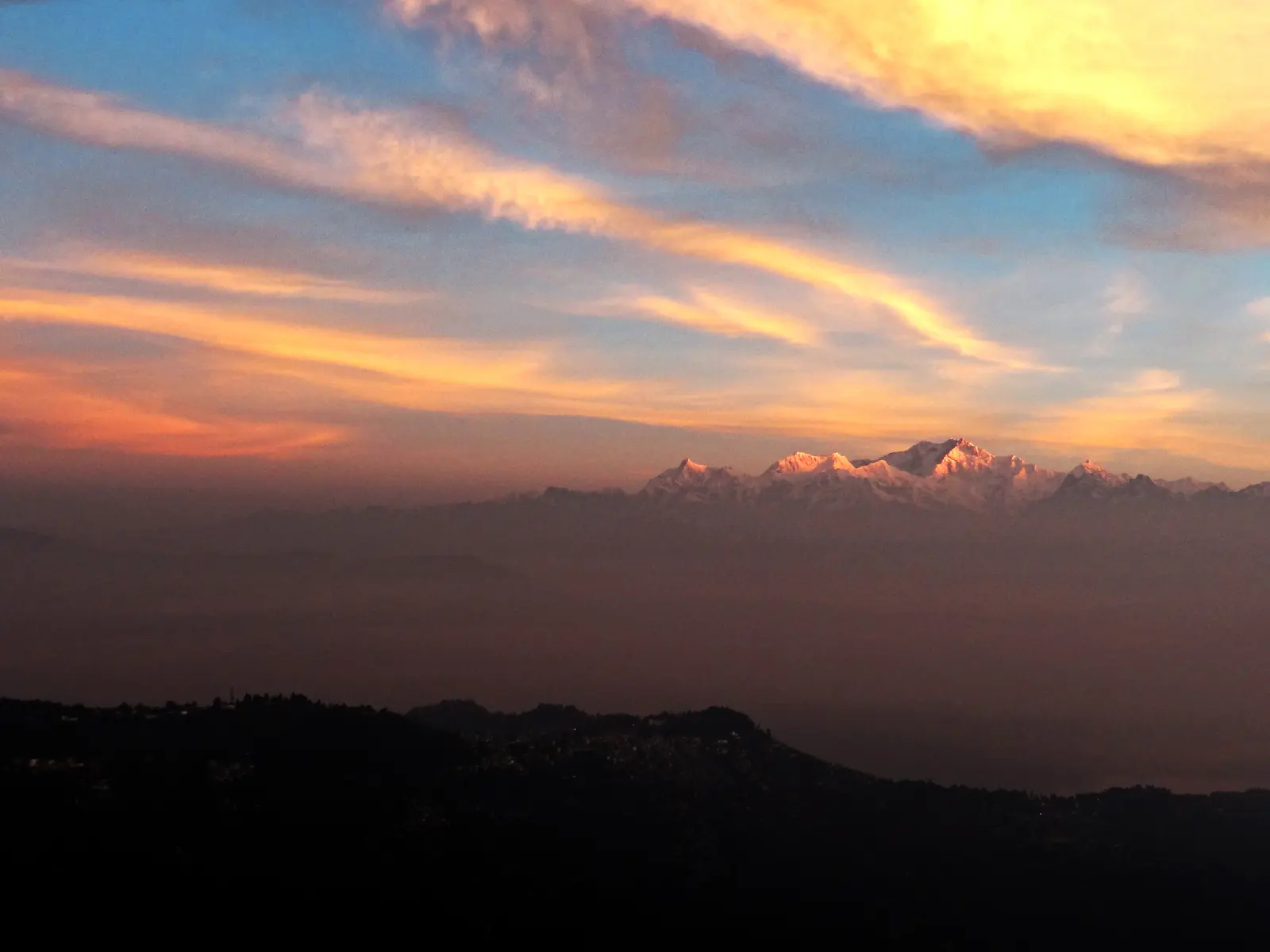
At 3,636 metres, Sandakphu is the highest point in West Bengal, sitting right on the ridge separating India from Nepal inside Singalila National Park. It draws trekkers for one reason above all: on a clear day, it's one of the very few spots on the planet where four of the world's five highest peaks — Everest, Kanchenjunga, Lhotse, and Makalu — are visible from a single viewpoint at once.
The classic route begins at Maney Bhanjang, a small border town about 26 km from Darjeeling, and climbs gradually along the Nepal-India border ridge through rhododendron and oak forest before opening into high alpine grassland near the summit. Unlike many Himalayan treks, Sandakphu is "tea-house trekking" — you stay in basic lodges along the way rather than camping, which makes it considerably more accessible for first-time high-altitude trekkers.
Those who'd rather skip the walking altogether can still reach Sandakphu by a bumpy but genuinely thrilling Land Rover jeep safari along the same ridge road — a popular alternative for travellers short on time or trekking experience.
⛰️ Sandakphu at a Glance
Comparing hill stations? See our guide to hill stations in West Bengal.
Planning something active? Read our guide to trekking in India.
Best Time to Trek Sandakphu
Given that clear mountain views are the whole point, timing matters more here than for almost any other trek in the region.
The clearest skies of the year, with crisp post-monsoon air giving the best odds of seeing Everest and Kanchenjunga together. Cold, especially at night, so pack accordingly.
The trail turns vivid red and pink as rhododendrons bloom along the route — spectacular scenery, though peak views can be slightly hazier than in autumn.
Leeches, slippery trails, and near-constant cloud cover make this the least rewarding and least safe window for the trek.
Clear but bitterly cold, occasionally with snow on the higher stretches — doable with the right gear, but a serious step up in difficulty.
Our pick: Late October to December — the clearest, most reliable window to actually see Everest and Kanchenjunga together from the summit.
How to Reach the Trailhead
The trek begins at Maney Bhanjang, a small border town that's the standard starting point for the route.
- From Darjeeling: Maney Bhanjang is about 26 km away, roughly an hour by shared jeep or taxi — most trekkers base themselves in Darjeeling the night before starting.
- From Bagdogra/NJP: Both are the wider gateway, roughly 3-4 hours by road via Darjeeling or Mirik to reach Maney Bhanjang.
- Registering at Maney Bhanjang: This is also where you complete Singalila National Park permit formalities and arrange a compulsory guide before starting the trek.
Route, Permits & Trek Style
The Classic Sandakphu-Phalut Route
The full circuit runs Maney Bhanjang → Tumling/Tonglu → Kalapokhri → Sandakphu → Phalut → back down via Gorkhey/Rammam, typically taking 5-6 days including one acclimatisation day. Trekkers pressed for time often drop the Phalut extension and do a shorter Sandakphu-only out-and-back in around 4 days.
Singalila National Park Permits
Since the entire route lies within Singalila National Park, a forest entry permit is mandatory, arranged at the check-post in Maney Bhanjang along with a valid photo ID. A registered local guide is compulsory for foreign nationals and strongly advised for everyone — both for the permit process and because the trail network has several confusing junctions in poor visibility.
Tea-House Trekking
Unlike expedition-style Himalayan treks, Sandakphu is walked village to village, staying in basic lodges and homestays each night. This means no tent or cooking equipment to carry — just a daypack, warm layers, and good boots — making it considerably more approachable for trekkers without prior high-altitude camping experience.
The Land Rover Jeep Safari Alternative
For those who want the views without the multi-day walk, vintage Land Rover jeeps run the same ridge road from Maney Bhanjang to Sandakphu, a bone-rattling but genuinely memorable ride that can be done as a long day trip or with an overnight stay at the top.
Where to Stay on the Trek
Accommodation along the route is uniformly simple — basic lodges and homestays rather than hotels — with price mostly reflecting comfort level and meal quality rather than luxury.
- → Basic village tea-house lodges
- → Shared-room homestays en route
- → Simple forest rest houses
- → Private-room trekker's lodges
- → Better-maintained village guesthouses
- → Lodges with attached bathrooms
- → Best-in-village lodge rooms
- → Sandakphu summit-top stays with views
- → Guided package trek accommodation
Suggested Trek Itinerary (5-6 Days)
Maney Bhanjang to Tumling
- ✓Permit formalities and guide arrangement
- ✓Gradual climb through forest to Tumling/Tonglu
- ✓First mountain views if skies are clear
Tumling to Kalapokhri
- ✓Ridge walk along the India-Nepal border
- ✓Pass through Gairibas and forest sections
- ✓Overnight near Kalapokhri's sacred black lake
Kalapokhri to Sandakphu
- ✓Final steep climb to the summit ridge
- ✓Sunset views over Kanchenjunga
- ✓Overnight at Sandakphu for sunrise the next morning
Sandakphu Sunrise & On to Phalut
- ✓Early sunrise viewing of Everest and Kanchenjunga
- ✓Ridge walk onward to Phalut
- ✓Wide grassland views along the way
Descent via Gorkhey/Rammam
- ✓Descend through forested valleys
- ✓Overnight in Gorkhey or Rammam
- ✓Return road transfer to Maney Bhanjang or Darjeeling
* Rest at Darjeeling the night before and after the trek — most trekkers use it as their base for the whole trip.
Food on the Trail
- Lodge-cooked meals: Nearly every stop serves simple dal-rice-vegetable thalis, along with noodles, eggs, and instant options for quick refuelling.
- Tibetan staples: Momos and thukpa appear at several tea-houses, a welcome hot meal after a cold day's walk.
- Tea and packaged snacks: Every lodge serves hot tea throughout the day; carry your own energy bars or dry snacks for the trail itself, since options between villages are limited.
Budget Breakdown
| Expense | Budget | Mid-Range | Luxury |
|---|---|---|---|
| Lodge stay/night | ₹700 | ₹1,400 | ₹3,500 |
| Meals/day | ₹500 | ₹800 | ₹1,500 |
| Forest permit + guide/day | ₹800 | ₹1,200 | ₹2,000 |
| Jeep transfer (round trip) | ₹3,000 | ₹4,500 | ₹6,000 |
* Guide and permit costs are typically shared across a group, lowering the per-person figure on larger treks. Jeep transfer figures are for the full Maney Bhanjang round trip, not daily.
Essential Tips for the Sandakphu Trek
- Acclimatise properly: Even though the trek is graded easy-to-moderate, 3,636 m is high enough that a rest/acclimatisation day matters — don't skip it to save time.
- Pack for genuine cold: Temperatures can drop well below freezing at night even outside peak winter — proper insulated layers are essential, not optional.
- Book a guide in advance: Especially in peak season (Oct-Dec), reliable local guides get booked up — arrange one ahead through Darjeeling or Maney Bhanjang contacts.
- Start walking early each day: Cloud cover typically builds by midday, so the clearest mountain views come in the early morning hours.
- Carry cash: There are no ATMs along the route — withdraw everything you need before leaving Darjeeling or Maney Bhanjang.
✅ Do
- →Complete permit formalities at Maney Bhanjang first
- →Book a registered guide ahead in peak season
- →Start each day's walk early for clearer views
- →Pack proper cold-weather layers
- →Carry all the cash you'll need before starting
- →Take the acclimatisation day seriously
❌ Don't
- →Attempt the trek during monsoon (Jun-Sep)
- →Skip the forest permit or guide requirement
- →Underestimate the cold, even in April-May
- →Rely on finding ATMs along the route
- →Push through altitude symptoms without resting
- →Expect clear peak views by afternoon
Frequently Asked Questions
How difficult is the Sandakphu trek?
It's rated easy to moderate by Himalayan trekking standards — there's no technical climbing, and the trail follows a well-marked route used by both trekkers and Land Rover jeeps. The main challenges are altitude (up to 3,636 m) and sustained daily walking of 10-15 km, which make reasonable fitness necessary even though no prior mountaineering experience is required.
Can I see Mount Everest from Sandakphu?
Yes, on a clear day. Sandakphu is famous as one of very few places on earth where you can see four of the world's five highest peaks — Everest, Kanchenjunga, Lhotse, and Makalu — from a single viewpoint. Kanchenjunga dominates the view since it's closest, while Everest appears smaller and further in the distance; both are best seen at sunrise when the air is clearest.
Do I need a permit for the Sandakphu trek?
Yes. Since the route passes through Singalila National Park, you need a forest permit, arranged at the check-post in Maney Bhanjang (or via a registered trek operator) along with a valid photo ID. Guides are also compulsory for foreign nationals and strongly recommended for everyone, both for permit formalities and for navigation.
How many days does the Sandakphu trek take?
The classic Sandakphu-Phalut circuit typically takes 5-6 days round trip from Maney Bhanjang, including a rest/acclimatisation day. A shorter Sandakphu-only trek (without continuing to Phalut) can be done in about 4 days round trip. Non-trekkers can also reach Sandakphu by a bumpy but scenic Land Rover jeep safari in a single long day.
Do I need to camp on the Sandakphu trek?
No — this is tea-house trekking, meaning basic lodges and homestays along the route provide beds and meals each night, so you don't need to carry a tent or cook your own food. Facilities are simple (shared rooms, basic bathrooms, limited electricity), but it makes the trek considerably more accessible than a fully self-supported expedition.
What is the best time for the Sandakphu trek?
October to December offers the clearest mountain views, with crisp post-monsoon air and low humidity. April to May is the second-best window, when rhododendrons bloom along the trail in vivid reds and pinks, though peak views can be slightly hazier. The monsoon (June-September) should be avoided due to leeches, slippery trails, and near-constant cloud cover.
Published by the Kudozz Club editorial team · Last updated · How we research our guides
Want us to plan this trip for you?
Tell Kudozz Club where you want to go and what kind of trip you’re looking for. We’ll build a Sandakphu and West Bengal itinerary around your dates and budget.
Continue Exploring
View all guides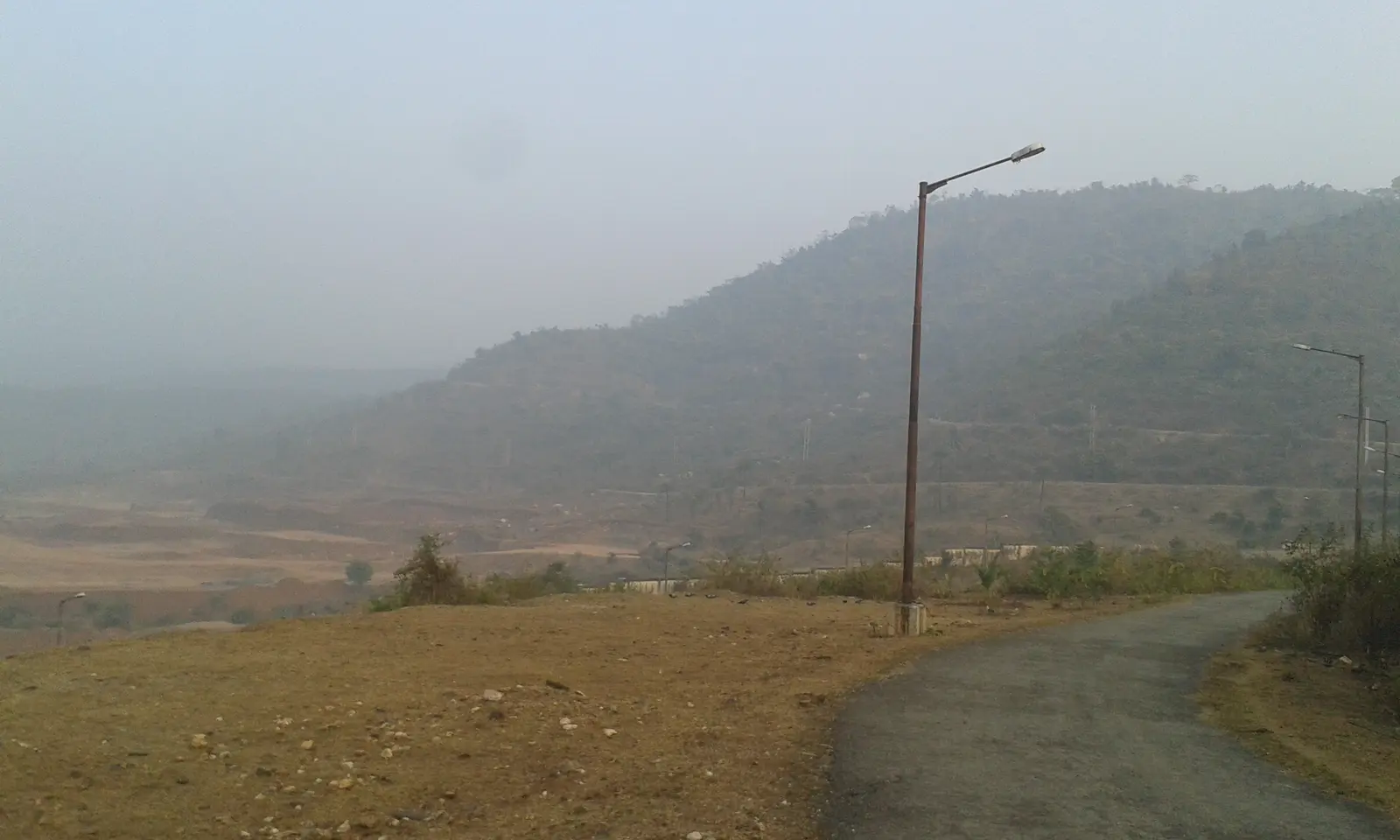 Off-beat
Ajodhya Hills Travel Guide: Trekking & Tribal Culture
Complete Ajodhya Hills guide — Bamni Falls, Turga Falls, Murguma Dam, Marble Lake, trekking trails, Chhau dance heritage, how to reach from Purulia, and a full visit plan.
 Hill Stations
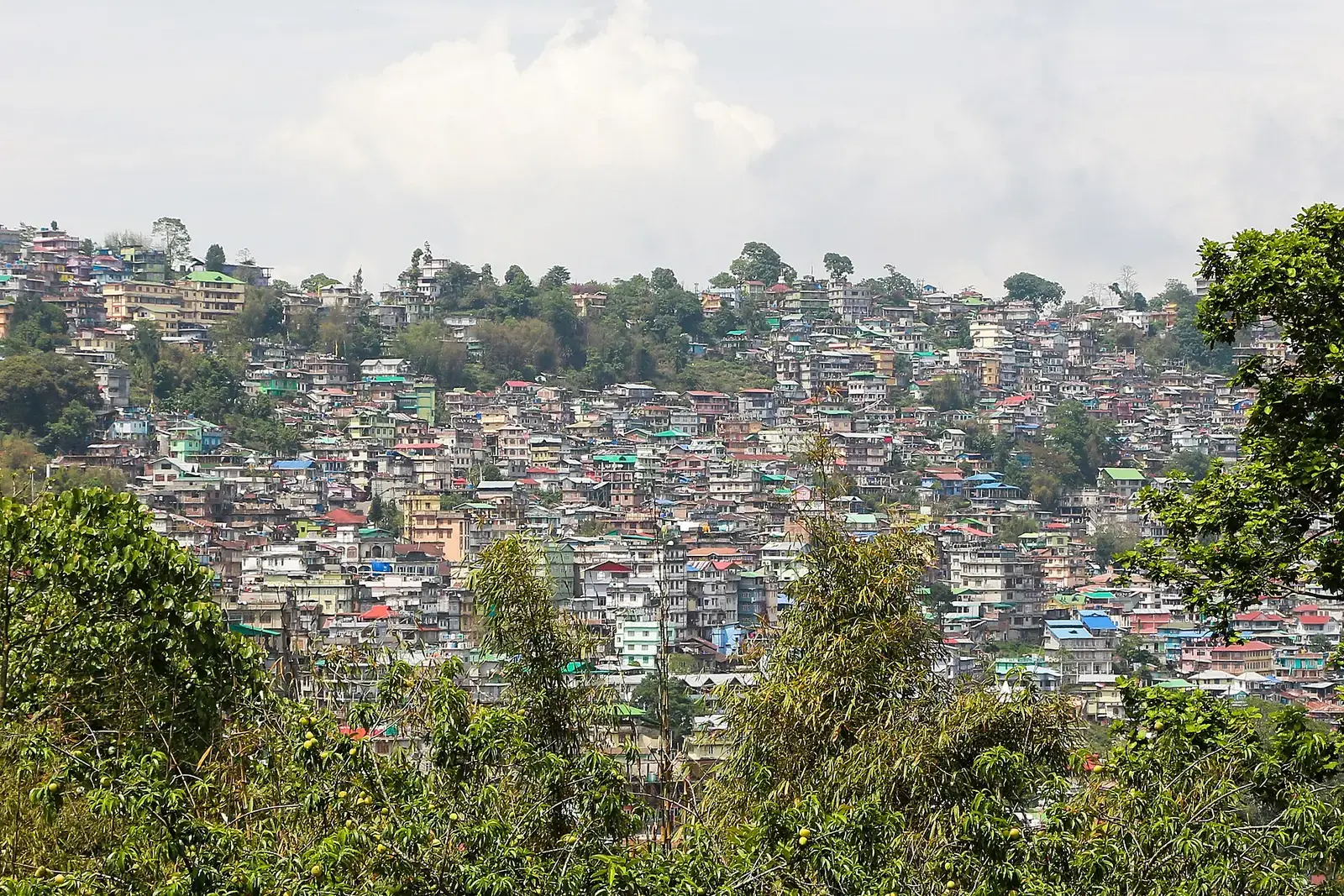
Hill Stations in West Bengal: Darjeeling, Kalimpong and the Hills
A guide to the hill stations of West Bengal: Darjeeling and its tea gardens and toy train, Kalimpong across the Teesta, Kurseong and Mirik, the forest villages of Lava, Lolegaon and Rishop, and the Sandakphu ridge trek, with seasons, getting there from Kolkata and how to combine the hills with Sikkim.
 Adventure
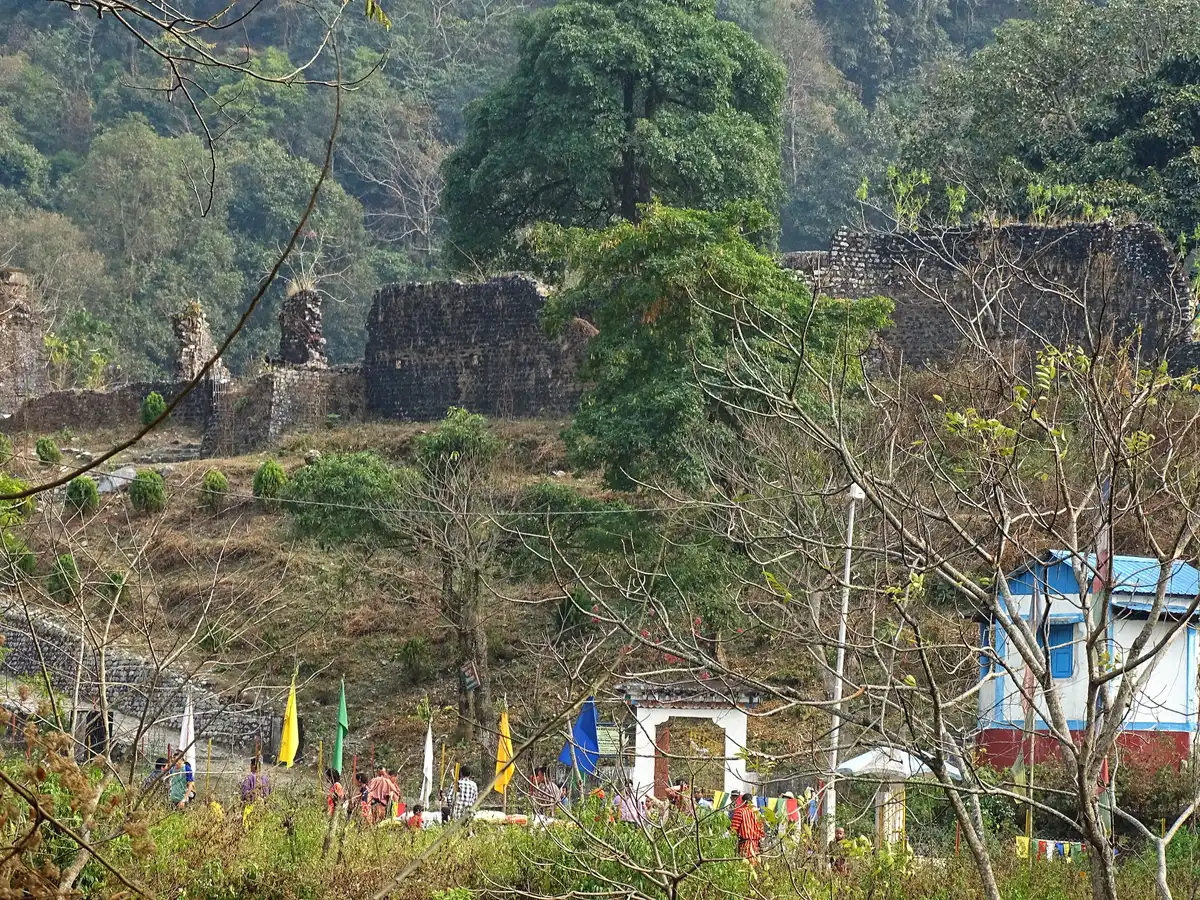
Buxa Tiger Reserve Travel Guide: Trek & Safari
Complete Buxa Tiger Reserve guide — the trek to Buxa Fort, Jayanti river & village, permits, how to reach from Alipurduar, where to stay, and a full visit plan.
 Destination Guide
Darjeeling Travel Guide: Tea Gardens, Toy Train & Tiger Hill
Complete Darjeeling guide — Tiger Hill sunrise, the UNESCO Toy Train, tea garden tours, Batasia Loop, Peace Pagoda, monasteries, where to stay, and a full visit plan for the Queen of the Hills.