Capital of Nawabi Bengal
Murshidabad, on the banks of the Bhagirathi-Hooghly river in West Bengal, served as the capital of Bengal under its Nawabs from the early 18th century, when Murshid Quli Khan shifted the seat of power here and gave the town its name. In its prime, Murshidabad was said to rival the wealth and population of contemporary London — a reflection of Bengal's enormous economic importance under Mughal and Nawabi rule, built substantially on textiles, silk, and river trade.
That prominence collapsed sharply after 1757, when the British East India Company defeated the last independent Nawab, Siraj-ud-Daulah, at the nearby Battle of Plassey — a decisive moment that opened the door to two centuries of British colonial rule in India. What remains today is a quieter riverside town, but one still scattered with palaces, mosques, and monuments from its Nawabi golden age, most famously the Hazarduari Palace.
Roughly 200km from Kolkata, Murshidabad rewards travellers with an interest in Bengal's pre-colonial history and the more nuanced, often-overlooked chapters of India's transition into British rule.
🏰 Murshidabad at a Glance
Interested in the history? See our guide to heritage in West Bengal.
Best Time to Visit Murshidabad
Cool, dry, and comfortable for walking the palace grounds and the scattered monuments across town, most of which sit some distance apart.
Temperatures climb well past comfortable sightseeing levels, particularly for a town where getting between sites involves a fair amount of outdoor walking or short local rides.
The Bhagirathi riverside setting looks lush and atmospheric, but heavy rain can disrupt a full day of monument-hopping.
Winter weekends bring the most domestic tourist traffic — book train tickets and accommodation a little ahead if travelling then.
Our pick: October to March — cool enough for a full day moving between Hazarduari, Katra Mosque, and the town's other scattered monuments.
How to Reach Murshidabad
- By Train: Murshidabad and Berhampore Court railway stations, both roughly 200km from Howrah, are the main gateways — express trains take about 4-5 hours. Most travellers base themselves in Berhampore, the district headquarters, a short local ride from the Hazarduari Palace complex.
- By Road: A similar 4-5 hour drive from Kolkata via NH12.
- Getting around locally: Cycle-rickshaws, autos, and toto (e-rickshaws) cover the scattered monument sites across town, which are spread further apart than Bishnupur's more compact temple cluster.
Hazarduari & the Palace Complex
Hazarduari Palace
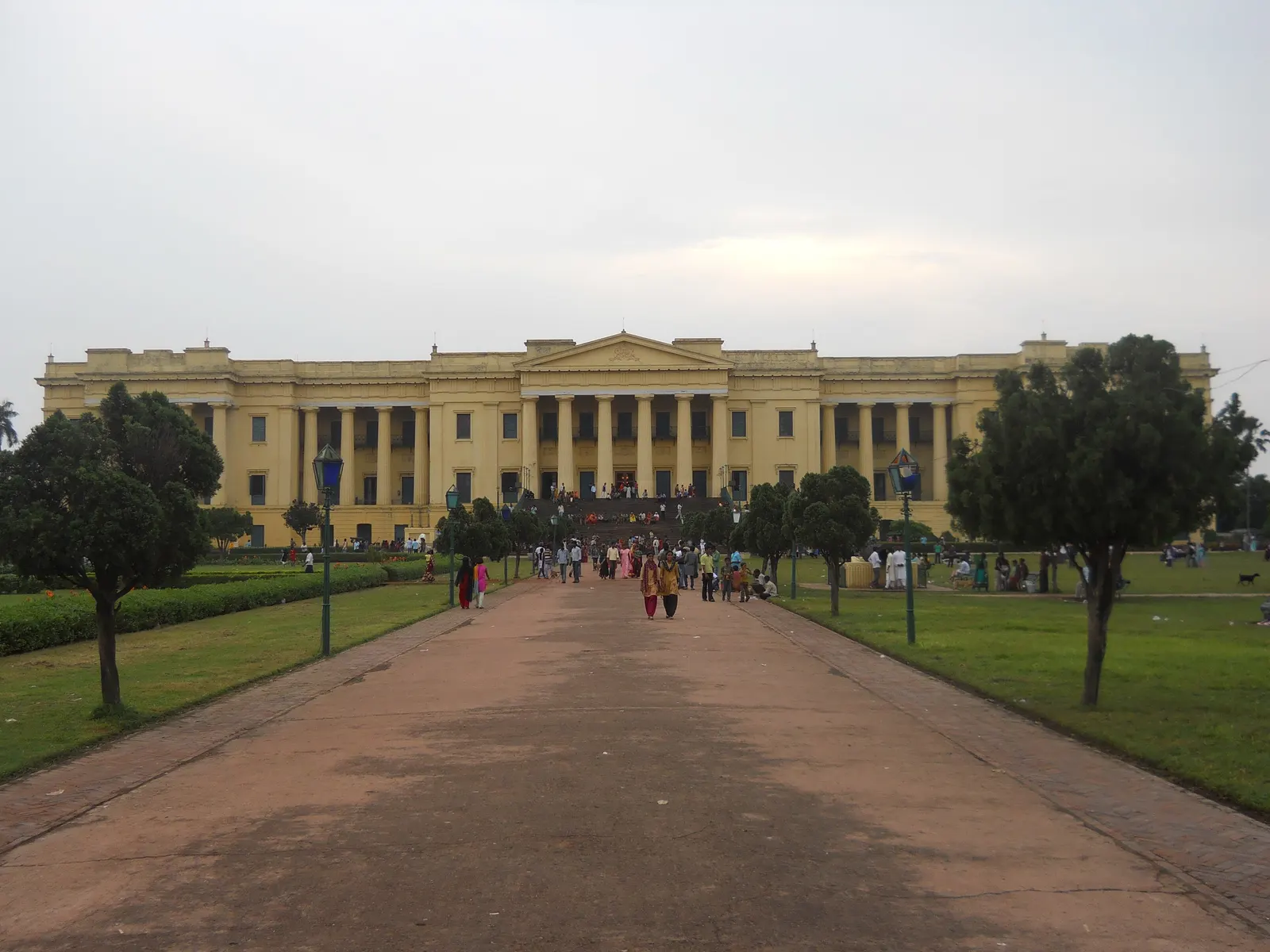
Built in the 1830s in an Italianate neoclassical style by British architect Duncan McLeod, Hazarduari — literally "the palace of a thousand doors" — is the town's centrepiece. Many of its roughly 1,000 doors are false, reportedly designed to confuse would-be assassins and to give the vast façade a sense of visual symmetry. Now a museum, it houses one of eastern India's most significant royal collections: Nawabi armoury and weapons, portraits of British administrators and Bengali rulers, palanquins, chandeliers, and decorative art spanning the Nawabi and colonial periods.
Katra Mosque
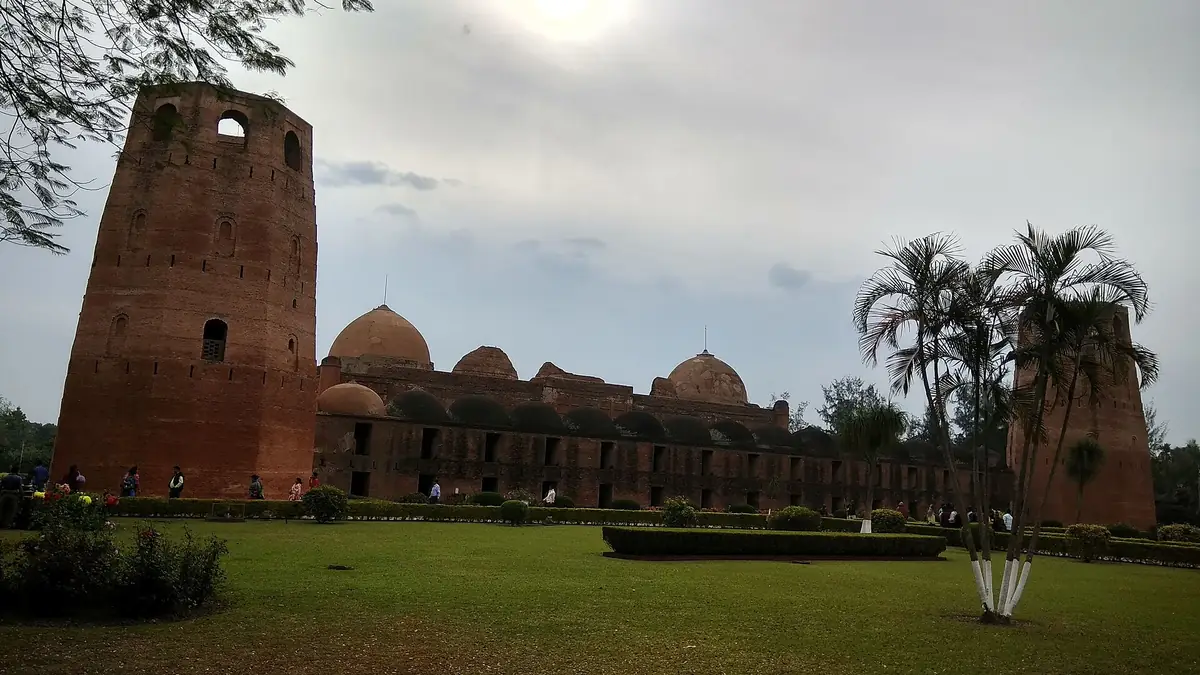
Built in the 1720s by Murshid Quli Khan, the founder of Nawabi Murshidabad, this large mosque was designed with a dual purpose — as a place of worship and a fortified structure with accommodation for hundreds of students of Islamic scripture. Murshid Quli Khan is buried beneath its entrance steps, by his own wish, so that worshippers would walk over his grave.
Nizamat Imambara
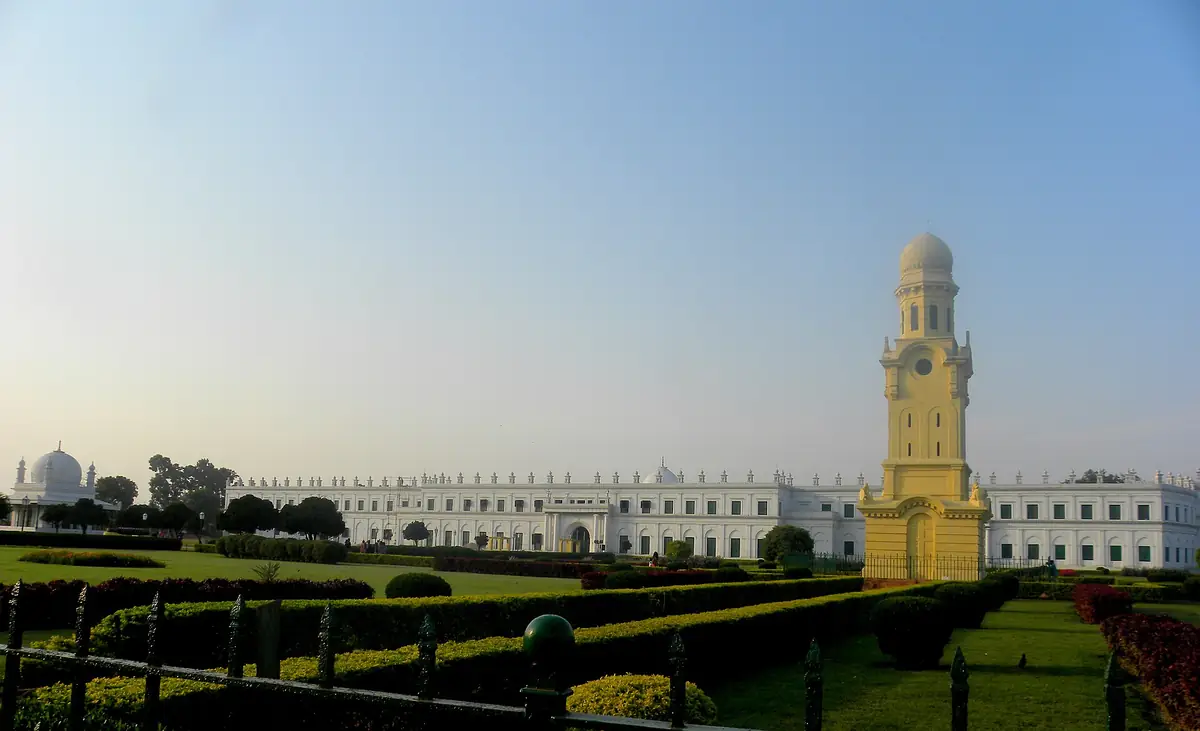
Facing Hazarduari Palace, the Nizamat Imambara is reputed to be the largest imambara (a hall used for Shia Muslim mourning rituals during Muharram) in India, rebuilt in the 1840s after a fire destroyed an earlier structure. Its scale and proximity to the palace make it an easy, worthwhile stop on the same visit.
Kathgola Palace & Jahan Kosha Cannon
Kathgola Palace, built by a wealthy 19th-century Jain merchant family, is a smaller but ornately decorated property with gardens and a private temple, offering a different — mercantile rather than royal — window into Murshidabad's history. The Jahan Kosha ("World-Destroyer") Cannon, a massive 17th-century iron cannon believed to date to the pre-Nawabi era, is another notable relic in the town.
The Battle of Plassey
Around 60km south of Murshidabad, near the village of Palashi (anglicised as Plassey), one of the most consequential battles in Indian history was fought in June 1757. Robert Clive's East India Company forces defeated the army of Siraj-ud-Daulah, the young and last independent Nawab of Bengal, in a battle decided less by military strength than by the pre-arranged betrayal of Siraj's own commander-in-chief, Mir Jafar, who withheld his troops in exchange for being installed as the Company's puppet Nawab afterward.
The victory gave the East India Company effective control over Bengal's revenue and administration, and is widely regarded by historians as the opening chapter of British colonial rule in India — a process that would eventually extend across the entire subcontinent. A modest memorial marks the battlefield site today, a quieter but historically significant stop for travellers with time to spare beyond Murshidabad's main monuments.
Where to Stay in Murshidabad
Most visitors base themselves in Berhampore, the district headquarters a short ride from the Hazarduari complex, which has the widest range of accommodation.
- → Simple lodges in Berhampore
- → West Bengal Tourism guesthouses
- → Basic hotels near the railway station
- → Standard hotels in Berhampore town
- → Riverside guesthouses near the palace
- → Business-style hotels with modern amenities
- → Heritage-style boutique properties
- → Upscale riverside resorts
- → Well-appointed business hotels
Suggested Visit Plan (1-2 Days)
Hazarduari & Nizamat Imambara
- ✓Hazarduari Palace museum and armoury galleries
- ✓Nizamat Imambara directly opposite
Mosques & Merchant Palaces
- ✓Katra Mosque and Murshid Quli Khan's grave
- ✓Kathgola Palace and its gardens
- ✓View the Jahan Kosha Cannon
Plassey Battlefield
- ✓Short trip to the Plassey battlefield memorial
- ✓Return via Berhampore for onward travel
* Many travellers combine Murshidabad with a stop at Mayapur on the way back toward Kolkata.
Where to Eat in Murshidabad
- Mughlai-influenced Bengali cuisine: Nawabi-era culinary influence lingers in local biryanis and kebabs available at eateries around Berhampore.
- Chhanabora and local sweets: Murshidabad has its own distinct sweet-making traditions worth seeking out at local shops.
- Riverside food stalls: Simple snacks and tea stalls along the Bhagirathi riverbank near the palace grounds.
Budget Breakdown
| Expense | Budget | Mid-Range | Luxury |
|---|---|---|---|
| Accommodation/night | ₹800 | ₹3,000 | ₹6,500 |
| Train from Kolkata (round trip) | ₹500 | ₹1,200 | ₹2,000 |
| Food/day | ₹350 | ₹900 | ₹2,000 |
| Hazarduari Palace entry | ₹15–100 | ₹15–100 | ₹15–100 |
| Local transport/day | ₹200 | ₹500 | ₹1,200 |
* Figures are per person, per day (train fare is a round-trip figure from Kolkata).
Essential Tips for Visiting Murshidabad
- Base yourself in Berhampore: It has the widest range of accommodation and is a short ride from Hazarduari and the other main sites.
- Hire transport for the day: The monuments are more spread out than in other heritage towns in the region — a cycle-rickshaw or auto for a half-day is more efficient than walking.
- Check Hazarduari's weekly closure day: Like many government-run museums in India, it closes on a fixed day each week — confirm before planning your visit around it.
- Photography rules inside the palace: Interior photography is often restricted or requires a separate fee — check at the entrance.
- Read up on the Plassey story beforehand: It adds significant depth to what is otherwise a fairly modest battlefield memorial.
✅ Do
- →Base yourself in Berhampore for convenience
- →Hire transport for the day's monument-hopping
- →Check Hazarduari's weekly closure day first
- →Visit Katra Mosque and Nizamat Imambara together
- →Read up on Plassey before visiting the site
❌ Don't
- →Assume you can walk easily between every site
- →Visit without checking the palace's closure day
- →Skip Kathgola Palace as a minor add-on
- →Photograph inside the palace without checking rules
- →Underestimate summer heat while sightseeing
Frequently Asked Questions
How do I reach Murshidabad from Kolkata?
The nearest major railheads are Murshidabad station and Berhampore Court station, both roughly 200km from Howrah, with express trains taking about 4-5 hours. By road, it's a similar 4-5 hour drive via NH12. Most visitors base themselves in Berhampore, the district headquarters, and take a short local trip out to the Hazarduari Palace complex in Murshidabad town itself.
What is Hazarduari Palace and why is it called the 'Palace of a Thousand Doors'?
Hazarduari Palace, built in the 1830s in an Italianate neoclassical style by British architect Duncan McLeod for the Nawabs of Bengal, gets its name from its roughly 1,000 doors — many of them false, reportedly built to confuse assassins and add architectural symmetry. It now functions as a museum housing the Nawabs' armoury, portraits, and decorative arts, one of the most significant royal collections in eastern India.
What is the significance of the Battle of Plassey?
Fought in 1757 near the village of Palashi (Plassey), not far from Murshidabad, the battle saw the British East India Company defeat Siraj-ud-Daulah, the last independent Nawab of Bengal, largely through the betrayal of his own commander, Mir Jafar. The victory gave the Company effective control of Bengal and is widely regarded as the opening chapter of British colonial rule in India — a turning point in the region's history that's still taught and discussed extensively.
How many days should I spend in Murshidabad?
One full day is enough to see Hazarduari Palace, the Katra Mosque, and Nizamat Imambara at an unhurried pace. An overnight stay in Berhampore lets you add Kathgola Palace, the Jahan Kosha Cannon, and a short excursion toward the Plassey battlefield site without feeling rushed.
What is the best time to visit Murshidabad?
October to March offers the most comfortable temperatures for visiting the palace grounds and walking between the various Nawabi-era monuments spread across the town. Summers get very hot, and the monsoon can make travel between sites less comfortable, though the palace itself remains open year-round.
Published by the Kudozz Club editorial team · Last updated · How we research our guides
Want us to plan this trip for you?
Tell Kudozz Club where you want to go and what kind of trip you’re looking for. We’ll build a Murshidabad and West Bengal itinerary around your dates and budget.
Continue Exploring
View all guides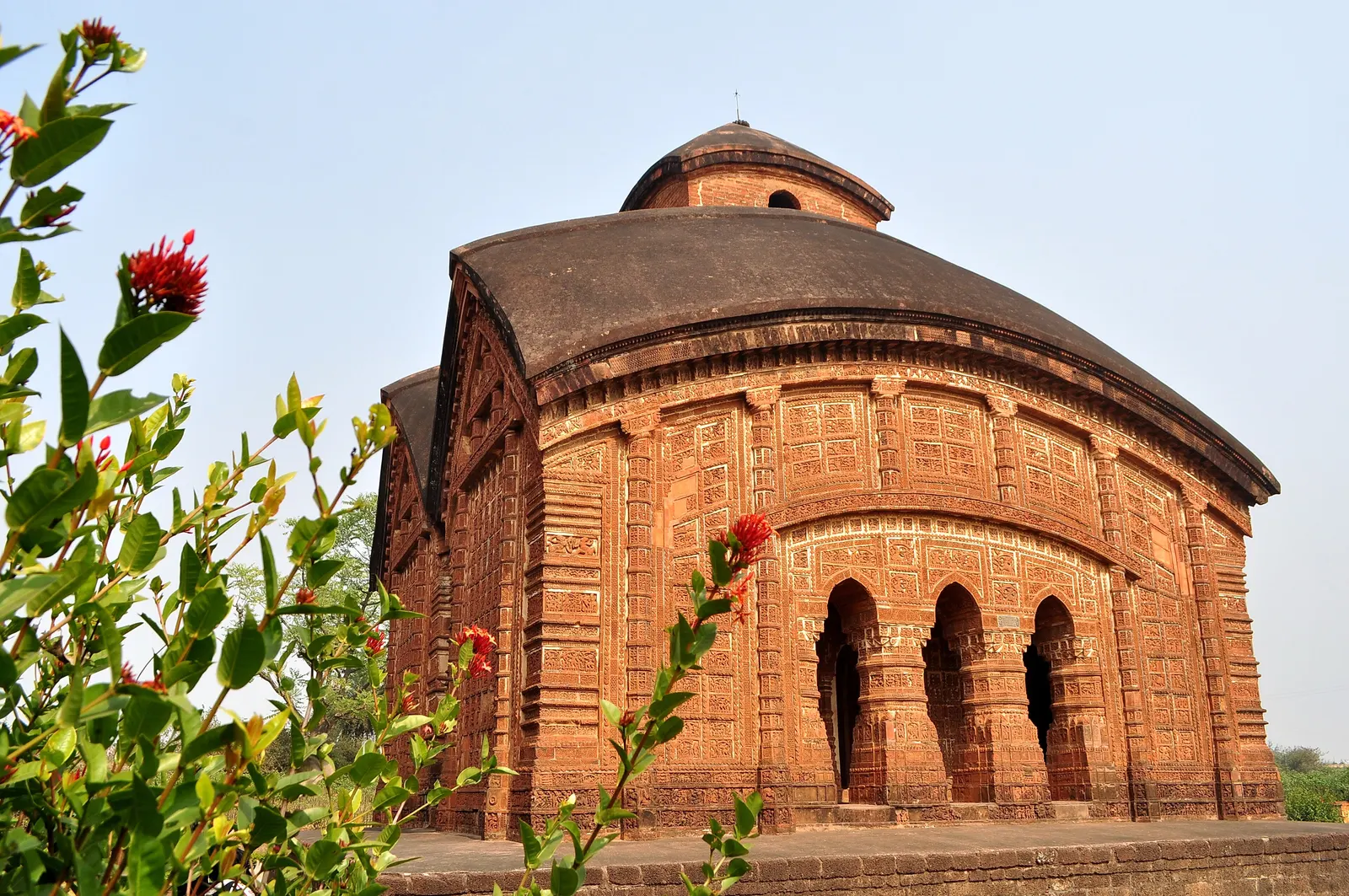 Heritage
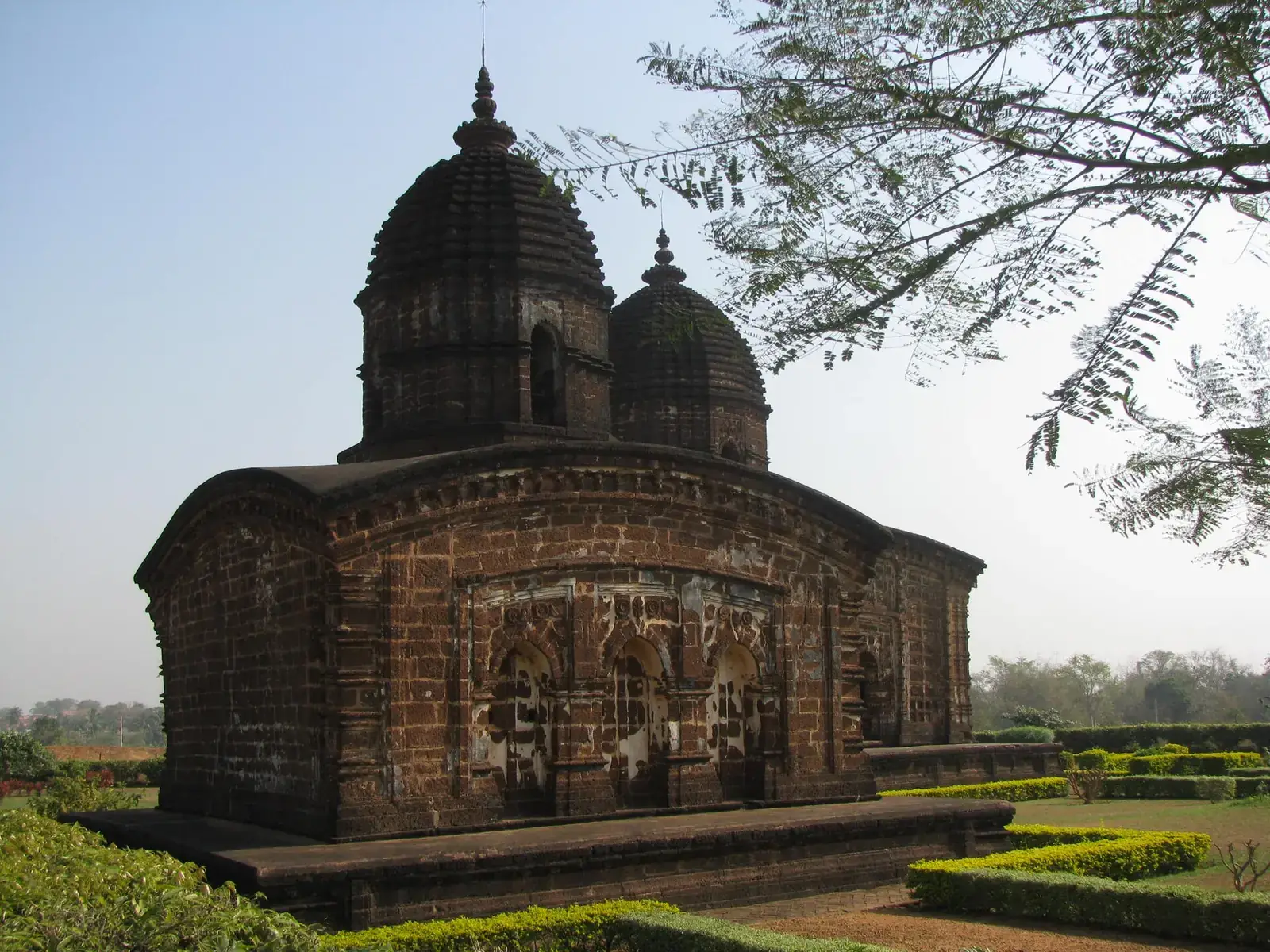
Bishnupur Travel Guide: Terracotta Temples & Baluchari
Complete Bishnupur guide — the Malla dynasty's terracotta temples, Rasmancha, Baluchari sarees, the Bishnupur Gharana, how to reach from Kolkata, and a full visit plan.
 Heritage
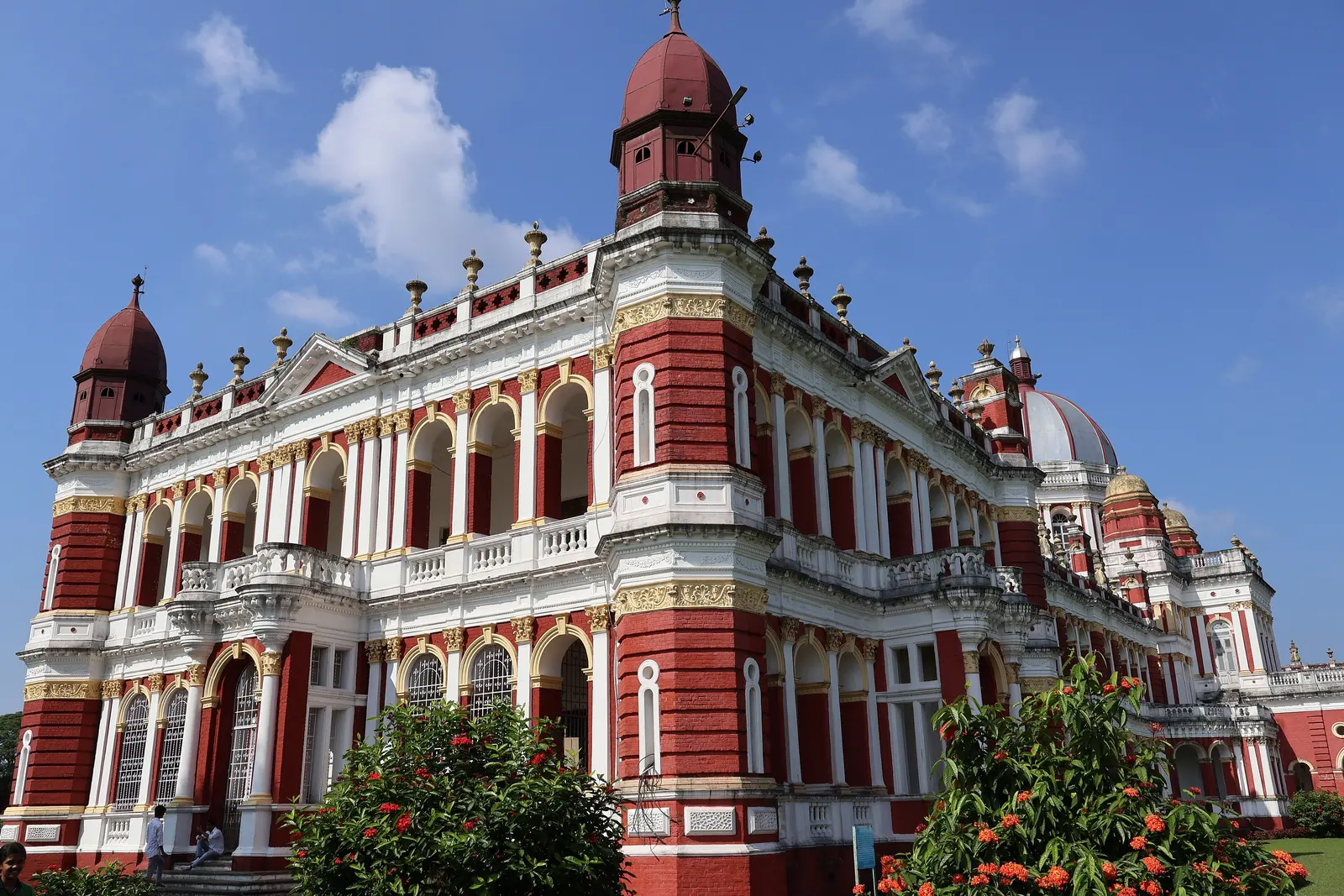
Cooch Behar Travel Guide: Palace & Royal Heritage
Complete Cooch Behar guide — the Buckingham Palace-inspired royal palace, Madan Mohan Temple, Sagardighi, Rasmela, how to reach from Siliguri, and a full visit plan.
 Heritage & Culture
Heritage Tourism in West Bengal: Kolkata, Bishnupur, Murshidabad and Santiniketan
A guide to heritage tourism in West Bengal: its UNESCO cultural sites (Santiniketan and the Darjeeling Himalayan Railway), Kolkata's colonial and Bengali heritage, Bishnupur's terracotta temples, Murshidabad and the Nawabs of Bengal, the European towns along the Hooghly, Gaur and Pandua, Cooch Behar, and crafts, music and festivals from kantha and Baul to Durga Puja.
 Heritage
Gangasagar Travel Guide: Mela, Temple & How to Reach
Complete Gangasagar guide — Sagar Island, Kapil Muni Temple, the massive Gangasagar Mela at Makar Sankranti, how to reach via Kakdwip, and where to stay.