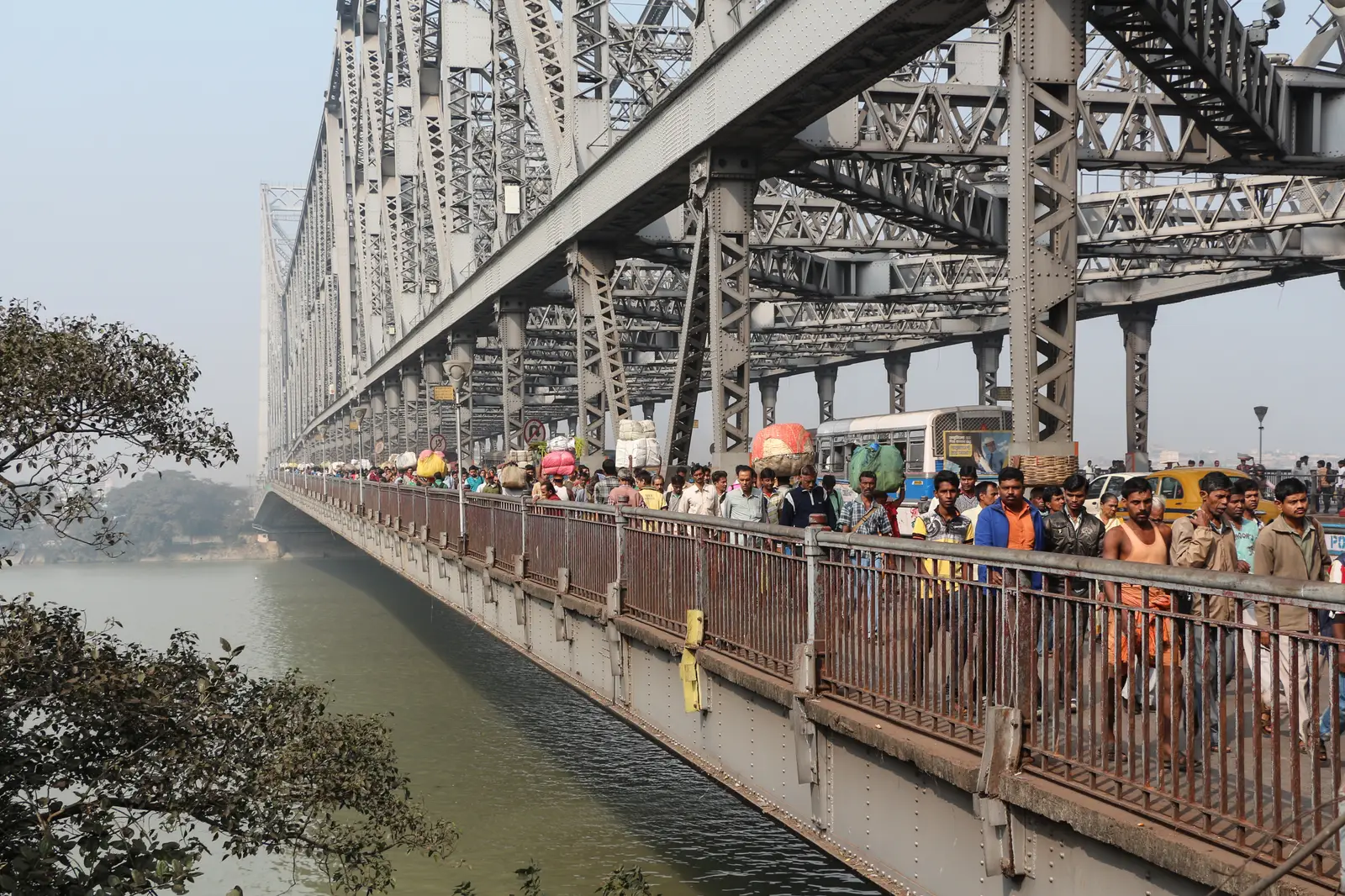
The City of Joy
Kolkata, capital of West Bengal and once the capital of British India until 1911, is a city that rewards slow travel more than almost anywhere else in the country. Nicknamed the "City of Joy," it carries its colonial past — grand Raj-era buildings, wide maidans, a network of trams — alongside a fiercely independent intellectual and artistic identity built around poetry, cinema, football, and food.
This is the city of Rabindranath Tagore and Satyajit Ray, of adda (the unhurried Bengali art of long, wide-ranging conversation) over cups of tea, and of a festival calendar built around Durga Puja, recognised by UNESCO as an Intangible Cultural Heritage of Humanity. It is also, unmistakably, a working megacity of over 4.5 million people (more than 14 million across the wider metropolitan area), with all the traffic, noise, and density that implies.
Most visitors arrive expecting faded colonial grandeur and leave remembering the food, the warmth of conversation with strangers, and a pace of life that insists you slow down and actually look at things — a crumbling façade on a side street, an old bookstall on College Street, a tram rattling past Esplanade at dusk.
🏛️ Kolkata at a Glance
Looking for activities and experiences? See our guide to the best things to do in Kolkata.
Interested in the history? See our guide to heritage in West Bengal.
Best Time to Visit Kolkata
Kolkata's climate is subtropical and can be genuinely punishing outside its cool season — plan around the calendar below rather than around your available dates alone if you can help it.
Cool, dry, and pleasant for long days of walking and sightseeing. This window also covers Durga Puja (usually late Sep-Oct) and the winter fair-and-festival season across Bengal.
Still manageable, with temperatures starting to climb — a reasonable shoulder-season window before summer sets in properly.
Hot and increasingly humid ahead of the monsoon, with daytime temperatures frequently crossing 38-40°C. The least comfortable time to walk the city.
Heavy rain and waterlogging are common on Kolkata's streets, though the city is well used to it. September edges toward Durga Puja season and dries out gradually.
Our pick: late October through February — cool, walkable weather, and if your dates line up with late September or October, a real chance to catch Durga Puja at its peak.
Durga Puja in Kolkata
No single event defines Kolkata more than Durga Puja. For five days each autumn (usually falling somewhere in September or October, following the lunar calendar), the entire city transforms into an open-air gallery of art, light, and devotion, honouring the goddess Durga's victory over the demon Mahishasura. In 2021, UNESCO inscribed Kolkata's Durga Puja on its list of Intangible Cultural Heritage of Humanity — one of very few festivals worldwide to receive that recognition.
Thousands of neighbourhood committees (paras) compete to build the most elaborate pandals — temporary bamboo-and-cloth pavilions housing intricately sculpted clay idols of the goddess — many wrapped around ambitious themes that range from mythological tableaux to social commentary to full architectural replicas of famous global landmarks. Locals and visitors alike "pandal-hop" through the nights, dressed in new clothes, eating street food, and taking in installations that can take committees months to build and only days to dismantle.
The idols themselves are largely handcrafted in Kumartuli, Kolkata's centuries-old potters' quarter (see the culture section below), where artisans work through the preceding months shaping clay drawn from the Hooghly River into the goddess and her family. On the festival's final day, Bijoya Dashami, the idols are carried in procession to the river and ceremonially immersed — a genuinely moving close to the celebrations.
How to Reach Kolkata
As eastern India's largest city and a historic rail and river port, Kolkata is exceptionally well connected by air, rail, and road from across the country.
- By Air: Netaji Subhas Chandra Bose International Airport (CCU) has direct flights from every major Indian city and a range of international routes, particularly across South and Southeast Asia.
- By Rail: Kolkata is served by two major terminals — Howrah, one of India's oldest and busiest railway stations, on the western bank of the Hooghly, and Sealdah, on the eastern side, closer to the city centre. Between them, they connect Kolkata to virtually every part of India.
- By Road: National highways connect Kolkata to Bhubaneswar, Patna, and the rest of eastern India, along with regular long-distance bus services from neighbouring states.
Colonial Landmarks & Temples
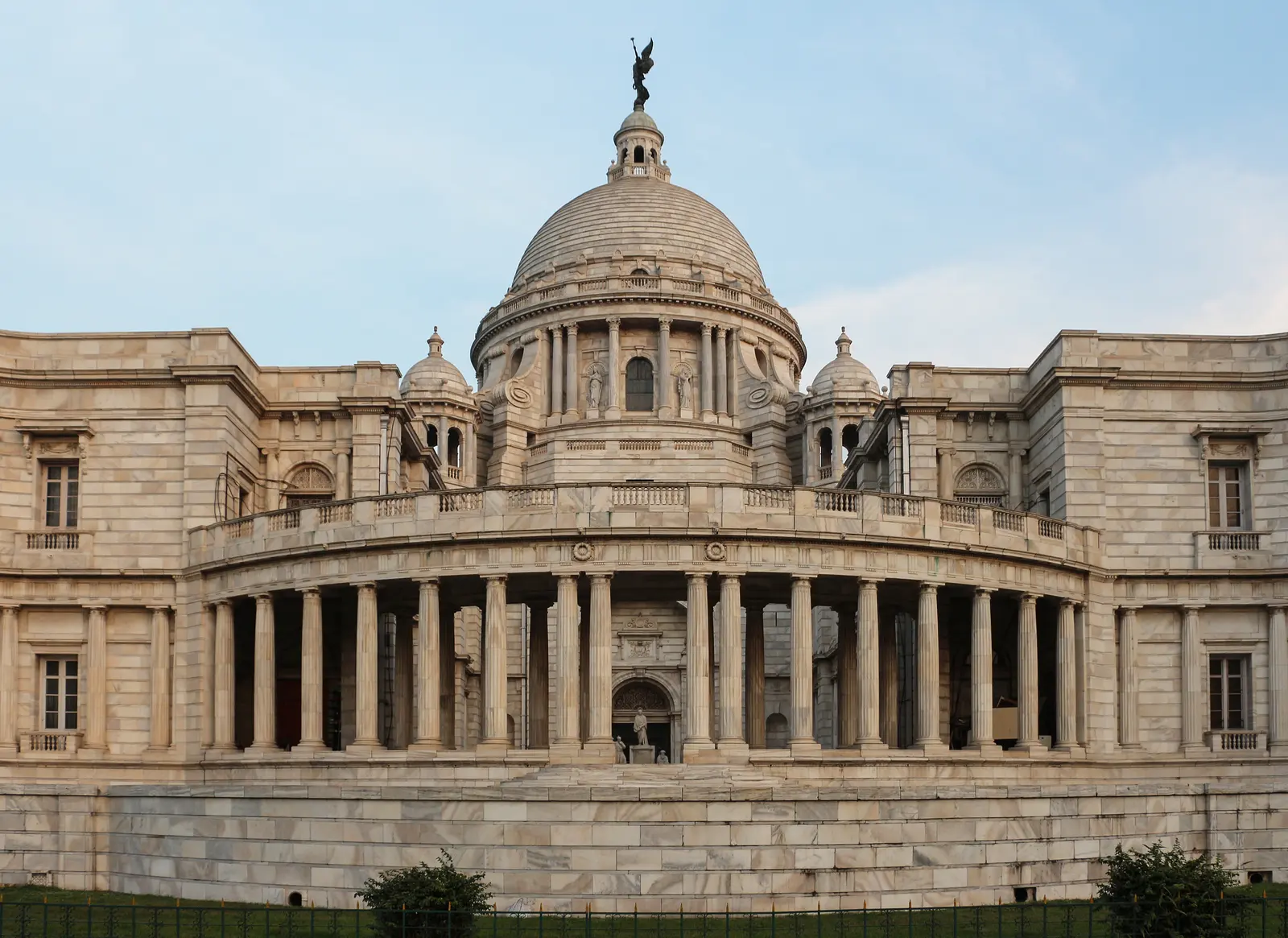
Victoria Memorial
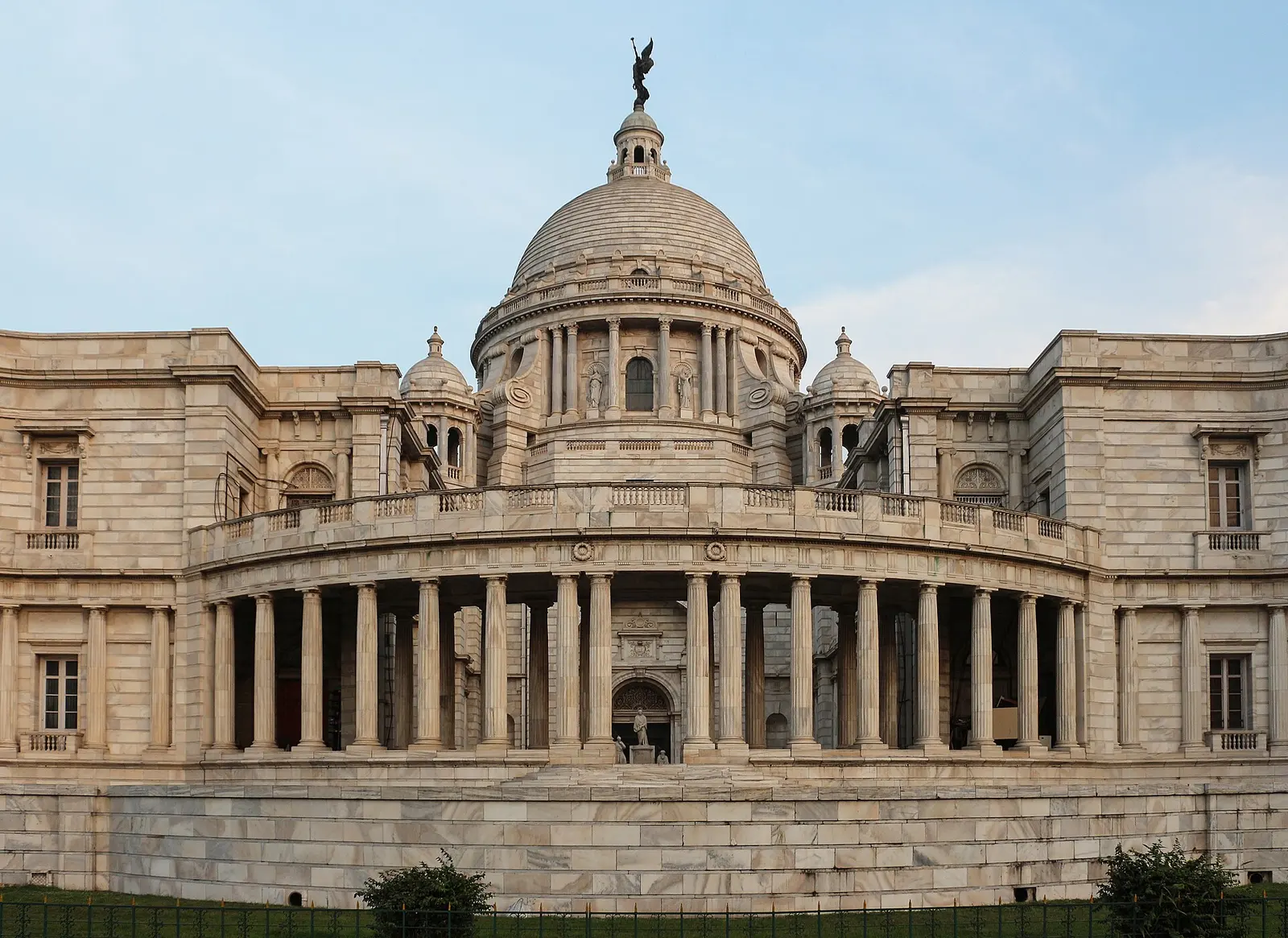
Kolkata's most recognisable landmark, this vast white marble monument was built between 1906 and 1921 to commemorate Queen Victoria, blending British and Mughal architectural styles into something distinctly its own. Today it houses a museum of colonial-era art, artefacts, and manuscripts, set within sprawling formal gardens that are as popular for an evening walk as the building itself. The monument is particularly striking at dusk, when it's floodlit against the darkening sky.
Howrah Bridge
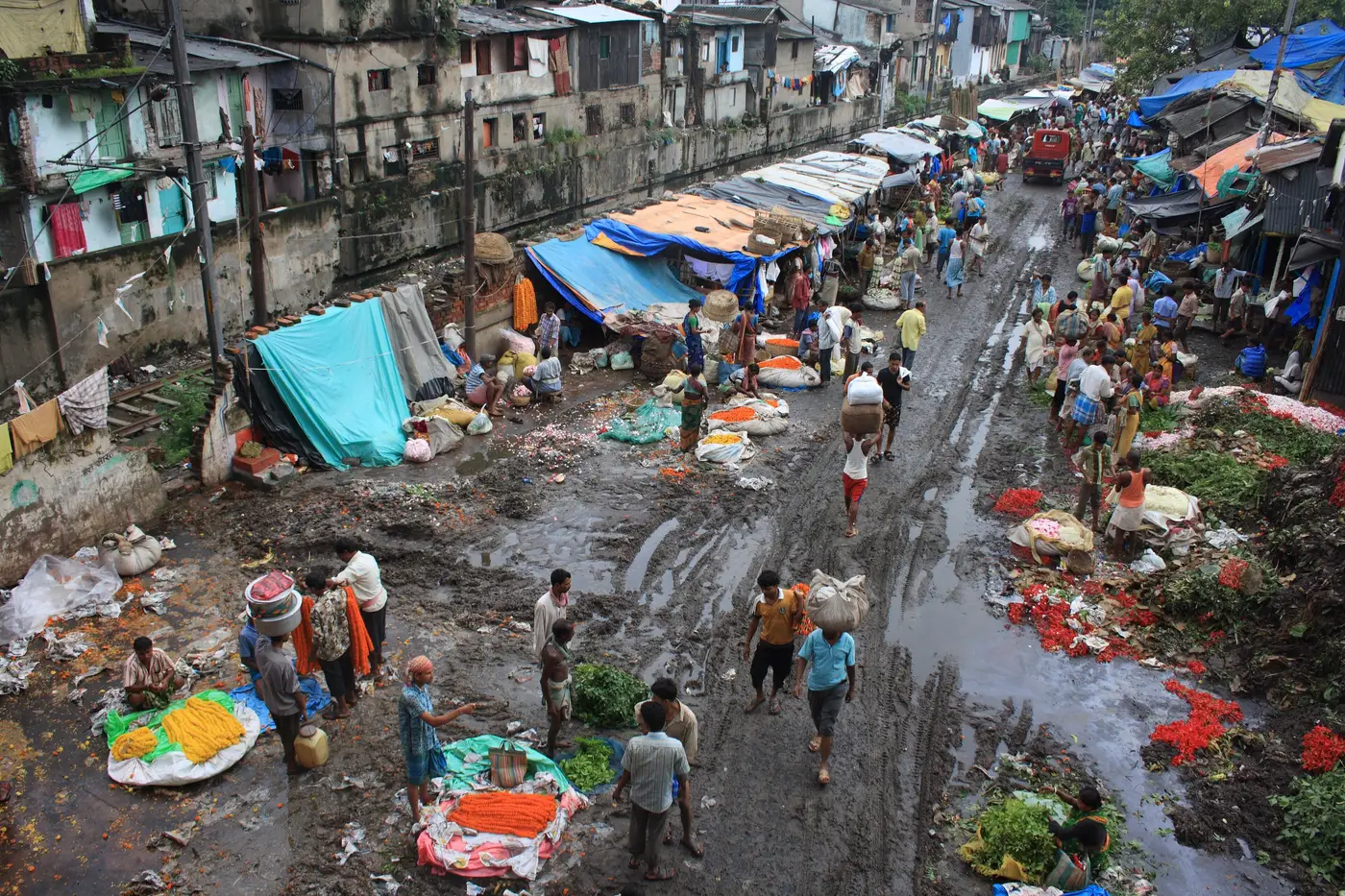
A cantilever bridge spanning the Hooghly River between Kolkata and Howrah, this is one of the busiest bridges in the world, carrying an estimated 100,000-plus vehicles and countless pedestrians daily without a single supporting pillar in the river itself — an engineering feat completed in 1943. The view from the riverbank, especially early morning or around sunset when the flower market near Mullick Ghat is in full swing beneath it, is one of the city's iconic sights.
Indian Museum & Marble Palace
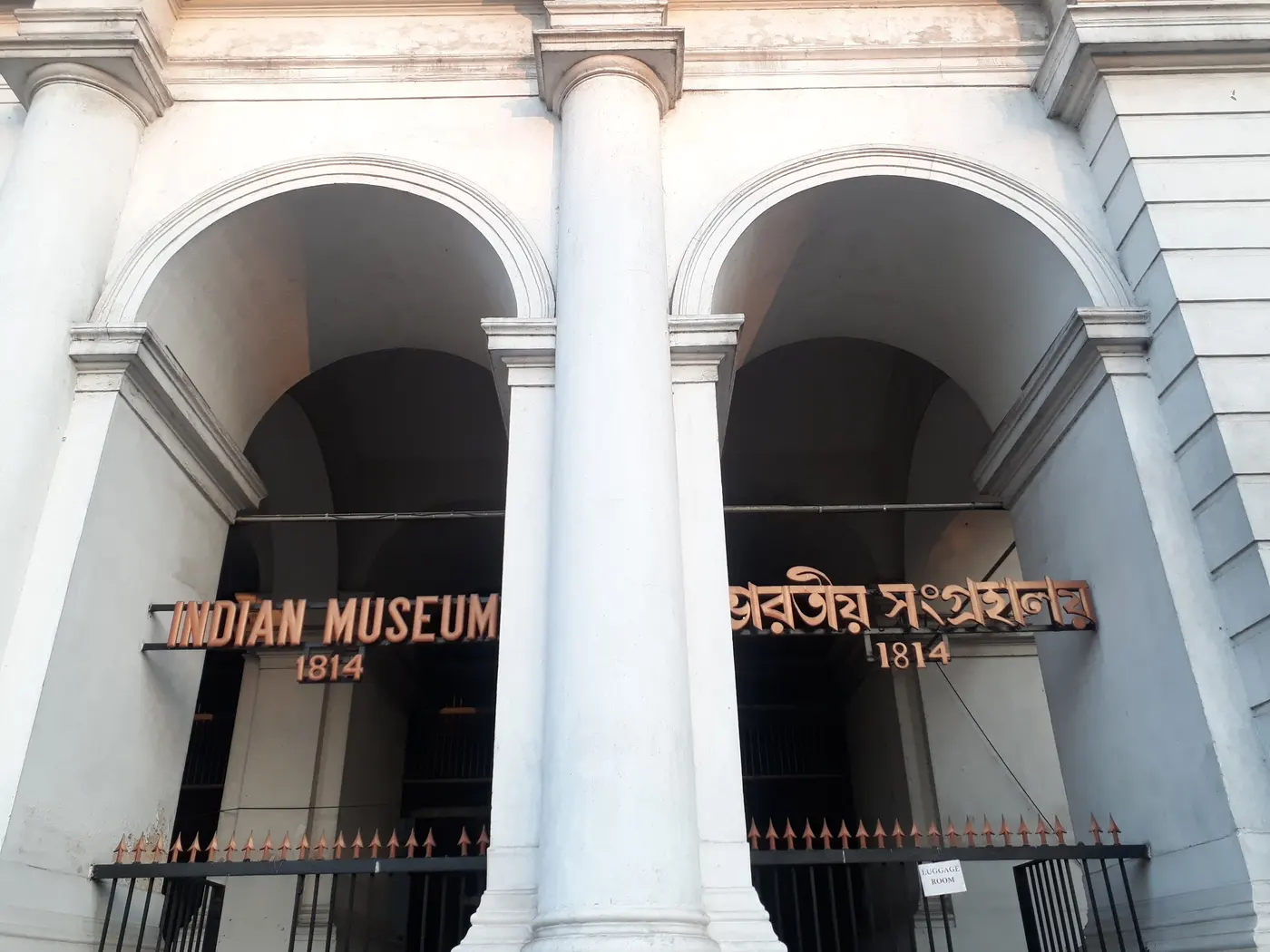
Founded in 1814, the Indian Museum is the oldest and largest museum in India, holding an enormous collection spanning archaeology, art, geology, and natural history — its Egyptian mummy and Bharhut Buddhist stupa railings are particular highlights. Not far away, the Marble Palace, a private 19th-century mansion built by a wealthy Bengali merchant family, is packed with statuary, chandeliers, and paintings collected over generations, and still partly occupied by the family's descendants — visits require a permit arranged a day in advance through the West Bengal Tourism office.
Dakshineswar Kali Temple & Belur Math
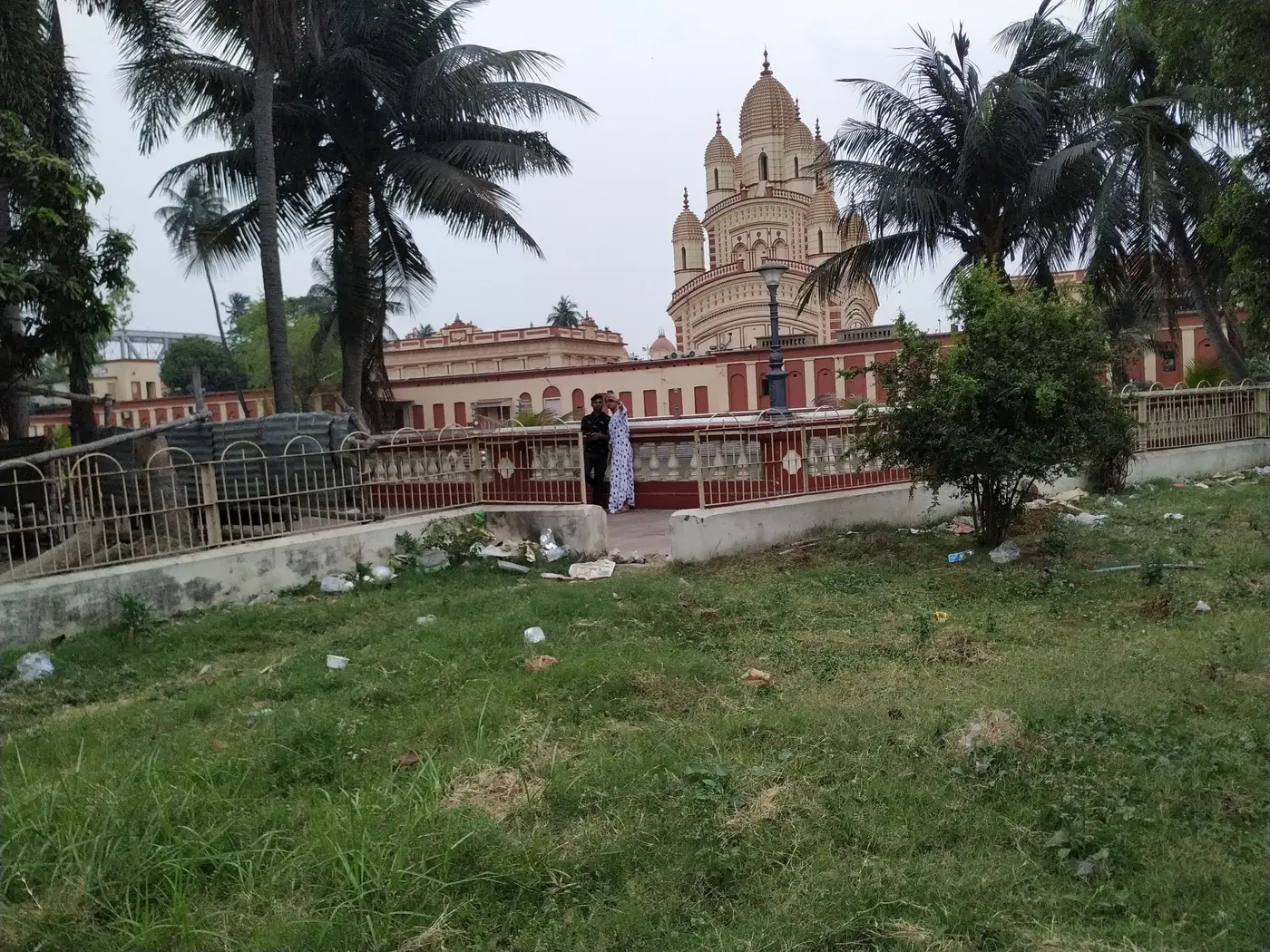
On the northern edge of the city, the Dakshineswar Kali Temple is one of Bengal's most significant Hindu pilgrimage sites, built in 1855 and famous as the temple where the mystic saint Ramakrishna Paramahamsa served as priest. Across the river, Belur Math, headquarters of the Ramakrishna Mission founded by his disciple Swami Vivekananda, is architecturally striking in its own right — its main temple deliberately blends Hindu, Islamic, and Christian design elements to symbolise the unity of religions. Both are easily combined into a single half-day trip.
Literary & Cultural Kolkata
College Street & Indian Coffee House
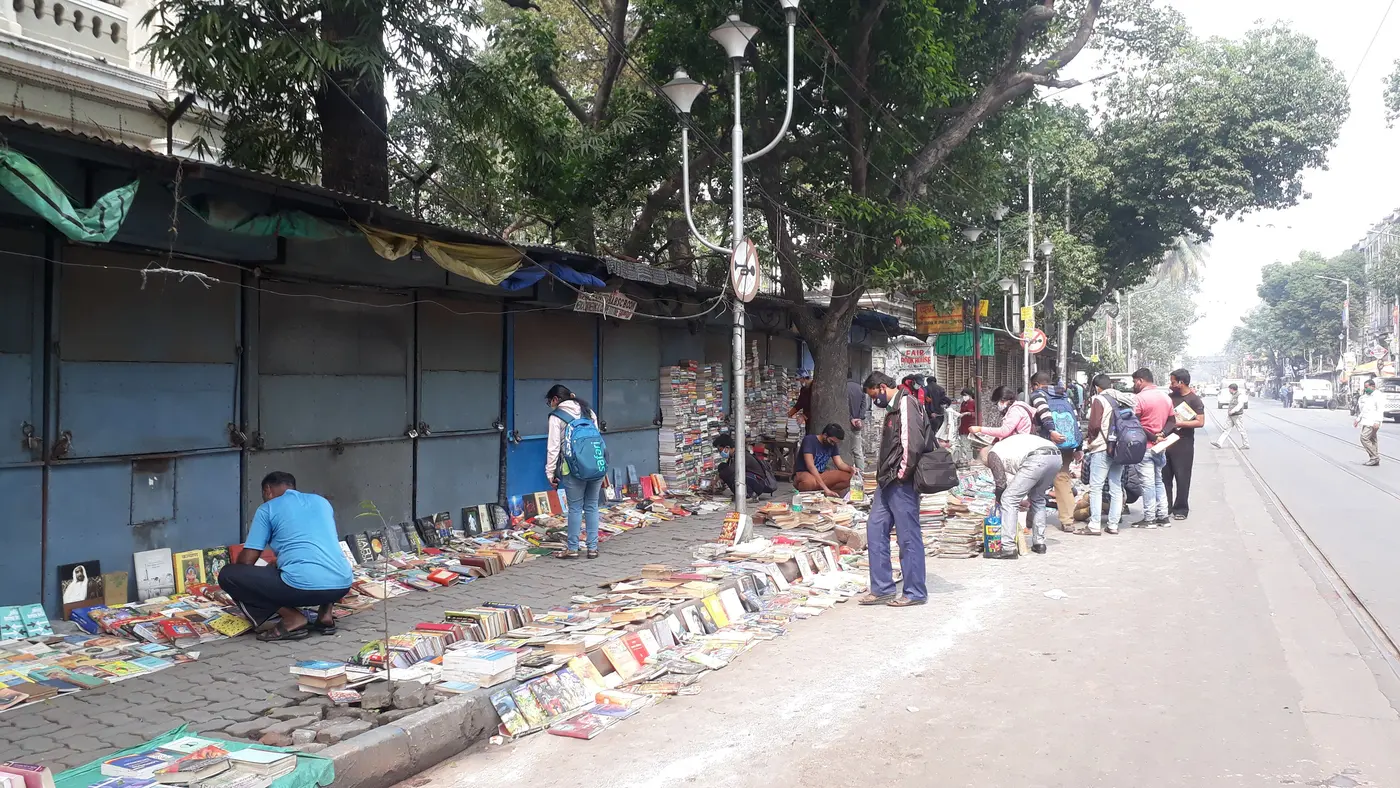
Asia's largest second-hand book market spills along College Street for nearly a kilometre, stall after stall of new, used, and rare titles surrounding the University of Calcutta and Presidency University. At its heart sits the century-old Indian Coffee House, a high-ceilinged, fan-cooled institution that has hosted generations of students, writers, and revolutionaries over cups of coffee and hours of adda — still very much a working café rather than a museum piece.
Kumartuli, the Idol-Makers' Quarter
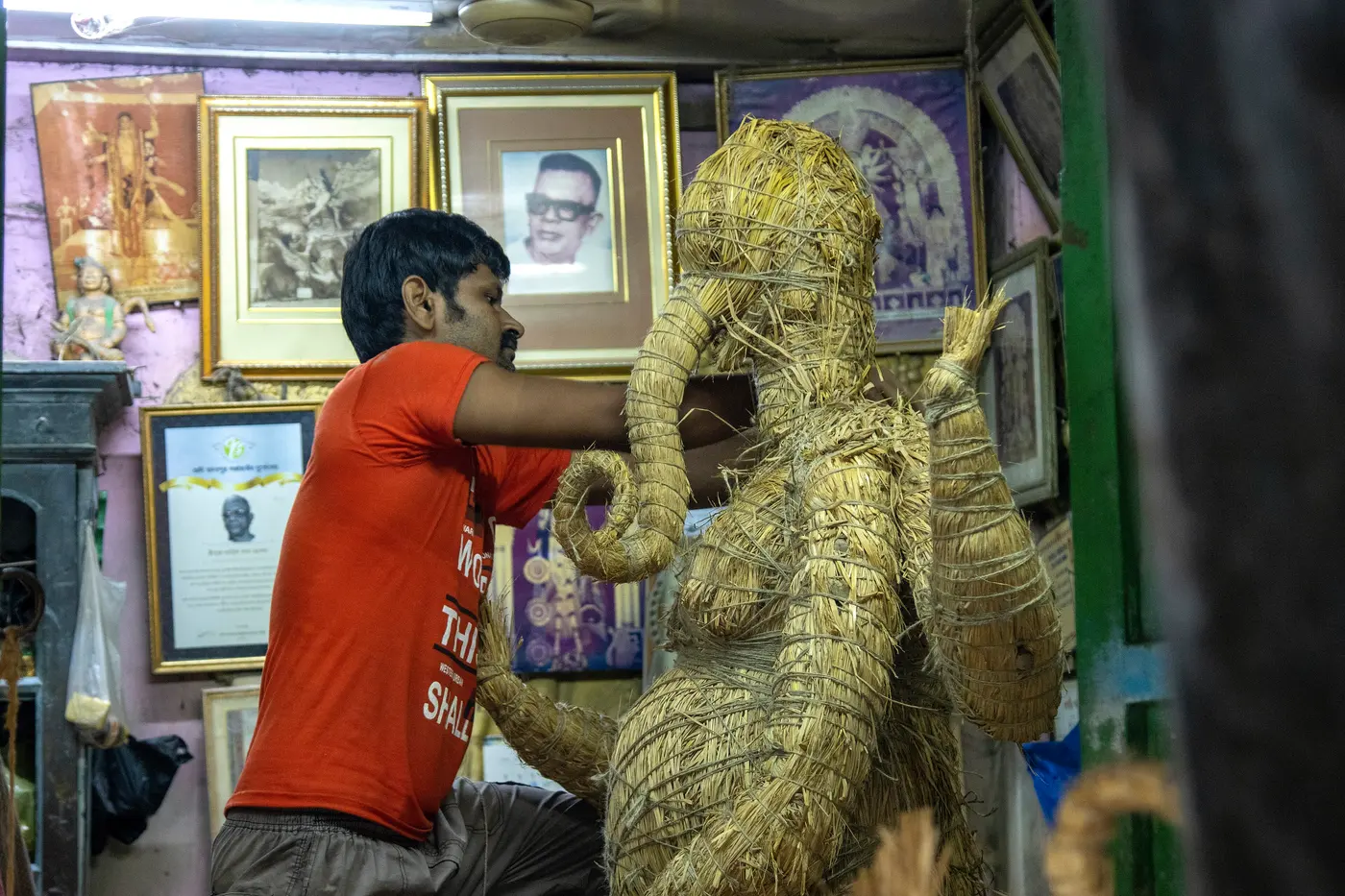
A warren of narrow lanes near the Hooghly where generations of kumars (potters) have shaped clay idols for Durga Puja and Bengal's other major festivals for over 300 years. Visiting outside festival season still offers a fascinating look at the craft in progress — bamboo armatures being built, straw and clay layered on, faces painted with astonishing precision — and the run-up to Puja season transforms it into one of the city's most atmospheric places to walk through.
Trams, Park Street & the Maidan
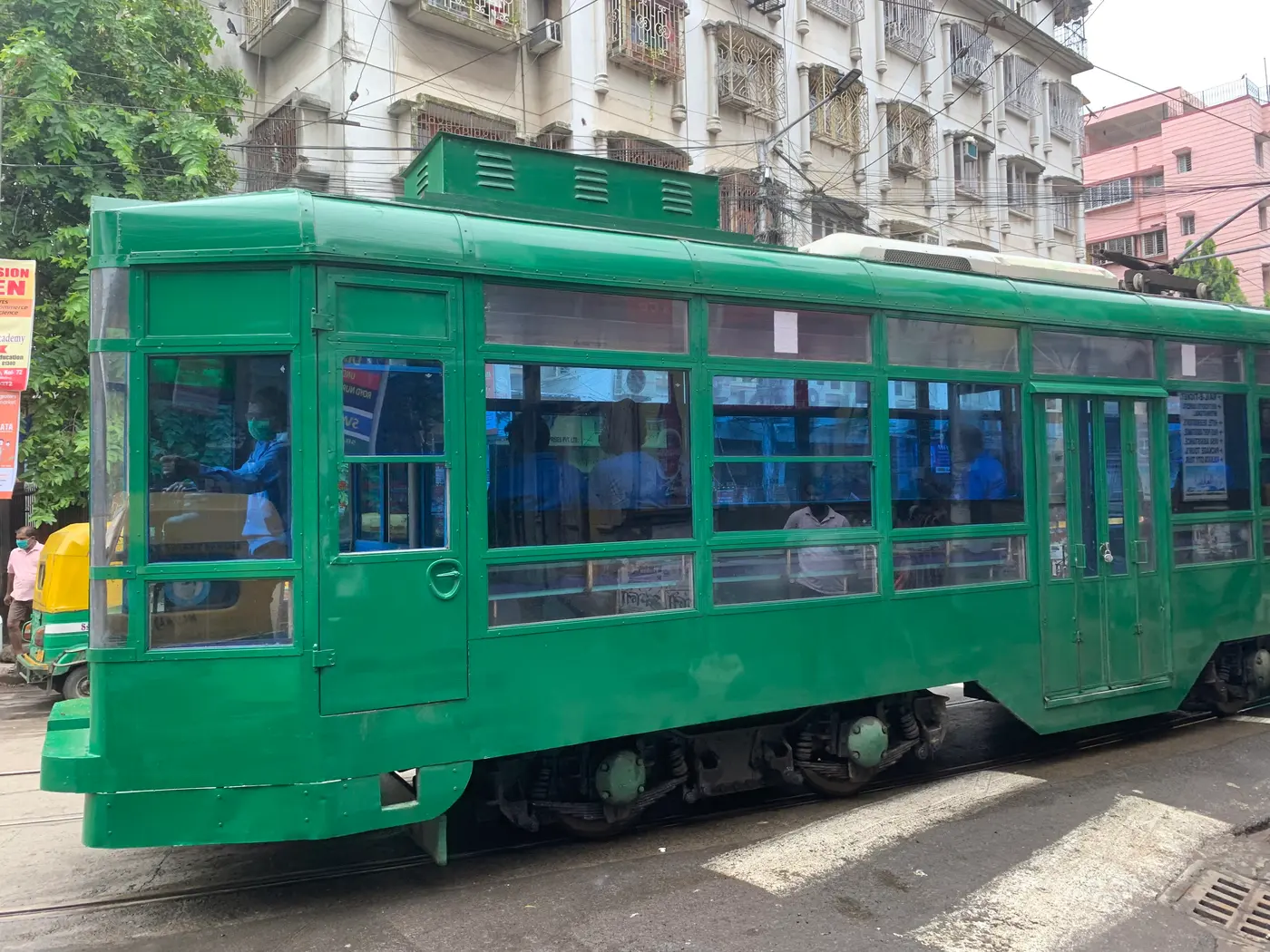
Kolkata operates the last functioning tram network in India, a slow, creaking system dating to 1873 that survives on a handful of routes today — riding one, even briefly, is a small piece of living history. Park Street, the city's most storied boulevard, comes alive with lights and crowds every December for Kolkata's Christmas celebrations, and holds some of the city's oldest cafés and restaurants year-round. Nearby, the vast open expanse of the Maidan — one of the largest urban parks in the world — hosts everything from football matches to morning walkers to, at its eastern edge, Eden Gardens, one of world cricket's most storied stadiums.
New Market
A sprawling, atmospheric covered market dating to 1874, New Market (officially Sir Stuart Hogg Market) is Kolkata's classic shopping experience — everything from tailored clothing and leather goods to spices, sweets, and souvenirs, spread across a maze of stalls under a distinctive red-brick clock tower.
Day Trips from Kolkata
Kolkata's location makes it a natural base for exploring the rest of West Bengal — from mangrove forests to terracotta temple towns to India's most famous university campus.
- Sundarbans: The world's largest mangrove forest and the only mangrove habitat home to wild Bengal tigers — best done as an overnight boat safari rather than a rushed single day.
- Santiniketan: Rabindranath Tagore's university town, roughly 180km away, home to the UNESCO-listed Visva-Bharati campus.
- Bishnupur: Bengal's terracotta temple capital, around 200km from the city, best combined with an overnight stay.
- Mayapur: ISKCON's major pilgrimage town on the banks of the Hooghly, a comfortable half-day to full-day trip.
- Digha: West Bengal's most popular beach town, a manageable weekend trip by road or rail.
- Murshidabad and Gangasagar: See our full Murshidabad guide and Gangasagar guide for two further options further afield.
Where to Stay in Kolkata
Kolkata's best hotel districts cluster around Park Street/Chowringhee (central, walkable to major sights) and the riverside area near the Maidan, with budget options concentrated around Sudder Street.
- → Backpacker hostels near Sudder Street
- → Simple lodges near Howrah/Sealdah
- → Guesthouses close to New Market
- → Business hotels around Park Street
- → Boutique heritage stays in colonial buildings
- → Chain hotels near the Maidan
- → The Oberoi Grand
- → Taj Bengal
- → ITC Royal Bengal / ITC Sonar
Suggested Visit Plan (3-4 Days)
Colonial Kolkata
- ✓Morning at Victoria Memorial and its gardens
- ✓Walk to the Maidan and Eden Gardens
- ✓Sunset at Howrah Bridge and the flower market
Literary Kolkata
- ✓Morning at College Street and Indian Coffee House
- ✓Afternoon walk through Kumartuli
- ✓Evening tram ride and Park Street dinner
Temples & Museums
- ✓Morning at Dakshineswar Kali Temple
- ✓Cross to Belur Math for the afternoon
- ✓Evening at Indian Museum or Marble Palace
Day Trip
- ✓Half or full day to Mayapur or the Sundarbans
- ✓Or an overnight to Santiniketan or Bishnupur
* If visiting during Durga Puja, treat evenings as dedicated pandal-hopping time and shift sightseeing to mornings.
Where to Eat in Kolkata
Kolkata's food culture runs deep — Bengali cuisine's signature use of mustard, fish, and subtly sweet notes, layered with a century of Anglo-Indian, Chinese, and Mughlai influence that makes this one of India's most rewarding cities to eat in.
- Bengali thalis and fish curries: Shorshe ilish (hilsa in mustard sauce), macher jhol (fish curry), and kosha mangsho (slow-cooked mutton) are the dishes to seek out at traditional Bengali restaurants across the city.
- Park Street institutions: Flurys, a bakery-café operating on Park Street since 1927, and Peter Cat, known for its Chelo Kebab, are two of the city's most enduring dining landmarks.
- Street food: Puchka (Kolkata's version of pani puri), kathi rolls (originally invented here), and jhalmuri are essential, inexpensive street eating.
- Sweets: Rosogolla, sandesh, and mishti doi (sweetened yoghurt) are Bengal's most famous exports — sweet shops across the city sell them fresh daily.
- Indian Coffee House: More about the atmosphere and conversation than the menu, but worth an hour with a coffee regardless.
Budget Breakdown
| Expense | Budget | Mid-Range | Luxury |
|---|---|---|---|
| Accommodation/night | ₹1,200 | ₹5,000 | ₹15,000 |
| Food/day | ₹500 | ₹1,500 | ₹3,500 |
| Local transport/day | ₹200 | ₹600 | ₹1,800 |
| Sightseeing entry fees/day | ₹200 | ₹400 | ₹800 |
| Day trip (Mayapur/Sundarbans) | ₹1,500 | ₹3,000 | ₹6,000 |
| Daily total (approx.) | ₹2,100 | ₹7,500 | ₹21,100 |
* Figures are per person, per day, and exclude flights or trains into the city. Prices rise significantly during Durga Puja.
Essential Tips for Visiting Kolkata
- Book well ahead for Durga Puja: Hotels and trains fill up months before the festival — don't leave it to the last minute if these dates matter to your trip.
- Use the Metro for north-south trips: India's oldest metro system is fast, cheap, and avoids Kolkata's notorious traffic for many key routes.
- Carry an umbrella outside winter: Rain can arrive suddenly, and Kolkata's streets are prone to waterlogging in the monsoon months.
- Try the street food, but choose busy stalls: High turnover generally means fresher ingredients — puchka and kathi rolls from popular stalls are usually safe and delicious.
- Ride a tram at least once: It's slow and not always the fastest way to get anywhere, but it's a piece of living history you won't find elsewhere in India.
✅ Do
- →Walk College Street and Kumartuli slowly
- →Book hotels early if visiting during Durga Puja
- →Try Bengali fish curry and street food
- →Take the metro for longer north-south trips
- →Visit Dakshineswar and Belur Math together
- →Ride a tram at least once
❌ Don't
- →Try to see all of Durga Puja in a single night
- →Rely on road travel during peak festival evenings
- →Skip an umbrella outside the winter months
- →Rush the Indian Museum — it deserves 2-3 hours
- →Expect the Marble Palace without a permit
- →Underestimate Kolkata's summer heat
Frequently Asked Questions
How many days do I need in Kolkata?
Three to four days covers the essentials comfortably — a day for colonial landmarks (Victoria Memorial, Howrah Bridge, Indian Museum), a day for College Street, Kumartuli, and the tram-and-Coffee-House side of the city, a day for temples (Dakshineswar and Belur Math), and a day free for Park Street food and New Market shopping. Add extra nights if you're planning a day trip to Santiniketan or the Sundarbans.
What is the best time to visit Kolkata?
October to February is by far the best window — cool, dry, and comfortable for walking around the city. If your dates allow it, timing a visit around Durga Puja (usually September or October) is genuinely special, though hotels and travel book out well in advance. Avoid April to June, when heat and humidity peak, and July-August, the height of the monsoon.
Is Durga Puja a good time to visit, or too crowded?
Both, honestly. Durga Puja transforms Kolkata into an open-air festival of art and light, with thousands of elaborately themed pandals (temporary shrines) across the city — it's a genuinely unmissable cultural experience, recognised by UNESCO as an Intangible Cultural Heritage. But the crowds are enormous, hotel prices spike, and roads near major pandals can be gridlocked for hours in the evenings. If you go, book accommodation months ahead and pace your pandal-hopping across several days rather than trying to see everything in one night.
How do I get around Kolkata?
The Kolkata Metro (India's oldest, running since 1984) is fast and cheap for north-south routes along the Blue Line. Yellow taxis and app-based cabs (Uber, Ola) cover everywhere else, and are inexpensive by most city standards. For a slower, more atmospheric ride, Kolkata still runs India's last operating tram network on a few surviving routes — worth doing at least once, more for the experience than the speed.
Is Kolkata safe for travellers?
Yes, generally — Kolkata is considered one of India's safer major cities, with a reputation for a relatively low crime rate and a courteous, unhurried civic culture compared to some other metros. Usual city precautions apply: keep valuables secure in crowded areas like New Market and Puja pandals, and use registered taxis or app-based cabs at night.
What are the best day trips from Kolkata?
Santiniketan (Tagore's university town, ~180km) and Bishnupur (terracotta temples, ~200km) are best done as overnight trips rather than single-day dashes given the distance. Closer options include Mayapur (the ISKCON pilgrimage town on the Hooghly) and the Sundarbans mangrove forest, both of which work as long day trips or a single overnight. Digha, Bengal's most popular beach town, is a comfortable weekend trip from the city.
Published by the Kudozz Club editorial team · Last updated · How we research our guides
Want us to plan this trip for you?
Tell Kudozz Club where you want to go and what kind of trip you’re looking for. We’ll build a Kolkata and West Bengal itinerary around your dates and budget.
Continue Exploring
View all guides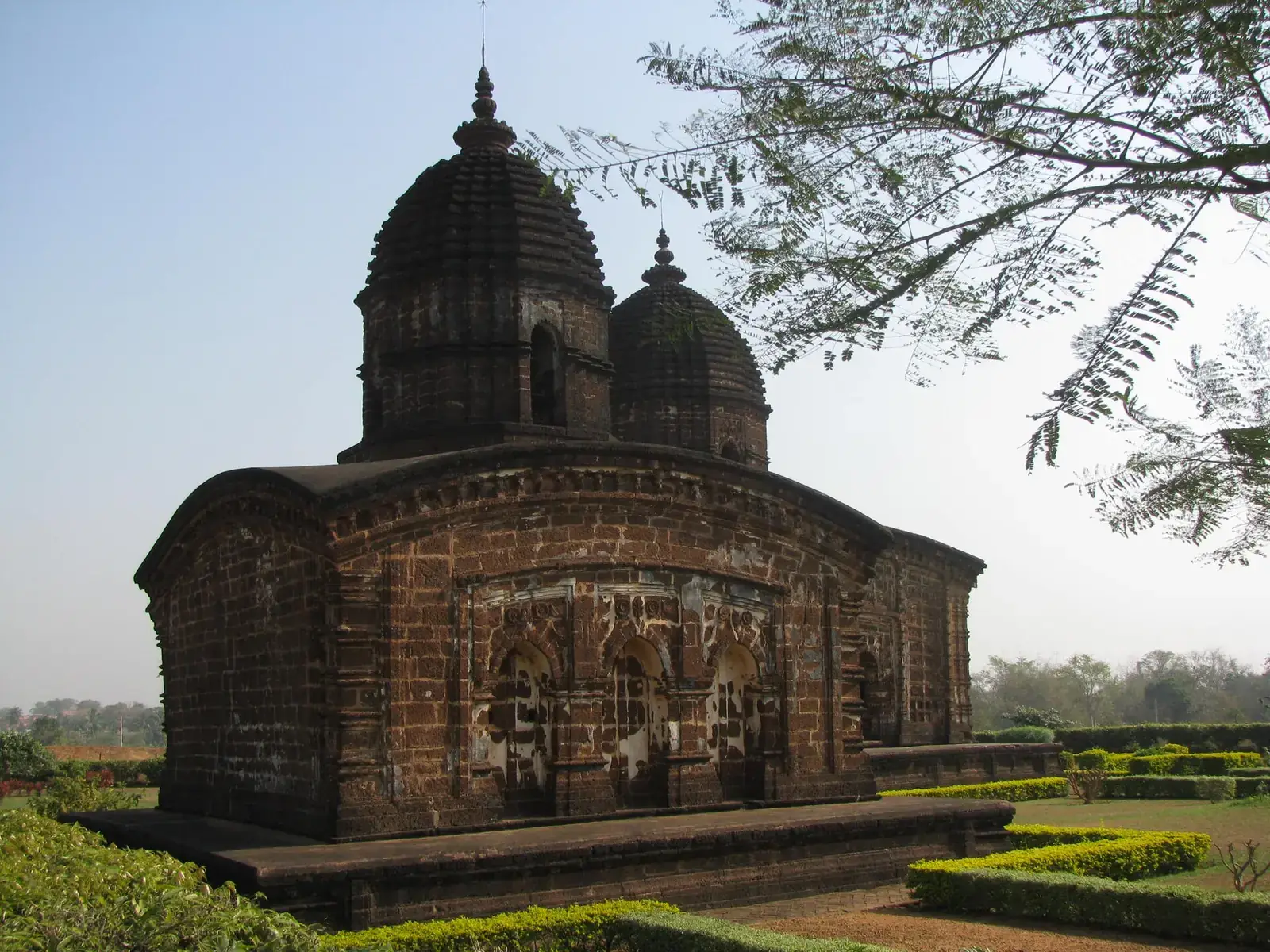 Heritage & Culture
Heritage Tourism in West Bengal: Kolkata, Bishnupur, Murshidabad and Santiniketan
A guide to heritage tourism in West Bengal: its UNESCO cultural sites (Santiniketan and the Darjeeling Himalayan Railway), Kolkata's colonial and Bengali heritage, Bishnupur's terracotta temples, Murshidabad and the Nawabs of Bengal, the European towns along the Hooghly, Gaur and Pandua, Cooch Behar, and crafts, music and festivals from kantha and Baul to Durga Puja.
 Destination Guide
West Bengal Travel Guide: Kolkata, Darjeeling & Sundarbans
Colonial-era Kolkata, tea gardens climbing into the clouds at Darjeeling, and mangrove creeks where the Royal Bengal Tiger still roams — the complete guide.
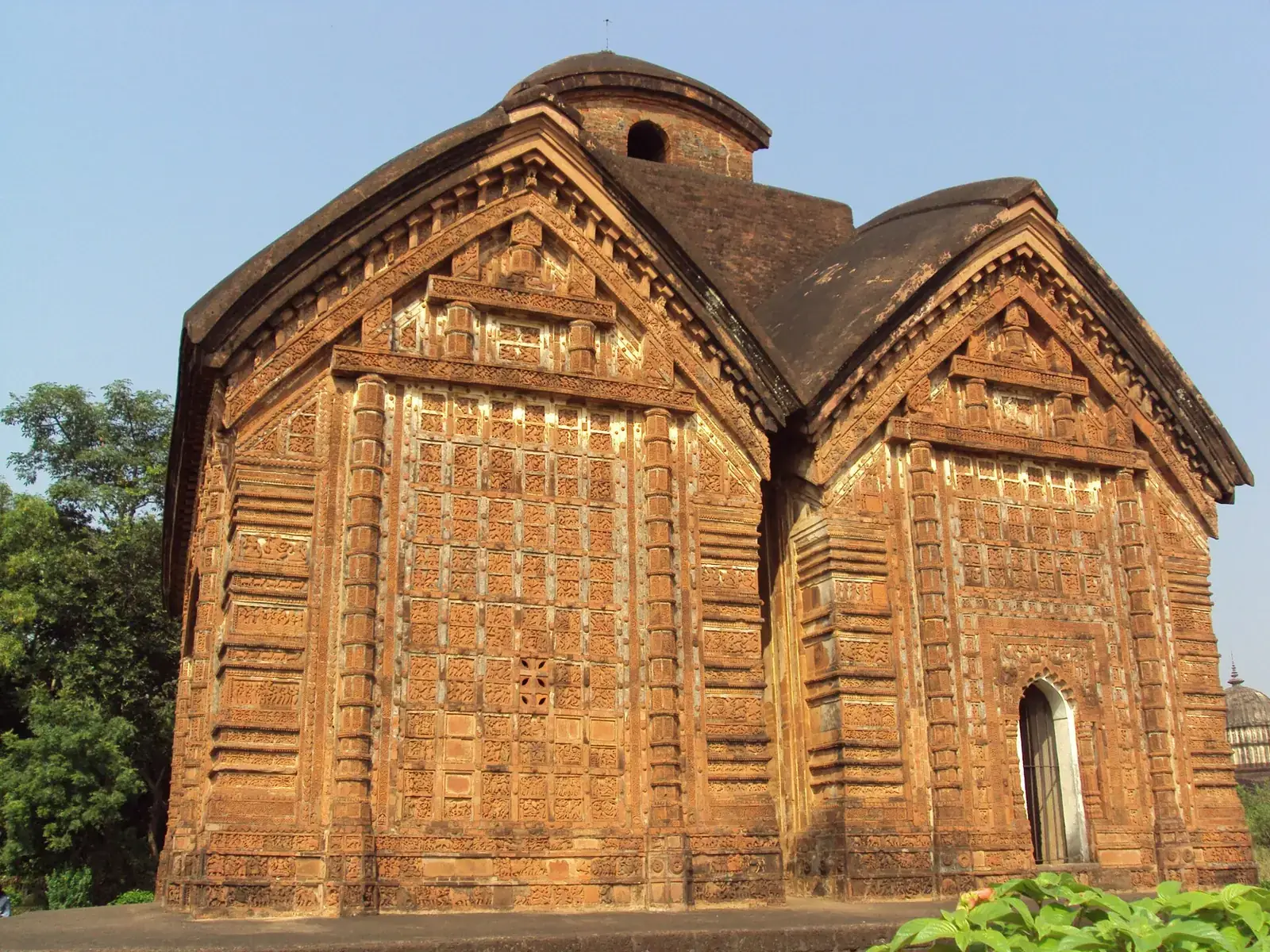 Road Trips
Road Trips from Kolkata: Coast, Terracotta Towns and the Hills
A guide to road trips from Kolkata: the Bay of Bengal beaches at Digha, Mandarmani and Tajpur, the terracotta temples of Bishnupur, Santiniketan, the Mukutmanipur reservoir and Purulia's Ajodhya Hills, the drive to the Sundarbans jetties, and longer trips to Puri and Darjeeling, with approximate distances, seasons and cyclone cautions.
Things to DoThings to Do in Kolkata: Heritage, Temples, Books, Food & Durga Puja
Things to do in Kolkata: the Victoria Memorial, Howrah Bridge and the flower market, Dakshineswar and Belur Math by ferry, Kalighat, College Street and the Indian Coffee House, Kumartuli, Park Street, the Indian Museum, Jorasanko, Chinatown breakfast, phuchka and Durga Puja.