North Bengal's Royal Capital
Cooch Behar, in the northernmost reaches of West Bengal, was for centuries the capital of an independent princely state ruled by the Koch dynasty, one of the longest-surviving royal lineages in the region. The kingdom retained a degree of autonomy even through the Mughal and British colonial periods, only formally merging with independent India in 1950 — a distinct political history that set it apart from the rest of Bengal for much of its existence.
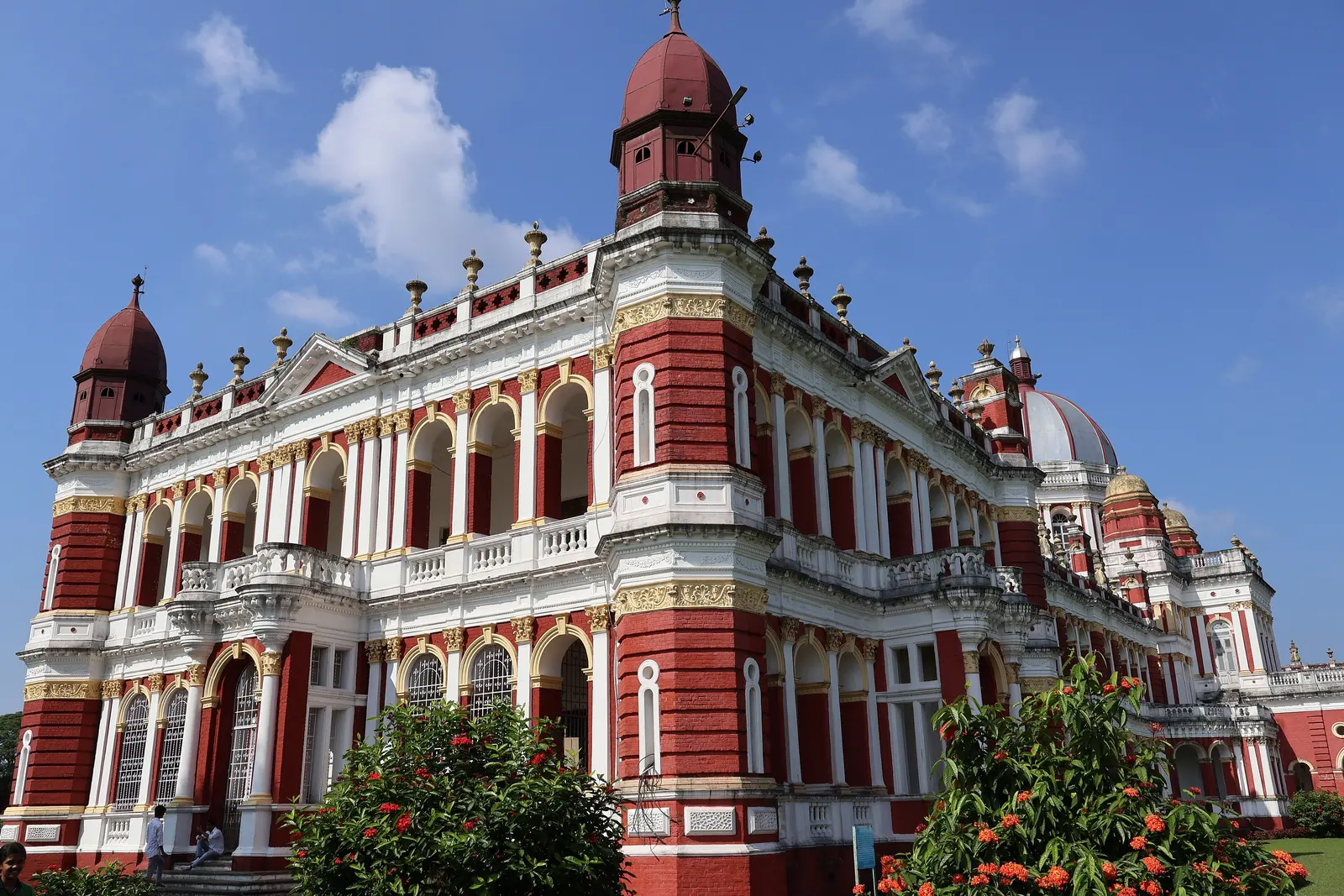
That legacy is most visible in Cooch Behar Palace, a grand late-19th-century royal residence built in a style reportedly inspired by Buckingham Palace, now maintained as a museum by the Archaeological Survey of India. Around it, a compact, unhurried town centres on the Madan Mohan Temple and the placid central lake of Sagardighi, with a quiet civic character shaped by its former royal status.
Today Cooch Behar also functions as a natural, less crowded gateway toward the forests and tea estates of the Dooars and Jaldapara regions further north — a worthwhile stop for travellers heading that way rather than only a standalone destination.
👑 Cooch Behar at a Glance
Interested in the history? See our guide to palaces in India.
Best Time to Visit Cooch Behar
Cool, dry, and comfortable, with Rasmela usually falling within this window — the most pleasant time to explore the palace grounds and town on foot.
Temperatures and humidity climb noticeably, making outdoor sightseeing less comfortable, though North Bengal stays somewhat cooler than the plains further south.
North Bengal receives significant monsoon rainfall, which can affect road travel toward Cooch Behar and onward to the Dooars.
Cooch Behar's biggest annual fair, centred on the Madan Mohan Temple, draws large crowds from across the region — book ahead if visiting then.
Our pick: October to March — cool, comfortable, and, if timed right, overlapping with the Rasmela fair in November.
How to Reach Cooch Behar
- By Rail: Cooch Behar has its own railway station with some direct connections, though many travellers route via New Jalpaiguri (NJP), the major regional rail hub, and continue on by road.
- By Road: Roughly 150km from Siliguri, with regular NBSTC (North Bengal State Transport Corporation) buses and shared taxis making the journey in about 3-4 hours.
- By Air: Bagdogra Airport, near Siliguri, is the nearest major airport, with onward road travel required to reach Cooch Behar.
Palace, Temple & Sagardighi
Cooch Behar Palace (Victor Jubilee Palace)
Built in 1887 by Maharaja Nripendra Narayan and formally named the Victor Jubilee Palace to mark Queen Victoria's Golden Jubilee, this Italian Renaissance-influenced residence was reportedly modelled in part on Buckingham Palace following the Maharaja's visits to England. Its grand central dome, symmetrical wings, and manicured lawns make it the town's most visited site, now maintained by the Archaeological Survey of India as a museum with royal furnishings, portraits, and artefacts from the Koch dynasty on display.
Madan Mohan Temple
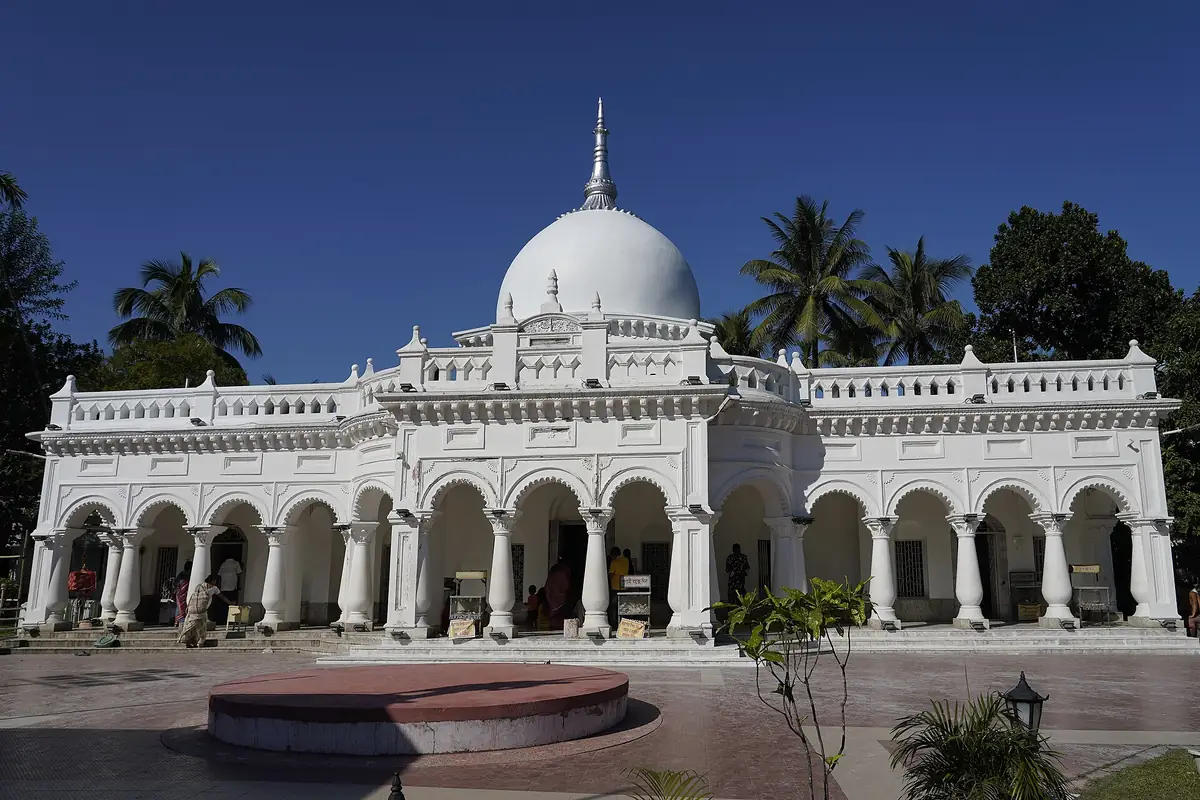
Built in 1889 and dedicated to a form of Krishna considered the royal family's tutelary deity, this temple remains the spiritual centre of the town and the focal point of the annual Rasmela fair, drawing devotees and visitors from across North Bengal for its rituals and festivities.
Sagardighi
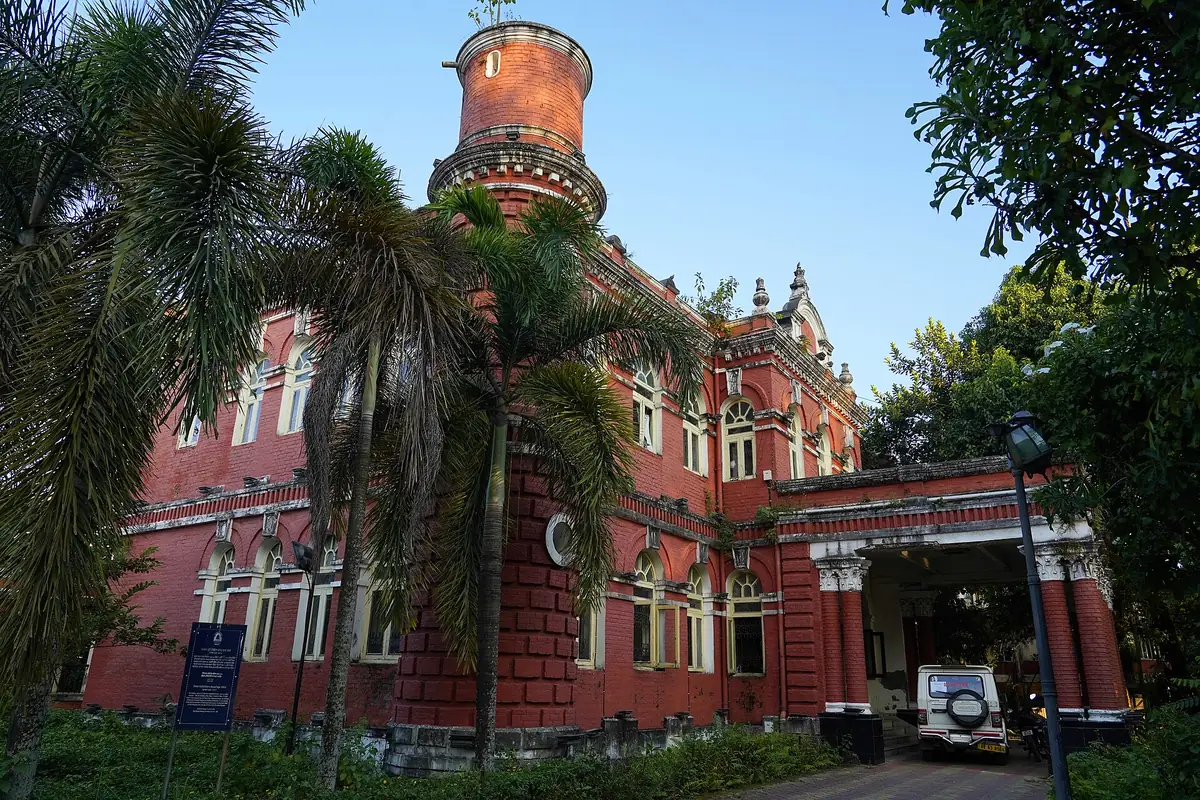
A large, rectangular artificial lake at the heart of town, originally excavated during the Koch dynasty's reign, now surrounded by a landscaped park that serves as Cooch Behar's main civic green space — a pleasant, unhurried spot for an evening walk after a day of sightseeing.
Rasmela & the Dooars Gateway
Rasmela, Cooch Behar's largest annual event, is held around the Hindu festival of Rash Purnima (usually falling in November) at the Madan Mohan Temple. What began as a religious observance has grown into a major regional trade fair, combining rituals, folk performances, and stalls selling everything from handicrafts to farm equipment — one of North Bengal's most significant annual gatherings.
Cooch Behar's location also gives it a natural "gateway" feel toward the forests, tea estates, and wildlife sanctuaries of the wider Dooars region further north and east — a quieter, less-touristy alternative base to Siliguri for travellers heading that way, even if Siliguri and New Jalpaiguri remain the more established transport hubs for the region overall.
Where to Stay in Cooch Behar
Accommodation is modest and functional, concentrated around the town centre near the palace and Sagardighi.
- → Simple lodges near the bus stand
- → West Bengal Tourism guesthouses
- → Basic hotels in the town centre
- → Standard hotels near Sagardighi
- → Business-style hotels with modern amenities
- → Guesthouses close to the palace grounds
- → Well-appointed business hotels
- → Heritage-style boutique stays
- → Comfortable resorts en route to the Dooars
Suggested Visit Plan (1 Day)
Cooch Behar Palace
- ✓Explore the palace museum and royal galleries
- ✓Walk the landscaped grounds and lawns
Temple & Sagardighi
- ✓Visit Madan Mohan Temple
- ✓Relax by the Sagardighi lake and park
- ✓Browse the local market area
Toward the Dooars
- ✓Continue by road toward Jaldapara or the wider Dooars region
* Most travellers treat Cooch Behar as a one-day stop en route to the Dooars rather than a standalone multi-day destination.
Where to Eat in Cooch Behar
- Bengali home-style meals: Simple, well-cooked rice-fish-vegetable thalis at local eateries around the town centre.
- Rasmela food stalls: During the November fair, food stalls around the temple grounds serve regional snacks and sweets.
- Local tea stalls: As with much of North Bengal, simple roadside tea stalls are a good, inexpensive way to pause between sights.
Budget Breakdown
| Expense | Budget | Mid-Range | Luxury |
|---|---|---|---|
| Accommodation/night | ₹600 | ₹2,500 | ₹6,000 |
| Bus/taxi from Siliguri (round trip) | ₹400 | ₹1,500 | ₹3,000 |
| Food/day | ₹300 | ₹800 | ₹1,800 |
| Palace entry | ₹15–50 | ₹15–50 | ₹15–50 |
| Local transport/day | ₹150 | ₹400 | ₹900 |
* Figures are per person, per day (transport fare is a round-trip figure from Siliguri).
Essential Tips for Visiting Cooch Behar
- Check the palace's weekly closure day: Like most ASI-maintained monuments, it closes on a fixed day each week — confirm before planning your visit around it.
- Book ahead during Rasmela: Accommodation fills up quickly during the November fair — plan early if visiting then.
- Treat it as a stopover, not a standalone trip: A single day covers the main sights well — combine it with onward travel toward the Dooars for a fuller itinerary.
- Carry cash: ATM access is more limited than in bigger North Bengal towns like Siliguri.
- Confirm bus schedules in advance: NBSTC bus timings between Siliguri and Cooch Behar can shift seasonally — check locally before travel.
✅ Do
- →Check the palace's weekly closure day first
- →Walk the Sagardighi lake park at sunset
- →Book ahead if visiting during Rasmela
- →Combine with onward travel to the Dooars
- →Carry enough cash for the whole stay
❌ Don't
- →Assume walk-in ATM access everywhere
- →Skip checking bus timings before travel
- →Plan more than a day for the town alone
- →Arrive during Rasmela without a booking
- →Expect Siliguri-level tourist infrastructure
Frequently Asked Questions
How do I reach Cooch Behar?
Cooch Behar has its own railway station with connections to Kolkata and other parts of North Bengal, though the most common approach is via New Jalpaiguri (NJP) or Siliguri, roughly 150km away, from where NBSTC buses and shared taxis run regularly. The nearest major airport is Bagdogra, near Siliguri.
What is Cooch Behar Palace modelled on?
Cooch Behar Palace, officially the Victor Jubilee Palace, was built in 1887 by Maharaja Nripendra Narayan in an Italian Renaissance-influenced style, reportedly inspired by Buckingham Palace after the Maharaja's visits to England. It's now protected and maintained by the Archaeological Survey of India as a museum open to the public.
Is Cooch Behar a good base for visiting the Dooars?
Yes — Cooch Behar sits close to the western edge of the Dooars and Jaldapara regions, making it a reasonable, less-touristy alternative base to Siliguri for travellers heading into North Bengal's forest and tea-country belt, though Siliguri and New Jalpaiguri remain the more common transport hubs.
What is Rasmela?
Rasmela is Cooch Behar's major annual fair, held around the Hindu festival of Rash Purnima (usually November), centred on the Madan Mohan Temple. It combines religious observance with a large regional trade fair, cultural performances, and folk traditions distinctive to the historic Koch kingdom, drawing visitors from across North Bengal.
How many days should I spend in Cooch Behar?
A single day is enough to see the palace, Madan Mohan Temple, and Sagardighi at a comfortable pace. Most travellers treat it as a stopover en route to or from the Dooars/Jaldapara region rather than a multi-day standalone destination.
Published by the Kudozz Club editorial team · Last updated · How we research our guides
Want us to plan this trip for you?
Tell Kudozz Club where you want to go and what kind of trip you’re looking for. We’ll build a Cooch Behar and West Bengal itinerary around your dates and budget.
Continue Exploring
View all guides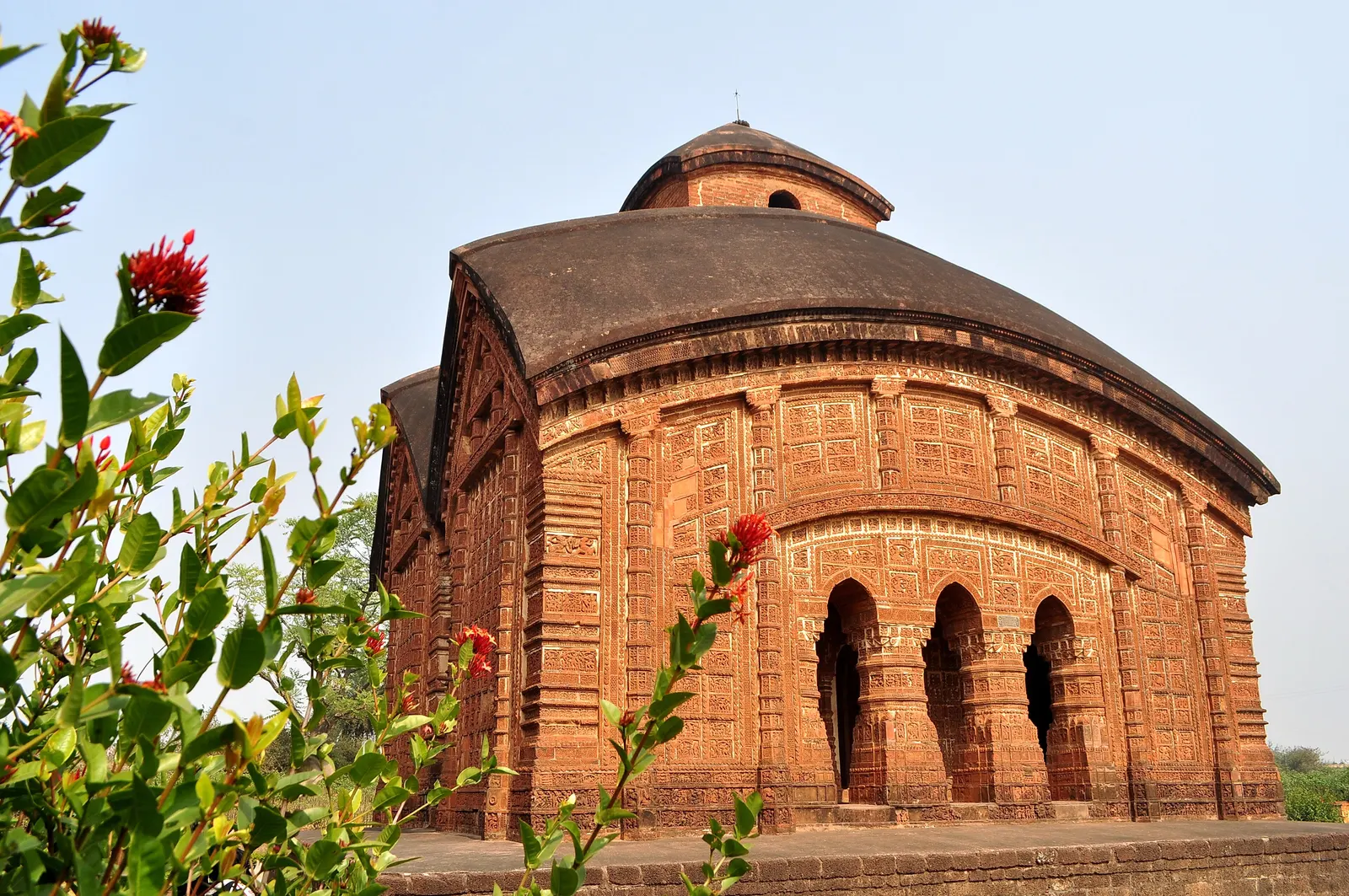 Heritage
Bishnupur Travel Guide: Terracotta Temples & Baluchari
Complete Bishnupur guide — the Malla dynasty's terracotta temples, Rasmancha, Baluchari sarees, the Bishnupur Gharana, how to reach from Kolkata, and a full visit plan.
 Heritage
Murshidabad Travel Guide: Hazarduari & Nawabi History
Complete Murshidabad guide — Hazarduari Palace, Katra Mosque, the Battle of Plassey, Bengal's Nawabi history, silk weaving, how to reach from Kolkata, and a full visit plan.
 Heritage & Culture
Heritage Tourism in West Bengal: Kolkata, Bishnupur, Murshidabad and Santiniketan
A guide to heritage tourism in West Bengal: its UNESCO cultural sites (Santiniketan and the Darjeeling Himalayan Railway), Kolkata's colonial and Bengali heritage, Bishnupur's terracotta temples, Murshidabad and the Nawabs of Bengal, the European towns along the Hooghly, Gaur and Pandua, Cooch Behar, and crafts, music and festivals from kantha and Baul to Durga Puja.
 Heritage
Charminar Guide: History, Timings & Tips
Four grand arches, four soaring minarets, and a bangle bazaar that has traded beneath them since the 16th century — the complete Charminar guide.